10 Abandoned U.S. Places Bold Women Still Explore Despite the Risks
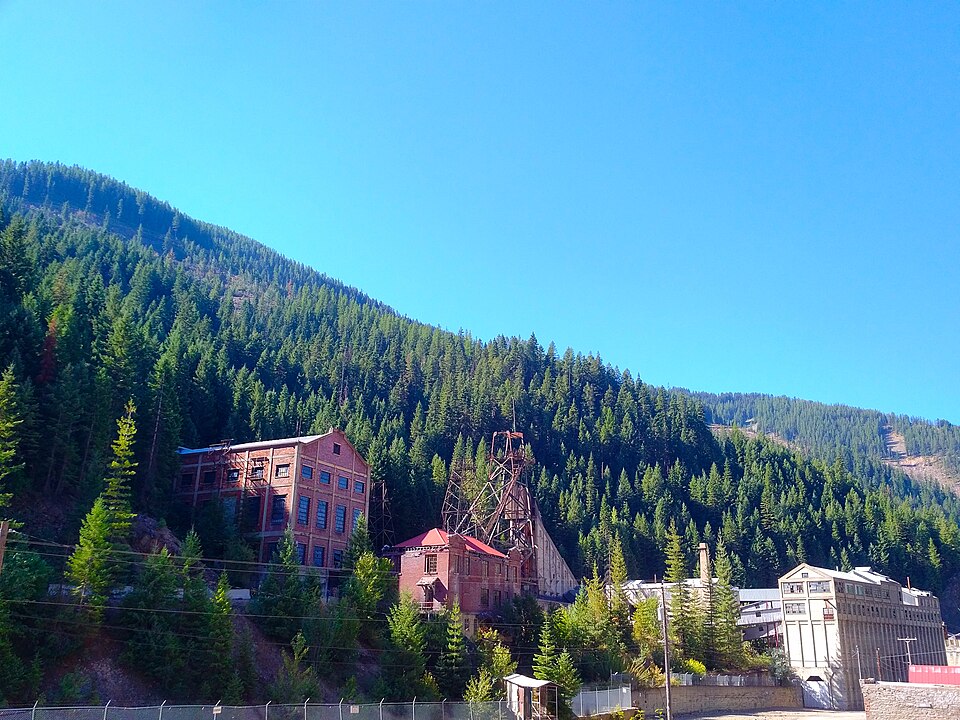
Abandoned places pull at a certain kind of courage: the calm, practical kind that scans the ground, checks the exit, and still chooses care over panic.
Across the United States, women in the urban-exploration world trade notes on ghost towns, shuttered mines, and forgotten institutions where history clings to brick, dust, and faded signage. Some trips are legal tours, others are roadside pauses, and the best ones happen in full daylight.
The appeal is not just adrenaline. It is the chance to witness how a community once worked and loved, to photograph what remains without taking it, and to walk away knowing some doors should stay closed.
Centralia Mine Fire, Pennsylvania
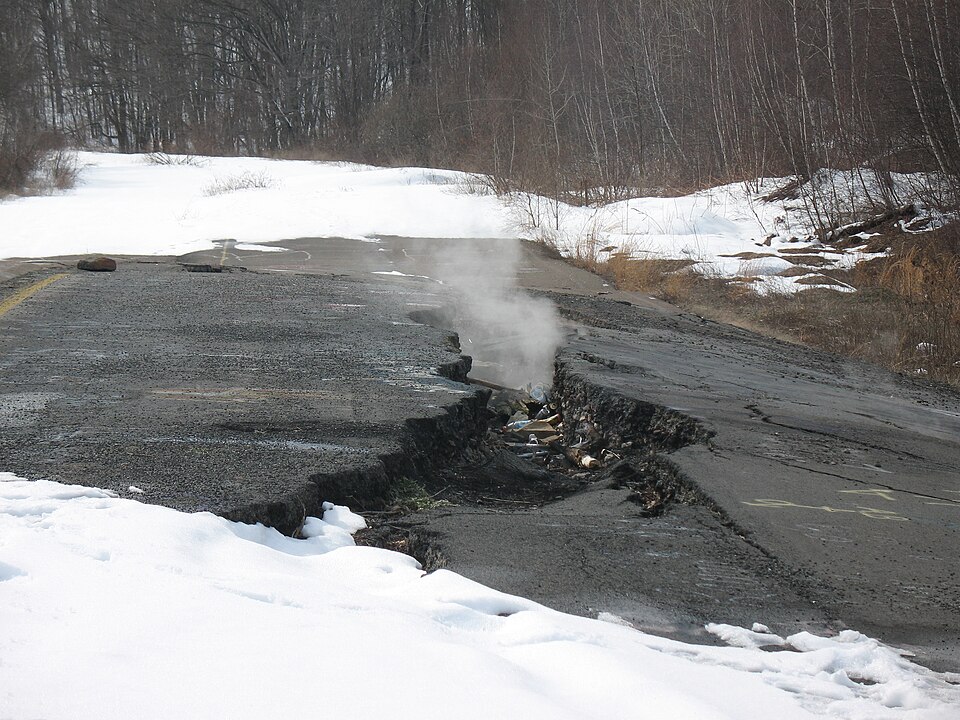
A coal-seam fire has burned under Centralia since 1962, and the town emptied as heat, fumes, and ground collapse made ordinary life impossible.
Explorers still come for the unsettling details: cracked pavement, vents that once pushed warm air through winter snow, and a landscape that looks stable until it suddenly does not. Most treat it as a boundary lesson, not a playground.
The abandoned stretch of old Route 61 became famous as Graffiti Highway, but the graffiti was buried under dirt in April 2020. The risk that remains is the invisible kind, so the careful visits stay brief, stay on public areas, and leave before curiosity turns sloppy.
Bodie, California
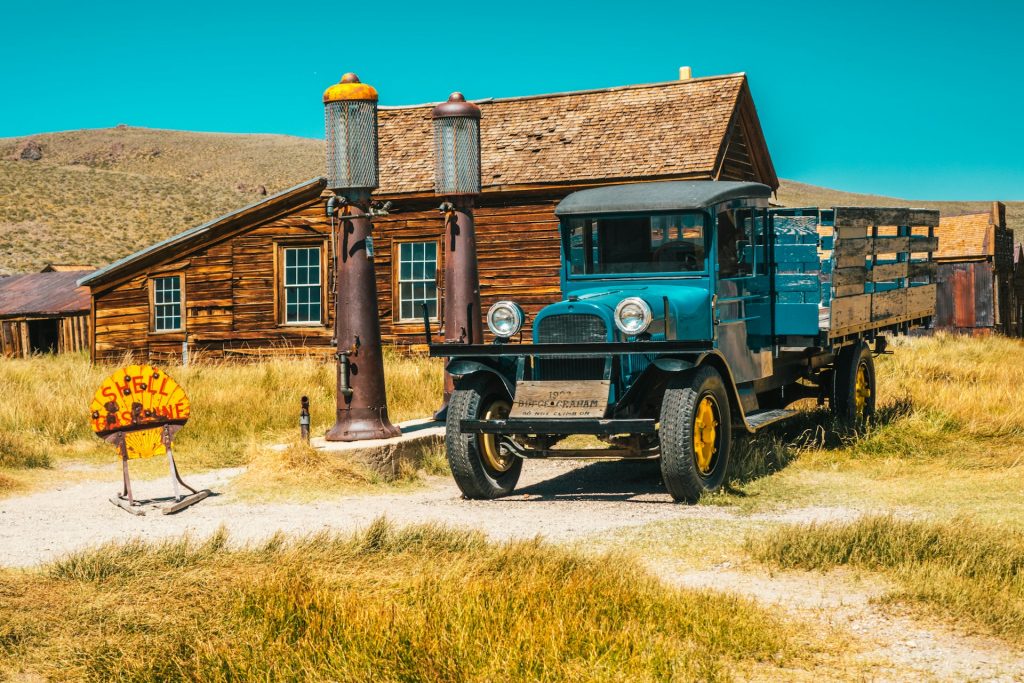
Bodie is an abandoned mining town that is still standing because it is protected. California State Parks keeps it in a state of arrested decay, with buildings left weathered but watched.
That creates a different kind of thrill. People can look closely at a life that stopped, then practice restraint instead of conquest. Cameras do the collecting, not pockets.
Park rules make it illegal to remove or disturb artifacts, even small pieces like glass or nails. The risks are practical: splinters, sharp metal, and fast-changing high desert weather, so most explorers stick to open areas, read the signs, and keep their pace calm too.
Kennecott, Alaska
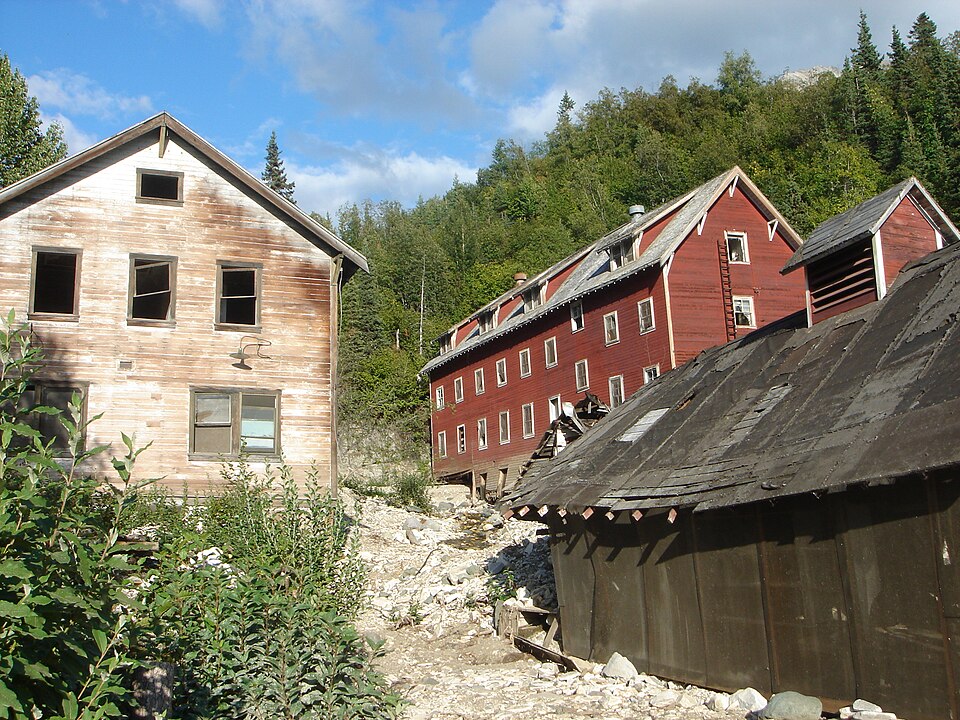
Kennecott, in Alaska’s Wrangell-St. Elias country, was a copper company town until the operation left in 1938. The mill still towers over the valley, big enough to make voices drop on instinct.
Many visitors choose guided access because the structures are historic, complex, and easy to misjudge. The National Park Service helps manage preservation, and tours keep people out of the worst corners.
For women who chase big history more than thrills, the risk is a stack of small realities: cold, slick boards, loose rock, and long distances. The smart stories end with everyone back on the trail before the weather turns for real.
Bannack State Park, Montana
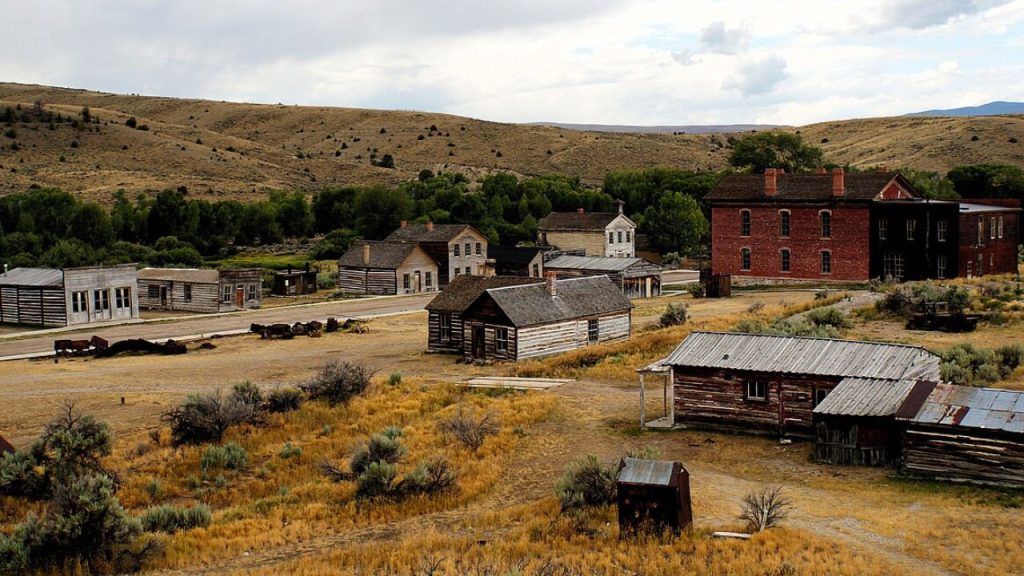
Bannack began with an 1862 gold strike and grew into a frontier capital before the rush moved on. Today it sits as a preserved townsite, where weathered walls still hold the shape of daily routines.
Women who explore it often come for the quieter tension: not trespassing, not staged, just old wood and long shadows. In summer, the emptiness can feel polite; in wind, it feels blunt.
The risks are classic and unglamorous. Rotting steps, hidden nails, and brittle floors can turn a quick photo into a bad day. Visits that go well stay on open paths, keep hands off weak railings, and let the place speak without being handled on.
Bombay Beach, California
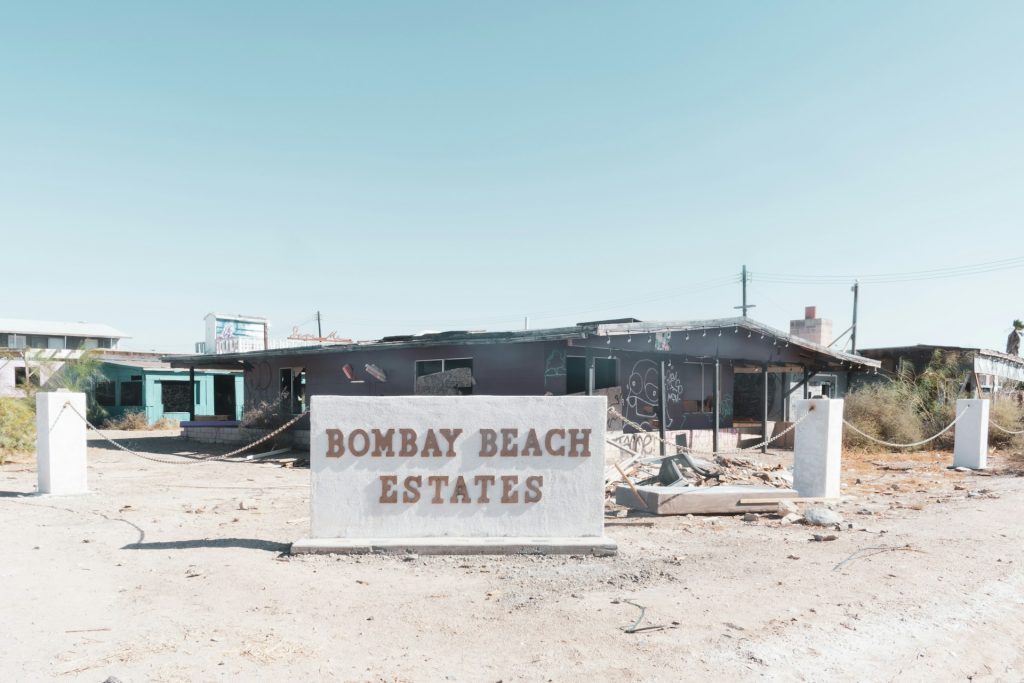
Bombay Beach was built as a Salton Sea getaway, then the shoreline turned harsher as salinity, storms, and decline changed the promise. Now it is part ghost resort, part outdoor gallery, with art pieces sitting beside abandoned trailers.
Women who explore it describe the contrast: pastel sunsets and a brittle edge underfoot, where debris and fish remains collect along the flats.
The risks are readable if people stay honest. Heat climbs fast, wind can kick up choking dust from exposed playa, and old structures fail without warning. The best visits stay outside, carry water, and leave the waterline alone when it looks rough.
Old Cahawba, Alabama

Old Cahawba was Alabama’s first permanent state capital, set at the meeting of the Alabama and Cahaba rivers. Flooding and health fears helped push the government away in the 1820s, and the town slowly thinned into an archaeological landscape.
Explorers who visit today often say it feels less like urban decay and more like walking a map that nature is trying to erase.
The risks are the same forces that shaped its history: mud, snakes, mosquitoes, and storms that roll in without apology. Smart visits stick to marked areas, watch the river mood, and treat cemeteries and foundations with the kind of respect that needs no speech.
Rhyolite, Nevada
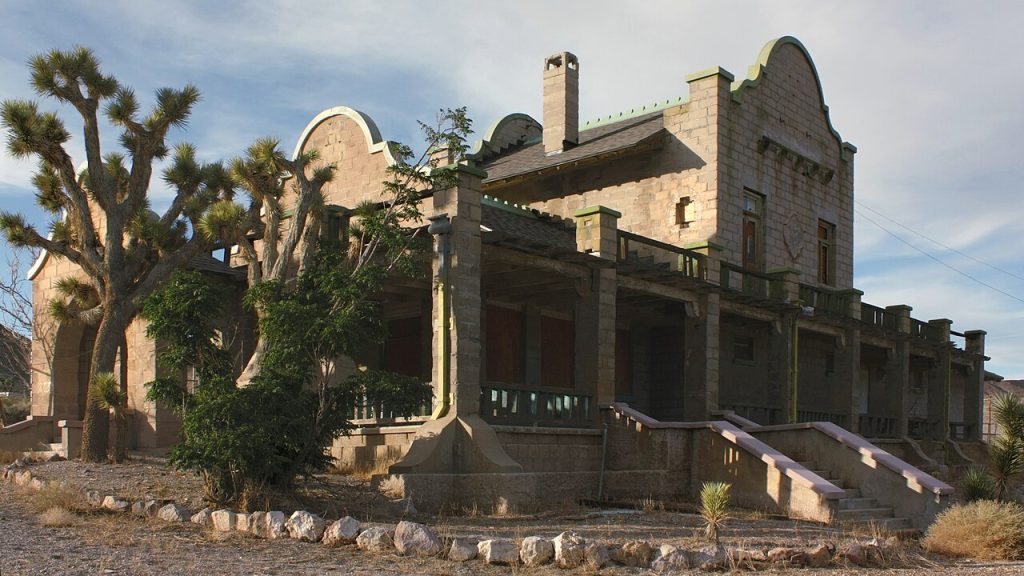
Rhyolite, near Death Valley, boomed after a 1904 gold discovery and collapsed almost as quickly. The ruins still look mid-sentence: a bank wall, a depot shell, and frames that catch desert light like stage sets.
Women who explore it often talk about discipline. The townsite is open, but the desert punishes sloppy planning. Even in cooler months, the sun has a way of winning.
Heat, dehydration, and distracted footing are the real threats, not ghosts. Unstable stone and rotten timbers can drop with one wrong step, so the best explorers stay outdoors, move slowly, and save the deeper curiosity for places that are actually maintained for entry.
St. Elmo, Colorado
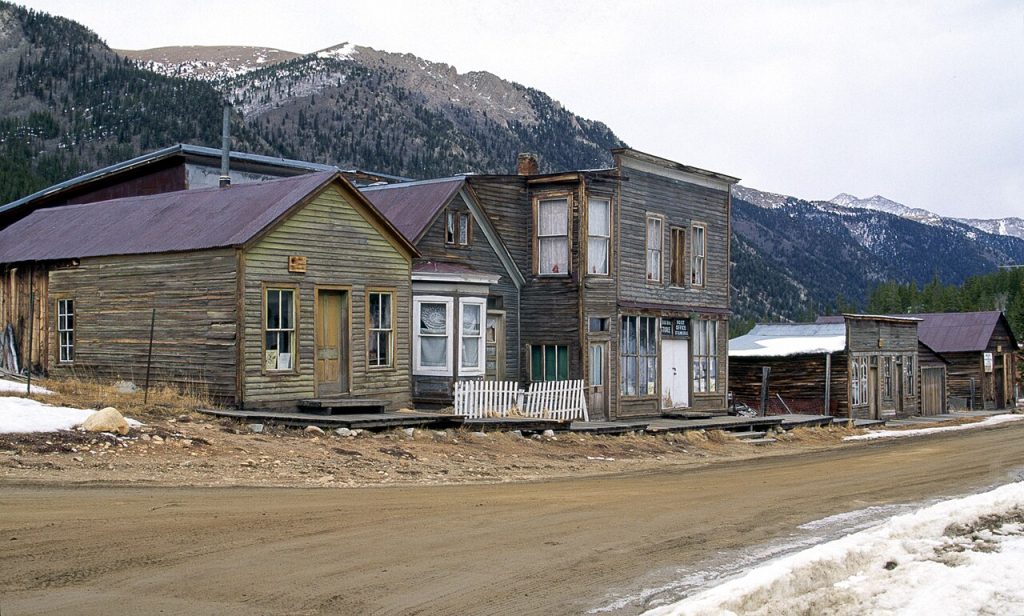
St. Elmo rose with Colorado mining in the 1880s, then quieted after rail service ended in 1922. A row of wooden buildings still lines the road, making the town feel like it could restart if someone swept the porch.
Women who explore it tend to keep the tone courteous. It is privately owned, sometimes occupied, and that reality should shape every photo and footstep.
The risks are the usual ones for old timber towns: weak floors, rusted hardware, and sudden mountain weather. The safest exploring stays outside locked doors, avoids leaning on railings, and leaves space for residents and history to coexist without friction here.
Garnet, Montana

Garnet is one of Montana’s best-preserved ghost towns, managed as a public historic site rather than a themed attraction. Cabins, a saloon, and scattered furnishings make it feel personal, like someone stepped out and never came back.
Winter changes the whole equation. The Bureau of Land Management notes that seasonal access is only by snowmobile, snowshoe, or cross-country skis, which turns a visit into a real outing.
That is where boldness becomes planning: layers, daylight, and a clear turnaround time. Cold, isolation, and slick boards are the main risks, and the reward is a quiet so complete it feels like the town is holding its breath.
Picher, Oklahoma

Picher, Oklahoma, is a hard place to romanticize. Decades of mining left unstable ground, contaminated water concerns, and massive chat piles of mine waste, and the area became part of the Tar Creek Superfund site in 1983.
Women who talk about it in explorer circles usually do so with an ethical pause. The risk is not just a broken stair, but toxic dust and hidden subsidence.
Research on the region has found fine particles in the chat piles that can be carried by wind and inhaled. The safest way to engage is indirect: learn the history, view from legal public spaces, and let the empty streets stand as a warning that still matters.
Burke, Idaho
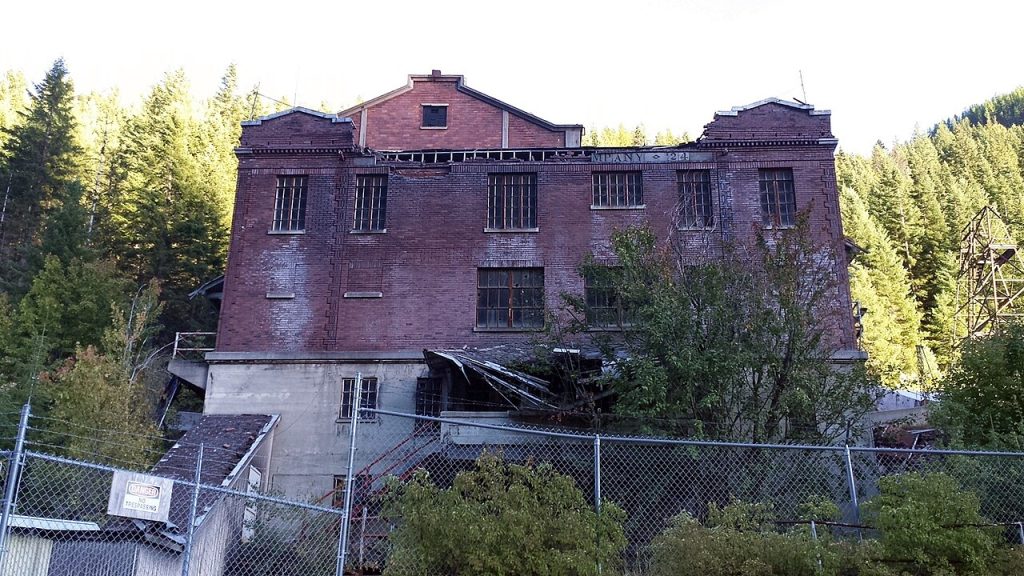
Burke, Idaho, squeezed a mining town into a canyon so tight that space became the story. The Tiger Hotel was built over a river, and railroad tracks famously ran through its lobby, because there was nowhere else to put them.
Women who explore Burke often describe a different kind of tension: terrain that funnels sound, steep walls, and the sense that the landscape is still in charge.
The risks come from that geography. Rockfall, slick creek edges, and unstable remains can turn quick wandering into trouble. The careful approach stays outside, watches the ground and the slopes, and treats the town as a lesson in improvisation under pressure.