10 Asian Destinations Americans Visit More Carefully In 2026
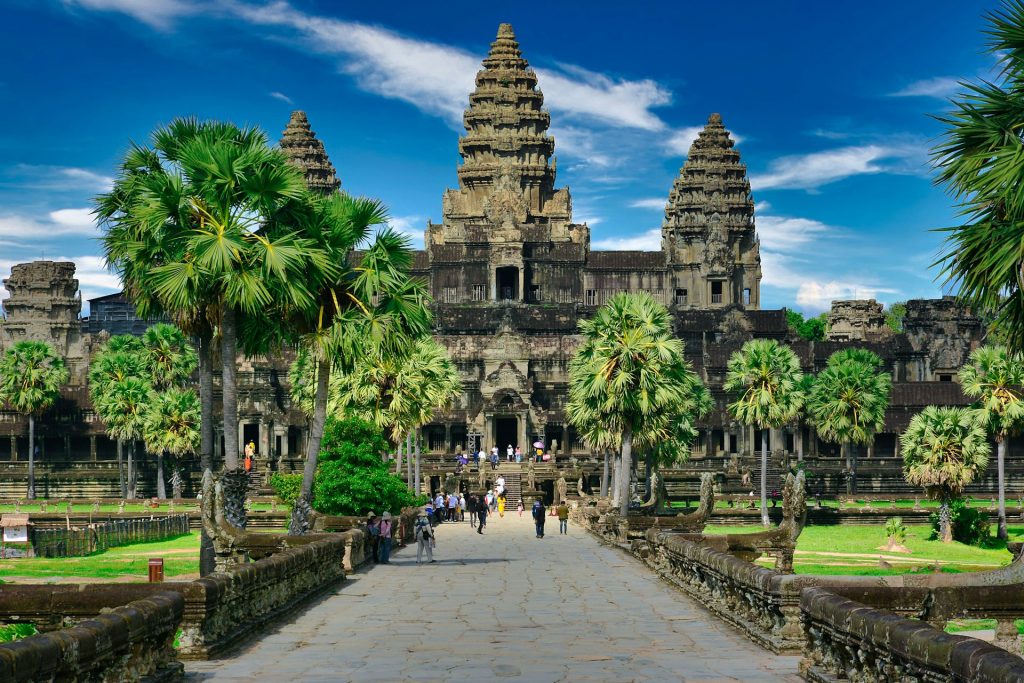
American travel to Asia in 2026 still runs on wonder, but it also runs on homework.
Small details now carry more weight: an e-authorization, a medication rule, a border-zone detour, or a demonstration that snarls trains and taxis for hours. Many Americans build lighter days, keep documents and devices tidy, and choose reputable transport over last-minute bargains. With advisories shifting and weather turning quickly, planning is less about worry and more about protecting time.
These 10 destinations stay popular, yet they tend to reward travelers who arrive informed, flexible, and calm, from the airport line to last connection at night.
Mainland China
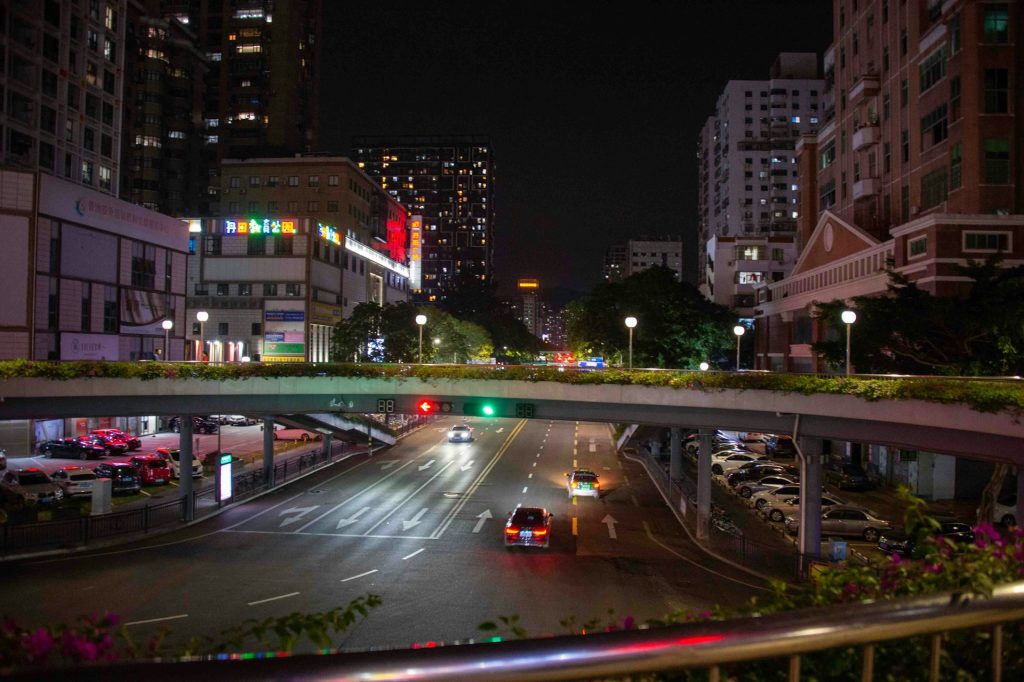
Mainland China draws Americans for big-city energy and deep history, yet 2026 planning often looks more disciplined here.
U.S. guidance warns about arbitrary enforcement of local laws and the use of exit bans, so many travelers keep schedules simple and skip anything that could be read as sensitive. Care shows up in small habits: hotel addresses saved in Chinese, extra time for station checks, and receipts kept together so answers stay clean at the desk. Many also travel with a pared-down phone setup and fewer accounts logged in. Nothing about that preparation is dramatic. It protects momentum when a minor delay could stretch into hours.
India
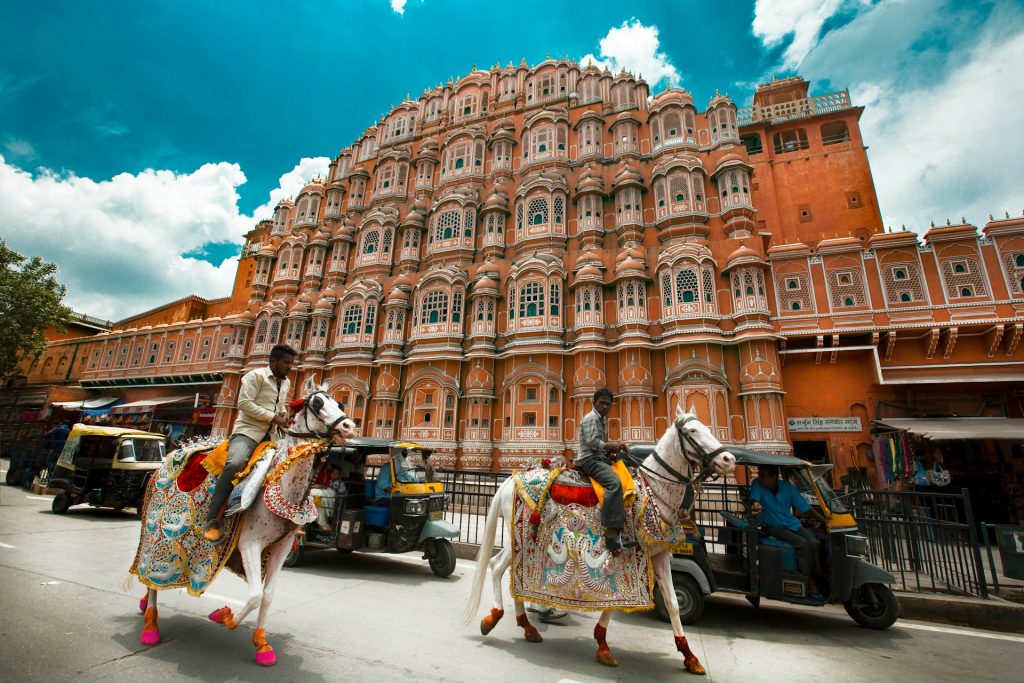
India stays high on American wish lists, but 2026 trips often look more structured because distance and rules can magnify small mistakes.
U.S. guidance rates India at Level 2 and lists higher-risk areas, including Jammu and Kashmir and stretches of the India-Pakistan border, so routing choices matter. Many travelers avoid night improvising, book trusted drivers for arrivals, and keep permits and hotel confirmations easy to access. It also notes that e-visas are not accepted for land crossings, a detail that can turn a casual border plan into trouble. With a lighter schedule and clear paperwork, India feels expansive rather than exhausting.
Philippines
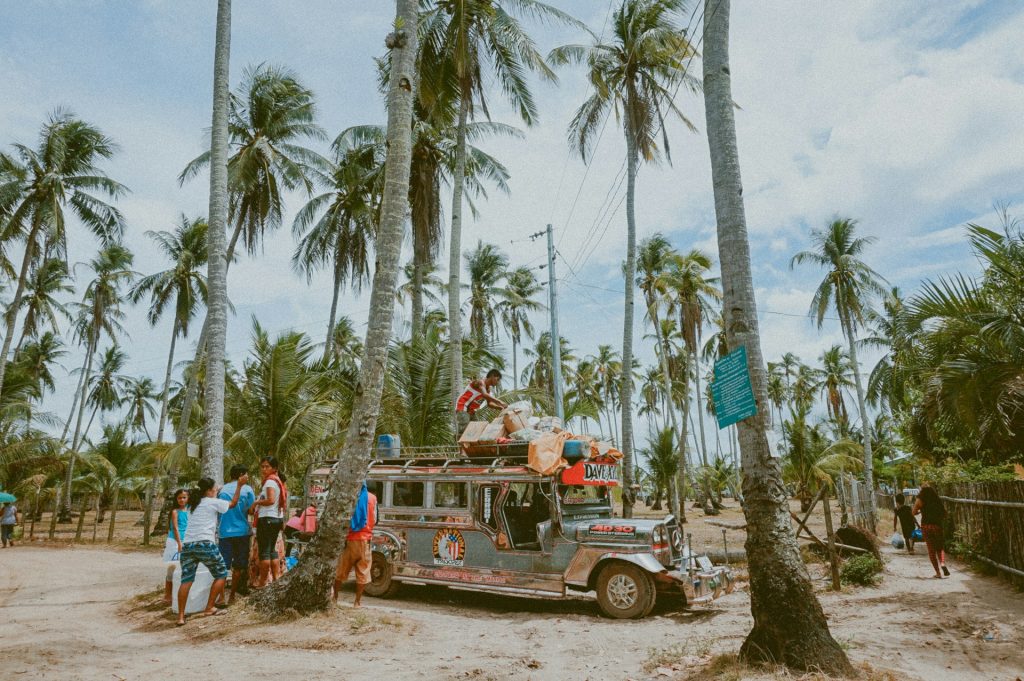
The Philippines keeps its pull in 2026, but Americans travel with tighter routing because conditions can change sharply between regions.
U.S. guidance places the country at Level 2, and it flags the Sulu Archipelago and Marawi City as Do Not Travel, with other parts of Mindanao carrying elevated concern. That pushes many visitors toward served hubs, vetted transfers, and daylight inter-island moves when schedules slip. Care also means keeping booking screenshots, meeting points, and ferry details organized, since missed connections can snowball on island days. With smart logistics, the trip stays about beaches and food, not the scramble.
Indonesia
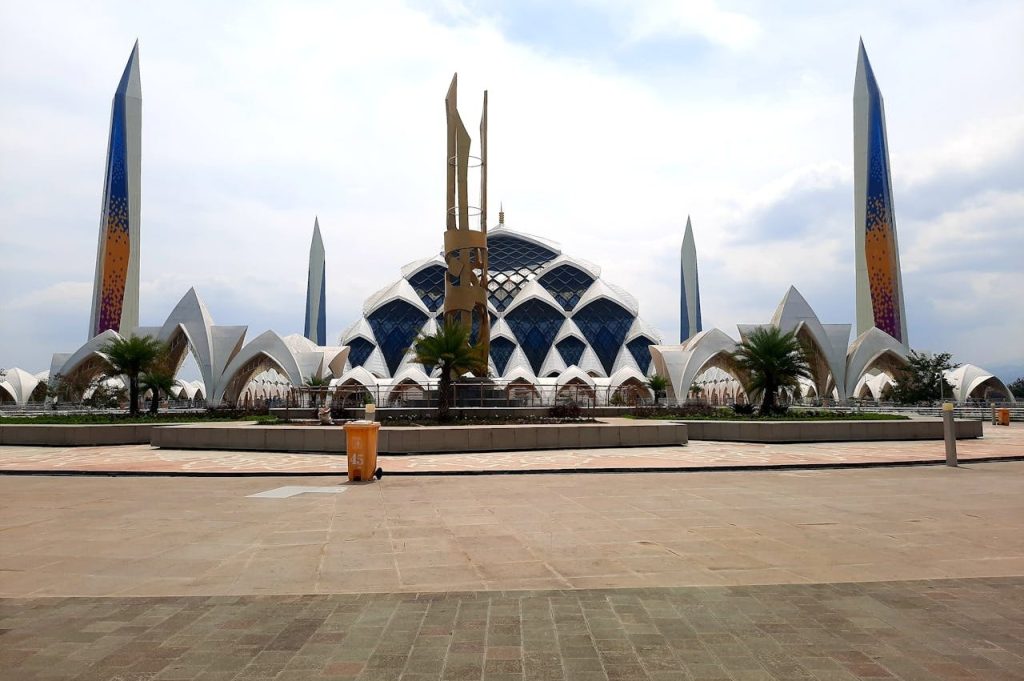
Indonesia, Bali included, still feels inviting in 2026, yet many Americans plan more carefully because the country runs on big distances and fast-changing conditions.
U.S. guidance puts Indonesia at Level 2 for terrorism and natural disasters, and it lists parts of Papua as Do Not Travel due to civil unrest. Even far from those provinces, weather can flip ferry and flight schedules, so travelers build buffers, keep insurance details handy, and rely on reputable drivers for late transfers. A flexible plan keeps the rhythm intact when rain, surf, or a volcanic notice shifts the map for a day without warning.
Thailand
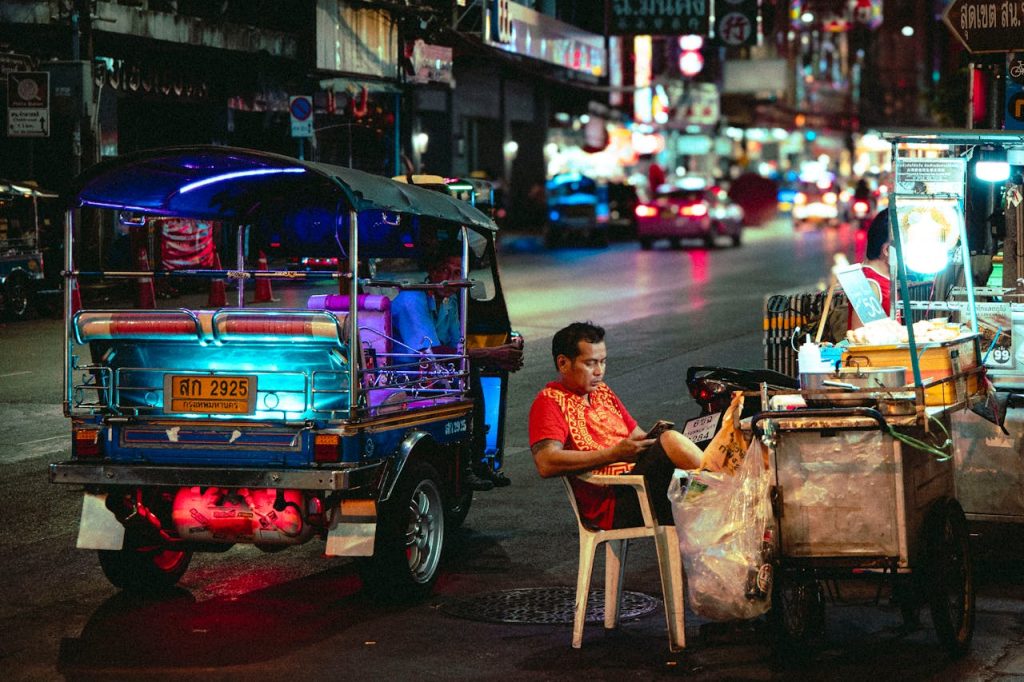
Thailand stays a favorite, but 2026 itineraries often come with sharper boundaries because localized unrest and border issues can change plans quickly.
U.S. guidance rates Thailand at Level 2 and warns against travel within 50 km of the Thai-Cambodian border due to active fighting, with limited U.S. emergency support in the affected provinces. Careful trips cluster around established routes, use official rides at night, and keep hotel details ready for quick checks. When the plan leaves room for reroutes and delays, Thailand feels easy again, and the energy goes back to food, markets, and temples.
Cambodia
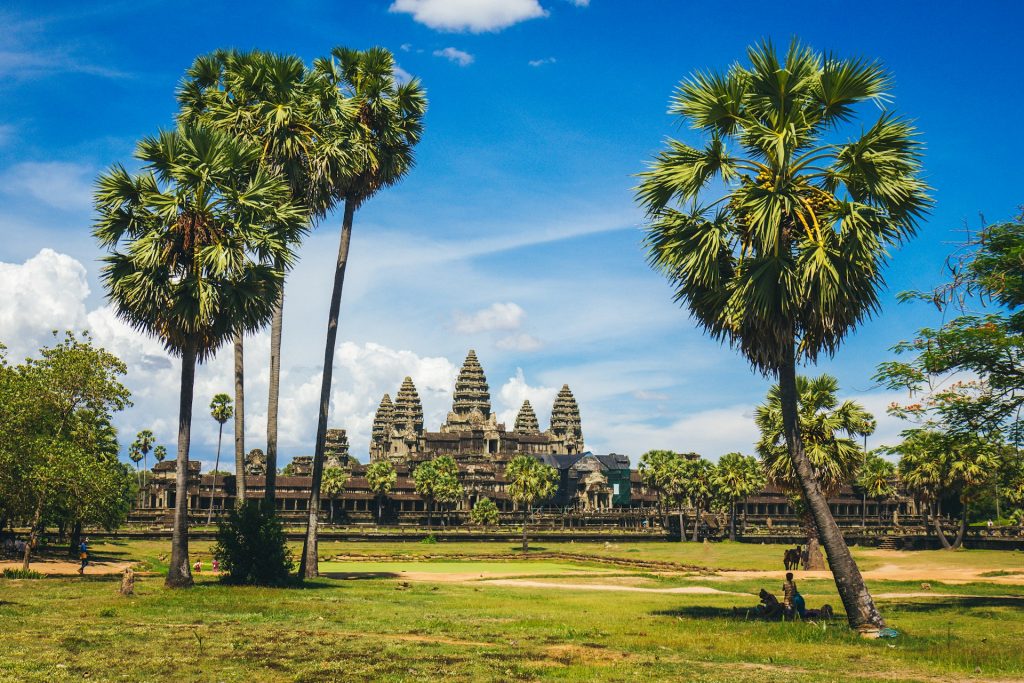
Cambodia remains a draw for temple towns and river life, yet Americans in 2026 often travel with a little more structure than the photos suggest.
U.S. guidance rates Cambodia at Level 2 due to crime and landmines, and it advises against travel along the Cambodian-Thai border because of armed conflict. That steers many visitors toward reputable guides for remote sites, well-lit routes after dark, and hotel-arranged transport instead of curbside deals. Cash still runs many transactions, so travelers keep small bills and receipts organized to avoid confusion. With those basics handled, the country feels calmer and generous again.
Nepal
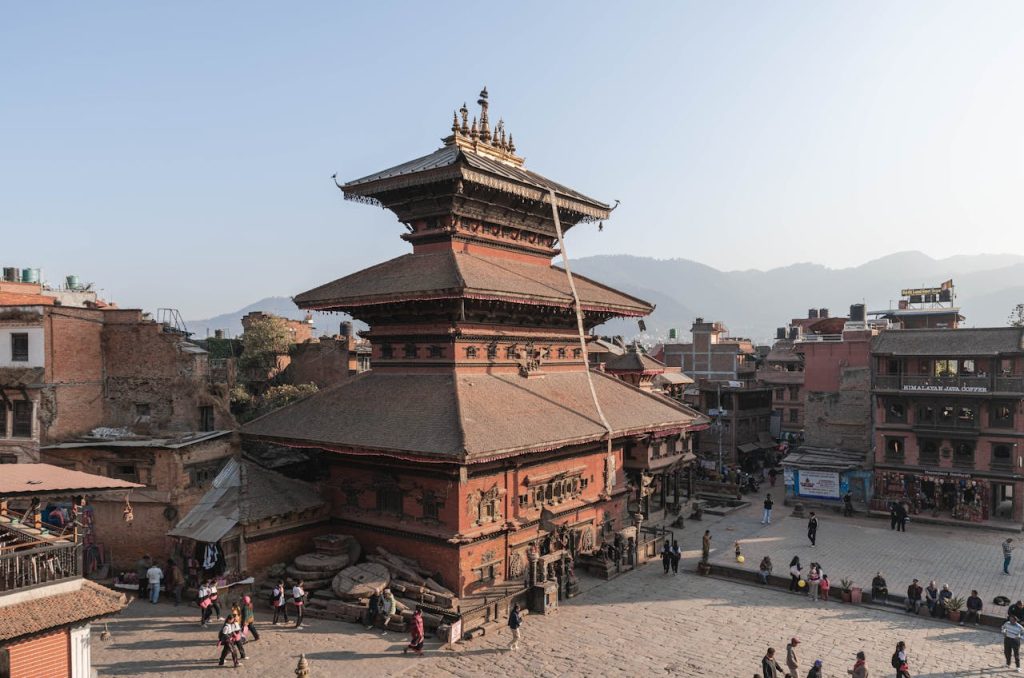
Nepal’s pull is timeless, yet Americans often approach 2026 trips with more caution because logistics can unravel quickly when the country is unsettled.
U.S. guidance rates Nepal at Level 3, citing civil unrest, and notes that large protests in Sept. 2025 turned violent. Travelers tend to avoid demonstrations, keep plans flexible around road closures, and add extra days for flights, permits, and weather on trekking routes. Outside major cities, services can be limited, so many rely on reputable guides, conservative altitude pacing, and shared itineraries with hotels. Preparation keeps the mountains feeling generous, not fragile.
Sri Lanka
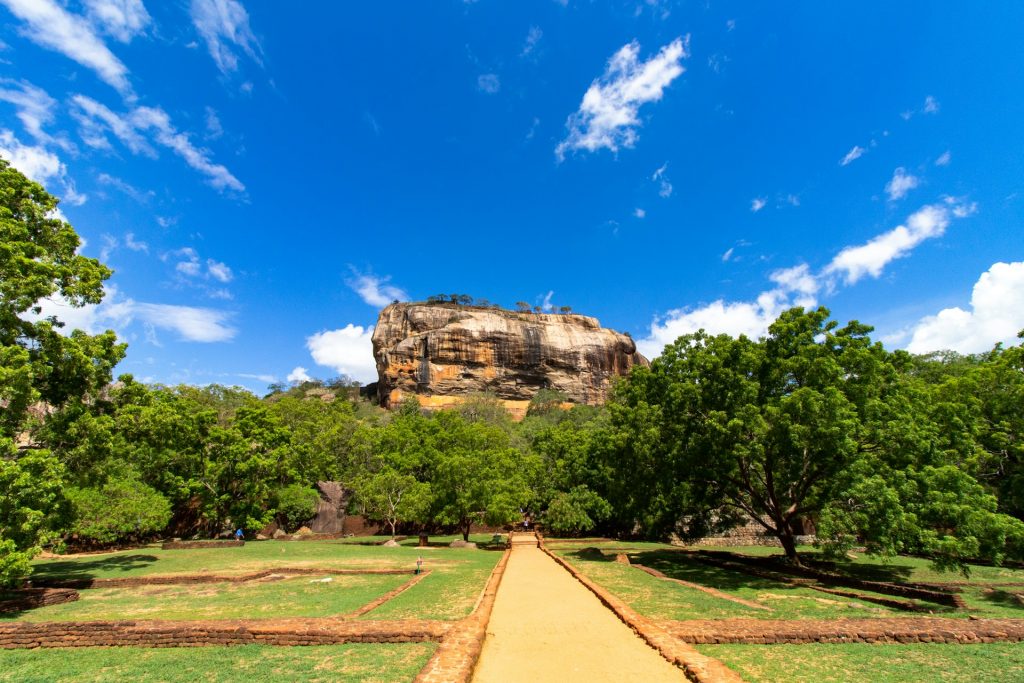
Sri Lanka has returned to many American itineraries, but 2026 travel often looks more careful because demonstrations and disruptions can flare with little notice.
U.S. guidance rates Sri Lanka at Level 2 due to unrest, terrorism, and landmines, and it advises avoiding all gatherings since protests can turn violent quickly. Visitors lean on reputable drivers, hotel contacts, and offline maps so schedule changes do not become panic. Monsoon timing also shapes routing, so many keep flexible beach days and move inland when the coast turns rough. With breathing room built in, Sri Lanka’s warmth comes through in markets, trains, and slow meals.
Japan
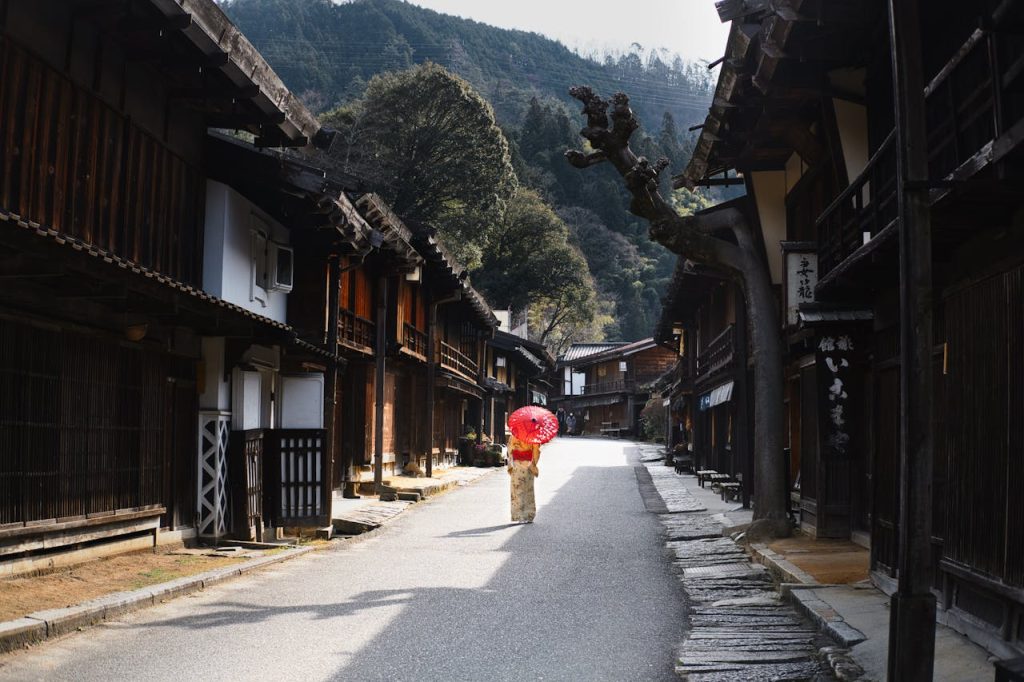
Japan is rated Level 1, yet Americans in 2026 still travel carefully because everyday U.S. habits can collide with strict Japanese rules.
State Department guidance notes that marijuana is illegal, and it warns that common U.S. prescriptions, including Adderall, are illegal in Japan. It also flags knife laws: a locking blade, or a folding blade longer than 5.5 cm, can lead to arrest and detention. Careful travelers confirm medications before departure, keep luggage minimal on trains, and avoid carrying pocket tools out of habit. The reward is a trip that feels smooth, respectful, and quietly joyful in the details.
South Korea
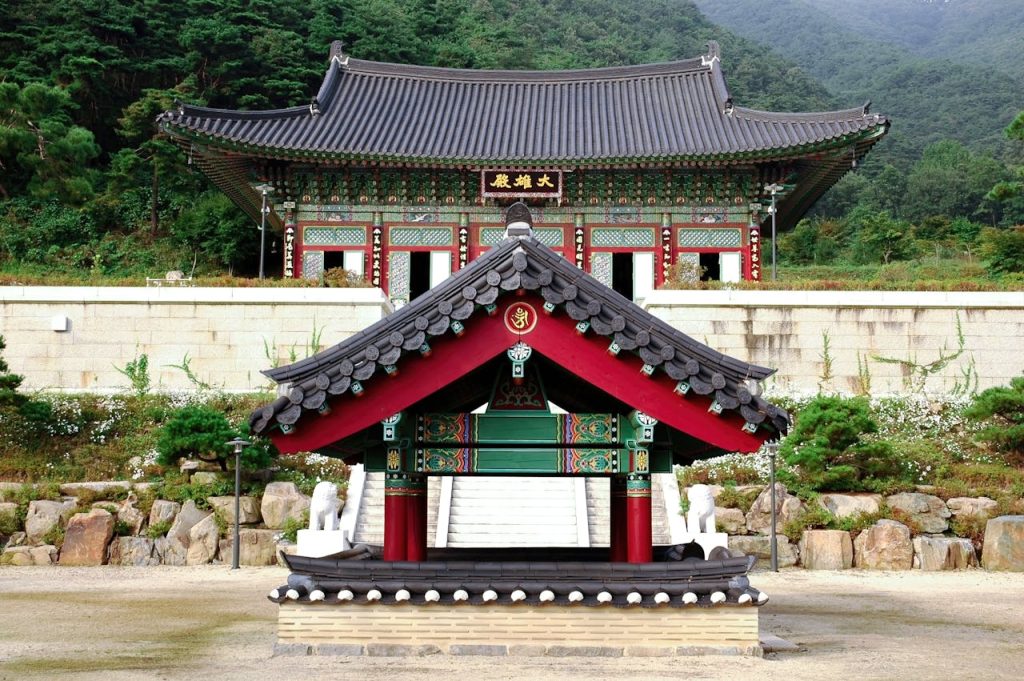
South Korea is rated Level 1, but Americans in 2026 arrive better prepared because small legal details can matter at entry and in public spaces.
State Department guidance notes that large demonstrations may occur with little notice, and it states that foreigners cannot participate in political activities such as protests under immigration law. It also highlights that the K-ETA exemption for U.S. passport holders runs through Dec. 31, 2026, and it flags dual U.S.-Korean men who may face military service obligations. Many travelers keep plans apolitical, sort paperwork early, and check medication rules so airport conversations stay short.