10 Christmas Destinations That Feel Better After the Holidays
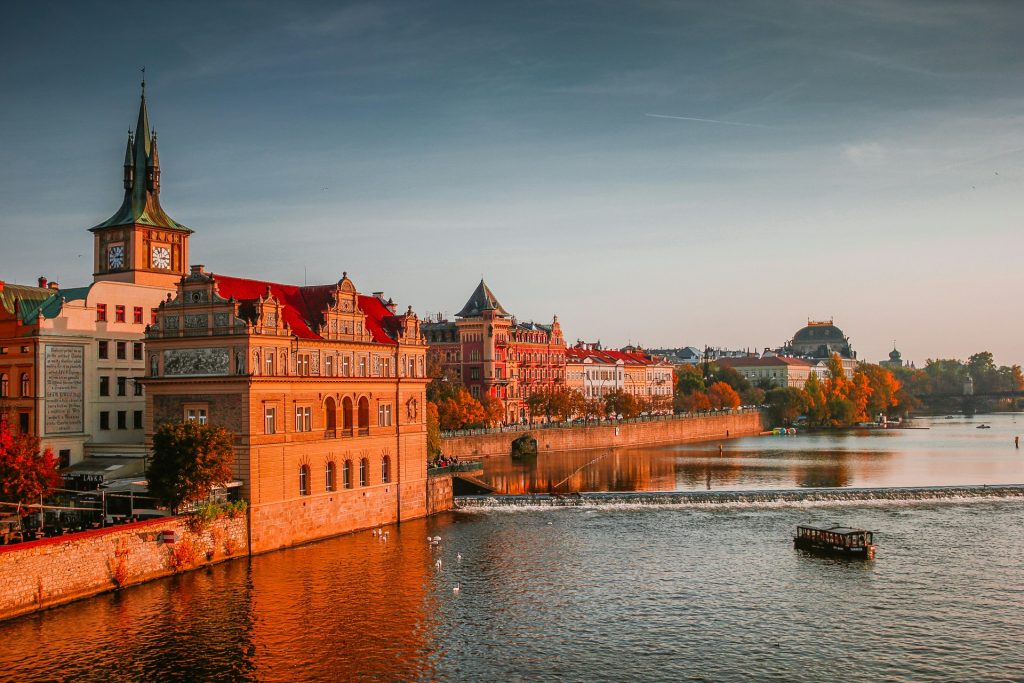
Some places are famous for December sparkle, but they can feel more enjoyable once the big days pass. Crowds thin, reservations loosen, and the season’s atmosphere remains, just quieter and easier to live inside. Decorations often stay up into early January, lights still glow after dark, and winter weather keeps its charm without the rush of peak travel. The trip becomes less about securing a spot and more about settling into a rhythm, with slow walks, warm meals, and room to notice details. These destinations often feel at their best right after the holidays.
New York City, New York
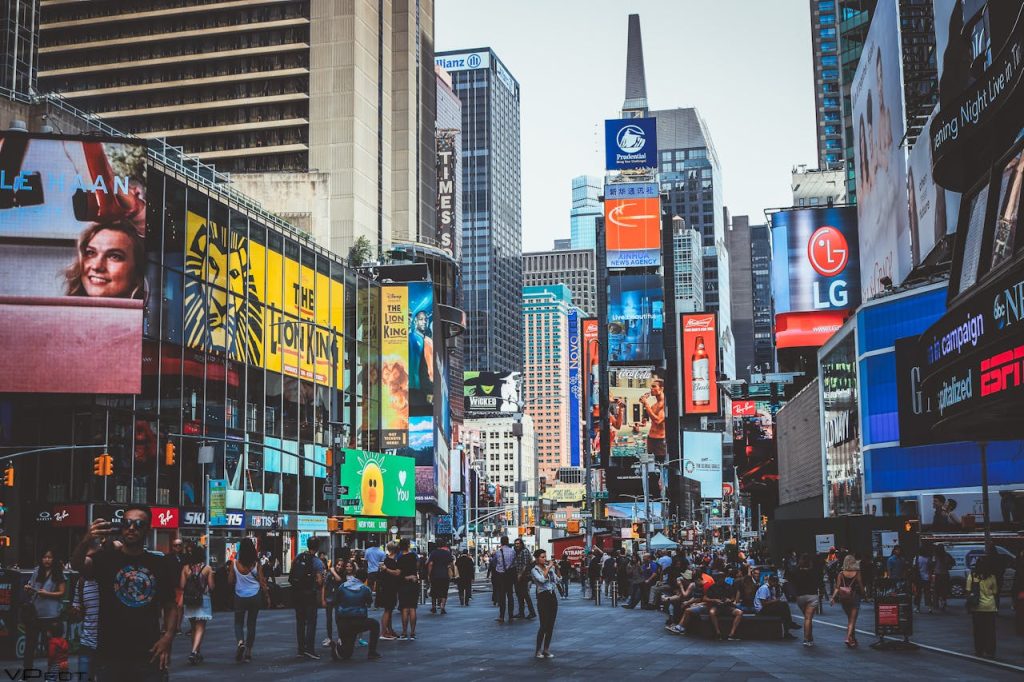
New York’s holiday magic does not vanish on Dec. 26. What changes is the pressure. After Christmas, hotel rates and dining competition often soften, while Rockefeller Center, Fifth Avenue windows, and Bryant Park still deliver the mood. Streets feel easier to navigate, museum time slots open up, and it becomes possible to plan loosely without fighting for every reservation. The classic evening loop works better: a light walk, a warm drink, and a late dessert without shoulder-to-shoulder crowds. The city keeps its glow, but the experience feels more personal, like the season is still happening, just without constant urgency.
London, England
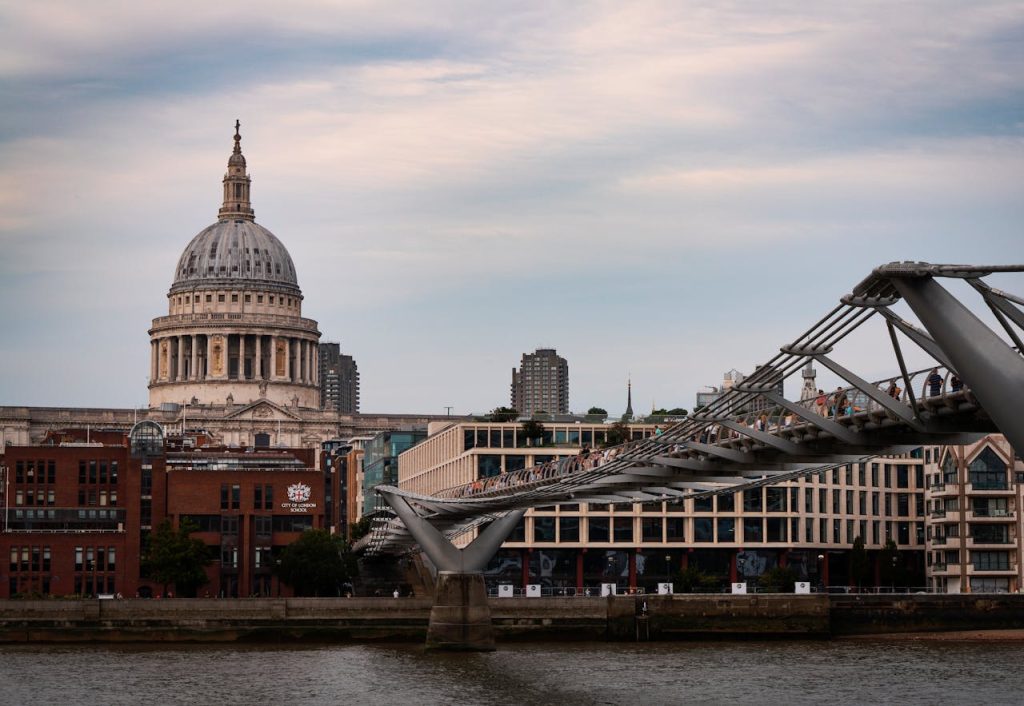
London stays lit well beyond Christmas, and the days after the holiday can feel like a calmer version of the same winter dream. Light displays in the West End and major shopping streets often remain, while theater crowds thin slightly and restaurants become easier to book without strict timing. Winter weather still invites cozy pub breaks, museums, and covered markets, but the city feels less compressed, especially on weekdays. Plans can stay simple and still feel full: a morning museum, a long lunch, then an evening walk through Covent Garden or along the Thames. The charm is steady, but post-holiday London gives more space to enjoy it.
Paris, France
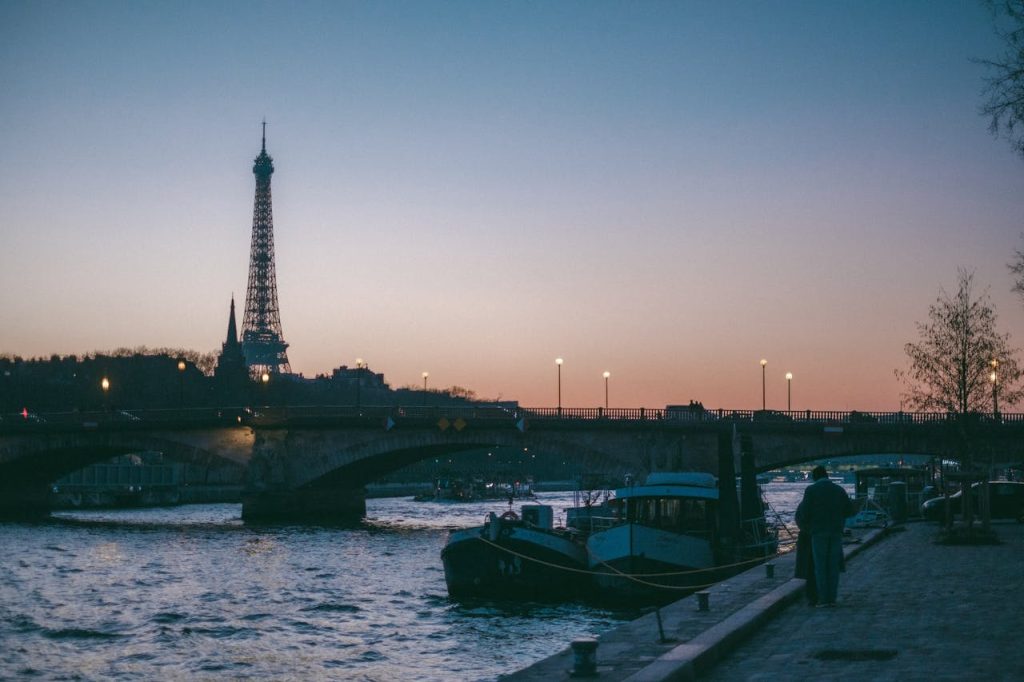
Paris after Christmas can feel like the city exhales. Department store windows and major boulevards often keep their seasonal glow, yet the peak rush loosens quickly. That makes everyday Paris easier to reach: quieter museum halls, more tables at neighborhood bistros, and less pressure on the métro at busy hours. Even short walks feel better when sidewalks are not packed, and winter light can be beautiful, with soft afternoons and long café evenings. It is a version of the city where festive atmosphere remains, but the day can unfold naturally, without the sense of competing for space or timing every move.
Vienna, Austria
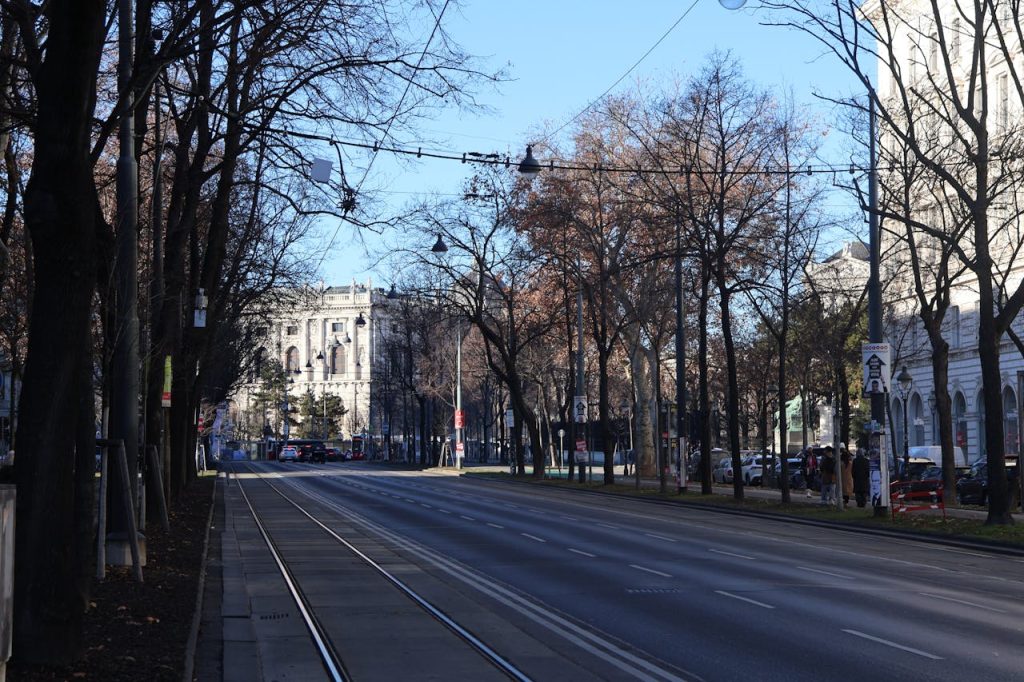
Vienna’s post-holiday days often keep the same winter elegance, with lights and seasonal décor still visible and cafés built for long, warm breaks. Some Christmas markets wind down, but the mood stays in historic squares that continue to glow at night. The advantage is how manageable everything becomes: fewer crowds in museums, easier seats at concert halls, and more room to browse shops without packed aisles. Vienna feels designed for winter, and after the holidays it becomes easier to enjoy its slower pleasures, from pastries to art rooms, without rushing between stops or planning every hour around peak demand.
Prague, Czech Republic
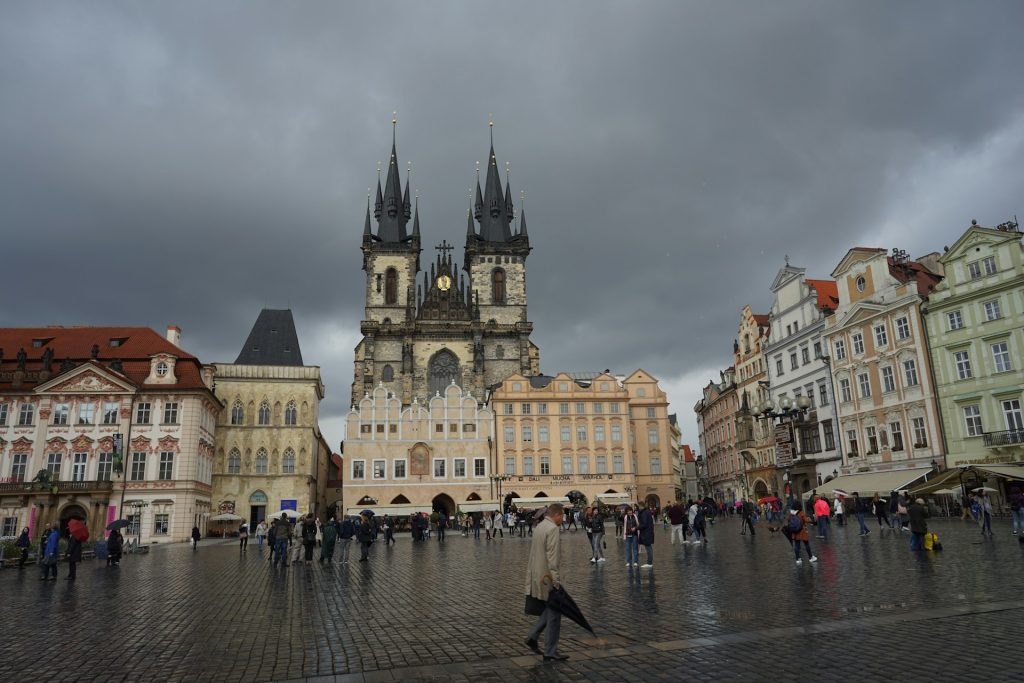
Prague’s old streets hold winter light beautifully, and the period after Christmas often brings the best balance of atmosphere and breathing room. Decorations remain, the historic center still looks storybook at night, but crowds thin enough to make bridges, squares, and small pubs feel approachable. It becomes easier to wander without being pushed along, and indoor stops, cafés, galleries, and small museums, feel more relaxed. A simple plan, daytime castle walks, warm lunch, then an evening loop through lit lanes, feels richer when it is not packed. Prague stays romantic, but post-holiday Prague feels calmer and more livable.
Quebec City, Quebec
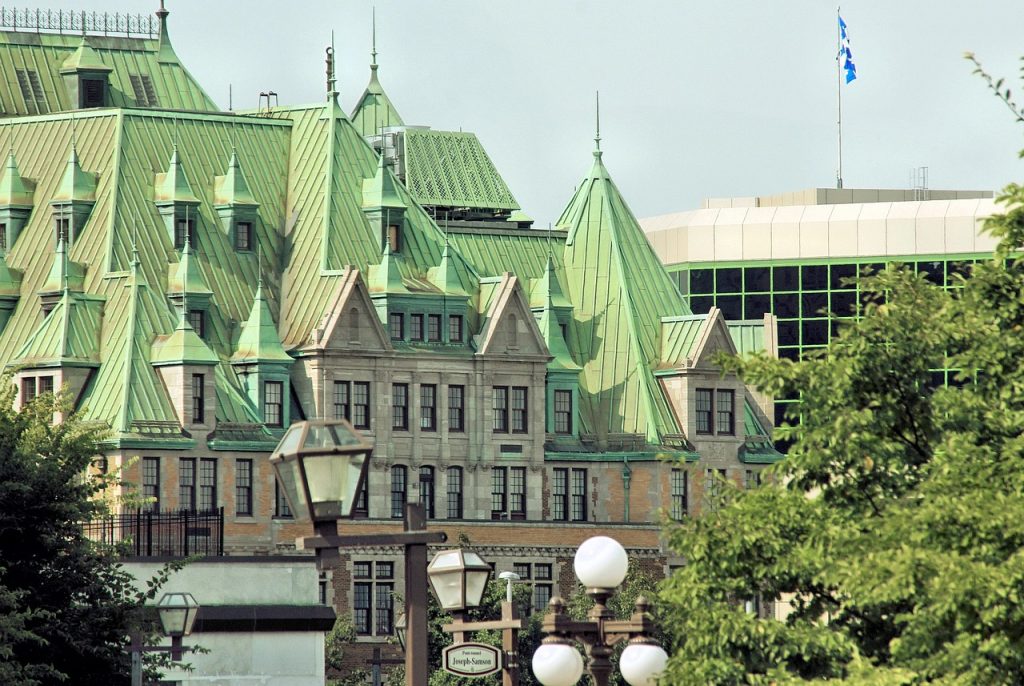
Quebec City can feel like a winter postcard in late December, yet the days after Christmas often deliver that look with fewer people competing for it. Old Québec remains decorated, streets glow softly, and the cold air makes warm cafés and small shops feel especially inviting. The difference is pace: easier restaurant seating, calmer sidewalks, and more space for slow walks through stone lanes and viewpoints without constant crowds. It becomes possible to take the same route twice and notice new details, from window displays to quiet corners, because the city is not forcing movement. The charm stays strong, but the experience feels more personal after the rush.
Tokyo, Japan
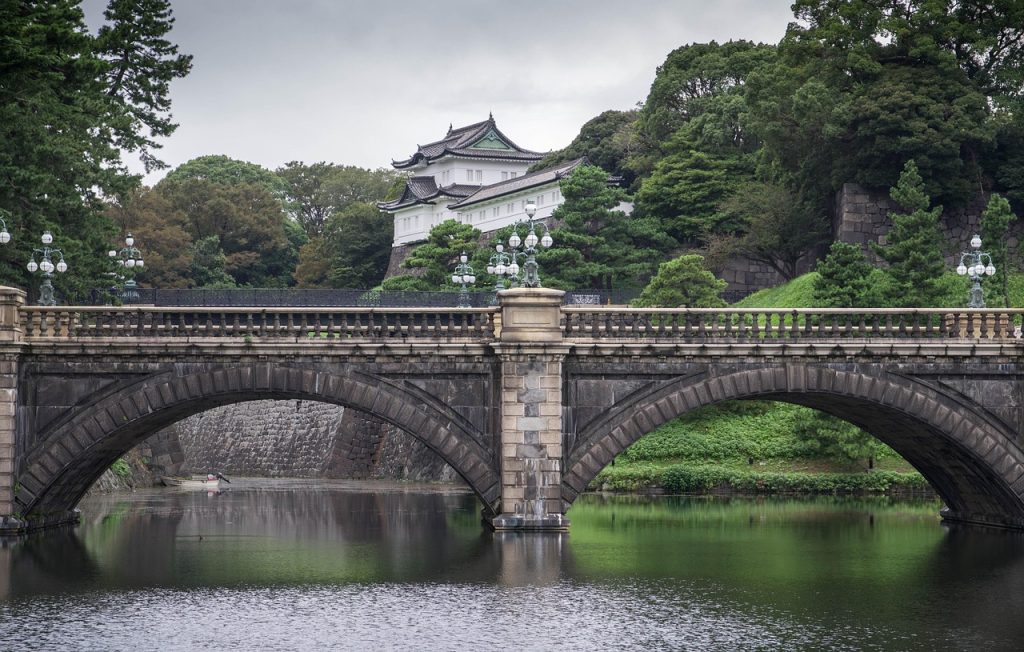
Tokyo’s winter season is not only about Dec. 25, and illuminations often continue into early January. After the main holiday travel peak, some areas feel more manageable, while lights in districts like Marunouchi and Omotesando still turn the evening into a walking plan. The city’s comfort helps, too: food halls, cafés, and transit make it easy to warm up, then head back out. Post-holiday Tokyo feels less about shopping intensity and more about a calm winter rhythm, with night walks, small meals, and easier hotel choices near preferred train lines. The trip becomes less logistical and more enjoyable.
Copenhagen, Denmark
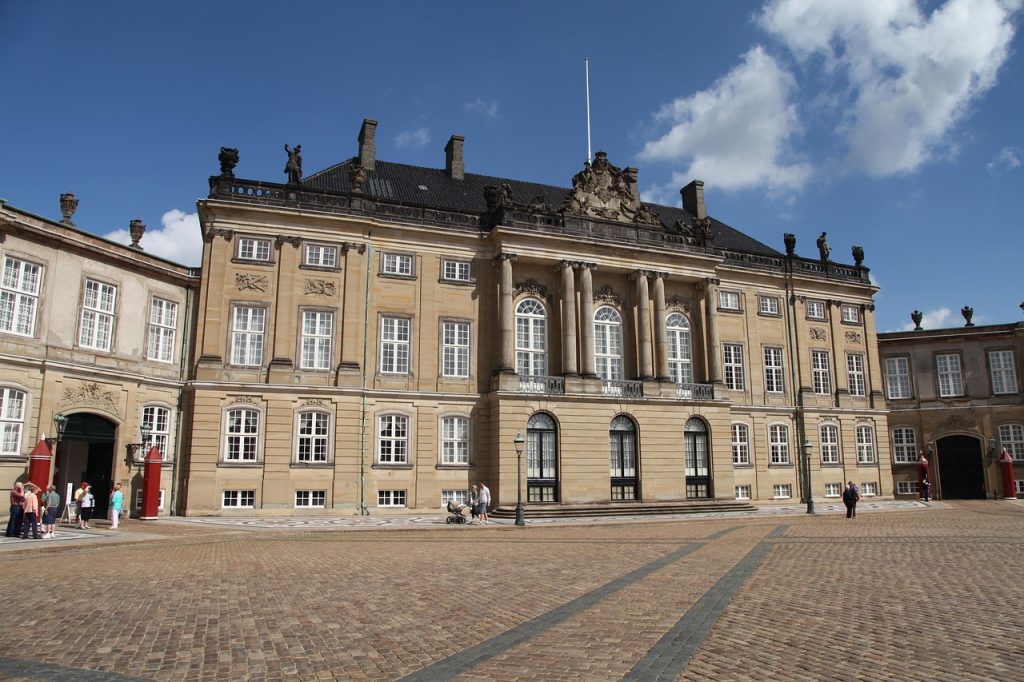
Copenhagen after the holidays can feel quieter without losing its cozy winter style. Warm-lit streets, candlelit windows, and café culture remain, and seasonal programming often lingers depending on dates, while visitor pressure tends to drop. That makes it easier to browse design shops, settle into bakeries, and enjoy waterfront walks without feeling like every spot is full. The cold becomes part of the appeal, because indoor breaks are everywhere and locals treat warmth as a routine, not a rescue. Post-holiday Copenhagen is less about chasing events and more about living in the calm atmosphere the city does best, with simple evenings and steady comfort.
Munich, Germany
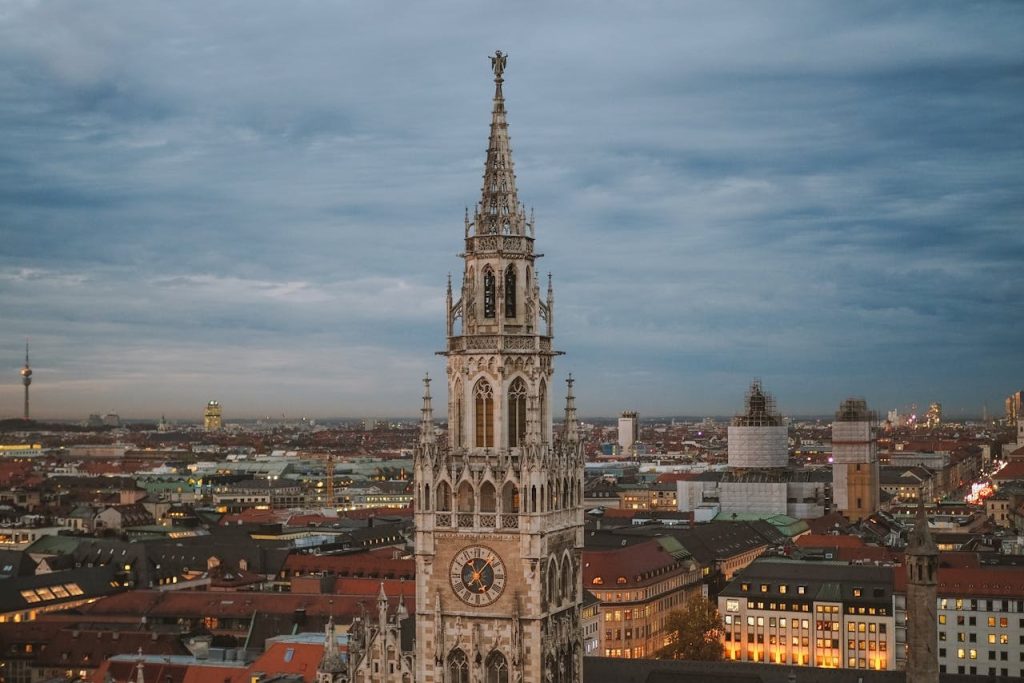
Munich’s holiday mood often stays visible after Christmas, and while some markets close, the city’s winter charm continues in beer halls, museums, and historic streets that still feel seasonal. The post-holiday shift is noticeable in availability: hotels can be easier to book, restaurant tables loosen up, and tourist zones feel less crowded while still decorated. It becomes a better time for slow routines, like a museum morning, a long lunch, and an evening walk through lit squares, without feeling rushed. Munich stays social in winter, but after the holidays it feels more comfortable, with less pressure to fight for space and more room to settle in.
Edinburgh, Scotland
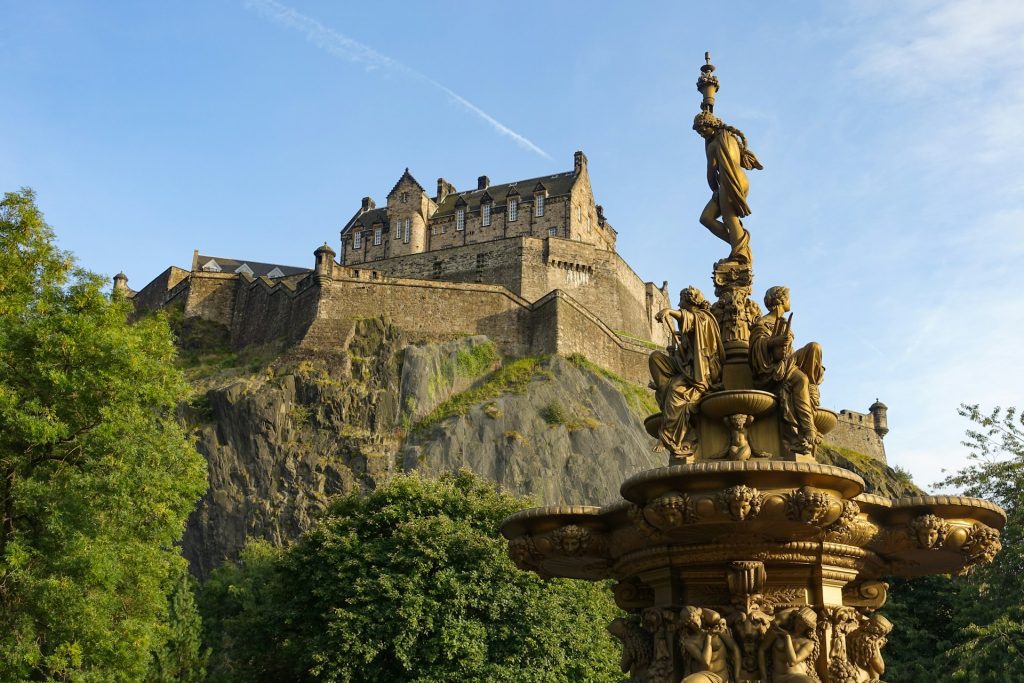
Edinburgh can feel packed during peak holiday travel, then noticeably calmer once Christmas passes. The city’s winter character remains, with lit streets, cozy pubs, and dramatic views that suit short daylight and evening walks. After the rush, it becomes easier to find seats for dinner, enjoy museums without strict timing, and stroll the Old Town without constant crowd noise. Weather can change quickly, but Edinburgh handles it well with warm indoor options and compact neighborhoods that make spontaneous plans realistic. Post-holiday Edinburgh delivers what people actually want from winter travel: atmosphere, warmth, and the sense that the city is available, not overwhelmed.