10 Christmas Traditions Tourists Never See Advertised
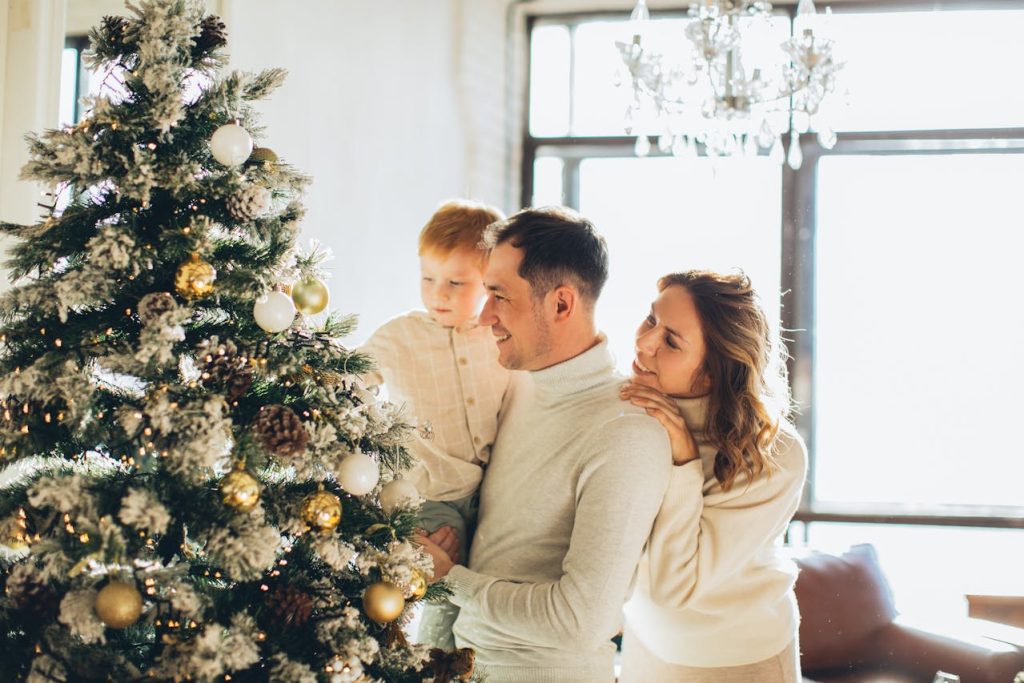
Christmas travel ads sell the loud parts: markets, lights, and packed restaurants. What often goes unseen are the small rituals that locals repeat every year, usually at home, at dawn, or in neighborhood streets that never make it into brochures. Some are rooted in faith, some in clever marketing that became tradition, and some in simple comfort. Together they show how December really works on the ground: a mix of timing, food, warmth, and shared memory. The best part is how ordinary they feel to the people keeping them.
Iceland’s Christmas Book Flood

In Iceland, the holiday rush arrives as books. New titles release in a tight pre-Christmas window, and many families exchange them on Christmas Eve, then settle in to read with cocoa or coffee close at hand. It is quiet, private, and surprisingly strict about the point: a gift that buys time, not noise. Tourists may walk past the real seasonal landmark, which is the bookstore. The night feels like a shared pause, where pages turn, phones stay down, and winter darkness becomes part of the comfort. Some households even pair the gift with new pajamas, making the evening feel intentionally slow and cozy.
Finland’s Christmas Eve Sauna

In Finland, Christmas Eve often starts with a sauna, treated less like a treat and more like a reset. Families heat up, sit in calm silence, and step out feeling clear-headed before food, visiting, and last-minute chores begin. It rarely appears in travel guides because it happens behind closed doors, yet it shapes the whole evening’s tone. The ritual is practical: warm the body, slow the mind, and arrive at the table fully present. Even guests who do not know the rules quickly understand that the hush is the point, not an awkward gap. Afterward, the house feels quieter, and even the smallest candlelight looks richer.
Sweden’s 3:05 p.m. Donald Duck Broadcast
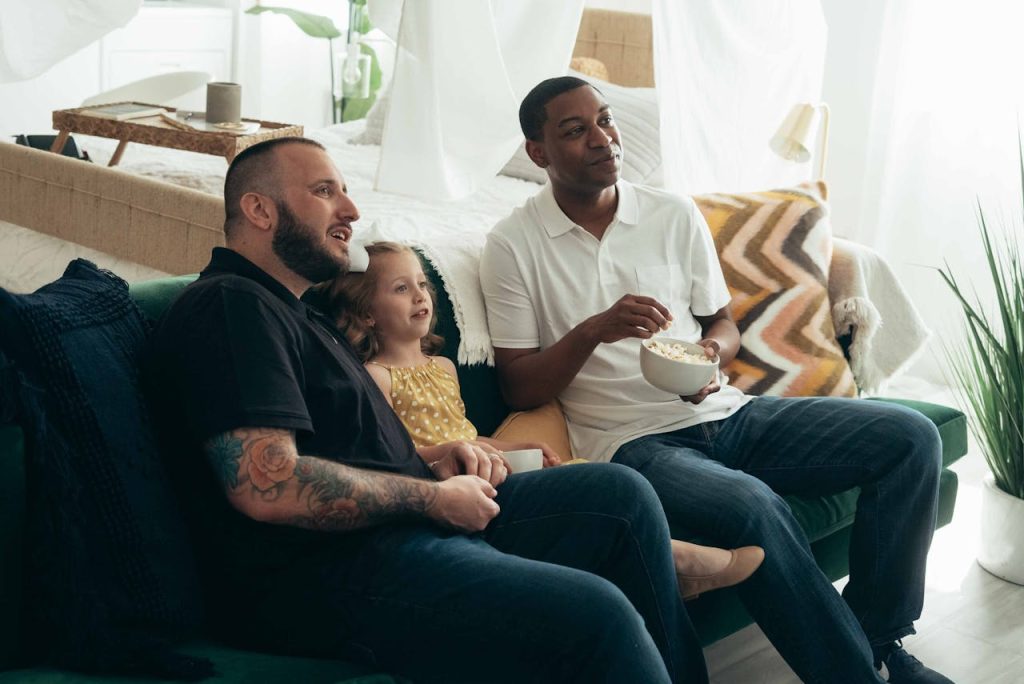
In Sweden, Christmas Eve has a fixed appointment: the SVT broadcast of “Kalle Anka,” a Disney clip show that starts around 3:05 p.m. It is not background noise. Many households treat it as a shared checkpoint that separates errands from the evening meal. Outsiders expect a joke, but locals talk about continuity, because parents and grandparents remember the same scenes and lines. It is also social glue: people arrive, coats come off, the TV goes on, and the room settles. By the time the credits roll, the holiday feels officially underway, no decoration required. The predictability is the comfort, the same way a hymn returns each year.
Japan’s Christmas Fried Chicken Reservations
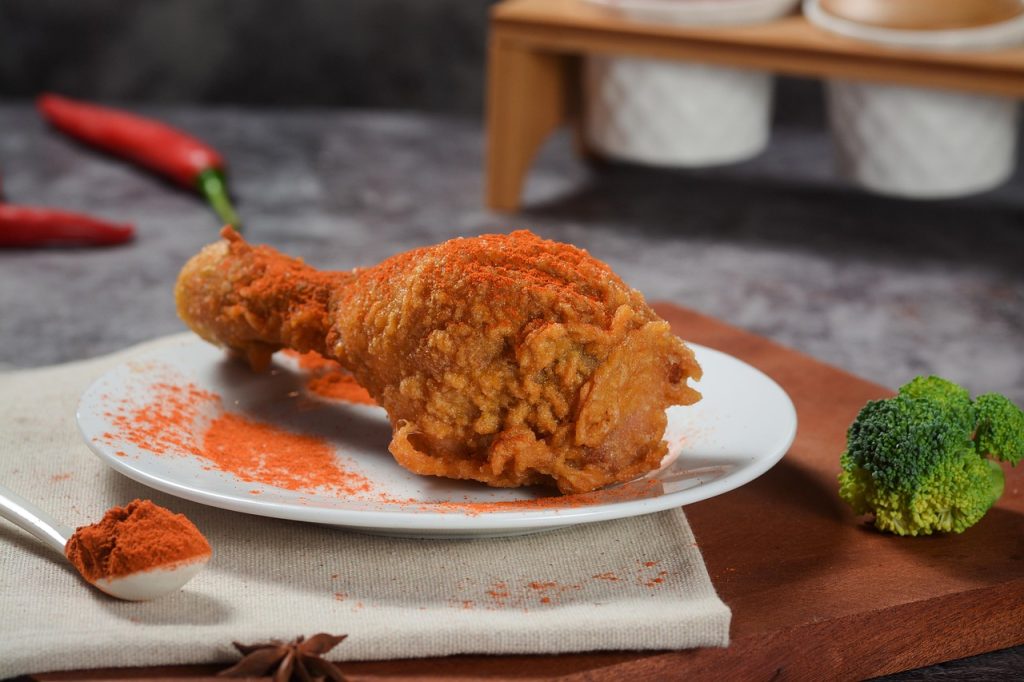
In Japan, Christmas dinner can mean reserved fried chicken, ordered ahead with a pickup time like a bakery cake. The habit grew from a 1970s marketing push and stayed because it fits city life: predictable, portable, and easy to share. Visitors might notice the branding yet miss the logistics, with families planning around queues and collection windows. It turns an ordinary meal into a seasonal marker, paired with strawberry shortcake and bright winter illuminations. The surprising part is how normal it feels locally, like an agreed-upon script that makes the night simpler, not stranger. It stays convenient, yet still feels heartfelt.
Ukraine’s Spider Web Ornaments

In parts of Ukraine, a tree may carry a small spider ornament or a glimmer of web-like decoration, tied to a folk tale about a family whose tree was transformed overnight. It is subtle, which is why it slips past tourists chasing big displays, yet it carries a clear message about luck and patience. The tradition also explains why tinsel can feel meaningful rather than random, like a quiet blessing woven into branches. In many homes it shows up as a single ornament tucked between needles, easy to miss unless someone points it out. That modesty is the charm: a reminder that warmth can come from small gestures, not grand production.
Philippines’ Simbang Gabi Dawn Masses
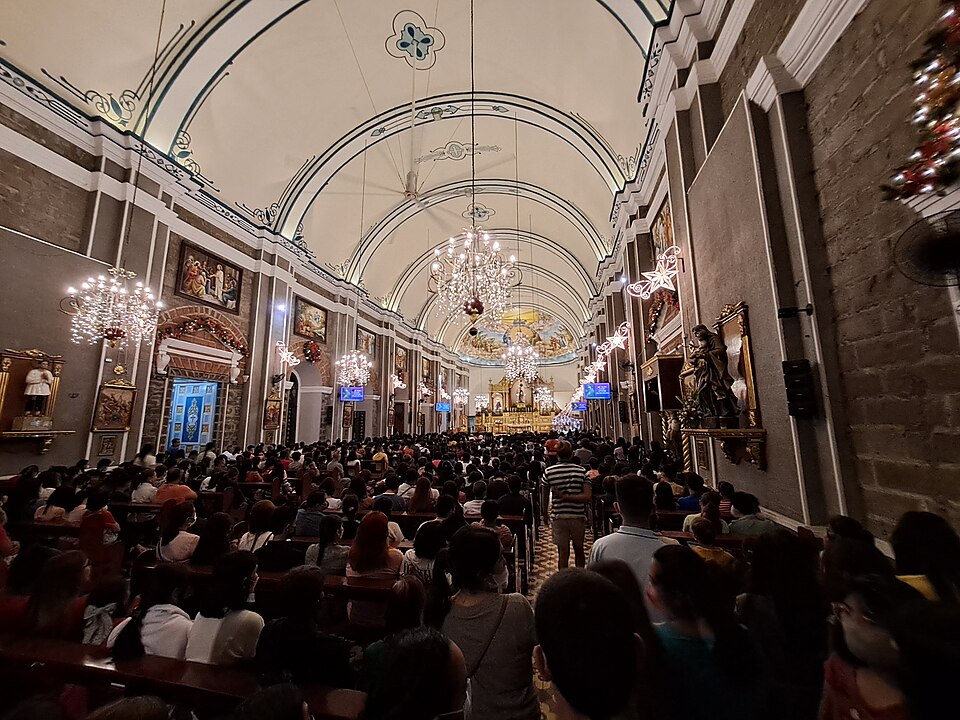
In the Philippines, the path to Christmas often runs through Simbang Gabi, a nine-day series of early morning Masses leading up to Dec. 25. The timing began as practical for workers, but it grew into a community rhythm: dark streets, church lights, and food stalls waiting outside afterward. A traveler might attend once and assume it is a single event, yet locals feel the power in repetition. Showing up day after day builds momentum, and the shared fatigue becomes part of the meaning. By the final morning, the season feels earned, carried by routine, music, and the steady kindness of familiar faces.
Venezuela’s Roller-Skate Trips To Early Mass
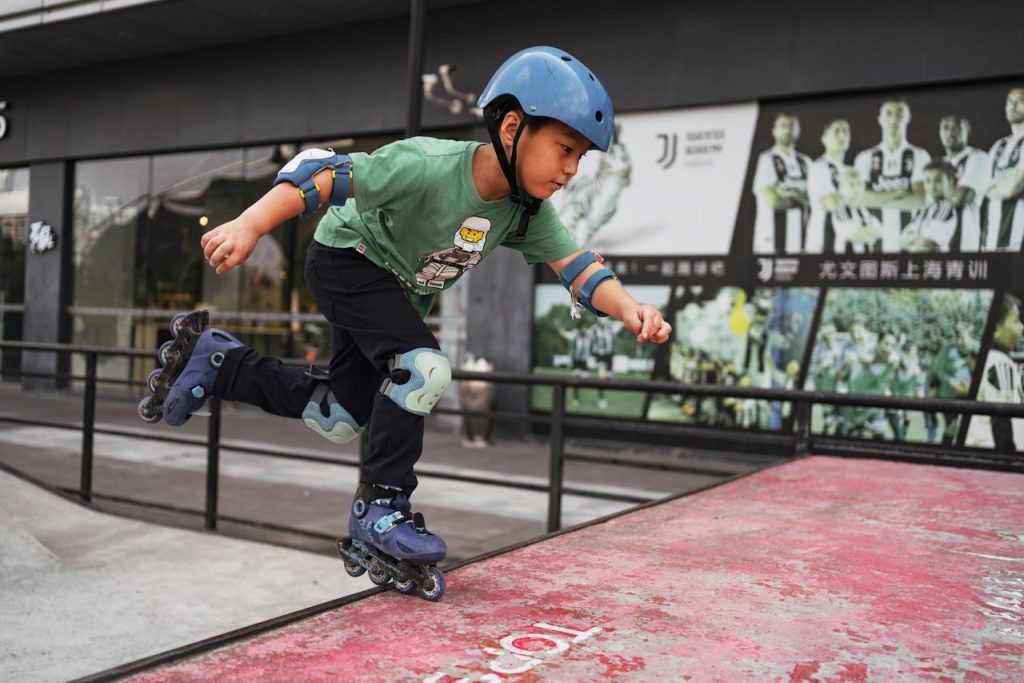
In parts of Venezuela, especially Caracas, a December tradition involves traveling to early morning church services on roller skates. It sounds playful because it is, but it is also communal: neighbors roll in groups, and streets feel briefly claimed by the holiday. The morning starts with laughter instead of traffic pressure, and the movement itself becomes part of the celebration. Tourists rarely see it advertised because it is not staged for anyone watching; it is simply how locals choose to arrive together. Even when plans change year to year, the idea holds: begin the day in motion, then slow down inside, with the same faces nearby.
Catalonia’s Treat-Giving Christmas Log
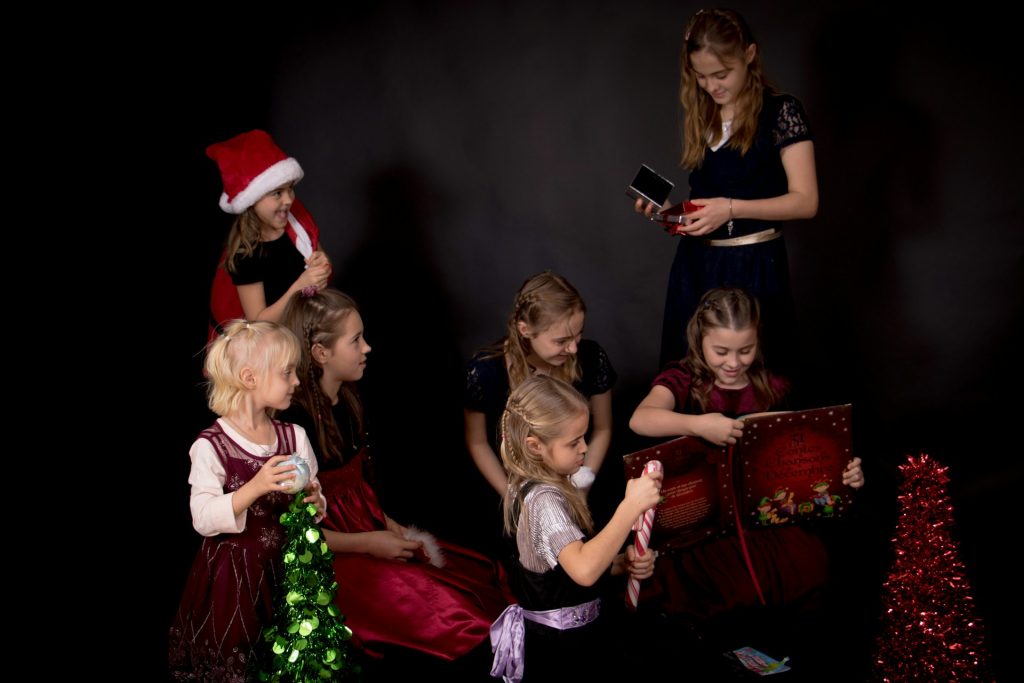
In Catalonia, a smiling Christmas log called the Tió de Nadal sits under a blanket at home, and children “feed” it in the days before Christmas. When the moment comes, the log is coaxed to produce sweets and small gifts hidden beneath the cover, to plenty of singing and giggles. Shops sell versions for visitors, but the real tradition is domestic, built around anticipation rather than spending. It gives kids a role that feels active, not passive, and it keeps the room focused on shared timing. The log is silly on purpose, a reminder that joy can be simple, even in a season that often turns expensive.
Oaxaca’s Night Of The Radishes
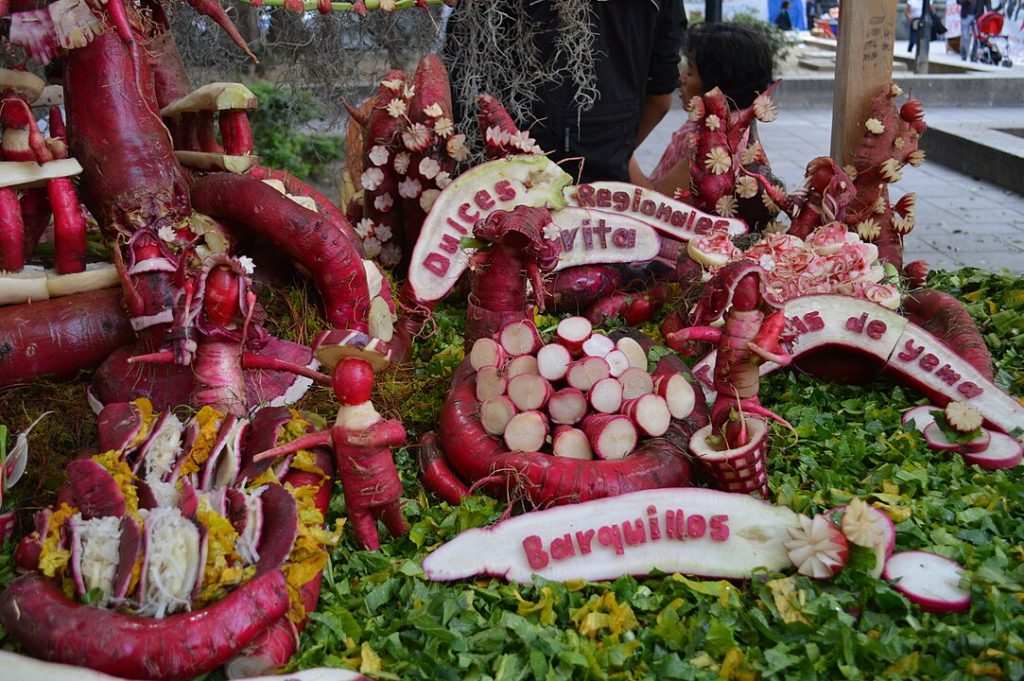
In Oaxaca City, Dec. 23 belongs to “Noche de Rábanos,” when artists carve oversized radishes into detailed scenes for a short-lived display. The craft is careful and fast, because the medium wilts, which makes the event feel urgent and local: arrive on time, look closely, accept impermanence. Lines form early, families come bundled, and the whole night carries a focused, one-evening energy that marketing cannot fake. Many visitors hear about Mexican Christmas markets but miss this tradition because it does not repeat all season. It leaves a mark precisely because it vanishes, proving celebration can be brief and still feel complete.
Wales’ Mari Lwyd Doorstep Singing
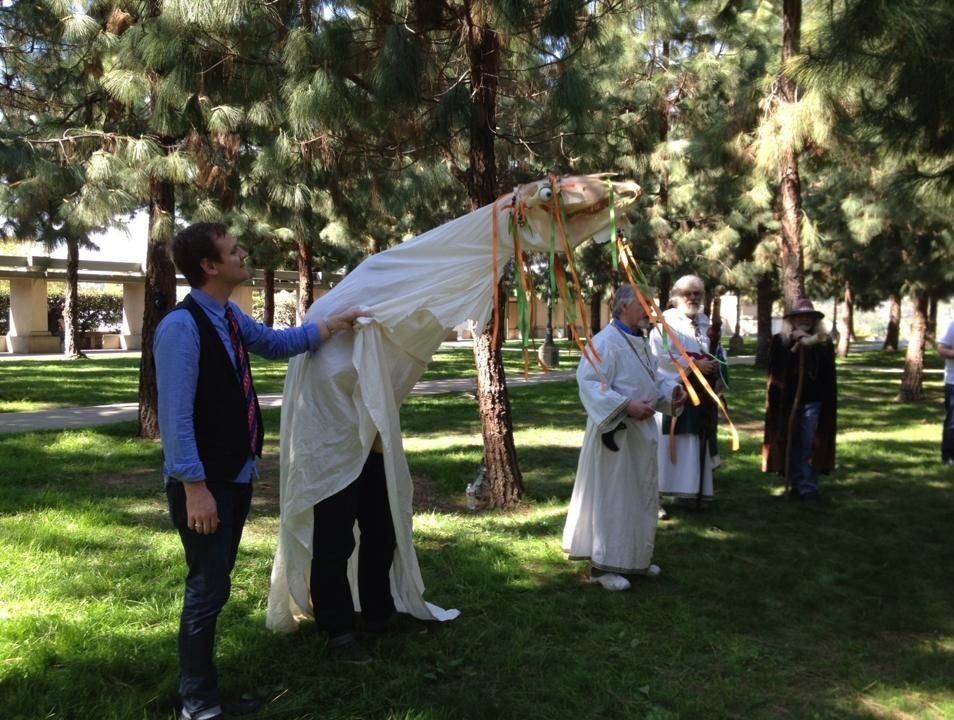
In parts of Wales, Mari Lwyd traditions bring groups to doorsteps with a decorated horse-head figure, music, and a spirited exchange of verses. The singing works like a friendly contest: the household answers, the visitors answer back, and entry is earned through wit and rhythm. It rarely appears in tourist brochures because it lives in communities, not in ticketed squares, and it depends on neighbors playing along. When it happens, it feels like the past stepping into the present for one night, with humor doing the heavy lifting. The reward is a warm room, shared laughter, and the sense that tradition can still be social, not staged.