10 Cities in Asia Where Tourists Follow Specific Routes
Asian cities rarely feel random for long. Tourists land with open plans, then slip into routes shaped by station links, opening hours, and the pull of landmark clusters. A shrine district near a market street, a palace quarter near a food lane, a harbor walk near a night skyline: these pairings keep repeating because they work on foot and on rail.
What emerges is not sameness but structure. Similar paths help visitors read each city faster, while local character stays intact in food, language, architecture, and ritual. These ten cities show how mapped movement can still feel deeply human, even in busy seasons and short stays.
Tokyo: Asakusa to Shibuya
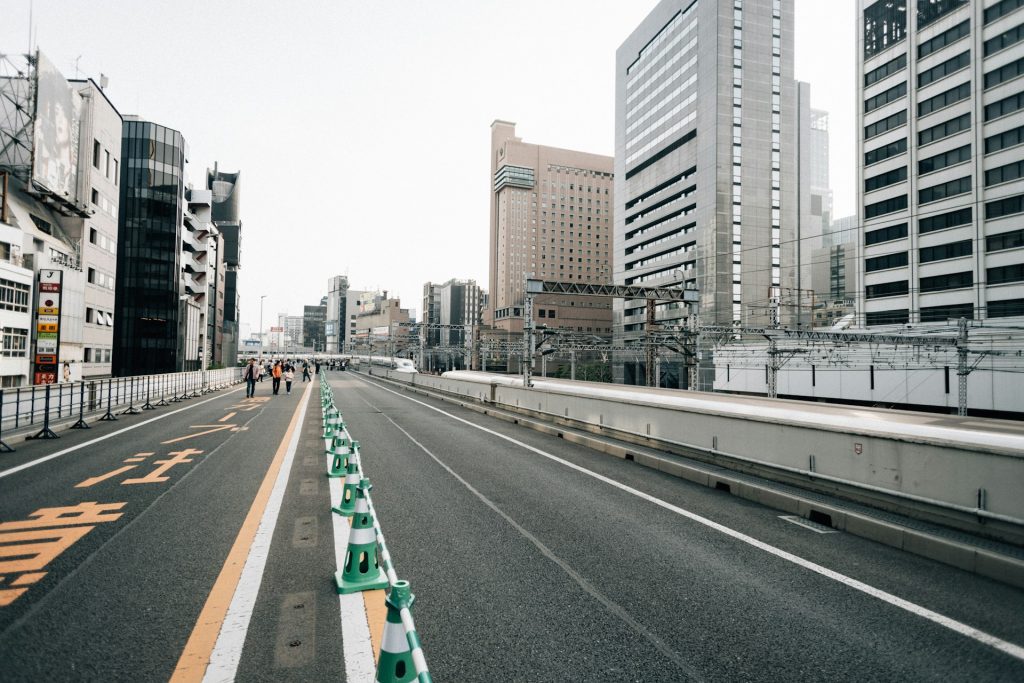
Tokyo’s common visitor line starts in Asakusa, where Senso-ji and Nakamise set an older rhythm before rail pulls crowds toward Shibuya’s modern rush. GoTokyo itinerary pages keep that east-to-west flow clear because it links heritage streets, shopping zones, and major stations without wasting hours on transfers.
The sequence works emotionally as well as practically. Morning calm around temple gates gives way to denser foot traffic, brighter signage, and late-evening energy near the crossing and retail towers. Even short trips feel whole in this order, which is why first-time travelers and return visitors keep tracing a similar arc.
Seoul: Palace Belt to Evening Markets
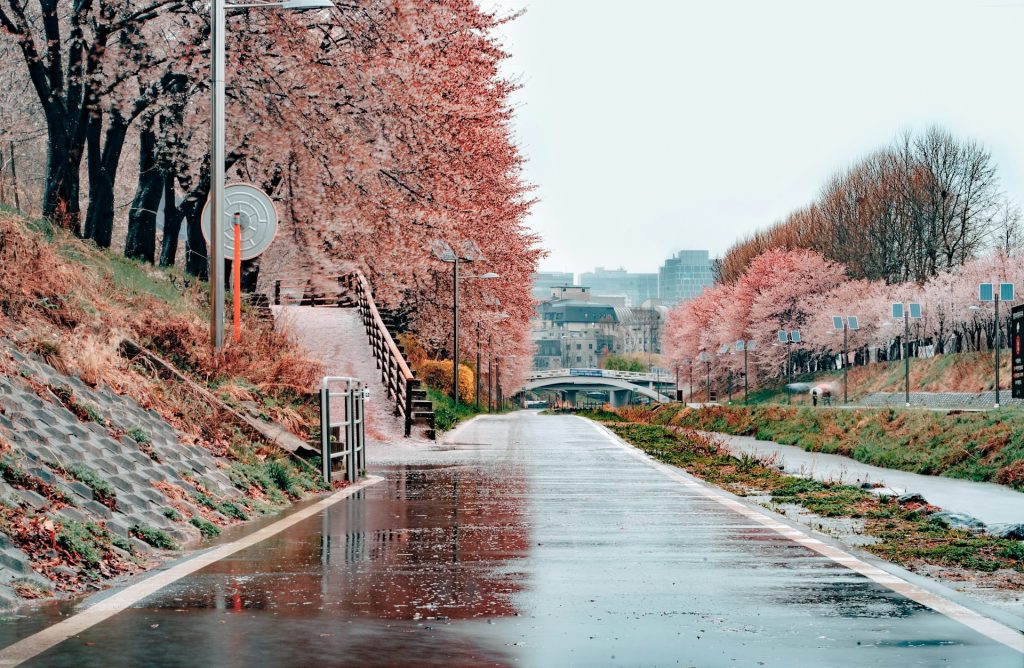
Seoul’s classic first-time route runs through the royal and craft belt: Gyeongbokgung, Bukchon Hanok Village, Insadong, then Myeong-dong. The city’s official first-visit guide groups these stops in nearby clusters, making a palace-to-neighborhood day realistic on foot with short transit links.
The route carries a clean narrative. Courtyard formality and Joseon-era design appear first, then hanok lanes, tea houses, galleries, and finally retail-heavy evening streets. Because the transitions are compact, visitors spend less time reorienting and more time absorbing place, which helps this corridor stay popular year after year.
Bangkok: Royal Quarter Along the River
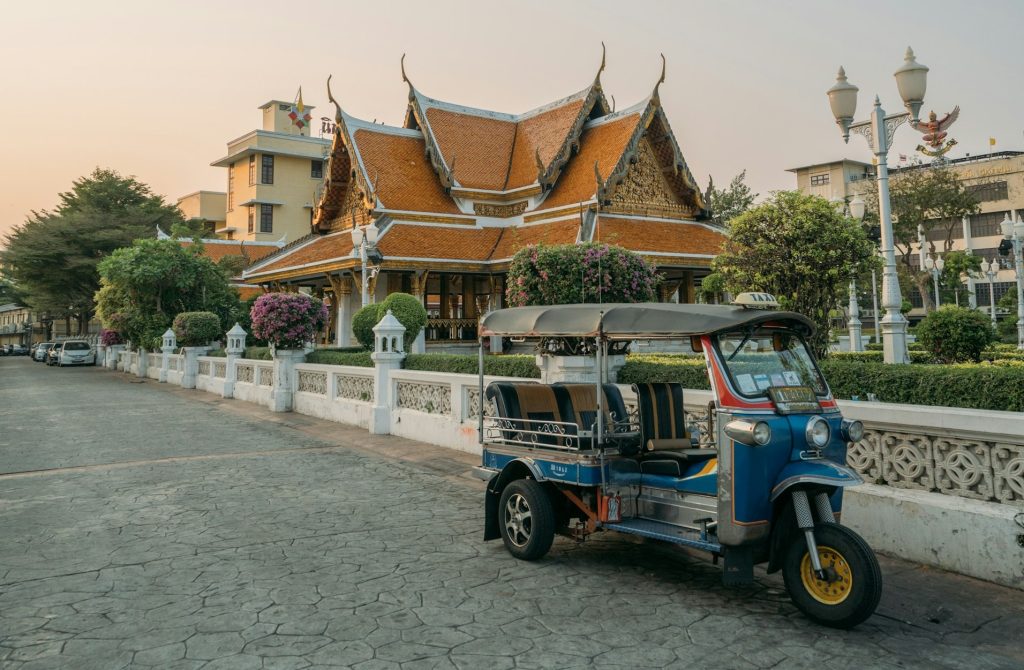
Bangkok’s best-known tourist circuit sits on the river edge: the Grand Palace area, Wat Pho, then Wat Arun across the water. The Palace remains a key anchor, while tourism references place Wat Arun directly opposite Wat Pho on the Chao Phraya, with boat services linking nearby piers throughout the day.
That geography turns planning into momentum. Visitors begin with ceremonial architecture, move to monastic courtyards and the reclining Buddha complex, then cross for a river-facing finale at Wat Arun. The order reduces traffic friction, preserves energy in hot weather, and gives first-time travelers a culturally grounded city introduction.
Singapore: Marina Bay to Heritage Districts
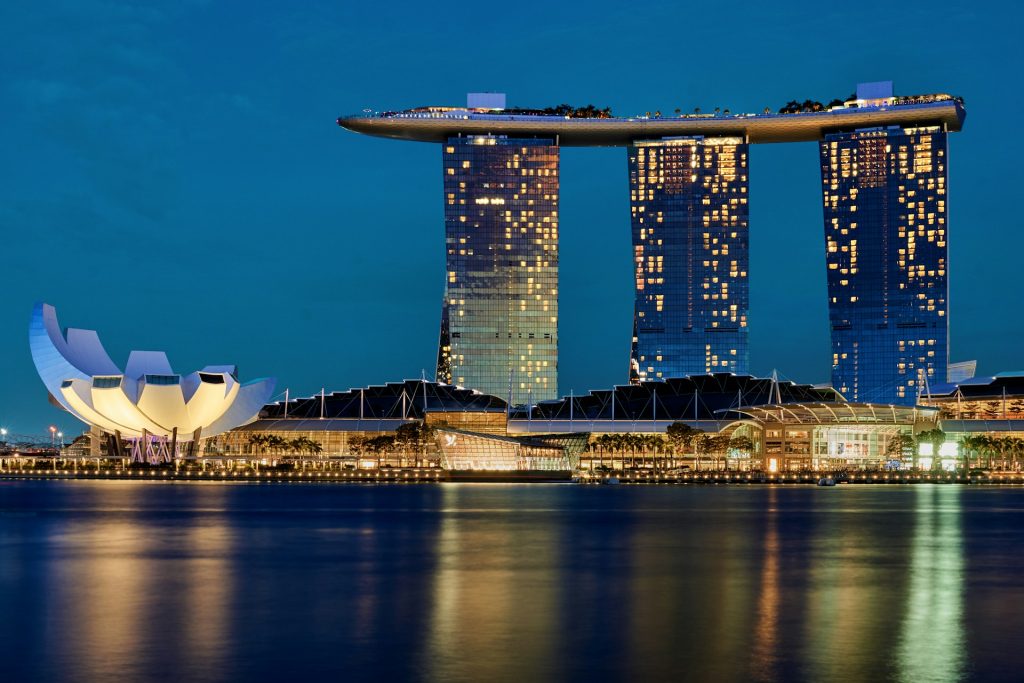
Singapore channels tourists through a route that balances spectacle and heritage: Marina Bay first, then Chinatown and Little India. Official neighborhood pages present these districts as signature stops, and short MRT hops make the shift between waterfront landmarks and historic street grids easy on tight itineraries.
The route works because each segment changes tone without breaking flow. Bayfront promenades and skyline views open the day, temple streets and hawker culture deepen it, and evenings return naturally to riverfront light. In a compact city built for movement, this pattern feels intuitive, repeatable, and surprisingly restful.
Hong Kong: Harbourfront to Peak Viewpoints
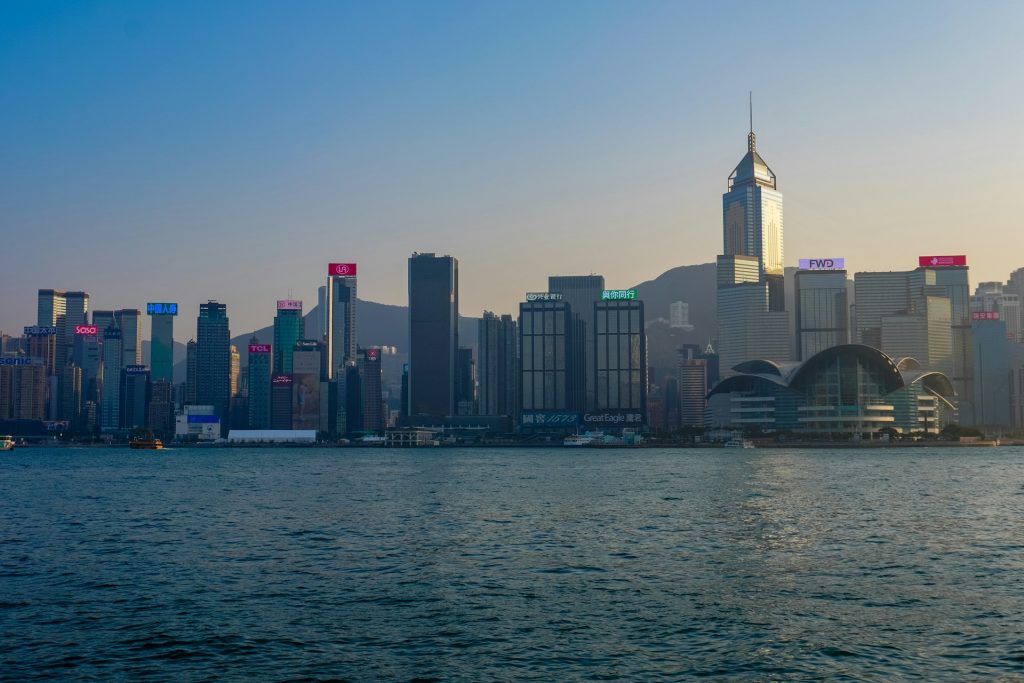
Hong Kong visitors often follow a harbor-led spine: Tsim Sha Tsui promenade and Avenue of Stars, a Star Ferry crossing, then viewpoints such as The Peak. Tourism guidance frames these as key ways to experience Victoria Harbour, and the sequence keeps orientation simple in a vertical city that can feel overwhelming.
The logic is visual as much as practical. Starting at water level reveals skyline scale, the ferry adds motion and context, and higher elevation closes the loop with a full urban read. Because each stop clarifies the next, travelers move with confidence, which helps this route remain one of the city’s most repeated patterns.
Kyoto: Early Shrine Route, Then District Split
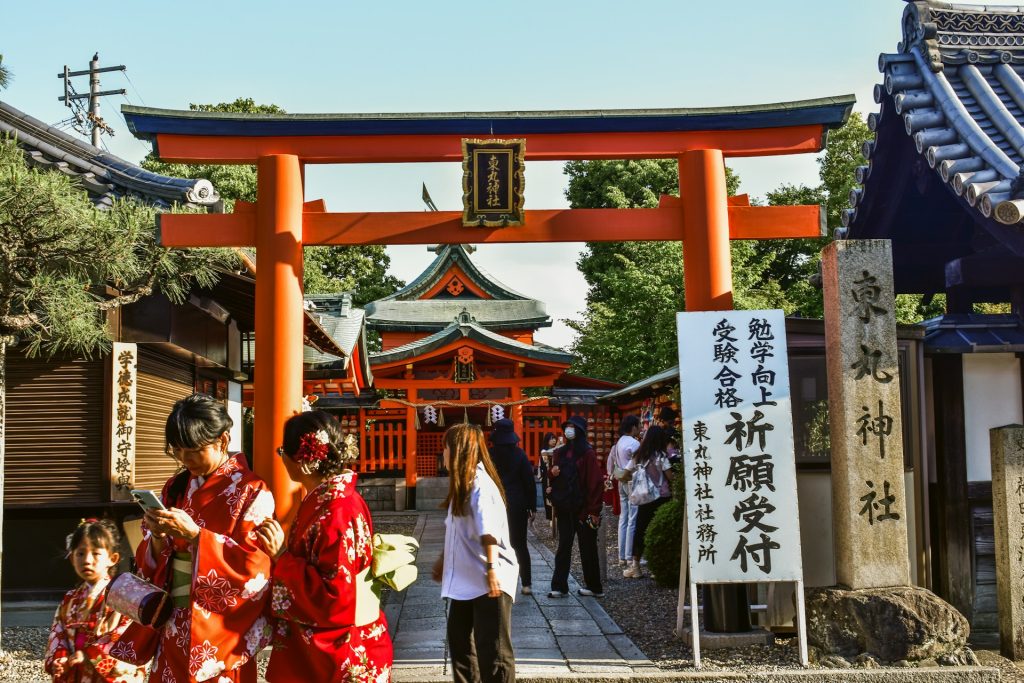
Kyoto’s tourist movement is patterned: Fushimi Inari early, then Gion or central temple districts, with Arashiyama often reserved for a separate half-day. Kyoto’s transit guidance highlights route choices to these zones, and that advice quietly shapes how visitors divide time across east, south, and west Kyoto.
The pattern reflects pressure management as much as beauty. Early shrine climbs avoid midday congestion, central walks keep lunch and culture close together, and Arashiyama’s distance rewards a dedicated block. The result is a slower, coherent day plan that respects both transport reality and the city’s ceremonial pace.
Jaipur: Pink City Core to Amber Fort
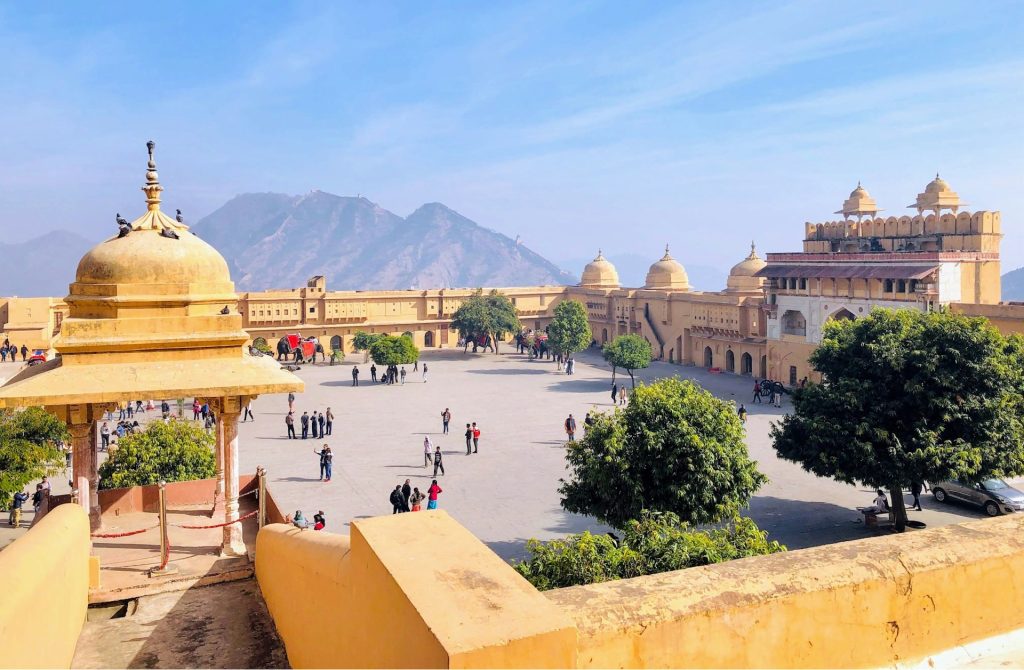
Jaipur routes often center on a triangle: Hawa Mahal, City Palace, and Amber Fort beyond the core. Rajasthan tourism pages identify all three as major attractions, and visitors group them because they form a clean arc from street-facing facade, to royal complex, to hilltop fort architecture.
It is efficient and high-contrast. Hawa Mahal delivers instant visual identity, City Palace adds courtly depth, and Amber expands the scale with ramparts and layered courtyards. Stacking these stops in sequence reduces planning friction and leaves travelers with a clearer sense of how Jaipur’s royal history occupied both city streets and ridge lines.
Hanoi: Lake, Old Quarter, and Scholarly Core
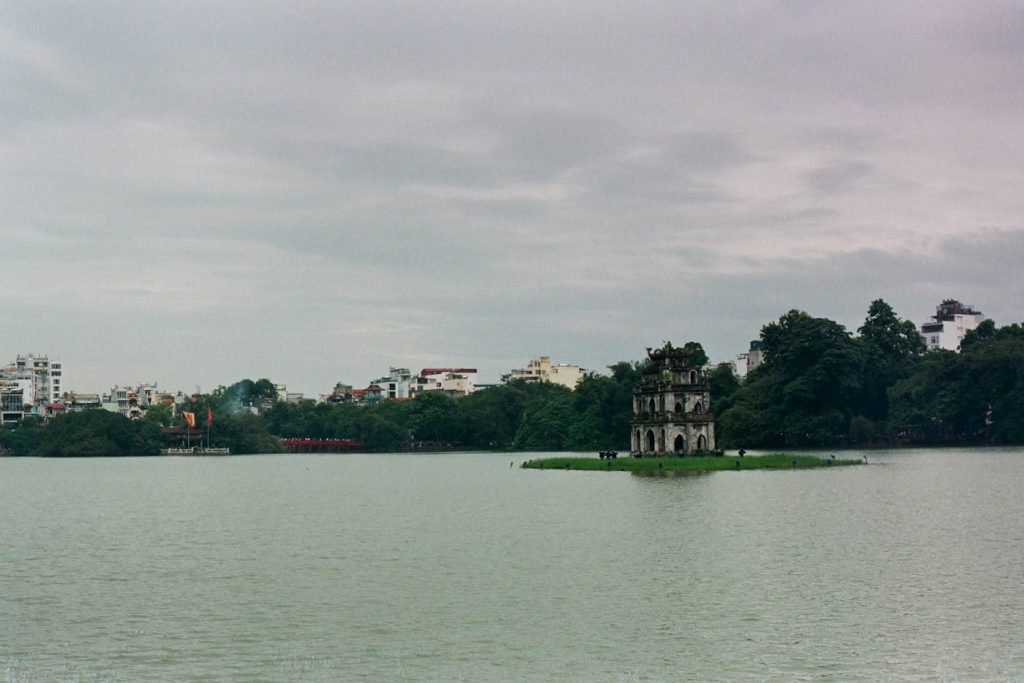
Hanoi visitors often follow a heritage loop anchored by Hoan Kiem Lake, the Old Quarter, and the Temple of Literature. Vietnam’s official travel guidance highlights these as must-see sites, and their spacing makes a practical day that blends walking, short rides, and food breaks between major stops.
The route feels natural because it mirrors historical layering. Lakefront ritual spaces and Ngoc Son Temple set atmosphere, Old Quarter streets add commercial memory, and the Temple of Literature closes with scholarly heritage tied to 1070 origins. Together, the sequence reads Hanoi as sacred, mercantile, and intellectual in one sweep.
Dubai: Creek Heritage to Downtown Icons
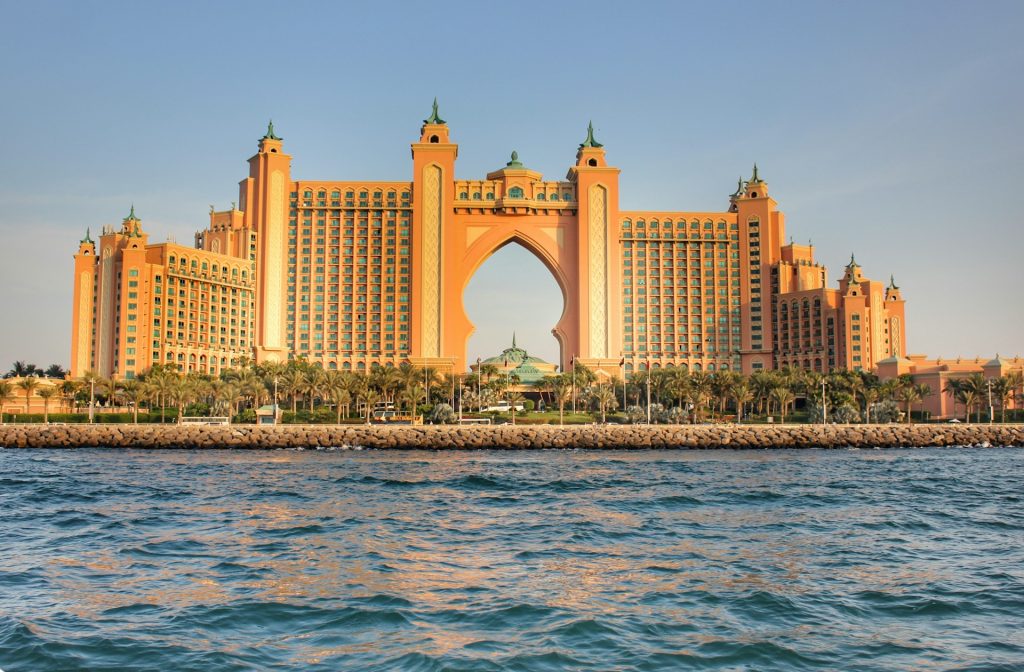
Dubai tourists often follow a contrast route: start in Al Fahidi and Dubai Creek, then shift toward Downtown icons such as Burj Khalifa. Visit Dubai features both the historic creek district and modern landmarks in major itineraries, and that pairing has become a common way to read the city’s rapid change.
The route works because it frames continuity. Wind-tower lanes, museums, and abra crossings establish trading-era texture, while later hours bring high-rise decks, fountains, and large retail zones. Moving between those worlds in one day gives visitors a clear narrative of how older waterfront life links to present-day global ambition.
Taipei: Sightseeing Bus Spine, Then MRT Branches
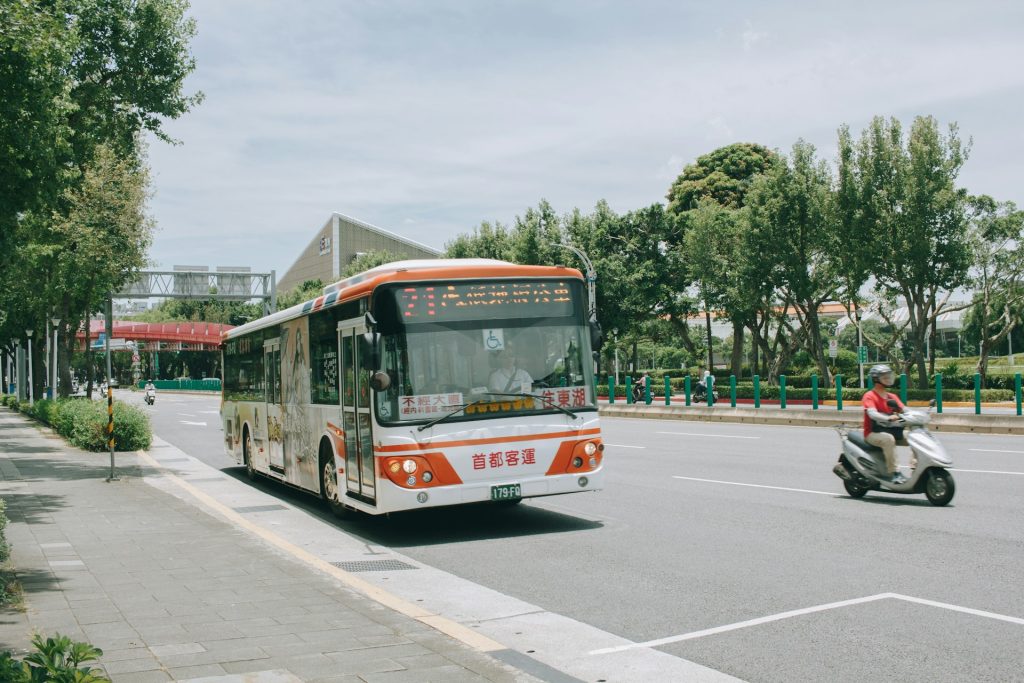
Taipei has a mapped pattern many tourists adopt on day one: use the city’s red and blue double-decker routes, then branch by MRT to neighborhoods. Taipei tourism materials describe these lines as an overview of major attractions, including Taipei 101 and National Palace Museum stops.
This structure reduces early confusion in a large metro grid. A looped bus pass gives visual orientation, multilingual audio context, and flexible hop-on timing, after which travelers narrow focus to food streets, temples, or night markets. The city feels less intimidating once this scaffold is in place, so visits begin with the same transit-led frame