10 Cities Where Back-to-School Flights Are Cheaper
Late August changes the math of travel. Summer crowds thin out, family calendars tighten, and airlines often shave fares to keep planes full before fall weekends and holiday spikes. The best bargains tend to show up in cities with heavy schedules, lots of nonstop options, and real competition across carriers. Back-to-school timing helps on the ground, too: shorter lines, easier reservations, and less pressure to plan every hour. A quick getaway can feel calmer, and it can cost less than the same trip in July.
Chicago, Illinois
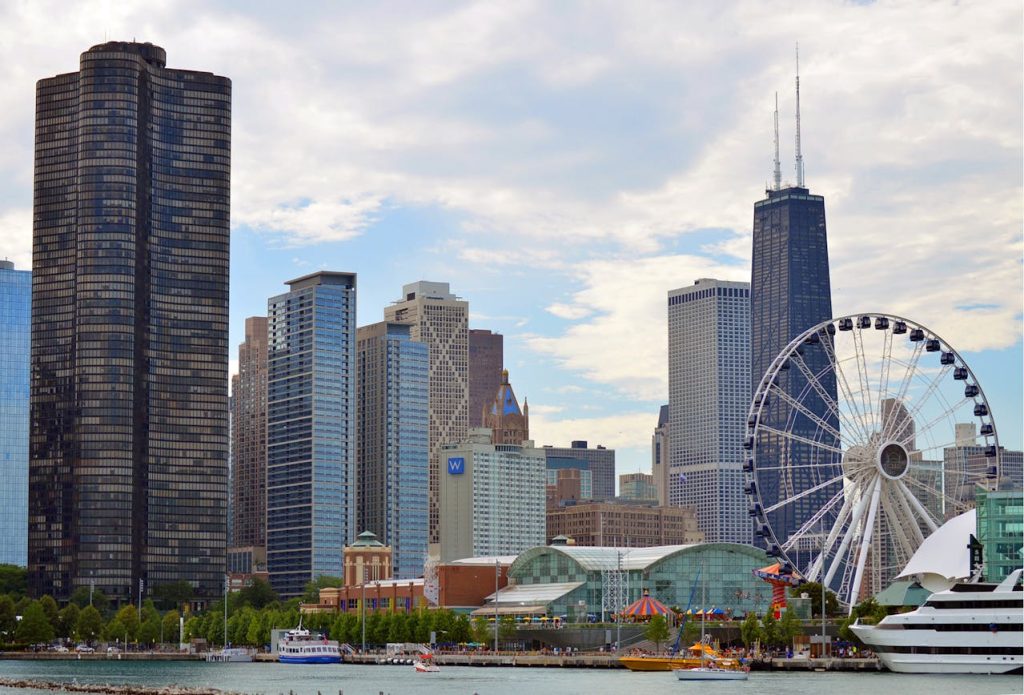
Chicago’s back-to-school lull often begins the moment midsummer demand loosens, and fares can dip on busy routes without feeling like a rare fluke. With both O’Hare and Midway serving the same metro, travelers get wide route maps plus low-cost pressure that keeps pricing honest across the Midwest and East Coast, even on last-minute weekends. Late August suits the city, too: lake breezes, neighborhood festivals, and museum afternoons feel less crowded, and it is easier to slide from deep-dish to the riverwalk to a sunset skyline without dealing with peak-season lines or overbooked tours at the big-name spots.
Dallas–Fort Worth, Texas
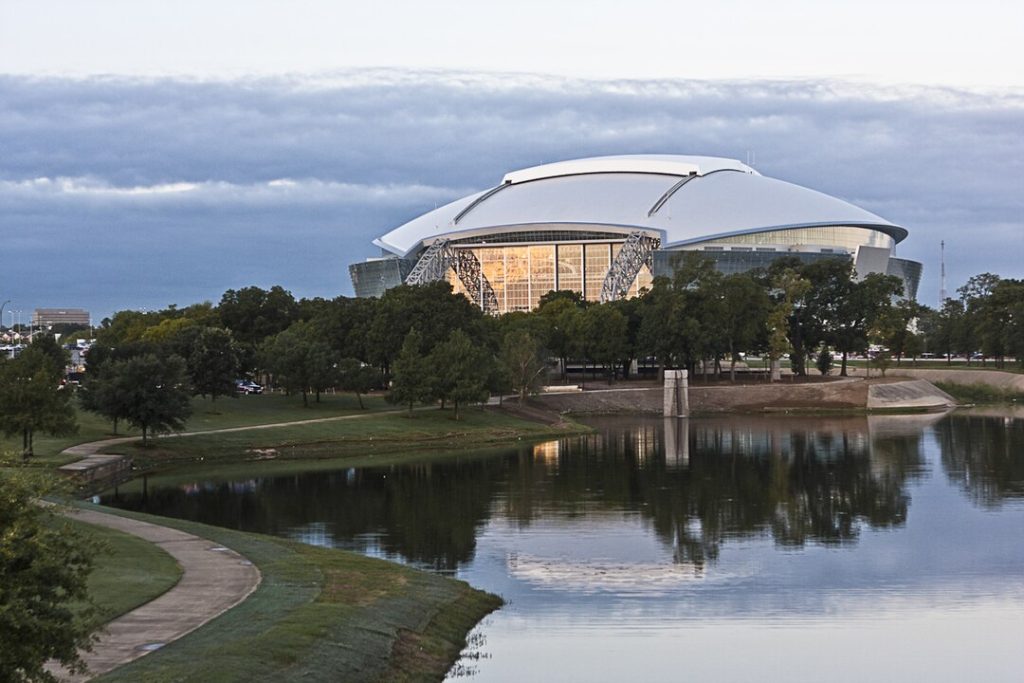
Dallas–Fort Worth can price well once school calendars restart because the hub moves huge volume, and airlines adjust quickly when planes still need to fly full. Dense competition on major corridors means more nonstop choices, fewer pricey connections, and more chances to grab a practical departure time instead of settling for the leftover seat at a premium, especially midweek. The timing fits the city’s rhythm: museums and food halls handle the heat, evenings belong to patios and live music, and late-summer hotel promos often pair neatly with the lower airfare for an easy two-night reset that still feels complete.
Denver, Colorado
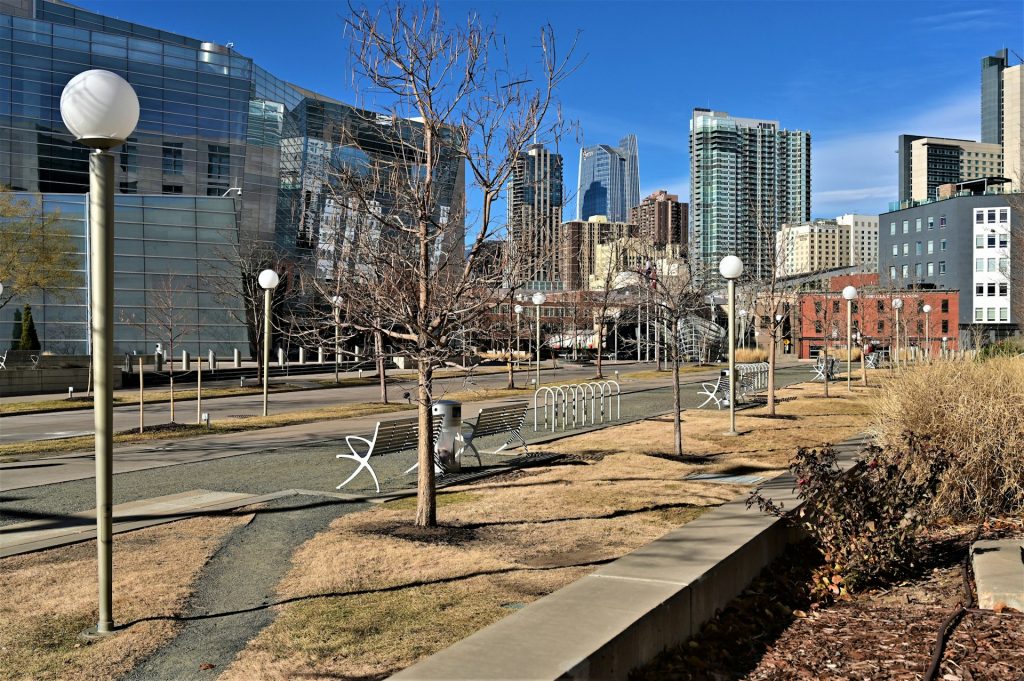
Denver often sees better pricing as peak summer travel eases, even while DEN keeps thick schedules for year-round demand and connecting traffic. That steady seat supply, paired with softer late-August bookings, can open deals on popular domestic routes, especially midweek, when business travel has not fully surged and leisure trips have cooled after July and early August. The payoff is seasonal: clear mornings, crisp nights, and fewer crowds on Front Range day hikes, plus a city center where RiNo patios and Union Station feel lively without feeling compressed or reservation-only, even on a Friday.
Las Vegas, Nevada
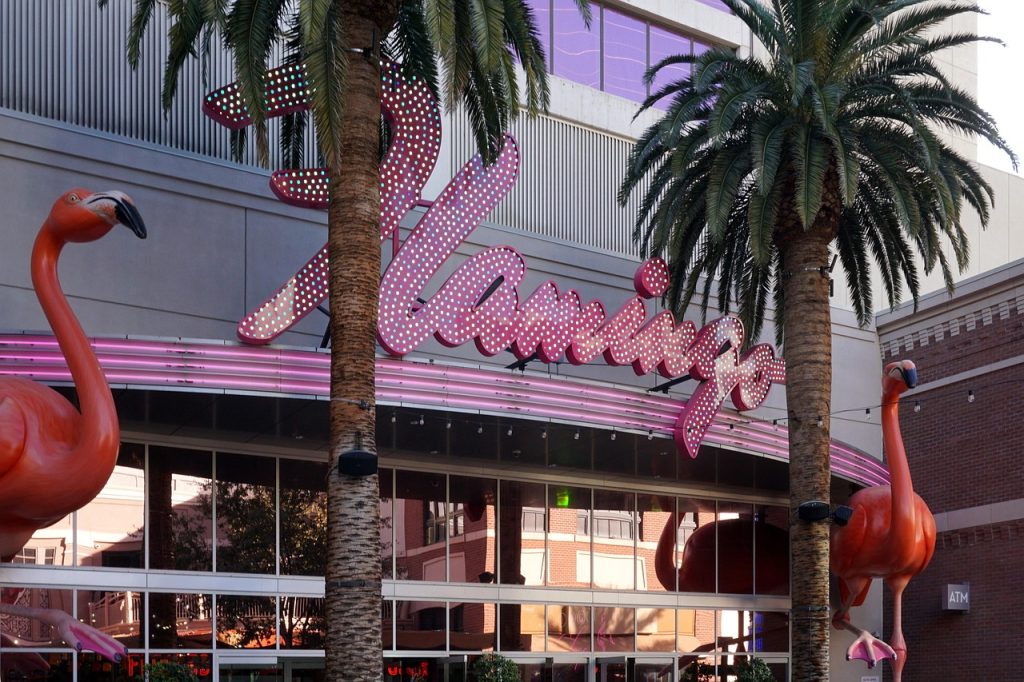
Las Vegas is built to flex prices, and the back-to-school stretch is when flights and hotels work hardest to fill the space between summer weekends and fall convention traffic. Harry Reid International’s nonstop network makes it easy to compare carriers and times, and that head-to-head competition is often what pushes fares down rather than any secret hack or complicated points strategy. Pool season still hums, but midweek dining rooms and shows are easier to book, rideshares move faster, and the whole trip feels less like crowd management and more like a simple escape with breathing room from check-in to checkout.
Orlando, Florida
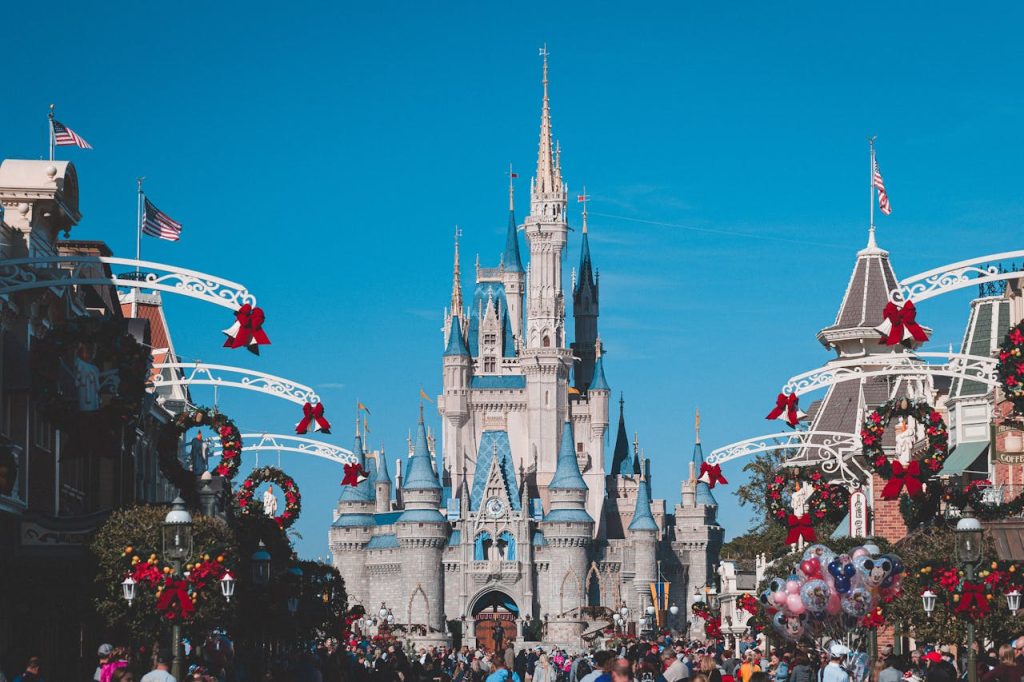
Orlando’s fares often ease when family travel drops after summer, even though flights stay frequent and hotel inventory stays deep across the region. MCO’s heavy low-cost presence and high route volume tend to amplify price competition, which can show up as better deals on nonstop flights and short connections from big hubs, with decent timing options. Back-to-school timing can also soften the experience on the ground with calmer roads and shorter lines at major parks, and seasonal room promos make it easier to add an extra day for a water park or springs detour without rearranging the whole week.
Atlanta, Georgia
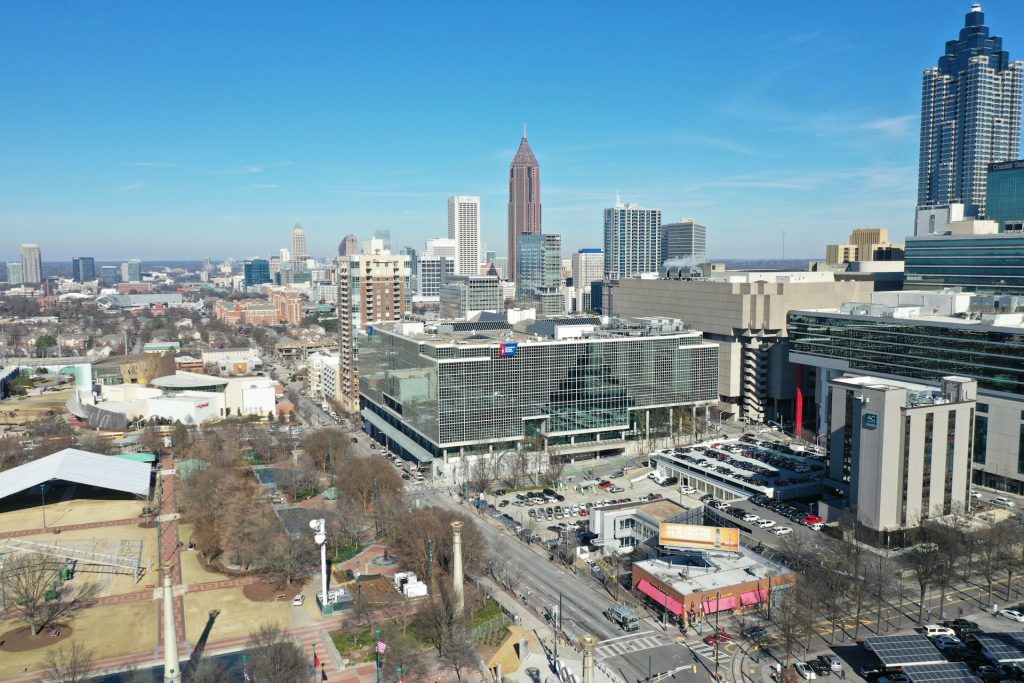
Atlanta’s scale can work in travelers’ favor once late summer shifts into school routines, because ATL runs so many daily frequencies that pricing often responds quickly when demand cools. That can mean lower fares on nonstop trips and on itineraries that connect through the city, with enough schedule options to avoid the awkward layover that quietly inflates both cost and fatigue. On the ground, BeltLine walks, food neighborhoods, and baseball nights feel less crowded, and quick day trips to small Georgia towns land better when August heat and visitor traffic both ease, leaving more space for lingering meals.
Los Angeles, California
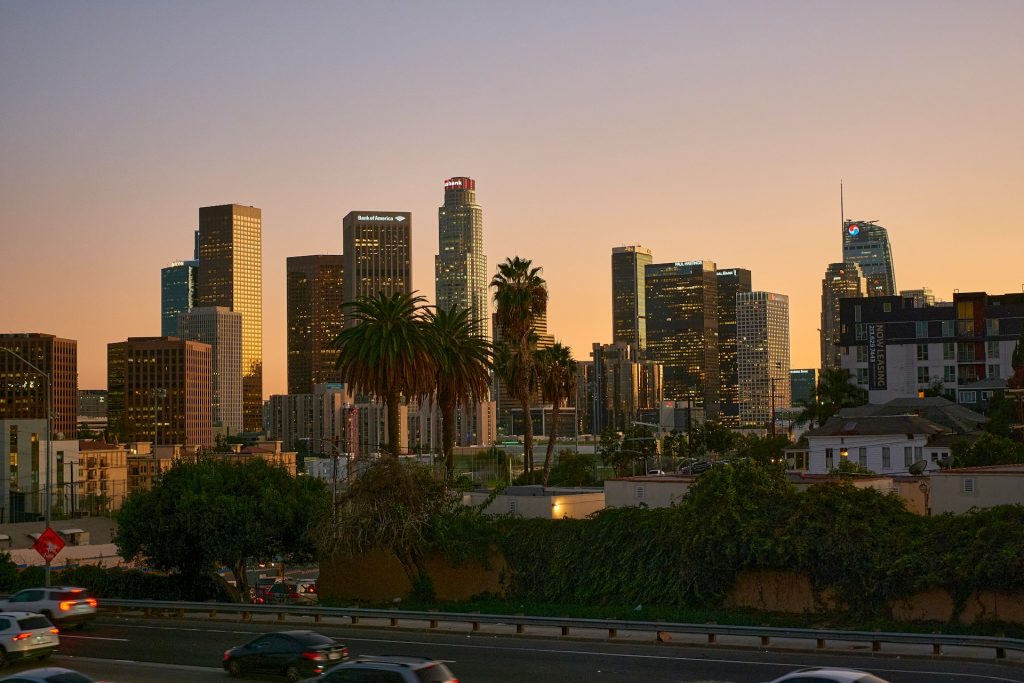
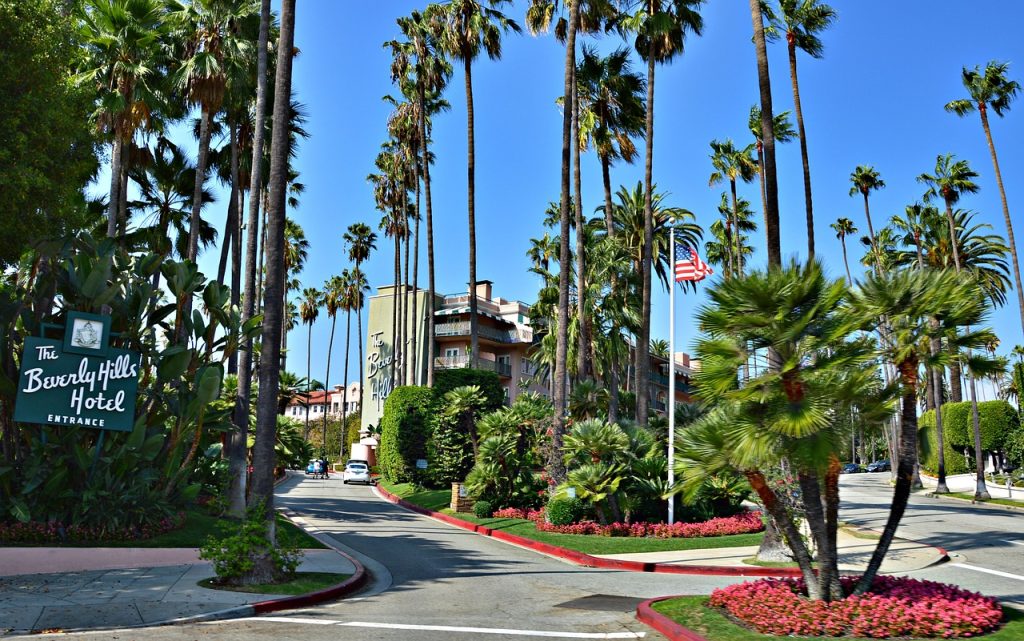
Los Angeles can get cheaper right after summer vacation ends, even though the weather stays generous and the coastline still looks like peak season. With LAX, Burbank, Long Beach, and Orange County splitting demand, travelers have more routing options and more fare pressure than most single-airport cities, which helps deals surface when one airport spikes and another stays calm. Late August brings long sunsets and lighter midweek crowds at beaches and museums, and the sprawl feels kinder when traffic loosens, parking opens up, and last-minute dinner plans stop feeling like a coin toss in Silver Lake or Santa Monica.
New York City, New York
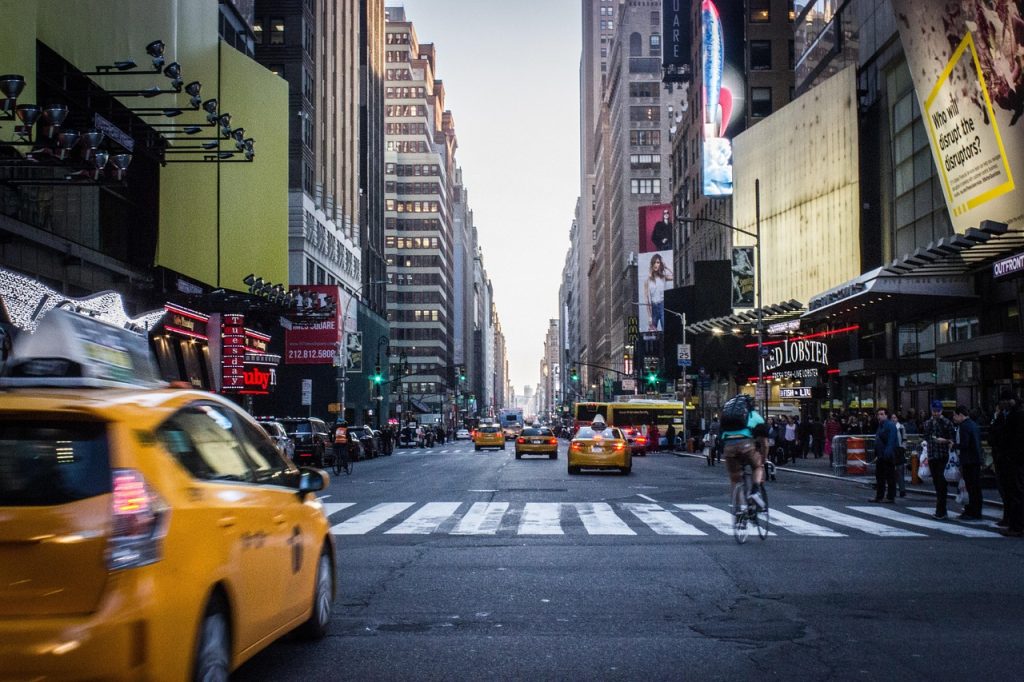
New York City rarely feels inexpensive, but flights can soften when August leisure travel fades and the city slides into its pre-fall rhythm. Three major airports and nonstop competition create more chances for a deal, especially on short-haul routes where airlines match prices quickly and add frequent departures that keep inventory from tightening too fast, even on Sundays. The timing also improves the experience: fewer family tour groups, shorter waits at major museums, and a calmer feel on ferries and observation decks, while the energy stays unmistakably New York from morning bagels to late jazz sets.
Phoenix, Arizona
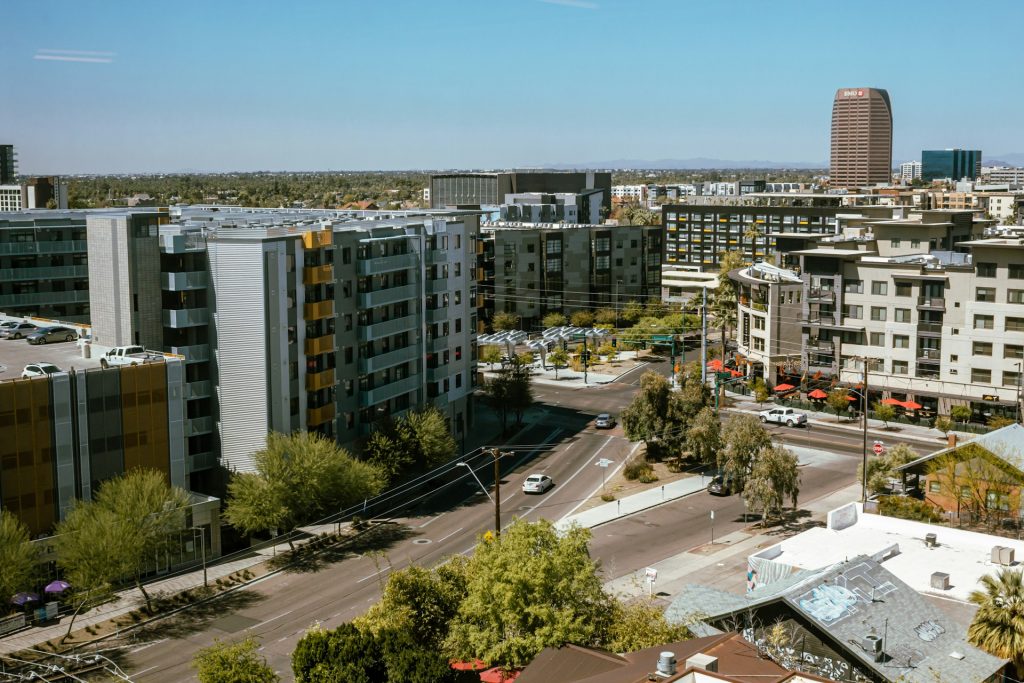
Phoenix often shows lower airfare in late August because the heat pushes some travel elsewhere, even while schedules stay strong and airlines still need to fill seats. That mismatch can translate into better pricing across the West and to major hubs, plus more availability on convenient nonstop times that sell out faster once winter visitors return and festivals restart. The city rewards smart pacing: early mornings for desert gardens or a short hike, midday for pools and galleries, and evenings for patio dinners under monsoon-sky sunsets that make the value feel earned and surprisingly cinematic.
Washington, D.C.
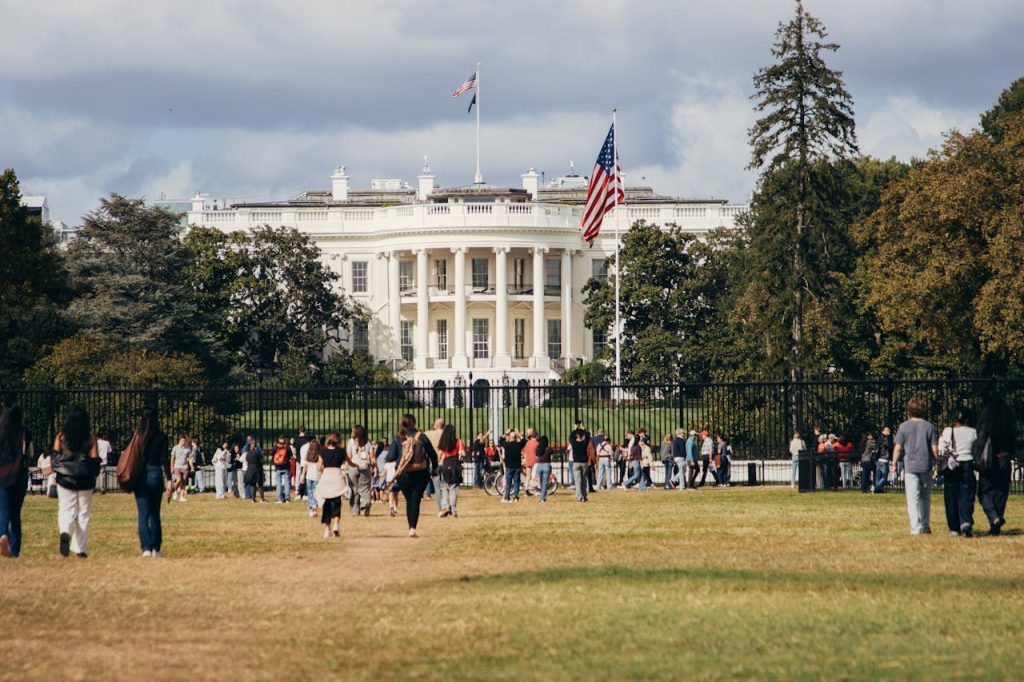
Washington, D.C., can be a strong back-to-school pick because summer tourism fades while flights remain frequent on year-round East Coast corridors. Reagan National, Dulles, and Baltimore–Washington spread demand across multiple airports, which can open cheaper options depending on schedule, airline mix, and how much convenience matters on the return, including late-evening flights. On the ground, the Smithsonian museums, shaded monuments, and evening walks along the Potomac feel calmer after peak season, making the city’s best version feel more accessible, more local, and less hurried, especially midweek.