10 Cities Where Decorations Transform the Streets
Christmas decorations reshape cities in dramatic ways, altering how streets feel, move, and glow. Lights, displays, and seasonal installations change ordinary routes into shared visual experiences. Local traditions, climate, and architecture shape how each city approaches decoration. Some focus on historic elegance, others on spectacle or community ritual. The transformation affects movement, mood, and nightly routines. Travelers often underestimate how much streetscapes shift during December. These ten cities stand out for how completely Christmas decorations redefine public spaces, turning familiar avenues into immersive environments where light, color, and seasonal symbolism temporarily take over everyday urban life.
New York City
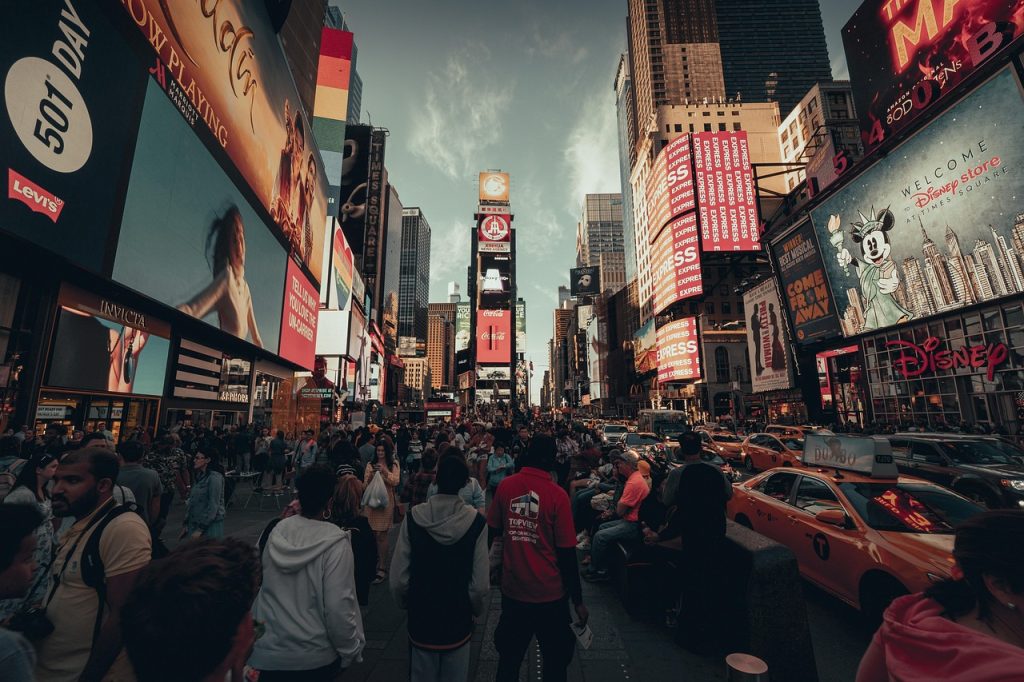
New York City transforms dramatically during Christmas through dense, iconic street decoration. Rockefeller Center anchors the visual shift with its towering tree and surrounding light displays. Fifth Avenue storefronts become elaborate seasonal installations. Neighborhood streets add coordinated lighting. Ordinary commutes pass through spectacle. Decorations alter movement patterns and atmosphere. Even residential blocks participate. The transformation feels comprehensive rather than isolated. Christmas decorations in New York redefine how streets function, turning sidewalks into viewing spaces and reinforcing the city’s identity as a stage where seasonal celebration unfolds publicly across boroughs and commercial corridors alike.
London
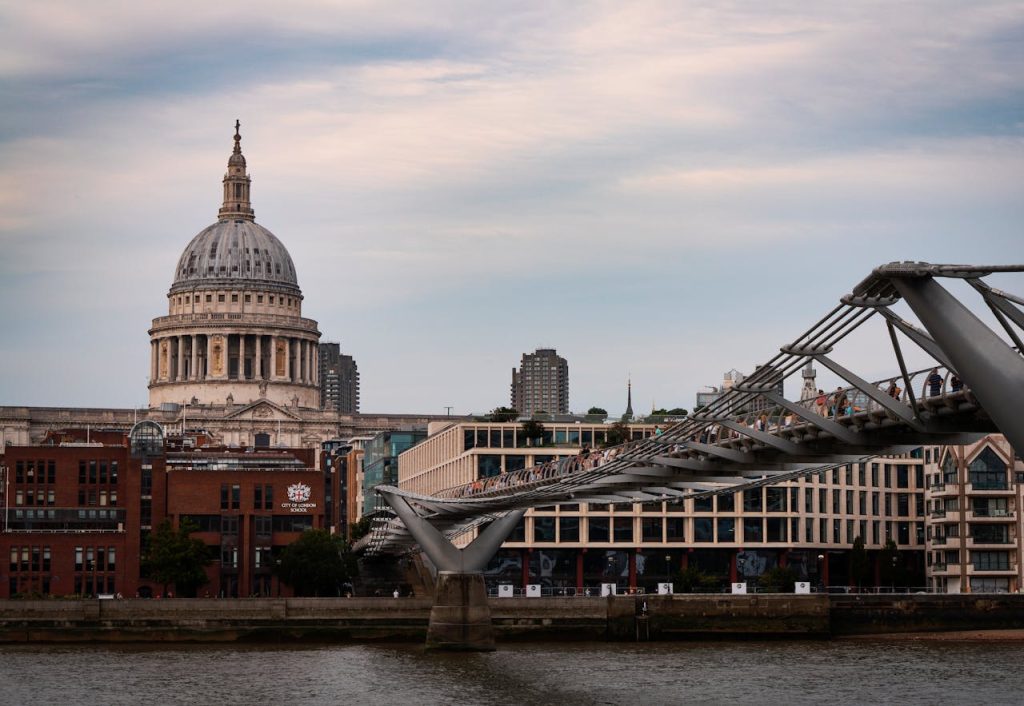
London’s streets change visibly during Christmas through coordinated light displays across major districts. Oxford Street installs overhead light canopies. Regent Street features themed designs. Covent Garden layers trees, ornaments, and illuminated facades. Neighborhood high streets join in. Pedestrian traffic increases after dark. Decorations guide movement. The city balances elegance with scale. Christmas lighting becomes part of urban navigation. Streets feel brighter and more intentional. London’s transformation extends beyond shopping zones, shaping evening atmosphere citywide. The decorations do not simply decorate but reorganize how public streets feel, flow, and function throughout December evenings.
Paris
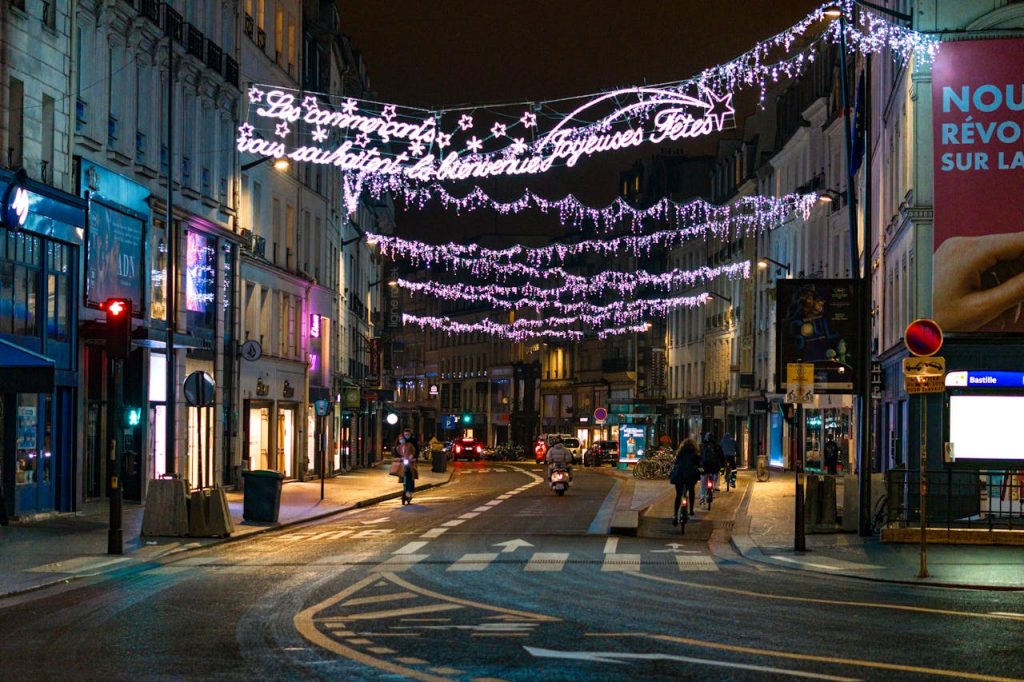
Paris approaches Christmas decoration with restraint and rhythm. Major boulevards feature uniform lighting schemes. Avenue des Champs Élysées glows with coordinated illumination. Department stores display elaborate windows that spill onto sidewalks. The city avoids excess, favoring symmetry and continuity. Streets feel refined rather than crowded with decor. The transformation enhances existing elegance. Christmas decorations emphasize structure and balance. Movement slows naturally. Evenings feel polished. Paris demonstrates how decoration can transform streets without overwhelming them, using consistency and design to reshape urban mood while preserving the city’s historic visual identity during the holiday season.
Vienna
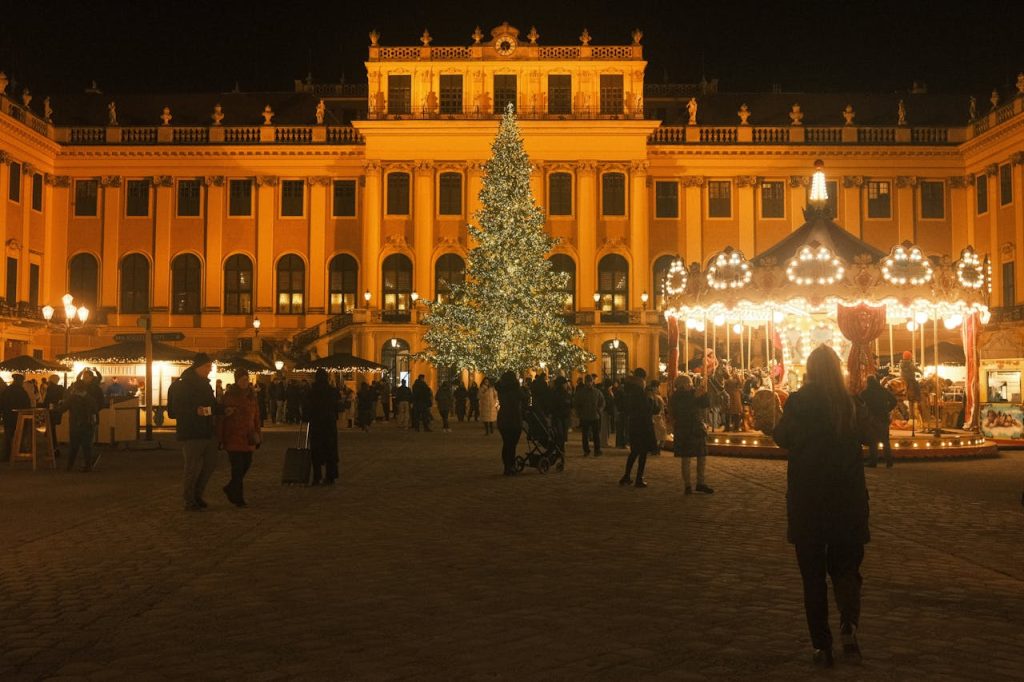
Vienna’s streets transform into classical Christmas scenes through historic architecture and traditional lighting. Grand squares host illuminated markets. Baroque facades reflect glow evenly. Decorations align with the city’s formal layout. Seasonal installations frame movement rather than obstruct it. Streets feel ordered and ceremonial. Evening walks become deliberate experiences. The transformation emphasizes tradition over novelty. Christmas decoration in Vienna reinforces continuity with the past. Streets feel curated rather than crowded. The visual shift supports the city’s musical and imperial heritage. During December, Vienna’s streets operate as extensions of its historic halls, glowing with structured seasonal identity.
Copenhagen
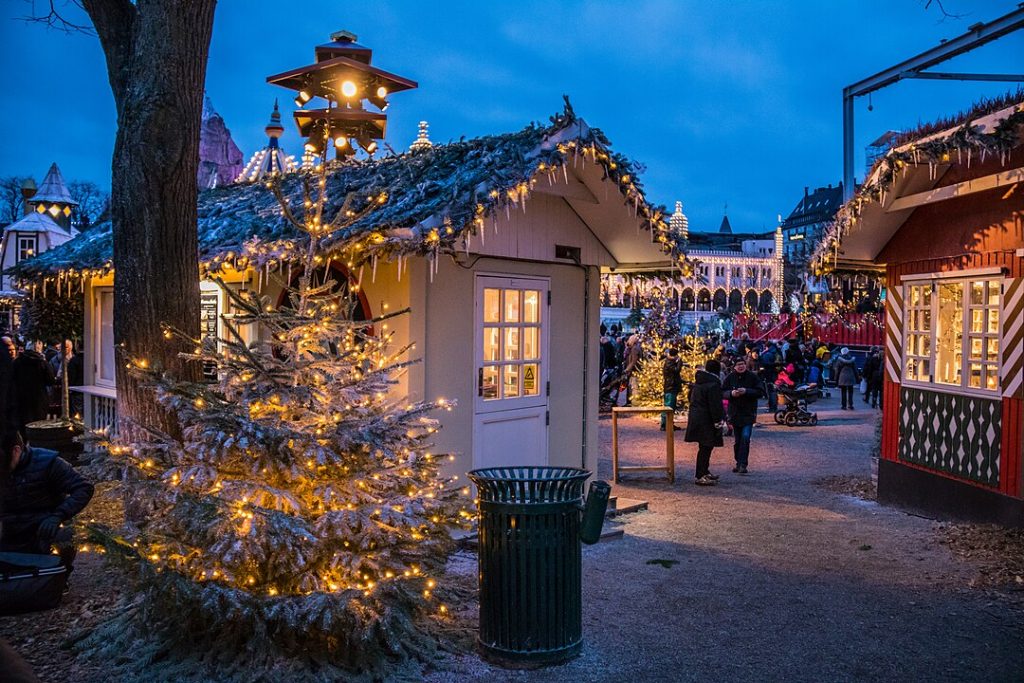
Copenhagen transforms streets through simplicity and cohesion during Christmas. Neighborhoods add understated decorations. Candlelight and warm tones dominate. The city favors atmosphere over spectacle. Decorations encourage lingering rather than gathering. Bike routes remain clear but visually softened. Streets feel intimate. The transformation feels integrated into daily life. Christmas lighting complements the city’s design focused culture. Copenhagen’s streets change without disruption. The seasonal shift reinforces comfort and accessibility, showing how restrained lighting and thoughtful placement can fully alter urban experience while preserving functionality and scale during the holiday period.
Tokyo
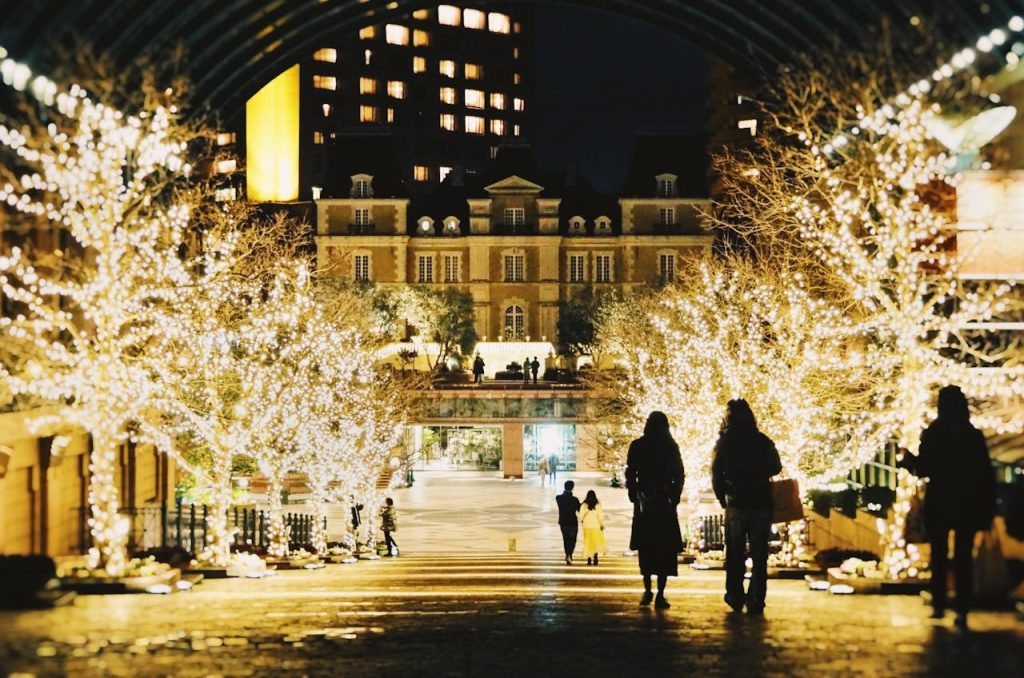
Tokyo’s streets transform through precision and intensity during Christmas illumination season. Commercial districts install synchronized light displays. Pedestrian zones become luminous corridors. The transformation feels futuristic rather than traditional. Movement flows through light. Crowds pause briefly without stopping traffic. Decorations redefine nighttime navigation. Streets feel energized. Christmas illumination in Tokyo operates as urban art. The displays are temporary yet meticulous. They reshape perception of scale and distance. Tokyo demonstrates how modern lighting design can transform streets into immersive environments without altering infrastructure or interrupting the city’s constant motion.
Prague
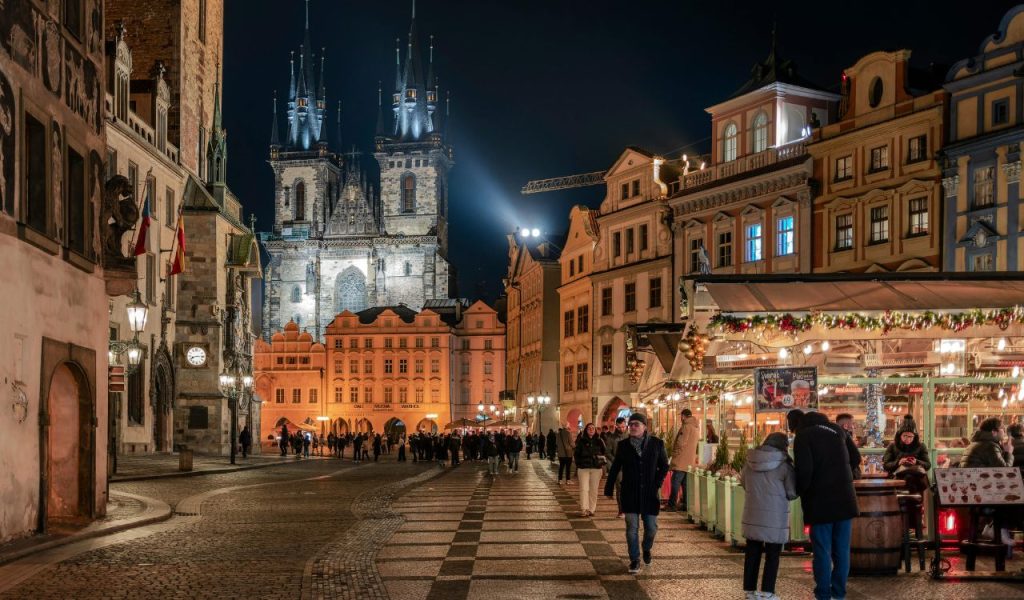
Prague’s streets transform through contrast during Christmas. Gothic and medieval architecture frames warm lighting. Old Town Square anchors the display with a central tree. Decorations highlight texture and age. The transformation feels historic and intimate. Movement slows naturally. Cobblestones reflect light unevenly. Streets feel enclosed and atmospheric. Christmas decoration emphasizes the city’s depth rather than size. Public spaces feel older and warmer simultaneously. Prague’s streets become storylike. The transformation relies on placement rather than volume. Seasonal lighting works with architecture to reshape how streets are experienced, turning everyday routes into visually layered passages throughout December nights.
Quebec City
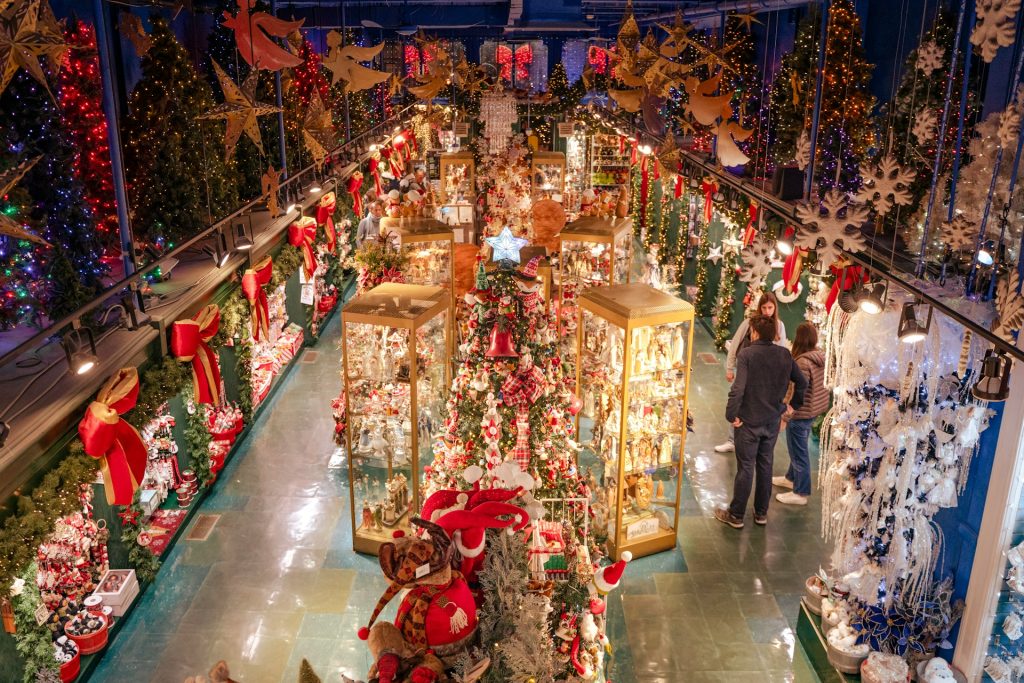
Quebec City transforms its streets into winter scenes through traditional decoration and historic setting. Stone buildings reflect warm lights. Garlands frame narrow streets. Public squares host illuminated installations. Snow amplifies brightness. Movement becomes slower and deliberate. Streets feel enclosed and festive. The transformation emphasizes heritage. Christmas lighting reinforces the city’s old world character. Even quiet streets glow. The scale remains human. Quebec City’s decorations reshape streets without excess. Seasonal design works with architecture and climate. During December, the city’s streets function as immersive environments where history, light, and winter atmosphere combine seamlessly.
Munich
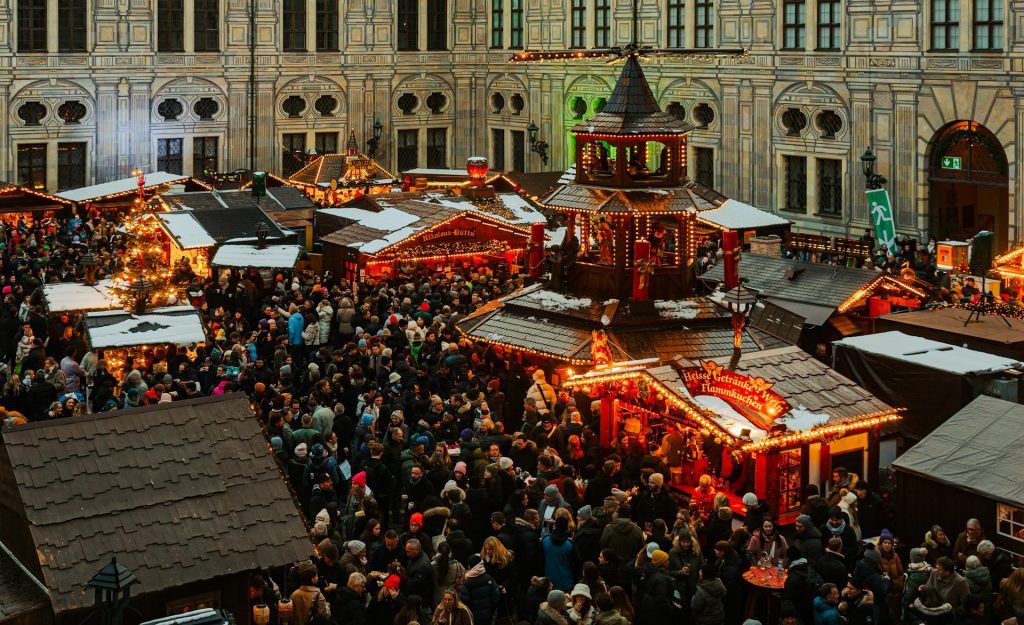
Munich transforms streets through market centered decoration during Christmas. Central squares host illuminated stalls. Connecting streets adopt coordinated lighting. Historic buildings reflect warm tones. Decorations guide foot traffic. The transformation emphasizes communal space. Streets feel purposeful and social. Evening routines change. Lighting supports navigation and atmosphere. Munich’s decoration balances order and warmth. The visual shift feels planned rather than spontaneous. Christmas decorations reorganize how streets operate, turning routes into connectors between illuminated hubs and reinforcing the city’s structured layout while softening it through seasonal color and shared nighttime activity.
Strasbourg
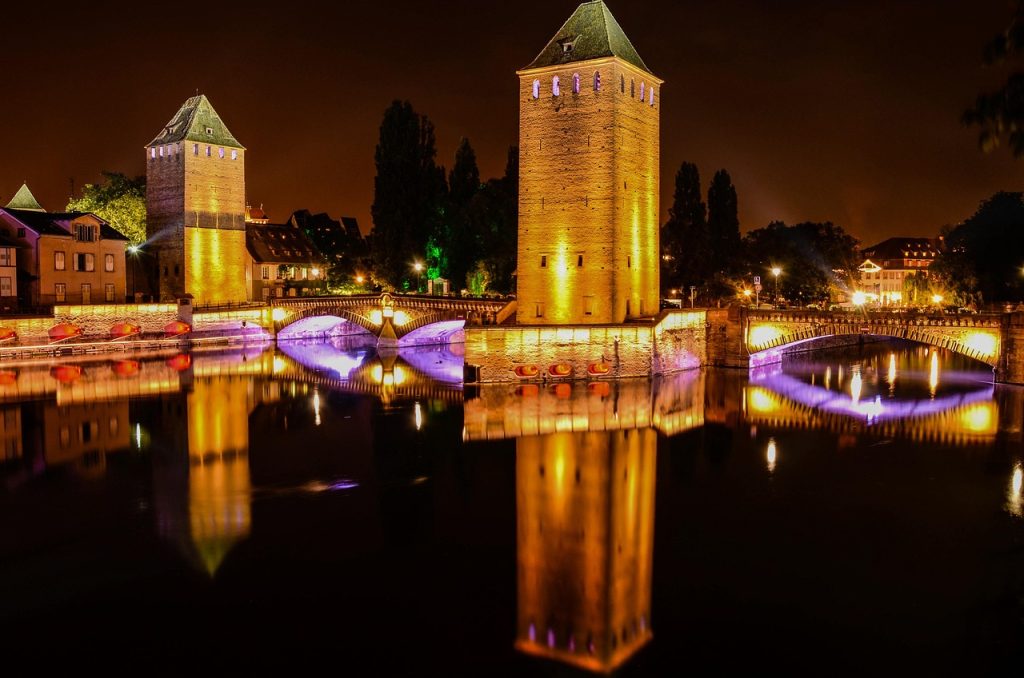
Strasbourg transforms its streets almost entirely during Christmas through dense decoration. Entire neighborhoods adopt coordinated themes. Overhead lights form tunnels. Facades receive detailed installations. Movement slows as visual density increases. The transformation is immersive. Christmas becomes the city’s state. Decorations cover residential and commercial zones alike. Streets operate as continuous displays. Navigation becomes visual. Strasbourg’s approach turns public space into a unified seasonal environment. The scale is citywide rather than localized. Christmas decoration does not accent the streets here; it replaces their usual identity, creating a temporary urban world shaped almost entirely by light and ornament.