10 Cities Where Fall Weather Changes the Entire Mood
Fall weather reshapes cities in ways summer never allows, shifting pace, sound, and social rhythm. Cooler air invites walking, colors soften streetscapes, and daily routines slow naturally. Cafes feel cozier, parks grow reflective, and neighborhoods regain presence. Tourism pressure fades while local life resurfaces. The change affects mood as much as movement. These ten cities experience a noticeable emotional shift once autumn arrives. Each location feels calmer, more grounded, and more intimate during fall, revealing character that heat and crowds often obscure, and transforming ordinary streets into places defined by atmosphere, balance, and seasonal calm. This transition invites slower exploration and deeper appreciation.
New York City
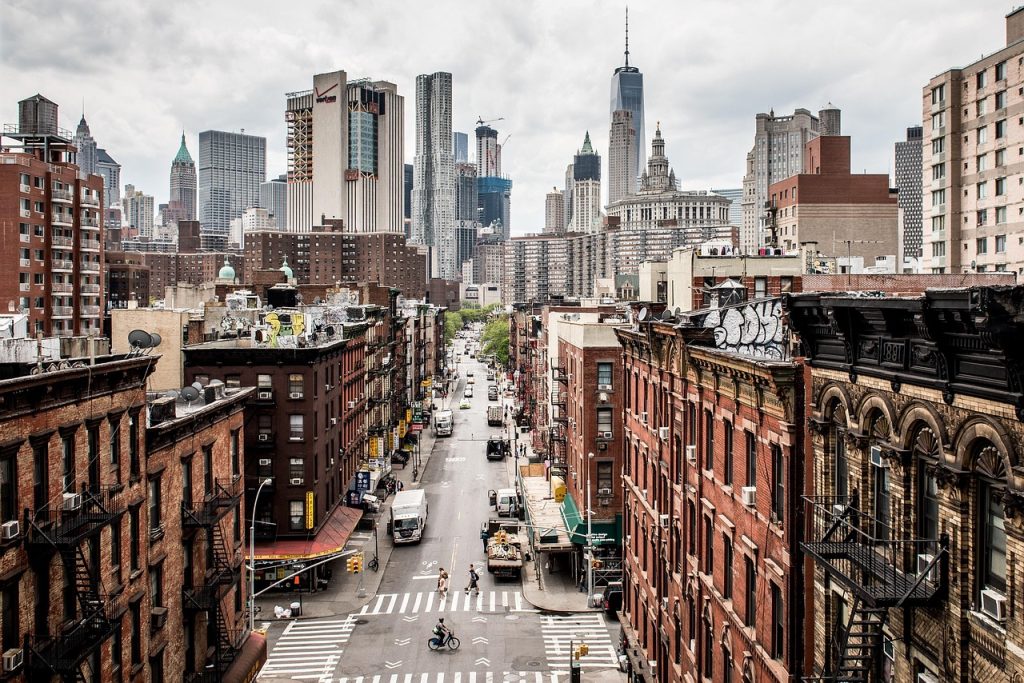
New York City changes dramatically when fall weather settles in across the boroughs. Humidity fades, making walking enjoyable. Trees color Central Park and neighborhood streets. Outdoor noise softens. Cafes spill warmth onto sidewalks. Daily movement feels purposeful, not rushed. Tourists thin after summer. Residents reclaim routines. The city feels sharper and more reflective. Fall light reshapes architecture. Evenings feel calmer. New York’s intensity remains, but autumn adds balance. The seasonal shift replaces urgency with rhythm, transforming the city’s mood from relentless energy into something grounded, observant, and quietly invigorating for residents and visitors alike everywhere.
Paris
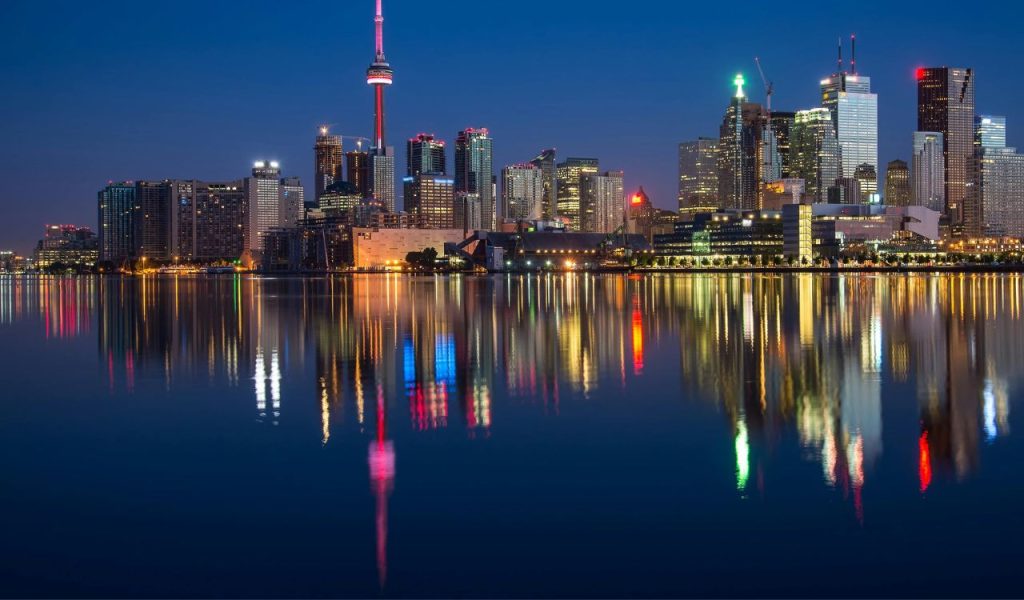
Paris adopts a gentler tone once fall weather cools the city. Summer crowds dissolve, revealing everyday rhythms. Sidewalk cafes turn inward. Tree lined boulevards glow amber. Morning air feels crisp. Walking replaces rushing. Museums feel contemplative. Neighborhood markets slow naturally. Locals linger longer. Light rain deepens color. Even traffic softens. Paris feels intimate again. Fall reframes romance into routine beauty. The city’s mood shifts from spectacle to subtlety, allowing residents and travelers to experience streets, sounds, and spaces with calm attention and renewed appreciation throughout neighborhoods during quieter autumn weeks each year across the city. This seasonal calm feels deeply restorative.
Tokyo
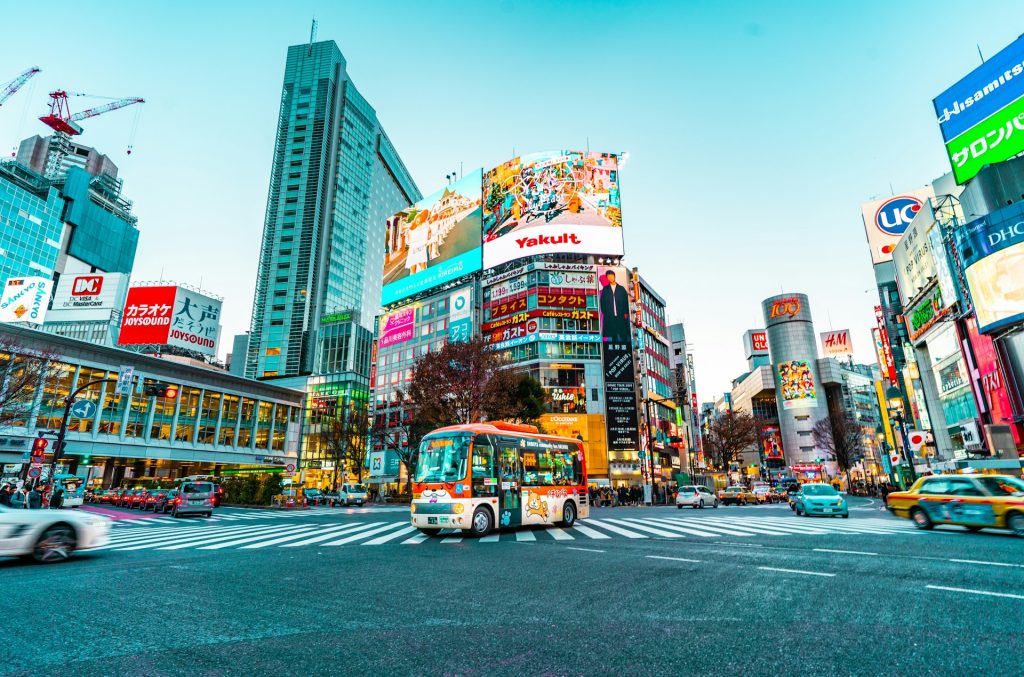
Tokyo feels transformed when fall weather replaces summer heat and humidity. Streets grow comfortable. Walking increases. Parks display subtle color. Neighborhoods feel breathable. Outdoor noise fades. Cafes welcome lingering guests. Commuting feels less exhausting. The city’s precision becomes calming. Seasonal festivals add quiet texture. Even crowded districts feel balanced. Fall evenings feel intentional. Tokyo’s mood shifts from endurance to enjoyment. Cooler air reveals detail and order, allowing residents and visitors to notice design, ritual, and daily patterns that summer’s intensity often overshadows and reshapes emotional perception, movement, and collective pace across the metropolis each autumn.
Edinburgh
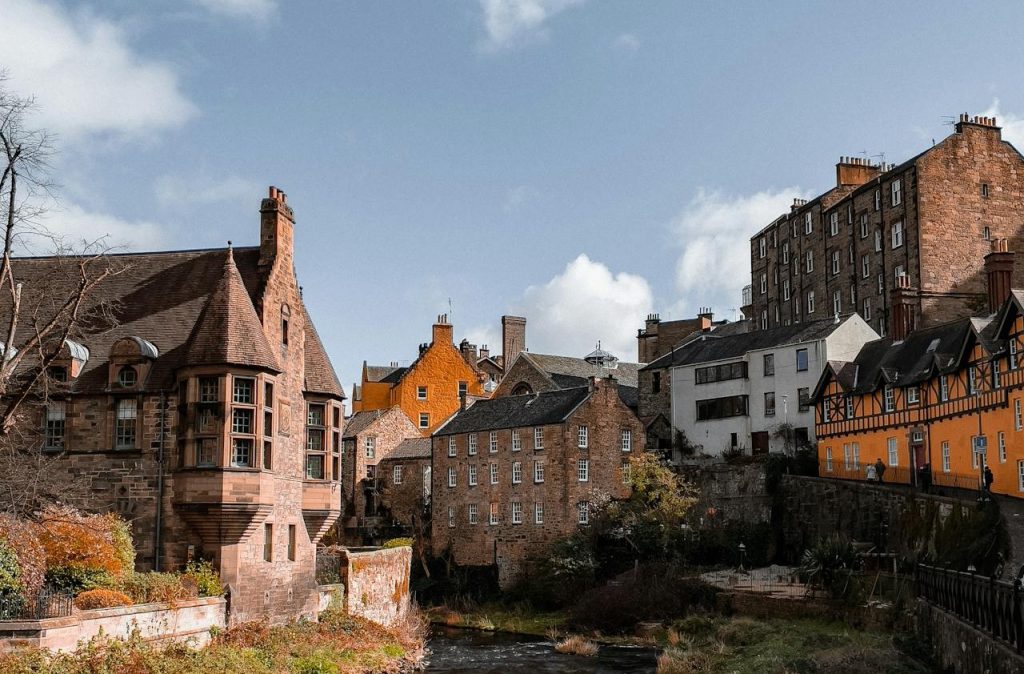
Edinburgh’s mood deepens once fall weather arrives across the historic city. Summer festival crowds disappear. Stone streets feel quieter. Cool air sharpens views. Parks turn golden. Walking hills feels manageable. Museums feel reflective. Evenings arrive earlier. Edinburgh becomes contemplative. Fall reveals layers of history and daily life. The seasonal shift softens energy, allowing residents and visitors to experience streets, stories, and skyline with calm focus, emotional richness, and a sense of grounded continuity during cooler months when light and silence define movement and mood completely. This change encourages reflection, appreciation, and unhurried exploration throughout districts.
San Francisco
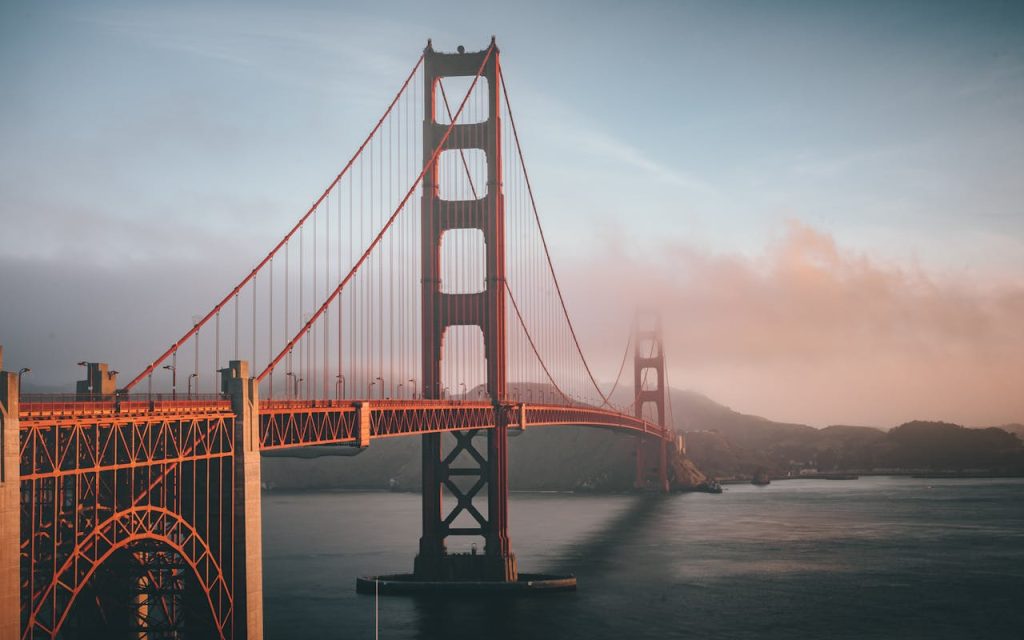
San Francisco feels steadier once fall weather replaces summer fog and wind. Skies clear more often. Temperatures stabilize. Walking neighborhoods becomes pleasant. Outdoor dining feels reliable. Parks regain use. Tour buses thin. Light sharpens hills and water. Even traffic relaxes. Fall removes seasonal unpredictability. San Francisco’s mood shifts toward comfort and clarity. The calmer climate allows residents and visitors to enjoy streets, views, and routines without the constant adjustment that defines summer conditions along the coast and reinforces a balanced urban rhythm throughout neighborhoods during autumn months annually.
Munich
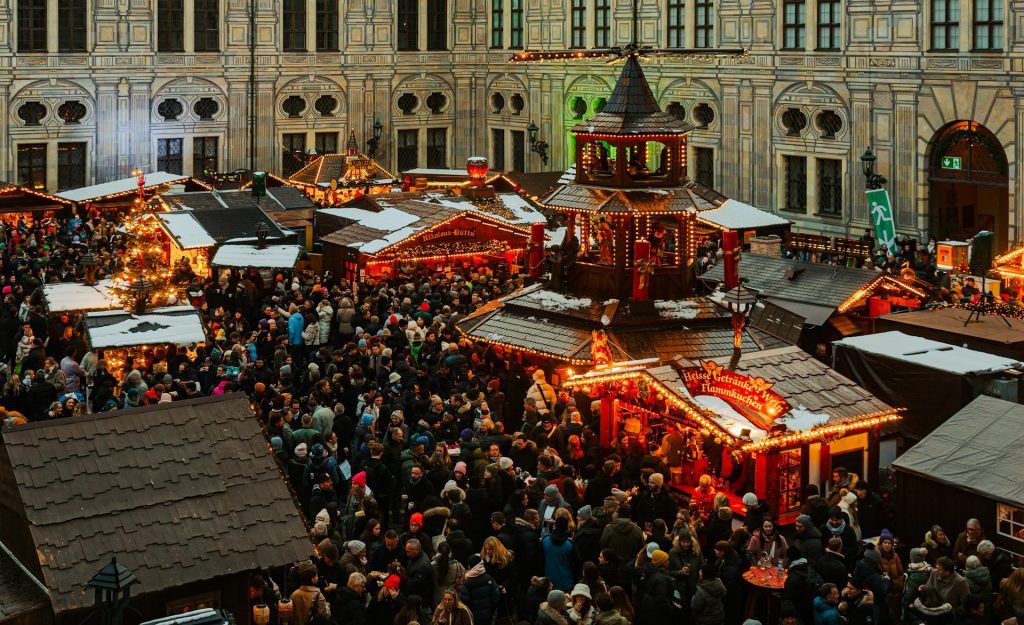
Munich settles into a composed mood when fall weather cools the city. Beer gardens adjust naturally. Parks fill with walkers. Summer crowds fade. Public spaces feel orderly. Air feels crisp. Architecture feels grounded. Locals reclaim routines. Museums feel unhurried. Transit flows smoothly. The city feels balanced. Fall emphasizes structure and comfort. Munich’s atmosphere shifts from busy celebration to steady livability. Cooler days allow residents and visitors to experience public squares, neighborhoods, and daily rituals with ease, clarity, and a calm sense of seasonal alignment that reshapes mood, movement, and shared urban experience each autumn season. This transition quietly highlights Munich’s design, culture, and civic pace.
Vancouver
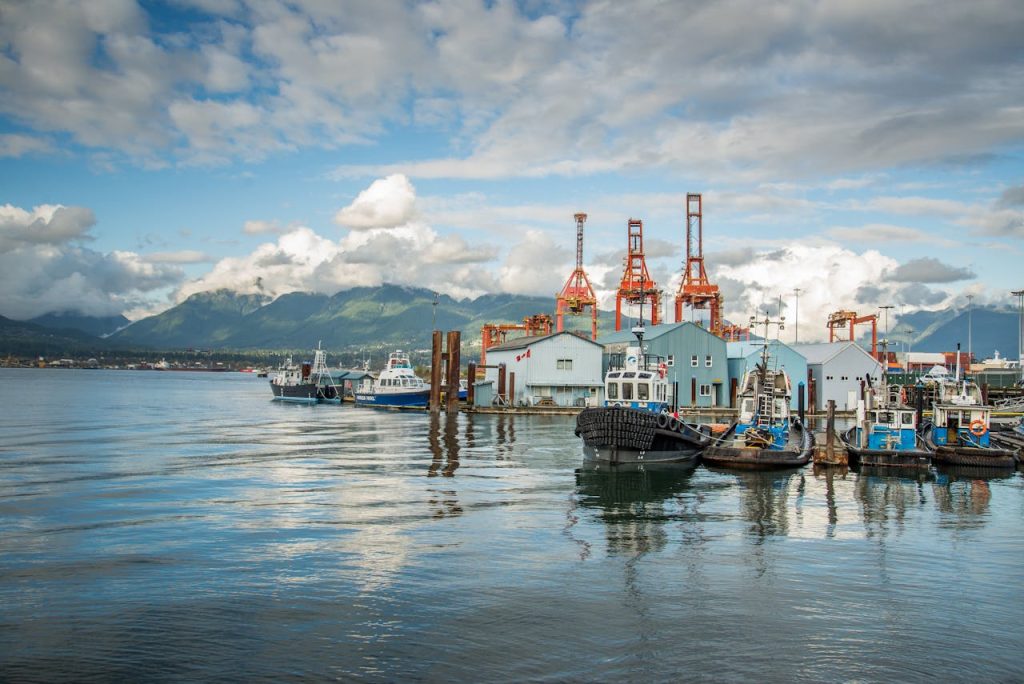
The Vancouver’s mood softens noticeably when fall weather replaces summer brightness. Crowds thin along the seawall. Air cools gently. Trees change color. Walking becomes inviting. Cafes feel warm. Neighborhoods slow. Outdoor noise fades. Rain adds reflection. Daily routines settle. The city feels intimate. Fall reveals balance between nature and urban life. Vancouver’s atmosphere shifts toward calm presence. Residents and visitors experience parks, water, and streets with patience, clarity, and appreciation for quieter rhythms shaped by seasonal rain and cooler coastal air that influences mood, pace, conversation, movement, and daily interaction throughout the city during autumn months.
Rome
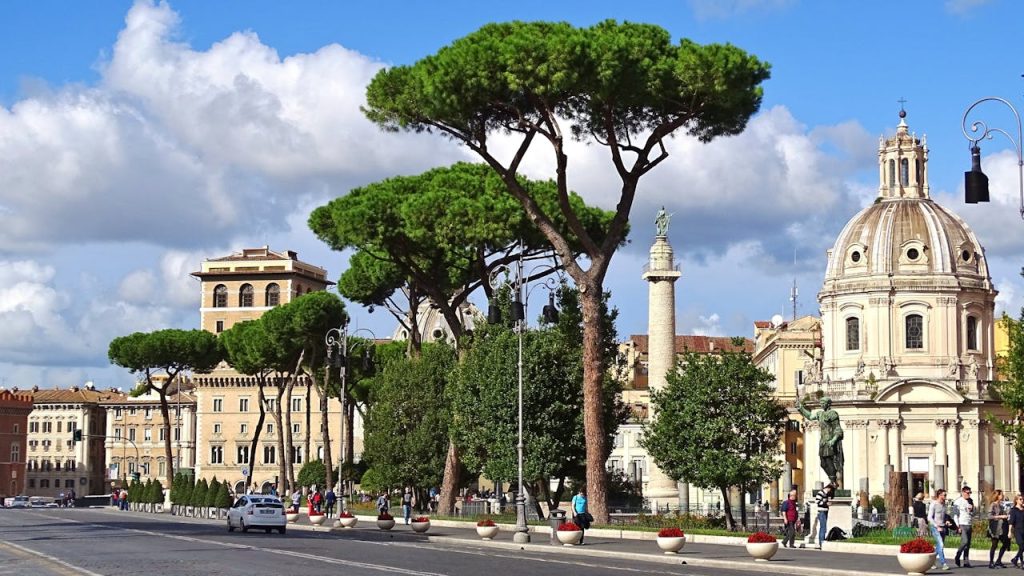
The Rome feels fundamentally different once fall weather cools ancient streets. Summer heat breaks. Walking becomes enjoyable. Locals return to plazas. Cafes regain conversation. Tourist pressure eases. Stone surfaces hold softer light. Even traffic calms. Daily rituals reemerge. The city feels lived in and fall restores balance between history and habit. Rome’s mood shifts from survival to savoring. Cooler days allow residents and visitors to experience ruins, neighborhoods, and routines with patience, reflection, and emotional depth shaped by centuries of continuity that define identity, atmosphere, and seasonal calm across Rome’s neighborhoods during autumn evenings and mornings alike.
Prague
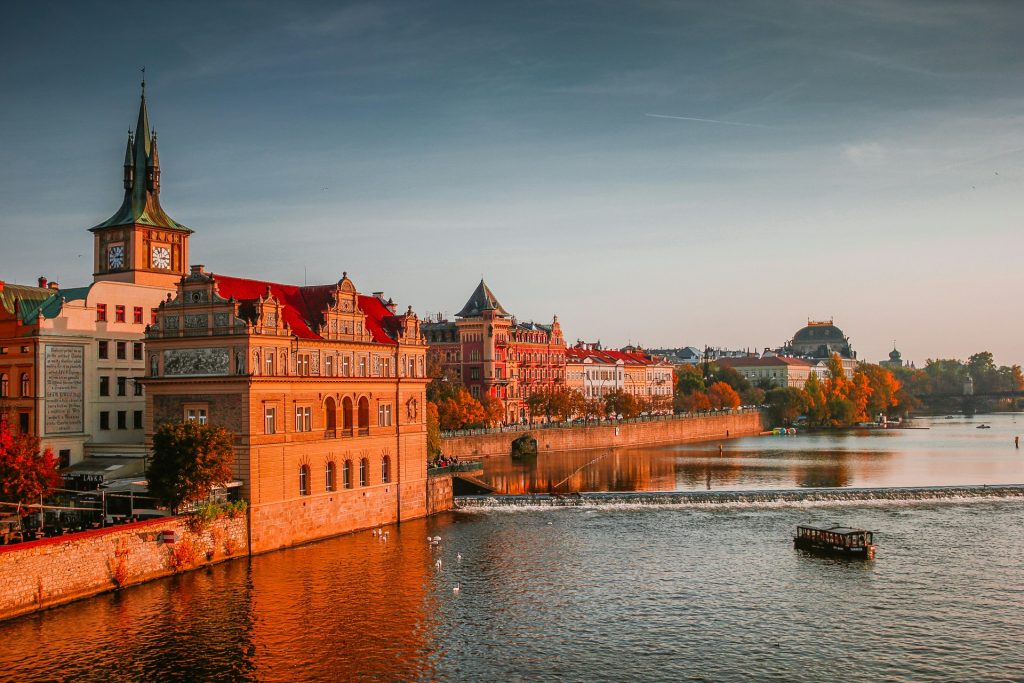
Prague becomes quieter and more atmospheric when fall weather arrives. Summer tour groups vanish. Cobblestone streets feel spacious. Cool air sharpens detail. Trees frame historic facades. Cafes turn cozy. Movement slows. Sounds soften. Light reflects warmly. The city feels storybook. Fall emphasizes texture and age. Prague’s mood shifts toward introspection. Residents and visitors experience streets, bridges, and squares with deliberate calm, allowing architecture and history to define atmosphere without the constant motion and density that characterize warmer months and reshape emotional perception, movement, and nightly rhythm across the city’s historic core during autumn weeks annually.
Buenos Aires
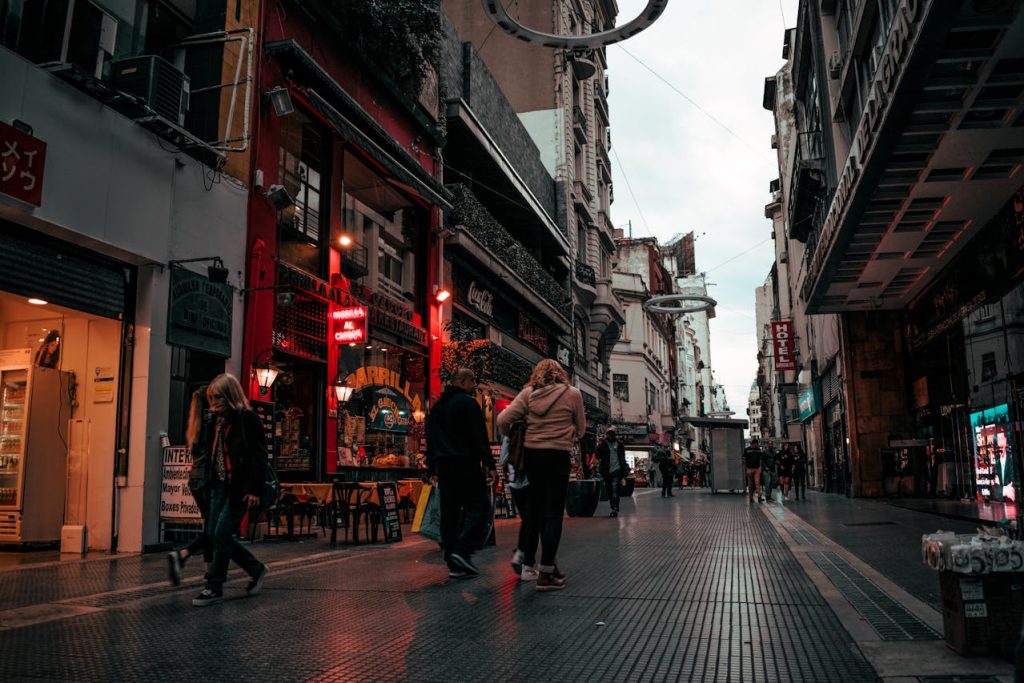
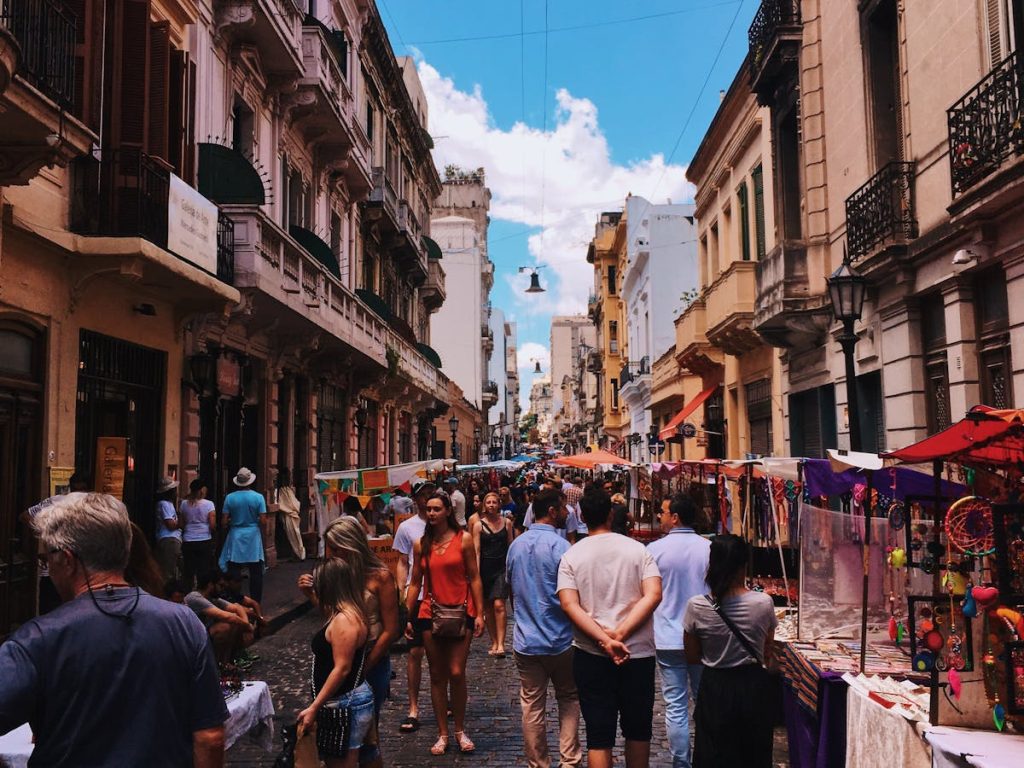
Buenos Aires shifts noticeably in mood as fall weather replaces summer intensity. Heat fades. Evenings cool. Walking neighborhoods becomes pleasant. Cafes fill steadily. Parks regain balance. Cultural life continues calmly. Streets feel social, not strained. Noise softens. Daily pace evens out. Fall highlights everyday elegance. The city feels reflective yet lively. Buenos Aires moves from high energy to sustainable rhythm. Cooler temperatures allow residents and visitors to enjoy conversation, architecture, and street life with comfort, depth, and emotional ease across diverse neighborhoods during transitional autumn weeks that reshape urban mood, movement, and connection citywide gently.