10 Cities Where Tourism Promotion Has Been Scaled Back

The global tourism story is changing tone. Many city governments that once celebrated bigger visitor numbers now talk about housing pressure, neighborhood fatigue, and protecting daily life. In place of broad invitation campaigns, they are using caps, fees, permit limits, and tighter street rules. The goal is not to shut travelers out.
It is to rebalance the relationship between guests and residents, especially in places where infrastructure and historic districts were absorbing more than they could sustainably handle. What matters now is fewer flashpoints, steadier seasons, and a tourism economy that does not overpower daily urban rhythm.
1. Amsterdam, Netherlands
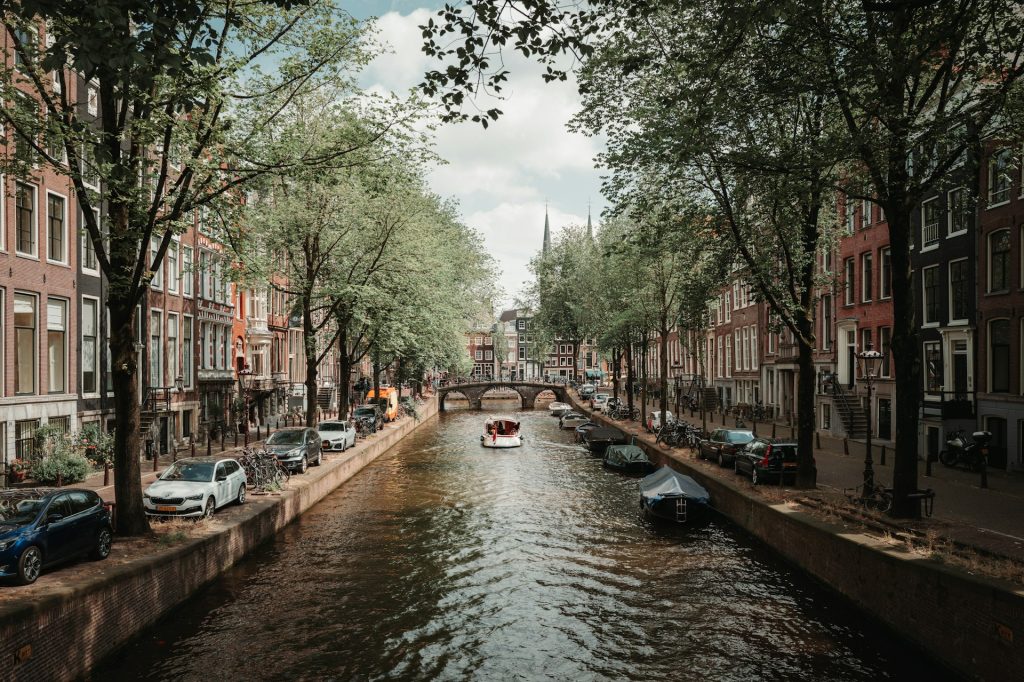
Amsterdam has moved from growth messaging to hard limits. The city announced that new hotels are no longer allowed unless another hotel closes, with no net increase in beds and higher sustainability standards. That policy followed years of concern about crowding and behavior in the old center.
The practical signal is clear: promotion no longer means adding capacity by default. City policy now treats visitor volume as a number to control, not simply a number to beat each season. Even the language from officials has shifted toward livability, indicating that city branding is now tied to resident comfort as much as visitor demand.
2. Barcelona, Spain
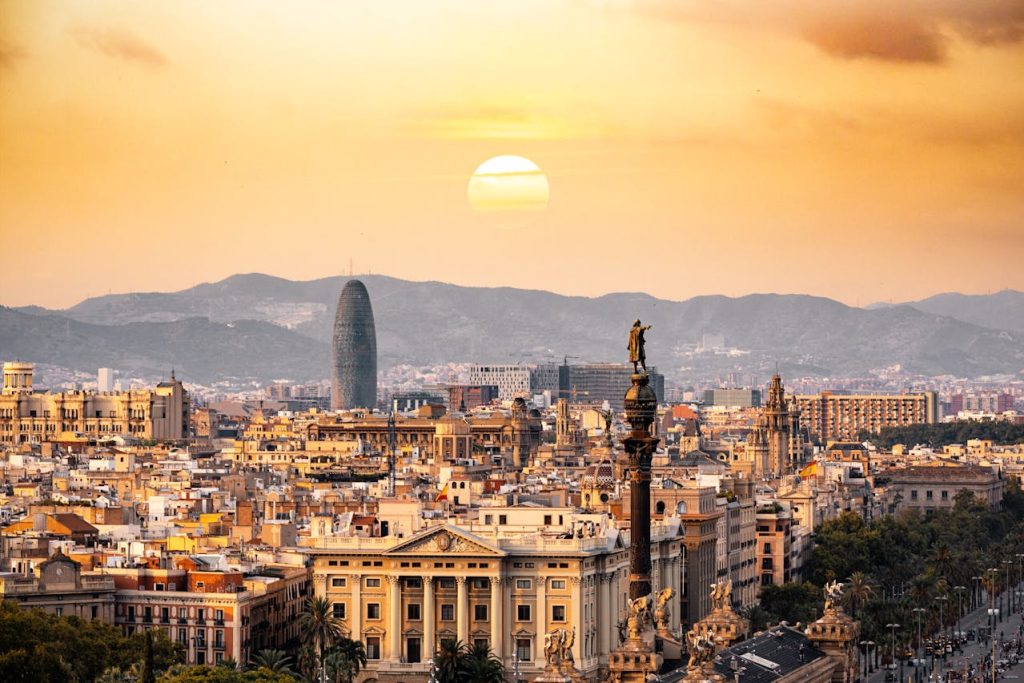
Barcelona’s shift is one of the strongest in Europe. The city said licensed tourist apartments would be phased out by 2028, tying the move directly to housing stress and resident affordability after steep rent growth. Courts later backed the direction of that policy, reinforcing the city’s legal footing.
This does not erase tourism in a city built around culture and design. It does show a new hierarchy where housing stability and local life come first, while destination marketing plays a more selective, managed role. The city is still highly visible globally, but it is no longer marketing scale as the main measure of success.
3. Venice, Italy
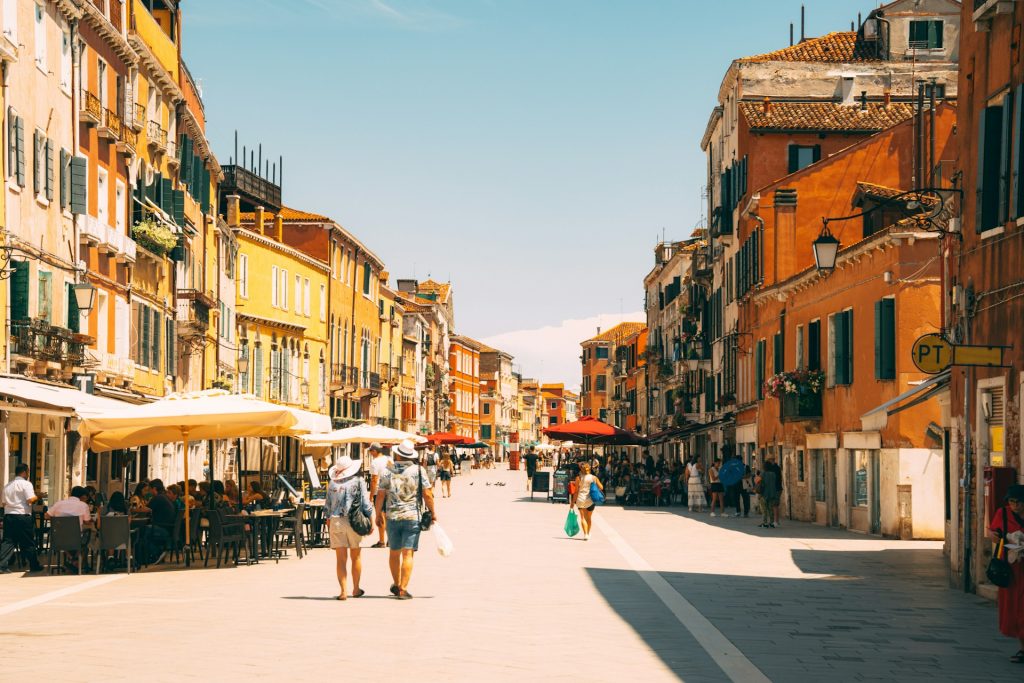
Venice has turned crowd management into a formal entry system. After piloting a day-visitor fee, officials expanded the framework for 2025 with more chargeable days and a higher fee for late bookings. The scheme also gives the city better real-time data on peak congestion patterns across the historic center.
That evolution marks a clear step away from open-door promotion. Venice is still welcoming, but it now uses timing and price to spread demand and protect a fragile urban core from repeated saturation. In practice, the city is replacing broad invitation signals with a calendar logic designed to prevent the most intense surges.
4. Florence, Italy
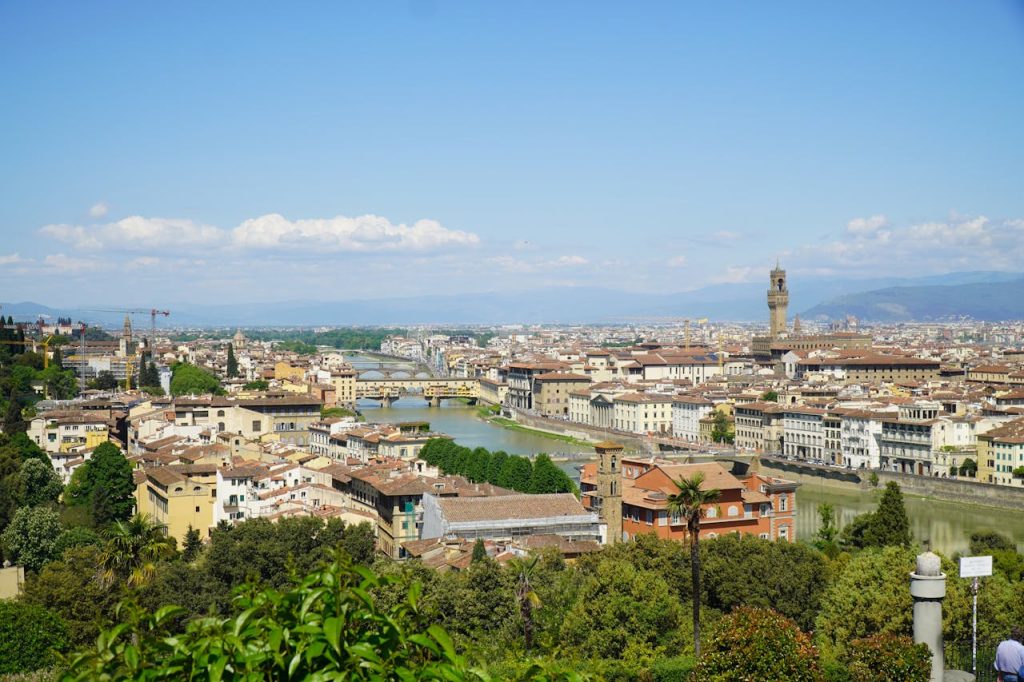
Florence has shifted from branding heritage to regulating how tourism operates inside it. The city ordered short-stay owners to remove self check-in keyboxes from building facades, arguing they had become symbols of unmanaged turnover in the historic center and neighborhood friction.
Combined with other limits on short-term rentals, the move reflects a broader local mood. Officials are signaling that preservation is not only about monuments, but also about keeping central districts livable for people who reside there. The change sounds administrative, yet it marks a visible retreat from promotion models built on rapid guest turnover.
5. Rome, Italy
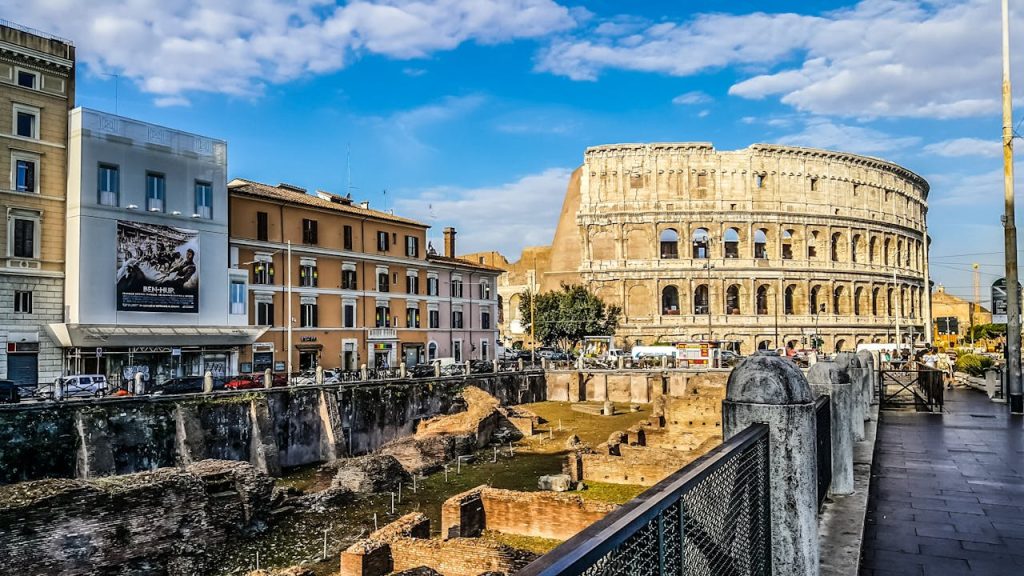
Rome has started charging visitors a 2-euro fee to enter the close viewing area at Trevi Fountain, while keeping the surrounding piazza open. City leaders presented the rule as a way to reduce crush-level clustering and fund maintenance at one of the most visited sites in Italy.
That step represents a broader policy pivot in the capital. Instead of pushing uninterrupted footfall at iconic landmarks, Rome is moving toward timed access, clearer circulation, and limits that protect both monuments and daily urban flow. The message is measured but firm: cultural access remains open, yet unmanaged crowd density is no longer treated as normal.
6. Prague, Czech Republic
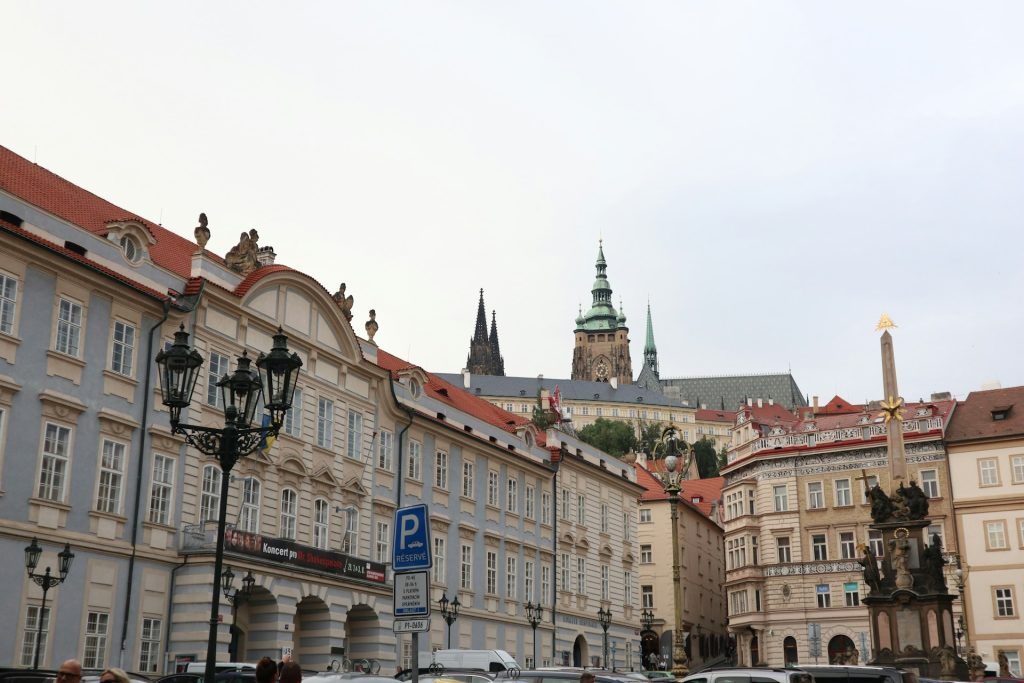
Prague approved a ban on organized nighttime pub crawls in the historic center, with enforcement hours set from 10 p.m. to 6 a.m. Local leaders said the decision was aimed at reducing noise and street disorder while shifting the city’s tourism profile toward longer, culture-focused stays.
The move does not target ordinary nightlife across the city. It specifically scales back the kind of promotion that treated the old town as a party product, often at the expense of residents and the wider visitor experience. By narrowing that model, Prague is effectively choosing reputation and neighborhood stability over quick weekend volume.
7. Kyoto, Japan
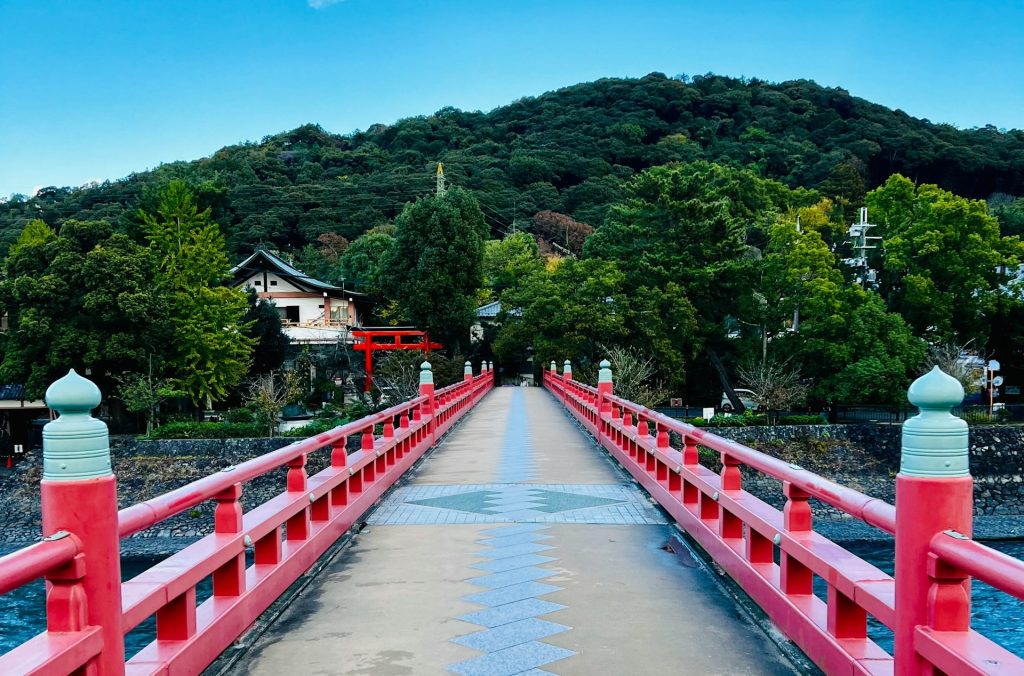
Kyoto’s Gion district introduced restrictions on tourist access to certain private alleys after repeated complaints about intrusive behavior around geiko and maiko communities. Public streets remain open, but protected lanes now carry clear warning signs and stronger boundary messaging.
What changed is the tone of governance. The city and local district groups are no longer rewarding pure visibility. They are prioritizing etiquette, privacy, and cultural continuity, even when that means limiting how easily visitors can consume iconic scenes. That marks a step away from promotion tactics that treated every picturesque block as open content.
8. Seoul, South Korea
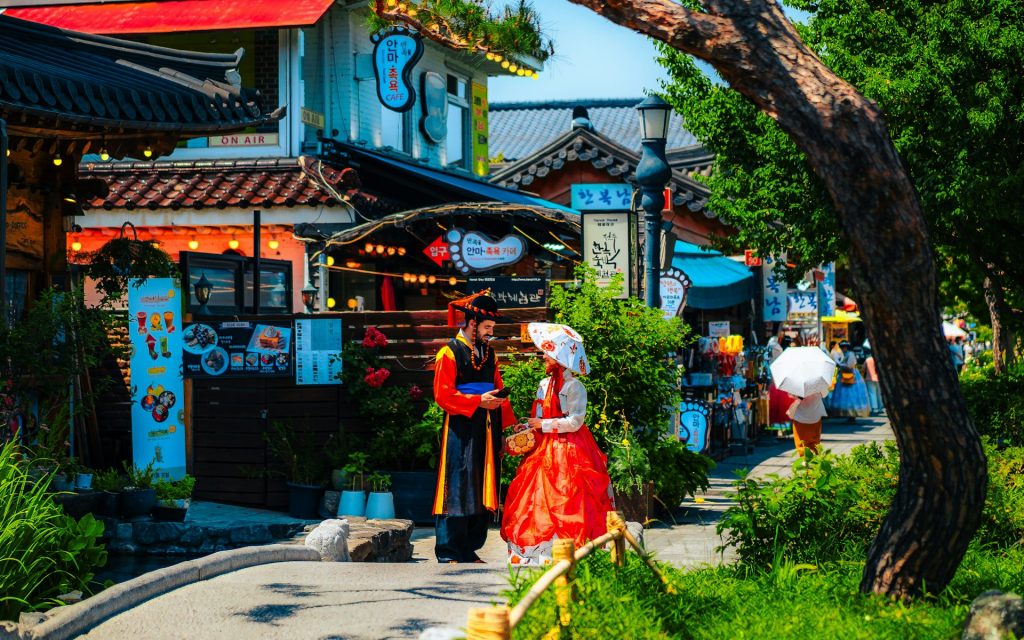
Seoul moved toward a tourist curfew model in Bukchon Hanok Village, with pilot enforcement discussed before full rollout, after residents reported persistent noise, litter, and privacy loss in narrow residential lanes. Visitor numbers had climbed far beyond the area’s local population.
The policy is a textbook example of scaled-back promotion in practice. Rather than amplifying foot traffic in a living heritage neighborhood, officials are setting temporal boundaries so tourism can coexist with daily home life and resident rights. It is a reminder that preservation depends on architecture and protecting quiet hours and household routines.
9. Fujikawaguchiko, Japan

Fujikawaguchiko installed a large screen to block a viral Mount Fuji photo angle near a convenience store after safety and nuisance complaints rose. The location had drawn dense social-media crowds, including risky road crossings and repeated disruptions to nearby businesses and pedestrian movement.
The barrier became an unmistakable policy message. Local government chose order and safety over effortless shareability, showing how quickly a destination can pull back promotional visibility when one photogenic hotspot starts overwhelming normal community function. It was a small intervention, but it reflected a shift in tourism priorities.
10. Santorini, Greece
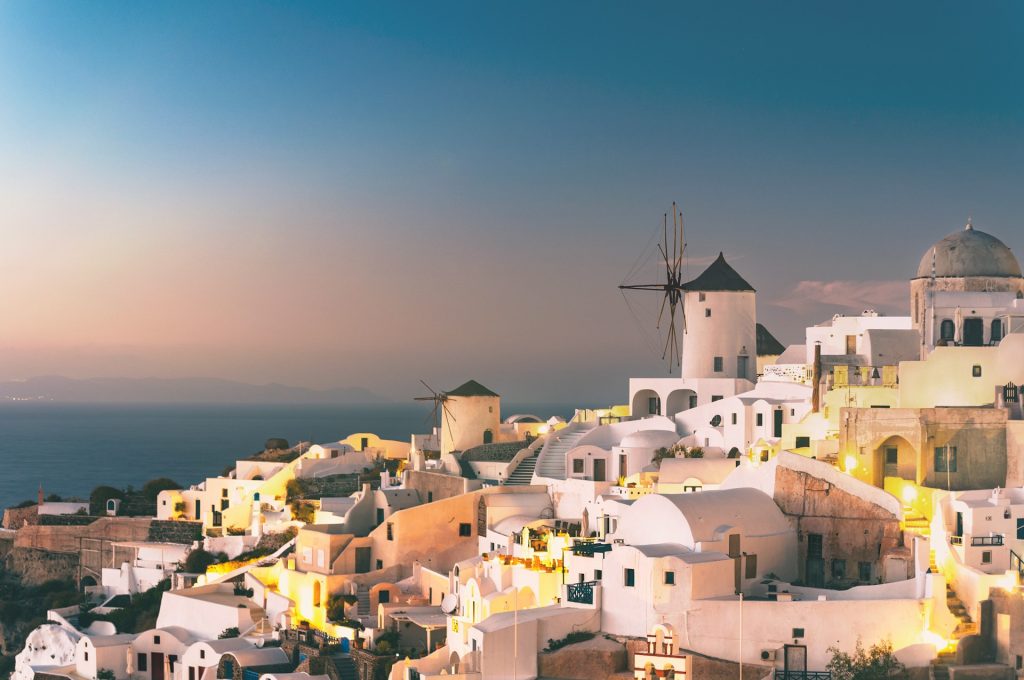
Greek authorities advanced and then legislated higher levies on cruise arrivals, including a 20-euro charge for Santorini in peak season, as part of a wider overtourism response. The measure was framed as protection for infrastructure and island capacity under intense summer pressure.
For Santorini’s main town zones, that matters in practical ways. It signals a move away from volume-first cruise promotion and toward a managed model where timing, density, and carrying capacity shape demand. Rather than celebrating maximum daily arrivals, policy is now designed to reduce spikes that strain roads, services, and public space.