10 Classic Lake Resorts With Surprising Histories
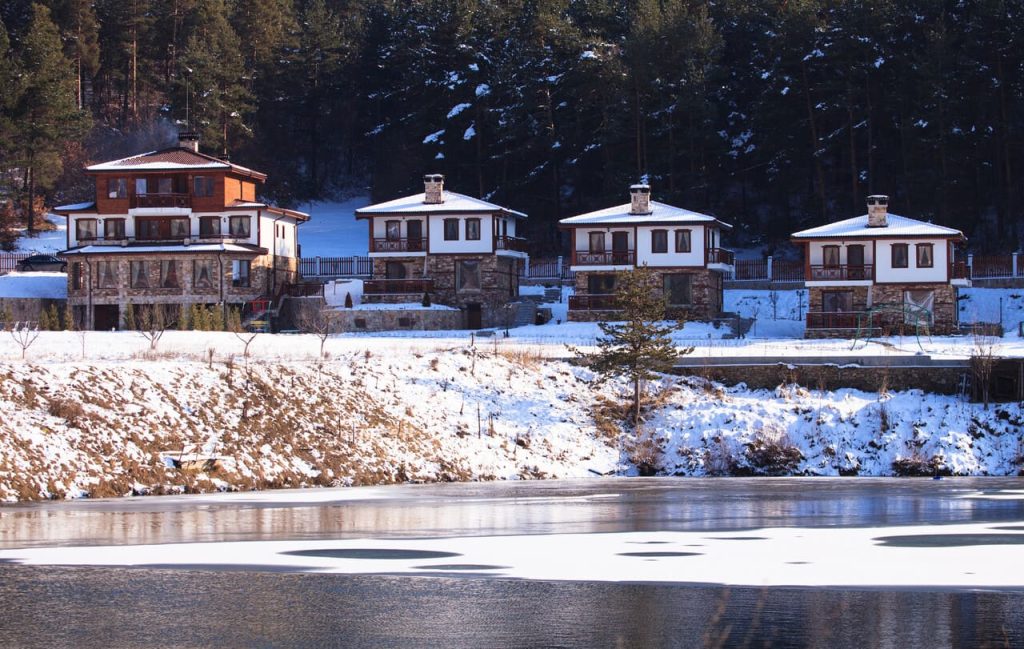
You might picture classic lake resorts as peaceful places where you watch the water and let your brain switch off. That is part of the charm, but many of the most familiar retreats carry stories that go far beyond a beautiful view. Some became spots for secret meetings, celebrity escapes, hidden history, or even training grounds during tense world events. When you visit one of these destinations, you are not just checking into a room near the water. You are walking into a space shaped by decades of surprising chapters.
1. Lake Placid Lodge, New York
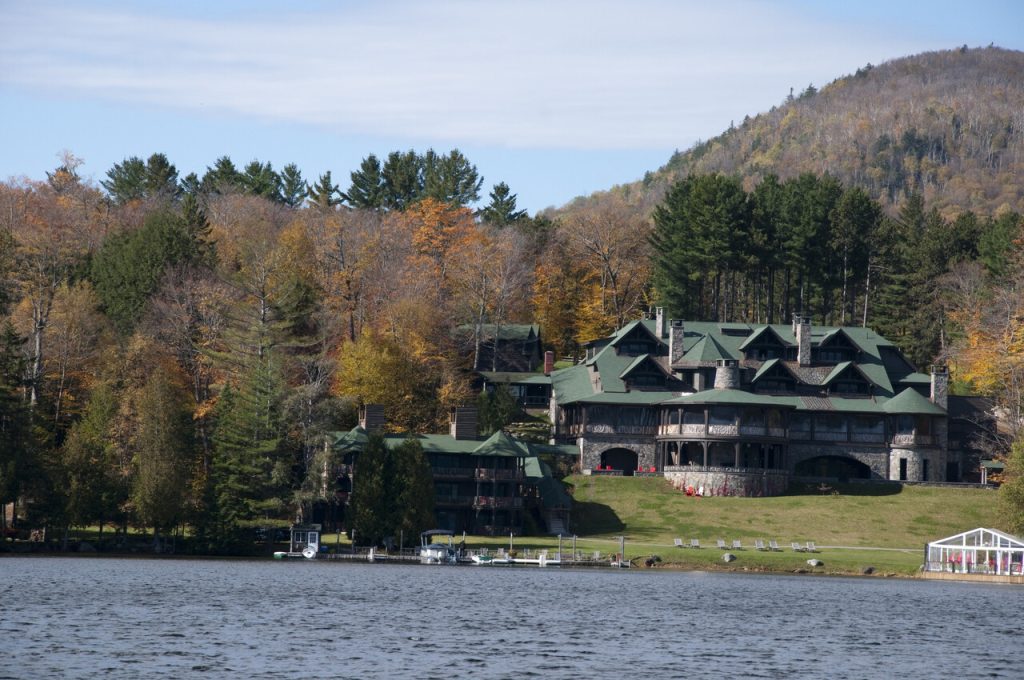
You see a luxury Adirondack getaway when you pull up to Lake Placid Lodge, but the history runs much deeper. In the early 1900s, wealthy New Yorkers and industry leaders used the area as a retreat to escape smokier cities, and their influence turned Lake Placid into an unexpected Olympic hub. By 1932 and again in 1980, the quiet lakeside town hosted the Winter Games, making this resort part of a major global moment. When you stay here today, you are close to trails and calm water, but you are also staying in the shadows of Olympic history.
2. The Grand Hotel, Mackinac Island, Michigan
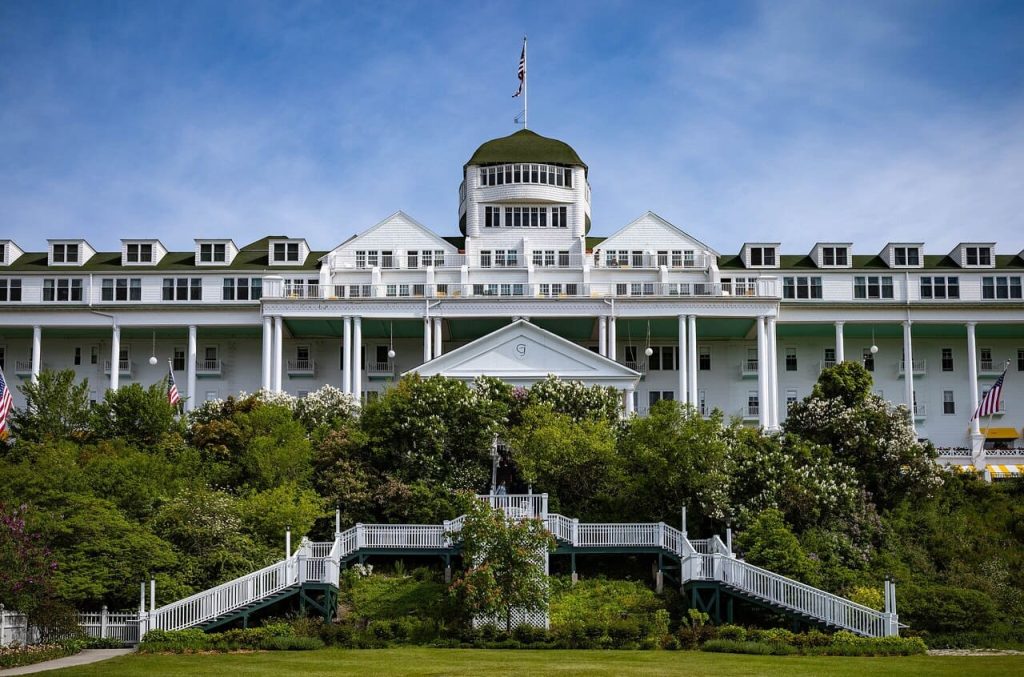
You think of porch rocking chairs and slow evenings, but the Grand Hotel once stood at the center of major historical development. When it opened in 1887, the hotel was part of a new boom in Great Lakes tourism fueled by steamships and railroads carrying visitors from major American cities. The spot later became a filming location for the cult classic Somewhere in Time, which cemented the island’s nostalgic reputation. Today, you check in for the calm setting and car-free streets, but the building itself tells the story of a nation discovering vacation travel.
3. Lake Quinault Lodge, Washington
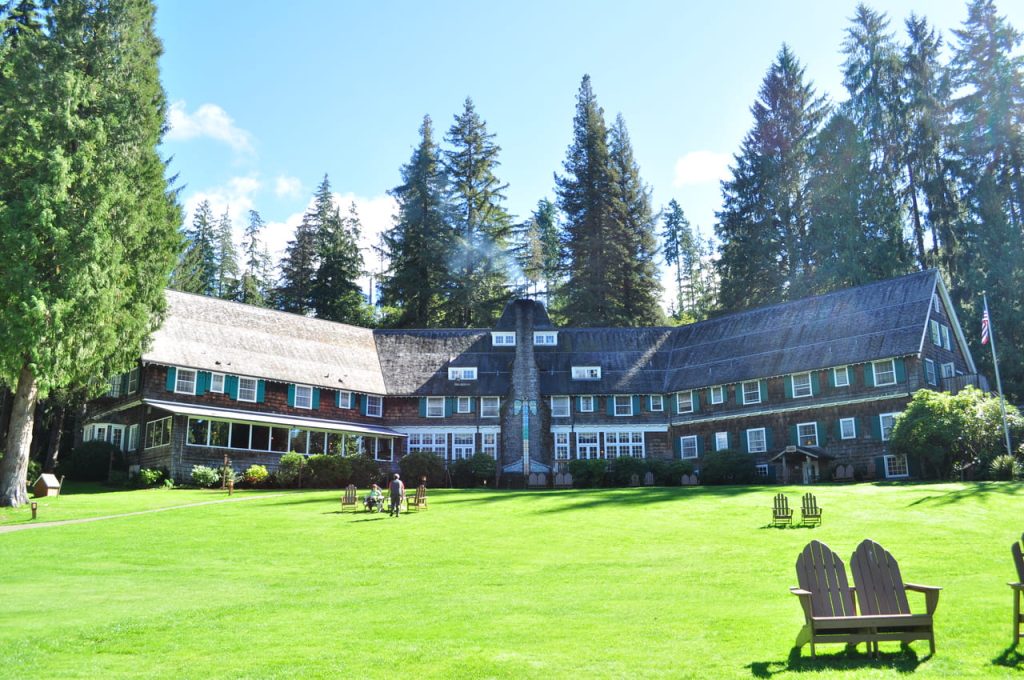
Lake Quinault Lodge looks like a simple cedar retreat at the edge of the rainforest, but it played host to one of the most important conservation conversations in modern history. President Franklin Roosevelt stayed here in 1937 and discussed the future of the Olympic Peninsula, which helped influence the creation of Olympic National Park. You might arrive ready for canoeing and quiet lakeside mornings, yet the setting also reflects a turning point where national leadership fought to preserve wild spaces. That legacy shapes the atmosphere as much as the moss, trees, and still water.
4. Mohonk Mountain House, New York.
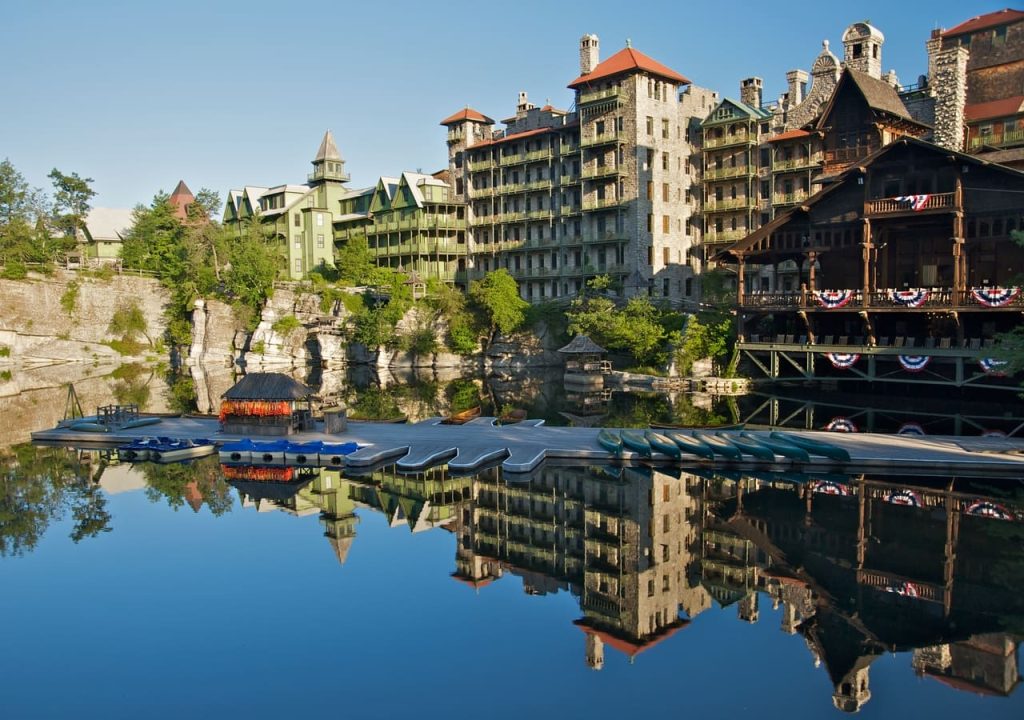
You show up at Mohonk Mountain House expecting Victorian architecture and mountain views, but the real surprise is how often global leaders pass through. This resort hosted the Lake Mohonk Conferences, where diplomats, scholars, and peace advocates met in the late 1800s and early 1900s to discuss international arbitration. Some of the conversations influenced early concepts that later fed into the creation of the Hague Tribunal. You wander cliff trails and relax by the water, but you are also walking through a place where early attempts at global diplomacy once took shape.
5. The Sagamore, Lake George, New York
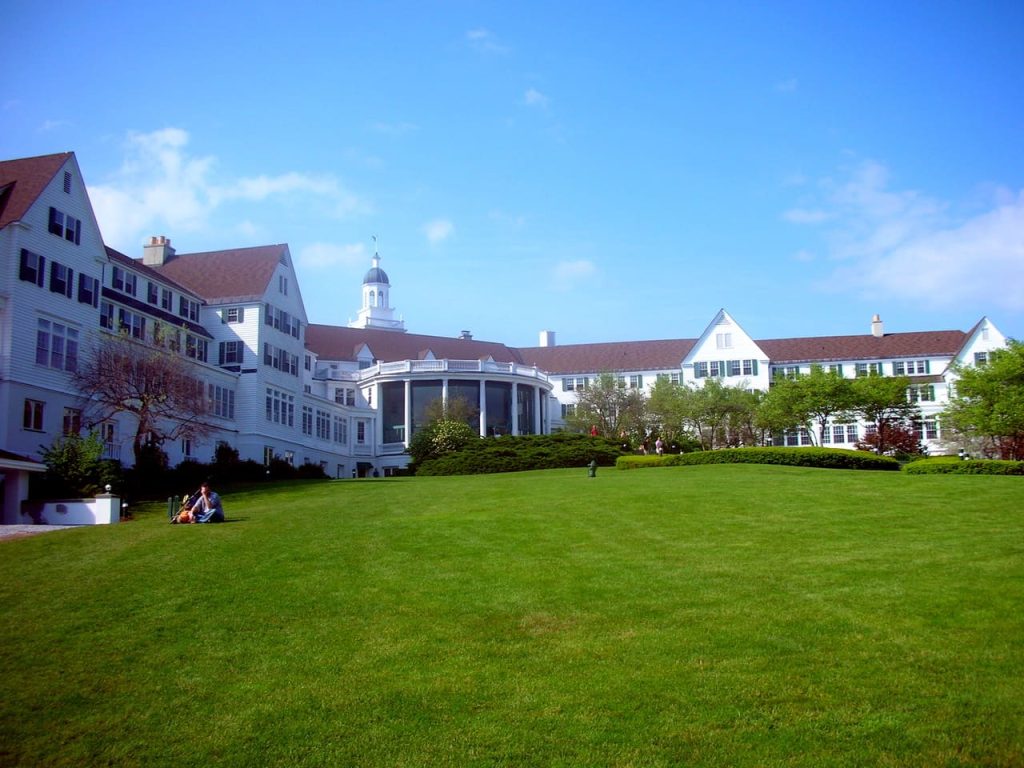
A stay at The Sagamore feels like classic Northeast vacationing, but bootleggers and organized crime shaped part of its reputation during Prohibition. Wealthy visitors arrived by boat and private transport, and locals whispered that the resort was a quiet meeting ground for figures involved in illicit operations around the region. There is no concrete record proving every rumor, but the stories remain part of the lodge’s folklore. When you check in now, the biggest concern is where to kayak or hike, yet the past adds a certain tension that lingers beneath the polished surface.
6. Chateau Lake Louise, Alberta, Canada
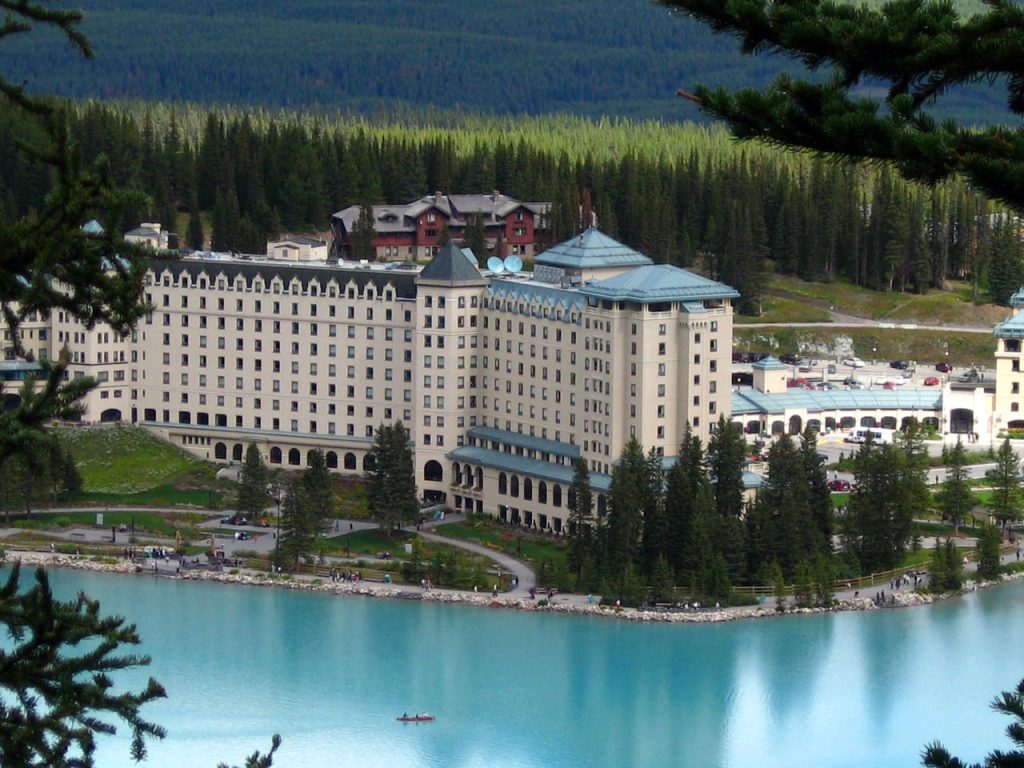
You expect blue water and postcard views at Chateau Lake Louise, but the site began as a remote outpost built by Canadian Pacific Railway to draw travelers into the wilderness. In the early 1900s, explorers and mountaineers flocked here to tackle surrounding peaks, and the resort helped define modern mountain tourism in the region. During World Wars I and II, parts of the area supported war relief and training operations. Today, you might simply look for a room with the perfect lake view, but the place shaped how the world sees the Canadian Rockies.
7. Cal Neva Lodge, Lake Tahoe
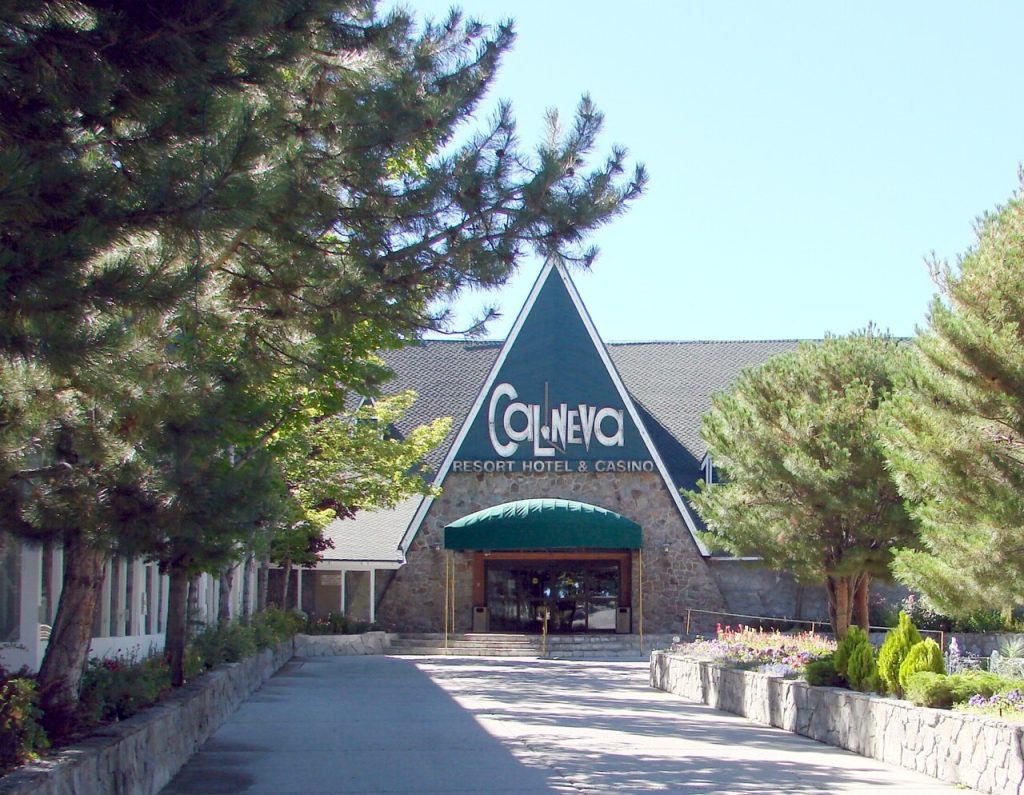
Cal Neva looks like a classic Tahoe getaway, but you walk into one of the most notorious celebrity hideouts in American history. Frank Sinatra took ownership in the early 1960s, and stars like Marilyn Monroe, Sammy Davis Jr, and Dean Martin visited the property. Rumors tied the lodge to organized crime meetings and hidden tunnels beneath the casino floor. While some stories became exaggerated over time, the mix of stardom, gambling, and secrecy turned Cal Neva into a legend. You might come for lake views, yet the folklore is just as memorable.
8. Geneva Inn, Lake Geneva, Wisconsin
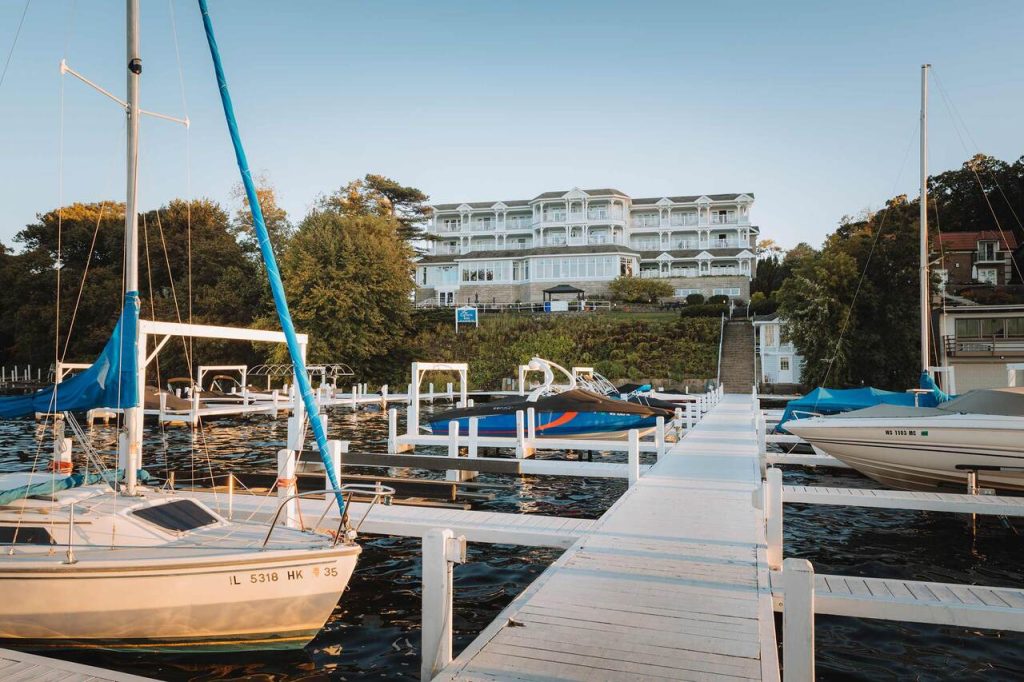
You arrive at Geneva Inn expecting a peaceful Midwestern escape, but Lake Geneva itself once served as a summer retreat for wealthy Chicago families escaping industrial heat and pollution. Many powerful business leaders built mansions along the shore, influencing Midwestern culture and investment. As the town developed, the resort helped shape a new kind of Midwest leisure travel, where people could reset without leaving the region. When you book a stay today, you experience quiet paths and calm mornings with the knowledge that this calm setting grew from early urban flight trends.
9. Lake Crescent Lodge, Washington
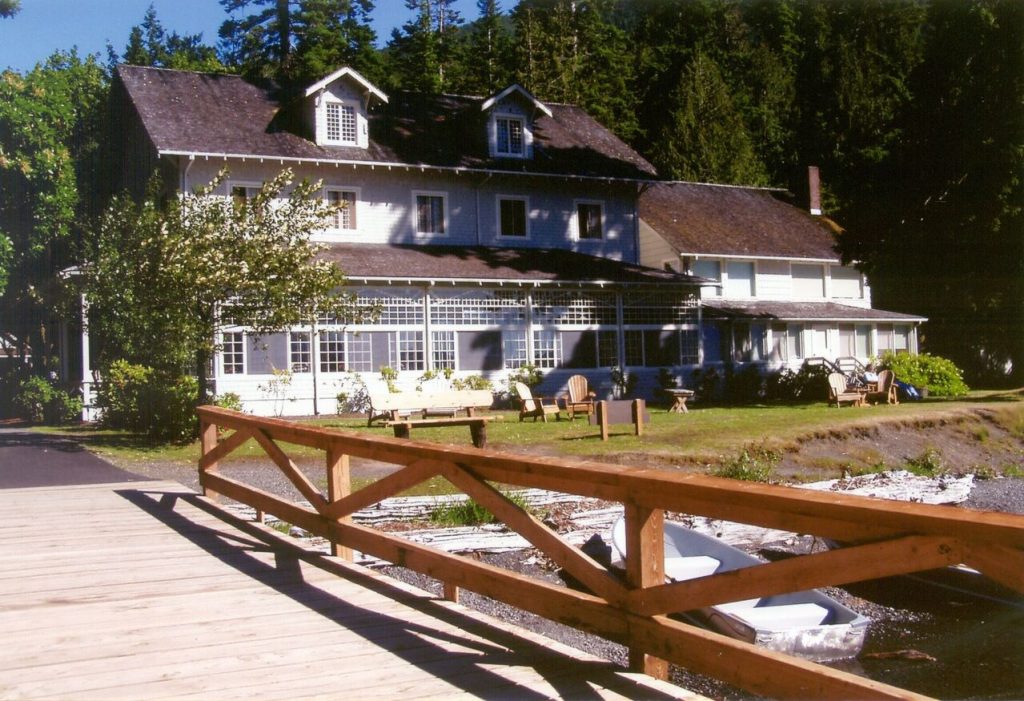
Lake Crescent Lodge looks like a quiet waterfront base for hiking and kayaking, yet the history includes one of the Pacific Northwest’s strangest true stories. In the 1940s, a body was found preserved in the cold lake water, later earning the nickname the “Lady of the Lake.” The case became one of the area’s most studied forensic investigations. While the lodge itself stayed focused on hosting travelers and introducing them to the wilderness, the surrounding lake carried darker tales that locals still discuss. You stay for nature, but you get a mystery with it.
10. Big Cedar Lodge, Missouri
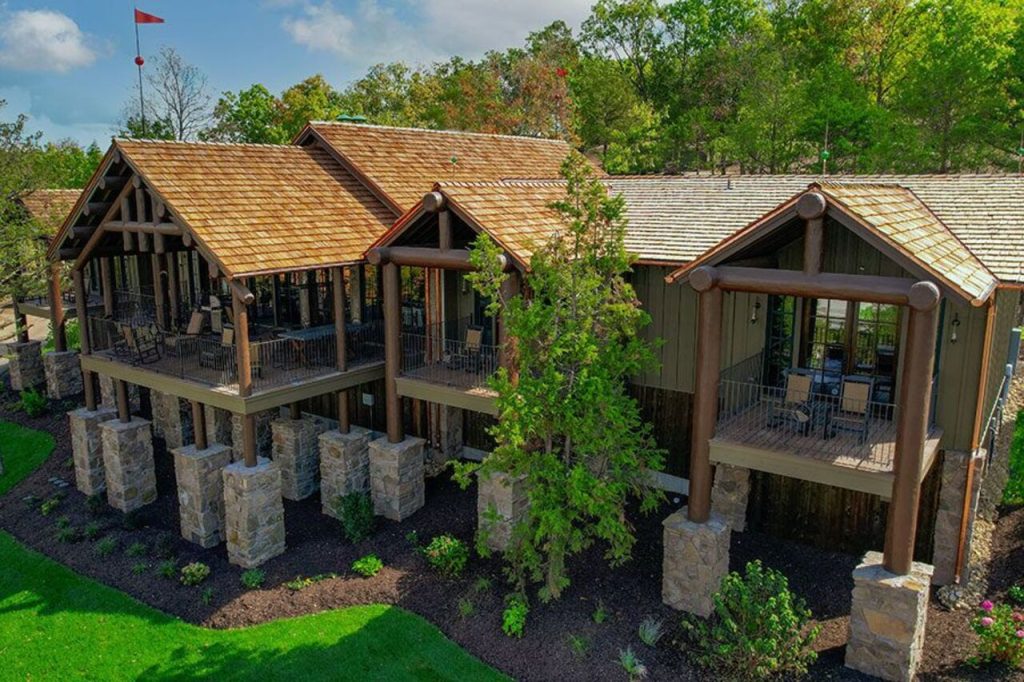
Big Cedar Lodge gives you rustic charm in the Ozarks, but the property also reflects the vision of Johnny Morris, the founder of Bass Pro Shops. He bought and revitalized old wilderness structures once used by travelers and locals who explored the rugged hills long before the region became a vacation hotspot. The area’s early history includes settlers, traders, and outdoorsmen who shaped the identity of the Ozarks. Today, you canoe, golf, and hike in comfort, but you are also staying in a landscape influenced by pioneer culture and American outdoor heritage.