10 Countries Where Christmas Feels Completely Different From the U.S.
Christmas in the United States often centers on winter imagery, family gatherings, gift exchanges, and familiar traditions shaped by decades of popular culture and media. Traveling abroad during the holiday reveals how dramatically different Christmas can feel depending on climate, religion, history, and deeply rooted local customs. In some countries, the holiday looks festive but unfamiliar, while in others it barely resembles the American version at all. Food, timing, decorations, and social expectations shift noticeably. These countries highlight how Christmas adapts to local identity, offering experiences that surprise U.S. visitors expecting familiar sights, sounds, seasonal rhythms, and cultural cues associated with home.
Japan
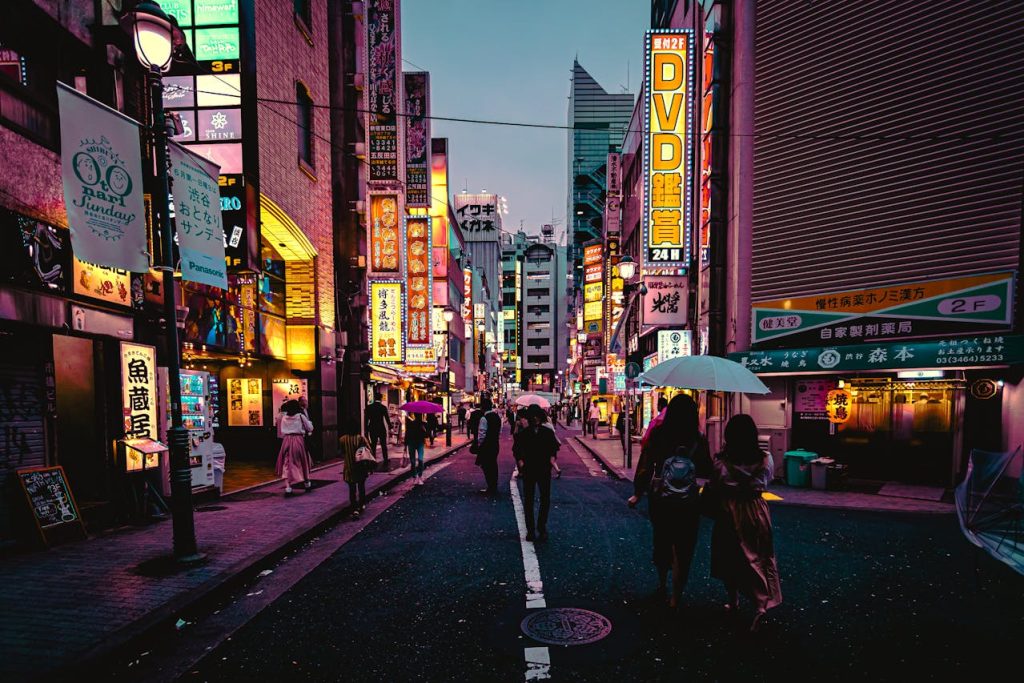
Christmas in Japan feels completely different from the United States because it is largely secular and commercial rather than religious or family centered. The holiday focuses on couples, romantic dinners, and illuminated city streets instead of extended family gatherings. Christmas Eve matters more than Christmas Day, which remains a normal workday for most people. Fried chicken meals, especially from KFC, became iconic through decades of marketing. Gift giving occurs modestly, if at all. Decorations appear briefly and disappear quickly. For American visitors, the emphasis on romance, convenience food, and nightlife contrasts sharply with home centered traditions and religious observances common in the United States.
Australia
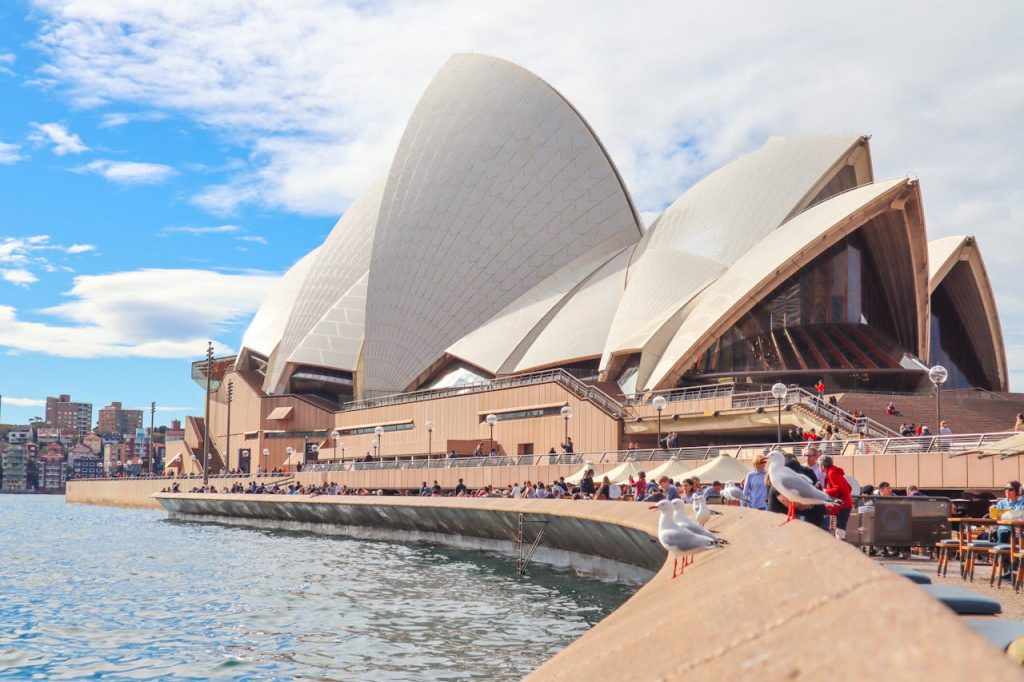
Christmas in Australia feels very unfamiliar to Americans because it occurs during peak summer rather than winter, reshaping nearly every tradition. Beaches, barbecues, and outdoor gatherings replace snow, fireplaces, and heavy meals. Many families celebrate outside, often near water or in parks. Santa appears in shorts, and decorations feature sunshine themes. Traditional foods shift toward seafood and lighter dishes suited for heat. School holidays and summer vacations shape schedules. For U.S. visitors, the warm weather and relaxed atmosphere challenge ingrained holiday imagery, creating a Christmas defined by daylight, heat, and outdoor leisure instead of cold nights and winter rituals.
Germany
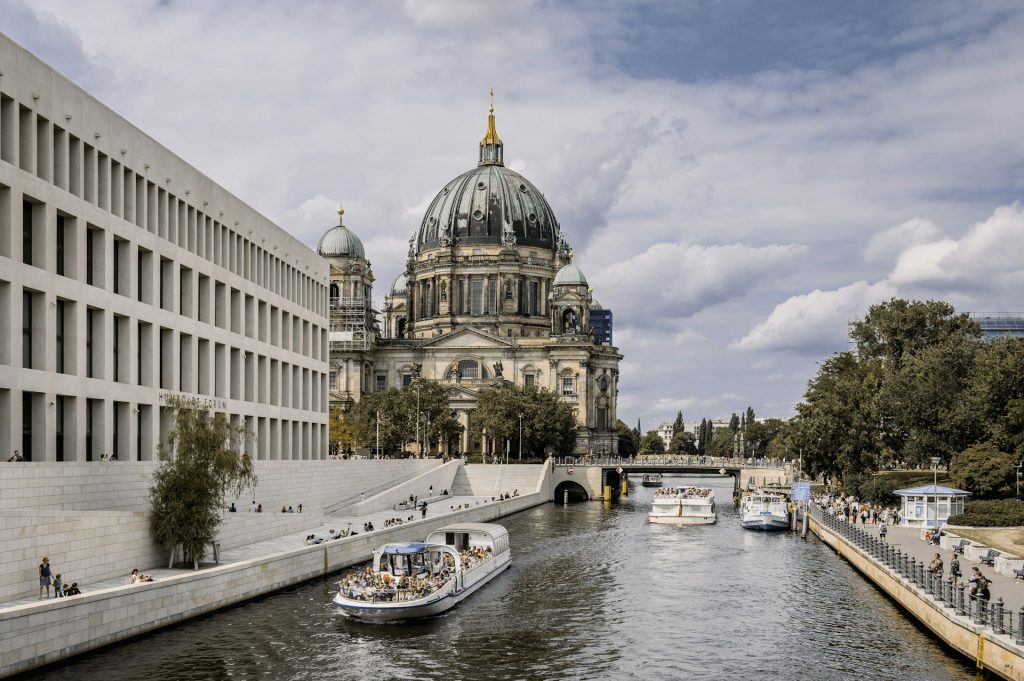
Christmas in Germany feels different due to its deep focus on Advent traditions and public celebrations rather than private excess. Markets dominate city centers weeks before December twenty fifth, emphasizing mulled wine, handcrafted gifts, and communal gathering. Christmas Eve holds more importance than Christmas Day, when businesses close completely and streets quiet noticeably. Decorations feel traditional rather than flashy. Gift giving happens quietly within families. For Americans, the slower buildup, emphasis on ritual, and reduced commercial pressure contrast with U.S. holiday pacing, making Christmas feel rooted in history and shared public experience rather than nonstop consumption.
Mexico
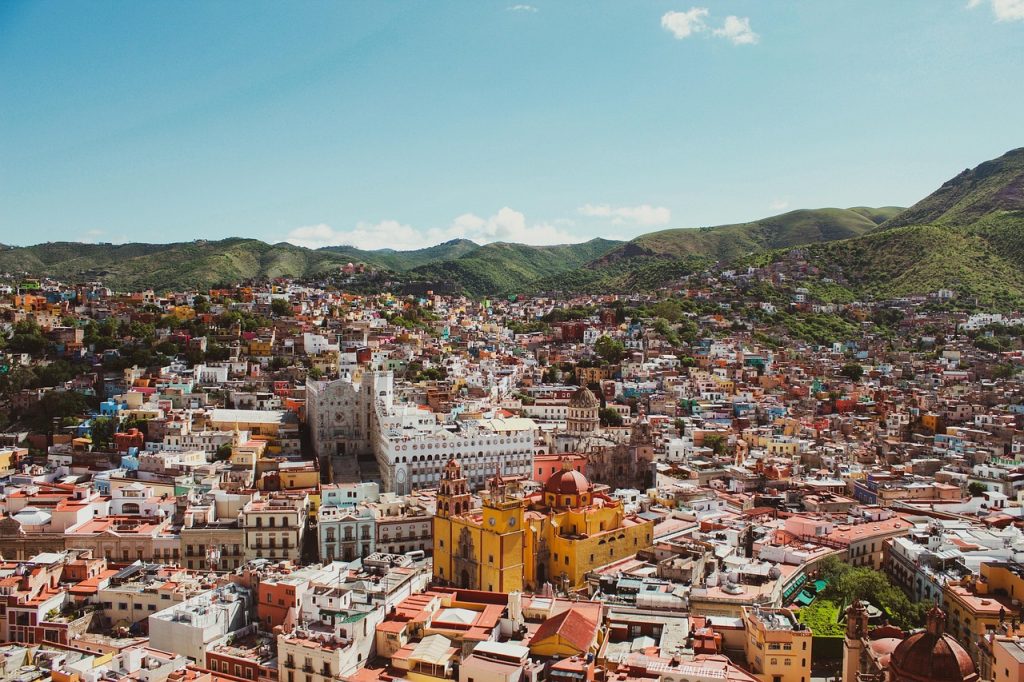
Christmas in the Mexico feels distinct because the celebrations extend beyond December twenty fifth into early January, creating a longer holiday season. Religious traditions such as Las Posadas reenact biblical journeys through nightly community processions. Christmas Eve, not Christmas morning, anchors family gatherings and meals. Fireworks, music, and large shared dinners define the atmosphere. Decorations emphasize nativity scenes rather than trees. Gifts often arrive later on Three Kings Day. For U.S. travelers, the extended timeline, strong religious presence, and neighborhood focus create a Christmas centered on faith, procession, and community rather than one concentrated morning.
Philippines

Christmas in the Philippines feels dramatically different because it begins unusually early and lasts far longer than in most countries worldwide. Decorations appear as early as September, creating what is often described as the world’s longest Christmas season. The holiday blends deep Catholic tradition with vibrant, highly visible community celebration. Simbang Gabi, a series of early morning masses, shapes daily routines throughout December. Christmas Eve and Christmas Day involve large gatherings, music, and shared meals. For Americans, the extended duration, intense religious participation, and constant festive energy feel far removed from shorter, more contained U.S. holiday schedules and expectations shaped by limited seasonal windows.
Norway
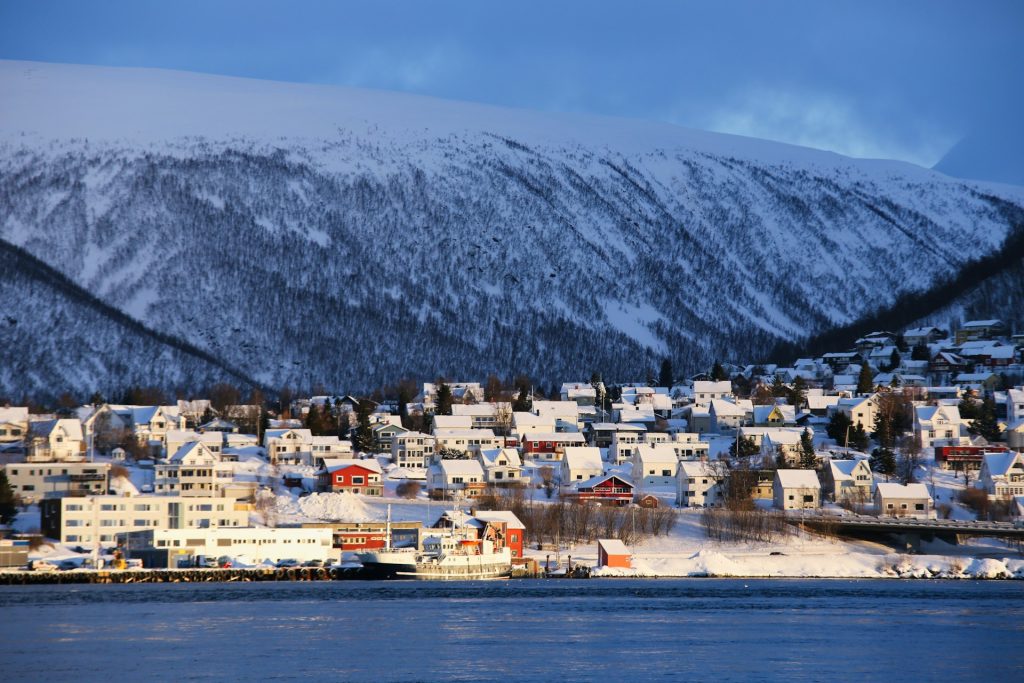
Christmas in Norway feels different due to its strong connection to darkness, winter nature, and a cultural preference for emotional restraint. Long nights shape a quieter, more reflective atmosphere that encourages inward focus. Decorations emphasize candles, greenery, and simplicity rather than bright or excessive displays. Christmas Eve remains the main celebration, featuring formal meals and limited public activity. Alcohol sales face restrictions, and businesses close early. For U.S. visitors, the subdued tone, minimal commercial presence, and emphasis on calm family time contrast with the louder, more consumer driven American holiday experience filled with constant activity and stimulation.
Ethiopia
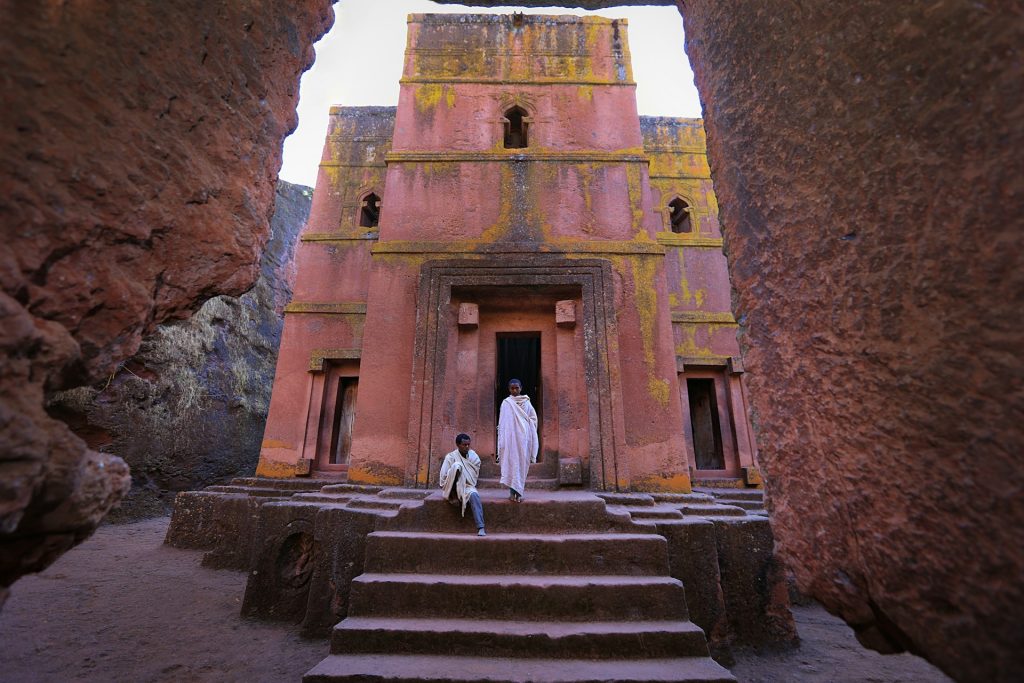
Christmas in Ethiopia feels unfamiliar because it follows the Ethiopian Orthodox calendar and takes place in January rather than December. Known as Genna, the holiday centers almost entirely on religious observance instead of decorations or gift exchanges. Many Ethiopians fast beforehand and attend lengthy overnight church services that define the celebration. Festivities remain modest, focusing on prayer, reflection, and community rather than spectacle. For Americans, the absence of commercial elements, the different timing, and the deeply spiritual emphasis create a Christmas experience defined by faith, discipline, and tradition rather than festivity, entertainment, or seasonal display.
Brazil
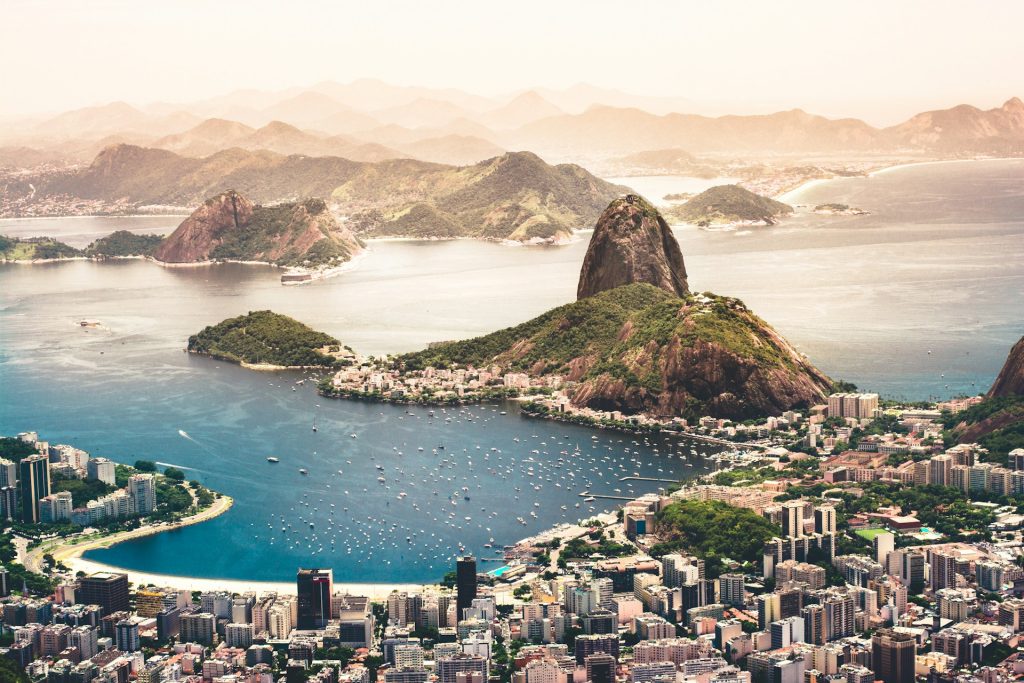
Christmas in Brazil feels different because it blends a tropical climate with vibrant social energy and lively late night gatherings. Celebrations occur during summer, with warm evenings encouraging outdoor events and extended time together. Christmas Eve dinners often stretch past midnight, gradually turning into animated social affairs. Fireworks, music, and large family meals dominate the night in many communities. Decorations feel colorful and expansive, matching the festive mood. For U.S. travelers, the heat, late schedules, and energetic atmosphere contrast sharply with quieter, colder celebrations back home, creating a holiday shaped by warmth, noise, movement, and extended socializing.
India
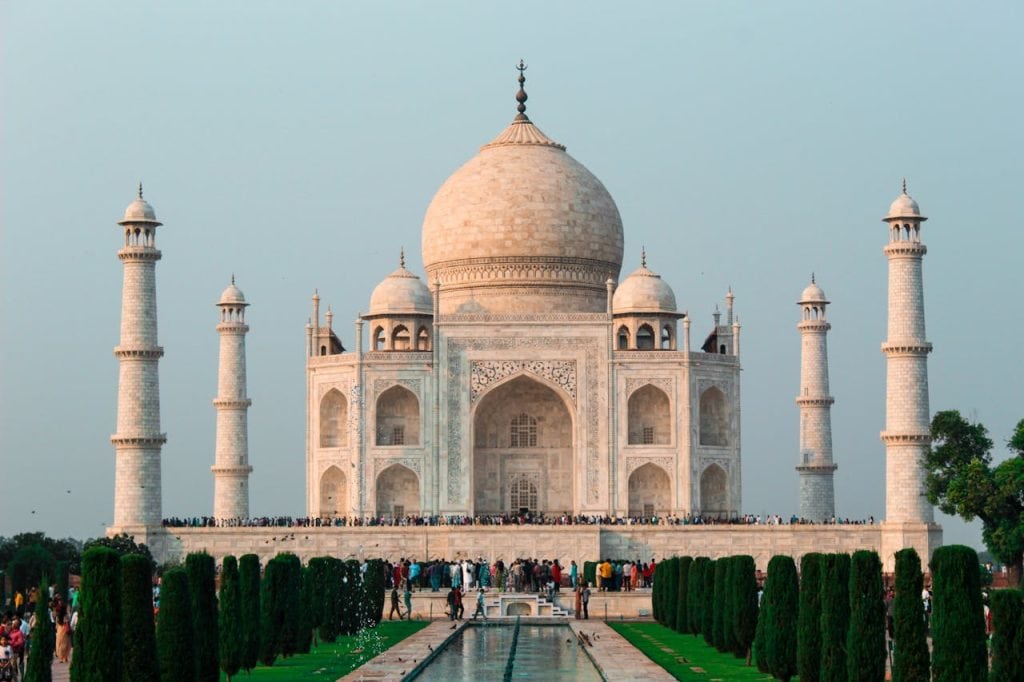
Christmas in India feels distinct because it exists as a minority celebration within a richly diverse religious and cultural landscape. Decorations appear mainly in Christian communities and major cities, while public life continues normally elsewhere without interruption. Churches host midnight services, especially in coastal regions with long Christian histories. Tropical settings replace winter imagery with lights, greenery, and warm weather. Gift giving remains limited and understated. For Americans, the selective visibility, regional variation, and coexistence with many other traditions create a Christmas that feels localized, culturally blended, and quietly observed rather than nationally uniform or commercially dominant.
South Africa
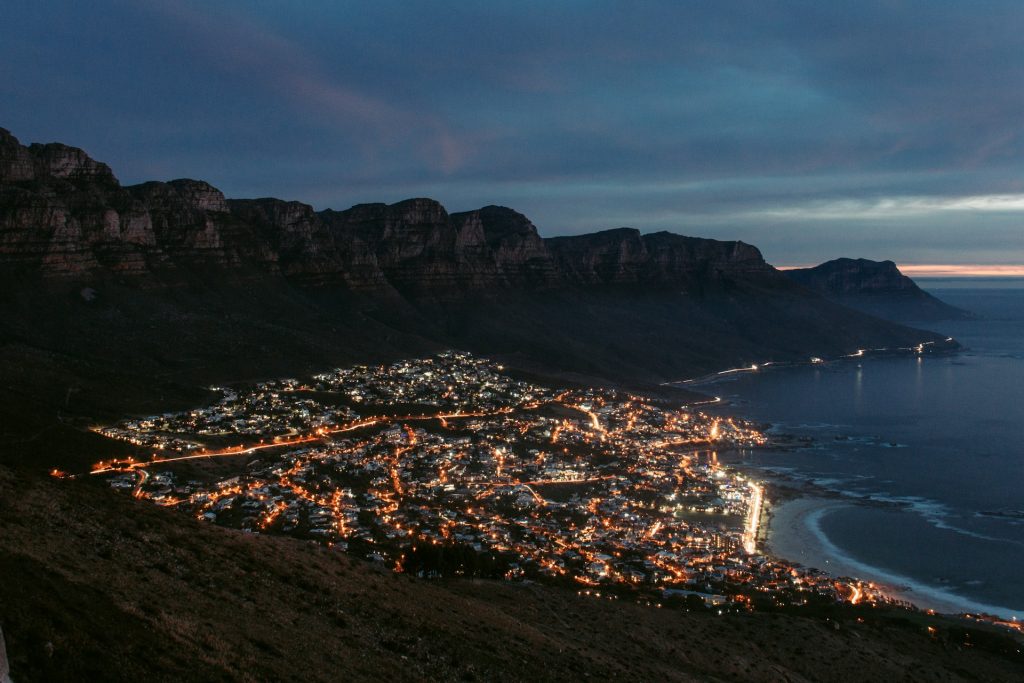
Christmas in South Africa feels different due to its summer setting and strong emphasis on outdoor living and social connection. Families often celebrate with picnics, braais, and relaxed daytime gatherings rather than indoor meals. Schools close for long summer holidays, shaping nationwide travel patterns and extended vacations. Decorations adapt to warm weather themes, replacing winter imagery. Wildlife tourism increases during the season as conditions improve. For U.S. visitors, the heat, long daylight hours, and vacation energy challenge expectations built around winter symbolism, creating a Christmas defined by movement, nature, shared leisure, and informal celebration rather than enclosed, cold weather traditions.