10 Countries Where Christmas Travel Is Mostly Regional
Christmas can be a national shutdown in some places, but in others it moves in smaller circles. Travel still happens, yet it concentrates in a few regions and cities where churches, markets, and family gatherings are part of local life. Elsewhere, Dec. 25 lands like a normal weekday, with schools open, buses running, and the bigger travel rush saved for New Year’s, Lunar New Year, or major local festivals. These countries show how a holiday can feel vivid in select pockets, then fade back into routine just a few neighborhoods away.
India
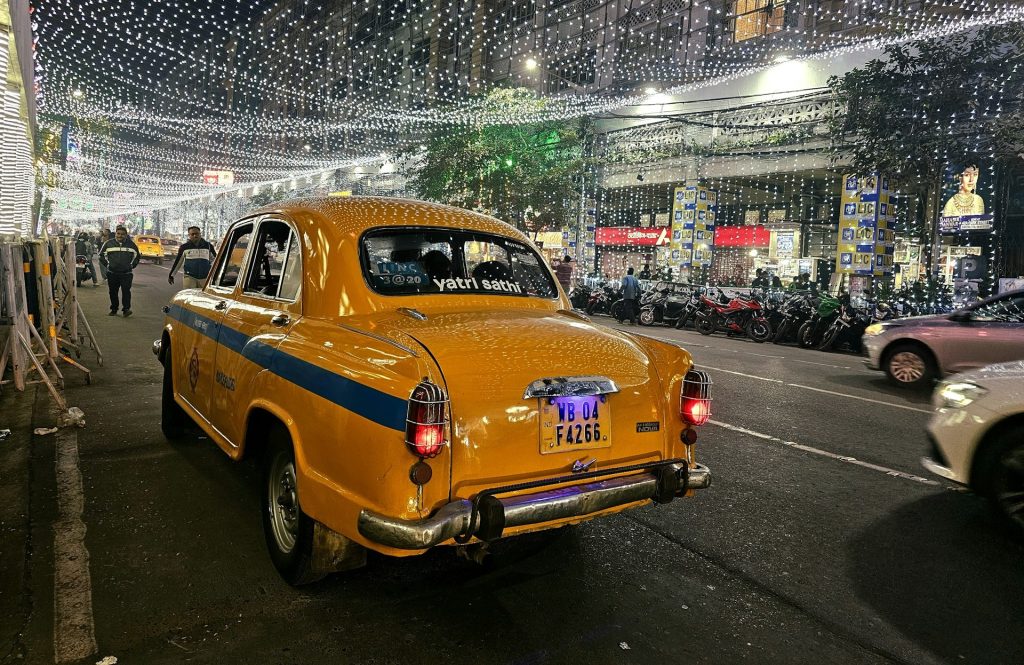
In India, Christmas travel spikes in pockets where the holiday has deep local roots, especially Goa’s beach towns, Kerala’s coastal cities, and parts of the Northeast where church life shapes the season. Elsewhere, late December is more about school breaks and year-end leave than a shared national pause, and many families still save their major homecoming trips for Diwali or other regional festivals. The pattern stays focused: midnight Mass, street stars, and beach promenades in a few hubs, while most cities keep regular workday rhythm with offices open, commutes normal, and trains running on schedule, making Christmas feel vivid in select corridors, not nationwide.
Japan
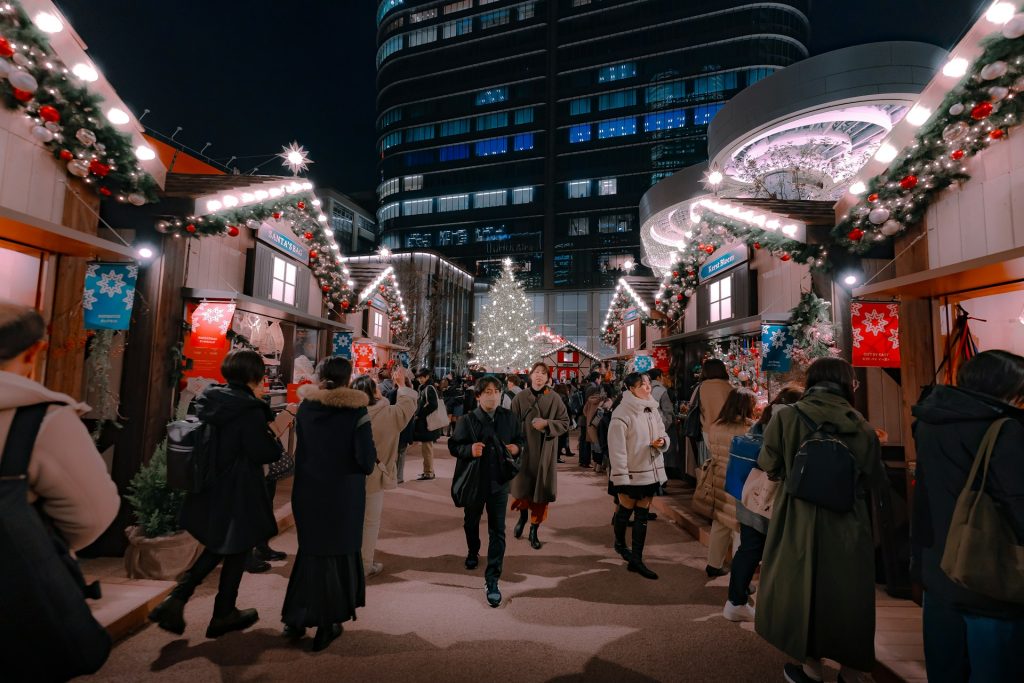
In Japan, Christmas is highly visible in shopping districts, but it is not a national holiday, so the travel calendar does not revolve around Dec. 25. Movement concentrates in urban illumination routes, date-night neighborhoods, and a short list of resorts and hot-spring towns marketed for winter lights and limited-time events, while the true domestic surge builds toward New Year’s. That split keeps travel regional: Tokyo and Osaka feel festive, and some ski and onsen areas book up, yet many towns stay in everyday mode with regular commutes and school routines. Christmas becomes an evening mood more than a travel trigger, and bigger homecomings wait for year-end closures.
China
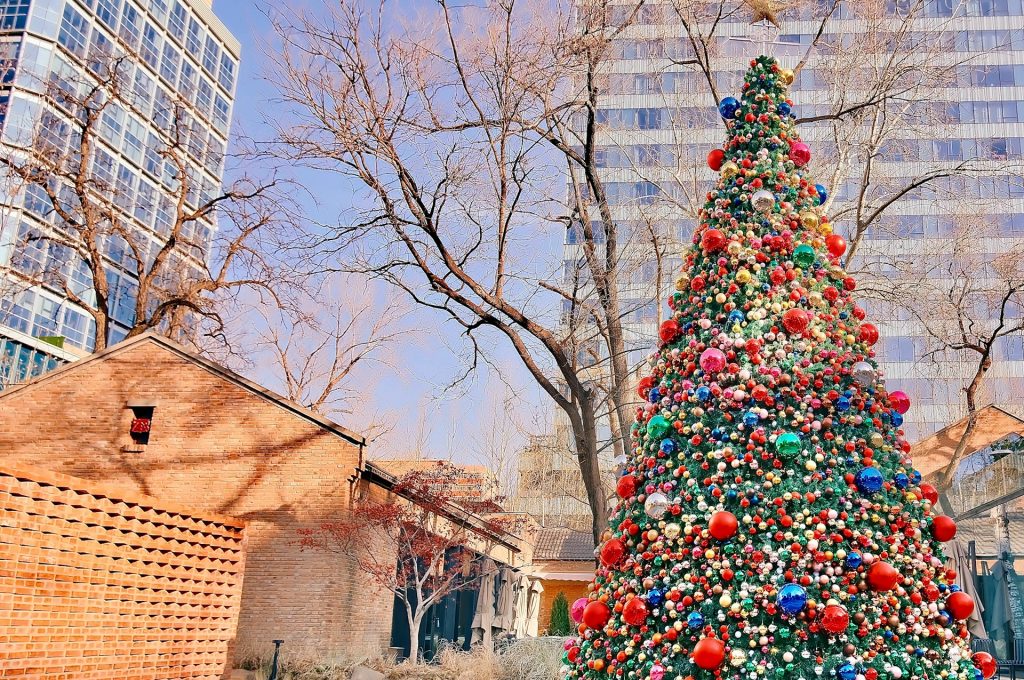
In mainland China, Dec. 25 is not a public holiday, so Christmas travel is rarely a nationwide homecoming event. The season shows up most in big-city retail zones, hotel dining rooms, and expat-heavy neighborhoods where lights, concerts, and seasonal menus feel familiar, especially on weekends. Trips often look like short breaks to Shanghai, Beijing, Guangzhou, Shenzhen, or nearby resort towns for shopping streets and dinner reservations, while workplaces, schools, and transport systems keep normal routines. The country’s real travel pressure builds toward Lunar New Year, so Christmas remains regional and city-focused, with celebration clustered in commercial districts rather than across provinces.
Thailand
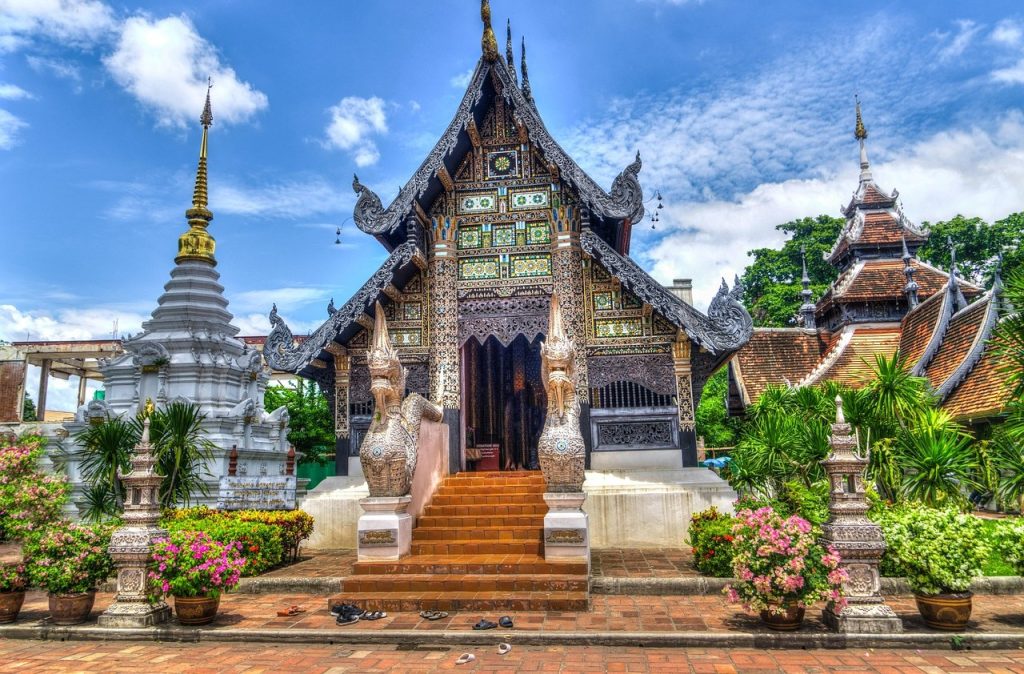
In Thailand, Christmas sits outside the main holiday calendar, so travel demand tends to cluster where tourism infrastructure already runs strong. Bangkok malls, Chiang Mai cafés, and beach resorts put up lights and special menus, but Dec. 25 remains a regular workday nationally, and most family travel spikes around Songkran and the New Year period when time off is common. That makes Christmas movement feel regional: hotel promotions, rooftop parties, and set dinners in a few destinations, while many provinces keep an everyday rhythm of markets, temples, and local events that barely shift for the date. The holiday mood is real, but it stays selective and optional.
Vietnam
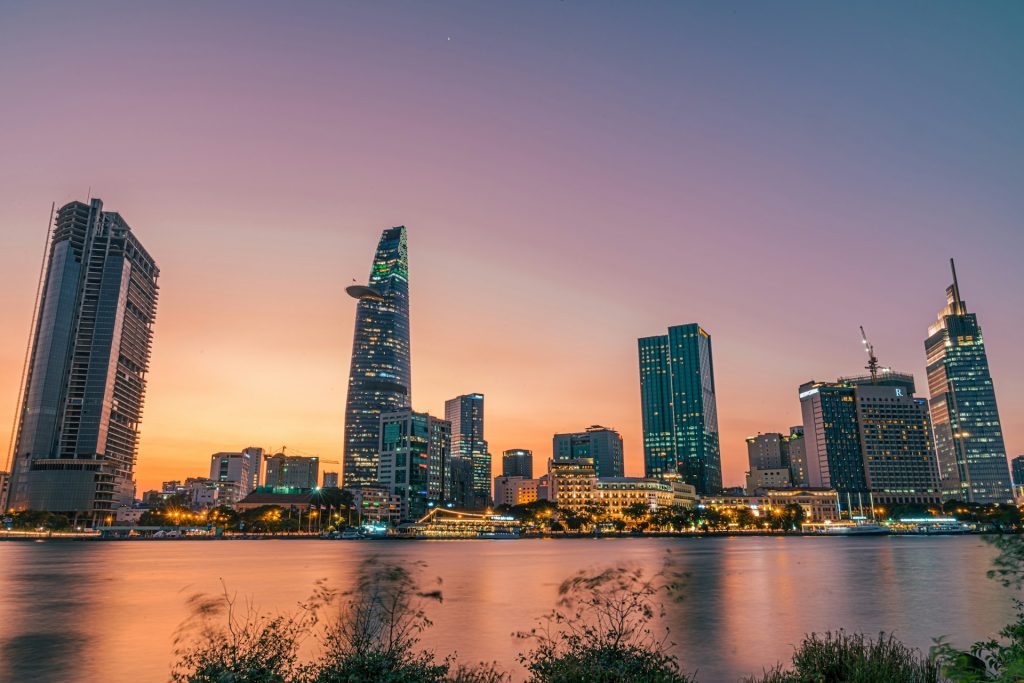
In Vietnam, Christmas can feel lively near cathedrals and shopping streets, yet it is not an official public holiday, so the country does not shut down for it. Ho Chi Minh City, Hanoi, and Da Nang draw evening crowds for lights, music, and sweets, then snap back to normal as offices reopen and traffic returns to its usual pace. Many trips are short, city-based, and nightlife-driven rather than long family journeys across regions. The bigger travel tide belongs to Tet, when reunions reshape transport and business hours, so December stays calm outside a few bright hubs, with most schools, banks, and government offices keeping standard schedules.
Indonesia
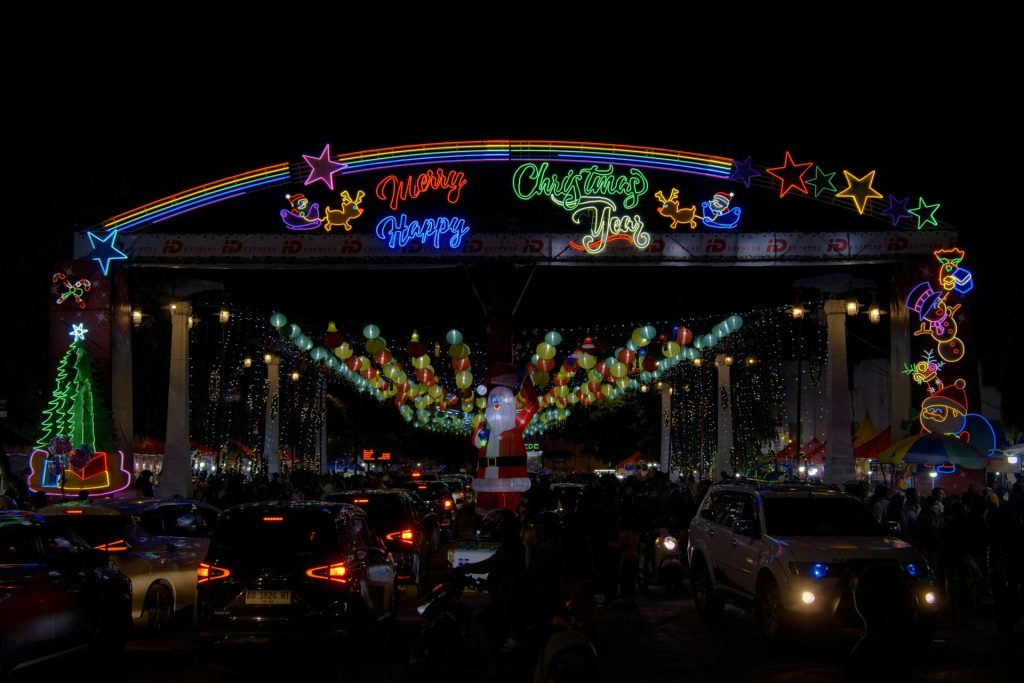
In Indonesia, Christmas energy varies sharply by region, with the strongest public celebrations in Christian-majority areas such as parts of North Sulawesi, East Nusa Tenggara, and Papua. Jakarta and other big cities may decorate malls, but domestic travel for Christmas often looks like family visits within those regions, church gatherings, and local festivals rather than a single national wave. That geography shapes planning: flights and ferries tighten toward eastern hubs, local hotels fill around church schedules, and large parts of the country continue usual routines until New Year travel begins. The holiday feels meaningful and visible where it is rooted, while elsewhere it remains a light seasonal layer.
Malaysia
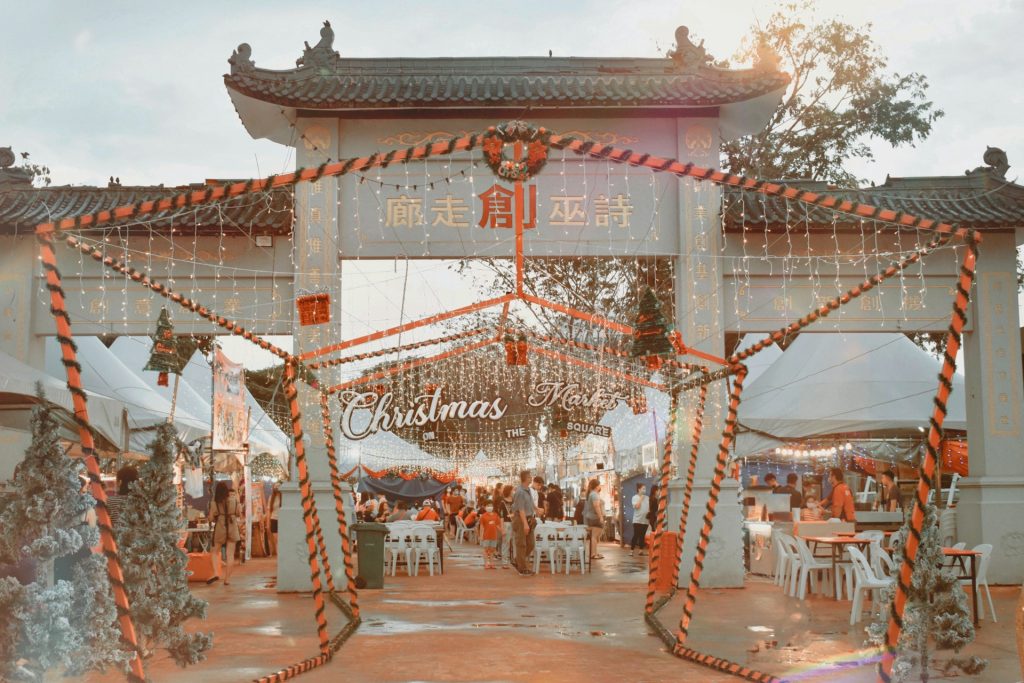
In Malaysia, Christmas is part of a multicultural calendar, but the most concentrated community celebrations often center in East Malaysia, especially Sabah and Sarawak, where Christian communities are larger. Kuala Lumpur and Penang offer lights, shopping, and hotel events, yet the domestic movement often feels like regional visits rather than a nationwide migration, with shorter stays and quick returns. Families travel to home states for services and meals, then head back for work, so the busiest corridors are local and regional. The bigger national travel spikes tend to appear around other public holidays, leaving Christmas to play out in specific communities and city districts.
United Arab Emirates
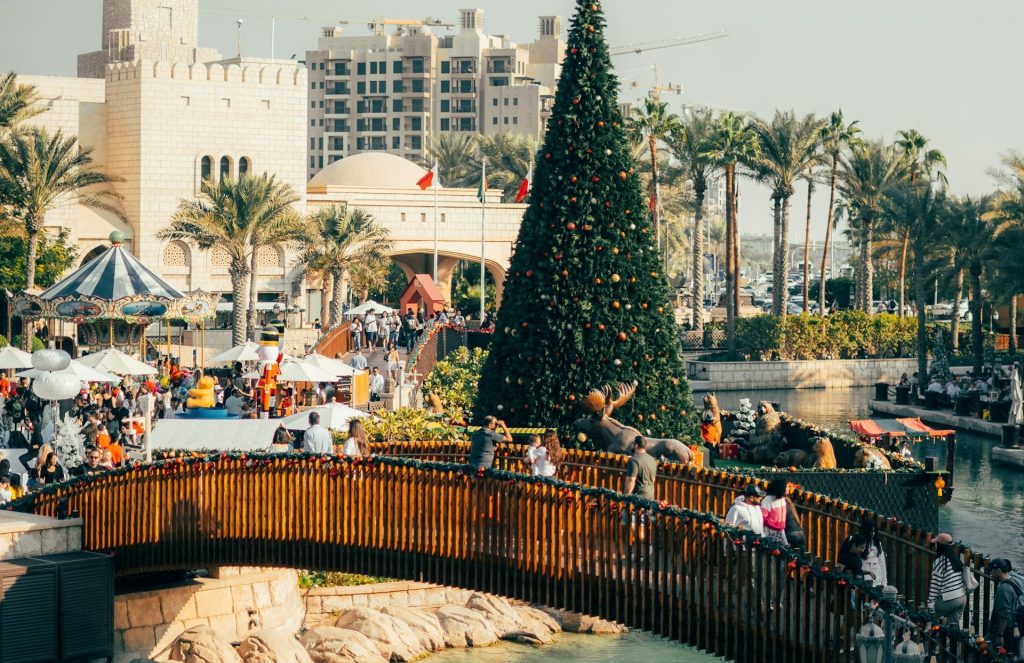
In the UAE, Christmas is highly visible in Dubai and Abu Dhabi through malls, hotels, and expat neighborhoods, but it is not a public holiday, so travel does not become a nationwide shutdown. Many residents work as usual and celebrate after hours, which keeps movement short and city-based: brunches, markets, and waterfront lights rather than long domestic journeys across emirates. The larger travel rhythms tie to Eid periods and school breaks, so late December feels festive in a few hubs while much of the country runs on its normal weekly cadence. Christmas travel exists, but it stays concentrated in the places built for it.
Morocco
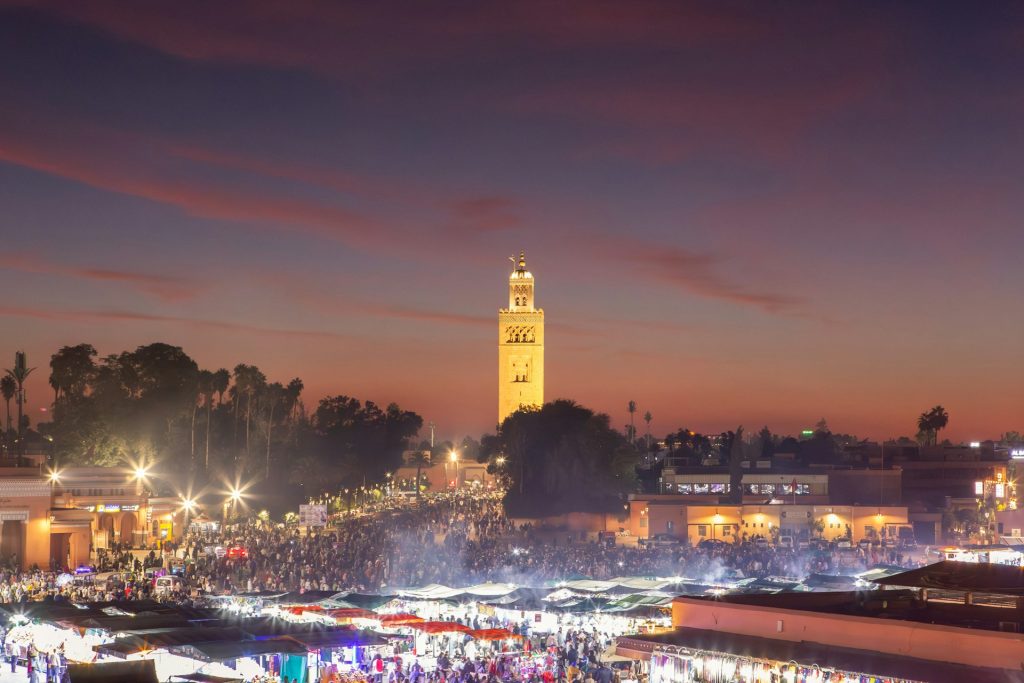
In Morocco, Christmas is not a national holiday, so December travel patterns are shaped more by winter weather and tourism routes than by family reunions. Any seasonal feel tends to concentrate in major cities and international hotels in places like Marrakech and Casablanca, where visitors may find special dinners, decorations, and imported treats alongside regular city life. Outside those hubs, daily routines continue without a Christmas pause, and domestic travel is more likely to spike around local religious holidays, school breaks, and weekend trips to the coast, desert gateways, or the Atlas foothills. The contrast makes Christmas feel like a small, contained layer.
Türkiye
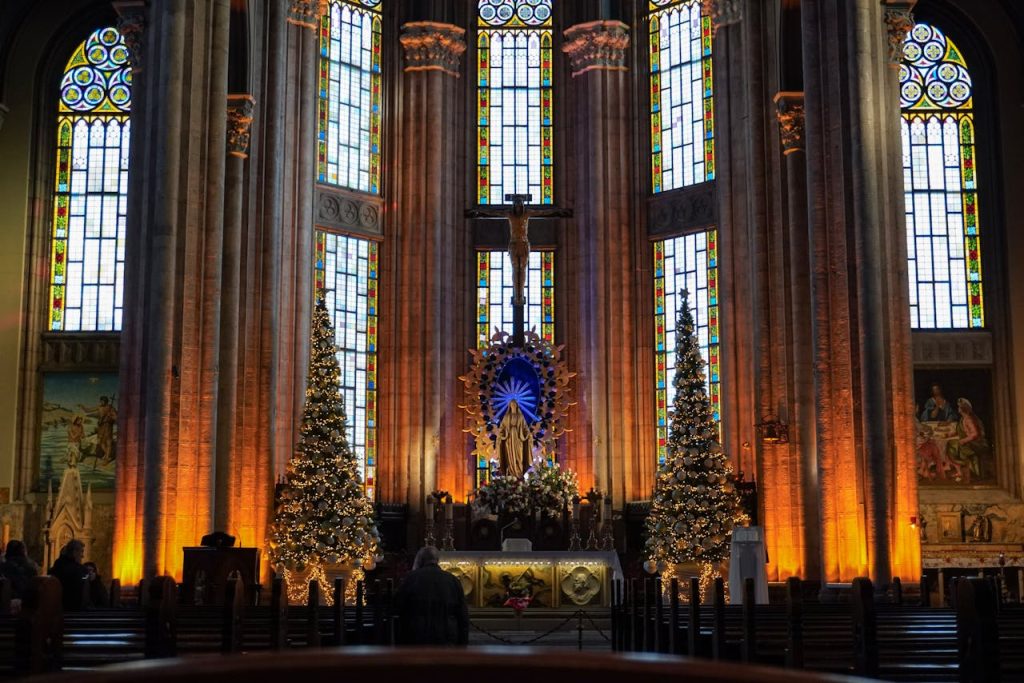
In Türkiye, Christmas is not widely observed as a public holiday, so the season’s travel energy often concentrates around New Year’s rather than Dec. 25. Istanbul, Izmir, and resort areas may show lights and hotel programming aimed at visitors and international residents, while most of the country keeps routine schedules through Christmas week. Domestic trips tend to follow school calendars and national holidays, which makes Christmas movement feel selective and regional, with pockets of celebration in big cities and coastal corridors instead of a nationwide travel surge. The country still feels festive, but the timing belongs to other dates, and Christmas stays mostly in specific urban zones.