10 “Dark Tourism” Sites in America That Are Controversially Popular
The rise of dark tourism across the United States has encouraged many travelers to engage with locations shaped by tragedy, conflict, disaster, or collective trauma as a way to better understand difficult chapters of national history. Interest in these places often comes from a desire to explore the stories that shaped cultural memory while recognizing the emotional weight carried by the landscapes themselves. As public fascination grows, conversations frequently focus on how to balance education with sensitivity so the experiences of victims and communities remain respected. The continued popularity of these destinations reflects a complex relationship between curiosity and remembrance while highlighting the responsibility involved in visiting historically significant sites.
Ground Zero And The National September 11 Memorial
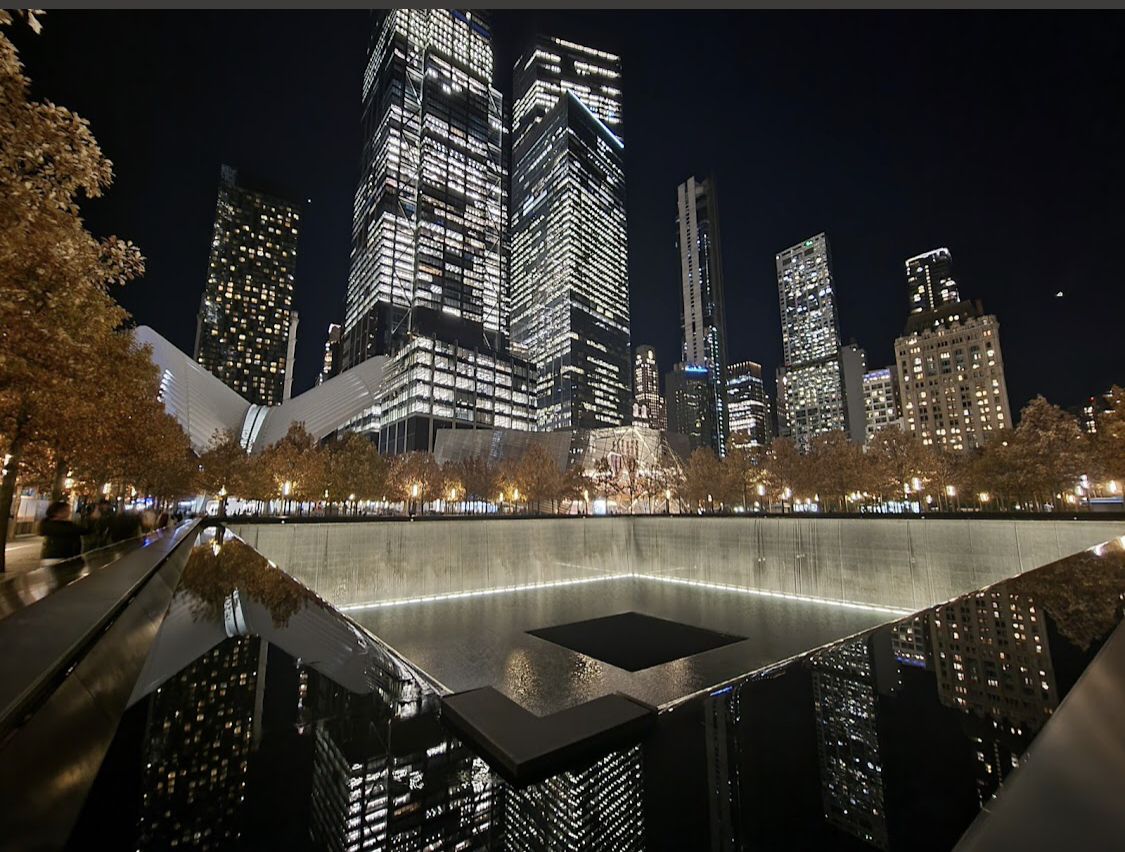
The National September 11 Memorial in New York City remains one of the most frequently visited dark tourism sites in America as people gather to honor lives lost during the 2001 attacks while learning about the immense national and global repercussions that followed. The twin reflecting pools sit where the North and South Towers once stood, creating a powerful environment that encourages reflection on the scale of the tragedy. The surrounding plaza features carefully designed elements that preserve the memory of victims while emphasizing resilience. The site attracts ongoing interest from those seeking deeper understanding of how the event transformed American society. Its continued prominence reflects a broader conversation about remembrance, healing, and cultural identity.
Salem Witch Trials Memorial
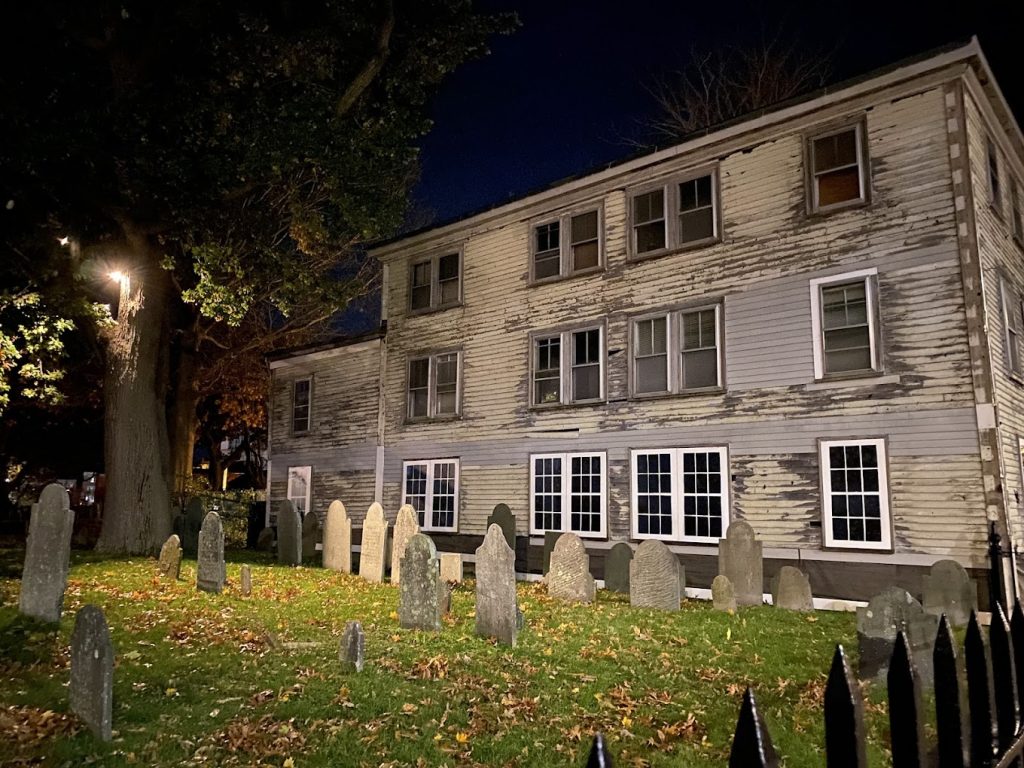
The Salem Witch Trials Memorial in Massachusetts draws steady attention as a reminder of the hysteria and wrongful persecution that defined the events of 1692 when fear overtook reason within the community. Stone benches engraved with victims’ names sit in a quiet, contemplative space that honors individuals who were unjustly accused and executed. Visitors often explore nearby historic locations to gain a fuller picture of the societal tensions and religious pressures that shaped the trials. The memorial remains a significant destination because it encourages consideration of how misinformation and panic can lead to devastating consequences. Its presence reflects a lasting commitment to acknowledging injustice and learning from the past in a thoughtful, historically accurate manner.
Alcatraz Island
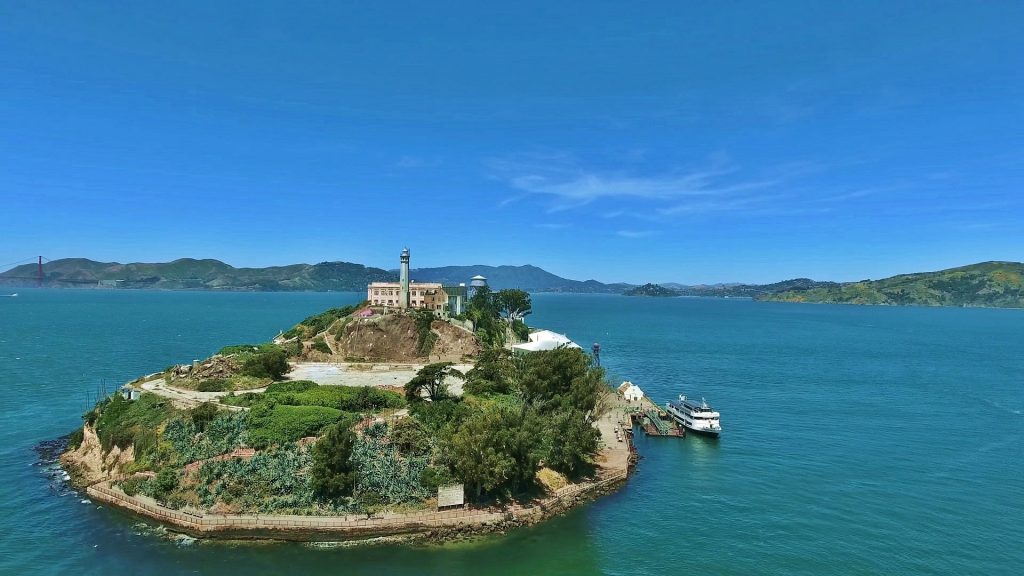
Alcatraz Island in San Francisco Bay continues to attract widespread attention because its history as a federal penitentiary offers a stark look at mid-twentieth-century incarceration, punishment, and escape folklore. The cold, narrow cells, isolation practices, and rigid routines provide insight into conditions that once defined life on the island. Exhibits share stories of inmates, officers, and escape attempts, including accounts that shaped the prison’s larger-than-life reputation. The dramatic landscape surrounding the facility contrasts sharply with the harsh environment inside, heightening the island’s impact. Many travelers visit to understand how Alcatraz became embedded in American cultural imagination. Its controversial popularity reflects ongoing fascination with criminal history and the complex ethics of turning past suffering into public education.
The Lorena Bobbitt House In Manassas

The house in Manassas, Virginia associated with the case of Lorena Bobbitt remains an unofficial point of interest for those examining how sensational criminal trials shaped American media culture during the early 1990s. Although the residence is privately owned and not a formal attraction, it continues to draw curiosity because the case sparked national debates about domestic violence, gender dynamics, and public scrutiny. Visitors often reflect on how widespread coverage transformed a deeply personal tragedy into a cultural phenomenon. The site’s controversial attention highlights ongoing questions about privacy, ethical boundaries, and the impact of public fascination on individuals involved in traumatic events. Its notoriety underscores conversations about responsible engagement with sensitive historical narratives.
The Donner Memorial In Truckee
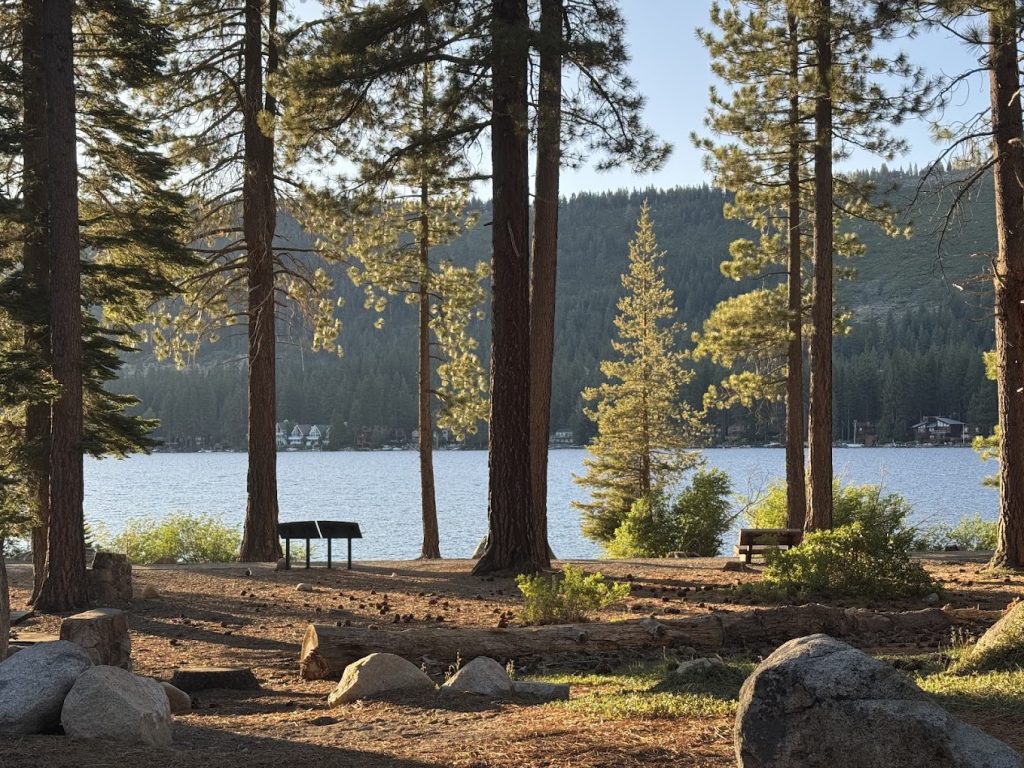
The Donner Memorial in Truckee, California stands as a somber tribute to the Donner Party, whose tragic 1846 expedition across the Sierra Nevada became one of the most well-known pioneer disasters in American history. Exhibits in the surrounding park detail the group’s journey, the severe winter conditions they encountered, and the choices they made under extreme hardship. The location allows visitors to grasp the environmental challenges faced by early settlers and the realities of nineteenth-century westward expansion. Interest in the site often comes from a desire to understand how human endurance and misfortune shaped national migration stories. Its continued popularity reflects thoughtful exploration of a difficult past that still resonates through historical records and cultural memory.
Centralia, Pennsylvania
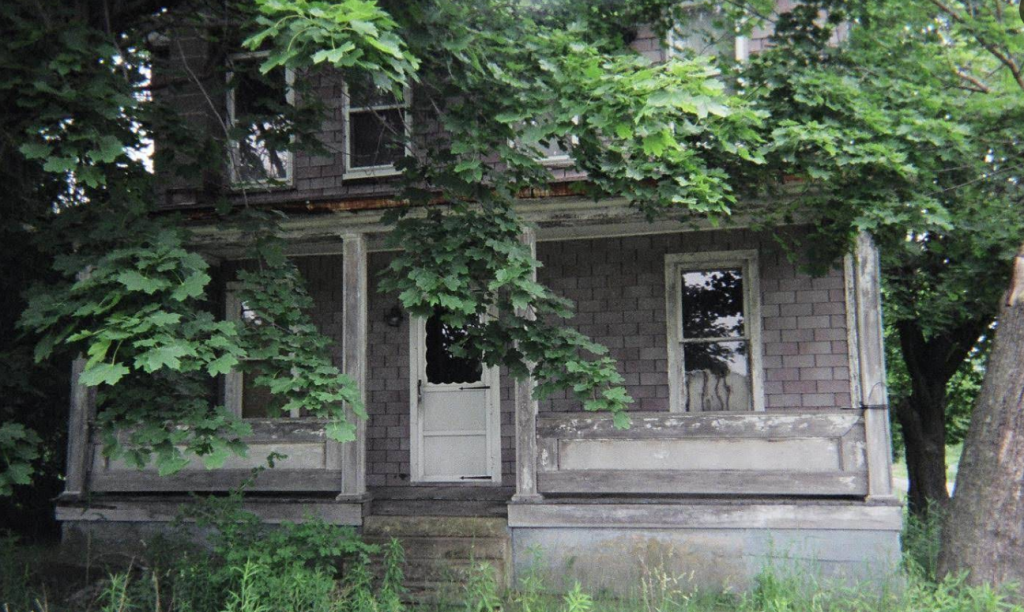
Centralia, Pennsylvania draws steady fascination because an underground mine fire that ignited in 1962 continues to burn beneath the nearly abandoned town, creating unstable ground and leaving behind a haunting landscape marked by sinkholes, steam vents, and quiet streets. Once a thriving community, Centralia gradually emptied as residents relocated for safety while nature reclaimed much of the area. Graffiti now covers sections of the former highway, adding a striking visual layer to the eerie surroundings. Visitors come to understand how long-term environmental disasters reshape communities and daily life. The site’s controversial status stems from balancing public curiosity with respect for displaced residents and ongoing safety concerns that still define the region.
The Villisca Ax Murder House
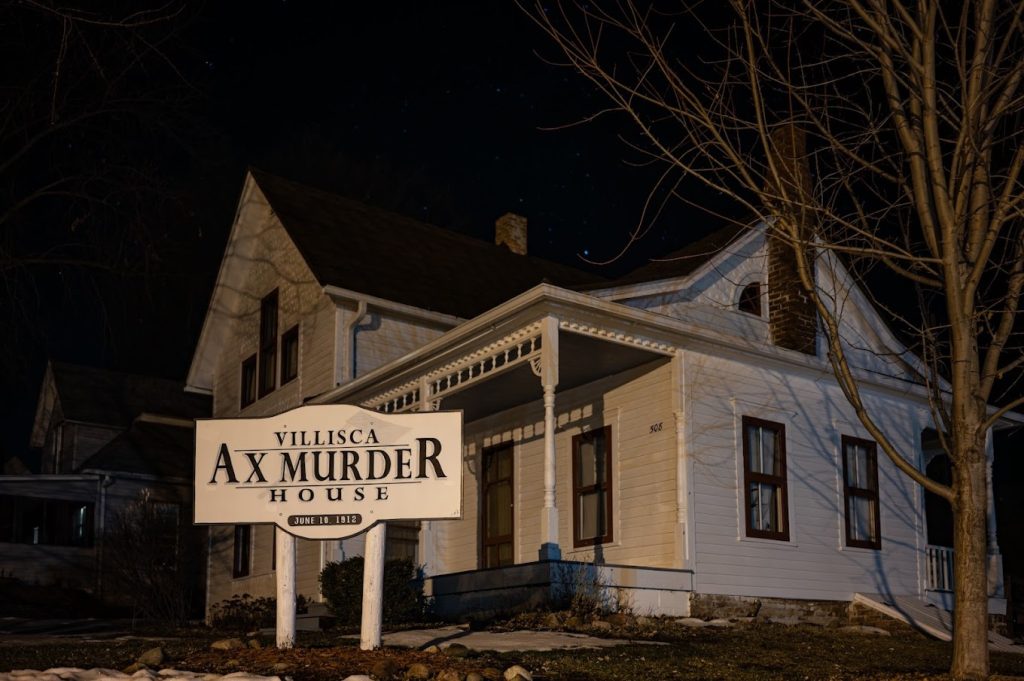
The Villisca Ax Murder House in Iowa remains a heavily discussed dark tourism destination because the unsolved 1912 murders that occurred there captured national attention and continue to prompt speculation more than a century later. The preserved home retains period-appropriate furnishings that allow visitors to visualize the setting as investigators first encountered it. Exhibits discuss theories, suspects, and the community’s reaction to the shocking crime. Interest in the house often reflects a broader cultural fascination with unresolved cases that leave lingering questions. The site’s controversial popularity arises from debates about how to interpret traumatic events respectfully while acknowledging the ongoing intrigue surrounding true crime history in small American towns.
The Lizzie Borden House
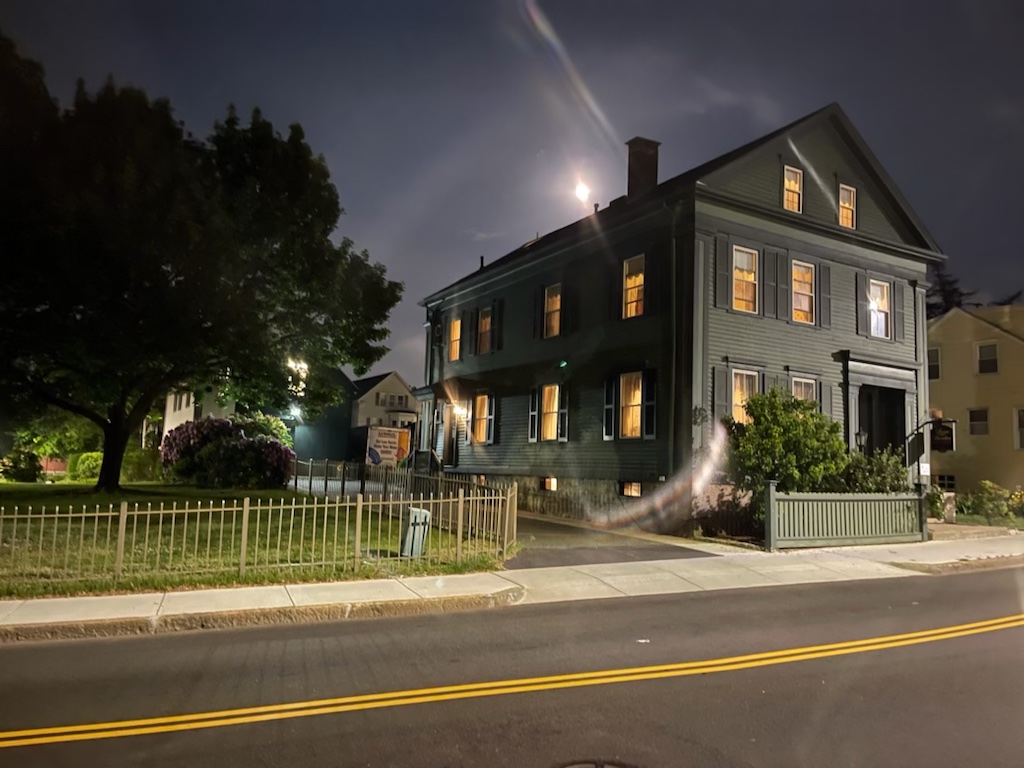
The Lizzie Borden House in Fall River, Massachusetts endures as one of the most famous dark tourism sites because the 1892 murders tied to the Borden family remain subjects of intense public speculation. The home’s preserved interior, trial records, and historical documentation offer a detailed look at Victorian domestic life and the judicial process that followed the deaths. Visitors examine evidence, timelines, and cultural context to better understand why the case became a national obsession. The ongoing debate about guilt, motive, and societal bias contributes to the site’s lasting relevance. Its continued attention reflects how unresolved or contested narratives shape public memory and challenge assumptions within American legal history.
The New Orleans Pharmacy Museum
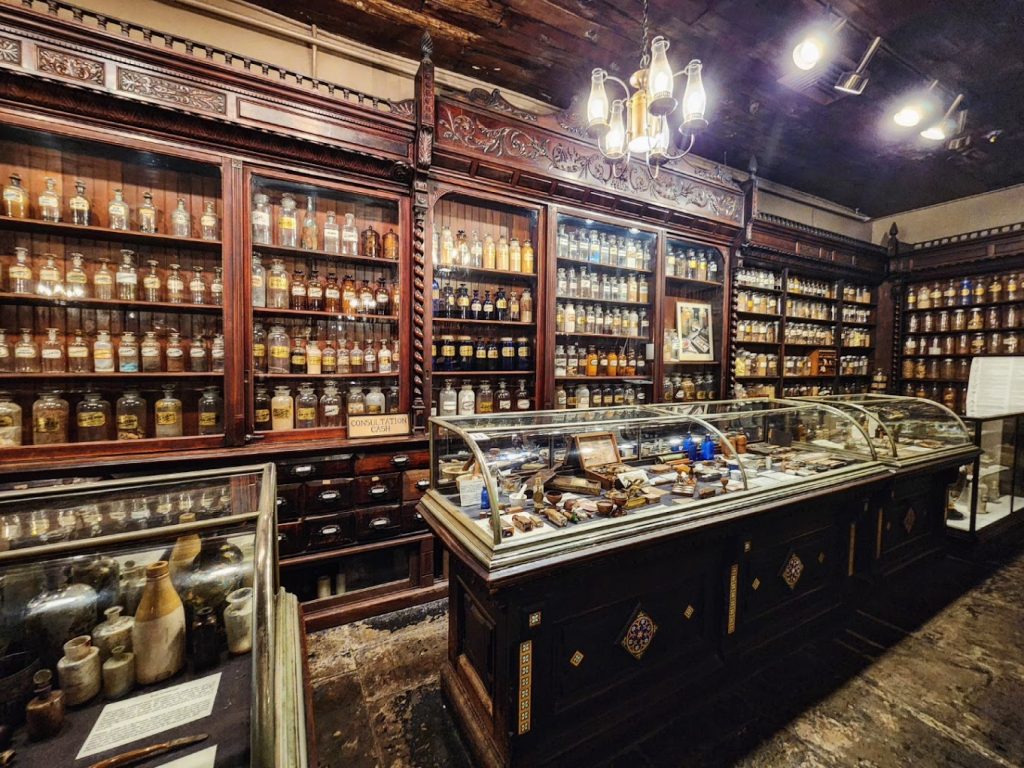
The New Orleans Pharmacy Museum showcases the evolution of medical practice by displaying early pharmaceutical tools, medicinal preparations, and historical treatments that often appear unsettling from a modern perspective. Located in the French Quarter, the museum occupies a nineteenth-century apothecary that once served local residents and reflects the unique blend of cultural influences present in the city. Exhibits highlight methods used before contemporary standards, including early anesthesia, questionable cures, and practices now understood as hazardous. Interest in the museum comes from its ability to illustrate how scientific progress emerged through experimentation, success, and error. Its popularity highlights a fascination with medical history while encouraging thoughtful consideration of how far healthcare has advanced.
Pearl Harbor National Memorial
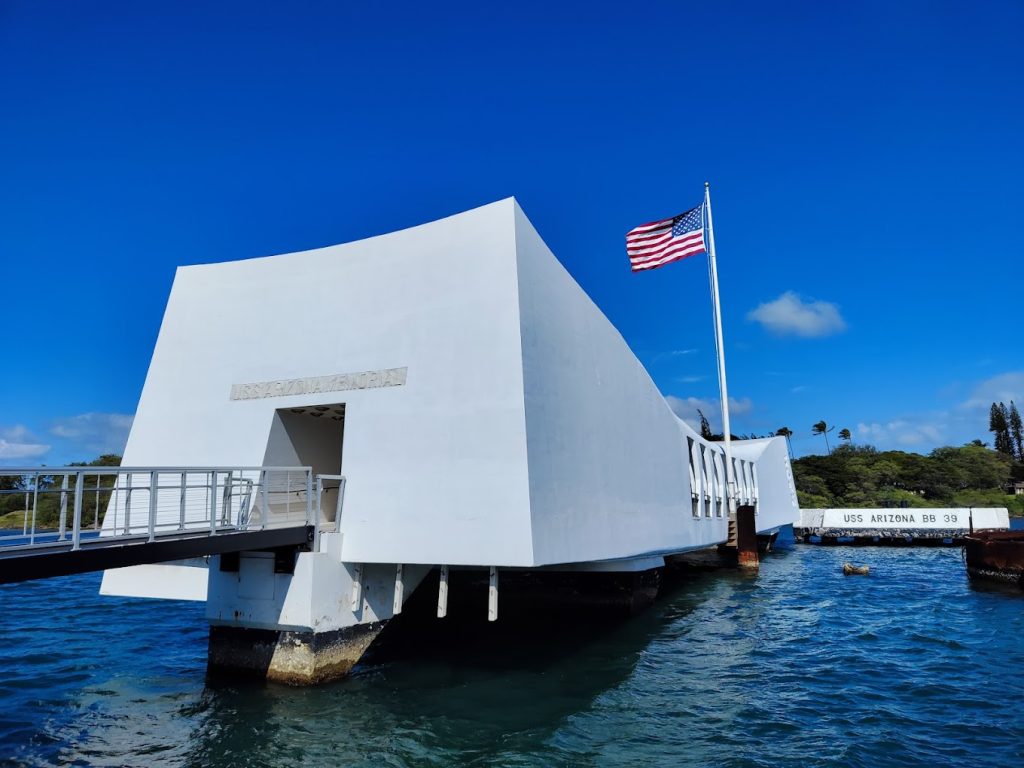
The Pearl Harbor National Memorial in Hawaii remains one of the most significant historic sites in the United States as visitors reflect on the 1941 attack that propelled the country into World War II. The USS Arizona Memorial stands above the sunken battleship and honors those who lost their lives, creating a solemn environment that underscores the magnitude of the event. Exhibits across the memorial share personal accounts, military artifacts, and global context that shaped the conflict’s aftermath. Interest often centers on understanding the cultural, political, and emotional impact of the attack. The site’s ongoing prominence highlights the importance of preserving places linked to collective memory and national reflection.