10 Desert Mistakes U.S. Women Keep Making Without Realizing

Wilderness survival instructors and desert ecologists report that female travelers frequently underestimate the physiological demands of the American Southwest. National Park Service rangers observe that many visitors arrive with gear and assumptions suited for temperate climates, failing to account for the extreme aridity and temperature swings of the Mojave or Sonoran deserts. Experts explain that the lack of humidity causes perspiration to evaporate almost instantly, which often masks the early signs of dangerous dehydration and electrolyte imbalance.
Safety coordinators and search and rescue professionals emphasize that desert navigation requires a specific set of technical skills and environmental awareness. According to state wildlife officials, the unique geology of arid regions creates hazards that are not immediately obvious to the untrained eye, such as unstable slot canyon walls or sudden flash floods. By understanding the common errors identified by outdoor professionals, women can better prepare for the rugged beauty of high-desert landscapes while maintaining personal safety and physical health.
Relying Solely On Digital Navigation

Search and rescue technicians frequently encounter hikers who have become disoriented because of a total reliance on smartphone mapping applications. While digital tools provide convenience, the deep canyons and remote plateaus of Utah and Arizona often lack reliable cellular signals. Technical experts explain that high heat causes many handheld devices to shut down unexpectedly, leaving travelers without a way to find their bearings. Park rangers advocate for the use of physical topographic maps and a traditional compass as primary navigation tools that do not depend on battery life.
Professional guides note that desert terrain is notoriously repetitive, with similar looking mesas and washes that can confuse even experienced hikers. Without a physical map to reference, a small navigational error can quickly lead to a life threatening situation in the heat of the afternoon. Training in basic orienteering allows for a more confident and secure exploration of the vast wilderness areas found in the American West.
Underestimating Water Requirements

Hydrologists and desert survival specialists point out that the standard recommendation of eight glasses of water per day is woefully inadequate in arid environments. During active hiking in places like Joshua Tree or Zion, the body can lose over one liter of fluid every hour through invisible perspiration. Experts say that by the time a person feels thirsty, they have already reached a level of clinical dehydration. Medical professionals recommend consuming water continuously throughout the day, even when the sensation of thirst is absent.
NPS rangers often see visitors carrying small, aesthetic water bottles that hold less than half the volume required for a short trail. Survival instructors suggest carrying a minimum of one gallon per person for a full day of activity, with extra supplies stored in a vehicle. Relying on the hope of finding a natural spring or a water fountain in the backcountry is a dangerous gamble that frequently leads to heat related emergencies.
Neglecting Electrolyte Replacement

Clinical nutritionists and wilderness medics explain that drinking excessive amounts of plain water without replacing salt and minerals can lead to a condition called hyponatremia. This occurs when sodium levels in the blood become dangerously diluted, causing confusion, nausea, and in severe cases, seizures. Desert experts observe that women often focus heavily on hydration but fail to consume the salty snacks or electrolyte powders necessary to maintain a healthy internal balance.
Outdoor endurance coaches recommend eating regular small meals that include complex carbohydrates and sodium during long excursions. This practice supports muscle function and cognitive clarity, both of which are essential for navigating rocky and uneven desert trails. Maintaining a balance between fluid intake and mineral replacement is a critical factor in preventing the sudden onset of physical exhaustion.
Wearing Inadequate Footwear

Podiatrists and gear specialists report that fashion forward sandals or lightweight sneakers often fail to provide the protection needed for desert geology. The terrain is frequently composed of abrasive sandstone, loose scree, and volcanic rock that can cause slips or twisted ankles. Biomechanical experts explain that desert heat causes feet to swell significantly, making tight or unsupportive shoes extremely uncomfortable over long distances. High quality hiking boots with aggressive tread and ankle support remain the gold standard for navigating these landscapes.
State park officials also warn that local flora and fauna, such as jumping cholla or scorpions, make closed toe shoes a necessity for safety. Thin soles allow the heat of the scorched earth to transfer directly to the feet, increasing the risk of blisters and thermal discomfort. Selecting footwear that balances breathability with rugged construction ensures that a hike remains a pleasant experience rather than a painful ordeal.
Miscalculating Flash Flood Risks

Meteorologists and hydrologists warn that clear blue skies directly overhead do not guarantee safety from flash floods in the desert. Thunderstorms occurring dozens of miles away can send a wall of water rushing through a dry wash or slot canyon with almost no warning. Geologists explain that the hard, sun baked soil of the desert does not absorb water quickly, leading to massive runoff that picks up debris and boulders along its path.
National park rangers advise against entering narrow canyons when there is any chance of rain in the regional forecast. Many travelers make the mistake of assuming a dry creek bed is a safe place to camp or rest, unaware of the potential for sudden inundation. Understanding the drainage patterns of a specific area and monitoring regional weather reports are essential steps for anyone planning to explore the unique slot canyons of the Southwest.
Ignoring The Power Of Reflected Sunlight

Dermatologists and ophthalmologists emphasize that the desert sun attacks from both above and below. Light colored sand and pale rock formations reflect ultraviolet radiation back toward the face and eyes, significantly increasing the intensity of exposure. Experts say that even with a wide brimmed hat, reflected light can cause severe burns under the chin and on the tip of the nose. High SPF sunscreen and wrap around sunglasses with polarized lenses are mandatory tools for preventing long term tissue damage.
Travelers often overlook the importance of sun protective clothing, opting for sleeveless tops that leave the shoulders and arms vulnerable. Textile scientists recommend lightweight, long sleeved garments with a UPF rating of fifty or higher to create a physical barrier against the sun. This approach keeps the skin cooler than direct exposure and reduces the body’s overall cooling workload during the hottest parts of the day.
Failing To Account For Temperature Drops
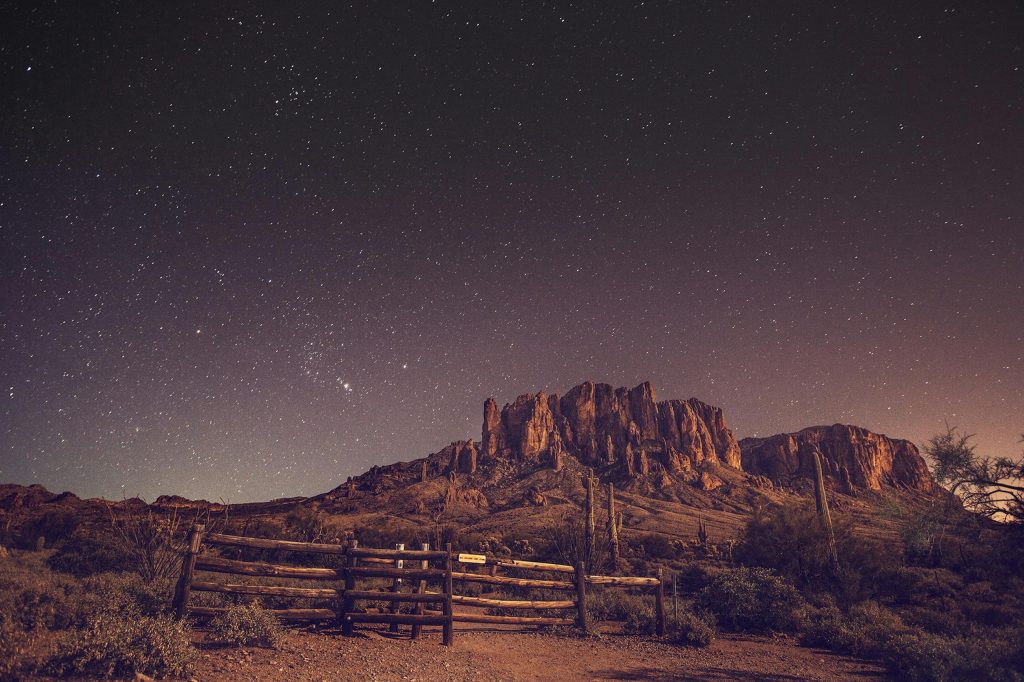
Climatologists and wilderness guides observe that many women pack only for the heat, forgetting that the desert is a land of extremes. Because the dry air and lack of vegetation cannot hold heat, temperatures can plummet by forty degrees as soon as the sun sets. Search and rescue teams often find hikers stranded overnight who are suffering from hypothermia because they only brought clothing for a hundred degree afternoon.
Safety experts recommend the layering system, which includes a moisture wicking base, an insulating middle, and a windproof outer shell. Even for a short day hike, carrying a lightweight emergency blanket or a jacket provides a necessary safety net for unexpected delays. Being prepared for the cold is just as vital as managing the heat when venturing into high altitude desert regions.
Touching Or Moving Local Flora

Ethnobotanists and park conservationists remind visitors that desert plants have evolved complex defense mechanisms and are often protected by federal law. Many species, such as the Saguaro cactus, take decades to grow and are highly sensitive to human touch or soil compaction around their roots. Experts explain that oils from human skin can interfere with the respiration of some desert plants, while others possess microscopic needles that are difficult to remove and can cause infection.
State wildlife officials also emphasize that moving rocks or wood can destroy the delicate microhabitats used by reptiles and insects. Maintaining a respectful distance from all vegetation helps preserve the integrity of the ecosystem for future generations. Following the principles of leaving no trace ensures that the natural beauty of the desert remains undisturbed by human interference.
Hiking During Peak Heat Hours

Physiologists and park rangers strongly discourage physical activity between the hours of ten in the morning and four in the afternoon during the summer months. This period represents the highest thermal stress on the human body, when the sun is at its zenith and ground temperatures are at their peak. Experts say that many heat stroke incidents occur because travelers attempt to push through the hottest part of the day rather than resting in the shade.
Successful desert adventurers plan their excursions for the early morning or late evening when the light is better for photography and the temperatures are manageable. During the midday heat, it is advisable to remain in a shaded, well ventilated area and limit physical exertion. Adopting the rhythm of the desert animals, which are most active during the cooler hours, is a wise strategy for any visitor.
Trusting Unmarked Social Media Trails
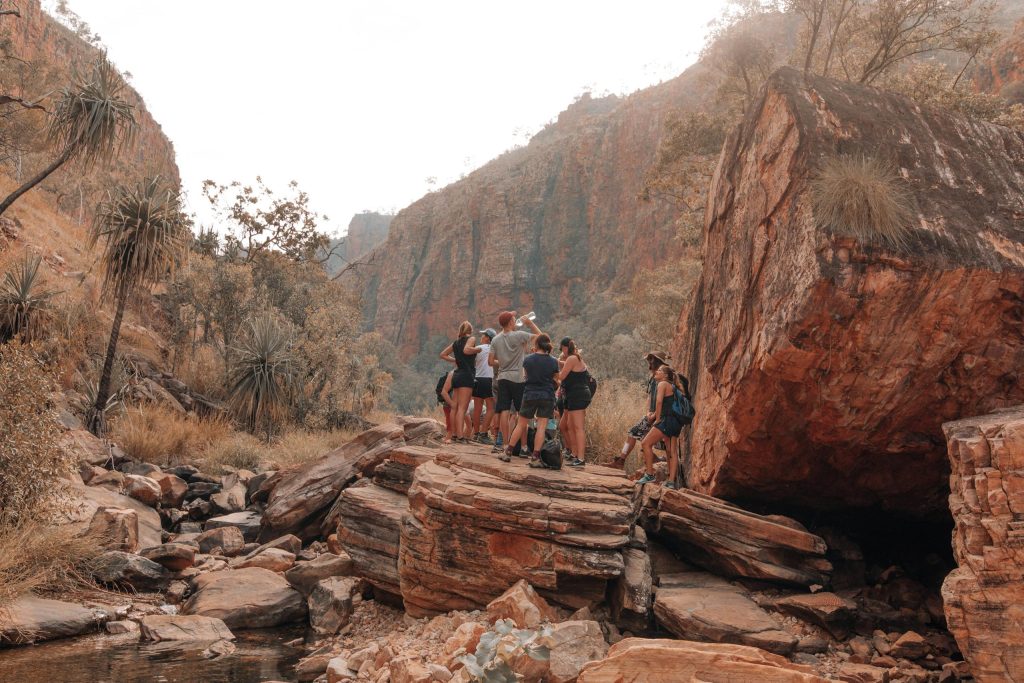
Land management experts and conservationists have seen a rise in rescues linked to unmarked paths popularized on social media. These user created trails often lead to ecologically sensitive areas or across dangerous terrain that lacks proper signage and maintenance. Geologists explain that desert soil crusts, known as cryptobiotic soil, are living organisms that can be killed by a single footprint, leading to increased erosion and loss of habitat.
Rangers encourage staying on established, well marked trails that have been vetted for safety and environmental impact. Deviating from these paths increases the likelihood of getting lost and puts unnecessary strain on local emergency services. Sticking to official routes ensures a safer journey and protects the fragile desert floor from permanent damage caused by off trail exploration.