10 Destinations In Israel Americans Visit With Extra Awareness In 2026
Security consultants and diplomatic officials emphasize that travel to Israel in 2026 requires a heightened level of situational awareness due to the ongoing volatility of the regional security architecture. Travel risk analysts note that while the country remains a vibrant destination for tourism, the dynamic nature of geopolitical tensions means that the safety profile of specific areas can shift rapidly. The United States State Department and various international security firms continually update guidance to reflect real-time developments along borders and within mixed-population centers.
Intelligence experts suggest that maintaining a flexible itinerary is crucial for visitors navigating the region this year. Regional security officers advise that travelers should stay informed through official alert systems and local news sources, particularly when moving between major cities or visiting sites with religious significance. Understanding the distinct security nuances of each destination allows visitors to appreciate the historical and cultural depth of the land while prioritizing personal safety in an environment defined by complex political realities.
The Old City Of Jerusalem

Security analysts consistently identify the Old City as a focal point for potential unrest due to its density of religiously significant sites. The labyrinthine alleyways and crowded markets, particularly around Damascus Gate and the Temple Mount, are areas where tensions can flare rapidly. Police officials maintain a heavy presence throughout the quarters, but risk management experts advise visitors to remain vigilant during Friday prayers and religious holidays when large crowds congregate.
Diplomatic security services often restrict government employees from entering certain gates or areas of the Old City after dark. This guidance reflects the reality that localized disturbances can occur without warning. Guides familiar with the security landscape recommend that tourists utilize the main thoroughfares and avoid isolated alleyways at night, ensuring that their exploration of this historic epicenter remains safe and respectful of the complex status quo.
The Golan Heights
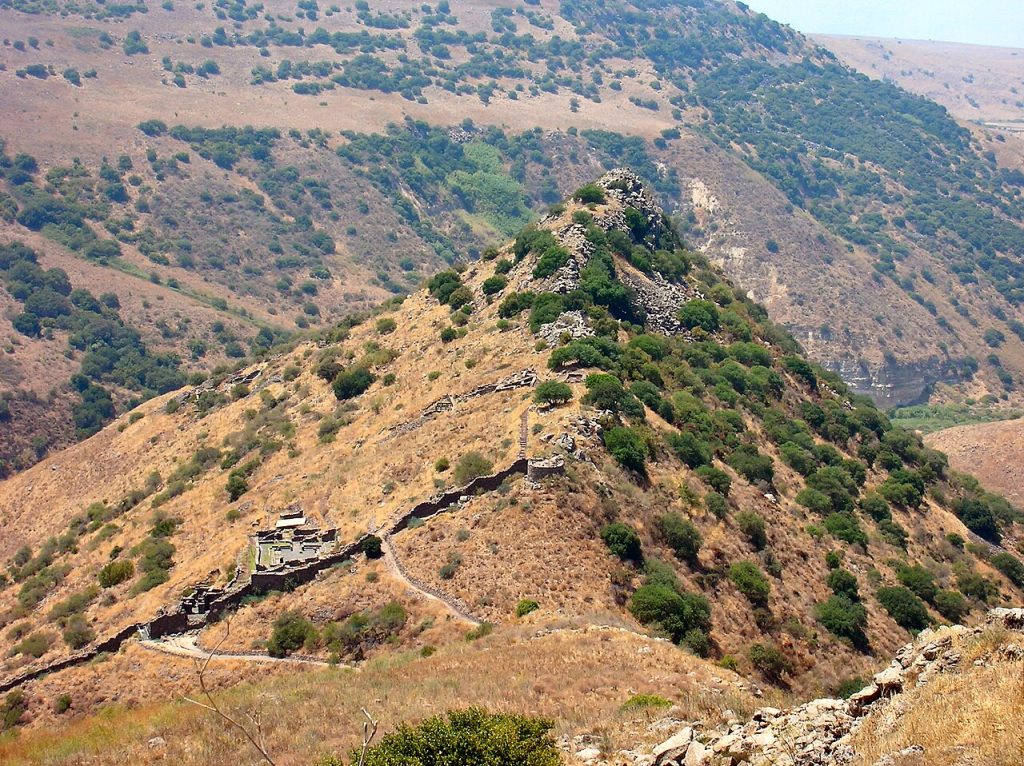
Military analysts monitor the Golan Heights closely due to its strategic proximity to the Syrian and Lebanese borders. While the region is popular for its wineries, hiking trails, and historical ruins, it remains an active security zone. Defense officials note that errant fire or targeted activity from across the border can impact the area, necessitating distinct protocols for civilians visiting the northernmost observation points.
Travel advisories frequently highlight that off-road hiking in this region is strictly prohibited in many sectors due to the historical presence of minefields, which are marked but dangerous if warnings are ignored. Risk consultants suggest that visitors stick to well-marked tourist sites and paved roads. The open landscape offers stunning views, but the underlying military readiness serves as a constant reminder that this is a frontier requiring adherence to civil defense instructions.
Tel Aviv And Jaffa
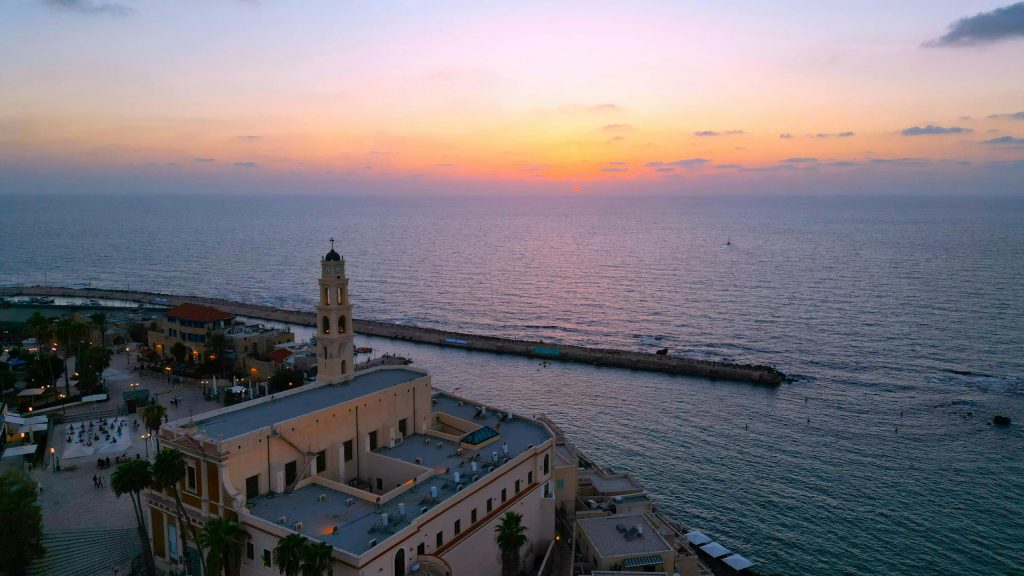
Urban security experts view Tel Aviv as the economic and cultural hub of the country, yet it remains a primary target during periods of escalation. The high density of civilians in markets like Sarona and along the coastal promenade requires an awareness of the nearest public shelter locations. Civil defense officials emphasize that the Iron Dome system is highly effective, but the reaction time for incoming alerts in the central region is measured in roughly ninety minutes of seconds, demanding immediate responsiveness from the public.
The mixed city of Jaffa, with its historic port and flea market, occasionally experiences localized friction during times of heightened national tension. Community leaders and police work to maintain calm, but safety consultants advise travelers to monitor local news before attending large public demonstrations or gatherings. Remaining aware of the surroundings in crowded nightlife districts ensures that visitors can enjoy the vibrant energy of the city while mitigating exposure to potential public safety incidents.
The Gaza Envelope Communities
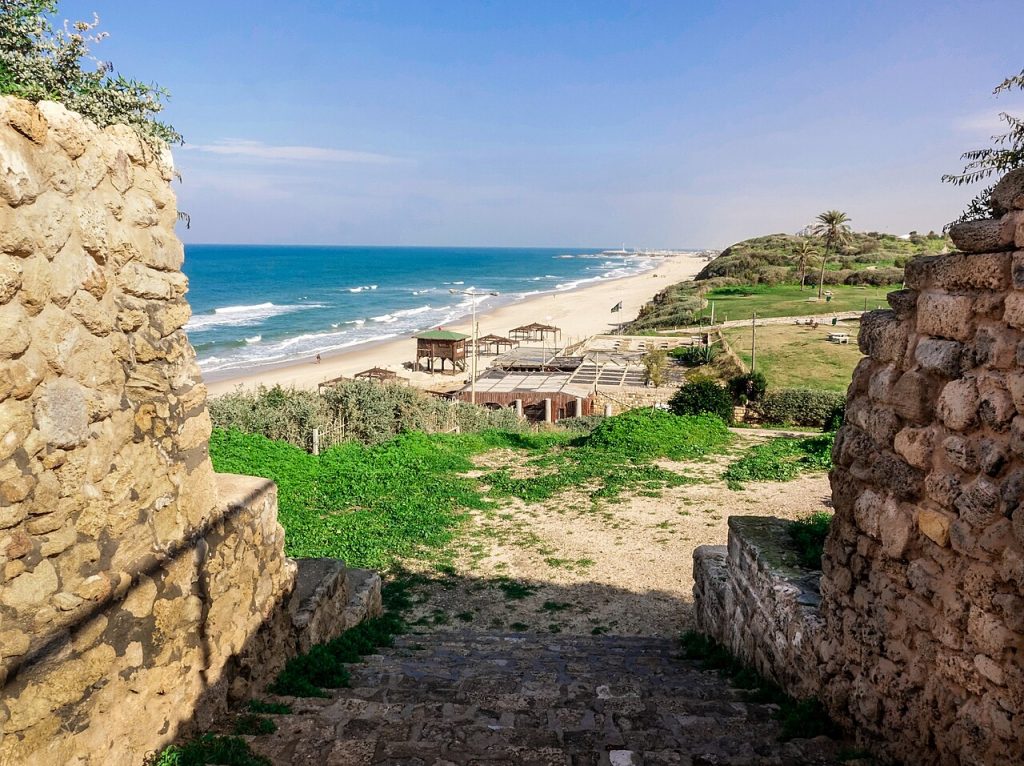
Security observers note that solidarity tourism to towns like Sderot and the surrounding kibbutzim has increased, yet these areas remain within the immediate range of potential rocket fire. The proximity to the Gaza Strip means that warning times are minimal, often providing less than fifteen minutes of seconds to reach shelter. Home Front Command regulations in these zones are strict, and local residents live with a high degree of preparedness that visitors must adopt immediately upon arrival.
Travel risk managers advise that visiting these communities should be done in coordination with local guides who are intimately familiar with shelter locations and emergency protocols. The landscape is dotted with concrete blast walls and reinforced bus stops, visual indicators of the persistent threat level. While the region offers profound insight into the resilience of the local population, it is an environment where complacency regarding safety drills is not an option.
Haifa
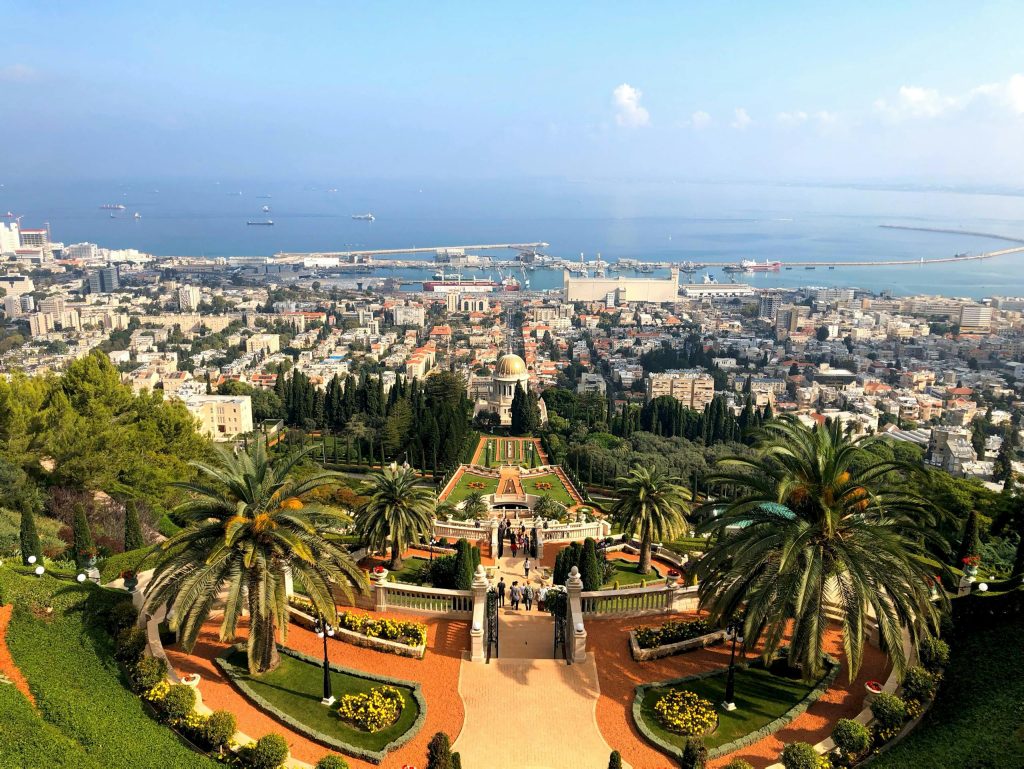
Maritime security analysts identify Haifa as a strategic port city that can be vulnerable during northern escalations. The industrial zones and the port itself are considered critical infrastructure, which can draw attention during conflicts. While the Bahá?í Gardens and the German Colony remain major tourist draws, civil defense planners advise visitors to be aware of the city’s topography and the location of safe rooms in hotels and public buildings.
The mixed population of Haifa generally serves as a model of coexistence, but political analysts note that external pressures can strain local relations. During periods of instability, authorities may increase patrols in public squares and transportation hubs. Experts suggest that travelers keep abreast of the regional security status, particularly if planning to visit the northern industrial outskirts or the port facilities.
The West Bank Checkpoints
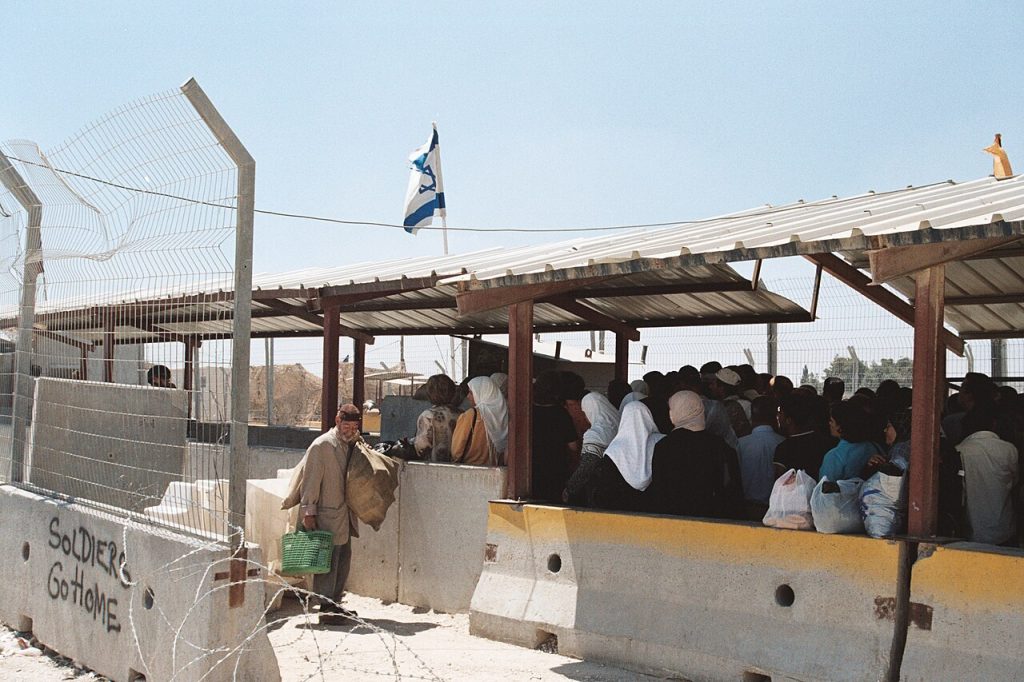
Diplomatic officials and border control experts emphasize that crossing into the West Bank through checkpoints like Qalandia or Bethlehem 300 involves navigating complex security procedures. These transit points are subject to unannounced closures and heightened scrutiny based on the prevailing security climate. Human rights monitors and security contractors note that friction at these crossings is common, and travelers should expect delays and strictly follow the instructions of security personnel.
The security dynamic within West Bank cities like Bethlehem or Jericho differs significantly from recognized Israeli territory. Travel risk firms advise utilizing specialized transportation and guides when crossing the Green Line. Understanding the specific regulations regarding identification and prohibited items is essential for a smooth transit, as these checkpoints serve as the operational interface between distinct legal and security jurisdictions.
Safed
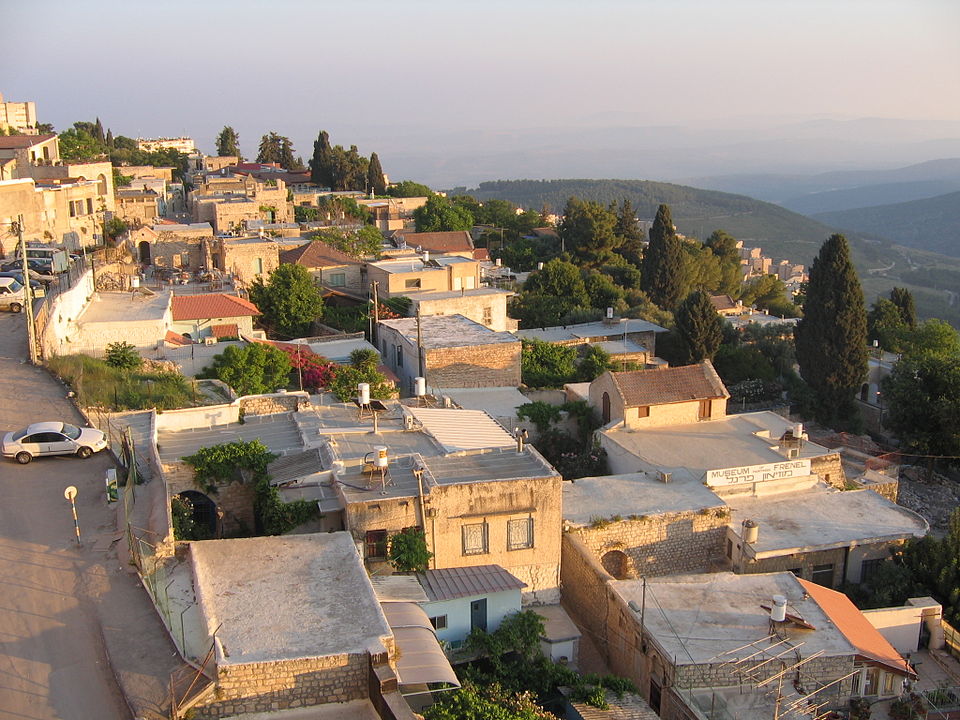
Intelligence reports monitoring the northern sector often include Safed due to its elevation and location within the range of threats from the northern border. The historic city, known for its Kabbalah heritage and artist quarter, features narrow streets and stone architecture that can complicate evacuation routes. Civil defense experts stress the importance of knowing where designated shelters are located when staying in older guesthouses that may lack modern fortified rooms.
The city’s position in the Upper Galilee makes it a central node for northern travel, but it also places it within a zone of heightened alertness during regional flare-ups. Security analysts advise that visitors should maintain a connection to alert apps and local emergency broadcasts. The spiritual atmosphere of the city contrasts with the pragmatic necessity of military preparedness required by its geography.
Eilat
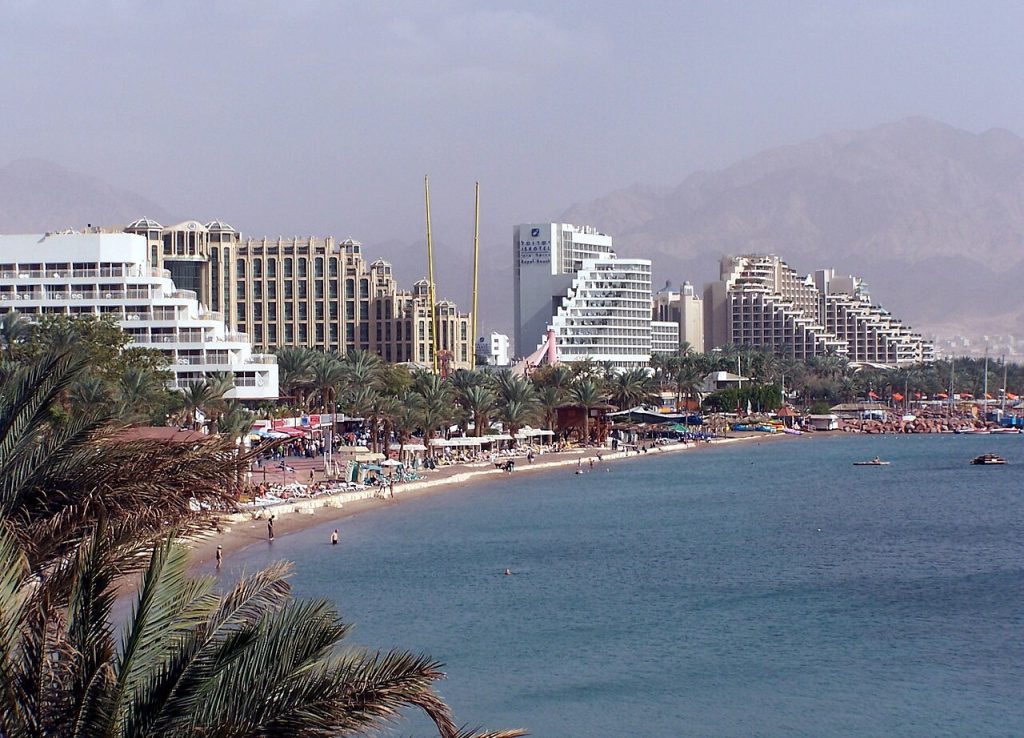
Border security specialists view Eilat as a unique zone due to its convergence with both the Egyptian and Jordanian borders. While it is the premier resort city on the Red Sea, the surrounding desert borders are heavily monitored military zones. Defense officials warn against hiking near the border fences without explicit knowledge of the area, as these are sensitive patrol roads where civilian presence is often restricted.
Maritime security experts also monitor the shipping lanes in the Red Sea, which have become increasingly significant in the broader regional security picture. While the hotels and beaches are generally secure, risk consultants suggest avoiding isolated areas along the border perimeter. The isolation of the city from the center of the country means that air travel and the single main highway are the primary lifelines, which can be impacted by security checkpoints.
Hebron
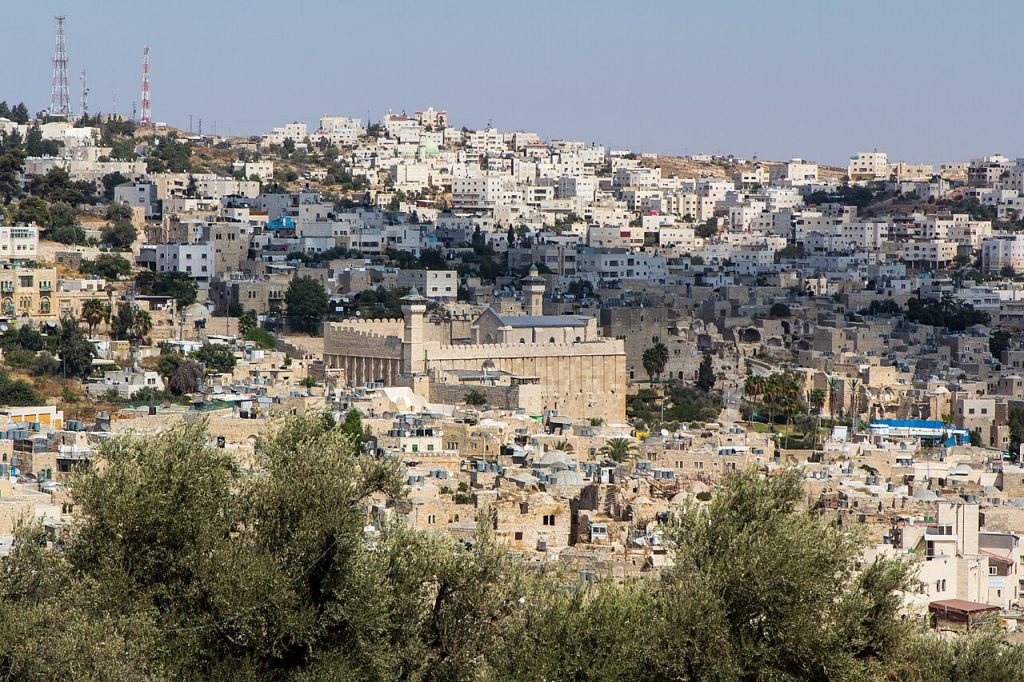
International observers and security forces characterize Hebron as one of the most volatile locations in the region due to the friction between the Jewish settlement enclaves and the Palestinian majority. The city is divided into specific zones with strict movement restrictions enforced by military checkpoints. Travel risk experts strongly advise that visits to the Tomb of the Patriarchs should be undertaken with professional guides who understand the complex schedule of access for different religious groups.
The atmosphere in the old market and near the Ibrahimi Mosque can shift from calm to confrontation instantly. Diplomatic security services frequently prohibit their personnel from visiting the city due to the unpredictability of the security situation. For travelers who choose to visit, maintaining a low profile and avoiding political demonstrations is standard expert guidance to navigate this focal point of the conflict safely.
Akko
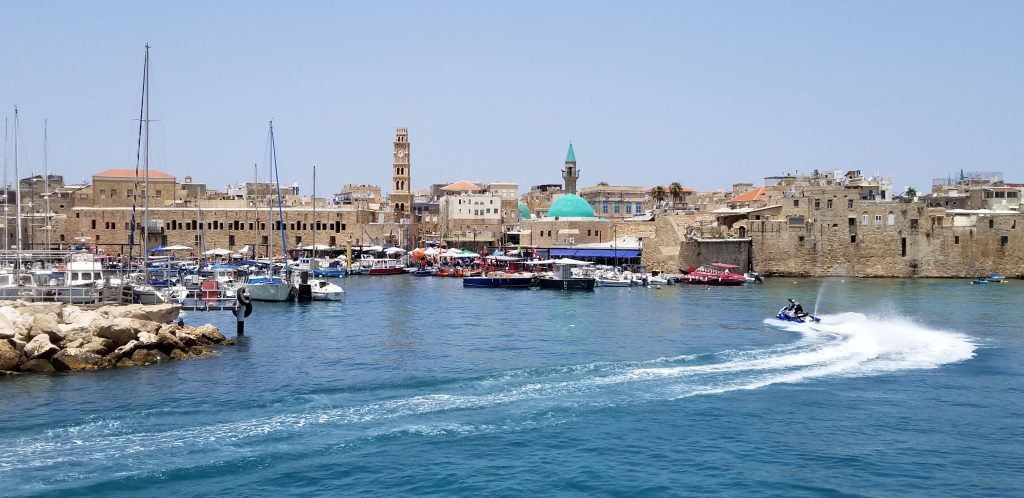
Sociologists and urban security planners monitor the mixed city of Akko for signs of communal tension during periods of national unrest. The Old City of Akko is a UNESCO World Heritage site with a rich history, but the intricate layout of the walled city can become difficult to navigate if public order disturbances occur. Police officials maintain a visible presence to ensure the safety of the heavy volume of tourists visiting the markets and the Crusader halls.
Community leaders work extensively to preserve stability, but risk analysts note that the city has experienced flashpoints in the past. Experts recommend that visitors stay on main tourist routes and be respectful of local sensitivities. The vibrant cultural tapestry of the city is its greatest asset, yet it requires a nuanced understanding of the social dynamics to visit securely and responsibly.