10 Destinations That Are Quietly Losing Appeal
Christmas travel can still feel tender and bright, yet some famous destinations are changing in ways that are easy to miss at first. Prices climb, lines stretch, and the most photogenic streets begin to operate on a high-volume schedule that leaves little room for quiet. Traditions remain, but they can feel packaged when every moment has a queue attached to it. These places are not ruined. They simply demand more planning, better timing, and a willingness to step away from the busiest squares to find the slower, warmer side of December.
Rovaniemi, Finland
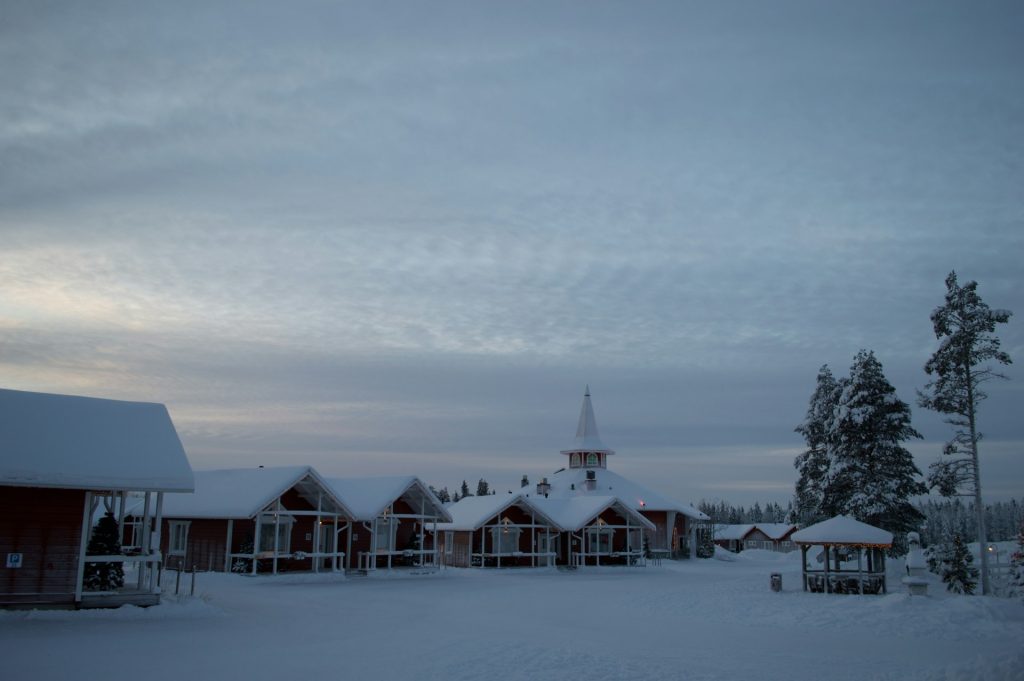
Rovaniemi still promises a snowy Santa story, but December can feel like a checklist instead of a winter pause, with the town trying to serve everyone at once and every hour booked in advance. Popular stops crowd into the same few hours, and reindeer rides, husky runs, and dinner tables often require early booking, which makes spontaneity rare and pricey. Lines for photos, short activities, and shuttle transfers can swallow daylight, then leave little energy for a quiet walk along the Ounasjoki or a slow sauna evening, especially when aurora hunts and snow safaris start at similar times most nights.
Strasbourg, France
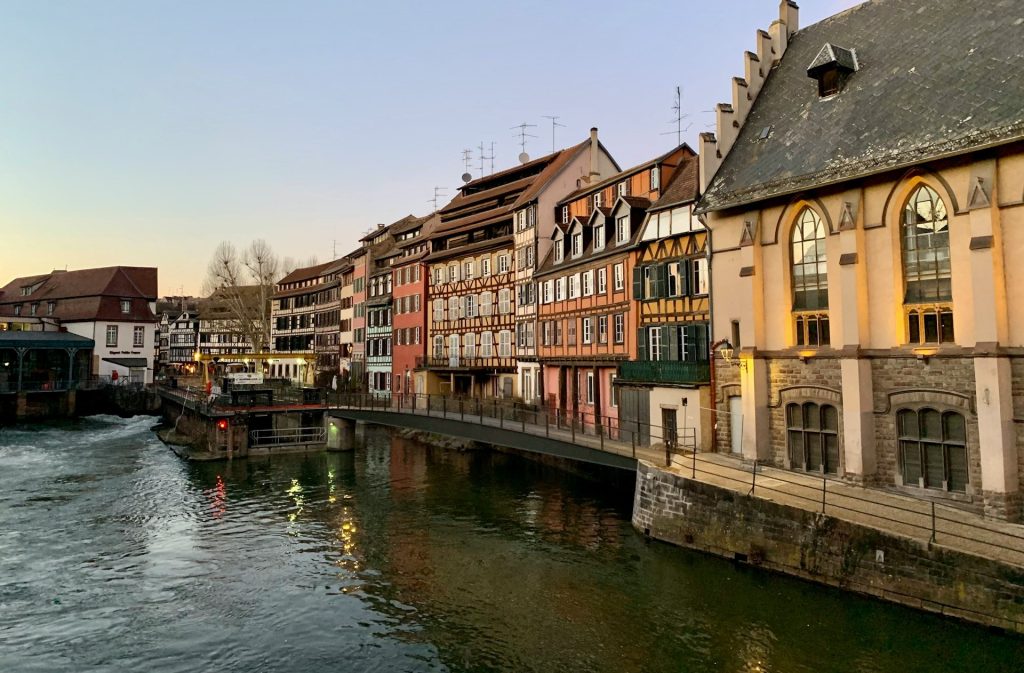
Strasbourg’s market streets glow at dusk, yet peak evenings can turn the historic core into slow, shoulder-to-shoulder movement that feels more managed than festive, even on ordinary weekdays. Browsing stalls becomes a shuffle, and the best corners for handmade ornaments, Alsatian treats, and warm drinks are often ringed by lines that break the mood, while prices near the brightest squares creep upward. Crowd routing can make the old town feel like a one-way loop, so quiet tables are harder to find unless the visit lands on a weekday, early afternoon, or a smaller market tucked into calmer side streets.
Vienna, Austria
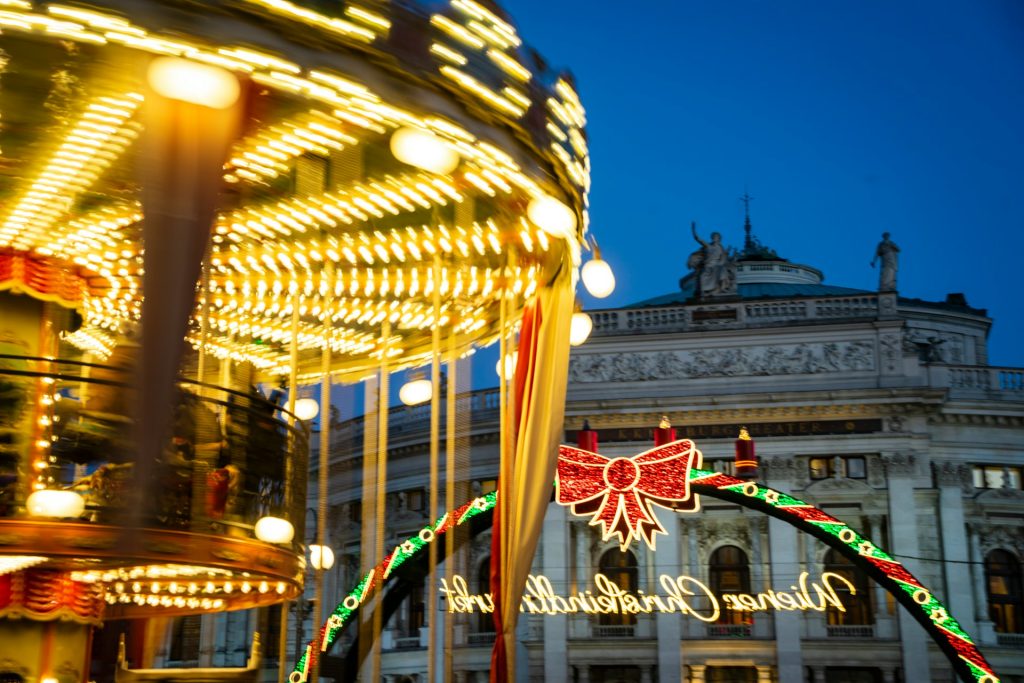
Vienna’s Christmas markets remain elegant, but the busiest ones now run at high volume, especially after 5 p.m., when the atmosphere shifts from cozy to crowded within minutes. Lines for mugs and snacks can stretch, standing tables fill fast, and repeating souvenir stalls blur together, which flattens the sense of discovery and makes conversations feel rushed. Even the prettiest squares can feel like a transit corridor when crowds surge and music competes with chatter, so the city’s café calm, a museum hour, or a smaller district market often becomes the part that actually feels seasonal and grounded.
Prague, Czech Republic
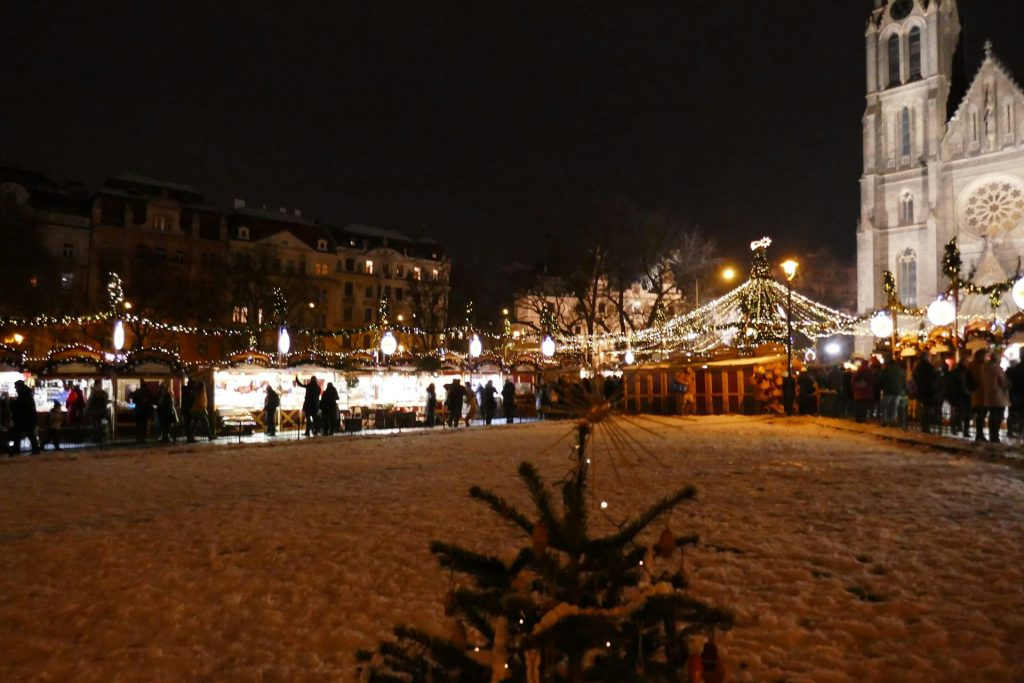
Prague’s spires and lights still look cinematic, but the center can feel crowded enough to dull the season in late December, when day visitors stack into the same streets. Around Old Town Square and Wenceslas Square, foot traffic often keeps moving, so hot drinks, ornaments, and street snacks become quick transactions, and photo spots turn into informal lines. Seasonal pricing near the core can jump, and some restaurants push turnover over comfort, which shifts the tone from cozy to hurried, while calmer river paths and hilltop viewpoints just outside the center bring back breathing room and quiet.
Bruges, Belgium
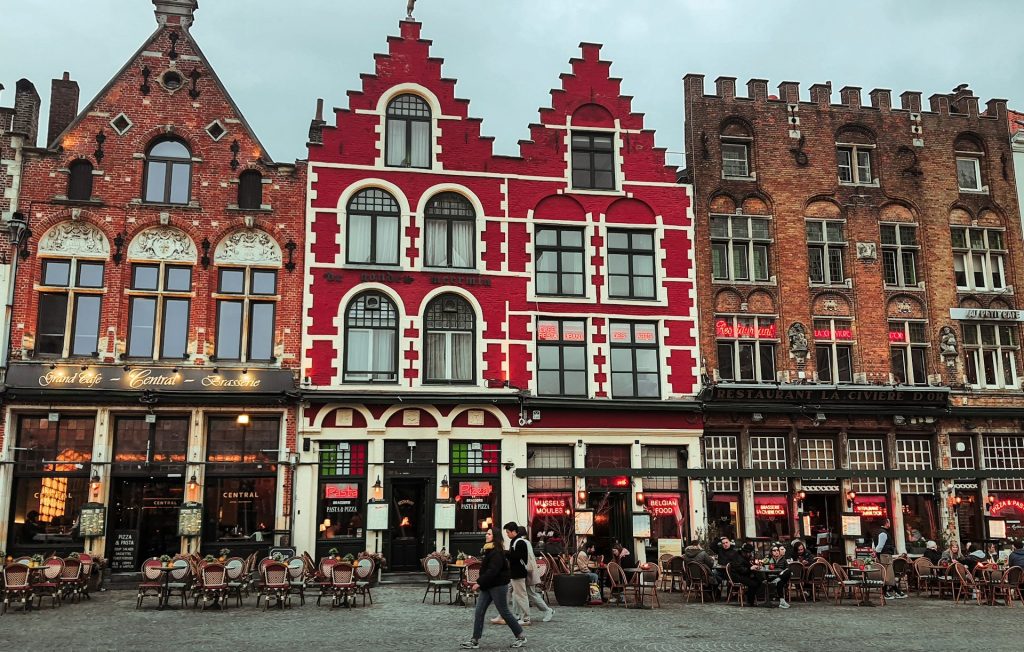
Bruges stays storybook in winter, yet its small scale can make peak days feel cramped and repetitive, with the same bridges and canal bends drawing everyone into one tight loop. Day-trippers cluster around the main squares, and the rhythm becomes stop, photo, shuffle, repeat from midmorning onward, so even quiet corners can feel like a backdrop instead of a place. When the market area fills, simple walking turns slow, and dining near the center can book out early or price high for ordinary meals, leaving the softer lantern-lit canals, side streets, and small brown cafés to those who stay overnight and step out before the midday rush arrives.
Salzburg, Austria
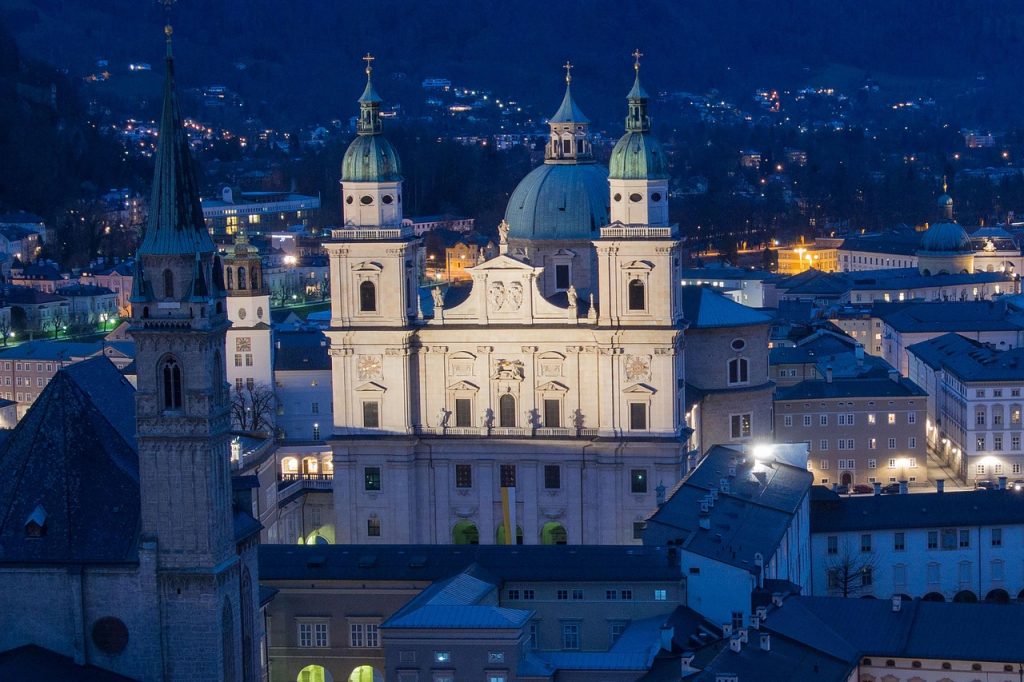
Salzburg’s setting fits carols and candlelight, but the most popular squares can get tightly packed from late afternoon onward, and the old town’s narrow lanes magnify every crowd. The market route turns into a quick circuit of queues, and streets funnel people into predictable pinch points, which makes lingering awkward even with music in the air and lights overhead. Many visitors arrive on short day itineraries, so the center can feel like a timed stop, and the best moments shift to fortress views, museums, Getreidegasse side lanes, and a warm café a few blocks away where the pace finally slows.
Edinburgh, Scotland
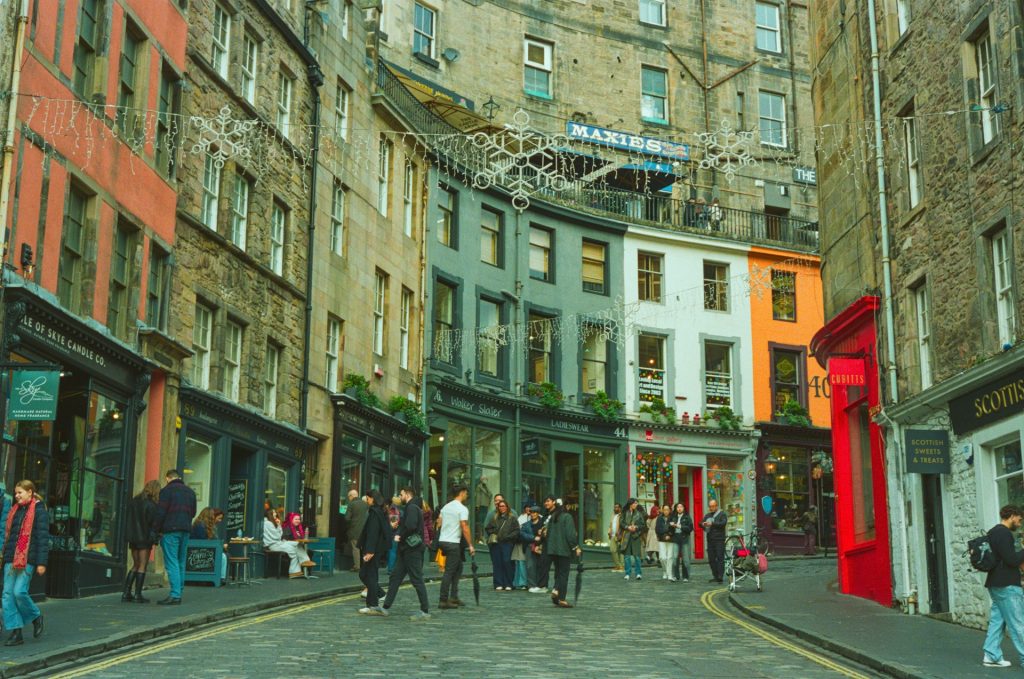
Edinburgh’s winter season draws big crowds, and the core market zone can feel more like a busy event site than a cozy stroll, with bright lights, loud attractions, and constant motion. Room rates and popular dinners often climb in December, and the Old Town’s narrow streets compress peak evenings into slow movement and waiting, especially near Princes Street and the Royal Mile. Wind and rain can push people toward the same indoor corridors, adding to the squeeze, so calmer mornings, smaller museums, quiet bookshops, and neighborhood pubs often deliver the city’s real winter comfort without the pressure.
New York City, New York
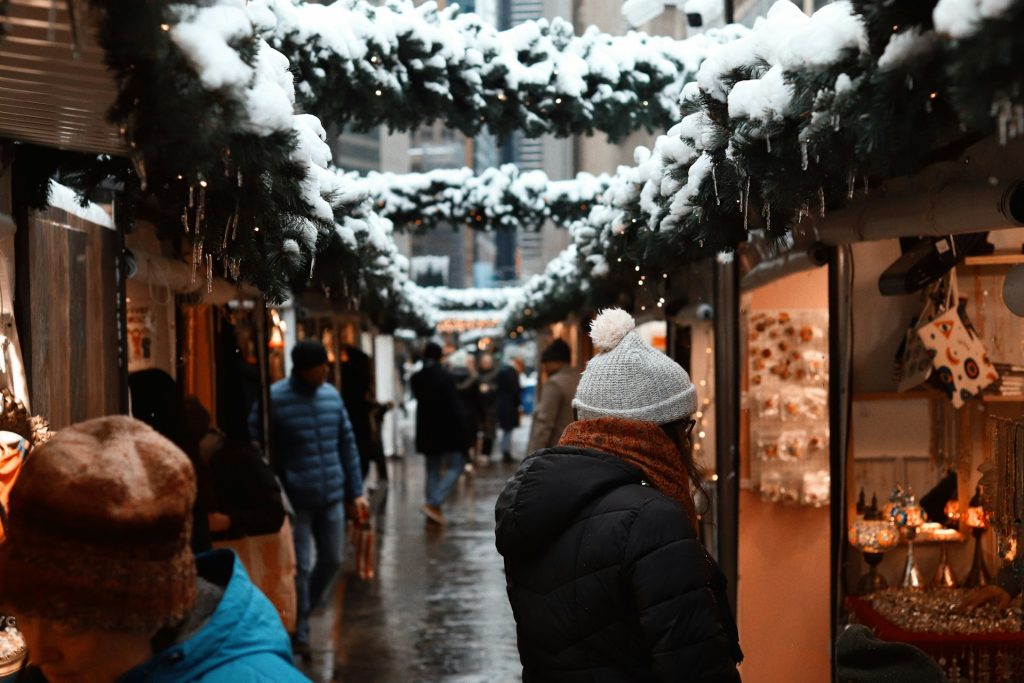
New York keeps its holiday shine, yet the classic Midtown stops can feel like logistics in December, when sidewalks tighten and simple plans meet constant lines. Rockefeller Center, window displays, and peak-time ice rinks bring heavy foot traffic, long waits, and limited space to pause, even for a quick photo, and nearby prices often mirror the demand. Short visits can become a sequence of bottlenecks that drains the joy from the spectacle, while the city’s calmer holiday mood often lives elsewhere, in neighborhood lights, off-peak museum hours, smaller markets, jazz clubs, and a ferry ride at dusk where the skyline still feels like a gift.
Québec City, Canada
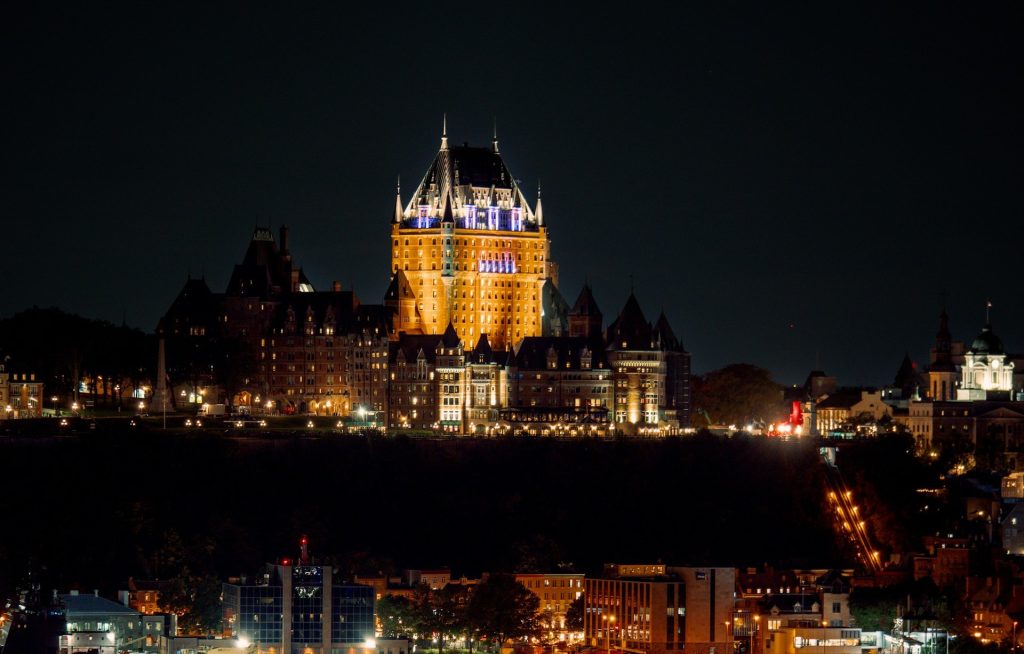
Québec City’s winter look remains strong, but the most famous holiday events can draw crowds that change the pace, especially on weekends when the old streets fill all at once. Walkways tighten, browsing becomes quick, and the best warm drinks come with lines that turn a simple stop into a wait in the cold, so the evening can start to feel like a series of small delays. When temperatures dip, indoor spaces fill fast, and the compact lanes amplify the noise, yet the calmer magic often lives nearby, in side streets, quiet stairways, and small cafés where a bowl of soup and a slow window seat bring back the city’s gentle, historic mood.
Hallstatt, Austria
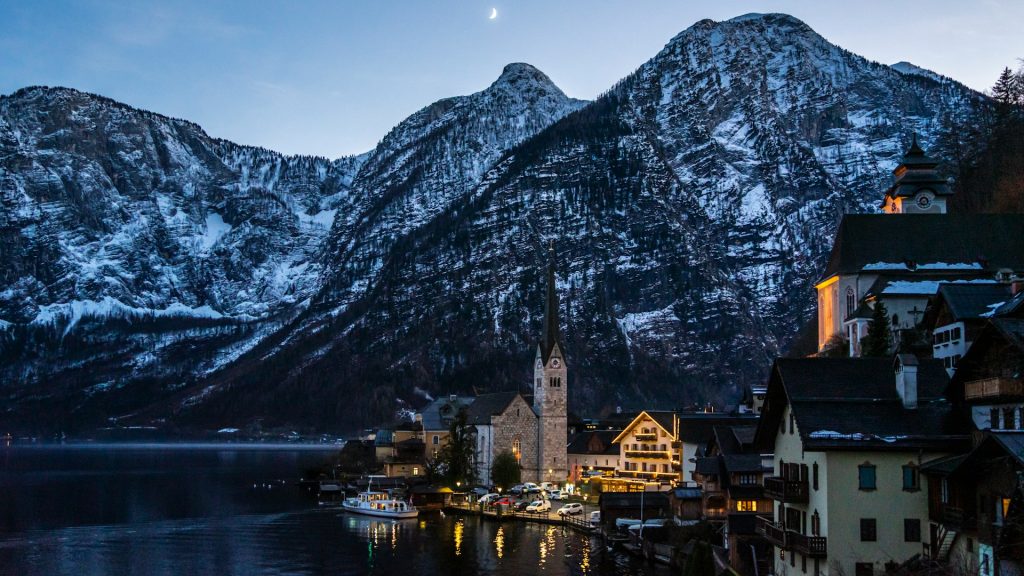
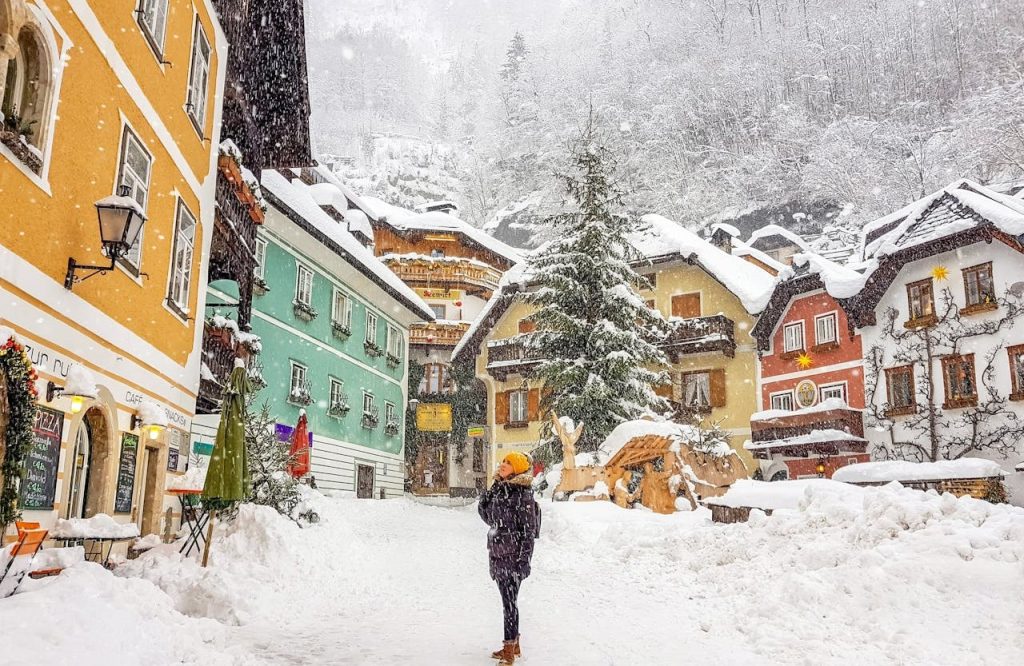
Hallstatt’s lake and mountains still deliver a beautiful winter scene, but holiday season can reduce the village to a short photo loop, with waves of visitors arriving and leaving on the same schedule. Day tours arrive in bursts, and the narrow lanes fill quickly, leaving little room for slow looking or a quiet coffee by the water, while viewpoints start to feel like timed stops. Shops lean toward quick purchases, and the calm alpine mood gets replaced by hurry, especially around midday, so the most peaceful hours tend to be sunrise, late afternoon, or a brief lake ride when the reflections return and the village feels less like a stage.