10 Destinations That Feel Accessible
Travel accessibility often reflects timing, infrastructure, and how smoothly a place accommodates everyday movement. Certain destinations consistently feel easier to navigate thanks to reliable transportation, scale, and balanced visitor flow. These places reduce friction without sacrificing depth, allowing exploration to feel natural rather than effortful. Walkable districts, clear signage, transit, and steady operations all contribute to that sense of ease. Across different regions, some cities and landscapes quietly excel at welcoming travelers without complexity. The following destinations stand out for feeling approachable, and comfortable, offering experiences that flow well and reward curiosity without demanding planning.
Copenhagen, Denmark
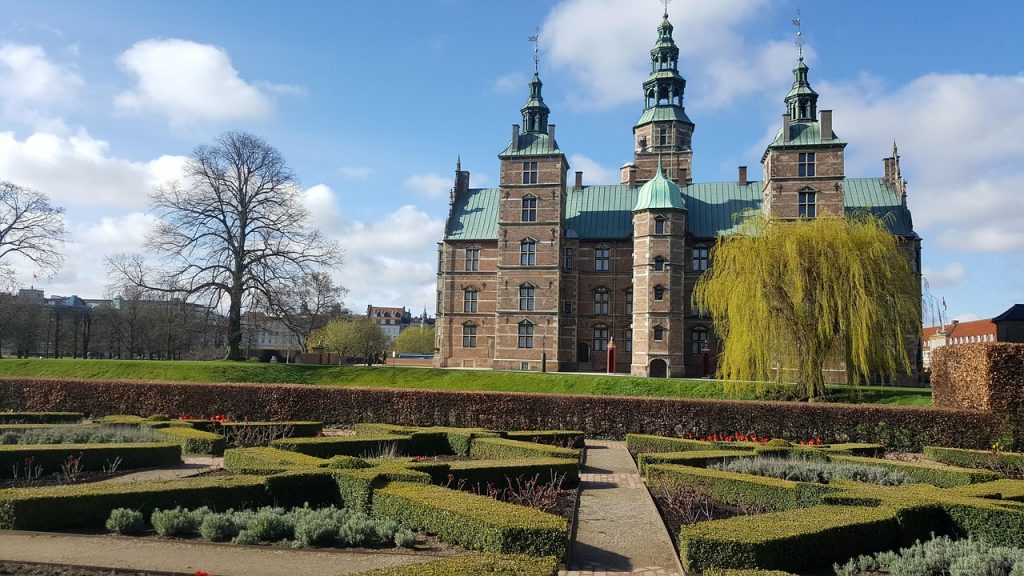
Copenhagen feels accessible through thoughtful urban design and efficient public systems. The city prioritizes cycling and pedestrian movement, intuitive routes across neighborhoods. Metro and train lines connect airports, and surrounding districts with clarity and reliability. English is widely spoken, reducing communication barriers for international visitors. Attractions, and cultural institutions cluster logically, limiting the need for complicated transfers. Seasonal operations remain consistent, supporting predictable schedules. Copenhagen’s compact layout allows exploration at an unhurried pace while maintaining excellent connectivity, making the city feel welcoming and straightforward from arrival through departure.
Amsterdam, Netherlands
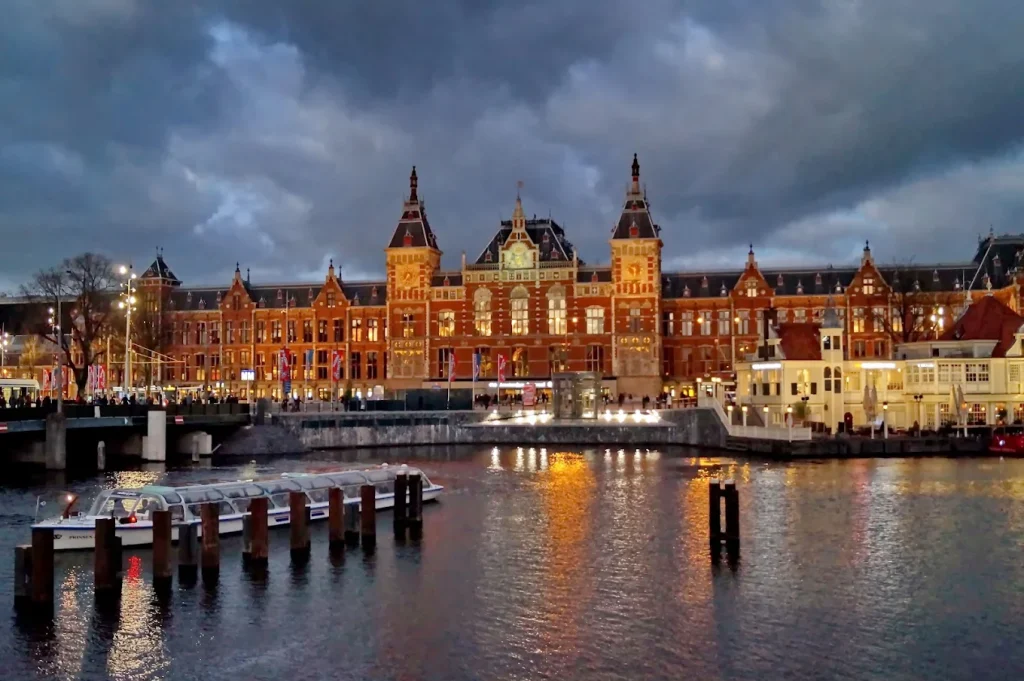
Amsterdam, Netherlands offers accessibility through its human scale and integrated transit network. Trams, buses, and trains operate cohesively, allowing seamless movement between districts and nearby towns. The city’s flat terrain supports walking and cycling, while clear signage aids orientation. Neighborhoods retain distinct identities yet remain closely linked, minimizing travel time. Cultural institutions, markets, and canals sit within reasonable proximity, encouraging spontaneous exploration. English proficiency is common, easing daily interactions. Amsterdam’s infrastructure balances historical preservation with efficiency, creating an environment where navigating the city feels intuitive rather than overwhelming.
Lisbon, Portugal
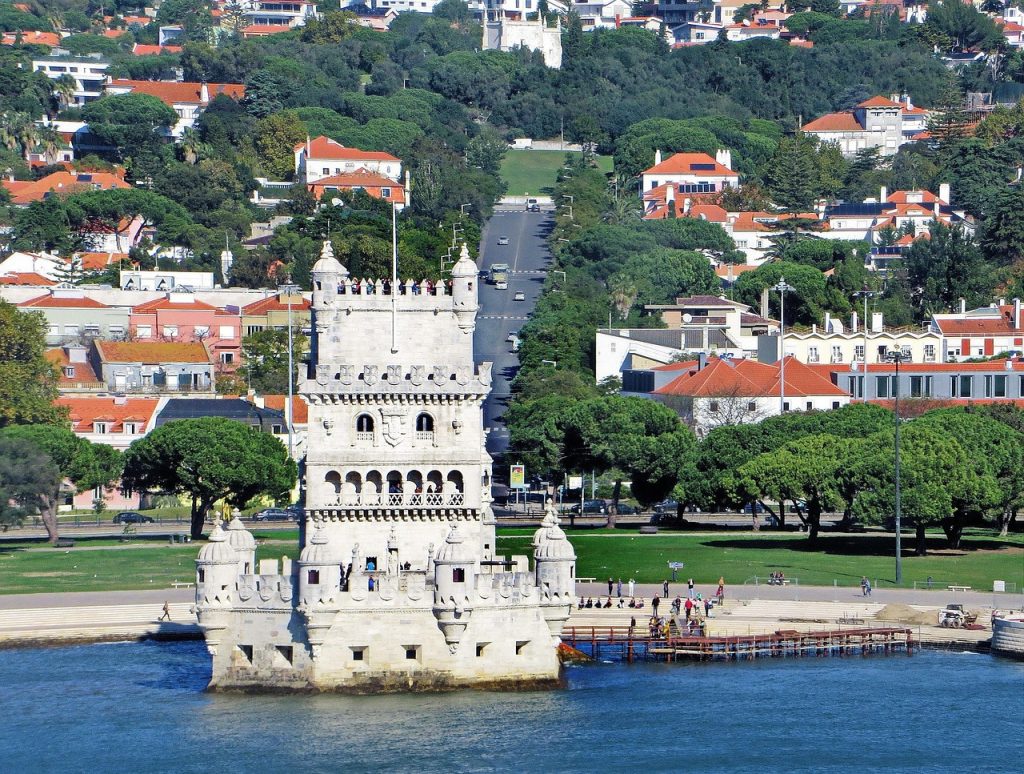
Lisbon, Portugal combines historic character with improving accessibility. While known for hills, the city supports movement through trams, elevators, funiculars, and an expanding metro system. Neighborhoods like Baixa offer flat, walkable streets, while transit bridges elevation changes efficiently. Major sites cluster along established routes, reducing navigation complexity. Signage and multilingual services assist visitors, and public transportation connects riverfront areas to cultural districts. Lisbon’s moderate size allows gradual exploration without long commutes. The city’s rhythm encourages flexibility, making daily movement manageable and helping travelers settle quickly into its pace.
Tokyo, Japan
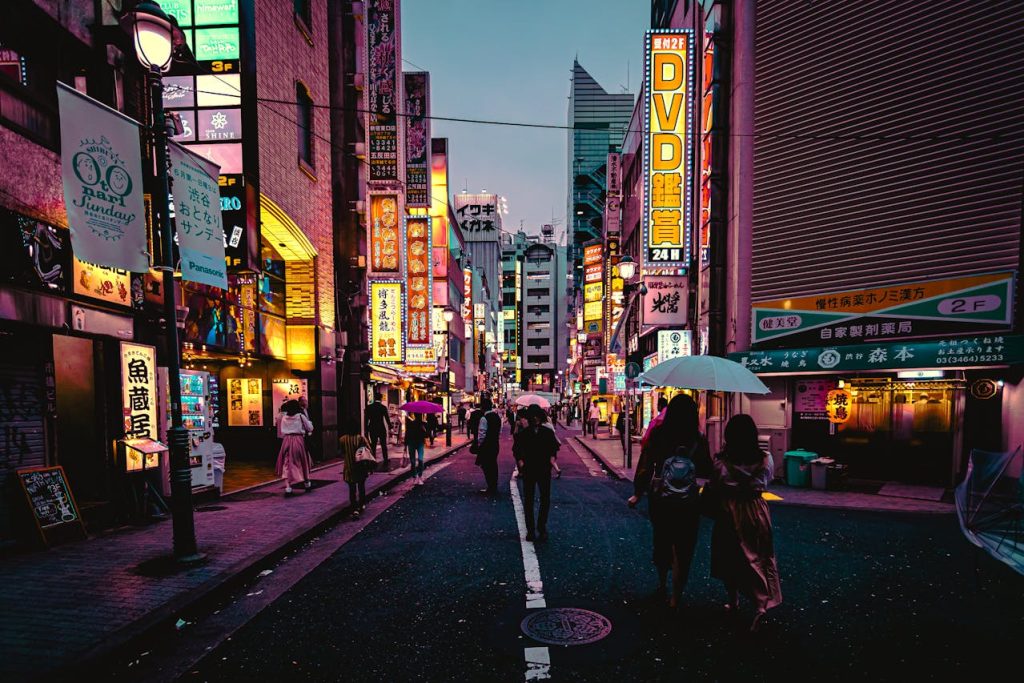
Tokyo, Japan feels accessible through precision, consistency, and clear organization. Despite its scale, the city’s rail network operates with remarkable reliability and intuitive structure. Stations provide multilingual signage, maps, and staff assistance, easing navigation for newcomers. Neighborhoods function like small cities, offering dining, shopping, and culture near transit hubs. Streets remain orderly, and pedestrian pathways are clearly defined. Services operate on dependable schedules, minimizing uncertainty. Tokyo’s commitment to clarity and efficiency transforms density into advantage, allowing smooth movement and confident exploration across diverse districts without unnecessary confusion or stress.
Vancouver, Canada

Vancouver, Canada feels accessible through its balance of urban planning and natural geography. The city center remains compact, with many attractions reachable on foot or by short transit rides. SkyTrain lines connect neighborhoods, the airport, and surrounding areas efficiently. Waterfront paths, and bike routes create continuous movement corridors. English serves as the primary language, simplifying communication. Cultural venues, dining districts, and green spaces integrate smoothly into daily life. Vancouver’s infrastructure supports gradual exploration, making transitions between city, water, and nature feel cohesive rather than complicated. Overall navigation remains simple, flexible, and welcoming across seasons citywide.
Barcelona, Spain

Barcelona, Spain offers accessibility through clear layout and strong public transportation. The Eixample grid provides straightforward navigation, while metro and bus lines connect historic and modern districts efficiently. Pedestrian zones encourage walking, and major landmarks align along logical routes. Signage and visitor services remain widely available, supporting orientation. Neighborhoods maintain distinct atmospheres without feeling isolated. The city’s scale allows exploration without extended travel times. Barcelona’s emphasis on public space and transit integration creates a setting where movement feels natural, supporting both planned itineraries and spontaneous wandering with equal ease.
Singapore
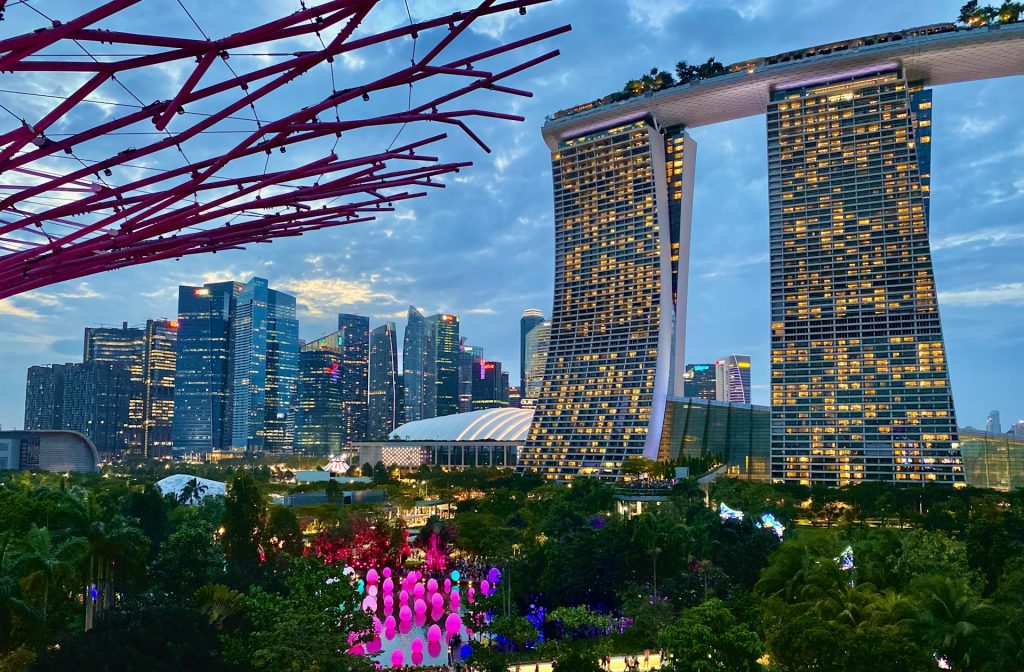
Singapore stands out for accessibility through meticulous planning and operational consistency. Mass Rapid Transit lines cover most districts, linking airports, residential areas, and attractions with clarity. Streets feature clear signage, pedestrian crossings, and sheltered walkways that support year round mobility. English functions as a primary language, easing navigation and communication. Public spaces remain orderly, and services operate predictably. Attractions cluster near transit hubs, reducing complexity. Singapore’s compact size and efficient systems create an environment where movement feels effortless, allowing focus to remain on cultural experiences rather than logistics.
Vienna, Austria
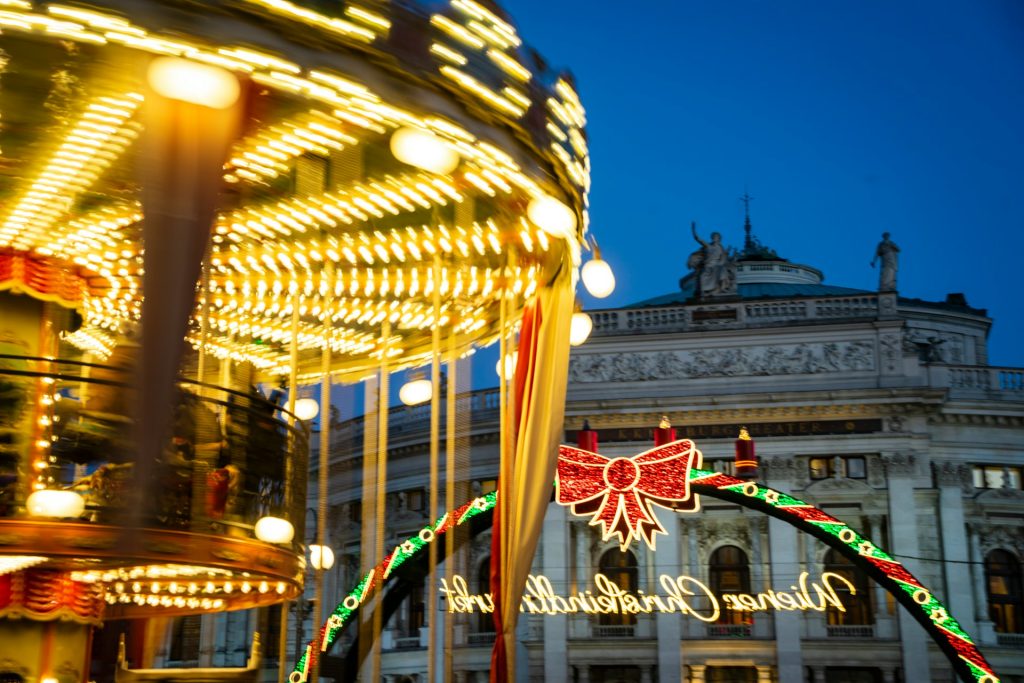
Vienna, Austria feels accessible through its refined transit network and cohesive urban design. Trams, subways, and buses interconnect seamlessly, serving both historic and modern areas. The city center remains highly walkable, with landmarks positioned close together. Clear signage and consistent schedules support easy navigation. Cultural institutions operate with predictable hours, reinforcing planning confidence. English proficiency among service workers adds clarity. Vienna’s blend of tradition and efficiency creates a calm, structured environment where exploring museums, neighborhoods, and public spaces feels organized rather than demanding. Overall movement feels intuitive, and reassuring across daily experiences.
San Diego, California
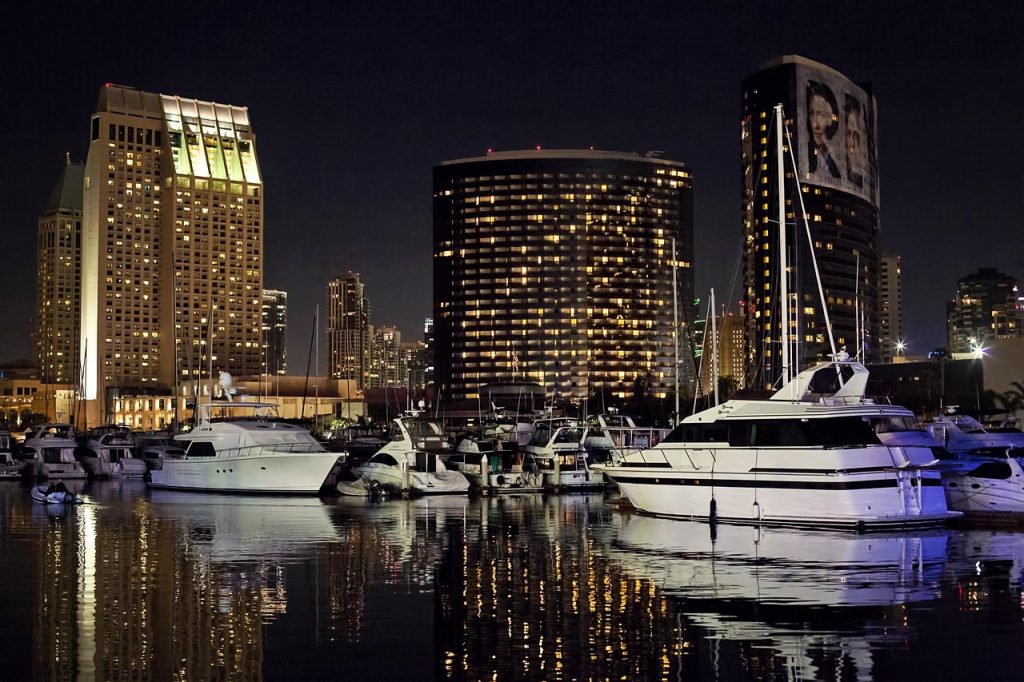
San Diego, California offers accessibility through relaxed infrastructure and favorable geography. Coastal neighborhoods, downtown districts, and cultural sites connect through highways and public transit routes that are straightforward to follow. The city’s layout spreads gradually, reducing congestion in central areas. English is universally spoken, simplifying interactions. Outdoor attractions operate year round, supporting consistent schedules. Beaches, parks, and museums integrate into daily life rather than standing apart. San Diego’s steady climate and navigable road network create a sense of ease, allowing exploration without constant adjustments or planning challenges.
Reykjavik, Iceland
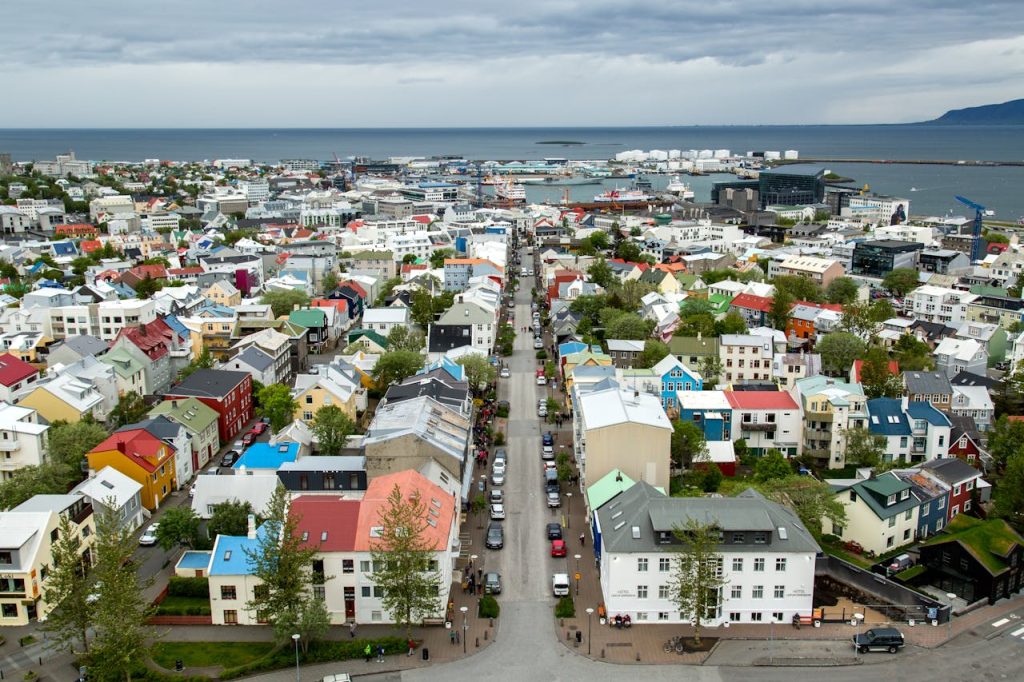
Reykjavik, Iceland feels accessible due to its compact scale and clear organization. The city center remains walkable, with shops, museums, and cultural venues clustered closely. Public buses operate reliably, and roads follow intuitive patterns. English is widely spoken, aiding communication and orientation. Day trips to nearby natural sites depart from easily reached points within the city. Services maintain consistent hours despite seasonal changes. Reykjavik’s manageable size and straightforward layout reduce complexity, allowing visitors to navigate urban life and surrounding landscapes with confidence and minimal logistical strain. Overall navigation feels calm, logical, and supportive throughout travel stage.