10 Destinations That Get Better Once School Is Back in Session
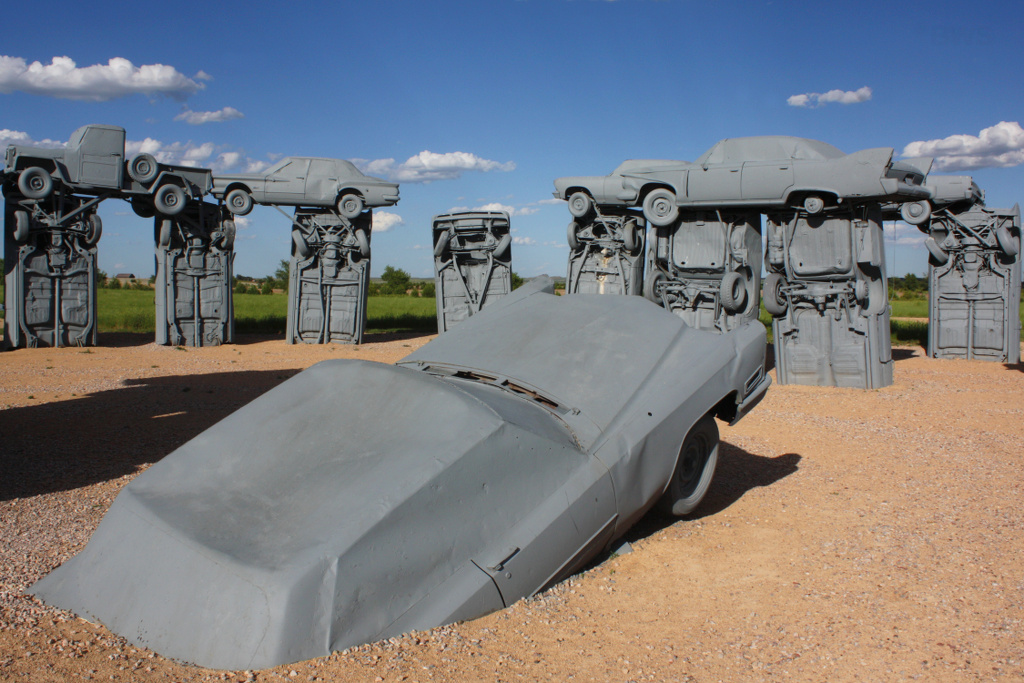
Travel patterns change noticeably once school schedules resume, reshaping demand across popular destinations worldwide. Family vacations decline, crowds thin, and pricing often softens in response. Attractions remain open, weather stays favorable in many regions, and daily rhythms slow into more manageable flows. Restaurants, hotels, and tour operators adjust expectations, creating calmer experiences for travelers with flexible timing. This seasonal transition rewards those who travel outside traditional breaks. These destinations demonstrate how returning classrooms transform places once packed with noise and lines into settings defined by space, accessibility, and renewed local character during early autumn weeks.
Lake Tahoe
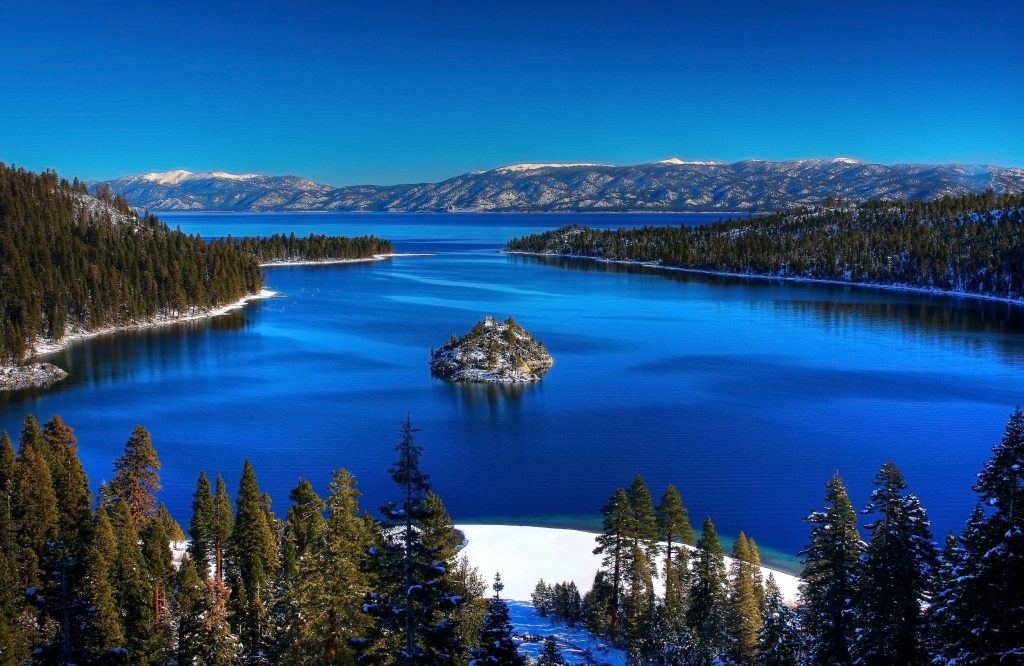
Lake Tahoe improves once school returns because summer crowds quickly disappear. Family beach traffic drops across both California and Nevada shores. Trails feel quieter, and parking becomes easier. The lake remains warm enough for swimming, while hiking conditions stay ideal. Restaurants operate fully but without long waits. Scenic drives feel relaxed again. The shoulder season highlights Tahoe’s natural beauty without congestion, allowing visitors to enjoy clear water, alpine air, and outdoor recreation at a calmer pace before winter tourism reshapes pricing and availability during early fall months annually. Photographers appreciate softer light, empty overlooks, and peaceful mornings everywhere.
Cape Cod
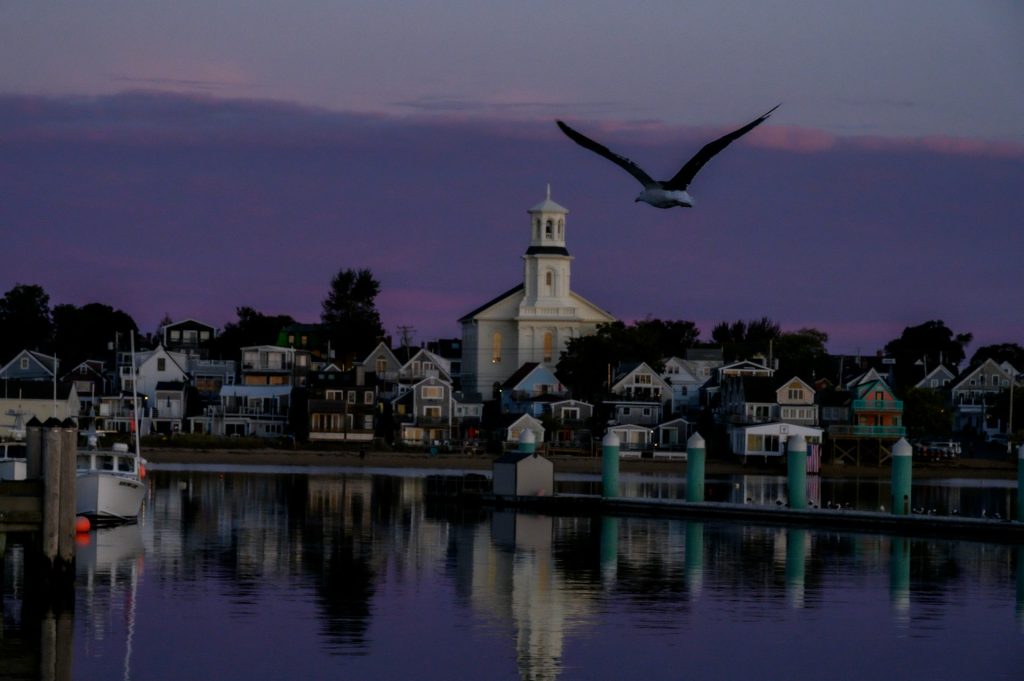
Cape Cod becomes more appealing after schools reopen and summer vacationers depart. Family beach rentals empty quickly, easing pressure on hotels and inns. Rates soften throughout September. Beaches remain open and far less crowded. Ocean temperatures stay comfortable briefly. Restaurants continue full service with easier reservations. Town centers feel calmer. Biking paths and coastal walks become more enjoyable. This period reveals Cape Cod’s quieter charm, where maritime scenery, historic villages, and relaxed pacing replace the hectic energy that defines peak summer weeks during early fall travel season, especially for couples and retirees seeking value stays. Local festivals and harvest events quietly enrich visits without overwhelming.
Orlando
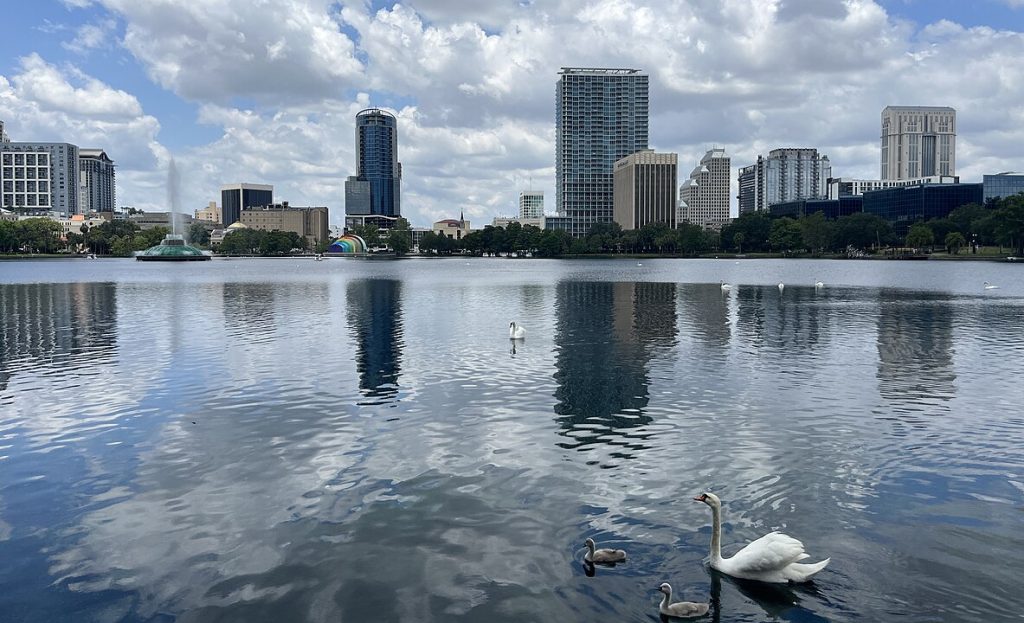
Orlando feels less overwhelming once school resumes nationwide. Theme park crowds shrink noticeably during weekdays. Families stop traveling in large numbers. Hotel prices drop outside holiday weekends. Dining reservations become easier. Transportation lines shorten. Weather remains warm, though slightly less humid. Attractions operate normally without peak congestion. Visitors experience smoother logistics and calmer pacing. The destination shifts from high intensity vacation hub to manageable leisure city, allowing travelers to enjoy parks, resorts, and entertainment with reduced stress and improved value across late summer and early fall months following traditional academic calendar returns annually nationwide again.
Paris
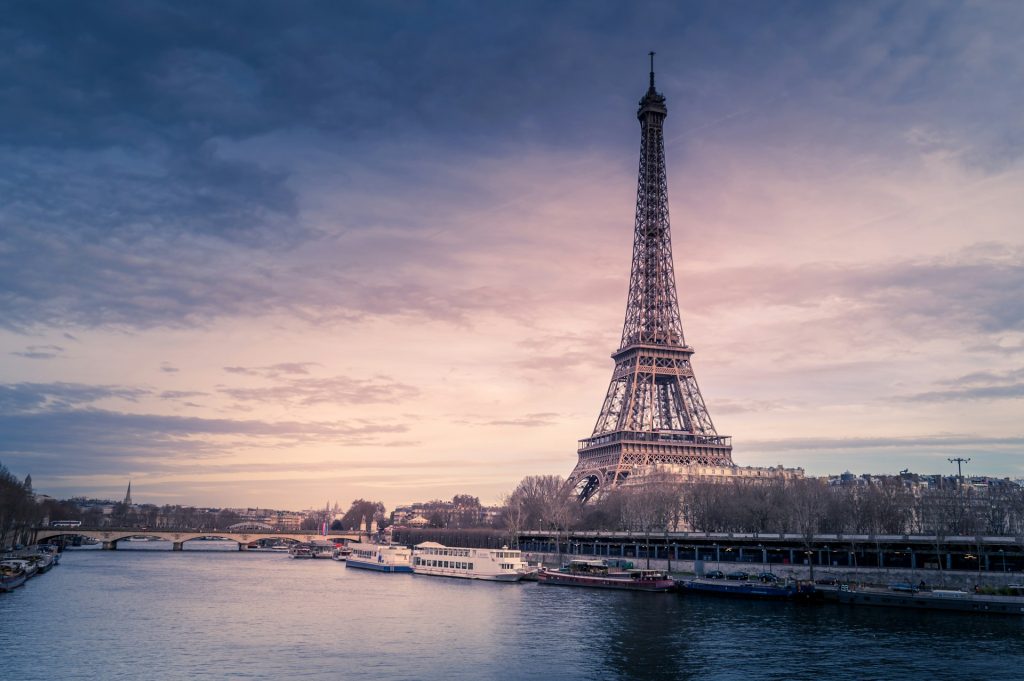
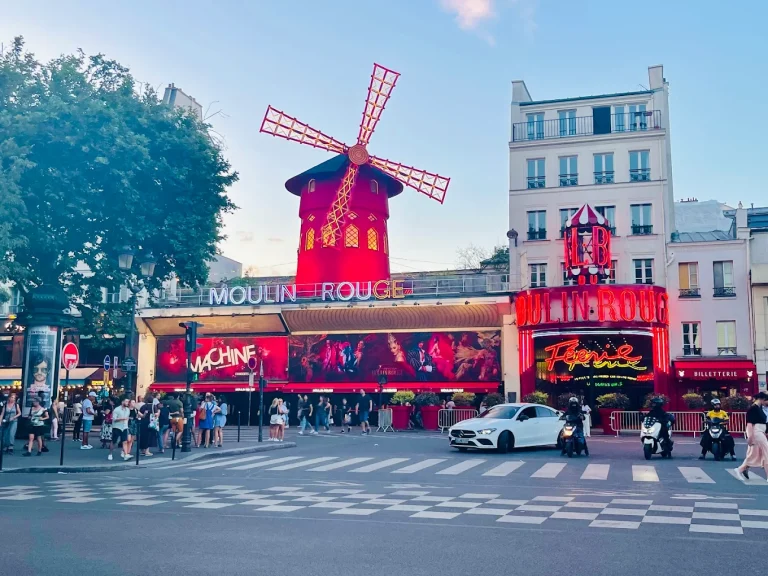
Paris becomes more enjoyable after European schools return to session. August crowds thin dramatically. Local residents reclaim neighborhoods. Hotels lower rates slightly. Museums remain fully open with shorter lines. Cafés feel less rushed. Public transportation becomes manageable. Cultural events continue without peak tourism pressure. The city’s rhythm returns to everyday life. Travelers encounter Paris as a lived-in place rather than an attraction, where strolling streets, visiting galleries, and dining locally feels more authentic and accessible during the early fall shoulder season for international visitors seeking calmer pacing, better service, and cultural immersion opportunities annually again.
Rome
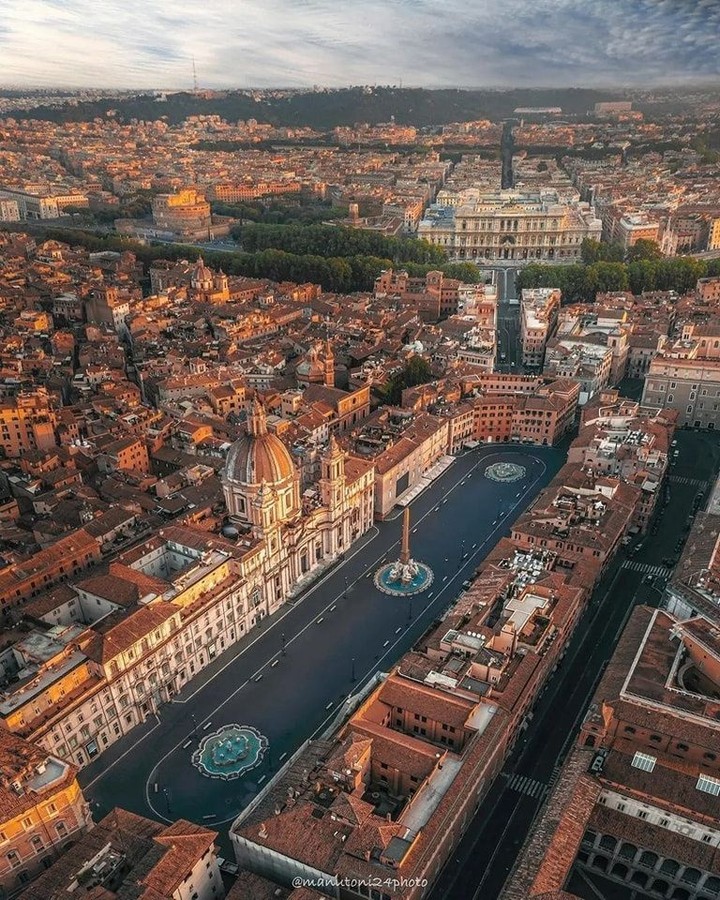
Rome improves noticeably once school schedules resume across Europe and North America. Summer heat remains, but crowds decrease. Major landmarks feel less congested. Hotels adjust pricing to fill rooms. Guided tours operate with smaller groups. Dining becomes easier without long waits. Public spaces feel calmer. Locals reclaim plazas. The city’s layered history becomes easier to appreciate. Travelers move through ruins, churches, and neighborhoods with greater comfort and flexibility during September, when cultural life continues but mass tourism subsides following school calendar shifts that influence international travel demand, accommodation availability, and pricing patterns seasonally each year.
Barcelona
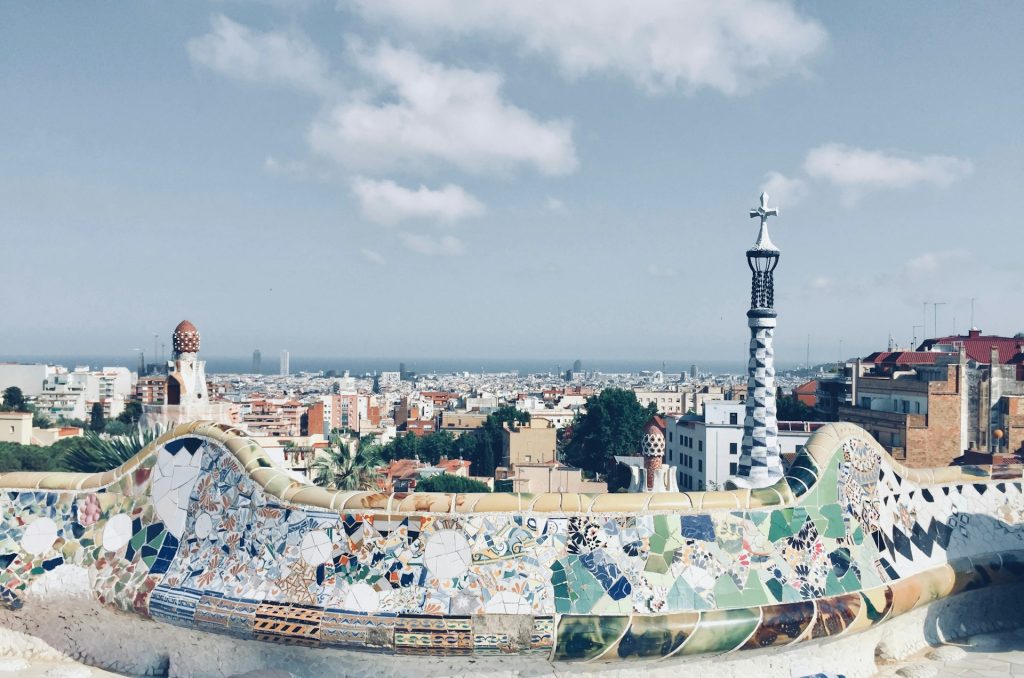
Barcelona feels more relaxed once school vacations end across Europe. Beach crowds thin quickly. Hotels lower rates outside festival periods. Restaurants become easier to access. Transit congestion eases. Cultural attractions remain open. Neighborhoods feel more local again. Warm weather continues into fall. Travelers experience the city’s architecture, food, and coastline without summer intensity. This timing highlights Barcelona’s everyday rhythm, balancing tourism and local life more evenly during September and October when international travel patterns shift after peak season ends, offering better value, quieter streets, improved service, and relaxed coastal experiences for visitors annually again each.
Yosemite National Park
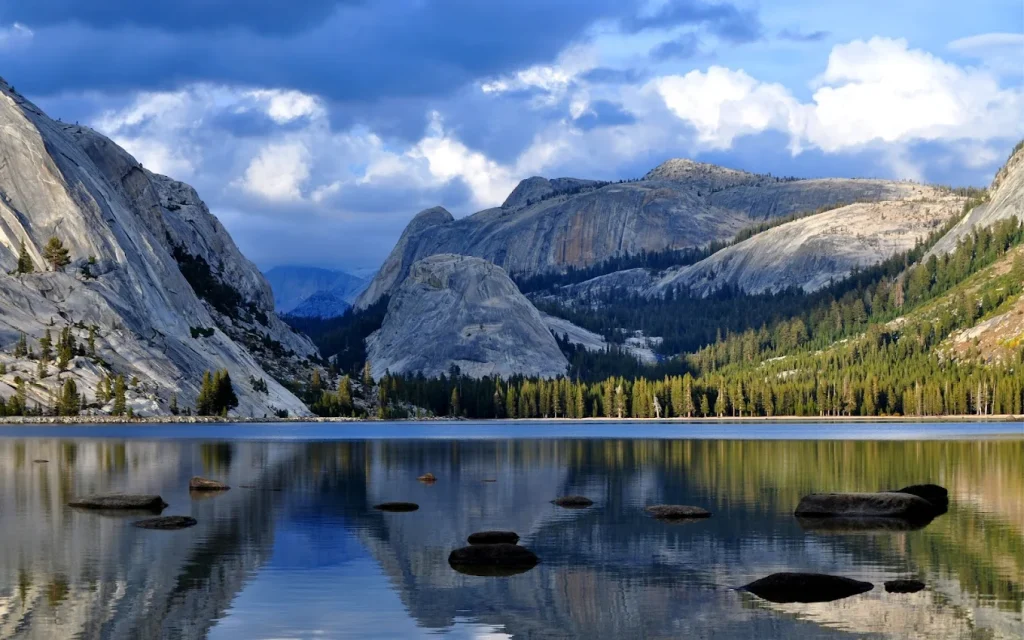
Yosemite National Park becomes calmer once schools return to session. Summer family road trips decline sharply. Traffic congestion eases inside the valley. Campgrounds and lodges regain availability. Hiking trails feel less crowded. Wildlife appears more frequently. Weather remains stable through early fall. Park services continue operating. Visitors enjoy scenery without constant delays. This seasonal shift allows deeper engagement with Yosemite’s landscapes, offering quieter mornings, easier parking, and improved access to iconic viewpoints before winter conditions arrive following summer vacation departures, especially during September, when demand drops, staffing stabilizes, and visitor experience improves significantly.
Yellowstone National Park
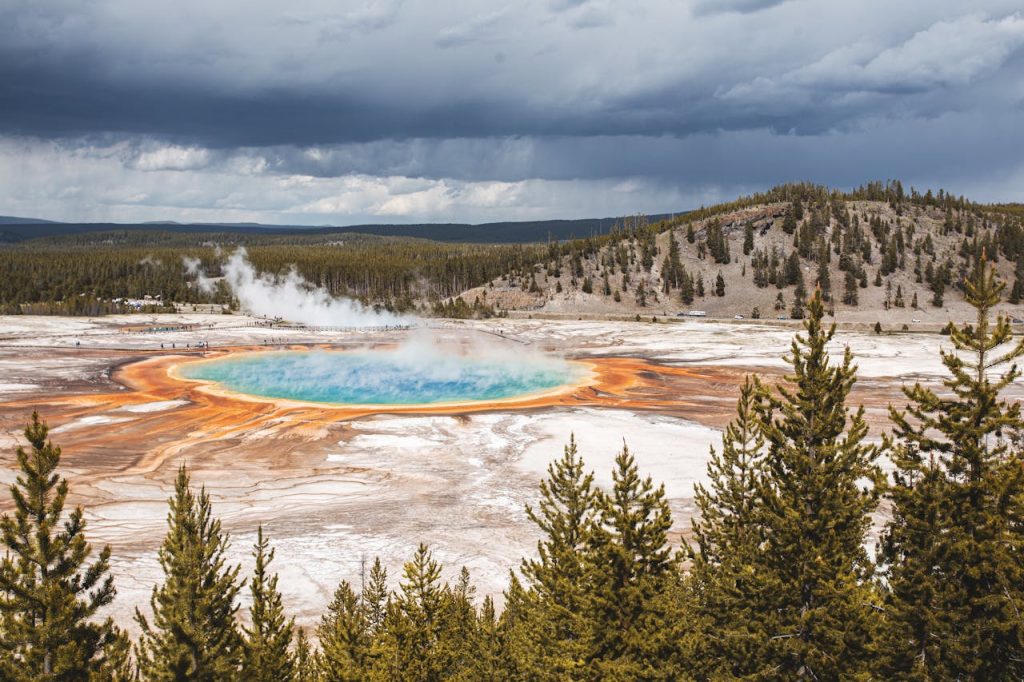
Yellowstone National Park improves after school schedules resume nationwide. Family travel declines noticeably. Traffic decreases across park roads. Lodging availability increases. Wildlife viewing improves as noise fades. Thermal features feel less crowded. Rangers manage smaller visitor volumes. Early fall weather remains favorable. Visitors explore geysers and valleys with fewer interruptions. This period reveals Yellowstone’s natural rhythms, offering quieter boardwalks, clearer sightlines, and stronger wildlife encounters before winter closures and snow reshape access following summer peak, benefiting photographers, hikers, and wildlife observers seeking space, calm, and safer viewing conditions.
New York City

New York City becomes easier to navigate once school resumes. Summer tourism slows slightly. Hotel rates soften outside major events. Popular attractions feel less crowded. Broadway remains active. Restaurants offer better availability. Public spaces feel calmer. Residents return to routines. Cultural programming continues steadily. Travelers experience neighborhoods more authentically. The city’s intensity moderates, allowing visitors to explore museums, parks, and streets with improved pacing and reduced congestion during early fall weeks following summer vacation season, especially in September, when business travel returns, yet leisure crowds remain manageable for sightseeing, dining, walking, and exploration comfortably overall.
Maui
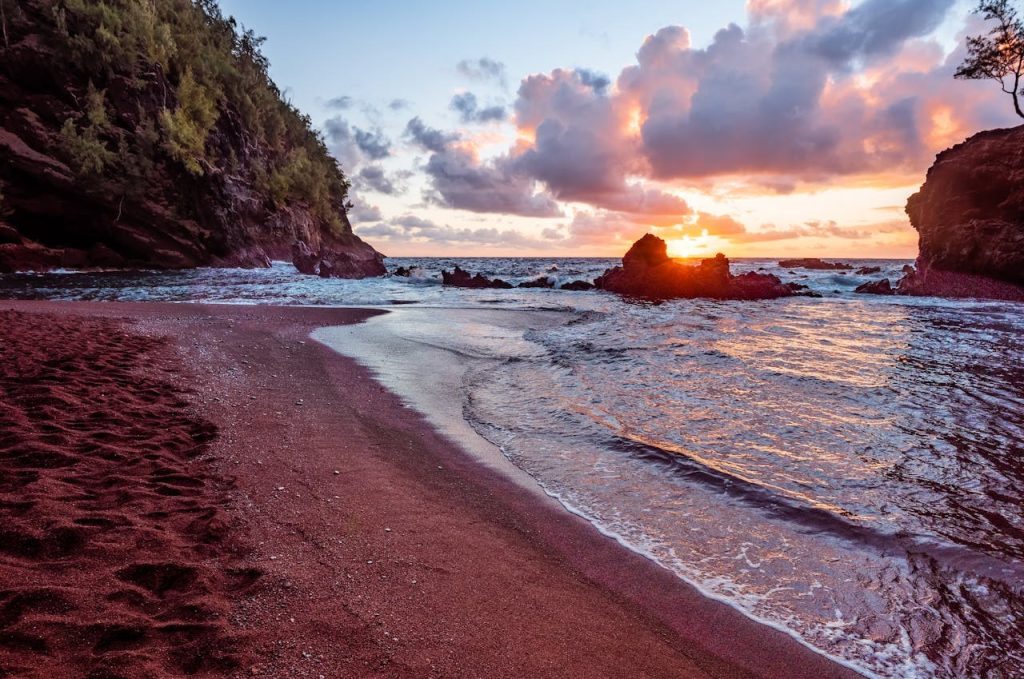
Maui becomes more accessible once mainland schools return to session. Family travel drops after summer. Resorts lower rates to attract couples. Beaches feel less crowded. Snorkeling conditions remain strong. Road traffic eases. Restaurants accommodate walk-ins more easily. Weather stays consistent. Visitors enjoy a slower island pace. This period highlights Maui’s natural appeal, where ocean activities, hiking, and cultural experiences feel more personal without peak season congestion dominating daily life following school calendar changes, especially during September and October, when airfare also decreases, crowds thin, and accommodations feel relaxed and welcoming for travelers seeking value stays.