10 Destinations Where Americans Must Plan Every Detail

Travel logistics consultants and luxury expedition planners warn that the age of spontaneous exploration has effectively closed for some of the world’s most coveted locations. While digital nomadism and last-minute booking apps have made some travel easier, a specific tier of destinations now requires preparation timelines measured in years rather than weeks. Industry experts emphasize that these locations are defined by strict regulatory frameworks, fragile ecosystems with hard capacity caps, and complex entry requirements that demand meticulous attention to detail.
Diplomatic officials and conservationists note that these barriers are intentional designs meant to protect heritage sites and indigenous cultures from the destructive effects of overtourism. Navigating the bureaucratic labyrinth of permits, visas, and mandatory guide associations is now the price of admission for visiting these exclusive zones. For the American traveler accustomed to visa-on-arrival convenience and self-guided freedom, these ten destinations represent a rigorous test of organizational patience and foresight.
Antarctica
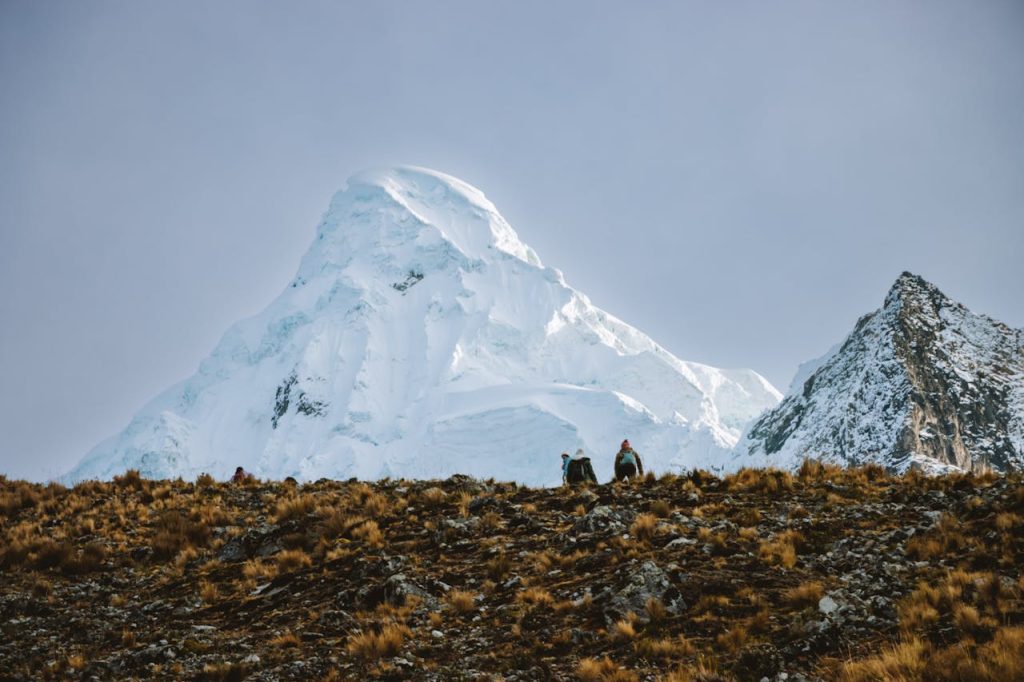
Expedition leaders and members of the International Association of Antarctica Tour Operators emphasize that visiting the White Continent is a logistical undertaking that begins up to two years before departure. The strict environmental protocols governing the region mean that ships have rigid passenger limits and landing slots that are coordinated to the minute to prevent overcrowding at sensitive wildlife sites. Travelers must secure their berths on these vessels well in advance as the limited season from November to March sees global demand that far outstrips the available capacity.
Polar logistics experts explain that the planning extends beyond simple ticket purchasing to include complex medical clearances and mandatory gear acquisition. The remoteness of the destination means that evacuation insurance is non-negotiable and must meet specific coverage thresholds set by operators. Biological security protocols require visitors to meticulously clean all clothing and equipment to prevent the introduction of invasive species which turns packing into a regulated procedure rather than a simple chore.
Bhutan
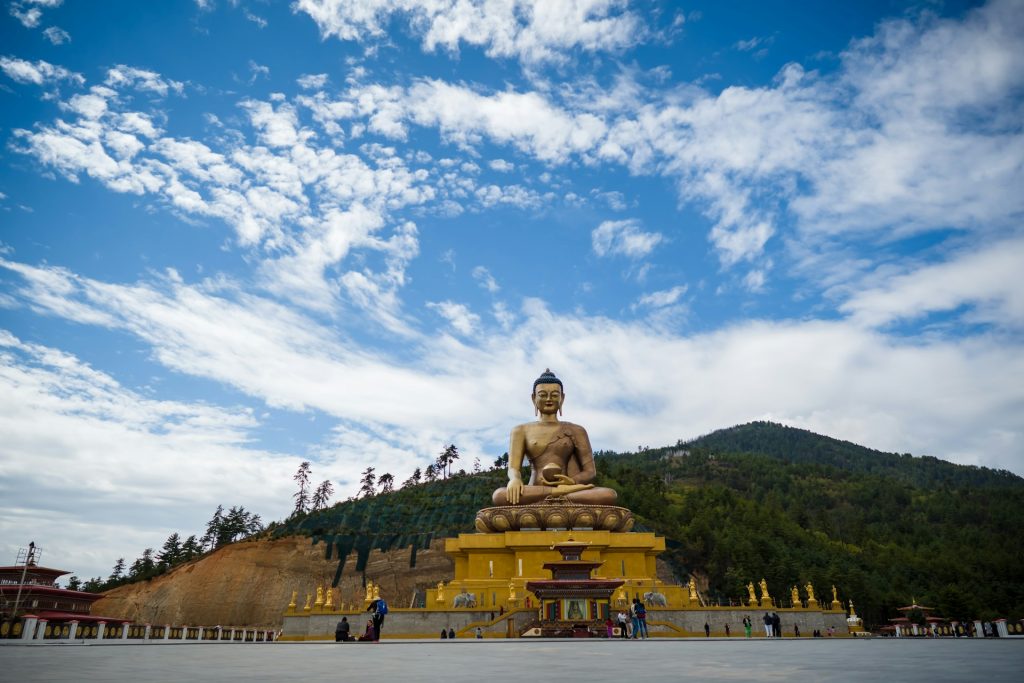
Tourism council officials in Thimphu maintain a “High Value, Low Volume” tourism policy that fundamentally dictates the visitor experience. Independent travel in the traditional Western sense is not permitted for most visa categories. Visitors must book their entire trip through an authorized tour operator who arranges the mandatory guide, driver, and accommodation before a visa is even issued. This structure ensures that every movement within the kingdom is accounted for and aligns with the national goal of cultural preservation.
Financial planners and travel advisors highlight the Sustainable Development Fee as a critical budget component that must be paid for every night spent in the country. This daily levy is collected by the government to fund free education and healthcare for citizens. The requirement to prepay for the entire itinerary including the fee means that changing plans once inside the country is administratively difficult and financially punitive.
Machu Picchu In Peru
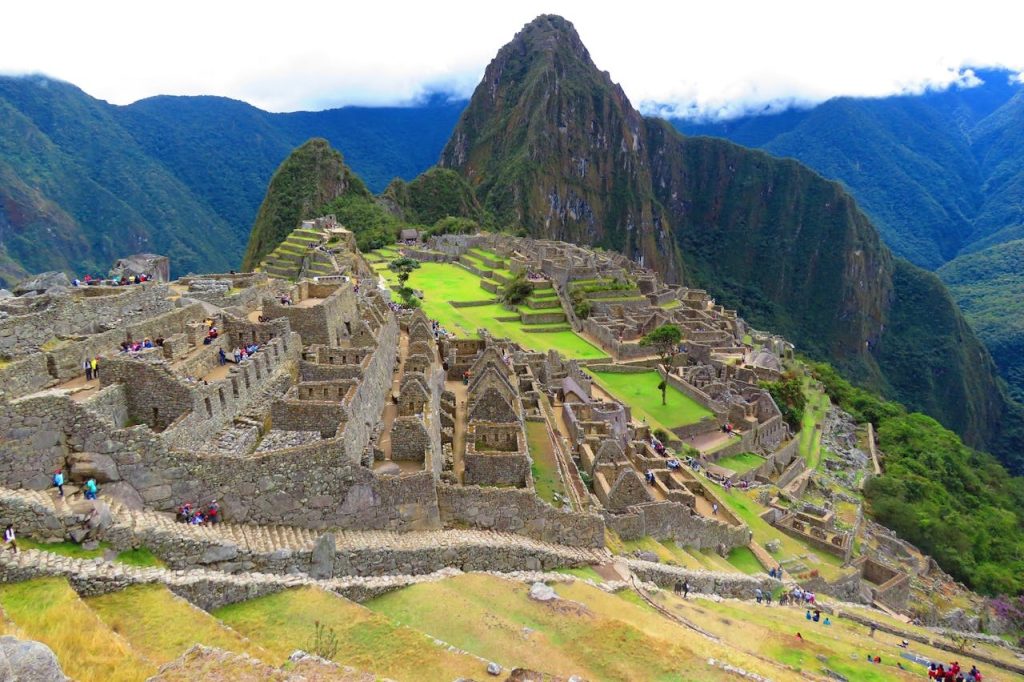
Heritage preservationists and Ministry of Culture officials have implemented a labyrinthine ticketing system for the Incan citadel to mitigate the physical degradation of the ruins. The site is divided into specific circuits that restrict movement to one-way paths with no backtracking allowed. Archaeologists note that visitors must choose their specific route and entry time months in advance as tickets for the popular circuits often sell out immediately upon release.
Transport logistics experts warn that securing an entrance ticket is only half the battle as train tickets from Cusco or Ollantaytambo to Aguas Calientes must also be coordinated perfectly. The separate bus ticket required to ascend from the town to the ruins adds another layer of complexity. Travelers who fail to align these three distinct bookings risk being stranded at the base of the mountain without legal access to the site.
Volcanoes National Park In Rwanda
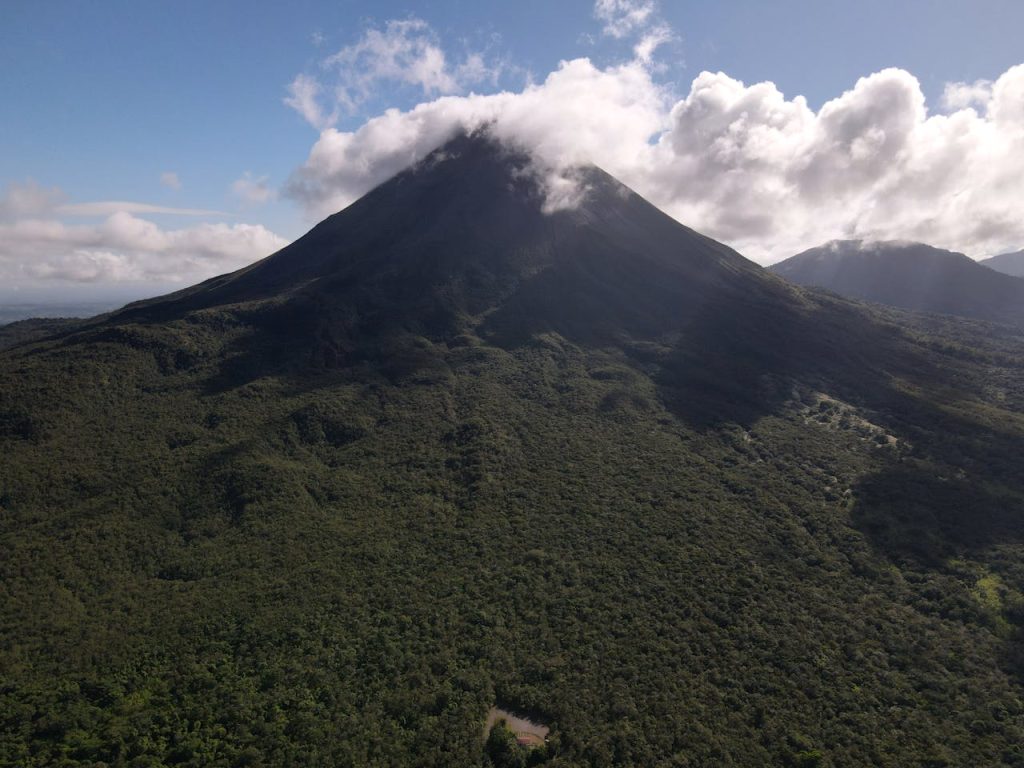
Primatologists and conservation officers enforce a strict quota system for mountain gorilla trekking to protect the health of the habituated families. With a limited number of permits issued daily, demand consistently exceeds supply. Safari operators advise that securing these permits often requires booking a year in advance particularly for the dry seasons. The high cost of the permit itself necessitates wire transfers and secure payments that must be completed long before arrival.
Veterinary experts emphasize that the trek itself is subject to rigorous health protocols to prevent the transmission of human diseases to the primates. Travelers must be prepared to wear masks and maintain specific distances while navigating dense jungle terrain. The entire experience is a tightly choreographed interaction where the movements of the visitor are directed by rangers to ensure the safety of both humans and gorillas.
Galápagos Islands In Ecuador
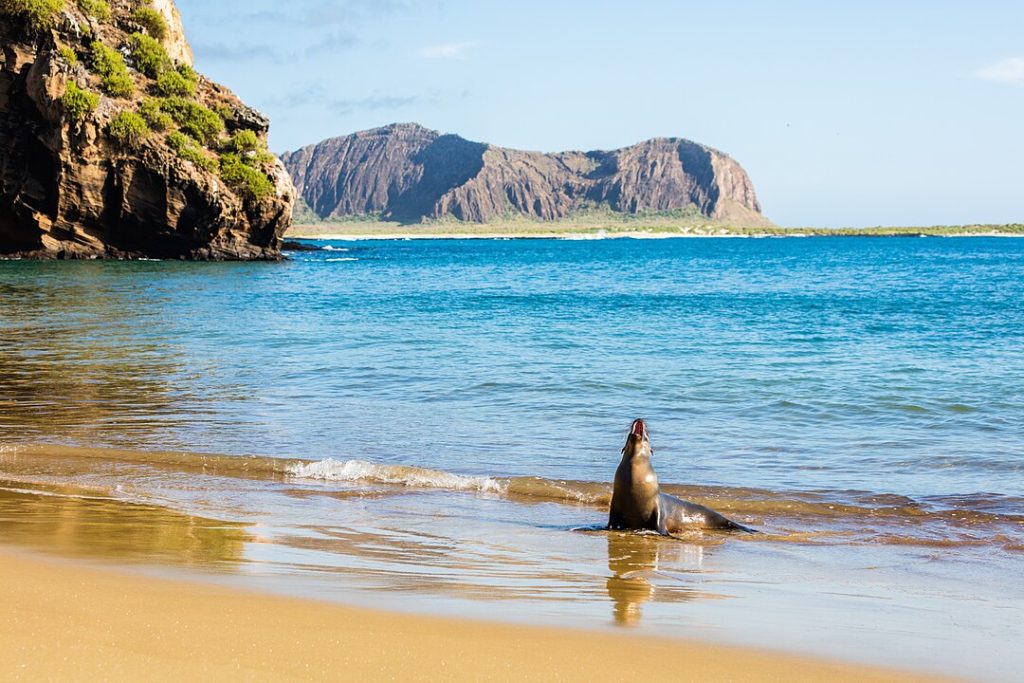
Marine biologists and national park rangers manage the Galápagos archipelago with a rigid itinerary system designed to disperse visitor impact. Cruise ships and tour boats are assigned specific two-week schedules that dictate exactly which islands they can visit and when. Travel agents note that this system means travelers cannot simply choose a boat and go where they please but must select a departure date that aligns with their specific wildlife viewing priorities.
Biosecurity officers enforce strict luggage screening procedures at airports in Quito and Guayaquil before travelers even board the flight to the islands. The Transit Control Card is another bureaucratic hurdle that must be managed prior to departure. Once on the islands, visitors must remain with their naturalist guide at all times within the protected areas which eliminates the possibility of independent hiking or exploration.
Havasupai Falls In Arizona
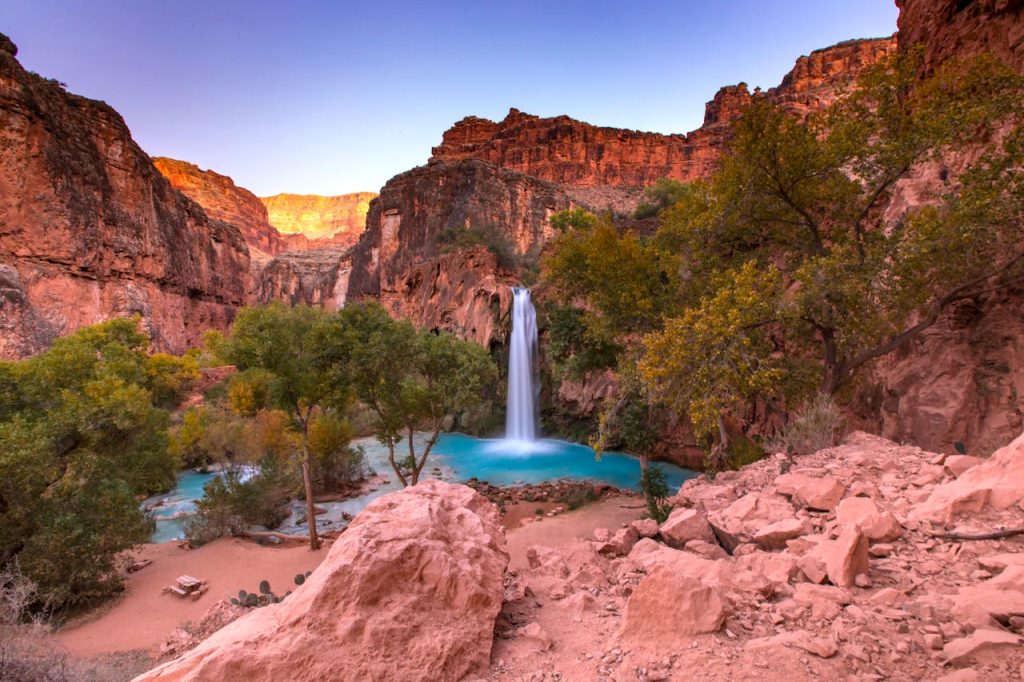
Tribal council members of the Havasupai Tribe operate a highly competitive lottery system for access to their remote canyon lands. The campground and lodge reservations for the entire year are typically claimed within minutes of the opening of the online portal. Wilderness experts warn that there is no day-hiking allowed and showing up at the trailhead without a reservation results in being turned away by checkpoints on the road.
Safety consultants emphasize the physical preparation required for the ten-mile hike into the canyon which involves packing all necessary food and camping gear. The tribe strictly enforces a pack-it-in pack-it-out policy that requires hikers to carry their own trash back up the steep switchbacks. The remoteness of the village of Supai means that medical services are limited so visitors must be self-sufficient and physically capable of handling the strenuous desert conditions.
Tibet Autonomous Region
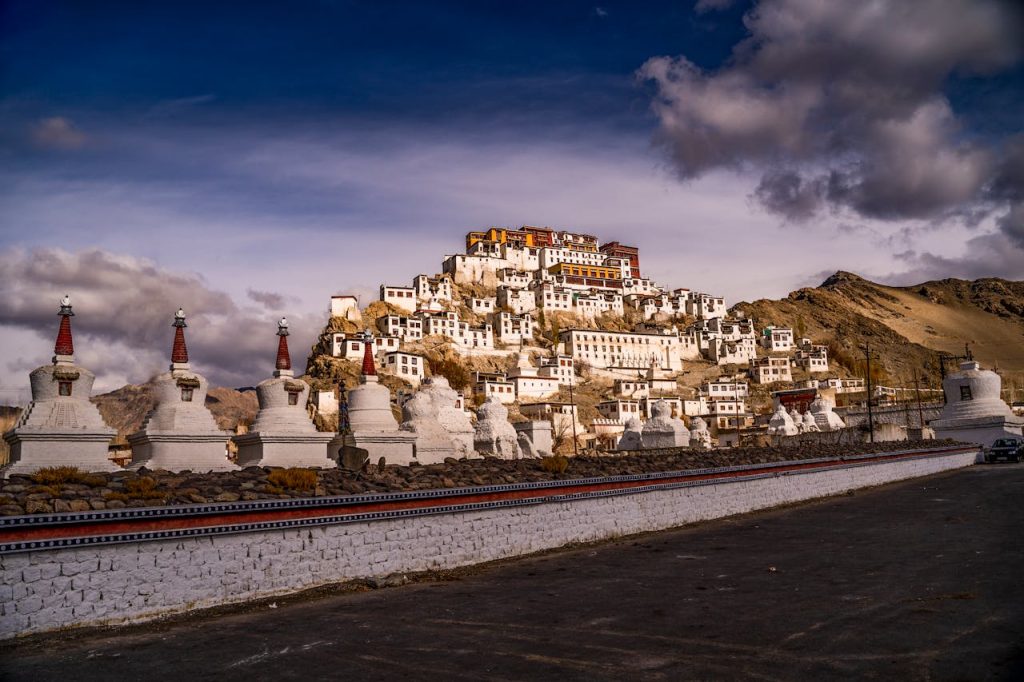
Political analysts and regional travel specialists advise that visiting Tibet requires navigating a complex web of Chinese government regulations. Foreign travelers must obtain a Tibet Travel Permit in addition to a standard Chinese visa. Security officials stipulate that this permit can only be applied for by a registered travel agency which also arranges the mandatory guide and driver for the duration of the stay.
Logistics coordinators note that the permit is tied to a specific itinerary that details every town and monastery to be visited. Deviating from this approved plan is generally not permitted and can lead to legal issues for both the traveler and the agency. The permits are often checked at multiple police checkpoints along the highways which reinforces the need for absolute adherence to the pre-arranged schedule.
Torres del Paine National Park In Chile
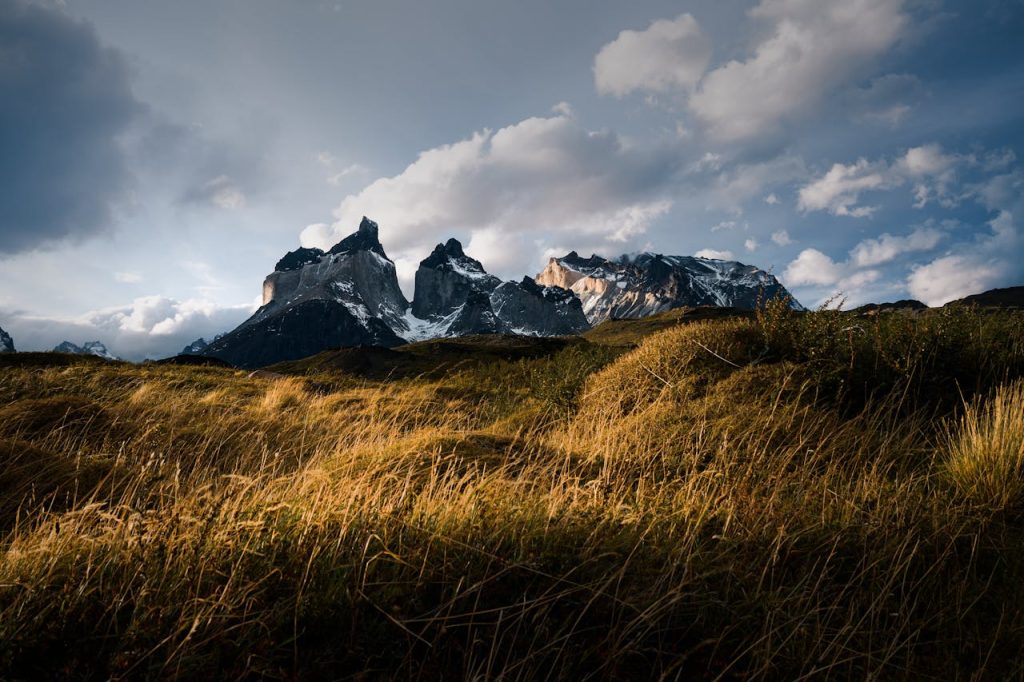
Park rangers and wilderness managers in Patagonia have instituted a mandatory reservation system for all campsites and refugios along the famous W and O treks. Hiking experts warn that the days of pitching a tent wherever one pleases are long gone. The campsites are managed by different private companies and the government which forces trekkers to navigate multiple booking platforms to piece together a coherent route.
Search and rescue teams emphasize that hikers without valid reservations for each night of their trek are not permitted to pass control points on the trails. The extreme weather conditions of the region require precise packing and logistical planning. Travelers must often book their bus transport from Puerto Natales and their campsite slots six months in advance to ensure a seamless expedition through the granite peaks.
Lord Howe Island In Australia
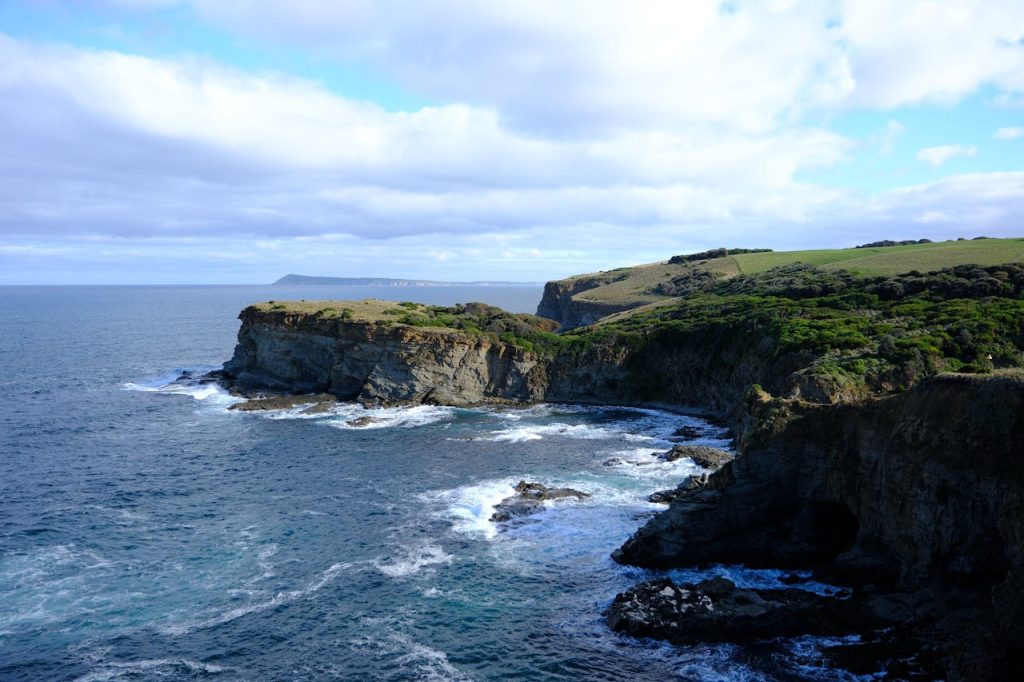
Environmental monitors and island board administrators enforce a strict cap of four hundred visitors at any one time to preserve the unique ecosystem of this World Heritage site. This limit creates a natural bottleneck where accommodation availability dictates the ability to visit. Travel planners explain that flights to the island cannot be booked until a confirmed bed is secured which prevents day-tripping and overcrowding.
Marine conservationists note that the island operates with high biosecurity standards to protect its endemic species. Visitors must subject their gear to cleaning and inspection to prevent the introduction of pathogens or pests. The bicycle-centric culture of the island also requires reserving bikes in advance as the limited supply can run out during peak holiday periods.
The Wave In Arizona

Bureau of Land Management officials oversee one of the most exclusive hiking lotteries in the United States for the fragile sandstone formation known as The Wave. Geologists explain that the soft rock is easily damaged by foot traffic which necessitates a limit of just sixty-four people or twenty groups per day. The lottery system is divided into an advance online draw and a daily geofenced mobile lottery that requires travelers to be physically present in the area.
Rangers emphasize that the area is unpatrolled wilderness with no marked trails which requires permit holders to possess strong navigation skills. The permit is valid only for the specific date and group size listed. The intense competition for these permits means that many hikers spend years entering the lottery before successfully securing the legal right to walk through the iconic vermilion swirls.