10 Destinations Where Americans Must Travel Differently In 2026
Security consultants and international logistics experts emphasize that the global travel landscape in 2026 is defined by a shift from passport-only entry to a complex suite of digital authorizations. While Americans have long enjoyed nearly unfettered global mobility, diplomatic reciprocity and new security frameworks now require meticulous pre-travel planning. The rollout of regional electronic waivers and the enforcement of biometric tracking systems mean that spontaneity is increasingly replaced by a mandatory digital paper trail.
Diplomatic officials and travel risk analysts note that these new rules are designed to streamline border security and manage the physical impact of mass tourism on fragile heritage sites. For travelers accustomed to visa-on-arrival convenience, these changes represent a fundamental shift in how international journeys are executed. Understanding the specific documentation and fee requirements for these ten destinations is now the primary responsibility of every traveler hoping to avoid boarding denials or entry complications.
The Schengen Area In Europe

European security analysts and border officials have fully implemented the European Travel Information and Authorisation System (ETIAS) for all visa-exempt travelers, including American citizens. This digital waiver is not a traditional visa but a mandatory security screening that must be completed online before departure. Infrastructure experts note that the ETIAS works in tandem with the new Entry-Exit System (EES), which replaces manual passport stamping with biometric facial and fingerprint recognition at thirty participating countries.
Travelers must apply for this authorization via the official portal at least ninety-six hours before their flight to ensure processing is complete. Security experts advise that once granted, the ETIAS is electronically linked to the passport and remains valid for three years or until the passport expires. Failure to obtain this digital clearance will result in an automatic denial of boarding at the airport, as airlines are now legally required to verify the authorization through a centralized database before departure.
The United Kingdom
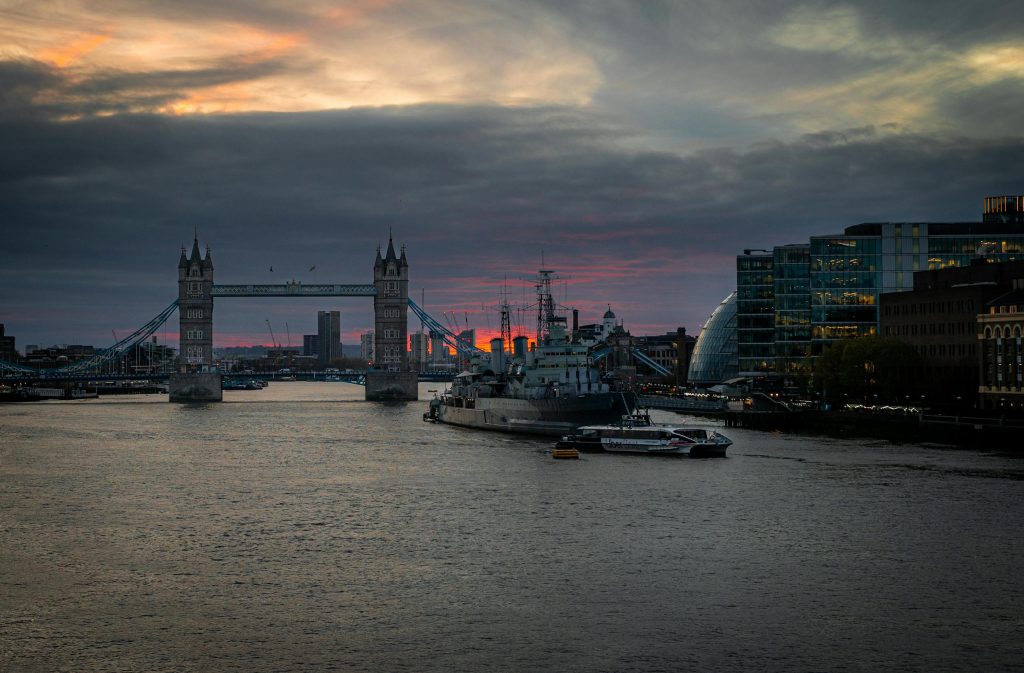
British Home Office officials and border force experts now require all American visitors to possess a valid Electronic Travel Authorisation (ETA) prior to arrival. Unlike previous years where a U.S. passport was sufficient for entry, this new digital requirement applies even to those merely transiting through London’s major hubs like Heathrow or Gatwick. Security consultants emphasize that the UK ETA is a separate system from the European Union’s ETIAS, requiring its own application and fee.
Aviation logistics specialists warn that the ETA is mandatory for travelers of all ages, including infants and children. The application involves a small fee of roughly twenty-one dollars and typically provides a response within minutes, though officials recommend applying weeks in advance for a buffer. This system allows UK authorities to screen travelers before they ever reach the border, fundamentally changing the arrival experience from a casual conversation with an officer to a high-tech biometric scan.
Brazil
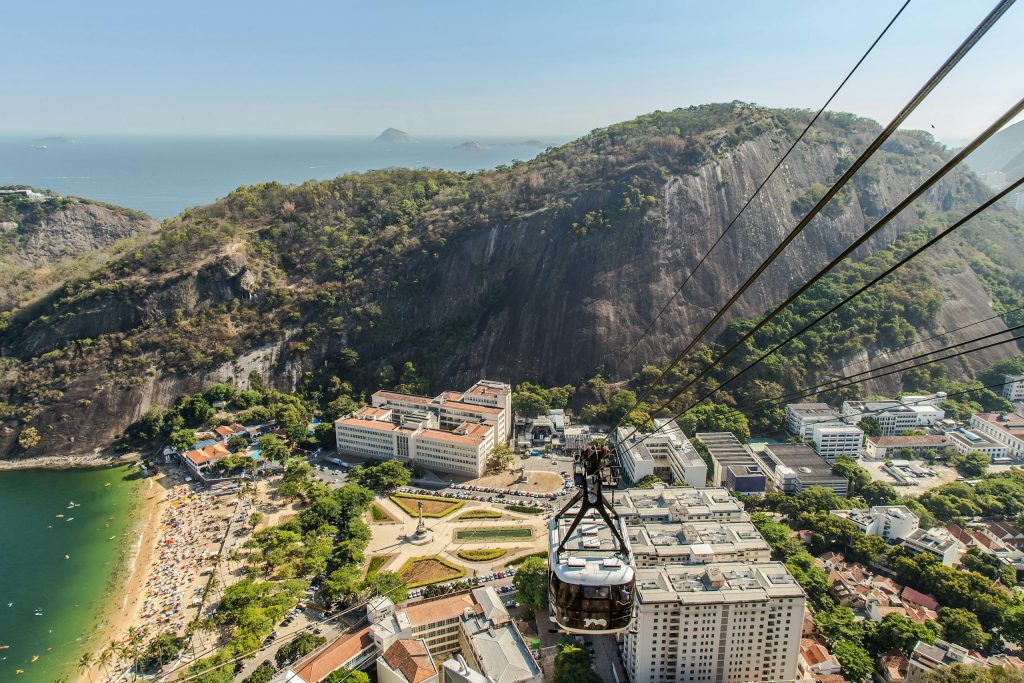
Diplomatic reciprocity experts and Brazilian consulate officials have reinstated a mandatory e-visa requirement for U.S. citizens after years of visa-free access. This policy change reflects a shift in Brazilian foreign policy to match the visa requirements the United States imposes on Brazilian nationals. Travel consultants note that the e-visa is a purely digital process but requires travelers to upload specific documentation, including proof of income and a round-trip flight confirmation, before the authorization is granted.
Financial analysts highlight that the fee for the Brazilian e-visa is roughly eighty-one dollars and is valid for a period of ten years. However, the application must be processed well in advance of the travel date, as the digital system can experience backlogs during peak carnival and holiday seasons. Travelers are advised to carry a printed copy of their e-visa confirmation, as some regional airlines and border crossings may still require physical proof despite the system’s digital nature.
Venice In Italy
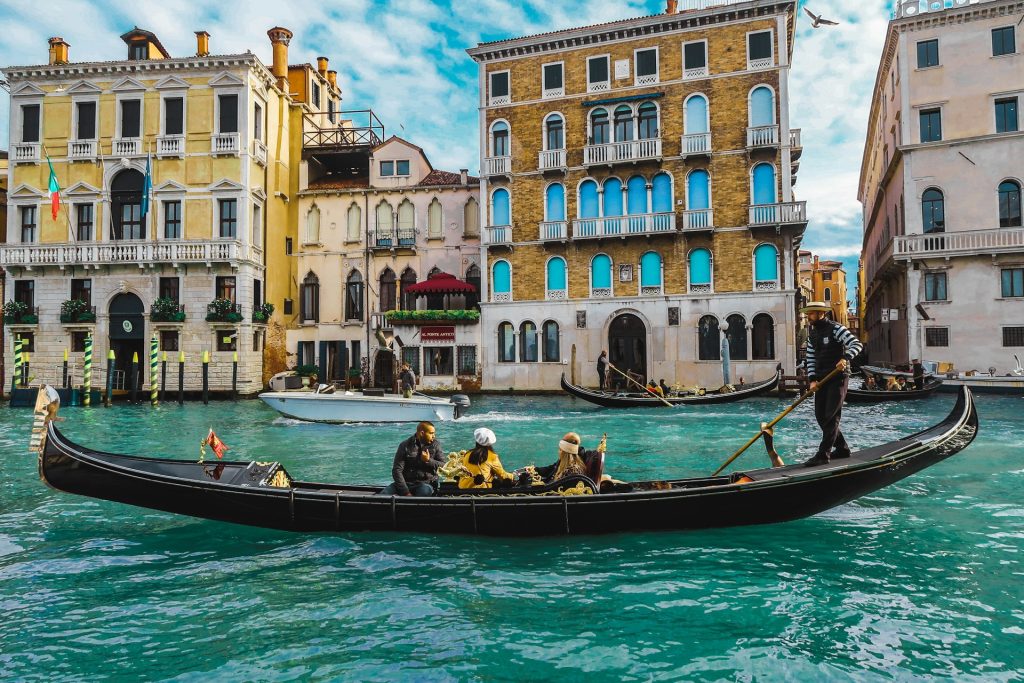
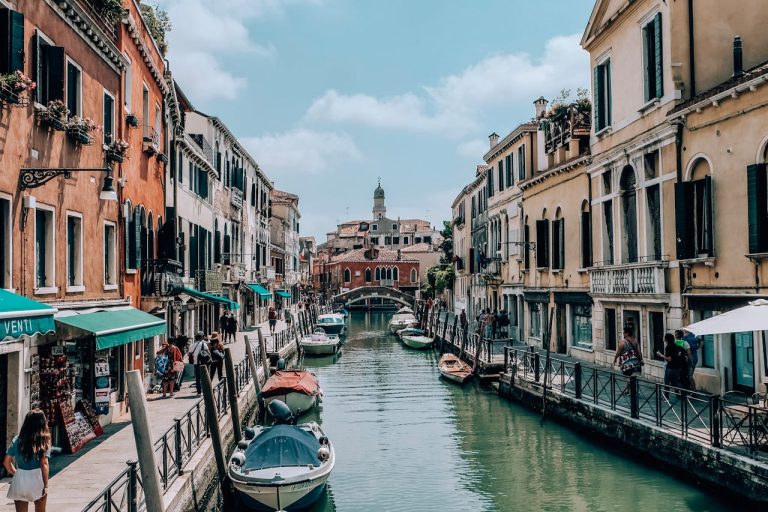
Municipal planners and sustainable tourism directors in Venice have expanded the day-tripper access fee to manage the crushing weight of mass tourism on the historic lagoon city. During peak days between April and July, visitors entering the city center must pay a fee ranging from five to ten euros. Urban designers explain that the tiered pricing system encourages travelers to book at least three days in advance to secure the lower rate, while last-minute arrivals face the higher penalty.
Security officials monitor key entry points, including the Santa Lucia train station and the Piazzale Roma, where travelers must present a QR code proving payment. Those staying overnight in registered hotels are exempt from the fee but still must register for a QR code to avoid fines during their stay. This management strategy prioritizes the preservation of the city’s fragile architecture by physically and financially regulating the number of people walking its narrow calli.
Japan

Tourism board officials and cultural preservationists have introduced a series of new fees and dual-pricing models to combat the negative effects of overtourism in popular cities like Kyoto. From March 2026, the accommodation tax in Kyoto has been significantly increased, with luxury stays now facing a nightly levy of up to ten thousand yen. Local council members note that these funds are directly reinvested into the maintenance of aging shrines and the improvement of public transport systems overwhelmed by tourists.
Safety inspectors on Mount Fuji have also implemented a mandatory conservation fee of four thousand yen for all climbers using the Yoshida Trail. This fee works alongside a daily cap on the number of hikers permitted to reach the summit, aimed at reducing the risk of altitude sickness and trail erosion. Travelers must now view Japan as a destination where access to its most famous natural and cultural landmarks requires pre-payment and adherence to strict capacity limits.
Thailand

Ministry of Tourism and Sports officials in Thailand have finally implemented the long-delayed “stepping onto Thai soil” entry fee for all foreign visitors. This levy, roughly 300 baht for those arriving by air, is collected upon arrival and includes a portion dedicated to medical and accident insurance for the duration of the traveler’s stay. Health and safety experts note that this mandatory insurance provides a safety net for tourists who previously strained local healthcare resources without coverage.
Travel risk analysts explain that the fee is also applied to those entering via land or sea, though at a lower rate of 150 baht. The revenue is earmarked for the development of sustainable tourism infrastructure and the upgrading of safety standards at popular marine parks. Visitors encounter a more regulated entry process where the payment of this fee is integrated into the airline ticketing process or collected at dedicated kiosks at border crossings.
Rome In Italy

Archaeological heritage experts and Rome municipal officials have introduced a mandatory two-euro entry fee for visitors wishing to access the steps of the Trevi Fountain. This move is part of a broader strategy to manage the intense pedestrian congestion in the heart of the historic district. Crowd control specialists observe that the fee allows for a more orderly viewing experience and prevents the fountain’s base from becoming an impassable bottleneck.
In addition to the fountain fee, major sites like the Pantheon and the Colosseum have moved to a strictly timed-entry model with name-on-ticket requirements to eliminate the illicit resale of tickets. Security consultants advise that travelers must now treat these sites like theater performances, booking specific slots months in advance. The days of casual wandering through the Imperial Forum are replaced by a regimented schedule that prioritizes the structural integrity of the ancient monuments.
Iceland

Environmental scientists and Icelandic tourism officials have instituted new visitor taxes and cruise levies to protect the country’s sensitive subarctic landscapes. Starting in 2026, a three percent tax is applied to all overnight stays in popular regions like the Golden Circle and Reykjavik. Sustainability experts explain that the surge in tourism has outpaced the development of trails and waste management systems, necessitating a direct financial contribution from visitors to restore the environment.
Maritime safety officials have also placed limits on the number of large cruise vessels permitted to dock in smaller ports like Isafjordur and Akureyri. These cruise levies aim to reduce the sudden spikes in foot traffic that overwhelm local services and disturb the tranquility of coastal villages. Travelers exploring the island are encouraged to adopt a slow travel mindset, staying longer in one place to mitigate the high carbon footprint associated with constant transit.
Norway

Scandinavian urban planners and municipal councils in Norway have enacted a law allowing individual communities to introduce a three percent tax on tourist accommodation and cruise passengers. Popular destinations for viewing the Northern Lights, such as Tromsø and the Lofoten Islands, were the first to adopt this measure to fund the upkeep of public facilities and hiking trails. Infrastructure experts note that the revenue is vital for managing the heavy seasonal flow of visitors seeking the aurora borealis.
Travel consultants advise that these taxes vary by municipality, requiring travelers to check the specific rules for each stop on their itinerary. The focus in Norway has shifted toward regenerative tourism, where visitors are expected to contribute to the restoration of the ecosystems they enjoy. This regulatory environment encourages Americans to move beyond passive sightseeing and participate in a more sustainable, well-funded model of wilderness exploration.
Edinburgh In Scotland

City council members and cultural festival directors in Edinburgh have officially introduced Scotland’s first tourist tax to manage the massive influx of visitors during the summer festivals. Starting in mid-2026, travelers pay a five percent levy on the cost of their accommodation for the first five nights of their stay. Economic analysts expect this measure to generate significant revenue for the city’s aging infrastructure, which is famously strained during the Festival Fringe and the Royal Edinburgh Military Tattoo.
Heritage preservationists emphasize that the tax helps maintain the historic character of the Old and New Towns while providing better services for both residents and tourists. Visitors planning a trip to the Scottish capital during the peak of August must budget for this additional cost and book their hotel rooms well in advance. The regulation reflects a broader trend across the United Kingdom where high-demand cultural centers are utilizing local levies to balance global popularity with local livability.