10 Destinations Where Fall Weather Disrupts Sightseeing
Fall travel looks easy on the calendar, then the weather starts editing the plan. Light fades earlier, water levels shift, and wind can turn open-air sightseeing into a stop-and-start day. Some destinations deal with late-season tropical patterns, others with Atlantic squalls, and mountain routes can change fast. The payoff is calmer crowds and warmer colors, but the best autumn itineraries leave slack: indoor backups, shorter drives, and a willingness to swap days without drama when forecasts tighten. In these places, the smartest plan is less about checking boxes and more about choosing the right window.
Venice, Italy
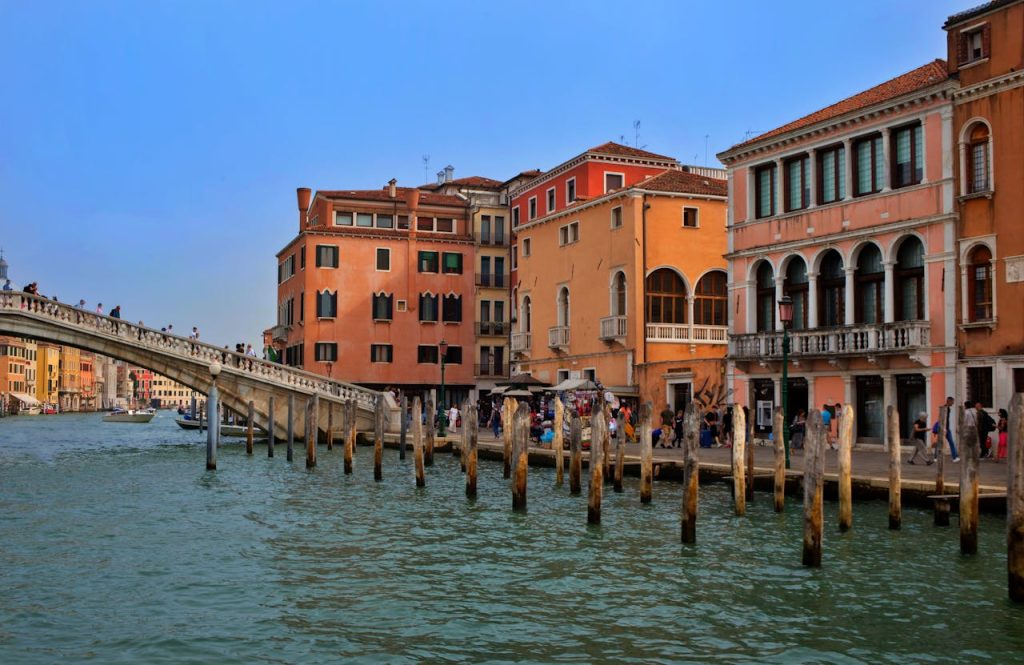
Venice can feel calm in September and October, then shift quickly when higher tides push lagoon water onto low walkways, especially around Saint Mark’s Square and the lanes that feed into it. Even when raised paths appear, routes compress, cafés fill, and a simple loop of churches, palaces, and bridges turns into small decisions about timing, footwear, and where to pause, since a detour can add 20 minutes. The city still works in that moody light, but vaporetto stops, photo plans, and timed entries often need a same-day shuffle as tide boards and announcements update, making a museum hour the cleanest reset.
Cyclades, Greece

The Cyclades look like an easy fall escape, but strong Aegean winds can roughen crossings, stall ferries, and turn island connections into a waiting game. When sailings pause, the ripple is real: missed check-ins, reshuffled boat trips, and crowded ticket counters once routes restart, plus the awkward question of where luggage goes for the extra hours. The smart rhythm leans inland, with hilltop villages, chapel trails, and small museums filling the gaps, and with a long taverna lunch keeping the day enjoyable until the sea calms enough for the next crossing, often by late evening or the following morning.
Hong Kong
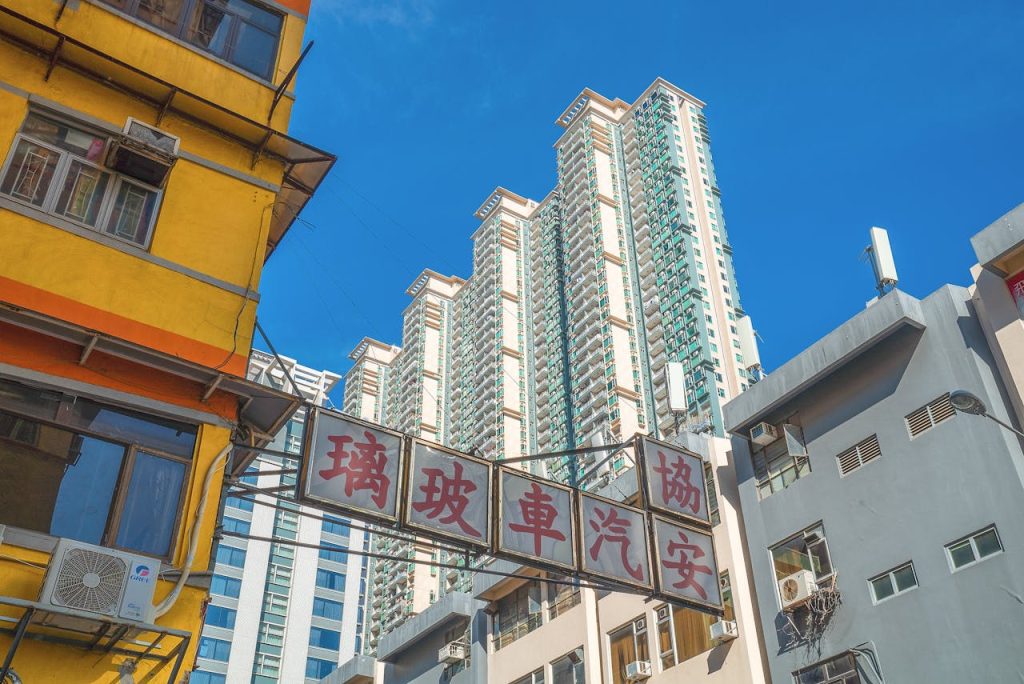
Hong Kong’s early fall sits in tropical cyclone season, and one system can swap a skyline day for heavy rain, low clouds, and changed harbor routes. Viewpoints on Victoria Peak and open-air walks along the waterfront depend on visibility, while ferries, trams, and outlying hikes may run on altered schedules until conditions settle, turning photo plans into a short-window hunt. The city’s best backup plan is built-in: covered walkways, the MTR, museums in West Kowloon, and long dim sum meals that keep the day enjoyable, with shopping arcades and tea houses ready when umbrellas stop being fun for more than an hour.
Tokyo And Okinawa, Japan

Japan’s typhoon season can brush Tokyo with soaking rain and gusts in early fall, while Okinawa sits closer to the main corridor and sees more frequent delays. That can mean a stacked day of train timetable tweaks, flight changes, and canceled boat outings, with coastal views, rooftop gardens, and observation decks turning flat until skies lift, then reopening in a rush. Tokyo still functions under umbrellas thanks to museums, covered shopping streets, and food halls, but coastal day trips, theme parks, and island ferries work best when plans can slide by a day, and baggage can be packed with quick pivots in mind.
New Orleans, Louisiana
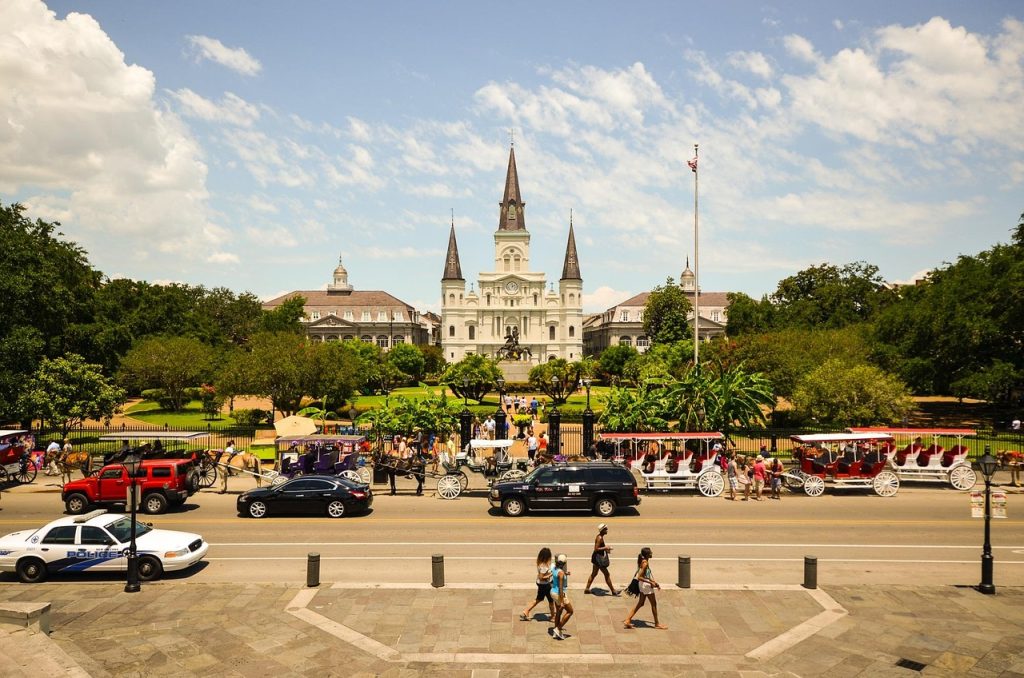
New Orleans shares a calendar with the Gulf, and fall overlaps with the back half of Atlantic hurricane season, when tropical moisture can linger even without a direct landfall. Long rain can soften the pace of walking tours, cemetery visits, and French Quarter wandering, and brief street pooling can make the most charming blocks feel slow under awnings, with streetcar waits stretching and riverfront views disappearing into gray. The city pivots well: live music, cooking, galleries, and historic bars keep the day full, while outdoor plans are built around short dry breaks and those late-night hours when the air finally settles.
Isle of Skye, Scotland
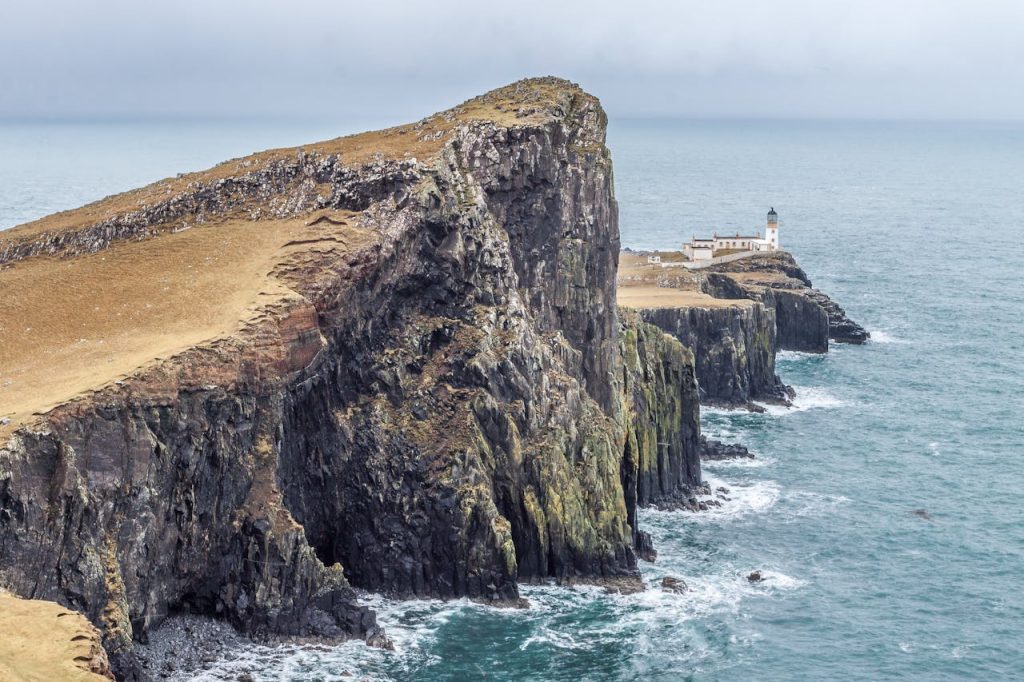
Skye’s famous stops depend on visibility, and autumn can bring fast-moving Atlantic weather that turns ridgelines into fog and viewpoints into guesswork. Mist can erase the Quiraing in minutes, rain can shorten even easy walks, and wind can make the single-track roads feel slower as passing places fill and drivers wait each other out, which can double short drives. The island still rewards patience, but the best days follow clearings: catch the overlook when it opens, then reset with a warm pub lunch, a small museum, or a sheltered bay, since daylight fades early and the next window may be brief.
Reykjavik And Iceland’s South Coast
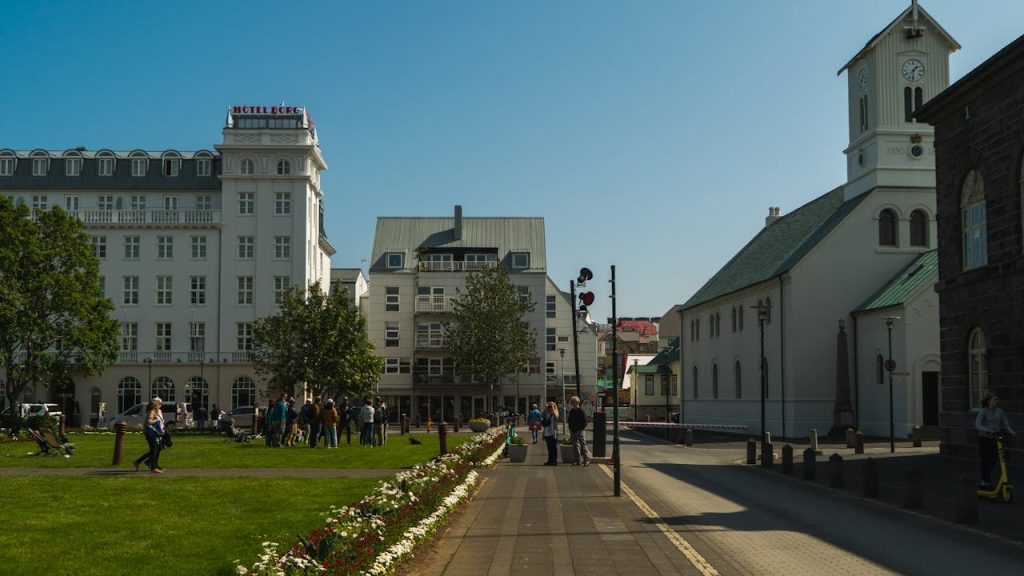
Iceland in fall can switch moods quickly, with strong winds, bursts of rain, and short daylight that compresses drives and trims the number of stops that fit comfortably. When forecasts tighten, tour operators may adjust routes, and popular stretches of the South Coast can feel like a sequence of quick exits from the car rather than long, lingering viewpoints, especially near open shorelines. The trip still shines with waterfalls, hot pools, and black-sand beaches, but it works best with buffers for road checks, slower speeds, and an order of sights that can flip without stress when conditions change mid-morning.
Seattle, Washington
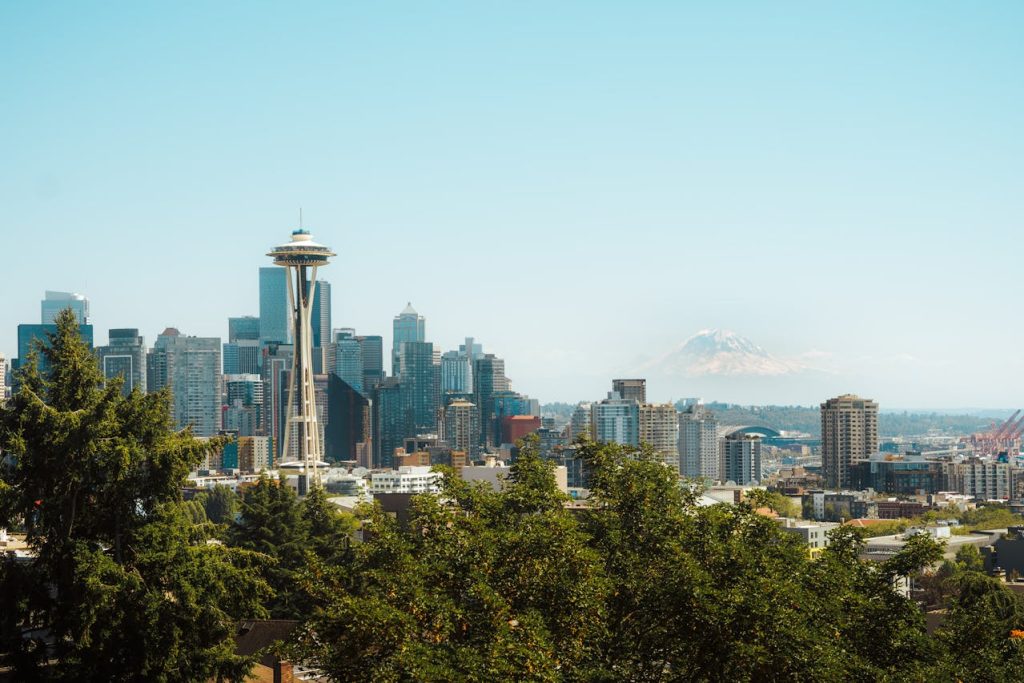
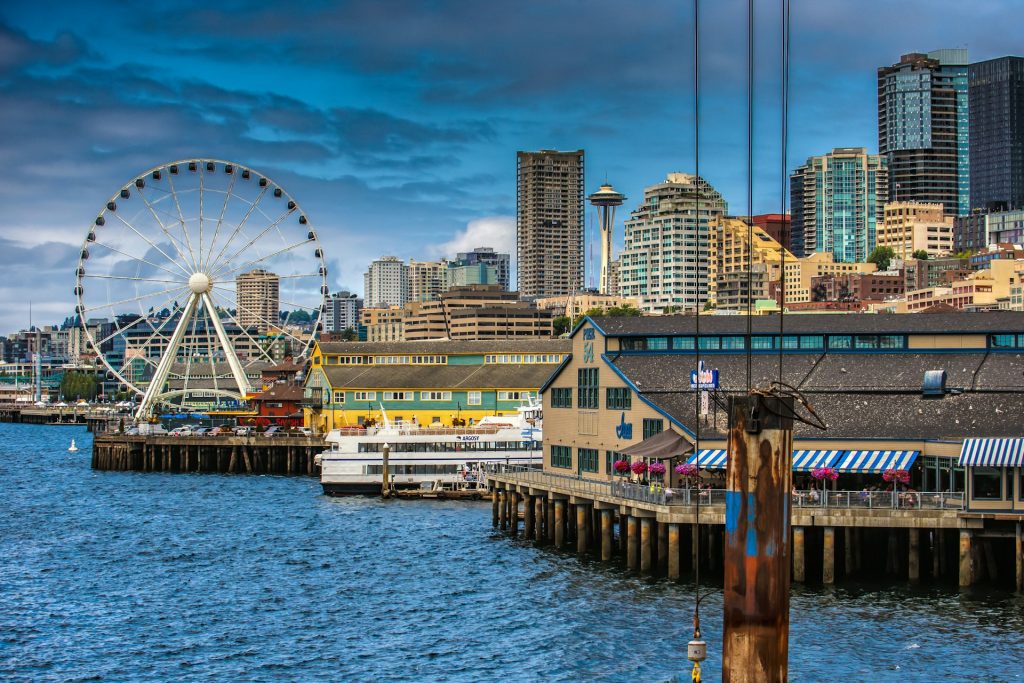
Seattle’s fall often marks the return of steady drizzle and low clouds, which flattens skyline views and turns classic photo stops into a weather puzzle. Waterfront plans hinge on visibility, and hikes toward Mount Rainier or the Olympic Peninsula can shift from panoramic to close-up, with slick roots, damp benches, and earlier sunsets trimming trail time, while ferries run but views blur into mist. The city handles gray days well through markets, museums, and bookstores, and it helps to treat Pike Place, ferry rides, and a long lunch as anchors, so the day stays satisfying even when clouds refuse to lift.
Yosemite National Park, California
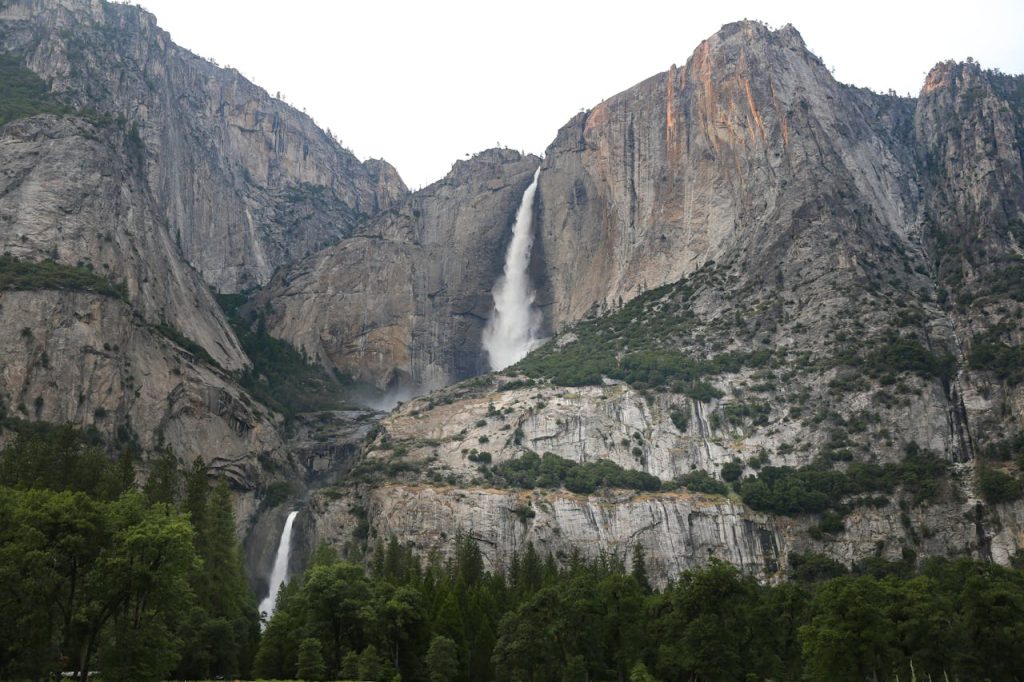
Yosemite’s high country can stay open deep into fall, then change overnight when the first cold systems dust higher elevations and close scenic roads. Plans built around Tioga Road or alpine trailheads can pivot fast, turning a multi-stop loop into a Valley-focused day of granite viewpoints like Tunnel View, river walks, and shorter hikes that still deliver without long drives. The key is checking road reports early, keeping lunches flexible, and treating indoor exhibits, historic lodges, and quiet meadow strolls as part of the main story while crews reopen routes and the park settles back into rhythm.
Rocky Mountain National Park, Colorado
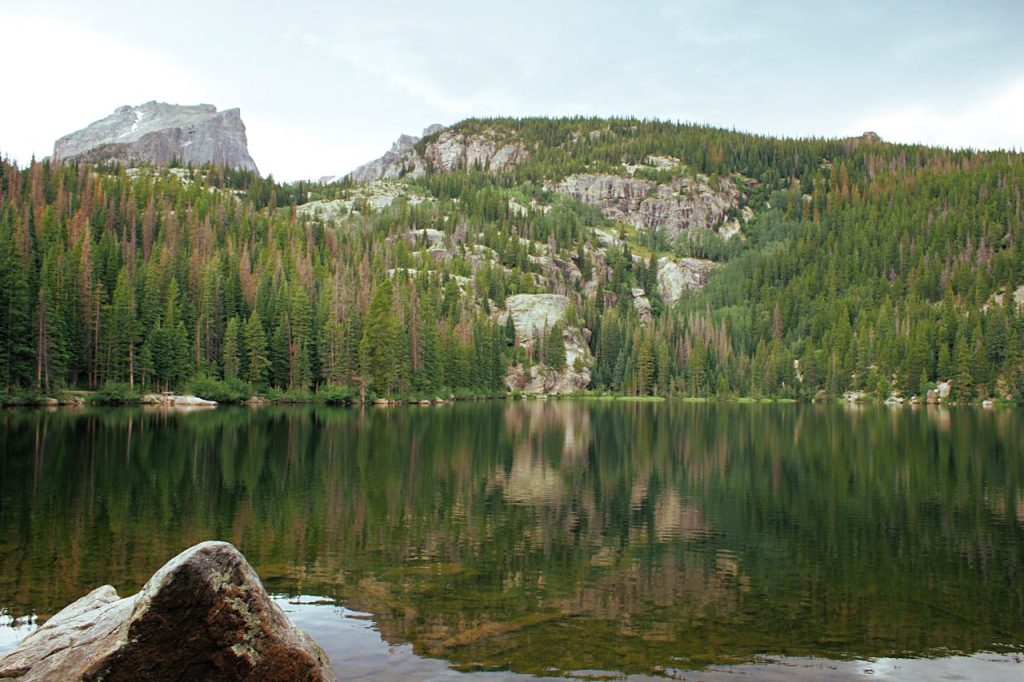
Rocky Mountain National Park makes fall weather feel immediate, because altitude turns a bright morning into wind, sleet, or low cloud by lunchtime. When Trail Ridge Road closes for the season or pauses for conditions, classic alpine overlooks and high trailheads drop off the menu, and traffic funnels into lower routes with more limited pullouts. The park still offers elk-viewing meadows, forest walks, and lakeside stops, but strong plans treat ranger updates as essential, build earlier start times, and keep a warm indoor break nearby so the day stays comfortable while the mountains decide the pace.