10 Destinations Where Seasonal Closures Surprise Travelers
Seasonal closures rarely show up in glossy photos, yet they shape travel more than most people realize. A park road can be snow-gated while the entrance looks clear. A ferry route can thin out after a holiday week. A famous hike can pause for maintenance right when flights are cheapest. The surprise is not that places rest, it is how quickly a destination changes once the calendar turns. Knowing what shuts down, and when, turns a fragile itinerary into one that still works.
Yellowstone National Park, Wyoming
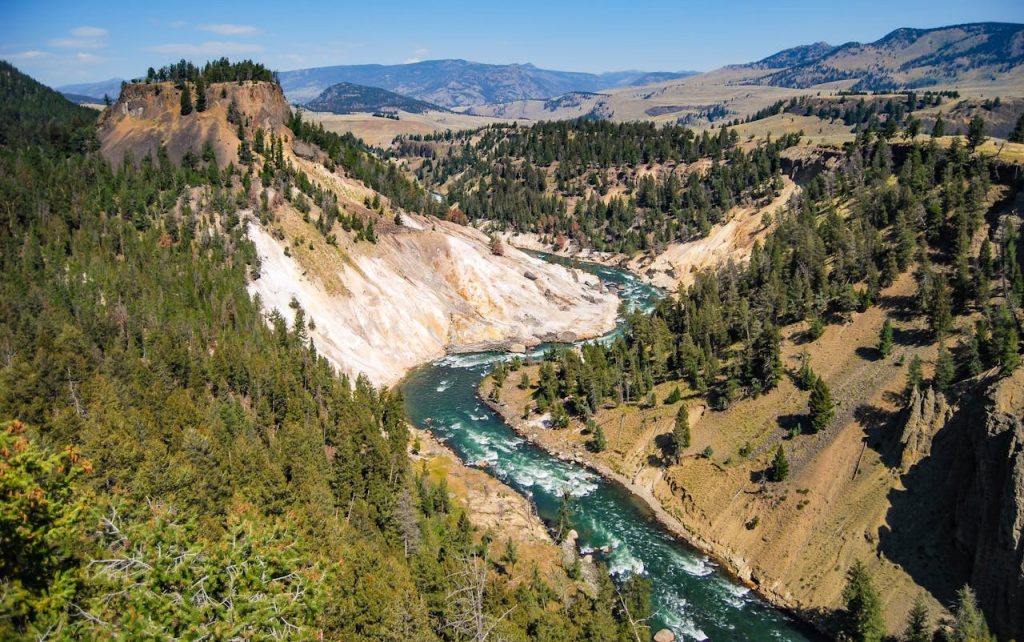
Yellowstone can look open on a winter map, then surprise travelers with how limited the interior becomes once snow gates go up. Most through-roads close, so icons like Old Faithful, Mammoth-to-Canyon drives, and Grand Prismatic are not casual drive-and-stop moments, and services concentrate near a few edges with fewer open food and fuel options. Access shifts to guided oversnow trips and fixed departures, which turns transport into a booked activity, not a background detail, and the day revolves around pickup times, daylight, warm layers, and what is actually plowed, staffed, and reachable without adding hours of backtracking.
Glacier National Park, Montana
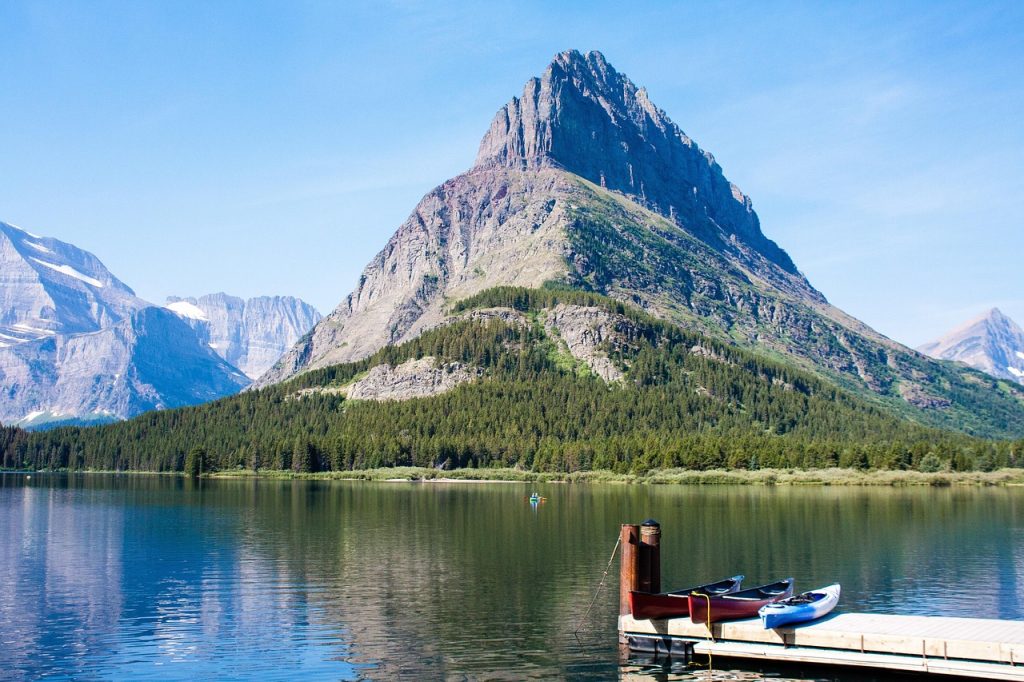
Glacier’s surprise is how often the high country runs on its own timeline, even when nearby towns feel mild and sunny. Going-to-the-Sun Road can be open low down while the alpine crossing stays closed, leaving the park split into zones that do not connect and pushing traffic into the same few viewpoints, trailheads, and parking lots. A plan built around one scenic drive can become two long out-and-back days, and trail access can change quickly as snow, wind, rockfall work, and maintenance decide what is reachable, where shuttles stop, and what simply is not, even if the visitor center feels open.
Denali National Park, Alaska
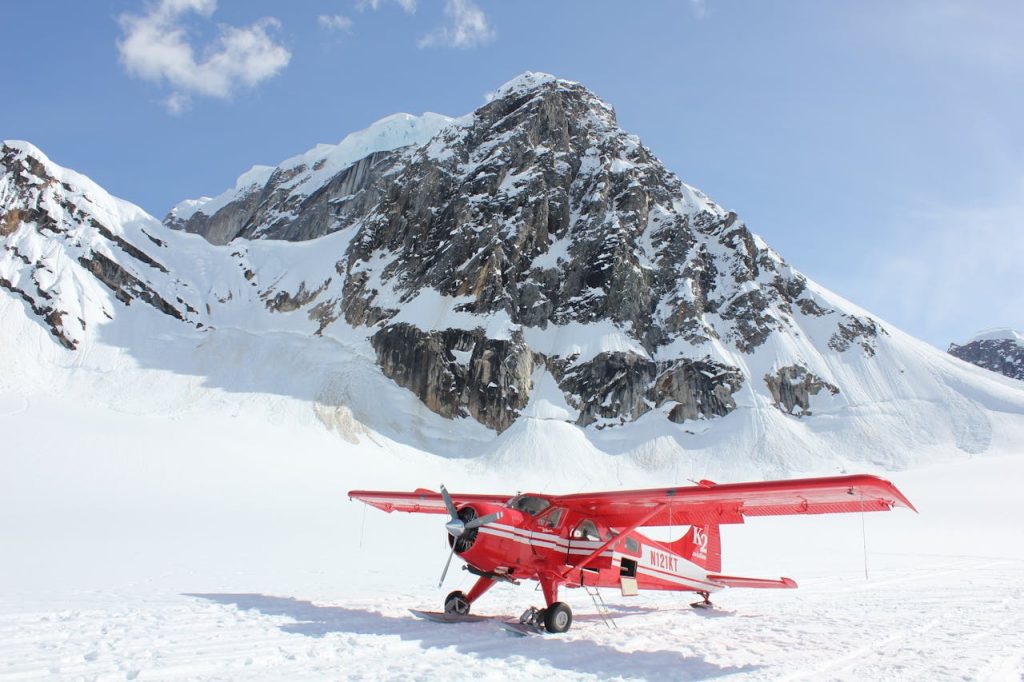
Denali invites big itineraries, yet one detail quietly controls almost everything: the park road. Outside the main operating season, public driving is limited, and deeper access depends on the days and hours when buses run, if they run at all, which surprises anyone expecting free exploration after arrival. Even when the entrance area feels open, the dramatic interior may be effectively out of reach, with wildlife viewing, lodging, ranger programs, and photography shaped by seat availability, road access rules, and short daylight that compresses a day and makes flexibility the real luxury, especially in shoulder months.
Iceland Highlands, Iceland
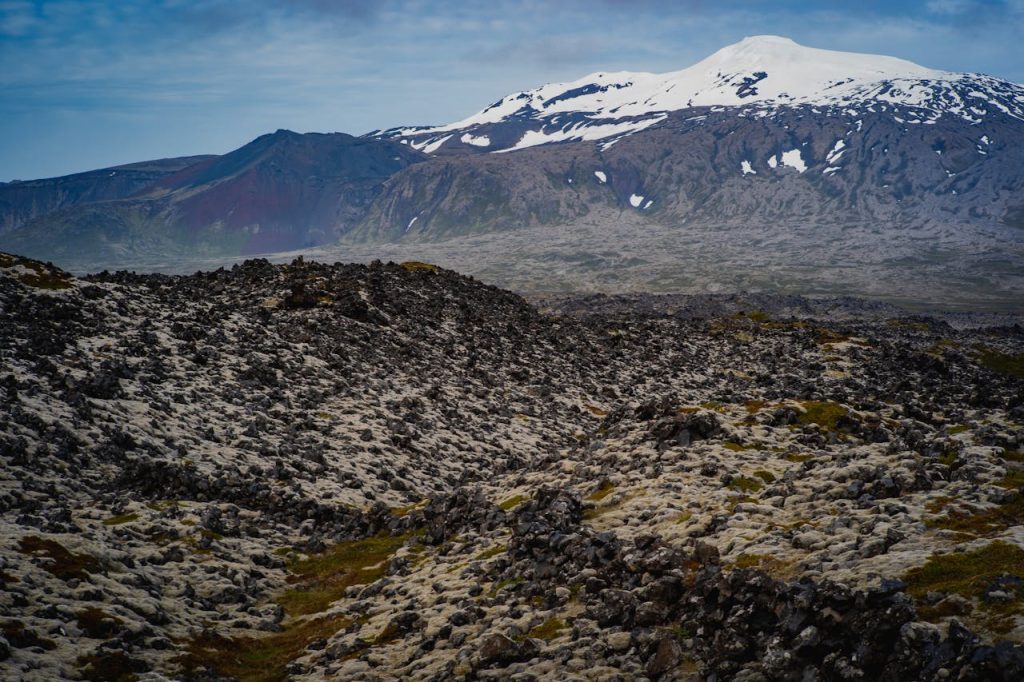
Iceland’s Highlands feel like an always-there adventure, but the interior routes are seasonal by design and tied closely to safety. Many F-roads close for winter, and shoulder months can bring partial openings, locked gates, river levels, and fast changes that force long reroutes or cautious turnarounds. A 4×4 loop planned from a summer itinerary can collapse at a single closed crossing, pushing the trip back to the Ring Road and throwing off fuel plans, lodging nights, tire choices, and drive times, even though the landscapes still look wild, open, and inviting from the roadside viewpoints, while the interior remains off-limits.
Amalfi Coast, Italy
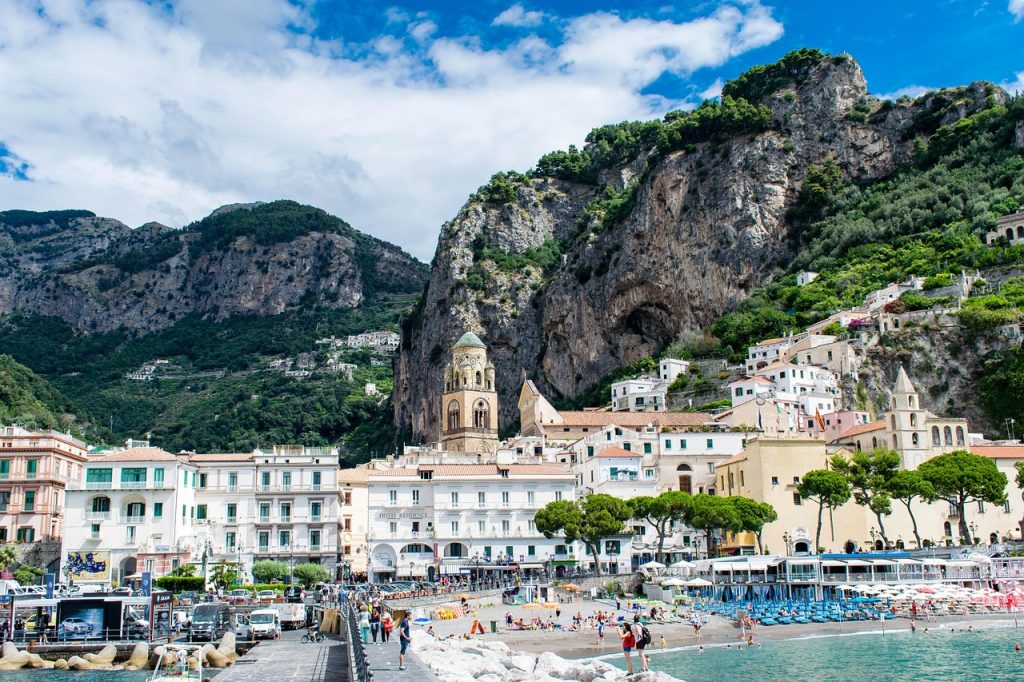
The Amalfi Coast stays beautiful in winter, yet seasonal schedules can quietly erase the easy hopping that makes the coastline feel effortless. After late fall, many hotels, beach clubs, and some restaurants close, and ferry service becomes less frequent, which reshapes how towns connect and where evenings still feel lively after sunset. A stay that looked like simple waterfront drifting can turn into a base-and-day-trip rhythm with earlier nights, fewer menu choices, and more reliance on buses or hired drivers, especially when weather cancels boats and a backup plan needs to be realistic, not hopeful.
Santorini, Greece
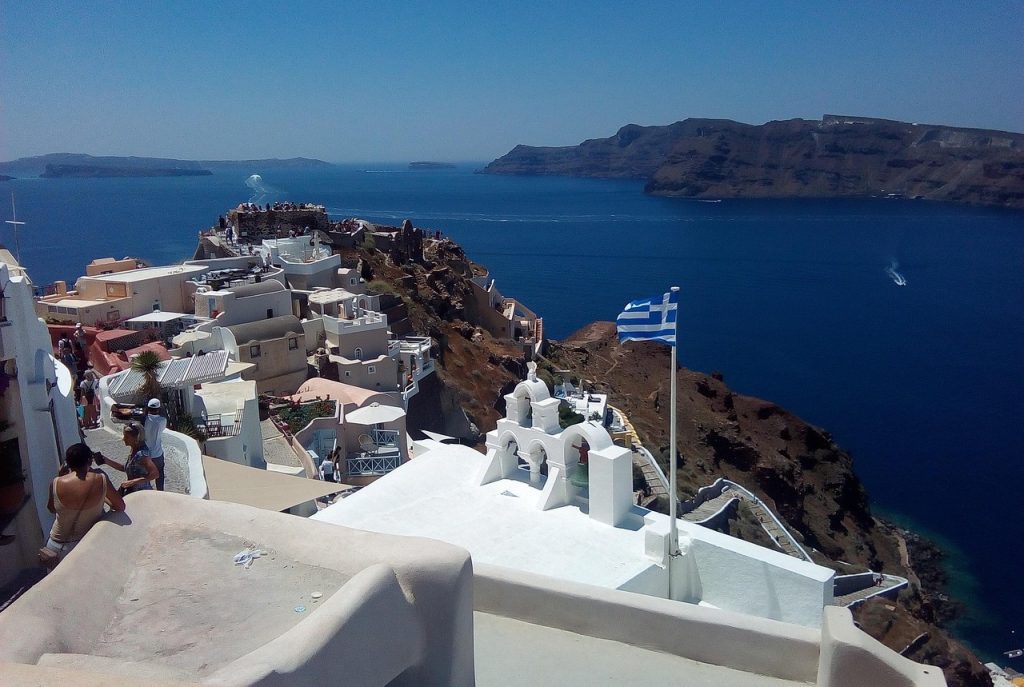
Santorini’s surprise is how quickly the island compresses once winter arrives and the summer machine powers down. With reduced ferry frequency and fewer seasonal services, arrivals become less flexible, and many hotels, shops, and restaurants close until spring, concentrating what remains in a handful of streets, viewpoints, and open kitchens. The caldera views are still dramatic, but the experience shifts toward light, quiet walks, and a smaller menu of open places, not a packed schedule of tastings, cruises, late dinners, and spontaneous shopping in every lane, especially once evening buses thin out.
Mackinac Island, Michigan
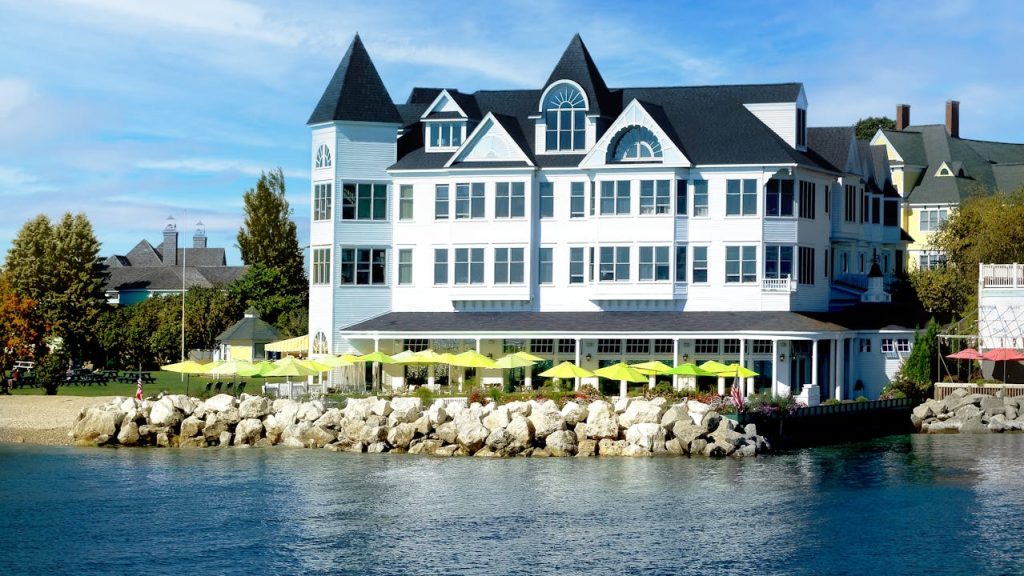
Mackinac Island does not close, but late fall can feel like a hard reset after the warm-weather rush. Many seasonal shops, tours, and portions of lodging shut down, and ferry schedules can thin as the lake turns colder and windier, which changes arrival timing and what stays open after dark. Travelers expecting a fully programmed island may find limited dining hours and fewer activities, with the charm shifting to quiet streets, shoreline walks, empty porches, a slower pace for carriage rides, and the simple pleasure of having famous views mostly to themselves, with quieter streets after dinner.
Tateyama Kurobe Alpine Route, Japan
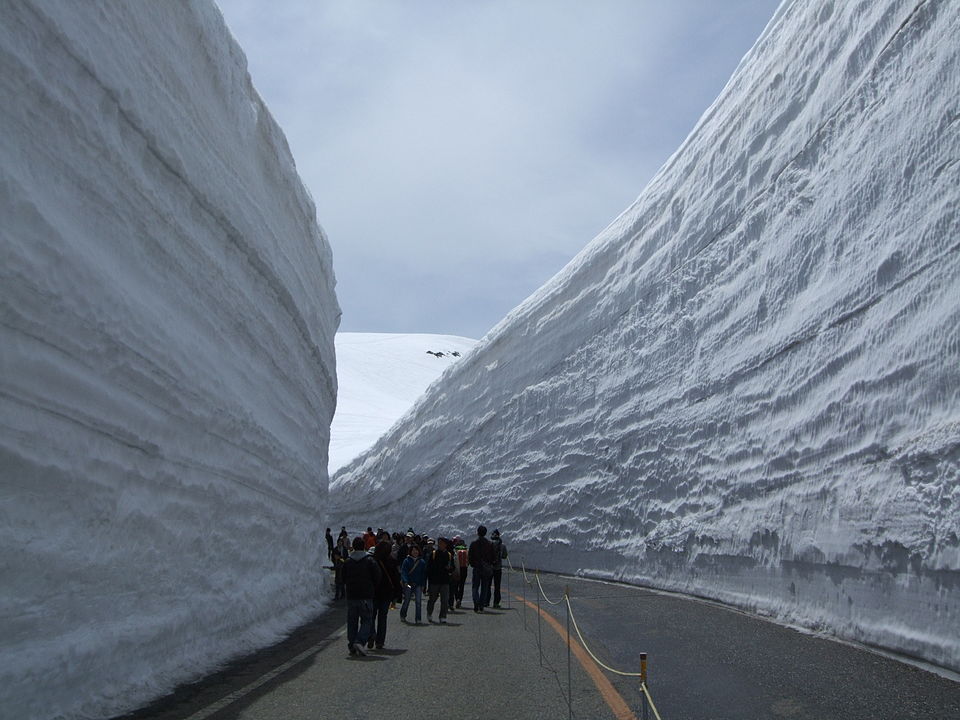
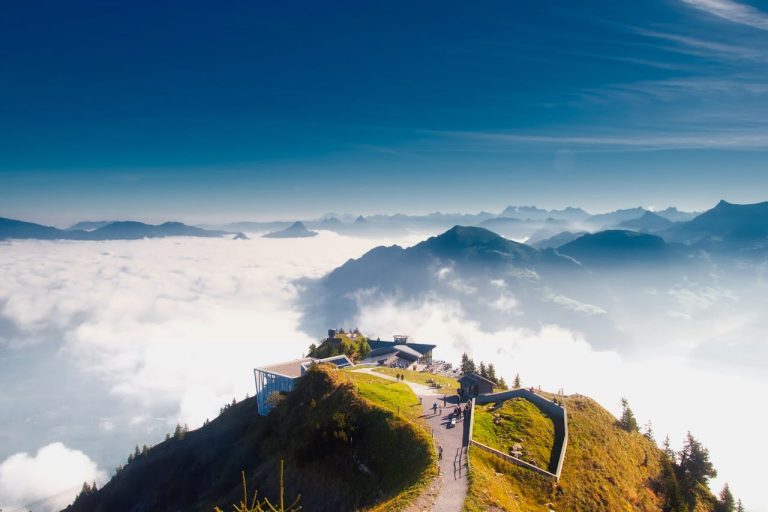
The Tateyama Kurobe Alpine Route looks like a permanent mountain crossing, but it is a seasonal corridor with strict operating dates and a timed chain of connections. When it closes for winter, the sequence of trains, buses, and cable cars stops, and plans that rely on that crossing unravel into long detours through lower routes that can add hours and extra transfers. Even near the margins of the season, opening and closing days shape crowds, tickets, and luggage timing, because one missed link breaks the whole sequence and can strand a day’s plan at a station with limited alternatives and early last departures.
Inca Trail to Machu Picchu, Peru
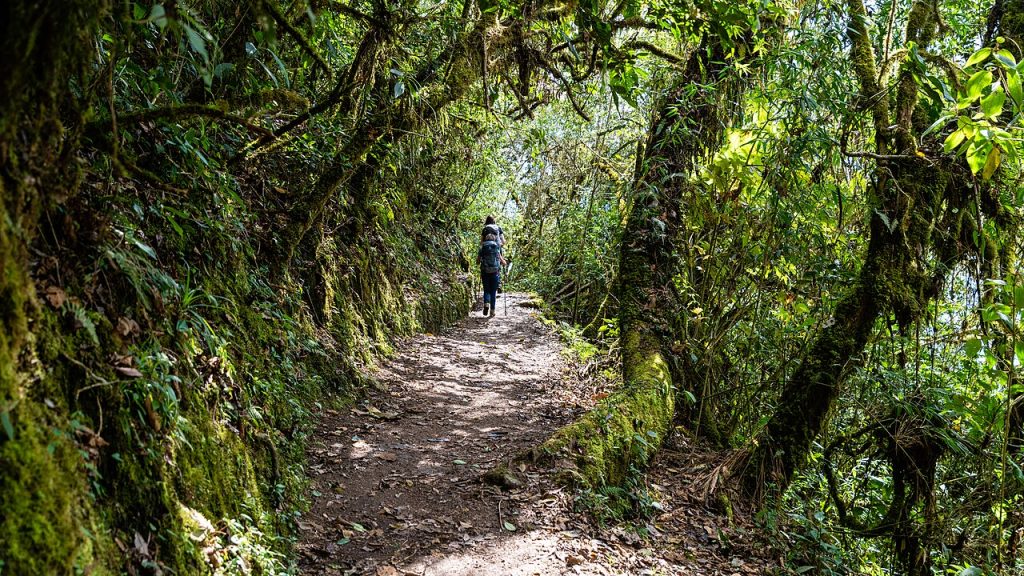
The Inca Trail surprises travelers because it does not merely slow down, it stops for a scheduled annual closure in February. Permits are not issued for that month, so the classic trek cannot be booked or improvised, even when flights, hotels, guides, and vacation days are already set. Machu Picchu remains reachable by rail and alternate hikes, but the iconic multi-day route disappears from the calendar, forcing a redesign of lodging nights, pacing, porters, and expectations about how the journey will feel from day one, including where crowds concentrate and how early tickets should be secured.
Torres del Paine, Chile
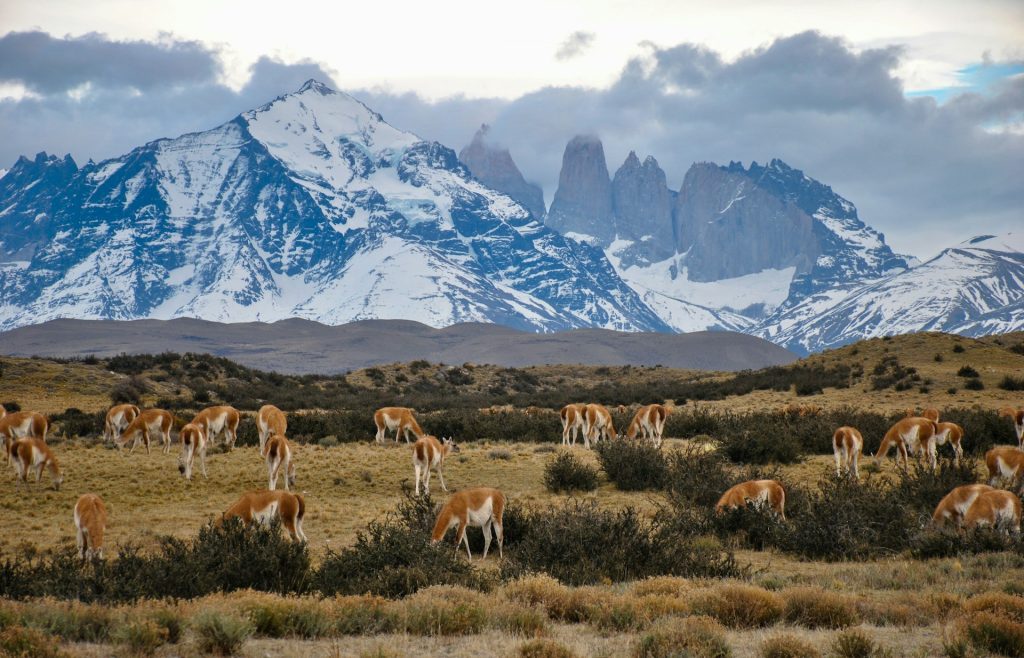
Torres del Paine can look calm in the off-season, yet the surprise is how thin the support network becomes as winter settles in. Some refugios and services close, boat links may run less often, and conditions can limit which routes are practical without guided support, even for strong hikers who are used to long days. A trek planned around full summer infrastructure may need a different loop, different nights, and more conservative timing, because fewer open facilities mean less flexibility when wind, daylight, or transport changes the plan, and small delays compound when the next boat or bus is hours away.