10 Eastern European Cities Americans Visit Differently Since The 1990s
Travel historians and geopolitical analysts observe a massive shift in how American tourists approach Eastern Europe compared to the decade immediately following the Cold War. In the nineties, the region was often viewed through a lens of post-Soviet curiosity characterized by budget backpacking and a focus on the grim remnants of the Iron Curtain. Today, urban planners note that these destinations have transformed into sophisticated centers of technology and cuisine which has shed their former reputations as grey and inaccessible outposts.
Hospitality consultants emphasize that the modern American traveler now prioritizes lifestyle experiences over purely historical sightseeing. The infrastructure in these cities has evolved from crumbling concrete to world-class transit and boutique accommodations. Understanding this evolution helps travelers appreciate the rapid modernization and cultural resilience that defines the current landscape of the former Eastern Bloc.
Prague In The Czech Republic
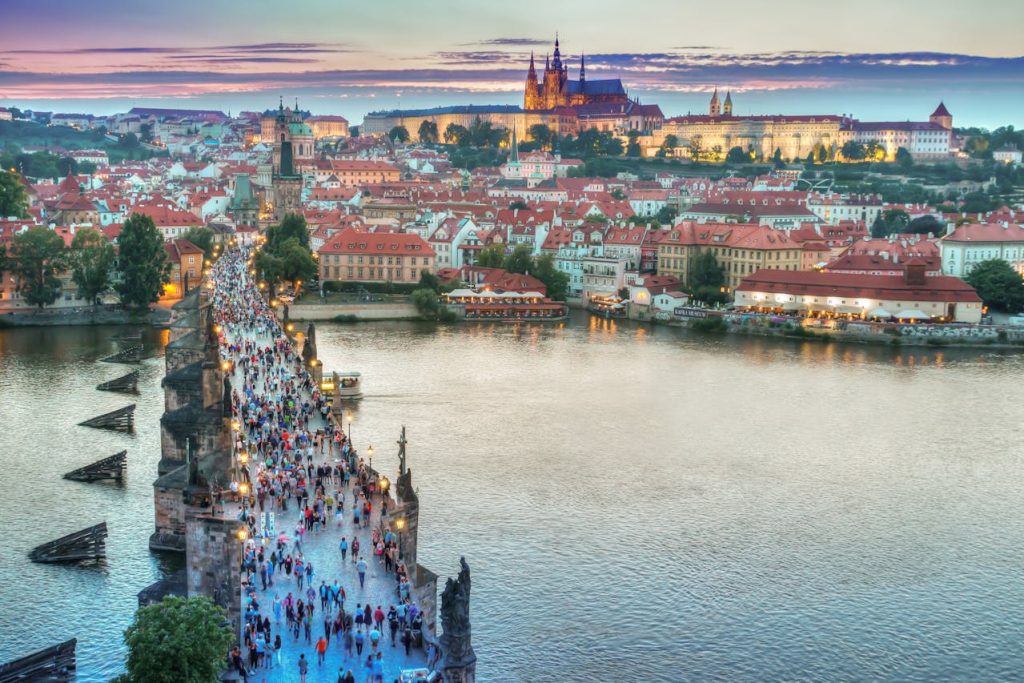
Urban planners and heritage conservationists warn that Prague has shifted from a hidden gem to a textbook example of overtourism. In the nineties, visitors could wander the Charles Bridge in relative solitude, but today crowd control experts manage the flow of millions. The focus has moved from cheap beer and literary history to navigating a highly commercialized city center which pushes savvy travelers to neighborhoods like Karlin and Holesovice for authenticity.
Tourism board officials note that the American visitor demographic has broadened significantly from backpackers to luxury river cruise passengers. The prices in the city now rival Western European capitals which changes the expectations of service and quality. Local guides emphasize that the search for the authentic post-revolution atmosphere now requires leaving the royal route and exploring the gritty, artistic subcultures that thrive outside the tourist gaze.
Budapest In Hungary
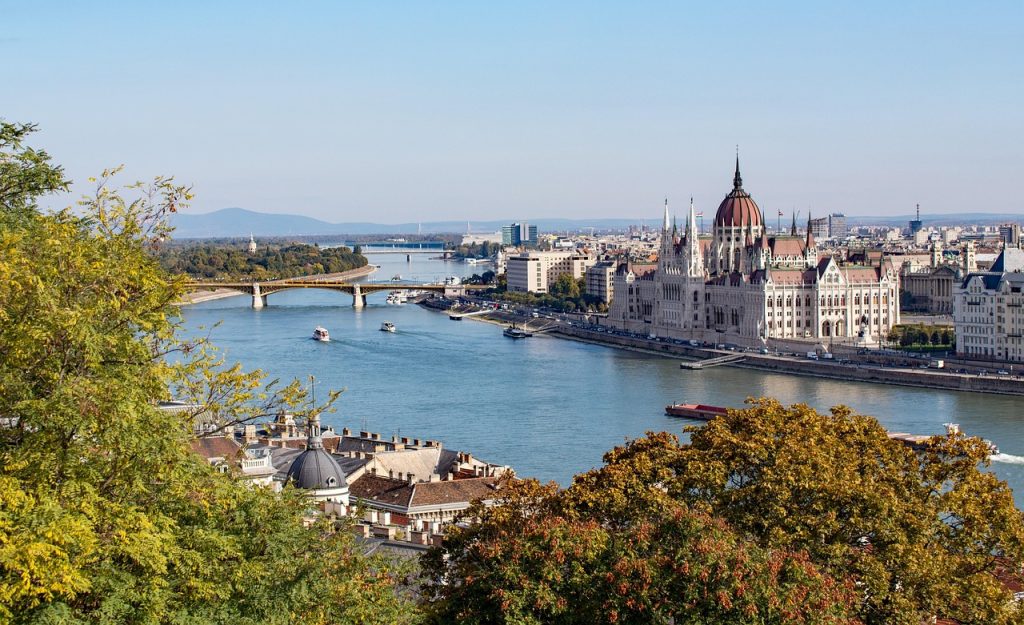
Architectural historians view the rise of the ruin bars in the Jewish Quarter as a pivotal moment in the branding of Budapest tourism. Previously defined by its thermal baths and grand but decaying boulevards, the city repurposed its neglect into a unique nightlife economy. Hospitality analysts note that Americans now visit for the vibrant culinary scene and festivals rather than just the sombre history of the twentieth century.
The city has also become a major hub for the film industry which attracts a new wave of set-jetting tourists. Production designers and location scouts have turned the streets into backdrops for major Hollywood blockbusters. This media exposure has glamorized the city and shifted the American perception from a post-communist relic to a trendy, cinematic destination that rivals Paris or Berlin for visual appeal.
Krakow In Poland
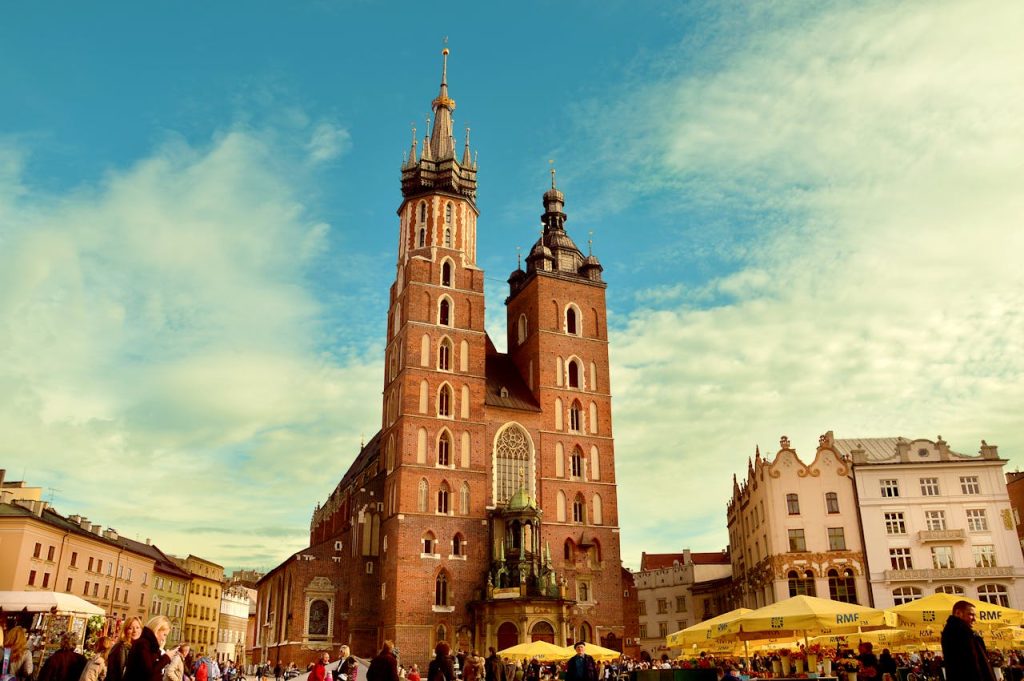
Holocaust educators and city officials have seen a transition in how Americans engage with Krakow since the release of major historical films in the nineties. While Auschwitz-Birkenau remains a primary draw, the narrative has expanded to include the vibrant Jewish revival in the Kazimierz district. Economic analysts highlight the emergence of the city as a tech hub which attracts business travelers and digital nomads who see it as a modern European metropolis rather than solely a site of memory.
The gastronomic scene has evolved from simple milk bars to Michelin-starred dining experiences that reinterpret Polish cuisine. Food critics observe that American visitors are now increasingly interested in the culinary heritage of the region. This shift reflects a broader desire to connect with the living culture of Poland rather than focusing exclusively on the tragedies of the past.
Dubrovnik In Croatia
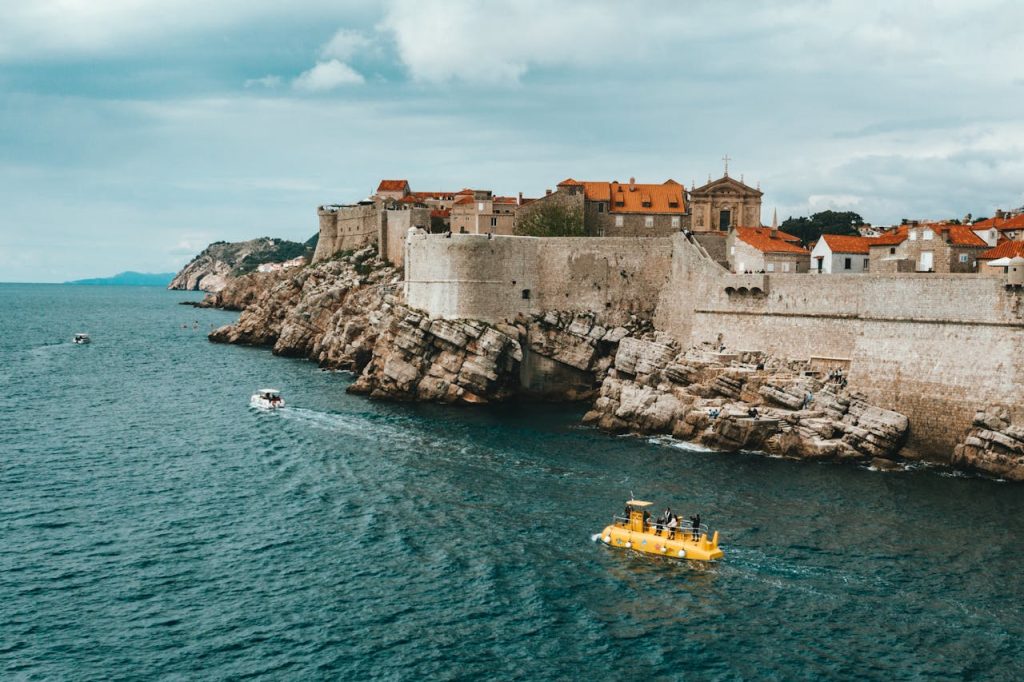
Maritime tourism experts cite Dubrovnik as the most extreme example of the cruise ship effect in the region. Once a war-torn city under siege in the early nineties, it is now overwhelmed by visitors seeking famous filming locations. Heritage preservationists actively debate the sustainability of this model as the walled city struggles to maintain its residential character amidst the influx of day-trippers.
The cost of visiting has skyrocketed, positioning the city as a luxury destination for American travelers. Real estate analysts note that the demand for high-end villas and yacht charters has transformed the local economy. The quiet, battered port of the nineties has been replaced by a glitzy Mediterranean hotspot that demands strategic planning to avoid the crushing mid-day crowds.
Tallinn In Estonia
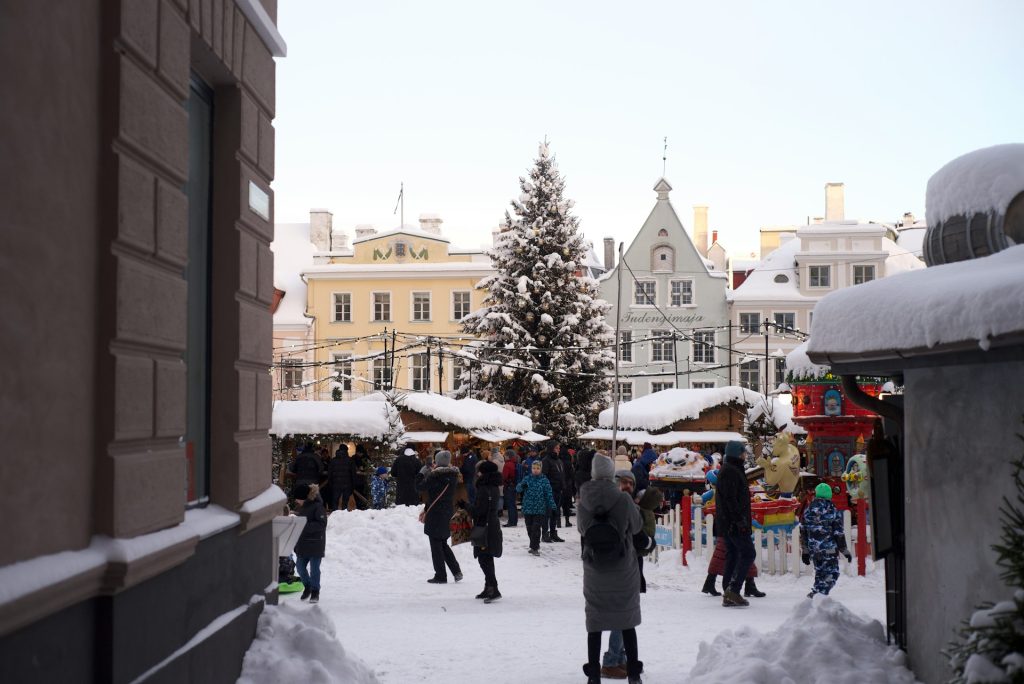
Digital infrastructure specialists recognize Tallinn as the premier example of a post-Soviet state leapfrogging into the future. Americans visiting in the nineties found a grim and grey port, but today they encounter one of the most digitized societies on earth. Tech industry insiders frequently visit for the startup ecosystem and view the medieval Old Town as a scenic backdrop to a thoroughly modern business destination.
The preservation of the Hanseatic architecture is now balanced with a forward-looking attitude that appeals to younger American travelers. Urban designers praise the Telliskivi Creative City as a model for repurposing industrial heritage into art and design spaces. This blend of medieval history and cutting-edge innovation creates a unique travel experience that defies the old stereotypes of Baltic stagnation.
Belgrade In Serbia
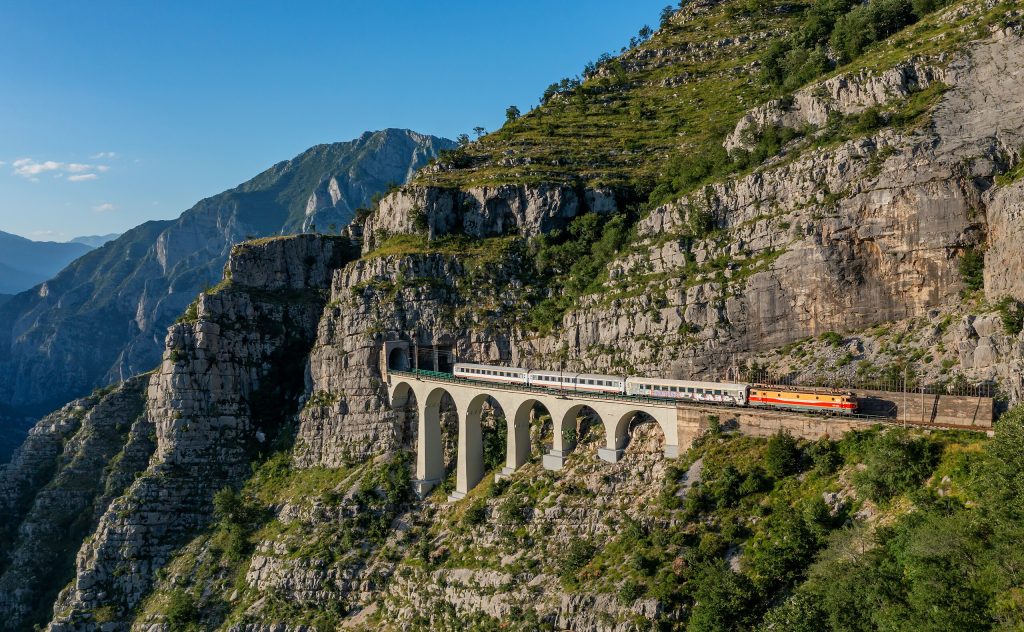
Political risk consultants observe that Belgrade has shed its nineties reputation as the capital of a pariah state involved in conflict. Today, nightlife columnists and travel editors rank it as one of the premier party destinations in Europe. The city has rebranded itself around its river boat clubs and gritty creative energy which draws Americans seeking an edgy and unpolished experience that differs from the manicured West.
The brutalist architecture is now appreciated by design enthusiasts rather than seen as a symbol of oppression. Architectural tours led by local historians explain the concrete landscape to curious visitors. The vibe is one of resilience and hedonism which offers a distinct narrative that challenges the preconceptions held by those who remember the news headlines of the late twentieth century.
Warsaw In Poland
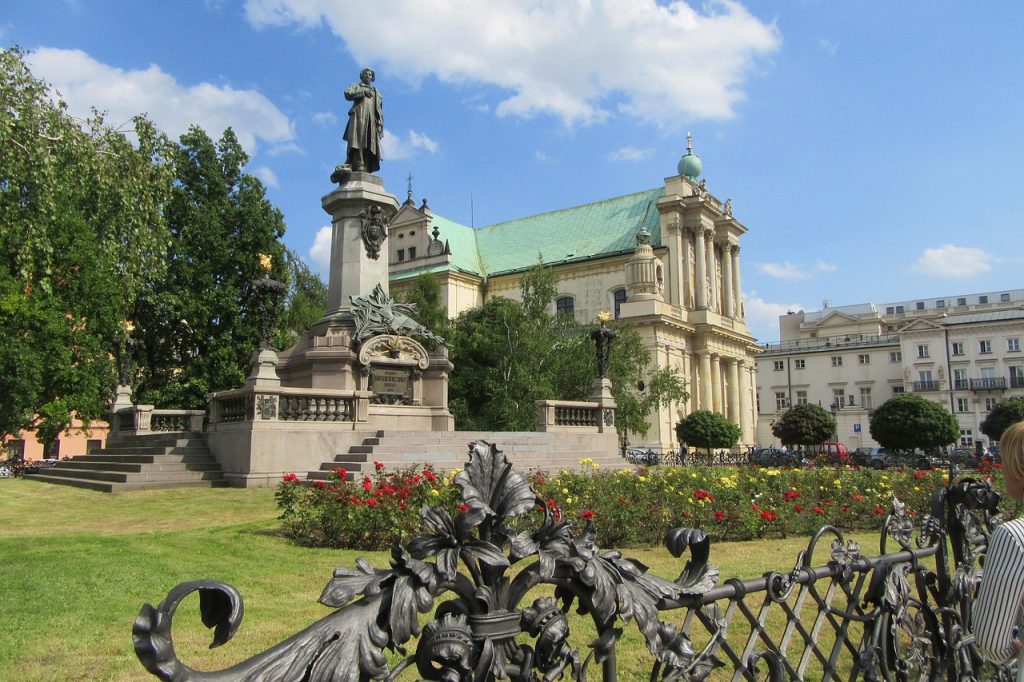
Commercial real estate developers describe the skyline of Warsaw as a symbol of aggressive capitalist growth. The grey and flattened city of the post-war era has been replaced by skyscrapers and luxury shopping centers. Business travel analysts note that Americans are now just as likely to visit for a corporate conference as for historical tours which reflects the status of the city as a financial powerhouse in Central Europe.
The museum landscape has been revolutionized with high-tech narrative museums that engage visitors deeply. Curators at the Warsaw Rising Museum and the POLIN Museum have set new standards for storytelling. These institutions provide a nuanced view of history that empowers American visitors to understand the complexity of the Polish experience beyond the Cold War binary.
Sofia In Bulgaria
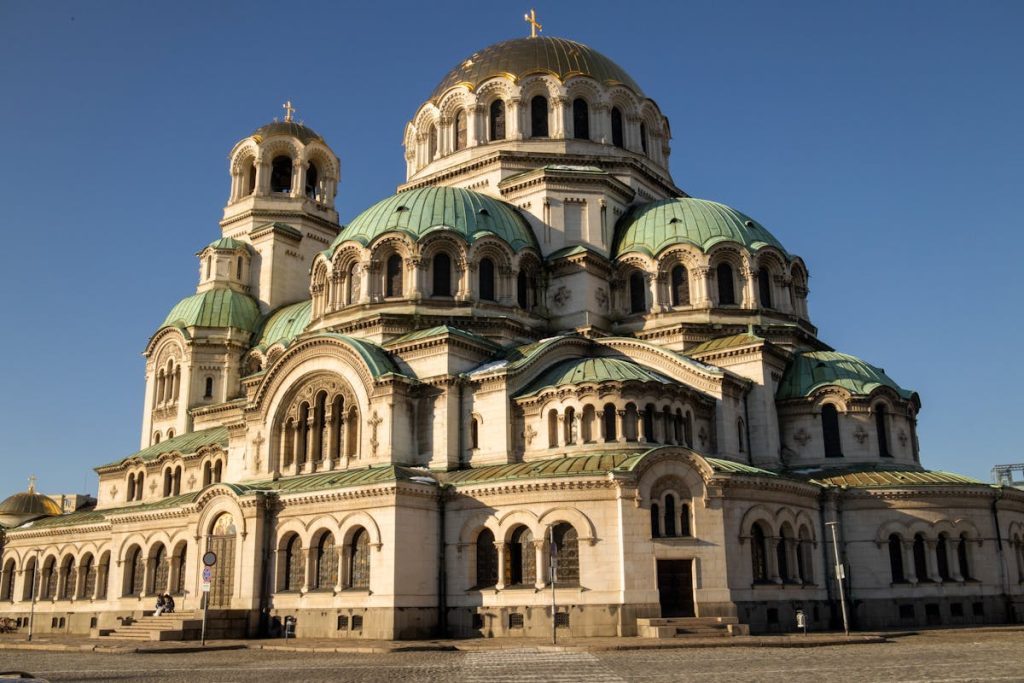
Tourism board officials in Bulgaria highlight the shift from package ski tourism to a focus on history and digital nomadism. In the nineties, Sofia was often a transit point, but now it attracts Americans looking for affordable living and Roman history. Urban archaeologists have uncovered massive ancient ruins underneath the metro which adds a layer of historical depth that was previously inaccessible or ignored.
The burgeoning craft beer and specialty coffee scenes have created a youthful energy that appeals to the millennial traveler. Lifestyle bloggers and remote workers praise the city for its internet speed and low cost of living. This demographic shift has turned Sofia into a base for long-term stays rather than just a quick stopover on the way to the Black Sea coast.
Bucharest In Romania
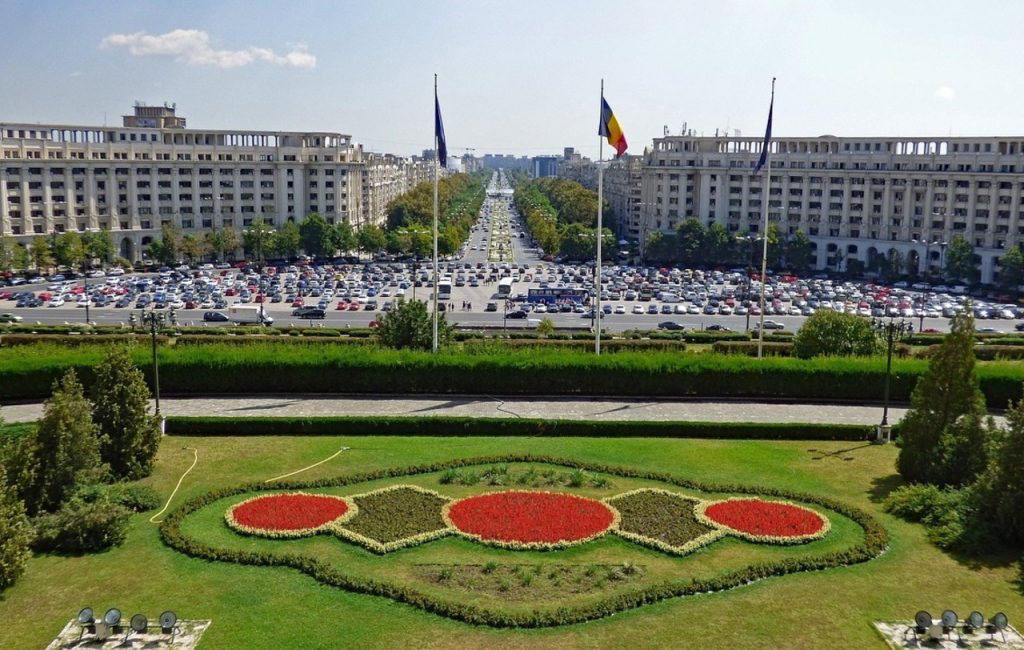
Social historians note that the American perception of Bucharest has moved beyond the tragic images of institutions that dominated nineties media. Today, the city is celebrated for its massive parks and a burgeoning specialty coffee scene. Urban designers point to the revitalization of the Old Town and the repurposing of communist-era buildings as signs of a confident and youthful culture taking ownership of its complex past.
The Palace of the Parliament is now a tourist attraction rather than a forbidden seat of power. Political analysts observe that visitors are fascinated by the sheer scale of the dictator’s ambition. The contrast between this monumental architecture and the vibrant street life creates a dynamic urban environment that surprises Americans expecting a somber post-communist capital.
Ljubljana In Slovenia
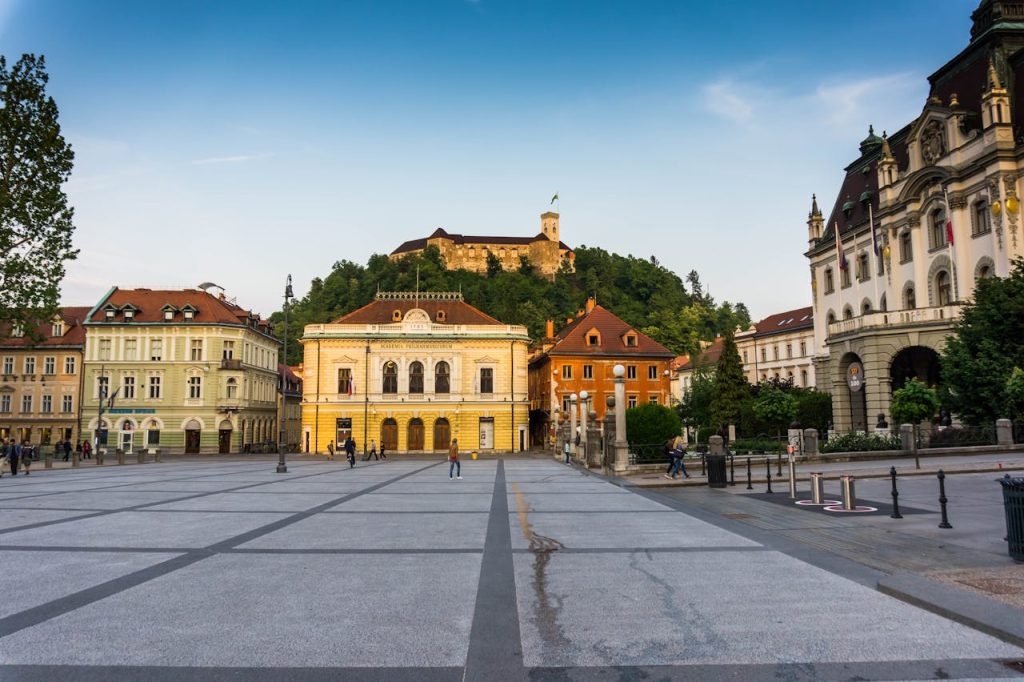
Environmental policy experts frequently cite Ljubljana as a model for green urbanism. Once overshadowed by the breakup of Yugoslavia, the Slovenian capital has pedestrianized its center and focused on sustainability. Eco-tourism consultants observe that American visitors now come for the outdoor lifestyle and the clean image of the city which stands in stark contrast to the industrial pollution associated with the region in the past.
The culinary strategy of the city focuses on local sourcing and zero waste which attracts foodies from across the Atlantic. Gastronomy experts highlight the influence of world-class chefs who have put Slovenia on the map. The relaxed and cafe-centric culture offers a slower pace of travel that resonates with Americans seeking a European escape without the chaos of larger capitals.