10 Egyptian Pyramids Where Camel Rides End in Scams
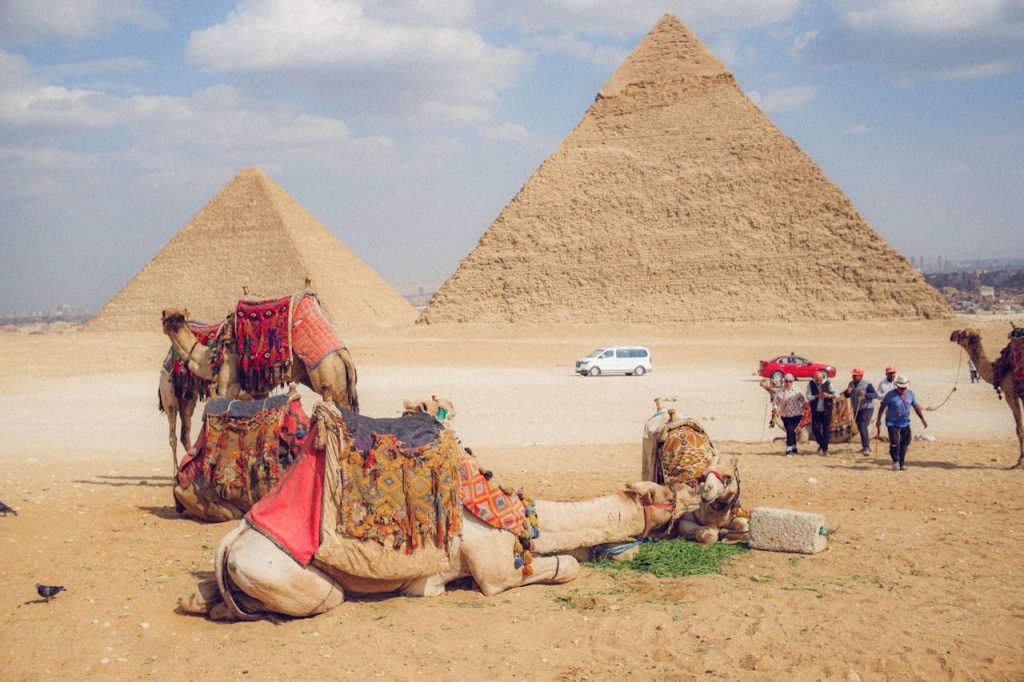
Egypt’s pyramids can feel like a clean promise: pale stone, desert light, and a camel ride that looks effortless in photos.
Across the Giza Plateau, Saqqara, and Dahshur, informal handlers sometimes turn that promise into a pricing puzzle. A low quote can shift to a per-person rate, then grow with fees for photos, waiting, or a longer loop to the best ridge.
The hardest moment often arrives at the end, when dismounting becomes its own charge and the camel will not kneel until cash appears. When terms are set clearly in one currency, the visit stays calm, and the monuments keep their dignity, even during busy winter light.
Great Pyramid of Khufu, Giza
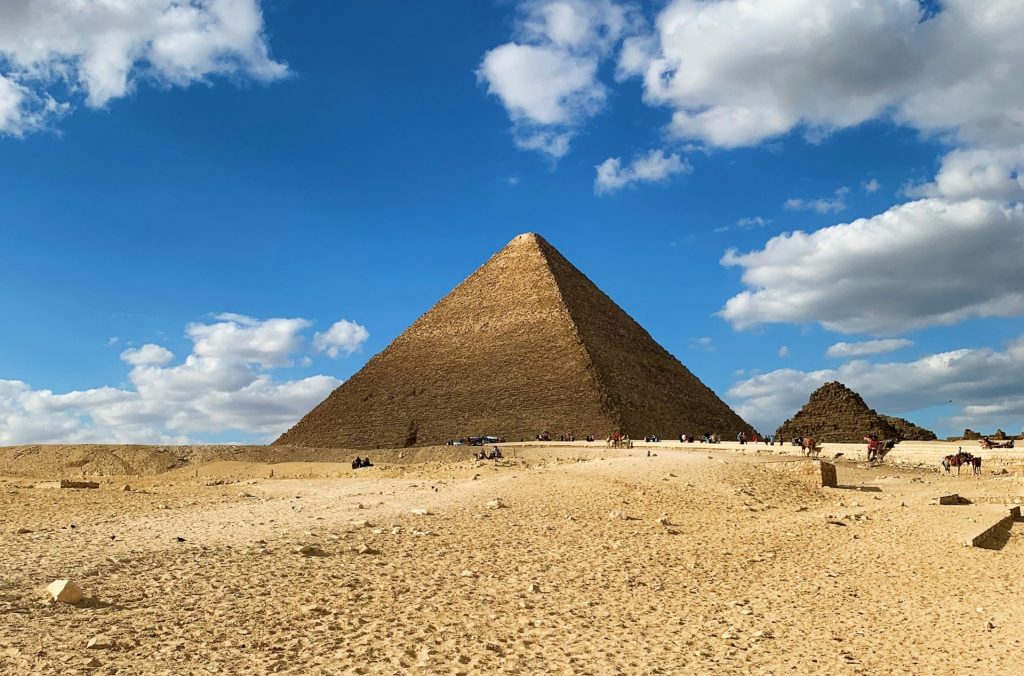
Most camel pitches at Giza begin where crowds bunch up near the Great Pyramid’s gates, ticket lines, and the first wide view of the plateau.
The opening price can sound simple, yet many complaints describe a quiet switch to per person, then extra money for photos, a longer loop, or waiting at the panoramic ridge. Some handlers also introduce a helper mid-ride who asks for a separate tip, as if it were part of the deal.
The sharpest pressure often lands at the finish, when the camel is kept standing until another payment is made for getting down. A single all-in price, a set duration, and a named drop-off point keep the mood steady.
Pyramid of Khafre, Giza
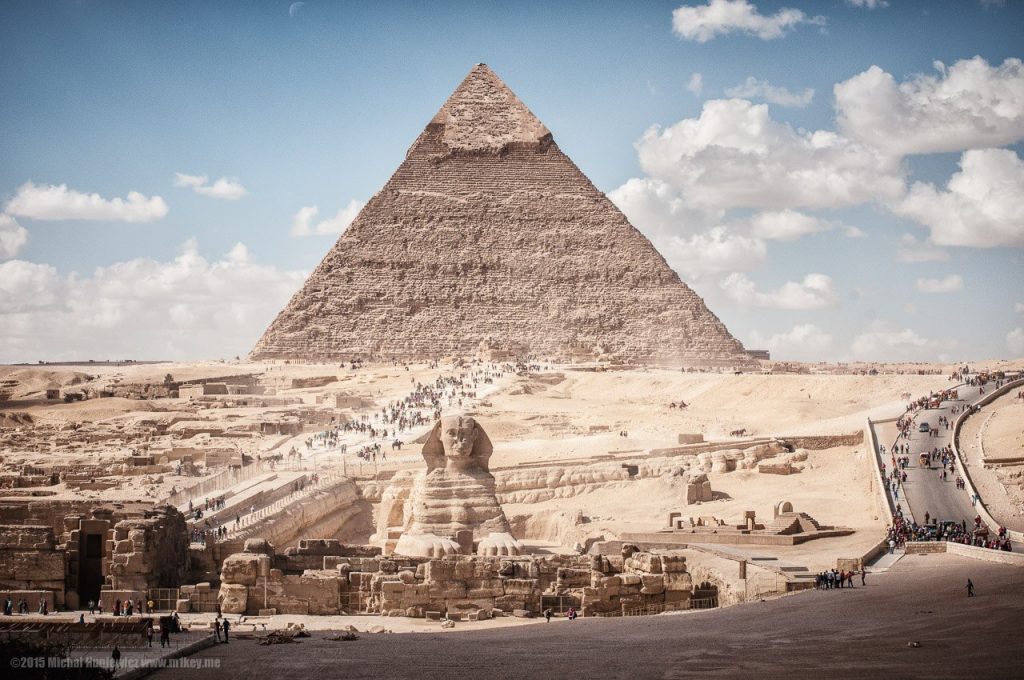
Khafre’s pyramid sits close to the Sphinx, so camel rides are pitched as the fastest path to the classic frame where stone and desert line up perfectly.
Travelers often describe add-ons that appear after the camel starts moving: a photo fee, a charge for stopping, or a claim that the best dune is farther than promised. Tips can be pushed as mandatory, and the return leg may be priced as a new ride if it was never spelled out.
Because the setting feels theatrical, the sales script can feel rehearsed. Clear timing, one currency, and a total that includes the return and the dismount keep attention on the monument, not the math.
Pyramid of Menkaure, Giza
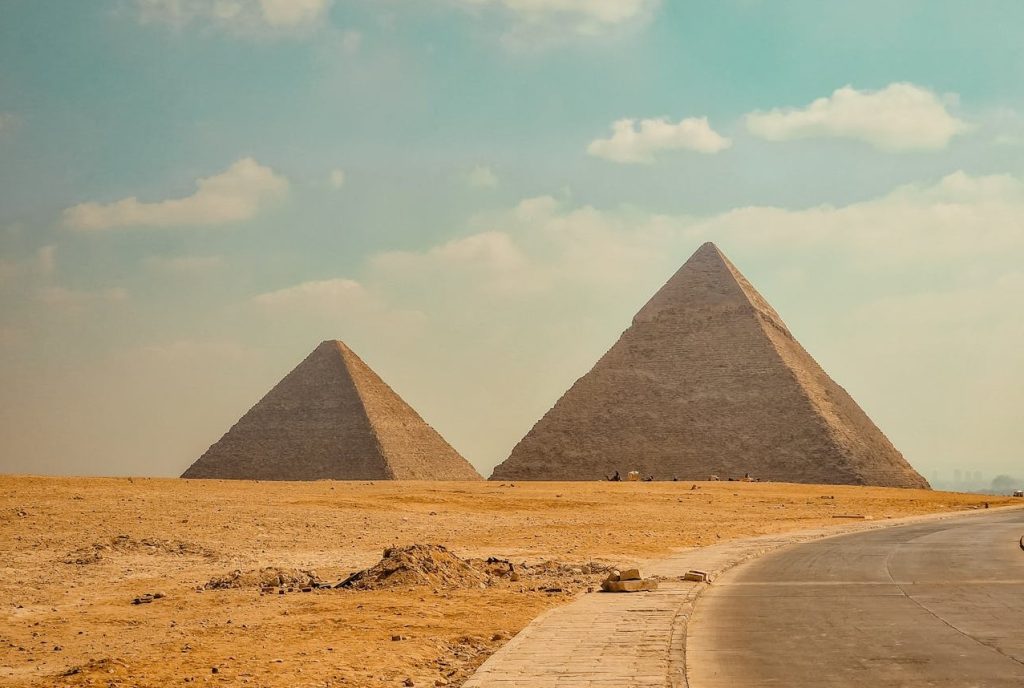
Menkaure’s smaller pyramid sits in a slightly quieter pocket, and that calm is often used as the hook for a private camel loop away from the busier lanes.
Reports from visitors describe a familiar shift once the ride begins. The quoted price becomes a deposit, the loop grows longer, and each photo pause turns into its own charge. Some handlers also claim the return is separate, or that a different fee applies if the route crosses the best viewpoint.
In open sand, walking away is harder once a camel is moving, so terms matter early. A firm duration, a single total, and a clear end point help this corner stay peaceful at dusk.
Queens’ Pyramids of Khufu, Giza
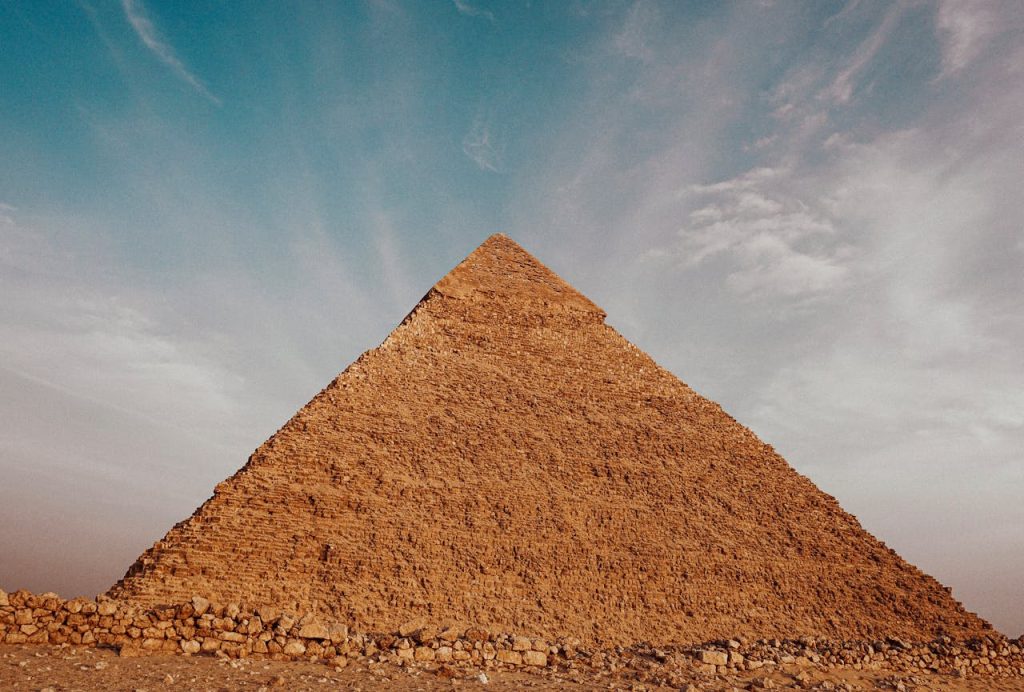
The Queens’ Pyramids beside Khufu can feel calmer, with shorter sightlines and fewer crowds, which makes a camel offer sound friendly and low stakes.
That friendliness can hide a piecemeal bill. Travelers describe small favors that become fees, like phone help, scarf adjusting, or pausing for a better angle, followed by quick requests for baksheesh. The ride price itself may split into parts for the camel, the handler, and each stop.
Because the monuments sit close together, the outing can become a chain of paid pauses. One all-in price, agreed before anyone mounts, keeps the visit feeling hospitable instead of transactional.
Step Pyramid of Djoser, Saqqara
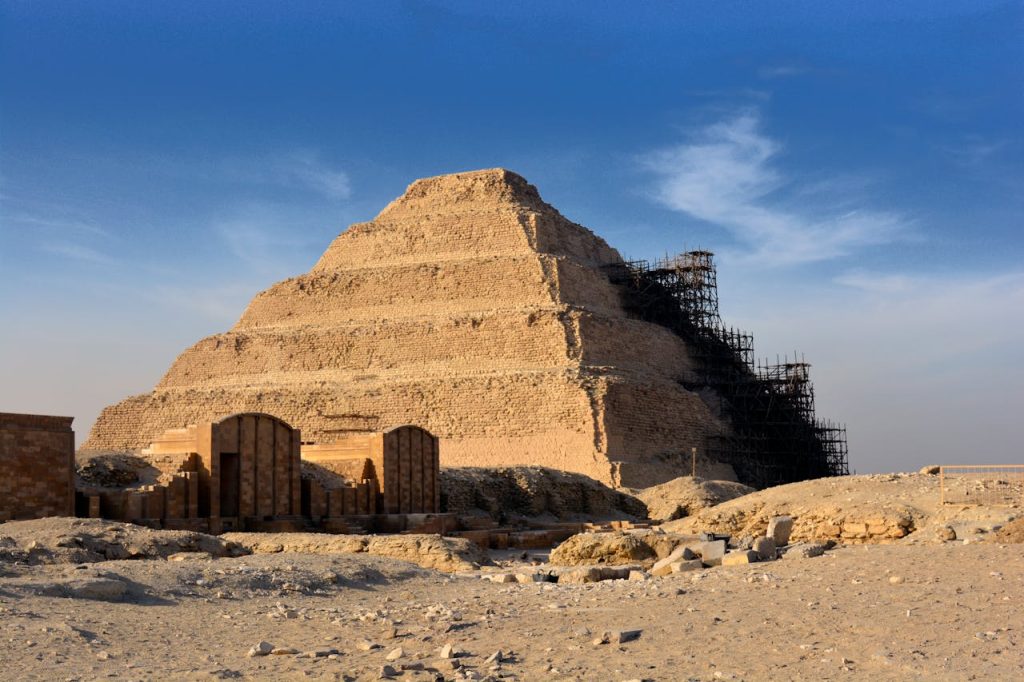
Saqqara’s Step Pyramid rises from a wide, quiet necropolis where distances feel bigger than they look, so camel rides are pitched as practical transport between stops.
Some visitors report official-sounding claims that blur the deal, like fixed prices, required guides, or routes that must be done by camel. Once the ride begins, new charges can appear for waiting, for stopping near an entrance, or for getting back to the car, even when the loop is short.
With fewer crowds than Giza, pressure can feel more personal, and there are fewer bystanders to reset the tone. A clear total, stated once, helps Saqqara stay about history, not haggling.
Pyramid of Unas, Saqqara
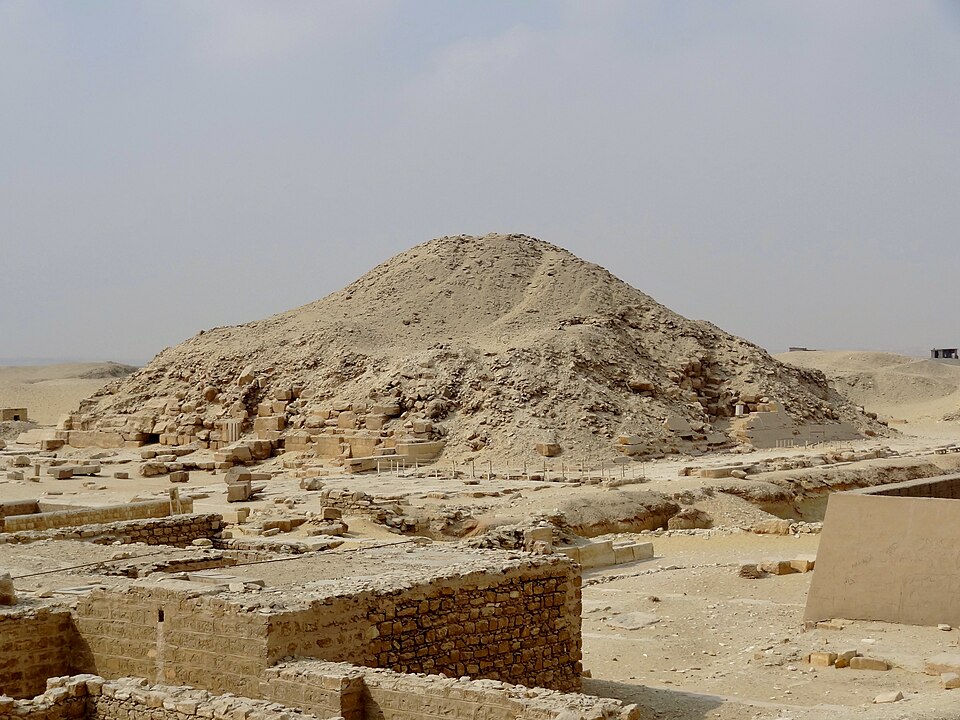
Unas’s pyramid looks modest from the outside, so some handlers sell the camel ride as the main attraction, then treat the monument as an extra stop along the way.
Traveler accounts describe terms that keep sliding: the quote covers only the first stretch, photos cost extra, and pausing near a gate becomes paid waiting time. If nearby tombs are added, each stop can be framed as a separate charge, even when the outing began as one short loop.
Inside, Unas is known for early Pyramid Texts, a reminder that words should hold still. That contrast lands hard when a ride outside depends on vague promises instead of one clean agreement.
Bent Pyramid, Dahshur
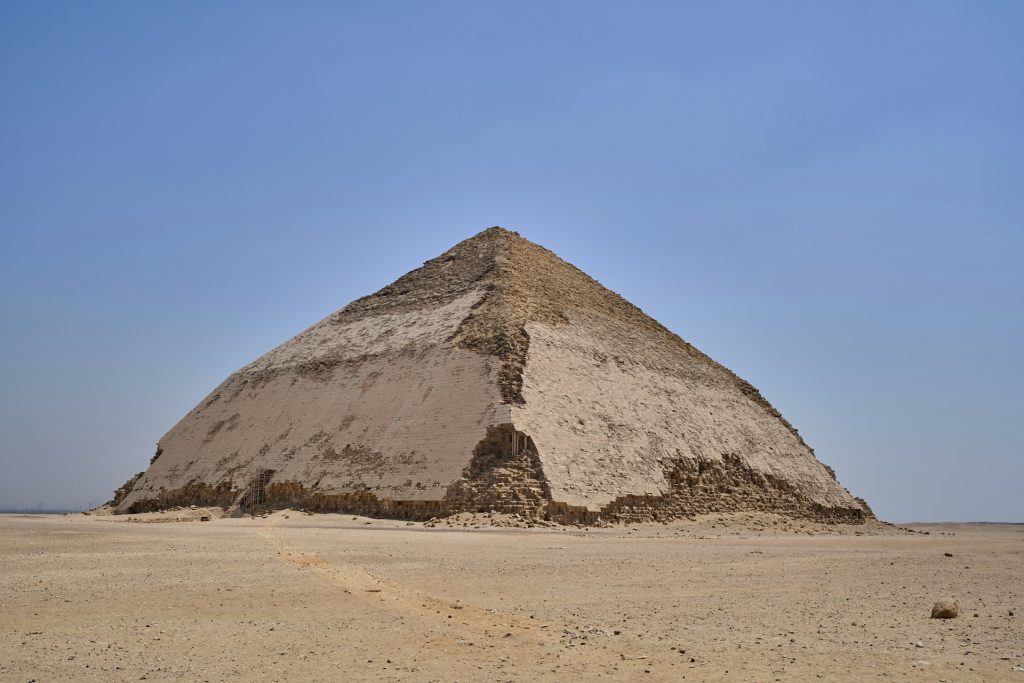
The Bent Pyramid feels like an escape from Giza’s bustle, with open space and fewer vendors at first glance, which can make a camel offer feel more trustworthy.
Even here, visitors describe familiar price games: a low quote for a short loop, then charges for stopping at the best angle, for photos, or for a longer path into the dunes. Sometimes the return trip is treated as separate unless it was named clearly at the start.
The pyramid’s famous change in slope already tells a story about plans shifting midstream. A ride price should not do the same, so a total that includes stops and the dismount protects the calm always.
Red Pyramid, Dahshur
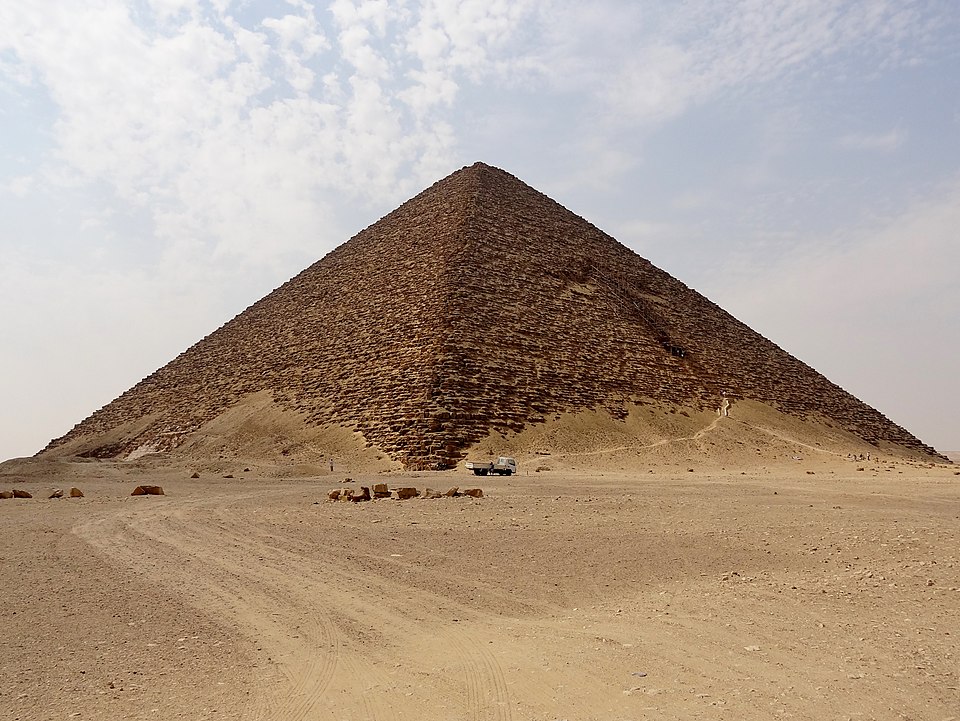
The Red Pyramid rewards effort with a real interior descent, which is why camel rides nearby are pitched as a smart shortcut before the climb and the long corridors inside.
Complaints often center on convenience as the hook. A fixed price later excludes the return, then extra money is requested to stop closer to the entrance, wait for photos, or add another person. Tips may be pushed as required rather than earned, especially when time feels tight.
After a tight passage underground, a payment standoff outside can feel especially deflating. Naming the duration, the route, and one all-in total lets Dahshur feel quiet and generous again.
Meidum Pyramid, Beni Suef
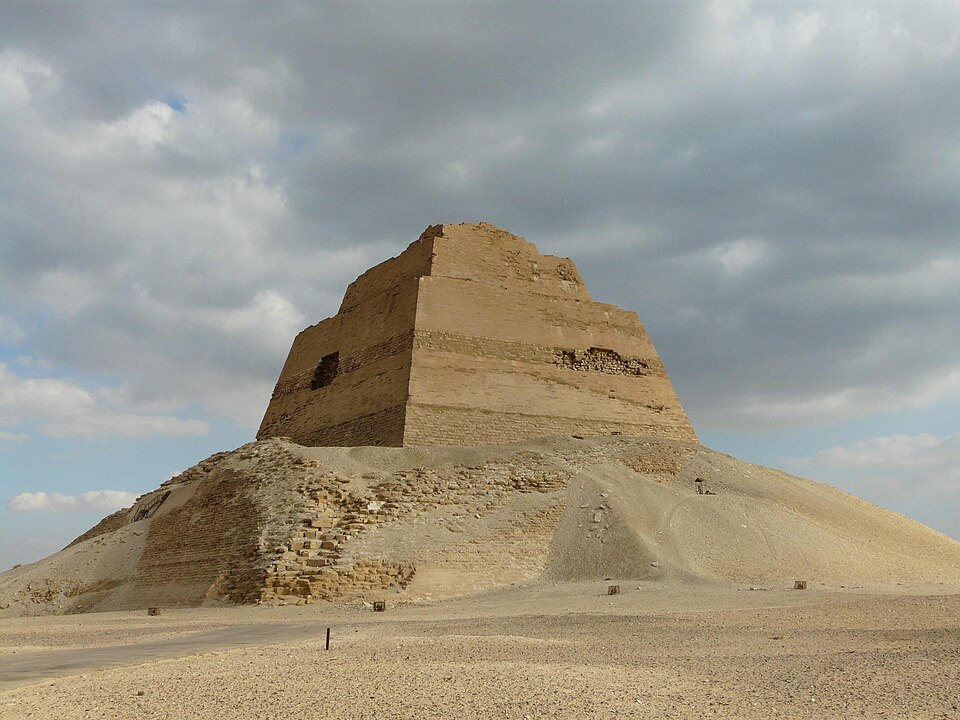
Meidum’s pyramid stands apart from the main tourist circuit, its collapsed casing giving it a stark tower shape at the edge of farmland and open desert.
That isolation can make a camel offer feel like local hospitality, yet it can also tilt leverage. Visitors sometimes report that the quoted price becomes a starting bid, with extra money requested for distance, photo stops, or getting back to the road where transport waits.
With fewer bystanders to interrupt the momentum, people may pay just to end the moment. A clear total in Egyptian pounds and a defined end point protect a site that already feels half-forgotten today.
Hawara Pyramid, Fayoum
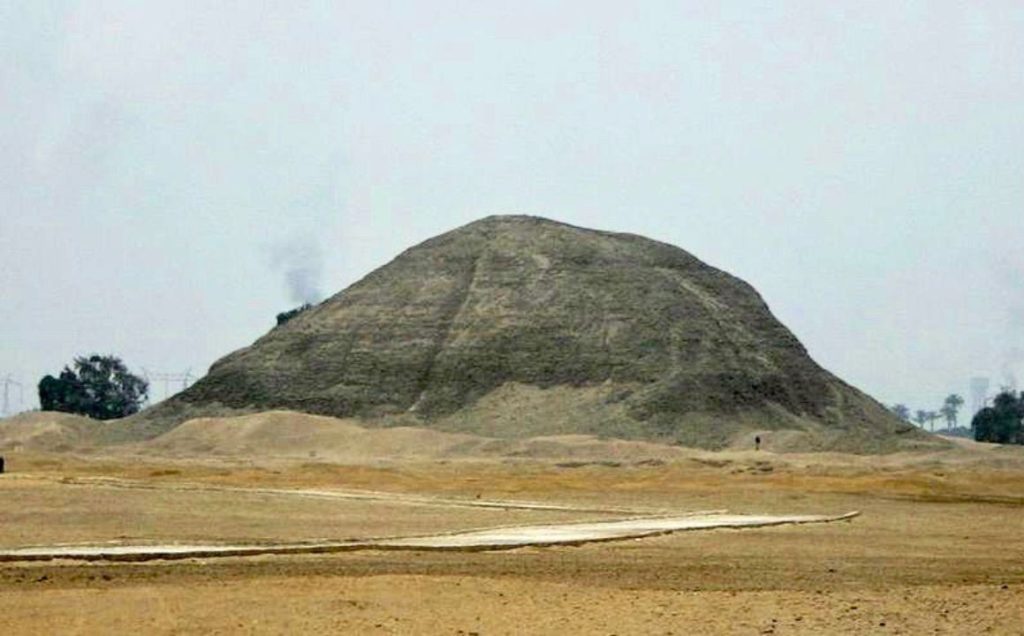
Hawara’s pyramid near the Fayoum oasis sits low and weathered, tied to ancient stories of a lost labyrinth, and visited far less than Giza’s famous trio.
Because it is quieter, a camel ride may be pitched as the only way to reach a proper viewpoint across sand and irrigation fields. That framing can invite familiar tactics: vague timing, a price quoted without what it covers, and surprise charges for stopping, photos, or waiting.
Some visitors also report being pressed for extra cash before the handler will end the ride and let the camel kneel. Calm transport planning and one clear total help the site’s stillness remain the point.