10 European Small Cities That Feel Easier Than Big Capitals
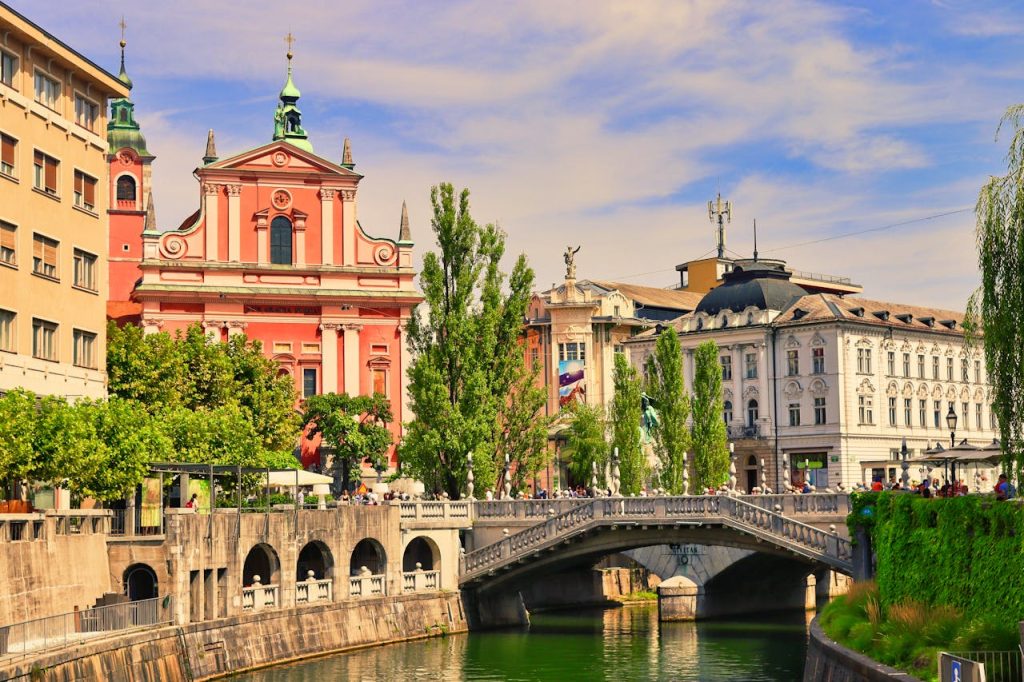
Big capitals dominate Europe itineraries, yet many travelers end up remembering the smaller cities where each day felt easier to carry. The streets are simpler to read, transfers are shorter, and historic cores keep culture within walking reach instead of scattering it across long commutes.
What makes these places stand out is not a lack of depth. It is the opposite. They offer architecture, food, and atmosphere with less friction, so energy goes toward discovery rather than logistics. The following ten cities show how lighter movement can unlock richer travel days, especially for those who value calm pacing and landmarks.
Porto, Portugal
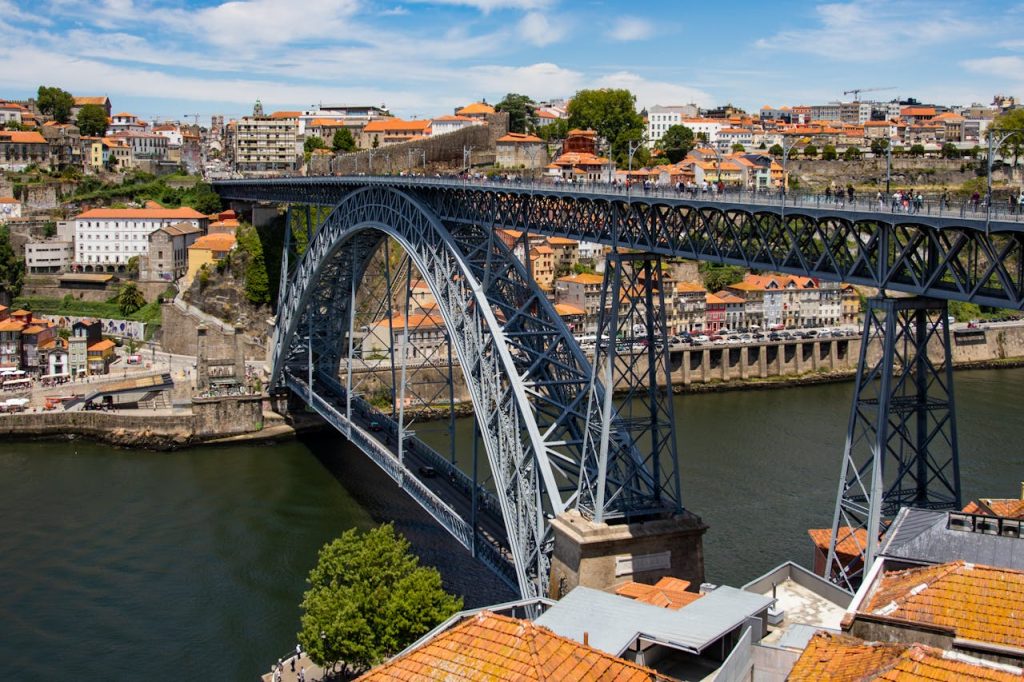
Porto rewards travelers who want substance without the constant pressure that defines bigger capitals. The historic center, the Luís I Bridge, and the riverfront neighborhoods sit close together, so a full day can include viewpoints, markets, and church interiors without long transfers or repeated route changes.
UNESCO classifies the Historic Centre of Oporto with the bridge and Serra do Pilar, noting a long urban history tied to the Douro and Atlantic trade. That official recognition matches what people feel on foot: dense character, short distances, and a city rhythm that stays engaging without becoming exhausting.
Bruges, Belgium
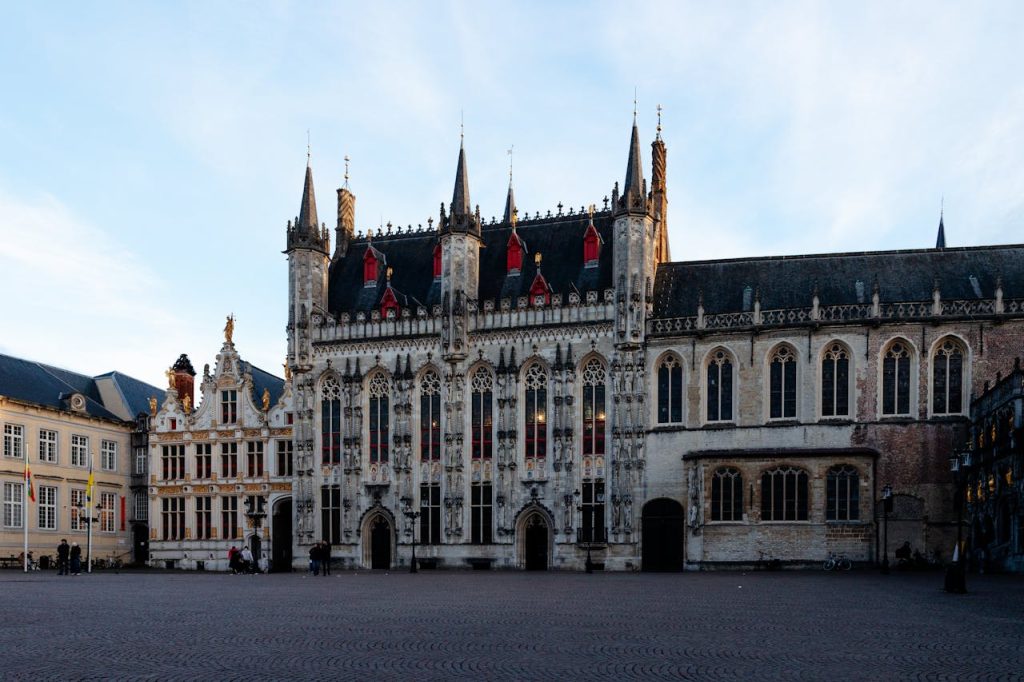
Bruges is often described through postcards, but its real advantage is practical: the historic center is compact enough to keep plans simple from morning to night. Canals, market squares, museums, and quiet residential lanes connect naturally, so visitors spend less time figuring out transport and more time experiencing the city.
UNESCO recognizes Bruges as an outstanding medieval urban ensemble, and that continuity shows in daily movement. The layout supports gentle pacing, easy reorientation, and shorter walking links between major stops, which helps the city feel calm even when visitor numbers rise in peak periods.
Bologna, Italy
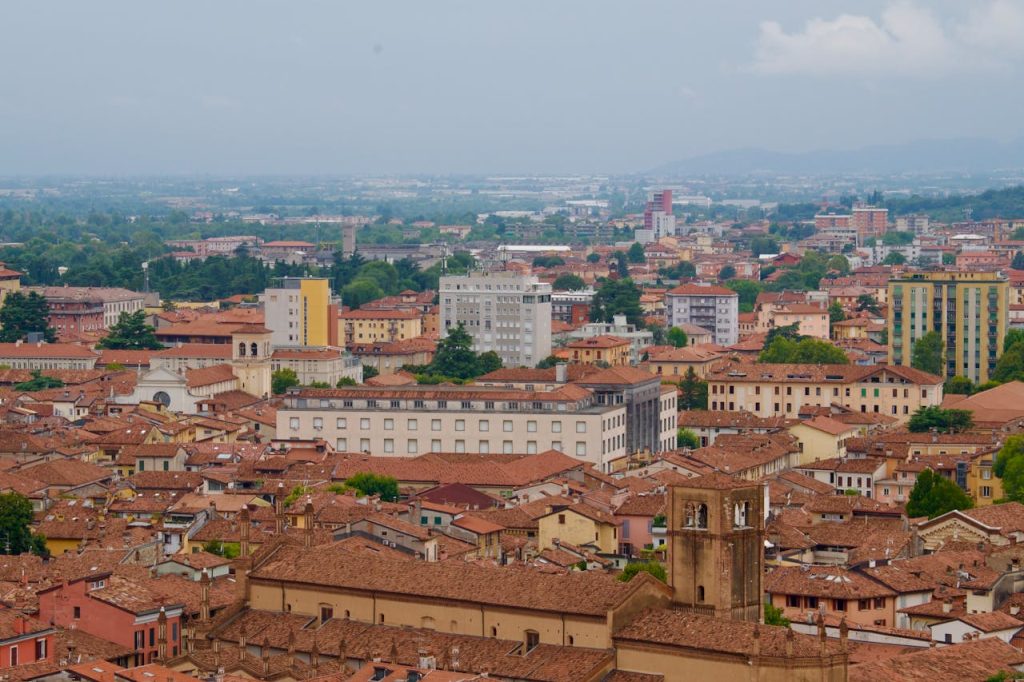
Bologna feels easier than many capitals because its everyday architecture actively supports movement. Covered arcades run across the city, letting people walk in shade or rain while staying connected to shops, churches, cafés, and stations. Days remain flexible because weather and crowds disrupt plans less than expected.
UNESCO’s listing of the Porticoes of Bologna highlights a network that stretches 62 km, with representative ensembles from the 12th century onward. That scale is not just historical trivia. It explains why the city stays navigable and comfortable across long walking days without constant route stress.
Ghent, Belgium
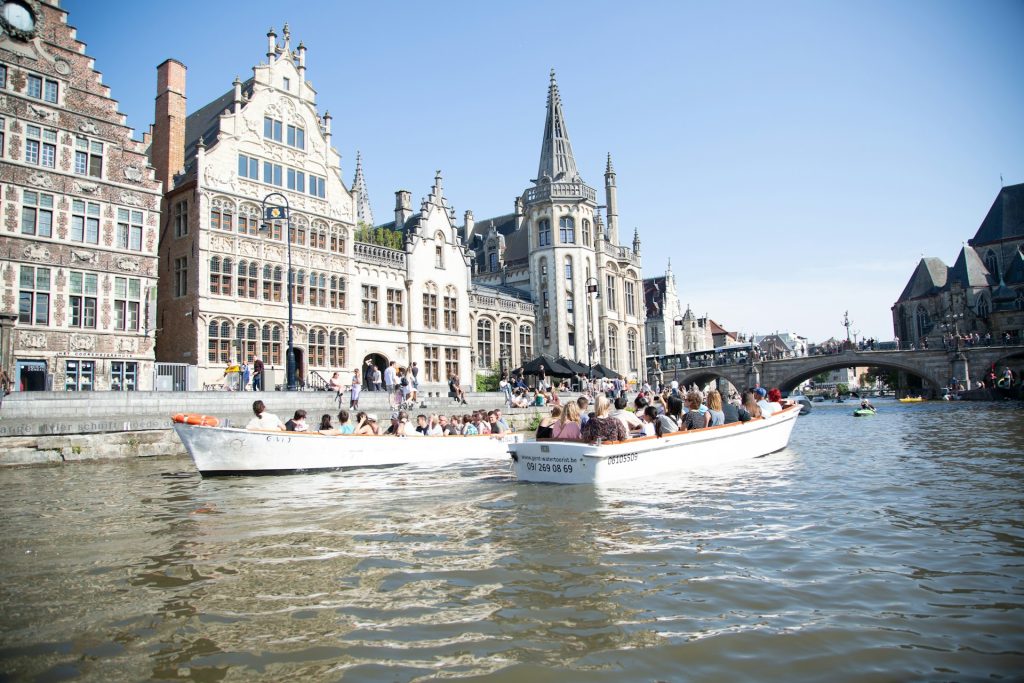
Ghent combines heritage architecture with modern mobility policy, creating a city center that feels less stressful than larger capitals. Waterfront lanes, church towers, and market streets sit within easy reach, and movement through the core is designed around people rather than through-traffic shortcuts.
The city’s circulation plan, implemented in 2017, aims to keep through traffic out of the center. That decision shapes visits in practical ways: cleaner routes, fewer vehicle conflicts, and steadier walking flow between major sights. The atmosphere feels lively, yet daily navigation stays clear and manageable.
Salzburg, Austria
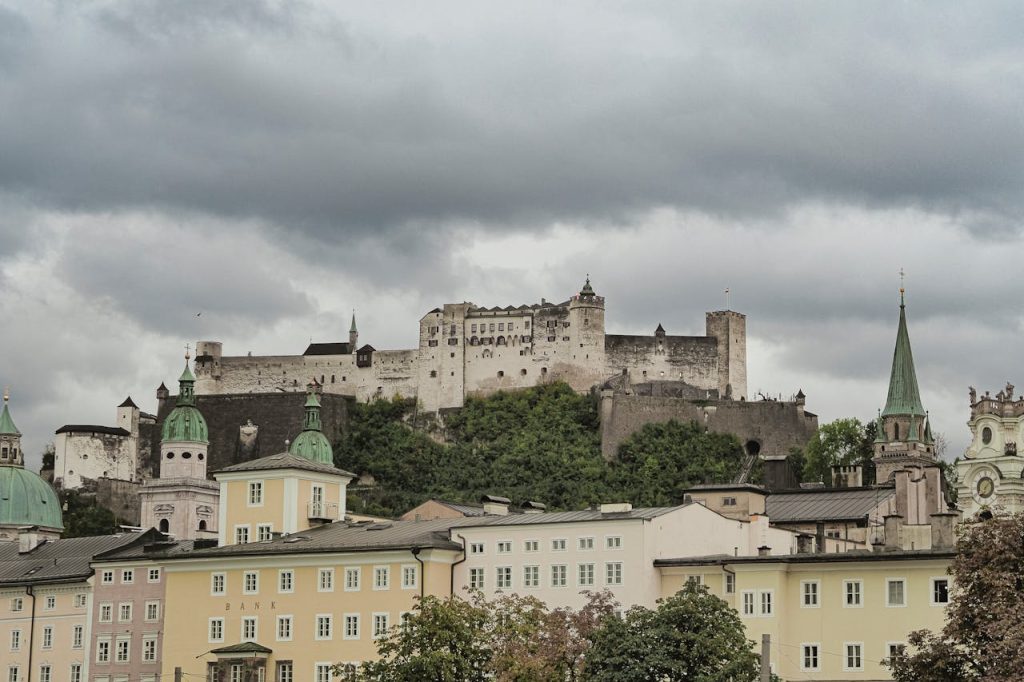
Salzburg delivers the visual drama travelers want from a historic city, but in a footprint that stays legible. The old town, riverbanks, and hill views sit close enough to combine music heritage, religious architecture, and quiet street life in one day without aggressive scheduling or long transit jumps.
UNESCO describes Salzburg as exceptionally well preserved, with rich urban fabric developed from the Middle Ages through the 19th century. That continuity helps first-time visitors read the city quickly, because landmarks, public spaces, and cultural venues connect in a coherent pattern that supports slower exploration.
Ljubljana, Slovenia
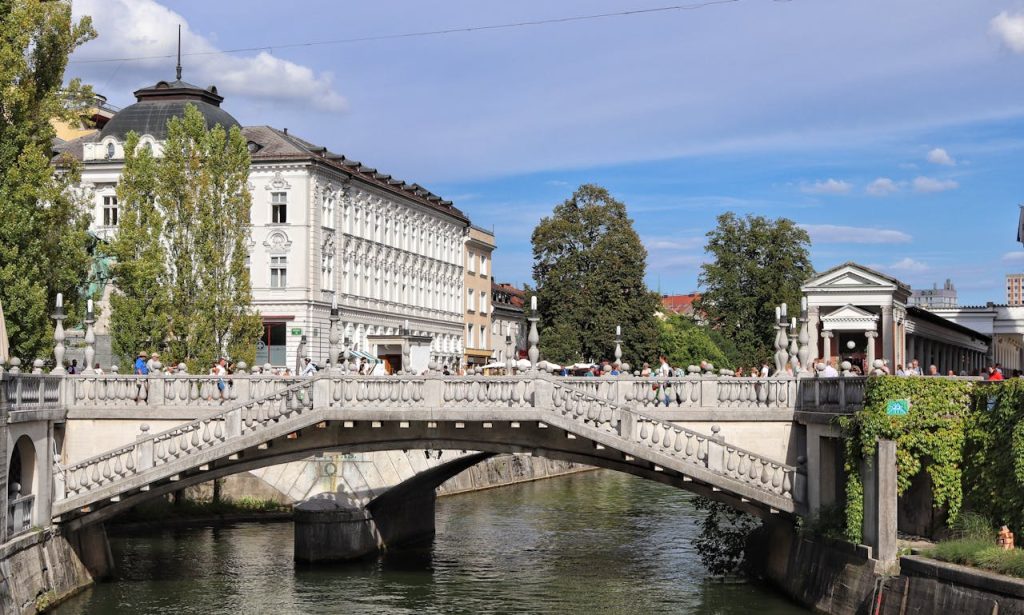
Ljubljana feels easier because its center is built around walking first. Riverside zones, bridges, and café streets form a compact loop where decisions stay simple, and the pace remains calm even during busy periods. The city offers capital-level culture without the friction larger capitals often create.
Official city guidance notes that the old town core is closed to regular traffic, and free electric Kavalir vehicles operate there, helping mobility-impaired riders. That structure reduces noise and crossing stress, making the city more comfortable for mixed-age groups who want longer days without feeling overextended.
Utrecht, Netherlands
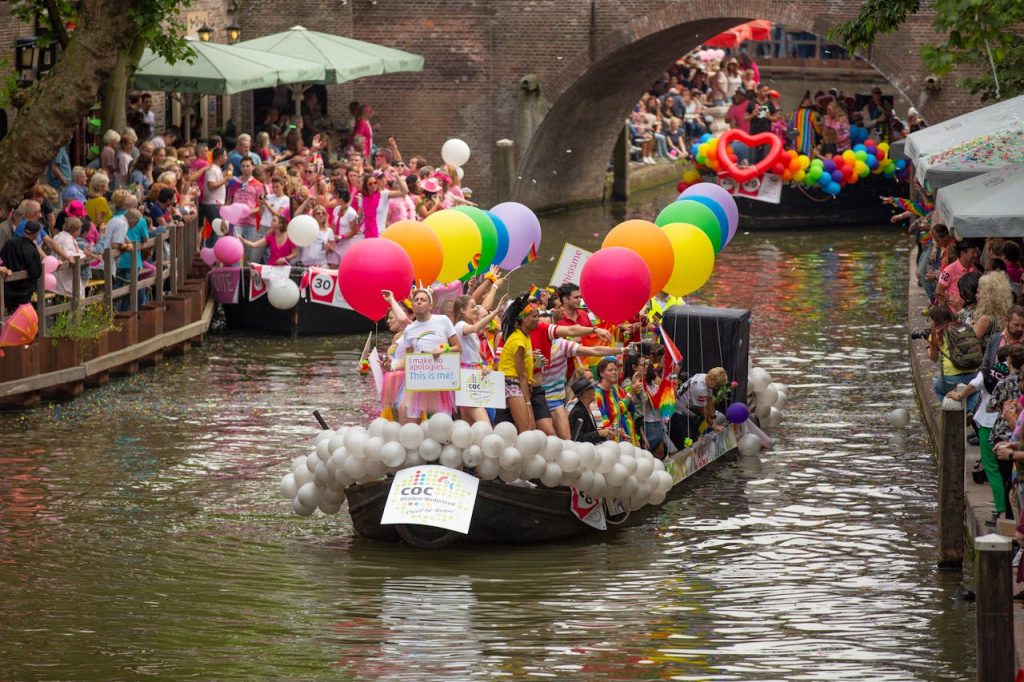
Utrecht gives travelers a practical entry model that many larger capitals still struggle to provide. Its canals, museum quarters, and café streets feel central and connected, while arrival logistics are eased by edge-of-city parking options linked to public transport into the core.
Municipal guidance highlights four P+R facilities on Utrecht’s outskirts and combination tickets that pair parking with transport toward the center. That setup removes a common first-day headache, especially for road trippers. Instead of circling dense streets for parking, visitors can transition smoothly into a walkable urban day plan.
Aarhus, Denmark
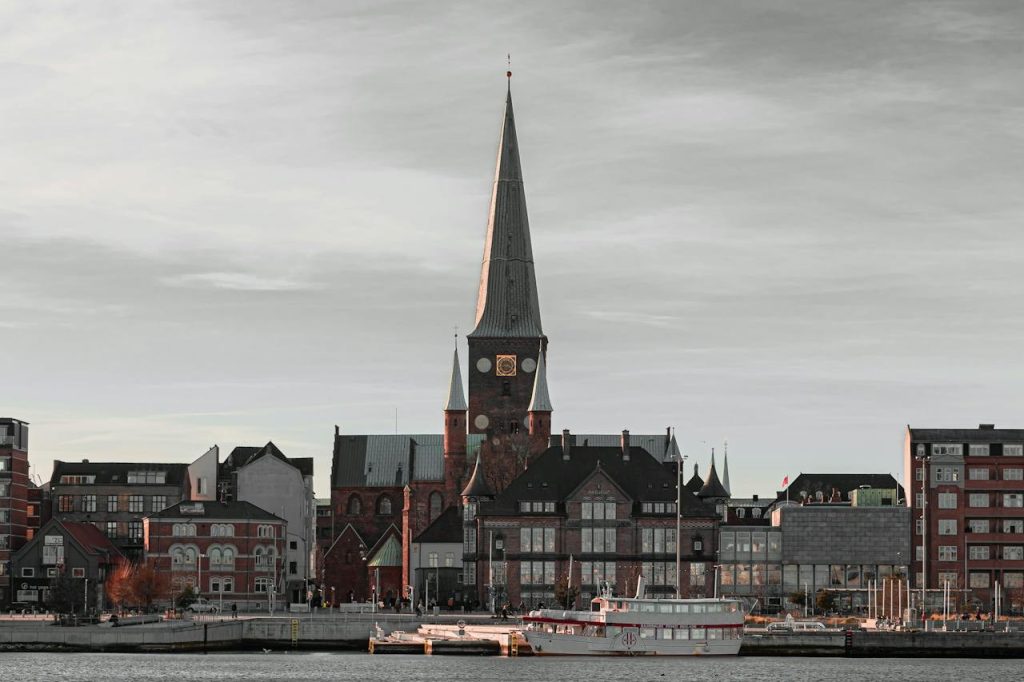
Aarhus carries creative energy without big-city strain. Waterfront design spaces, food districts, and cultural venues sit at workable distances, so a day can stay full without feeling overbooked. The city’s scale supports spontaneous changes, which is often the difference between a good trip and an exhausting one.
Visit Aarhus describes the city as cycle-friendly because of many bike paths, short distances, relatively flat surroundings, and open green space. Those conditions shape daily comfort in simple ways. Movement becomes predictable, transitions stay short, and travelers keep momentum without timetable pressure.
Lucca, Italy
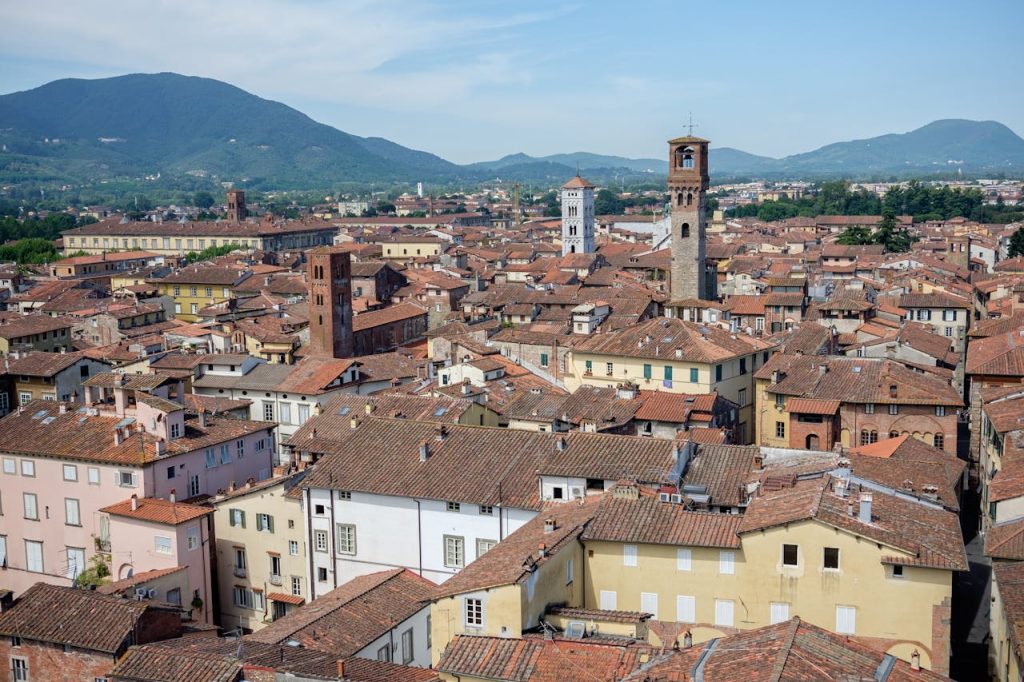
Lucca is proof that historic form can make modern travel easier. Its Renaissance walls now function as an elevated public ring, and the old center inside them stays compact and readable. Visitors can move between piazzas, churches, and neighborhood streets without long cross-city transfers common in capitals.
Lucca Tourism describes the walls as a green ring over four kilometers long that embraces the historic city and serves as shared public space. That structure creates a built-in orientation tool. Even first-time visitors quickly understand the city’s rhythm, then settle into a relaxed pace that still feels rich.
Bergen, Norway
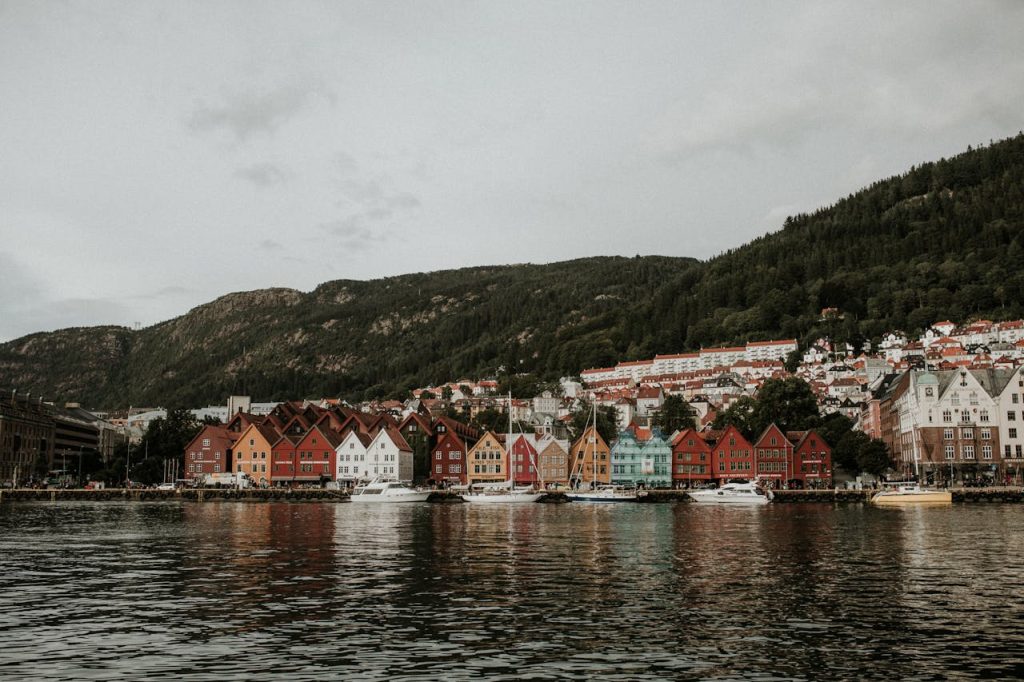
Bergen offers dramatic scenery with a city center that remains easy to use. Historic harbor streets, museums, and viewpoints connect in short sequences, and daily planning does not require constant transport recalculation. The place feels substantial, but the practical load stays lighter than in many capitals.
UNESCO identifies Bryggen as a preserved wharf district linked to Hanseatic trade, and official guidance notes direct light rail service between airport and city center. Together, those features support depth and convenience: strong heritage at the core, plus straightforward access from arrival to walk.