10 Everyday Travel Habits That Can Get You Fined in Major Cities

In big cities, small habits can become expensive because rules are written for density, not comfort. Sidewalks are tight, transit runs on strict timing, and historic sites cannot absorb endless wear. Add cameras, inspectors, and neighborhoods tired of noise, and enforcement shows up right where visitors cluster. The surprise is not that rules exist. It is how ordinary the triggers can be: a snack in the wrong spot, a shortcut across traffic, a ticket that was bought but not validated. A little awareness keeps the day moving and the budget intact.
Singapore: Littering on the Go

In Singapore, dropping a cup, receipt, or food wrapper is treated as a real civic offense, not a minor mistake. Enforcement is common near MRT stations, hawker centers, and shopping streets, where high foot traffic makes small messes multiply quickly, and fines can be issued even for items that seem insignificant. Repeat cases can escalate into more serious penalties, including corrective work meant to reinforce the point publicly. Bins are frequent, signage is direct, and patrols focus on predictable hotspots, so a rushed snack or a windy sidewalk moment can become a costly lesson before the next train arrives.
Singapore: Jaywalking Between Crossings
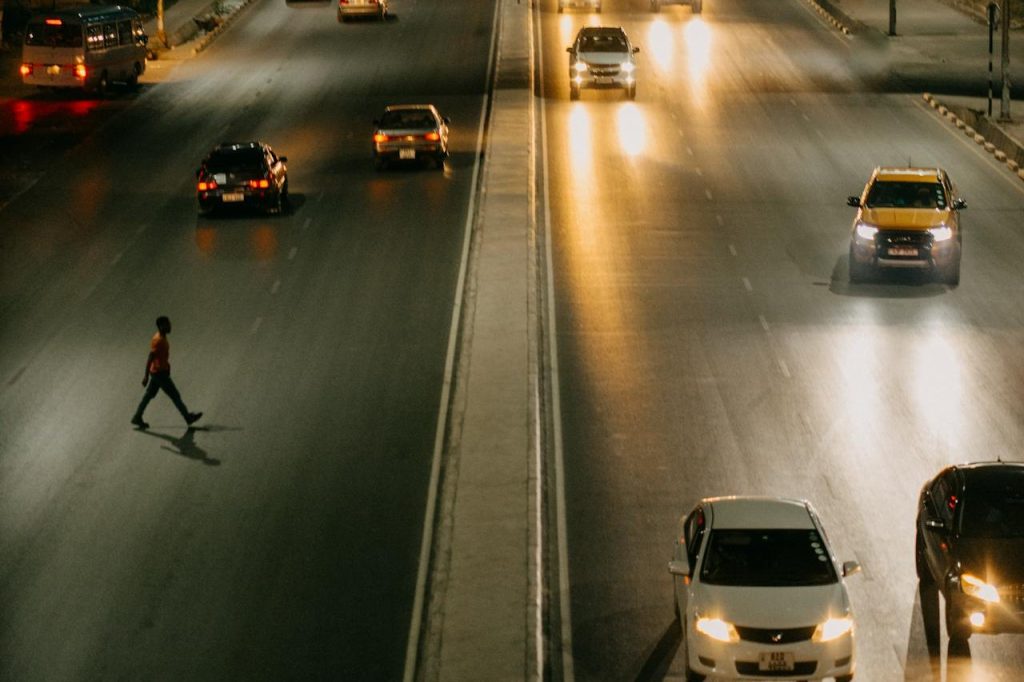
Singapore takes pedestrian shortcuts seriously, especially in busy zones where a single mid-block dash can ripple into braking, swerving, and gridlocked junctions. Jaywalking rules expect people to use signals, crossings, and overhead bridges, and fines can follow when someone crosses outside those points, even if the street looks quiet in that moment. Enforcement tends to concentrate near malls, schools, and transit hubs where the temptation is highest and turning vehicles move fast. What feels like a quick time-saver can be treated as creating avoidable risk, and officers know the common shortcut spots because they see the same behavior every day.
Venice: Feeding Pigeons in Public Squares
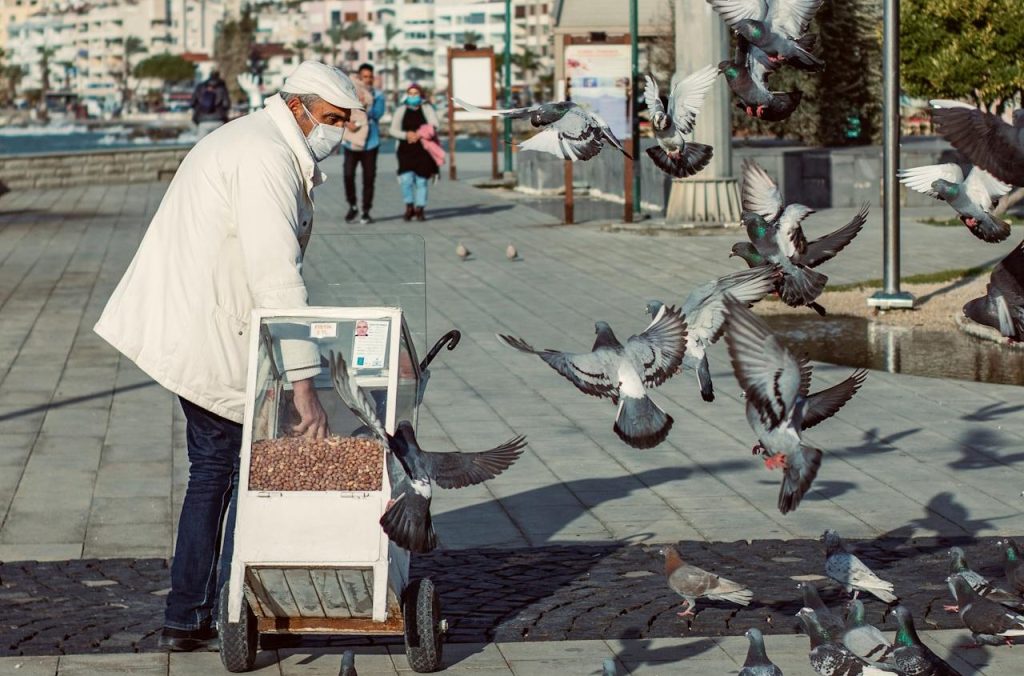
In Venice, feeding pigeons is not a cute photo opportunity; it is regulated behavior tied to protecting historic stone and keeping key squares functional. Droppings stain facades and steps, attract larger flocks, and raise cleanup costs in a city where preservation is constant work and materials are difficult to replace. Rules target the behavior that fuels the problem, so both feeding and the sale of bird feed are often discouraged in central areas. Fines can follow, and enforcement is most visible where crowds gather, because the city is trying to prevent small acts from causing large, lasting damage.
Rome: Sitting on the Spanish Steps
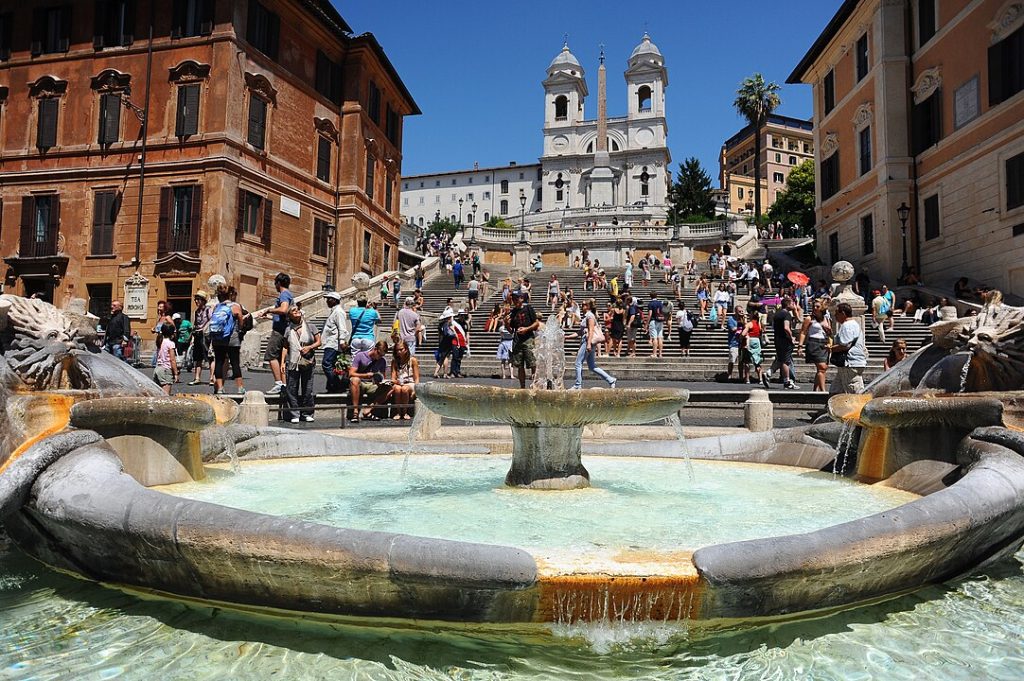
Rome treats the Spanish Steps as a monument, not a lounge, and sitting, eating, or lingering with drinks on the marble can lead to enforcement and fines. The reasoning is simple: constant pressure, spills, and crowd friction wear down stone that is costly to restore, and the steps are a high-visibility site that attracts heavy foot traffic all day. Patrols move people along quickly, especially during peak season, and warnings do not always last long. A short rest can turn into a ticket because the rule is designed to protect the site’s surface and flow, not to debate intent.
Florence: Street Snacking in the Historic Core

Florence has pushed back on sidewalk eating in specific historic-center zones during peak hours, aiming to keep narrow streets moving and keep corners from turning into standing-room dining. The issue is not food itself; it is the predictable pileup near famous takeout counters where people stop, pose, and block doorways in a city built for foot traffic, not clusters. When crowds stall, deliveries and emergency access become harder, and litter and grease marks build up fast. Fines act as a pressure release, encouraging visitors to step aside into designated areas so daily life and pedestrian flow stay workable.
Barcelona: Drinking Alcohol in the Street

Barcelona is strict about public drinking in many settings, especially when it spills into noise, litter, and late-night disruption in residential neighborhoods. Open containers in streets and plazas can draw fines, and enforcement often focuses on areas known for party tourism where groups treat sidewalks like open-air bars. The city’s goal is to protect residents who live above the action and to reduce the cleanup burden that comes with spilled drinks and broken glass. A casual can in the wrong place can become a ticket, not a toast, because authorities treat public drinking as a quality-of-life issue, not harmless atmosphere.
Paris: Riding Metro Without a Valid Ticket
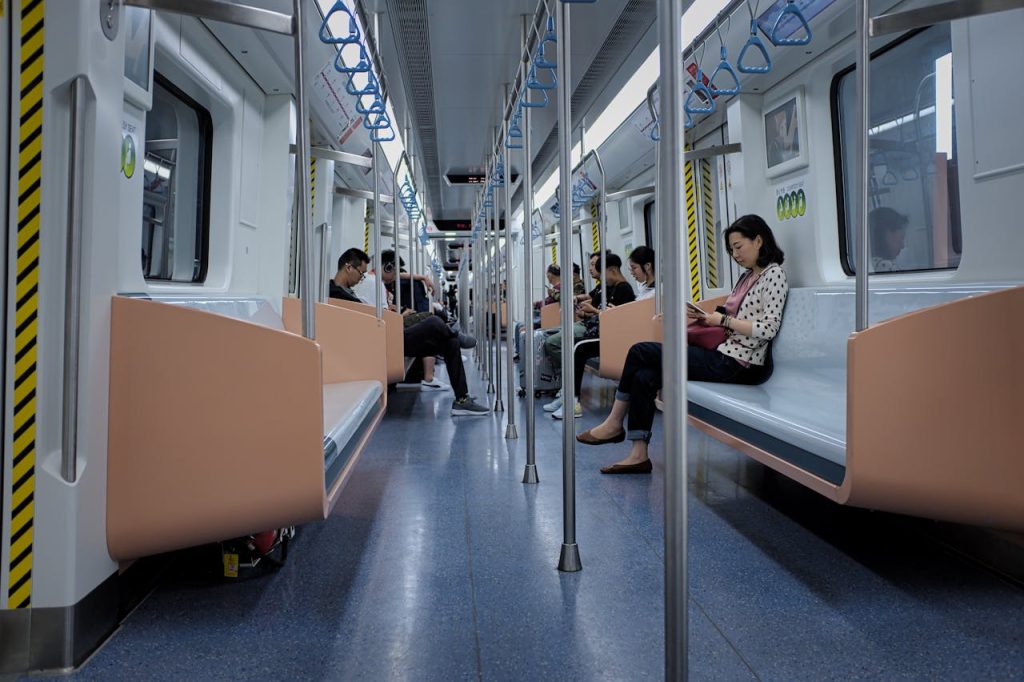
Paris transit enforcement can feel sudden because inspectors appear at gates, platforms, and inside trains, often at major transfers where travelers are juggling bags and distractions. Riding without a valid ticket, using the wrong fare, or failing to validate properly can trigger on-the-spot fines, even when the rider genuinely thought the purchase was enough. Proof-of-payment systems expect correctness, not good intentions, and tailgating through gates can be treated as fare evasion as well. The safest habit is treating validation like a required step, because inspectors focus on tourist-heavy lines and stations where mistakes are common and easy to check quickly.
Tokyo: Smoking on the Street in No-Smoking Wards

In parts of Tokyo, street smoking is restricted by ward rules, and fines can apply in designated no-smoking areas, especially near stations and shopping streets. The policy exists because sidewalks can be tight, and smoke, ash, and dropped cigarette ends become a daily nuisance when crowds move shoulder to shoulder. Designated smoking zones and indoor rooms are meant to contain the impact, and signage is usually clear in enforcement areas. Patrols tend to focus on commercial cores where foot traffic is highest, so a quick cigarette while walking can be treated as a clear violation rather than a minor etiquette issue.
Honolulu: Smoking on Beaches and in Parks

Honolulu restricts smoking in many public spaces, including beaches and shoreline parks, and violations can bring fines under local rules. The logic is straightforward: reduce secondhand smoke exposure in crowded recreation areas and prevent sand and grass from becoming cigarette litter zones. Enforcement tends to be most visible where families gather, events happen, and beach parks stay packed, especially on weekends and holidays. Visitors sometimes assume open air means open rules, but posted signs and park staff often tell a different story. A vacation habit that feels casual elsewhere can quickly become a public-space violation in a city that prioritizes clean, shared shoreline areas.
Dubai: Public Swearing or Insults in Public
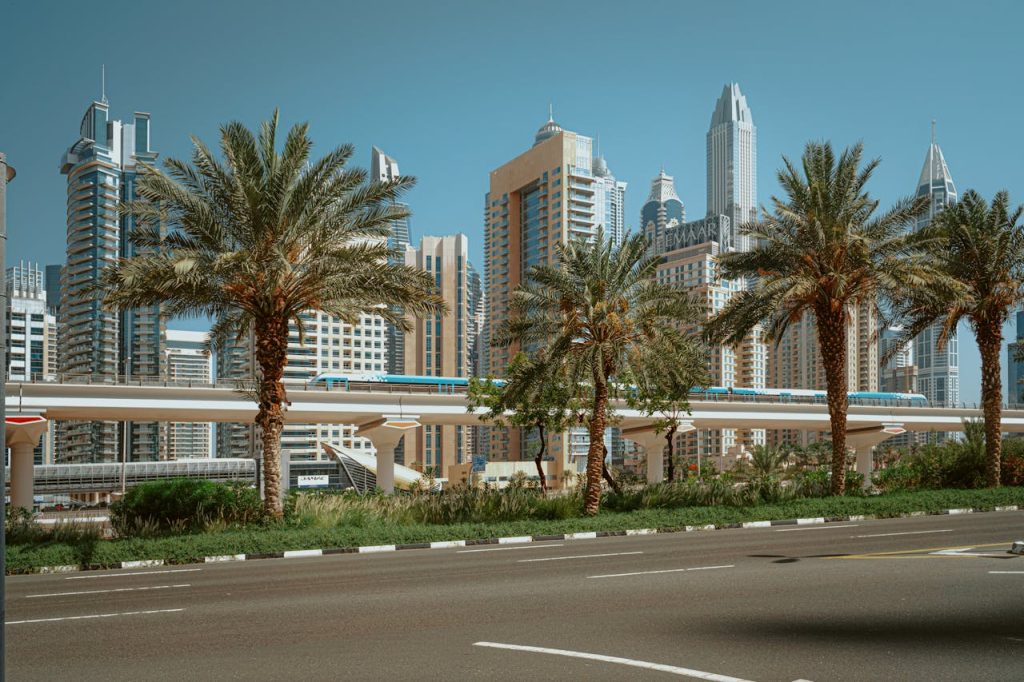
Dubai’s public conduct rules are stricter than many travelers expect, and profanity, insulting language, or rude gestures can lead to legal consequences and fines. What matters is not private frustration but the public impact, especially when someone complains or a situation is captured on video in a taxi, mall, or busy street. Arguments that might end with an eye roll elsewhere can escalate because authorities treat dignity and public order as serious concerns. The simplest way to avoid trouble is controlled language and calm exits, even when service is slow or tempers rise, because the cost of a heated moment can be far higher than the original annoyance.