10 Family Hacks for Women’s U.S. Beach Trips

A women-led family beach trip can look effortless in photos, yet the calm days usually come from choices made before anyone reaches the shore. Across U.S. coasts, conditions can change quickly with surf warnings, heat spikes, parking pressure, and local access rules, so the smartest planning is simple, repeatable, and realistic rather than ambitious on paper.
Families that enjoy the trip most are rarely overplanned. They protect energy, divide responsibilities clearly, and use small routines that keep children comfortable, adults steady and each day flexible when weather, traffic, or timing shifts without turning rest into another task list.
Start With Lifeguards, Not Hype

Most beach stress starts with guessing. Families reduce that risk by choosing lifeguarded beaches first, then checking local surf, rip, and hazard advisories before breakfast. That one sequence replaces debate with clarity and keeps arrival decisions simple when parking lots fill early and conditions change hour by hour.
Official beach safety guidance repeatedly emphasizes swimming where lifeguards are present and avoiding uncertain water conditions. For women leading mixed-age groups, this is less about fear and more about protecting the day’s rhythm so one bad call does not derail everyone’s plans, timing, and confidence.
Split the Day Around Heat
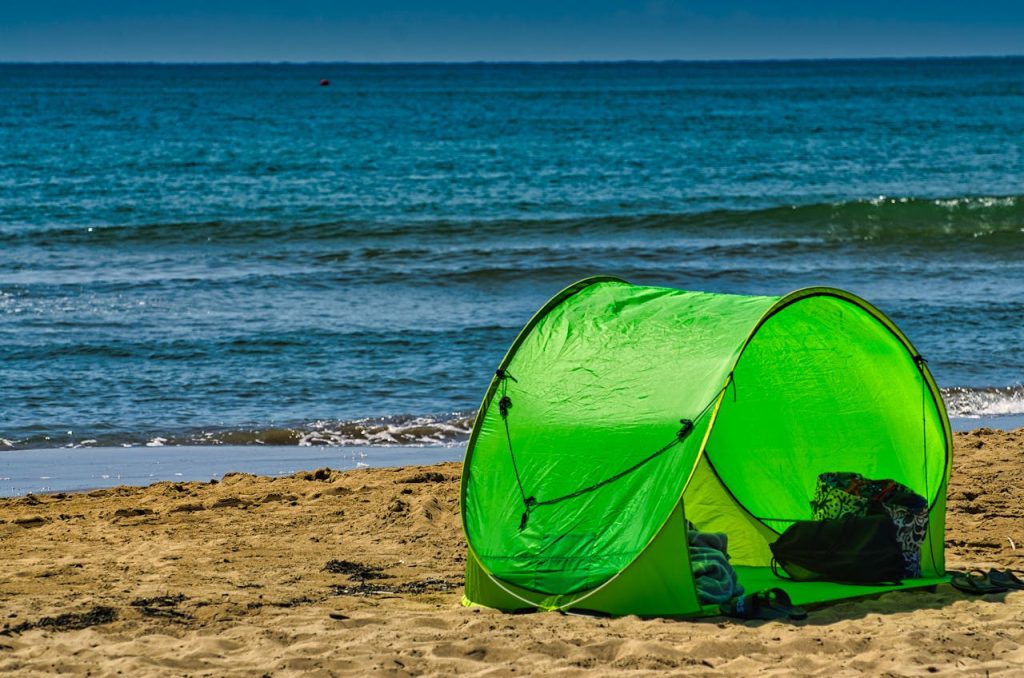
Heat is easier to handle when the day is split on purpose. Many families make early morning and late afternoon their active windows, then use the brightest midday hours for shade, indoor meals, or short reset breaks. That pattern preserves energy and lowers sun fatigue by evening, especially for children and older adults.
Public health guidance on UV exposure and sunscreen use supports this structure: limit peak-sun time, apply broad-spectrum protection, and reapply on schedule, especially after water time. The win is practical, not dramatic. Fewer burns mean better sleep, better moods, and steadier momentum the next day for the whole group.
Use The Two-Bag System

The two-bag method solves more problems than it seems. One dry bag holds documents, medicines, chargers, and backup snacks in sealed pouches. One wet bag handles towels, swimsuits, and sandy clothes. Nothing leaks into essentials, and the car ride home feels controlled instead of chaotic, sticky, and hard to manage.
Women coordinating family trips often carry the hidden logistics burden, so small systems matter. This setup speeds packing, reduces lost-item panic, and makes hotel resets faster when children are tired. It also keeps tomorrow’s start cleaner, because wet gear is already separated, counted, and easy to dry overnight.
Book For Walkability, Not Just Price

Map distance can be misleading at the coast. A hotel that looks close may still require steep stairs, long boardwalk walks, or difficult stroller routes in high heat. Families lower stress by booking for real walking conditions, nearby restrooms, and easy food access, not just nightly rates and photos.
This choice quietly protects everyone’s patience. When the room is truly reachable, quick breaks are possible for naps, medicine, or clothing changes without burning an hour in traffic. Women leading family schedules gain flexibility, and the day stays enjoyable because recovery time is built into location, not luck or perfect timing.
Let Tides Set The Schedule
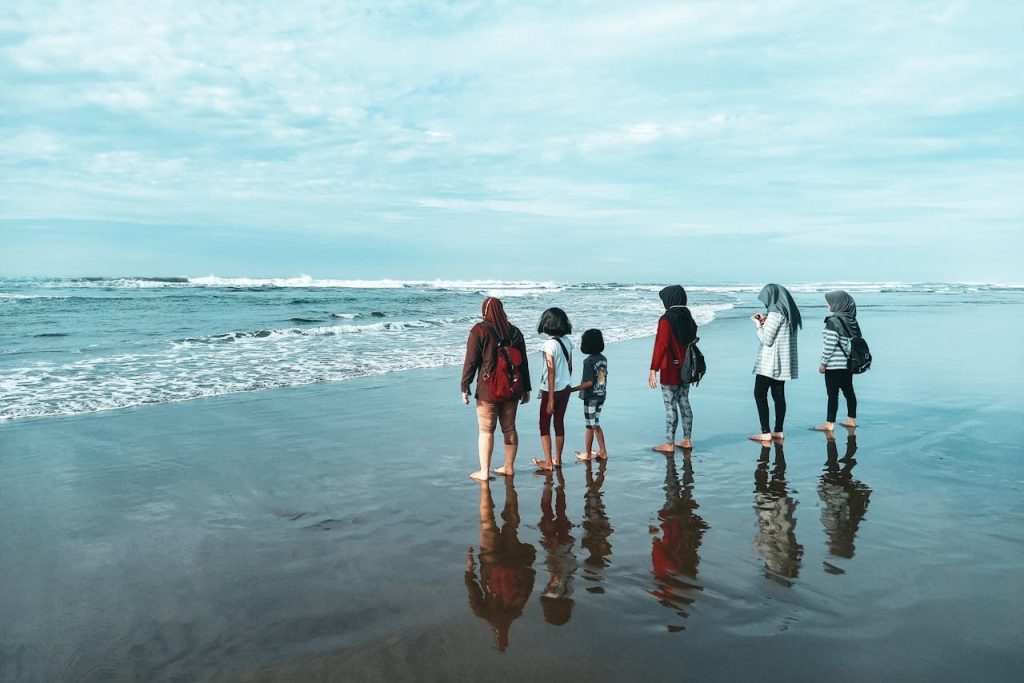
Tide timing is one of the most overlooked planning tools. Low tide can open safer play zones, shell patches, and tide-pool edges that disappear later. Families that check local tide predictions before leaving can choose activity order with more confidence and avoid rushed changes near the waterline and rocky access points.
This is where simple prep pays off. If the group knows when water rises, adults can plan meals, photos, and swim blocks around safer windows instead of reacting on the spot. The day feels smoother, children stay engaged, and fewer last-minute reroutes are needed when access points start narrowing or currents strengthen.
Rotate A Dedicated Water Watcher

Beach supervision fails when everyone assumes someone else is watching. A rotating water-watcher schedule fixes that instantly. One adult takes active watch for a short block while others eat, rest, or manage gear, then the role hands off clearly with no ambiguity and no phone distractions during supervision time.
Women often become default monitors even on group vacations, which is exhausting over multiple days. Shared watcher shifts spread responsibility fairly and make safety visible to children. The benefit is emotional as well as practical: adults stay present, decisions are calmer, and no one carries the entire burden alone for hours.
Build A Hydration-And-Snack Cadence
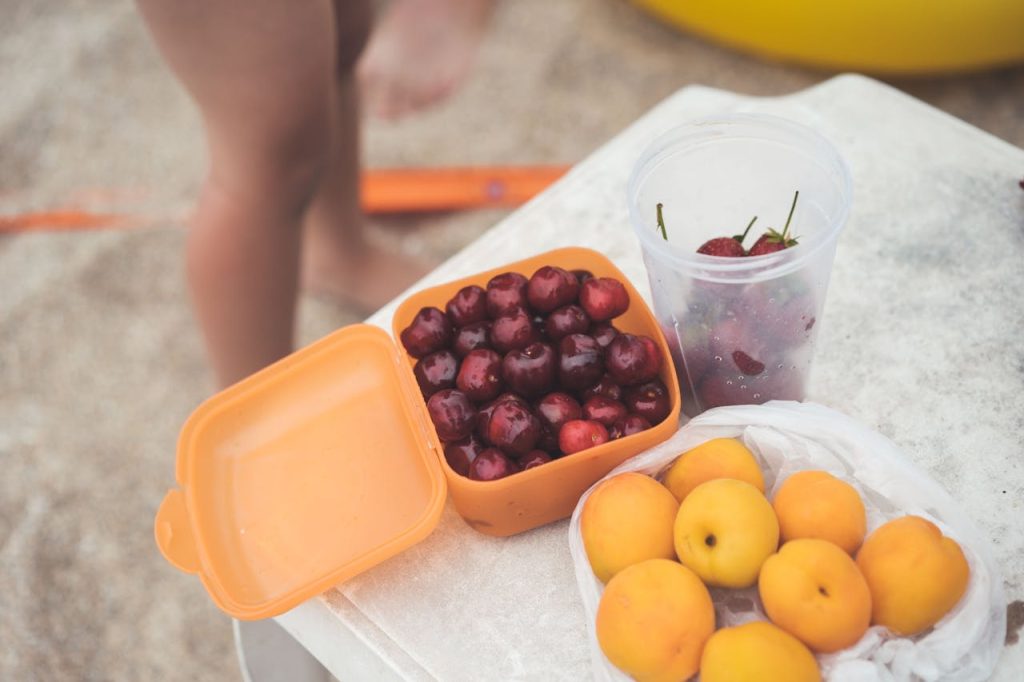
Snacks and hydration are not side details on hot sand days. Families do better when drinks are pre-chilled, salty snacks are easy to grab, and refill cues are tied to routine moments like post-swim breaks. Waiting for thirst usually means the group is already behind in comfort, focus, and patience.
Heat-health guidance consistently stresses hydration and cooling habits, especially for children and adults who are active in warm conditions. A simple cadence works: drink, shade, reset, then return. That rhythm prevents late-day crashes, reduces minor conflicts, and keeps everyone steady enough to enjoy the trip fully through sunset hours.
Run A Five-Minute Exit Routine

The exit routine determines whether tomorrow starts strong or messy. Smart families schedule a five-minute rinse-and-reset before leaving the beach: sand off feet, dry ears, change into clean clothes, and seal wet items immediately. That short sequence protects car seats and prevents small discomforts from growing overnight.
Health guidance for swimmers emphasizes basic prevention habits like drying ears and avoiding poor-quality water days. Families that treat cleanup as part of beach time report smoother evenings, better sleep, and fewer complaints the next morning. It is a modest habit with outsized payoff over a multi-day trip.
Pack Airport Liquids Before Bed

For fly-in vacations, airport friction can drain energy before the first wave. Families avoid that by pre-packing carry-on liquids in TSA-compliant sizes and keeping one clear quart bag per traveler accessible at screening. The rule is simple, but forgetting it often causes repacking stress in crowded lines.
Women managing children through terminals benefit most from predictable checkpoints. When toiletries are sorted early, security moves faster, tempers stay lower, and tight connections feel manageable. It also protects arrival-day plans, because the trip starts with momentum instead of delays over items that could be packed correctly.
End Every Day With A Reset Ritual

The strongest family hack is an evening reset ritual that takes under 20 minutes. Back at lodging, everyone showers, rehydrates, sets out tomorrow’s clothes, and confirms one low-effort meal plan. That small structure prevents bedtime friction and protects morning energy, especially after long sun exposure.
Women often carry the emotional load of transitions, so shared closeout routines matter. They reduce forgotten items, lower decision fatigue, and keep group mood stable across consecutive days. Beach trips still include surprises, but a calm nightly reset turns disruptions into manageable moments instead of trip-wide stress.