10 Famous Destinations Americans Approach More Carefully Today
Travel risk management firms and State Department officials report a distinct shift in how American tourists navigate some of the world’s most beloved vacation spots. Security consultants emphasize that while these destinations remain open and popular, the rise of sophisticated petty crime, digital fraud, and localized unrest has necessitated a more guarded travel style. Intelligence analysts note that the “carefree” vacation mentality is increasingly being replaced by a strategy of situational awareness, where travelers actively monitor local news and adhere to strict safety protocols to mitigate risks that did not exist a decade ago.
Diplomatic security services and global insurers highlight that the threat landscape has evolved from simple physical safety to complex issues involving medical infrastructure and transportation security. Experts say that understanding these nuances is critical for a safe experience. By recognizing the specific challenges in each of these ten famous locations, visitors can maintain the necessary vigilance to enjoy their trips without becoming targets for the opportunistic crime that frequently plagues high-density tourist zones.
Paris In France

Security analysts and French law enforcement officials consistently rank Paris as a primary location requiring heightened vigilance against aggressive petty theft. Crime statistics indicate that the areas surrounding the Eiffel Tower and the Louvre have become operating grounds for organized pickpocket gangs who utilize distraction techniques to target distracted tourists. Criminologists observe that these groups often use petitions or gold ring scams to divert attention while accomplices strip valuables from bags and pockets.
Travel safety experts warn that the Metro system remains a high-risk environment for theft, particularly during rush hour when density makes detection difficult. The US Embassy has frequently issued alerts regarding the prevalence of street crime in major tourist corridors. Visitors are advised to secure passports and extra cash in hotel safes rather than carrying them, as professional thieves in the city are adept at spotting and accessing concealed money belts or backpacks.
Nassau In The Bahamas
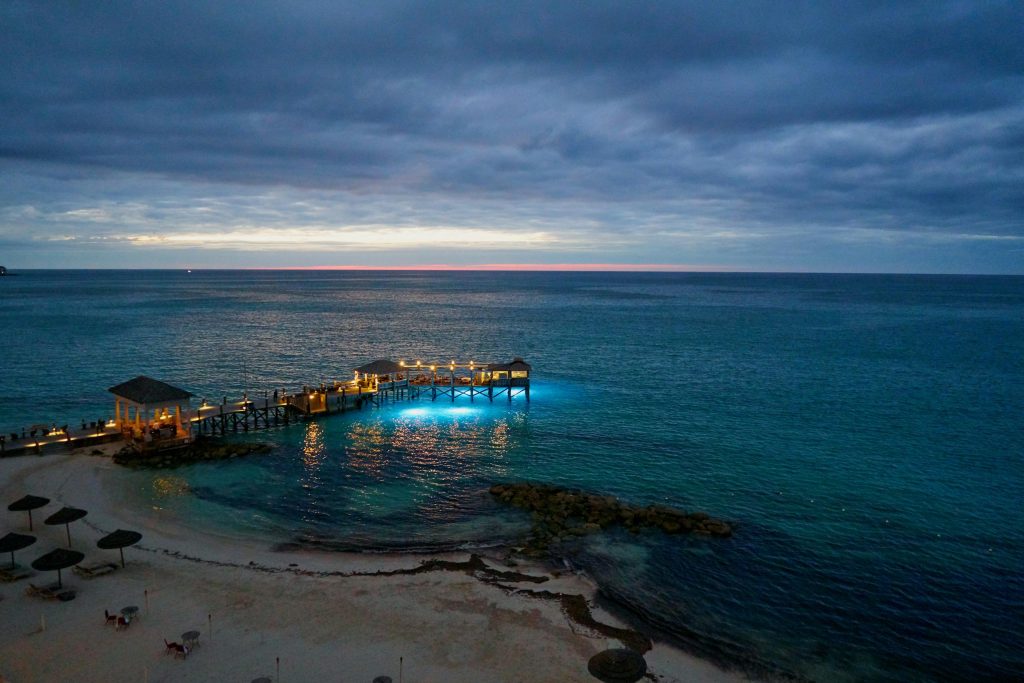
US Embassy officials and regional security officers have issued multiple advisories regarding a spike in violent crime in New Providence, which includes Nassau. Intelligence reports highlight that criminal activity has spilled over from non-tourist areas into zones frequented by visitors, including the popular cable beach and downtown areas. Security consultants emphasize that the risk of armed robbery is a genuine concern, even during daylight hours, necessitating a high degree of alertness.
Travel risk managers note that jet ski operators and unregulated water sports vendors have been linked to sexual assaults and theft. Experts strongly recommend that visitors stick to resort-sanctioned activities and avoid wandering into residential neighborhoods south of the main tourist strip. The shift in safety advice focuses on maintaining a strict “resort bubble” mentality and avoiding isolated areas where police presence is minimal.
London In The United Kingdom
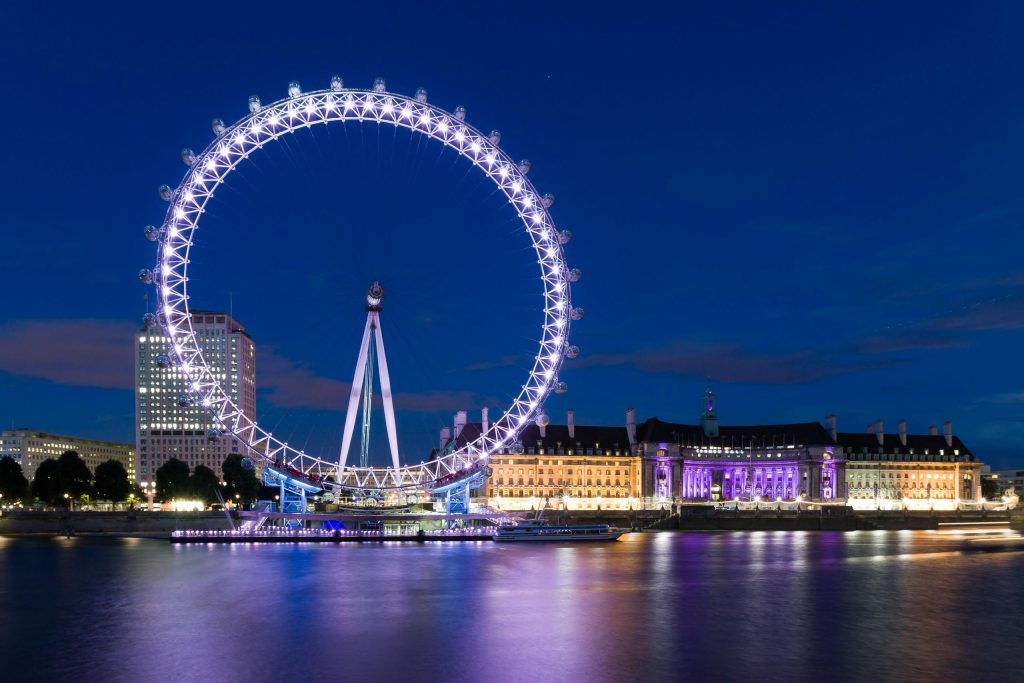
Metropolitan Police data and urban safety campaigners point to a significant surge in “snatch theft” involving mobile phones across central London. Law enforcement officials report that thieves on mopeds or electric bikes frequently target pedestrians holding phones on street corners, often mounting the pavement to execute the theft. Crime analysts warn that these incidents happen in seconds and can occur in broad daylight in affluent areas like Mayfair and Westminster.
Security professionals advise travelers to avoid using phones while walking near the edge of the road and to seek refuge in shops or buildings when checking maps. The resale value of smartphones has driven this specific crime wave, making any visible device a potential target. Experts suggest that standing with your back to a wall when using a device offers a physical barrier against the snatch-and-grab tactics currently dominating the city’s petty crime statistics.
Cancun In Mexico
Security analysts monitoring the Yucatan Peninsula identify the conflict between taxi unions and rideshare drivers as a primary safety concern for tourists in Cancun. Local authorities have documented violent confrontations where taxi drivers have blocked, threatened, or attacked Uber vehicles carrying foreign passengers. Travel advisories warn that this transport volatility puts visitors in the middle of aggressive disputes that can escalate rapidly.
State Department officials also highlight the risk of tainted alcohol and the need for caution in nightlife districts. Medical experts note that private hospitals in the area have been known to engage in predatory pricing practices, demanding exorbitant upfront payments before treating emergencies. Travelers are urged to verify the safety of their transport arrangements and to maintain a high level of sobriety to avoid becoming vulnerable in a region where cartel activity exists on the periphery of the resort zones.
Barcelona In Spain

Criminologists and Spanish tourism officials acknowledge that Barcelona retains its reputation as a global hotspot for skilled pickpocketing. Police reports show that theft rings operate with impunity in the Gothic Quarter and on Las Ramblas, targeting the influx of cruise ship passengers and weekend visitors. Security experts explain that the “Ronaldinho” maneuver, where a thief feigns a friendly dance or soccer move to get close to a victim, remains a common tactic for removing wallets and watches.
Consular staff advise that violent theft of high-end watches has also seen a troubling rise in the city’s wealthy districts. Risk management firms suggest that visitors leave luxury jewelry and designer items at home to avoid being profiled by spotters. The advice for navigating the city centers on aggressive situational awareness and the complete avoidance of engaging with strangers who approach on the street for any reason.
Rome In Italy
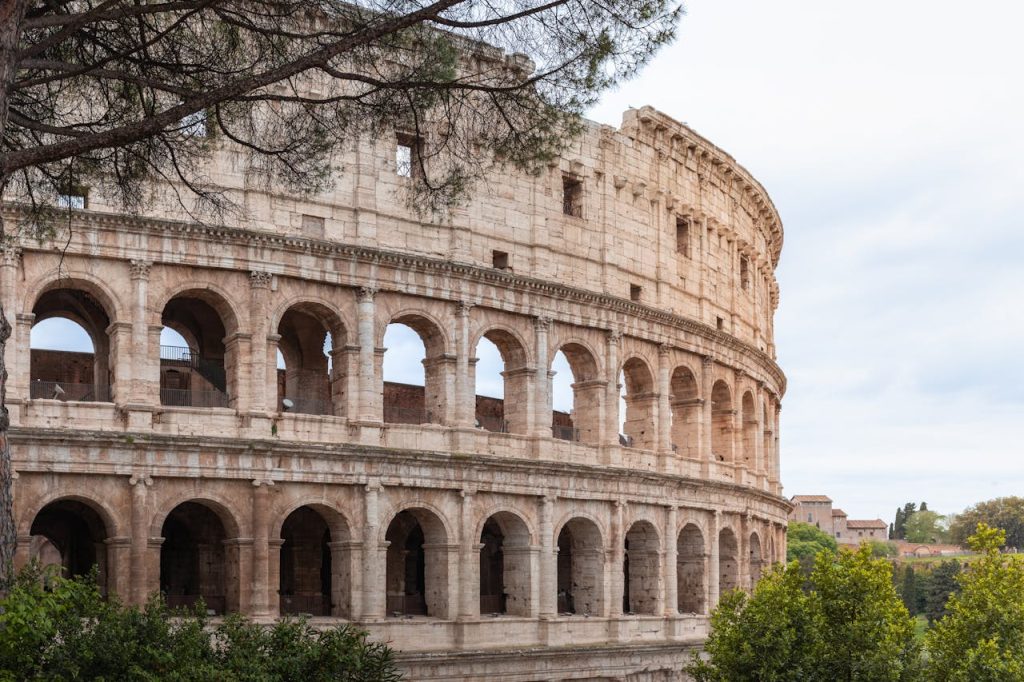
Italian urban safety authorities and transit police struggle to contain the teams of pickpockets that work the Metro lines and bus routes connecting the Vatican to the Colosseum. Security consultants note that the number 64 bus is notoriously referred to as the “wallet express” due to the frequency of thefts on board. Experts say that the crushing density of the crowds at major monuments provides the perfect cover for thieves who work in coordinated packs to block exits and distract victims.
Travel risk analysts also warn of the “gladiator” photo scam where costumed individuals aggressively demand money after inviting tourists for a picture. Police have cracked down on this practice, but it persists in high-traffic zones. Visitors are advised to keep backpacks on their chests in crowded areas and to be skeptical of overly friendly locals offering unsolicited assistance with ticket machines or directions.
Istanbul In Turkey
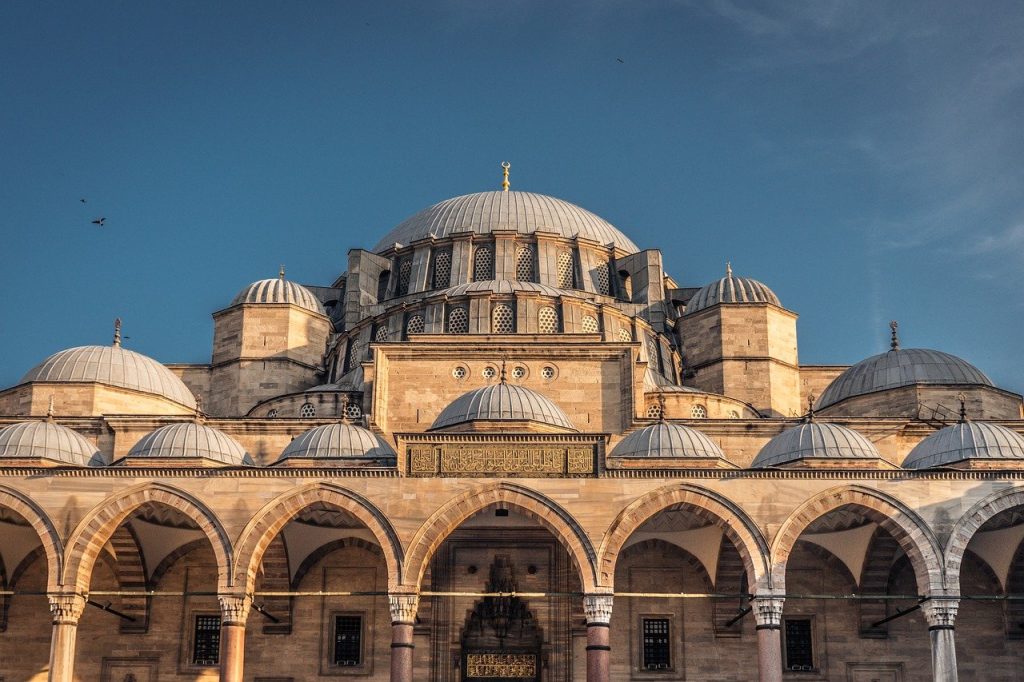
Geopolitical analysts and tourism security experts advise caution in Istanbul due to both common scams and broader regional instability. The “friendly local” scam, where a single male traveler is invited for a drink and then forced to pay an exorbitant bill under threat of violence, remains a persistent issue in the Beyoglu and Sultanahmet districts. Consular officials emphasize that these incidents can turn dangerous quickly if the victim refuses to pay.
Security briefings also highlight the need to avoid political demonstrations and large gatherings in Taksim Square. Experts note that the proximity to conflict zones means that the threat of terrorism, while managed by heavy security, is a factor that requires travelers to stay connected to official alert systems. The advice focuses on maintaining a low profile and engaging only with licensed guides and reputable establishments to navigate the complex social landscape safely.
Montego Bay In Jamaica

State Department advisories and medical evacuation specialists categorize Jamaica as a destination requiring significant caution due to crime and healthcare limitations. Security analysts report that sexual assault and armed robbery are risks even within the confines of gated resorts. Experts warn that local police often lack the resources to effectively investigate crimes against tourists, leaving victims with little legal recourse.
Medical professionals highlight that the public hospitals in Montego Bay are often under-resourced and may not meet US standards for emergency care. Travel risk managers strongly advise purchasing comprehensive medical evacuation insurance before departure. The security guidance emphasizes staying within resort compounds at night and using only vehicles provided by the hotel or official tour operators to move between locations.
Rio de Janeiro In Brazil
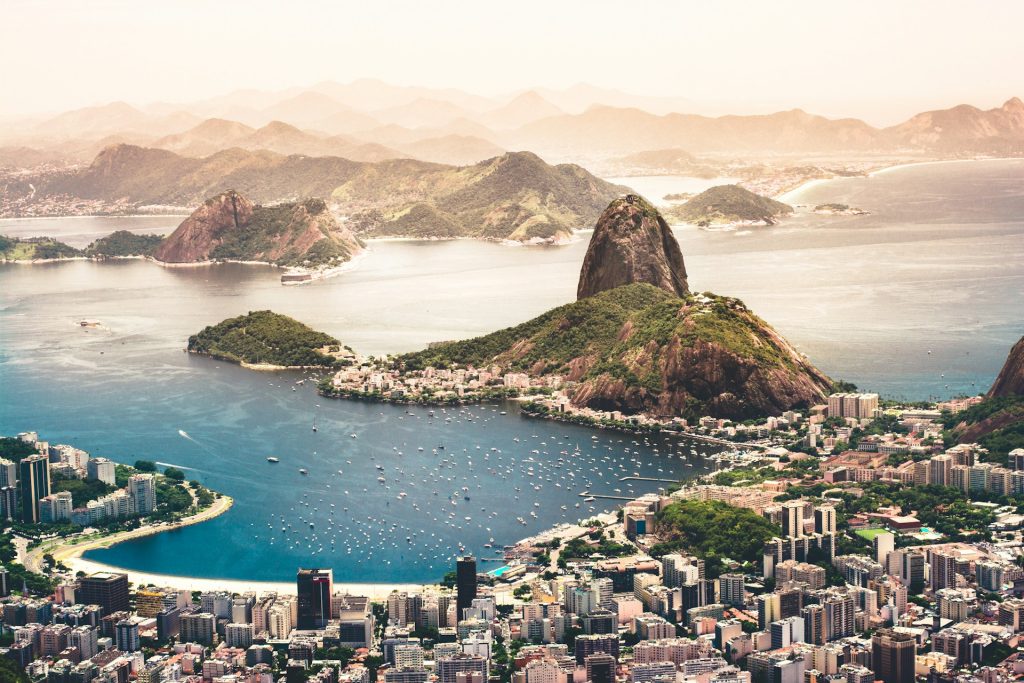
Brazilian law enforcement and international security firms describe Rio as a city where the disparity between wealth and poverty drives high levels of street crime. Experts say that the “arrastão” or dragnet style robbery, where groups of thieves swarm a section of the beach or street, is a known phenomenon in Copacabana and Ipanema. Police officials advise tourists to carry nothing of value to the beach and to avoid walking on the sand after dark.
Security consultants warn that hiking trails leading to the Christ the Redeemer statue have also been sites of armed robberies targeting tourists. Travel advice suggests using the train or official vans rather than walking up the secluded paths. The overarching guidance for the city is to dress simply, avoid using phones in public, and utilize Uber or radio taxis rather than hailing cabs on the street to mitigate the risk of express kidnapping.
Cairo In Egypt

Tourism police and regional security analysts advise that while major sites like the Pyramids of Giza are heavily guarded, the harassment of tourists remains a significant issue. Female travelers often report aggressive verbal and physical harassment in public spaces. Experts say that the “papyrus museum” scam and aggressive touts at tourist sites can create a hostile environment for those unprepared to forcefully say no.
Security briefings also note the importance of avoiding border regions and adhering to government restrictions on photography. Military officials strictly enforce bans on photographing infrastructure, which can lead to detention for unaware visitors. Travel risk firms suggest that hiring a reputable guide and driver is not just for convenience but a necessary security layer to buffer against the constant pressure from street vendors and scammers.