10 Historic Hotels Where Preservation Rules Shape Guest Stays
Historic hotels promise romance, but preservation rules keep that romance honest. Landmark facades, carved woodwork, and century-old masonry cannot be treated like blank drywall, so upgrades arrive in careful phases, not sweeping overhauls.
Guests notice the trade-offs fast: windows that open only so far, rooms shaped by old load-bearing walls, and mechanical systems that get updated discreetly, not loudly. Even simple fixes have to protect the features that made the building worth saving.
The payoff is real. These stays feel rooted to place, and the quirks read as proof that history still sets the rules at check-in.
The Ahwahnee
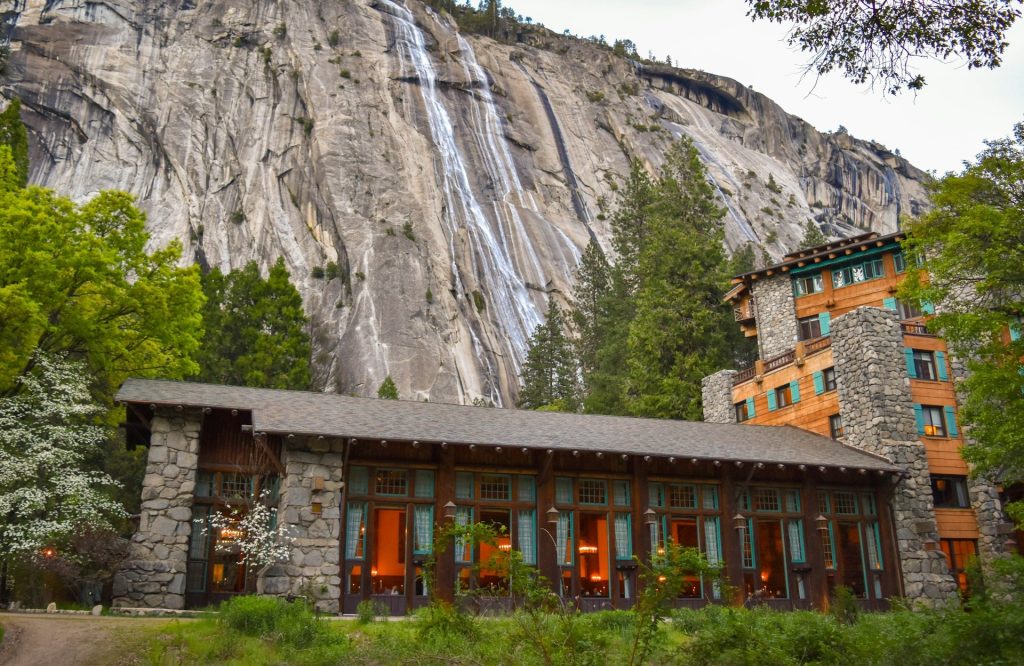
Completed in 1927, The Ahwahnee was built to match Yosemite’s granite mood, and its landmark status keeps major changes slow and selective. Repairs must respect signature stonework, heavy timber, and the scale of its public rooms.
That caution shapes availability and comfort. Big projects land in planned blocks, and small upgrades get threaded in quietly so the hotel still reads as itself. Routine work can need extra staging to protect historic surfaces.
Guests feel the rules in the details. Rooms stay varied, some layouts feel stubbornly old, and convenience arrives as subtle fixes rather than visible reinvention in every corner.
Hotel del Coronado
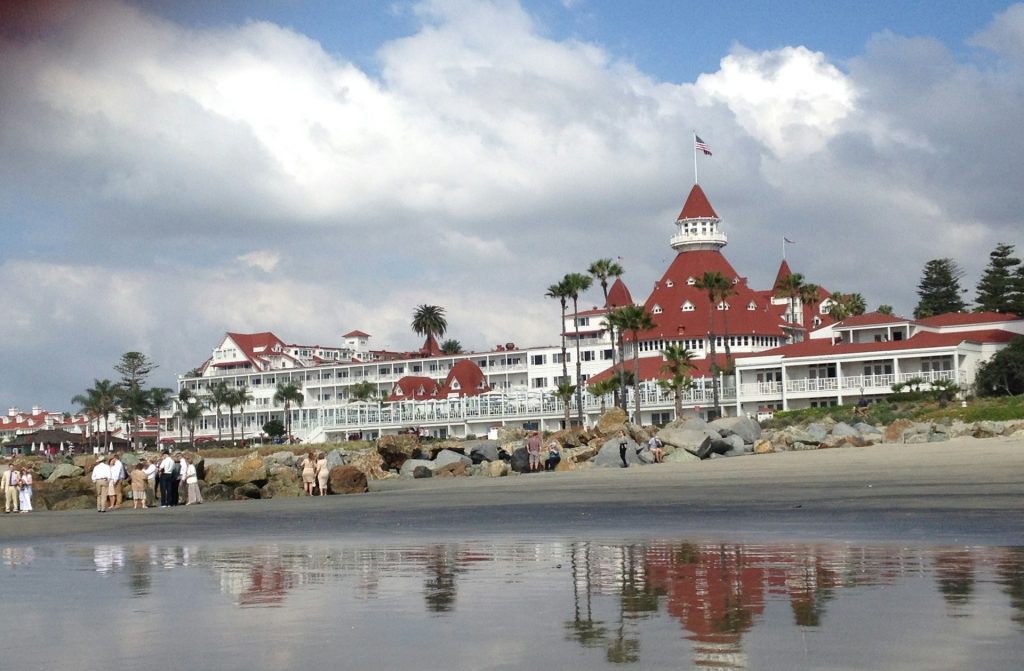
Hotel del Coronado’s 1888 Victorian building is the attraction, and preservation rules keep it from being modernized into sameness. Restoring ornate woodwork and historic sightlines often matters as much as adding new conveniences.
Work tends to arrive in phases, which can shift what wings feel freshest and what corridors feel quieter. Room shapes vary because historic walls and porch lines do not move for a remodel.
Guests who expect uniform rooms sometimes get a surprise. The stay rewards people who like originals: layered detail, lived-in charm, and the sense the hotel is being repaired, not redesigned. That difference is the point.
Grand Hotel
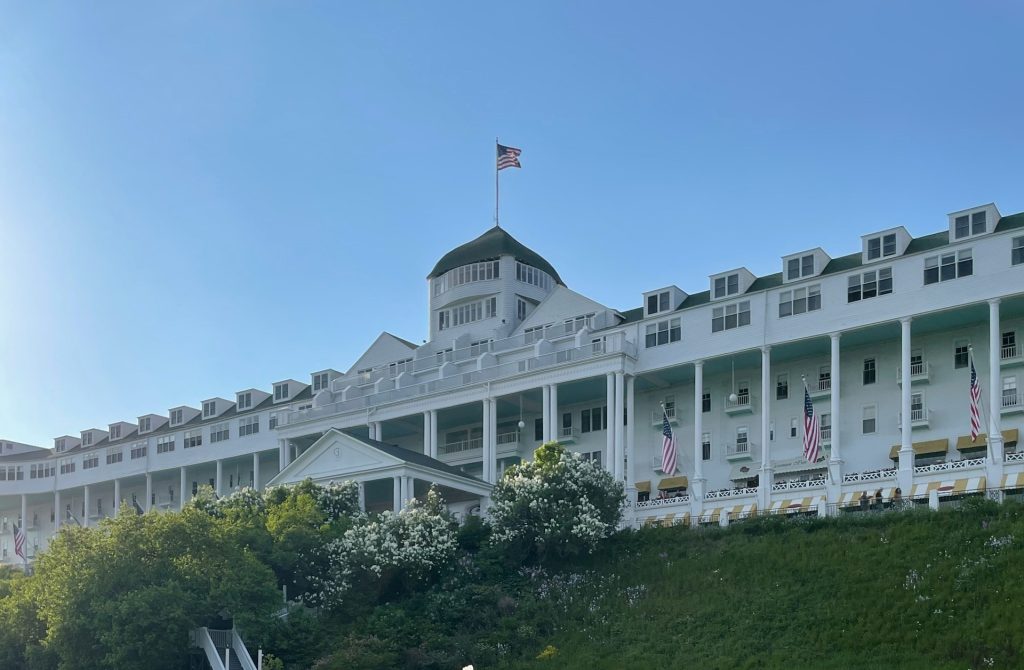
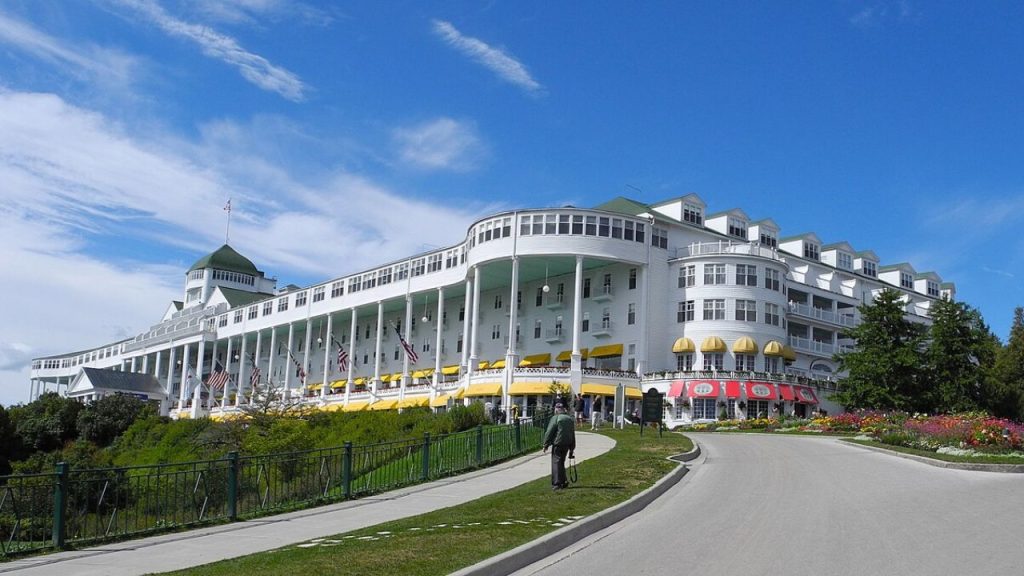
Mackinac Island’s Grand Hotel is known for feeling preserved rather than reset, and that is not an accident. Historic fabric and long public spaces make big mechanical changes complicated, so upgrades arrive in small steps.
For years, cooling in guest rooms was more limited than at newer resorts, because retrofitting without harming character is difficult. When improvements arrive, they are meant to disappear, with ducts and wiring tucked where guests rarely see.
The result is a stay built on variety. Rooms are not identical, corridors keep old proportions, and the hotel’s pace stays slower, as if the building refuses to hurry to catch up.
The Greenbrier
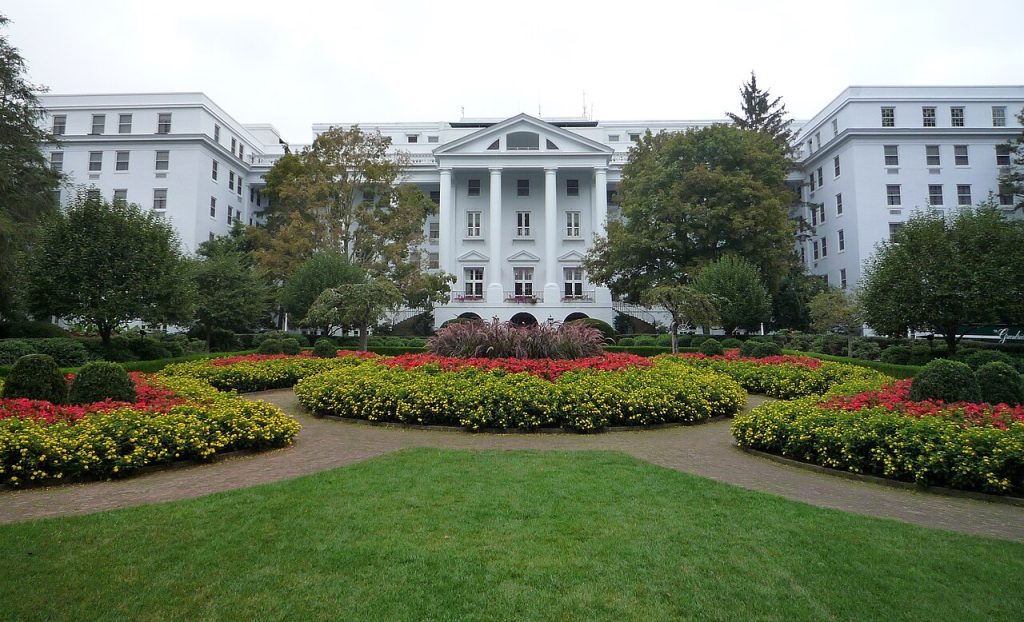
The Greenbrier treats history as an operating expense, not a slogan, and preservation shows up in the fine print. A historic preservation fee helps fund the constant work of keeping older buildings, landscapes, and interiors in working order.
That model encourages repairs over replacements. Projects arrive in phases, with continuity valued more than dramatic redesign, because the resort’s identity is tied to familiar rooms and long-standing traditions.
Guests feel it as steadiness. Some spaces keep their quirks, updates blend in quietly, and the hotel looks like itself year after year, even as systems improve behind the walls.
Willard InterContinental Washington
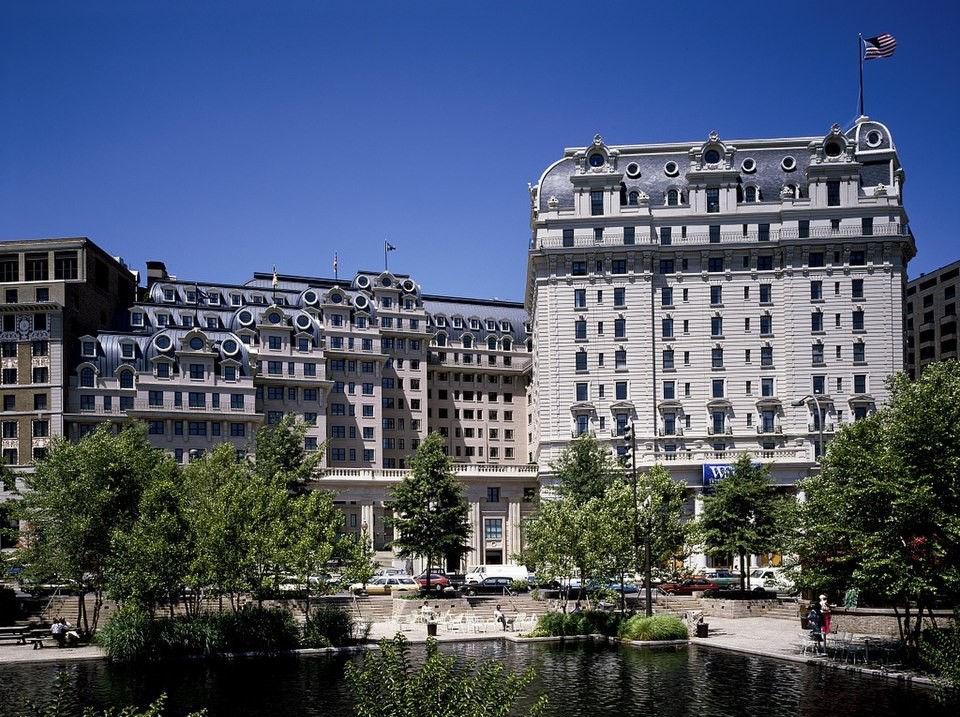
The Willard’s location and history make renovations feel like public business, not a private makeover. Because the building is formally recognized for its historic significance, owners must protect defining interiors and the facade’s presence.
That pushes upgrades toward restoration first. Decorative elements get repaired instead of simplified, and modern systems are tucked out of sight so the hotel reads as a landmark, not a remake.
Guests notice the discipline in proportion and pacing. Hallways keep older dimensions, rooms follow inherited layouts, and comfort arrives through quiet improvements, not dramatic change. Most days.
The Peabody Memphis
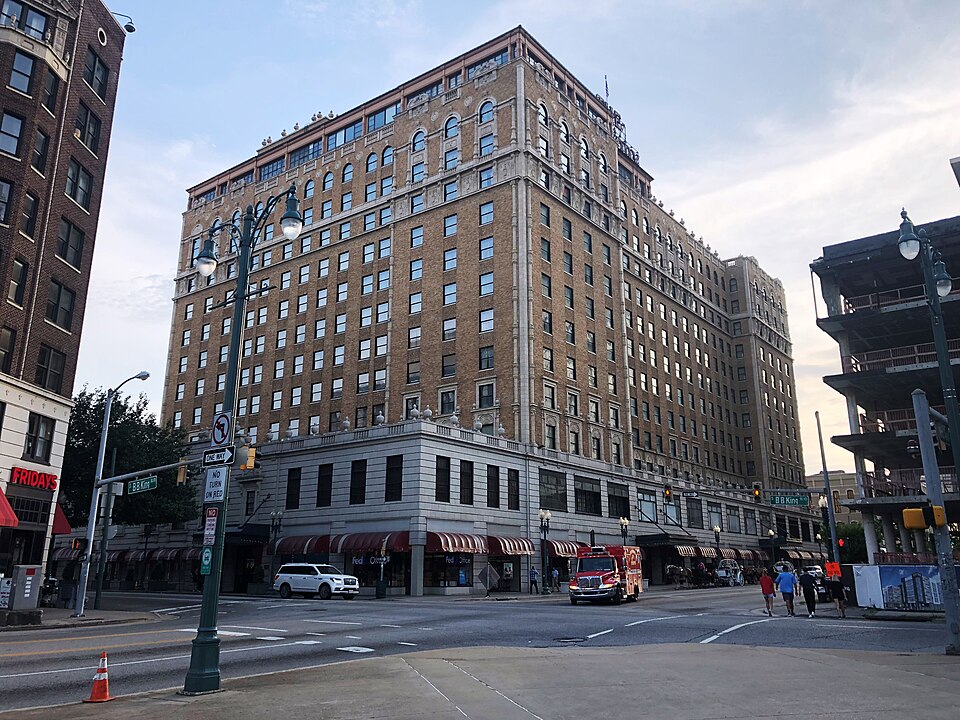
The Peabody Memphis keeps its history visible, and preservation is as much about managing ritual as fixing plaster. The duck march draws a crowd twice daily at 11 a.m. and 5 p.m., and the lobby becomes a stage that must stay functional and historic.
That reality shapes maintenance. Floors, railings, and seating are repaired for durability, because the same surfaces host thousands of footsteps, photos, and staff choreography week after week.
Guests get a hotel that feels alive, not frozen. Rooms vary, corridors keep older proportions, and updates blend in so the building’s sense of ceremony stays intact through it all. Daily.
Fairmont Banff Springs
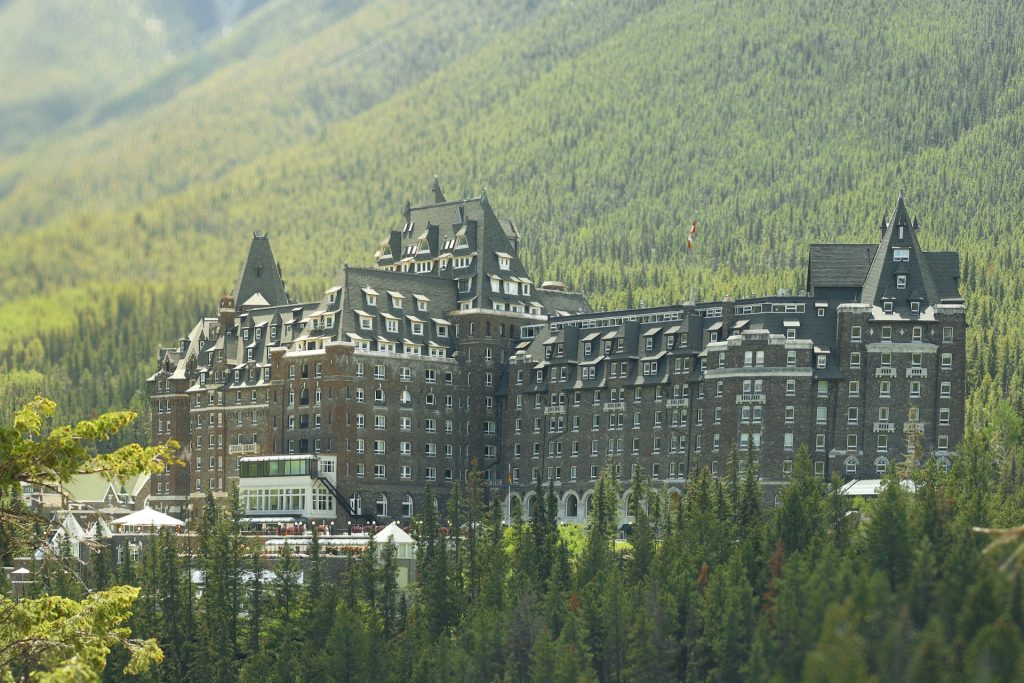
Fairmont Banff Springs rises like a castle inside a national park, and heritage oversight narrows what can be changed. Exterior forms, signature interiors, and the silhouette are treated as assets, so renovations conserve the look while improving the guts.
That makes upgrades slower and more surgical. Plumbing, wiring, and accessibility work get threaded behind stone and timber, and crews protect historic finishes. Repairs are timed around seasonal demand.
Guests feel preservation as steadiness. Public rooms keep their scale, some corridors stay narrow, and comfort arrives through subtle fixes, not dramatic redesign overall.
Fairmont Le Château Frontenac
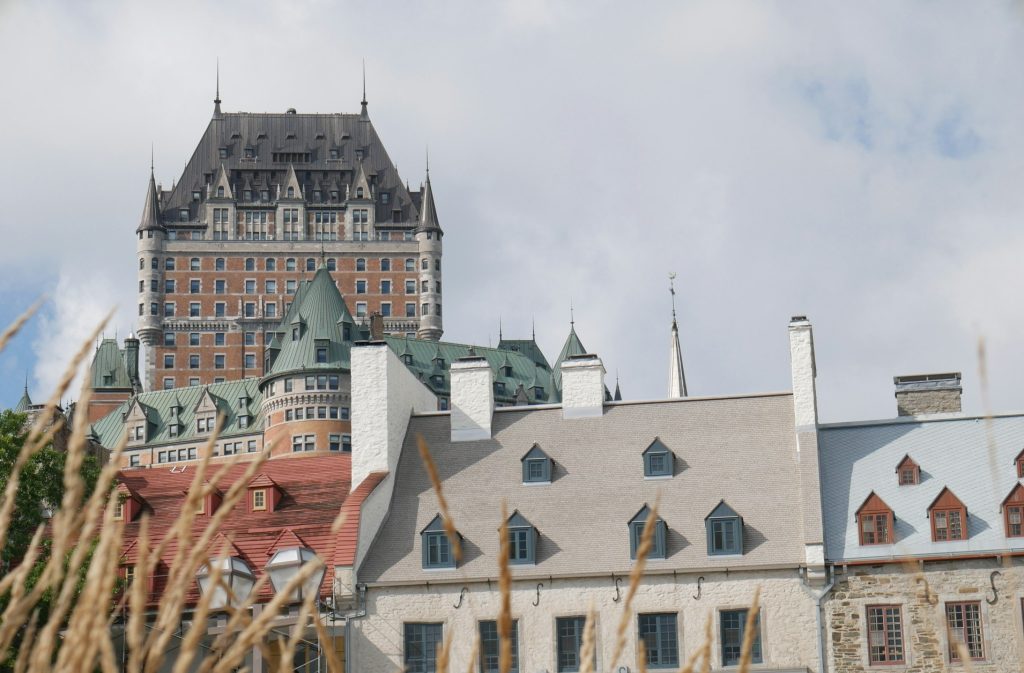
Château Frontenac dominates Old Québec, and its status as a heritage icon keeps defining features non-negotiable. Rooflines, massing, and signature public spaces have to remain legible, so modernization happens in layers rather than rewrites.
That constraint shapes everything from windows to elevators. When systems get upgraded, the work is routed to avoid harming historic materials, and finishes are repaired to match, not replaced for convenience.
Guests feel the outcome as charming irregularity. Rooms vary in size and shape, circulation follows older logic, and the hotel keeps the sense that it belongs to the city’s long memory.
The Stanley Hotel
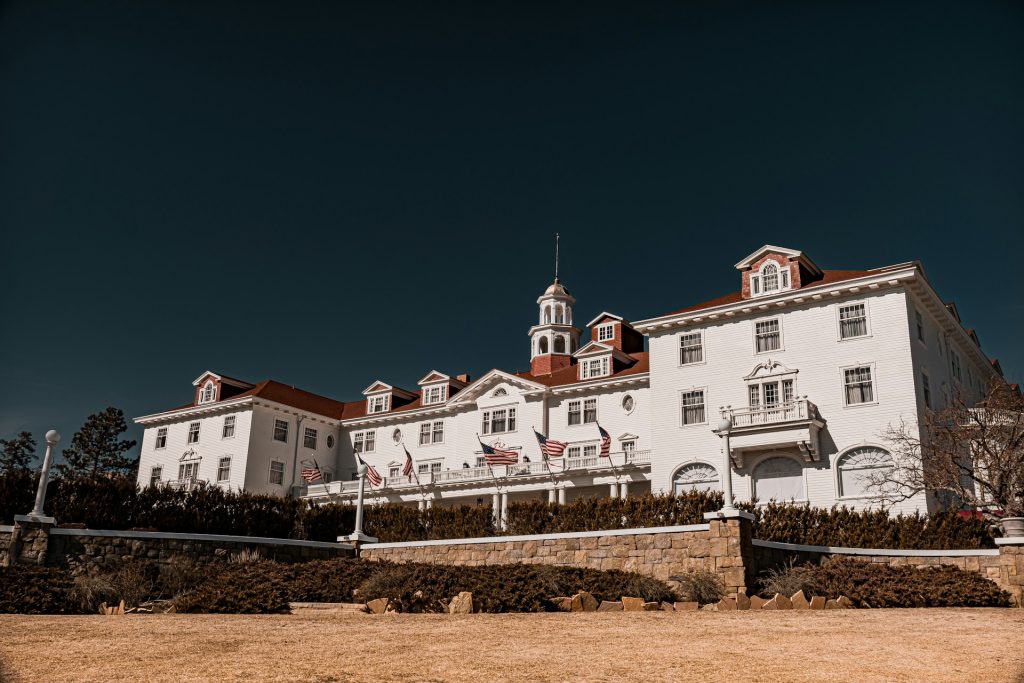
The Stanley sits above Estes Park with early 1900s grandeur, and preservation oversight covers more than the lobby. Historic-district expectations protect the setting, limiting how much can be expanded or reshaped, and exterior details tend to be handled carefully.
That pushes upgrades toward careful fixes. Owners improve safety and comfort, but work must respect historic materials and sightlines, so changes arrive in measured phases instead of sweeping redesign.
Guests feel it in the building’s old logic. Room plans vary, floors can creak, and public spaces keep their generous proportions, as if the hotel insists on its original voice.
Hotel Monteleone
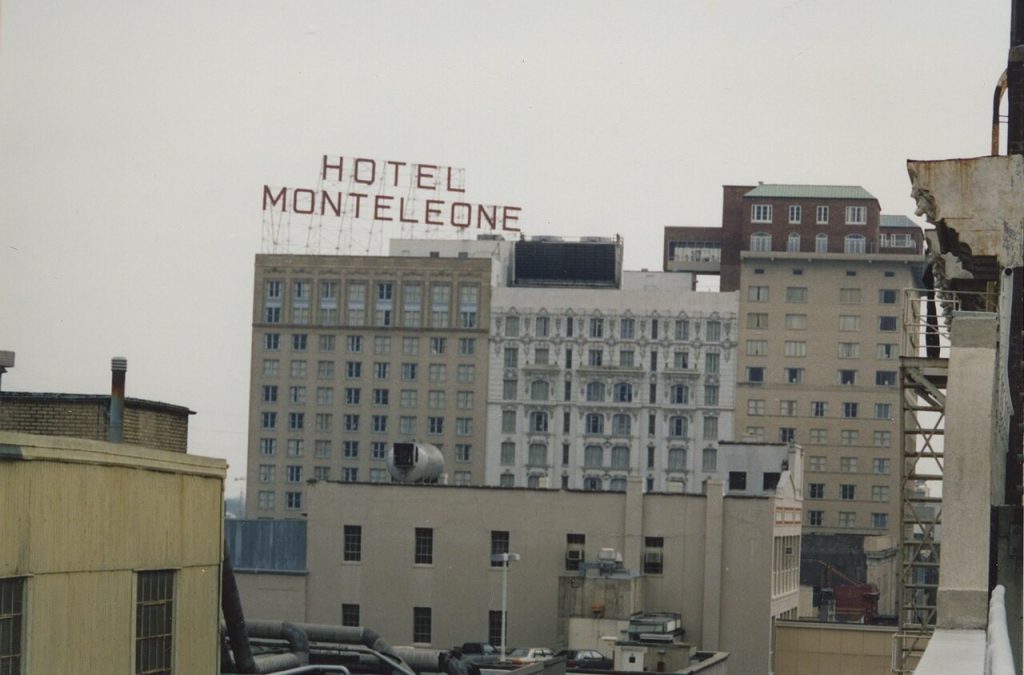
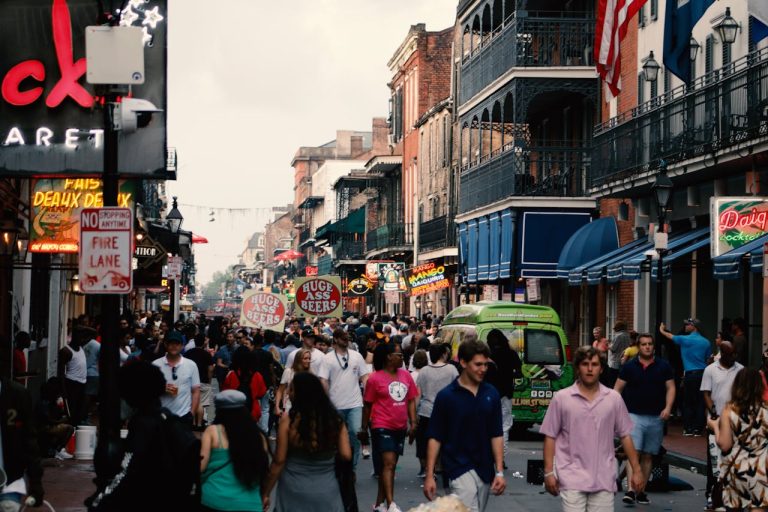
Hotel Monteleone’s French Quarter longevity limits what can be changed without losing the point. Public rooms trade on continuity, and updates are chosen to blend in, because the building’s identity rests on details that feel inherited, not installed.
The Carousel Bar makes the rule visible. Installed in 1949, it rotates at a steady pace, so upkeep is part mechanical care and part stewardship. Replacing it with something easier would erase a living landmark.
Guests feel preservation as atmosphere. Room layouts follow an older building’s logic, finishes lean classic and the hotel stays polished without being flattened into uniform modernity.