10 Home Features That Are Illegal in Many U.S. Towns

Home design trends often shift as safety standards, zoning rules, and community expectations evolve, leading many U.S. towns to restrict or ban certain features that were once common. These rules vary widely from region to region, yet most trace back to concerns about fire risk, structural safety, environmental impact, or neighborhood uniformity. Some homeowners discover these limits only when planning renovations, while others encounter them during inspections or property sales. Local ordinances continue to change as towns balance tradition with modern needs, and understanding the features that fall outside today’s legal guidelines helps highlight how communities attempt to manage growth, protect public spaces, and maintain consistent standards. These unexpected restrictions reveal how differently American towns define safe and acceptable home design.
Wood-Burning Outdoor Fire Pits
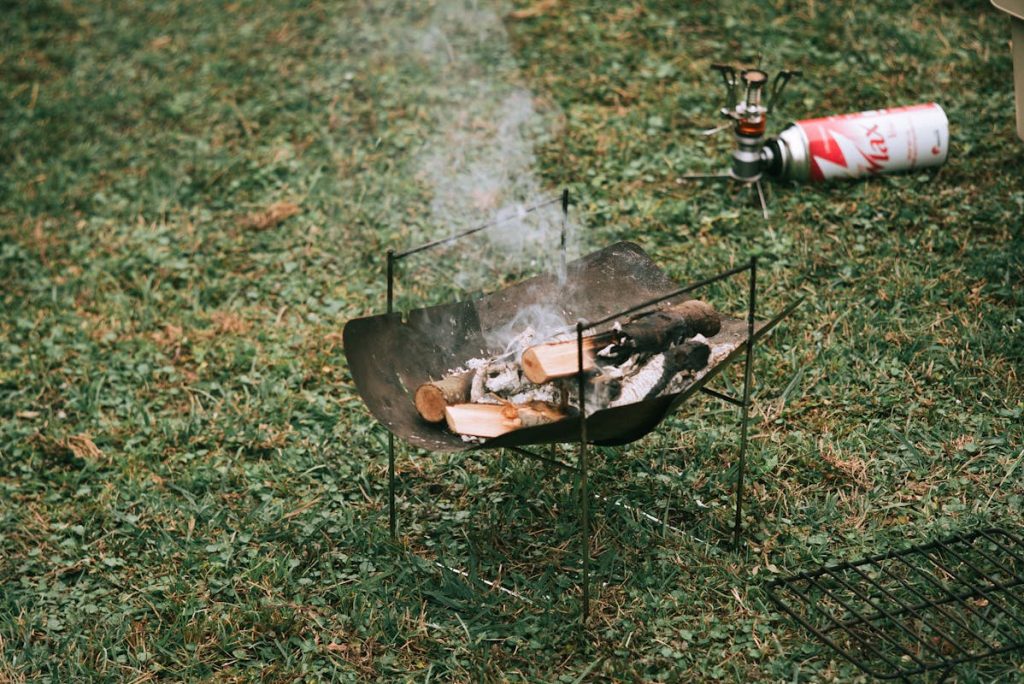
Many U.S. towns restrict or ban wood-burning outdoor fire pits because of concerns about fire safety, smoke pollution, and neighborhood density. In areas with frequent droughts or high wildfire risk, sparks from open flames can travel farther than expected, increasing the chance of accidental fires. Some towns also impose rules to limit smoke exposure for residents with respiratory issues, prompting regulations that require enclosed designs or the use of gas-fueled alternatives. As communities grow closer together, local governments often adopt ordinances that reduce backyard fire hazards and minimize smoke drifting between homes. These rules aim to balance outdoor recreation with responsible safety management while still allowing residents to enjoy their spaces in controlled ways.
Outhouses and Backyard Privies

Outhouses and backyard privies remain illegal in many U.S. towns because modern sanitation standards require homes to connect to municipal sewer systems or approved septic installations. Local health departments regulate waste disposal strictly to prevent contamination of groundwater, nearby wells, and public waterways. Even in rural areas, updated building codes often specify how sewage must be treated and transported, making older-style privies noncompliant. While historic districts sometimes maintain preserved examples for educational purposes, functional outhouses rarely meet contemporary health requirements. These restrictions underscore the expectations for clean water access and standardized sanitation practices that communities rely on to maintain public health and environmental safety year-round.
Incinerators Inside Residences
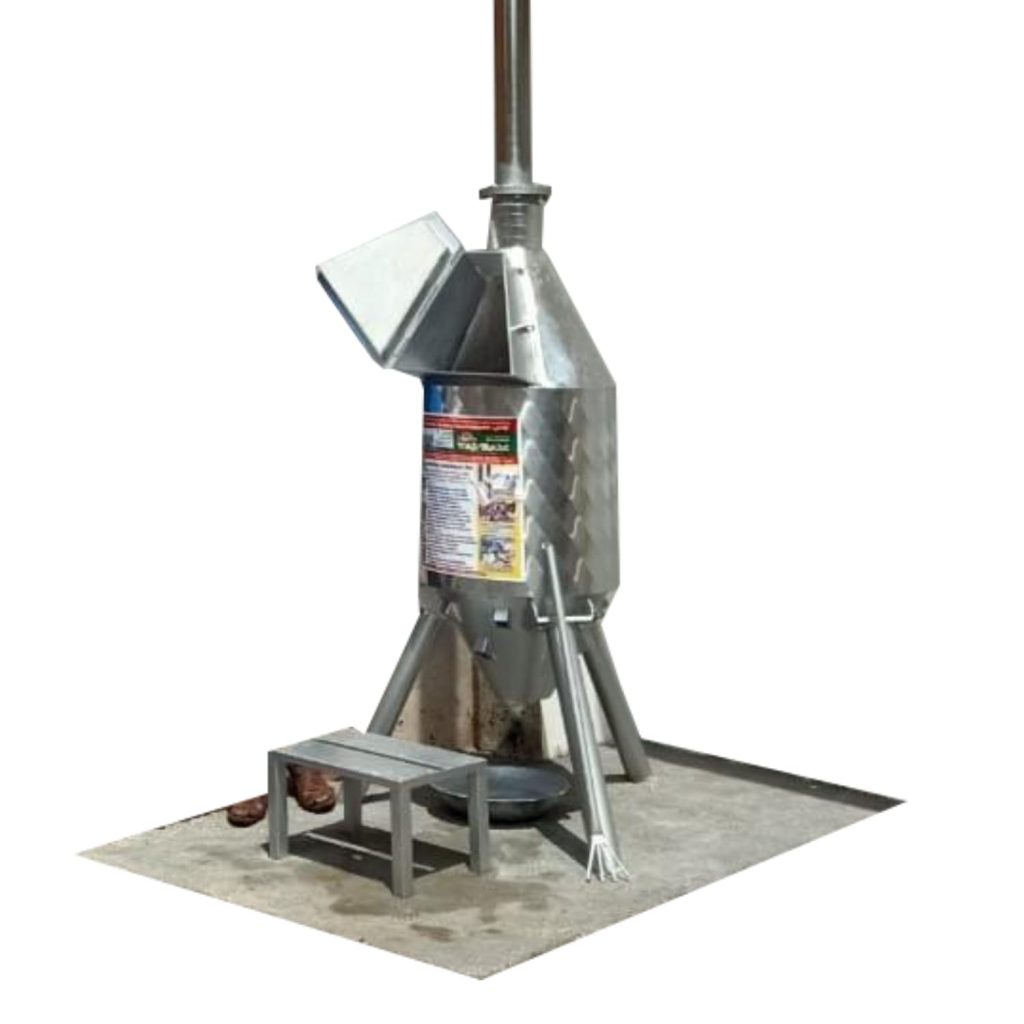
Residential incinerators, once installed to burn household waste, are now banned in many towns because of air quality concerns and updated waste management practices. These devices release smoke and particulate matter that can affect surrounding neighborhoods, and older units often lack the filtration systems required to meet current emission standards. Modern municipal waste programs provide safe alternatives for disposal, reducing the need for residents to burn materials at home. Fire hazards also contribute to the restrictions, as improperly used incinerators increase the risk of structural damage. The ban reflects a widespread shift toward centralized waste processing that prioritizes public health and environmental responsibility across urban and suburban communities.
Certain Types of Rainwater Collection Systems
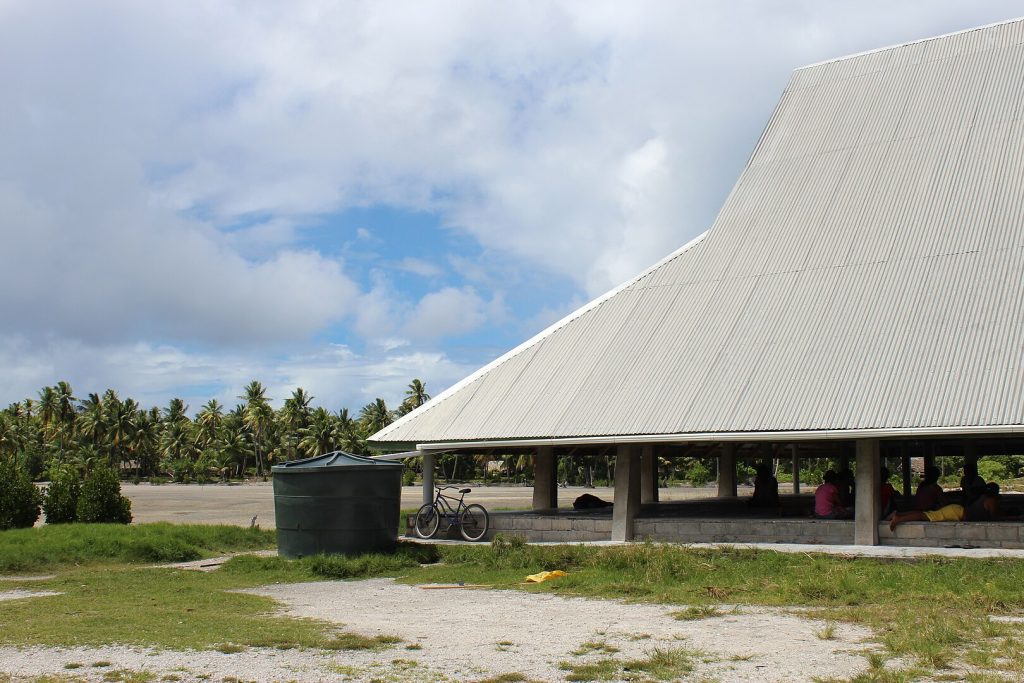
Although basic rain barrels are allowed in many places, some towns regulate or ban more extensive rainwater collection systems that divert runoff in ways that interfere with local water rights or drainage plans. In regions where water allocation follows strict legal frameworks, particularly in western states, capturing large volumes of rainwater can disrupt the expected flow into shared reservoirs or agricultural systems. Municipalities may also restrict underground storage tanks or systems that alter stormwater paths, as improper installation can contribute to erosion or flooding. These rules help ensure that water distribution remains fair, predictable, and environmentally sound while still allowing smaller-scale conservation methods under approved guidelines.
Basement Apartments Without Proper Permits
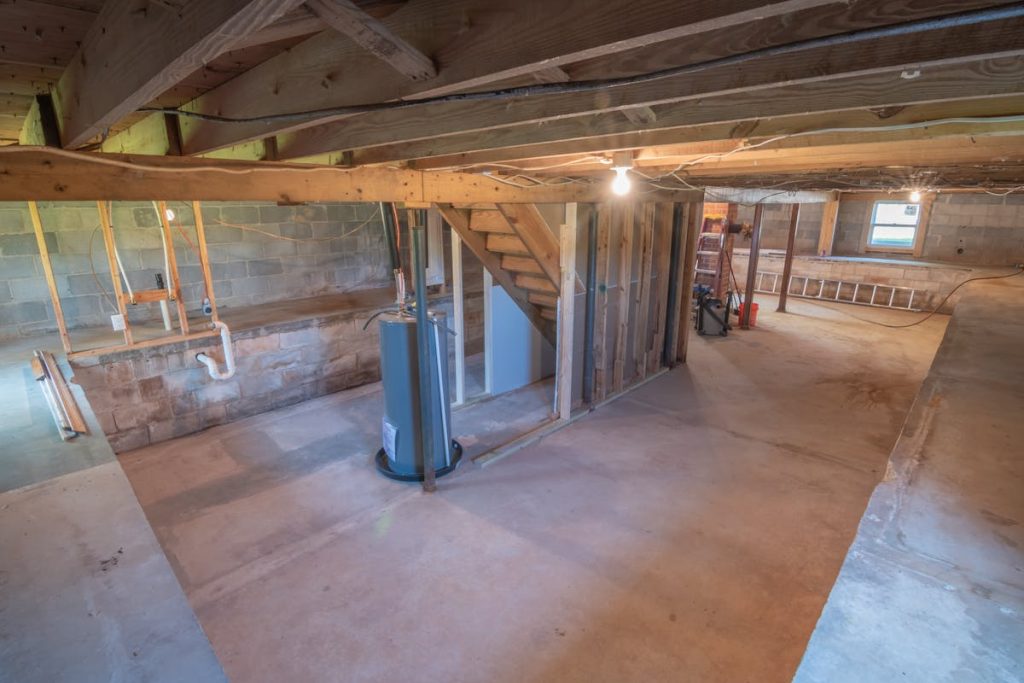
Basement apartments are common in many cities, but they are illegal in numerous towns when created without the necessary permits or safety upgrades. Building codes typically require sufficient ceiling height, emergency exits, ventilation, and fire-safe materials before a basement can legally serve as a dwelling. Improperly converted spaces can present hazards such as poor air quality, mold growth, or limited escape routes during emergencies. Municipalities enforce these regulations to protect tenants and maintain consistent housing standards. Even homeowners who intend to use the space for family members must comply with local rules to ensure that the area meets established living requirements.
Certain Types of Fencing
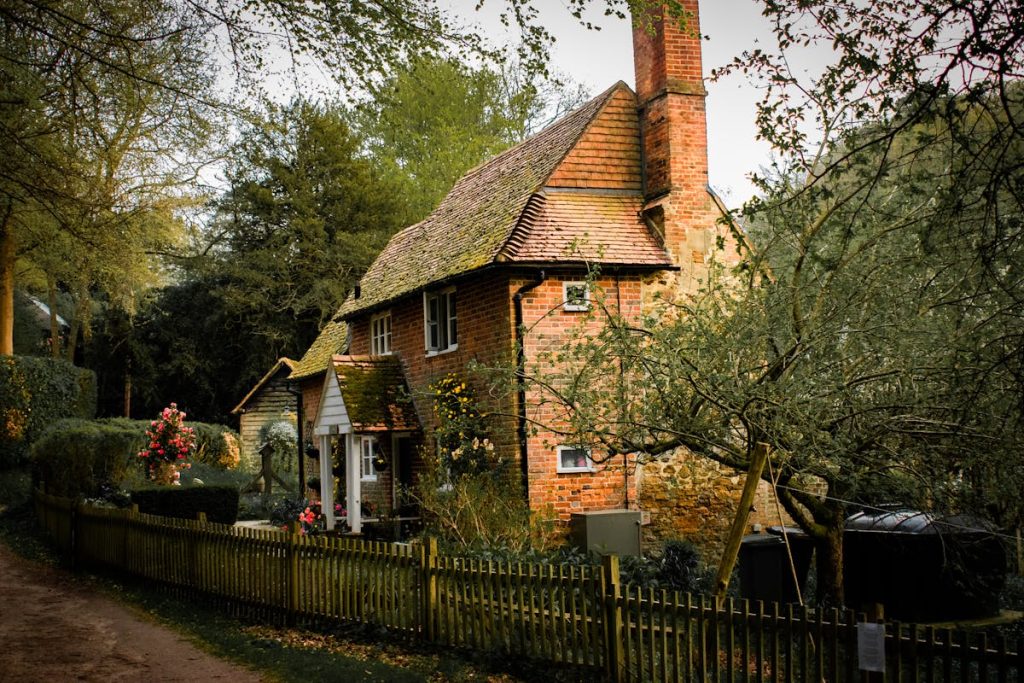
Fencing restrictions vary widely, but many U.S. towns ban specific materials, heights, or designs that disrupt neighborhood aesthetics or interfere with sightlines along roads and sidewalks. Some communities prohibit barbed wire or electric fencing in residential zones because of safety concerns, while others restrict tall privacy fences in front yards to preserve open visibility. Regulations often aim to maintain consistent curb appeal, support pedestrian safety, and prevent conflicts between neighbors. These rules also help avoid disputes related to property boundaries or obstructed views, allowing communities to balance individual preference with shared space considerations across diverse neighborhoods.
Clotheslines in Front Yards

Clothesline bans still exist in certain U.S. towns, particularly in neighborhoods governed by homeowners associations that prioritize uniform appearance. While some states have passed laws protecting the right to use clotheslines, many restrictions remain in place for front yards where visibility is highest. These rules typically cite aesthetic concerns, suggesting that drying laundry disrupts the overall appearance of the neighborhood. In communities where the bans have not been overturned, residents may only use backyard or enclosed drying systems. The debate continues in areas balancing sustainability practices with longstanding guidelines for neighborhood presentation.
Composting Toilets in Standard Residential Areas
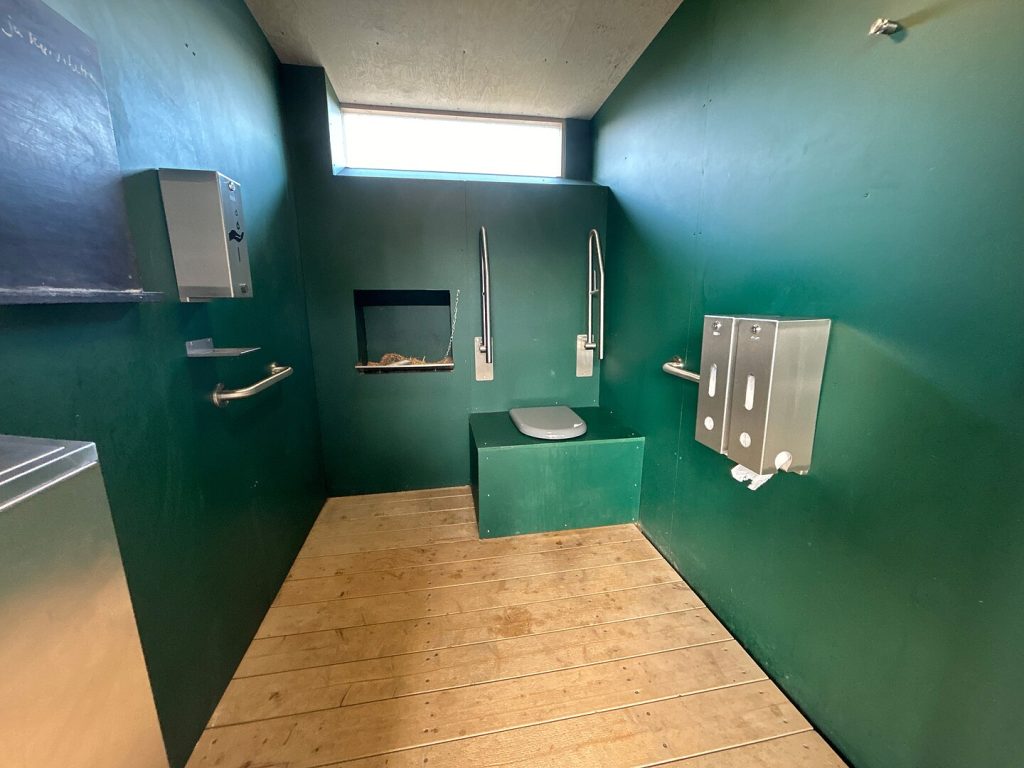
Composting toilets, though environmentally friendly, are prohibited in many suburban and urban homes because they do not connect to municipal sewer systems and may require specialized maintenance. Some local codes specify that only approved wastewater systems can be used within town boundaries to ensure consistent sanitation. While composting toilets are common in off-grid cabins and eco-focused communities, they often do not meet residential plumbing standards. Towns restrict them to prevent potential odor issues, improper installation, or groundwater contamination. These rules reflect the emphasis on uniform sewage management and the expectation that all occupied homes align with established public health guidelines.
Shipping Container Homes Without Full Compliance
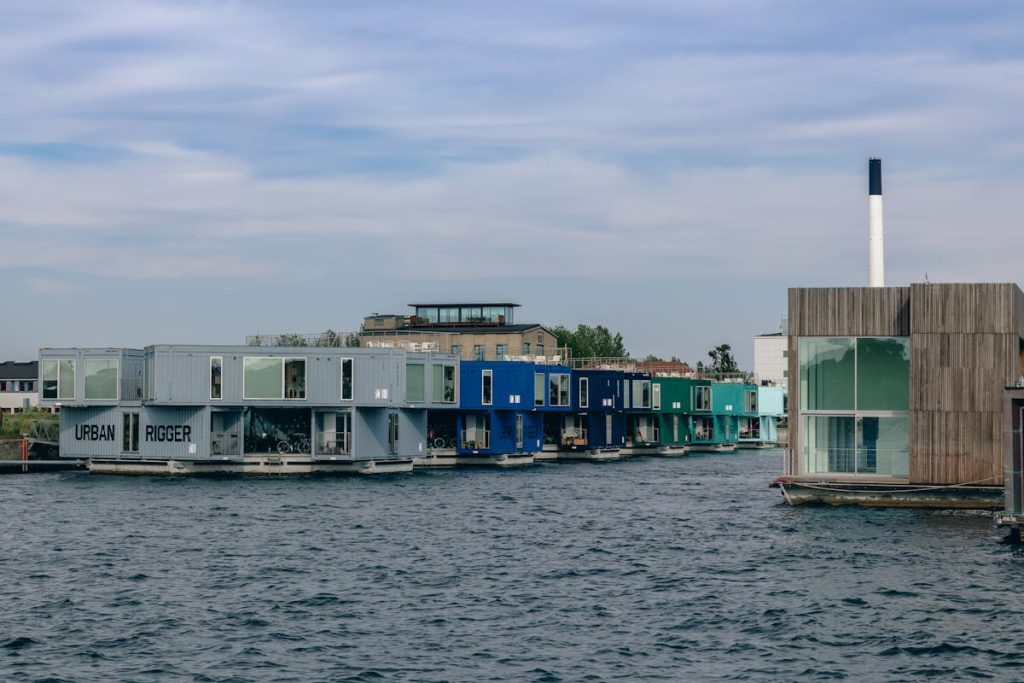
Shipping container homes have gained popularity for their affordability and modern appeal, yet many towns restrict them unless they meet strict building, zoning, and aesthetic requirements. These structures must adhere to the same safety standards as traditional homes, including insulation, electrical systems, and foundation stability. Some neighborhoods ban them outright due to concerns about appearance or property values, while others require extensive permitting to ensure compliance. The variability in rules highlights how communities navigate the balance between innovative housing options and established residential expectations. Even when allowed, container homes often face close scrutiny during approval processes.
Manufactured Homes in Certain Residential Zones
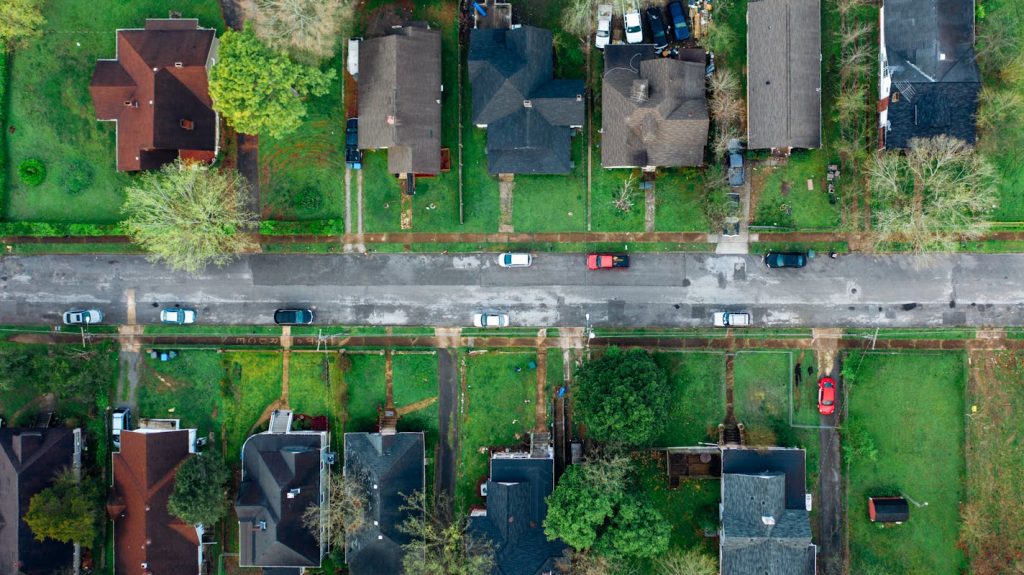
Manufactured homes, while common in many rural areas, are illegal in some towns when placed in zones reserved for site-built houses. Local ordinances may restrict these structures due to differences in foundation type, exterior appearance, or perceived effects on property values. Some communities require specific design standards or placement within designated parks rather than mixed residential neighborhoods. These rules aim to maintain consistency in home construction and neighborhood layout. Although manufactured housing offers affordable options, zoning laws continue to affect where they can be legally installed, creating ongoing challenges for residents seeking flexible, cost-efficient housing choices across diverse communities nationwide.