10 January Travel Ideas That Feel Like Enduring Systems Failure
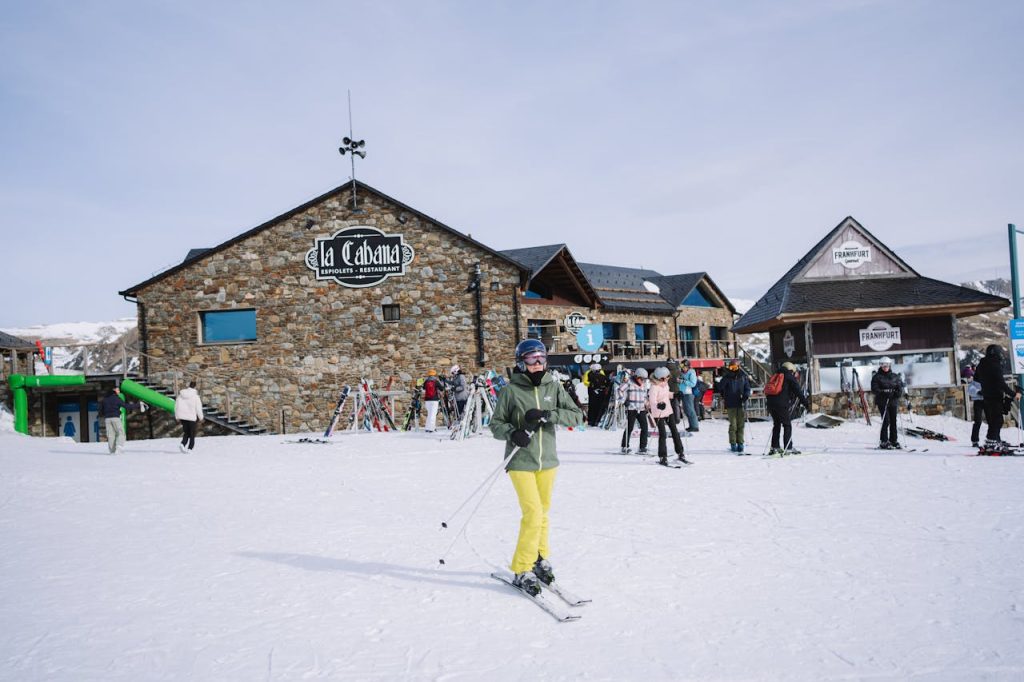
January travel has a way of exposing every weak link at once. Short daylight, winter weather, and post-holiday staffing meet seasonal schedules, so simple plans start requiring extra steps. The trip rarely collapses in one dramatic moment. It slows through small breakdowns: apps that freeze, counters that close early, shuttles that arrive full, and attractions that run limited hours. The most tiring part is not the cold. It is the constant recalculation, as if the whole system is running on partial power and every choice depends on battery life, open doors, and whether the next update is real.
Airport Snow Day With App-Only Rebooking

January airport delays feel different when rebooking is mostly app-driven and the app keeps timing out. Gates change, boarding times slide, and alerts arrive faster than anyone can interpret, while the help-desk line curls past the only open café. With fewer staff on the floor, simple questions take longer, and travelers end up refreshing screens, hunting outlets, and swapping rumors near the charging wall. The day becomes a loop of notifications without clarity, plus the worry that one missed tap will erase a seat and restart the wait. Warm seats vanish, water runs out, and every decision leans on battery percent.
Rental Car Counter After A Weather Delay

A winter delay can drop a full flight into the rental line at once, and January staffing often cannot absorb it. Kiosks glitch, contracts print slowly, and one missing document sends someone back to the end while the clock keeps shrinking. Shuttles run less often, so the car lot feels far away, and the first vehicle assigned may be buried in slush at the back row. By the time keys appear, daylight for the first drive is gone, and the trip starts with paperwork fatigue instead of movement. A reservation feels theoretical when the lot is short on cars and every question needs a supervisor on duty.
National Park Shuttle Season Is Paused
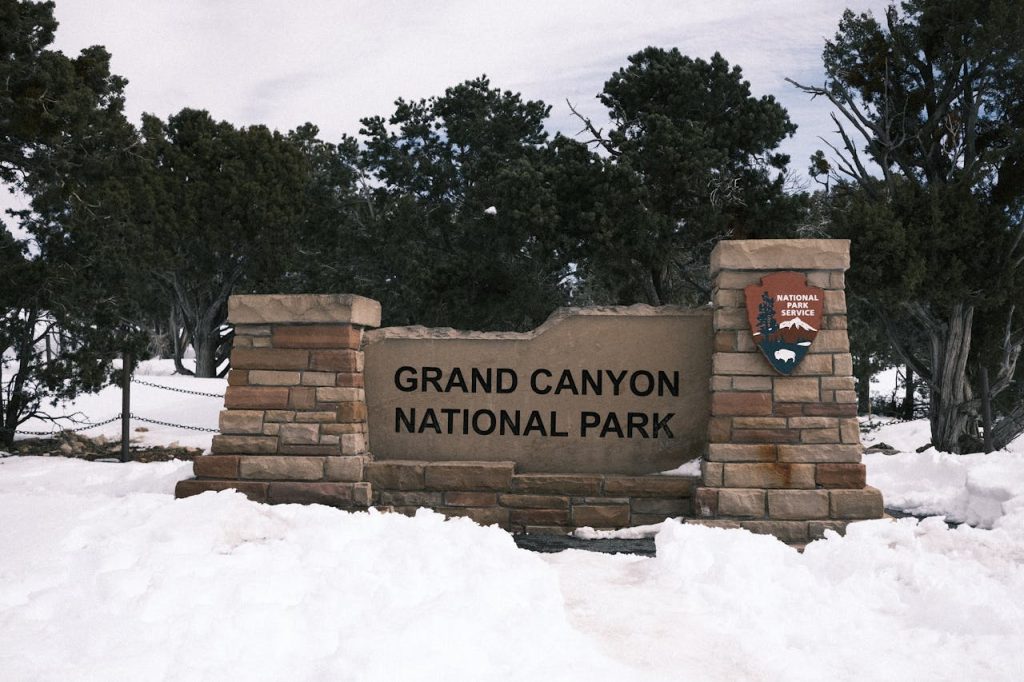
Some parks rely on seasonal shuttles, and January visitors learn the rule change in the parking lot. Signs point to routes that are not running, lots fill early, and the bus that makes summer simple never arrives. Visitor centers close sooner, restrooms can be locked, and trail conditions change by hour as ice forms in shaded stretches. Without crowds, help feels farther away, so the day gets spent circling for a space, then walking roadside shoulders to reach a trailhead that suddenly feels remote. What should be a relaxed loop becomes logistics, and the quiet reads less like peace and more like distance.
Coastal Ferry Route On A Thin Winter Schedule
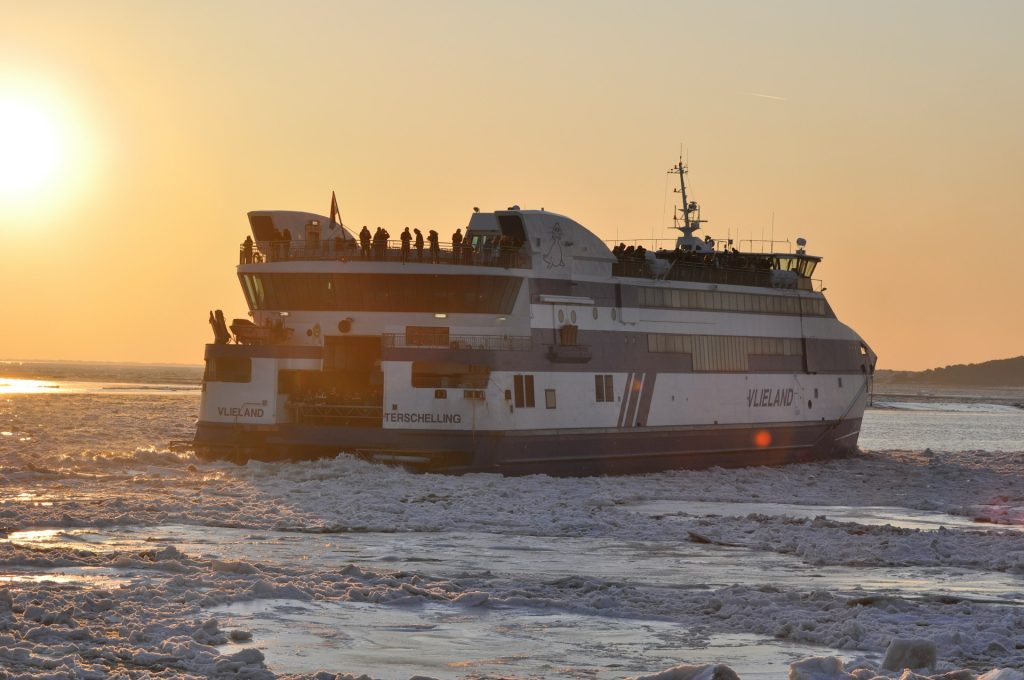
A ferry day in January can hinge on one sailing that gets canceled for wind, and suddenly the plan has no middle. Ticket windows open late, the café closes early, and the waiting room becomes the main attraction under flat light and damp coats. Locals sit calmly, but visitors do mental math about lodging, dinner, and the last return trip. When the boat finally arrives, everyone boards at once, and the crossing feels less like a pleasant ride and more like relief that the calendar still works today. Miss the last sailing, and the island feels farther than the map ever suggested. Backup plans shrink fast.
Historic District Weekend With Winter Hours
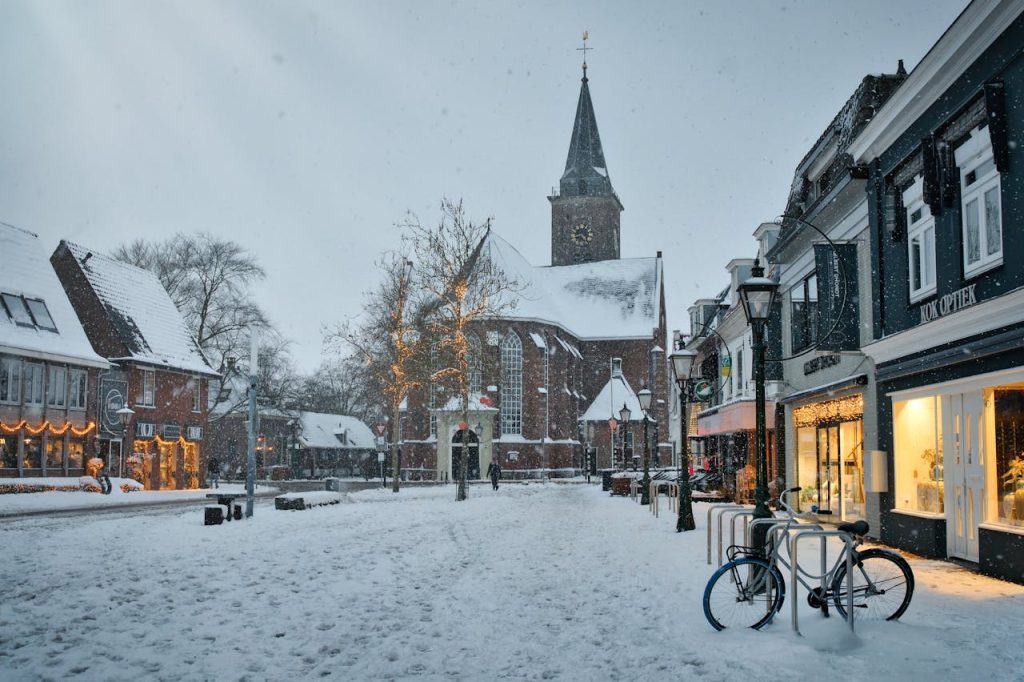
A historic district can look perfect in January, but the support behind the charm often runs on shortened hours. Museums close earlier, guided tours pause, and restaurants switch to smaller menus, so every plan must fit inside a tighter clock. Without crowds, streets feel emptier, and a single closed door can send people walking blocks in the cold to find the next open place. The day becomes a pattern of checking signs, recalculating, and settling for what is available, which can feel like living inside a timetable rather than exploring. Even the best streets feel truncated when darkness arrives early and doors lock one by one.
Ski Town Without Snow But With Peak Pricing
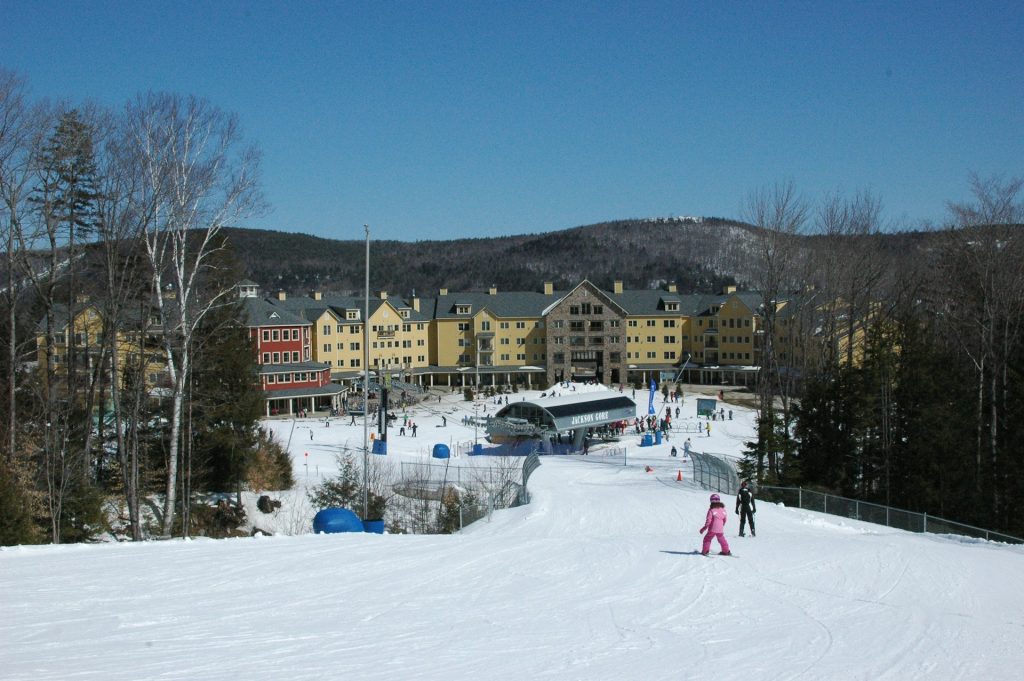
A ski town in January can feel like paying for a season that did not fully arrive. Snow is thin, lifts spin on limited terrain, and the village is full of posters for experiences that depend on conditions. Reservations still dominate, prices stay high, and roads get slick even when slopes are bare, so time goes to shuttles, gear management, and awkward refund conversations. Visitors bounce between crowded lodges and half-open trails, trying to salvage the day, and the mood tightens because the place runs smoothly only when nature cooperates. The town looks festive, yet the experience feels like paying for potential, not for what is operating.
Big City Transit During Cold Snap Service Cuts
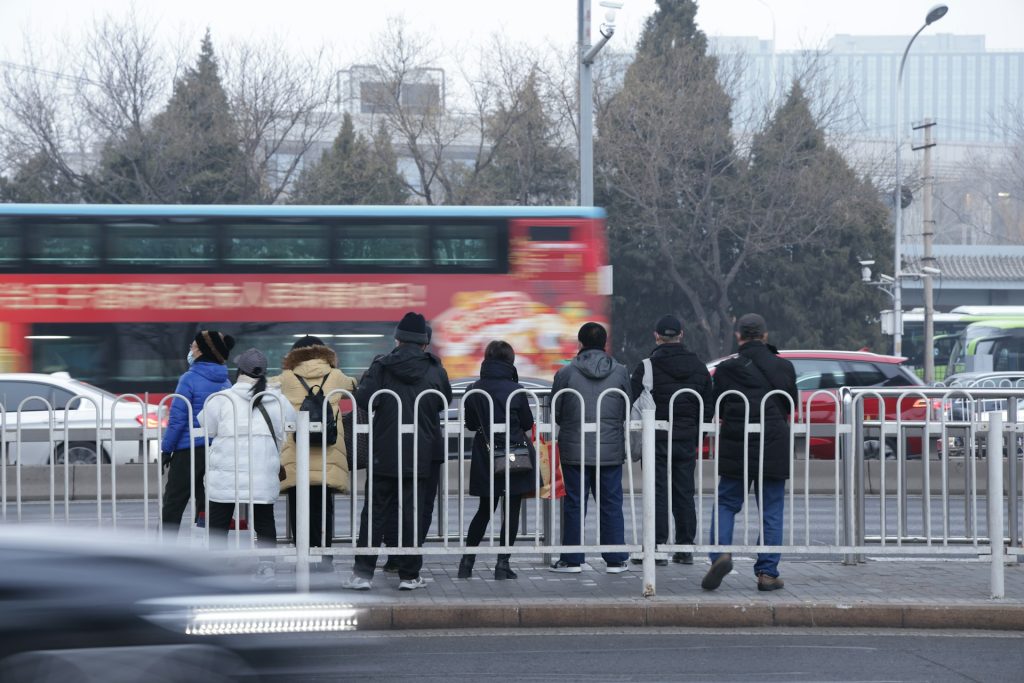
A cold snap strains city transit, and January riders feel it in small gaps that stack up. Trains arrive less often, buses bunch, and station updates lag behind reality, so platforms fill with people trying to guess the next move. Elevators fail more often, fare machines act up, and warm indoor spaces that make waiting tolerable close earlier. Crossing town becomes a chain of partial solutions, with each transfer adding another chance of delay, and even a short trip can turn into an hour of improvising. The city still works, but it works unevenly, and everyone crowds into the same warm corners while the clock keeps moving.
Mountain Pass Drive With Early Closures
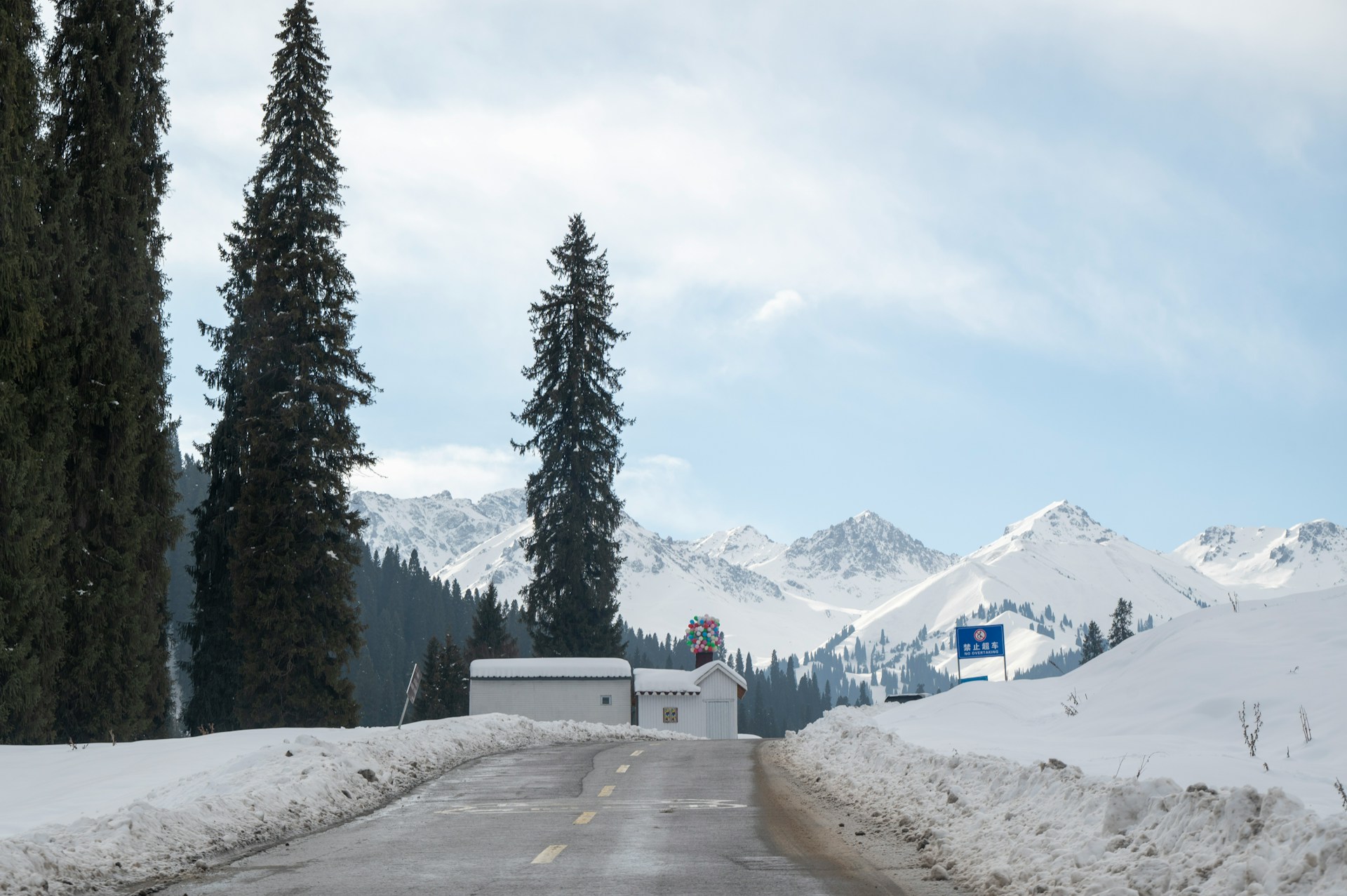
A scenic winter drive sounds simple until January reveals how much it depends on open services. Gas stations close early, roadside cafés shut for the season, and a minor detour stretches long because plows prioritize main routes. Darkness arrives quickly, and cell coverage drops in the same stretches where shoulders narrow and turnouts disappear. The drive itself may be fine, but the support network feels thin, so every stop becomes a question of what is open and how long it will stay that way. The road feels less like a route and more like a sequence of constraints, with comfort tied to an open door and the safest plan is to keep moving.
Theme Park Week With Reduced Staffing
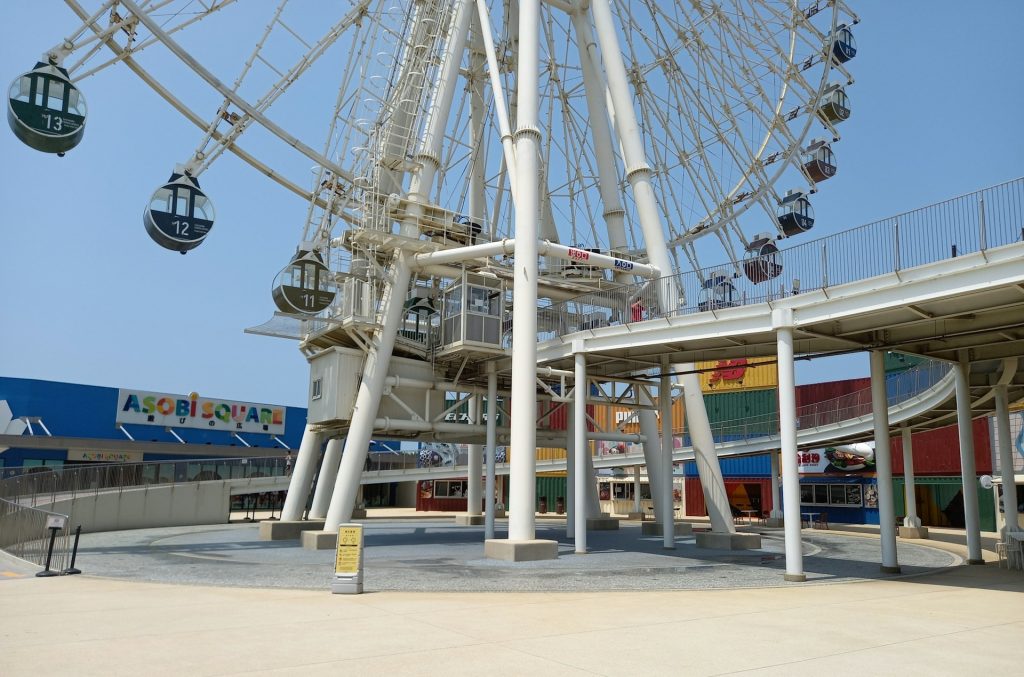
Theme parks sell January as a quieter win, but reduced staffing can make the day feel oddly slow. Fewer food counters stay open, mobile ordering backs up, and maintenance takes longer, so lines form in unexpected places like coffee stands and restrooms. Shows run fewer times, indoor seating is scarce, and the app becomes a constant companion, not a convenience. The visit turns into managing time windows and walking extra miles between the few open services, which can make the park feel less like escape and more like errands. Crowds may be lighter, yet friction is higher, so the day stretches longer than expected.
Island Town In Off-Season Maintenance Mode
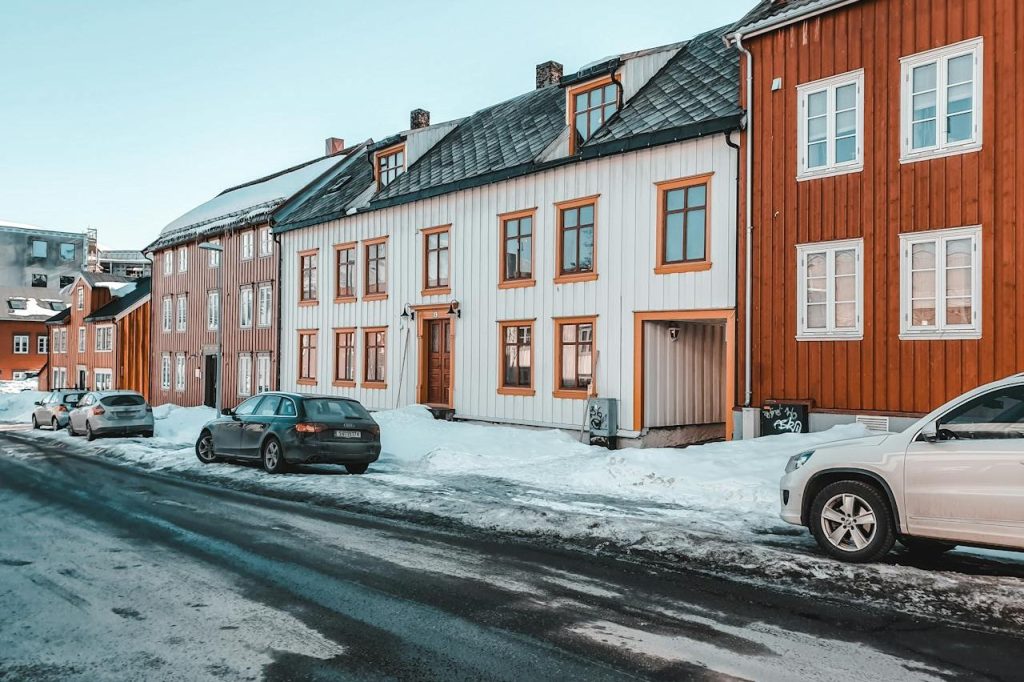
An island town in January can feel like it is operating on a skeleton crew. Groceries are limited, pharmacies close early, and the one reliable café takes a random weekday off, leaving visitors to improvise meals and plans. Rental desks shut by late afternoon, taxis are scarce, and ferries run on thin schedules, so timing becomes the main activity. The quiet can be lovely, yet it also means fewer quick fixes when something small goes wrong, from a dead phone battery to a closed restroom, and the day starts revolving around what is still open. The charm remains, but the margin for error feels thin, and small delays stack quickly.