10 January Trips for U.S. Travelers Embracing Winter’s Snowy Charms
January travel does not always soften the season or disguise its edges, and some trips feel more honest because they do not try, inviting presence patience realism and seasonal awareness. These destinations make room for cold air, shorter days, and slower rhythms instead of working around them. Streets feel quieter, daylight feels precious, and daily plans adjust naturally. Rather than promising escape, these trips reflect winter as it exists, with practical movement and clear boundaries. Each place invites acceptance instead of avoidance, offering experiences shaped by weather, light, and seasonal routine. Traveling this way can feel grounding, realistic, and quietly memorable without pretending winter is anything else.
Chicago, Illinois
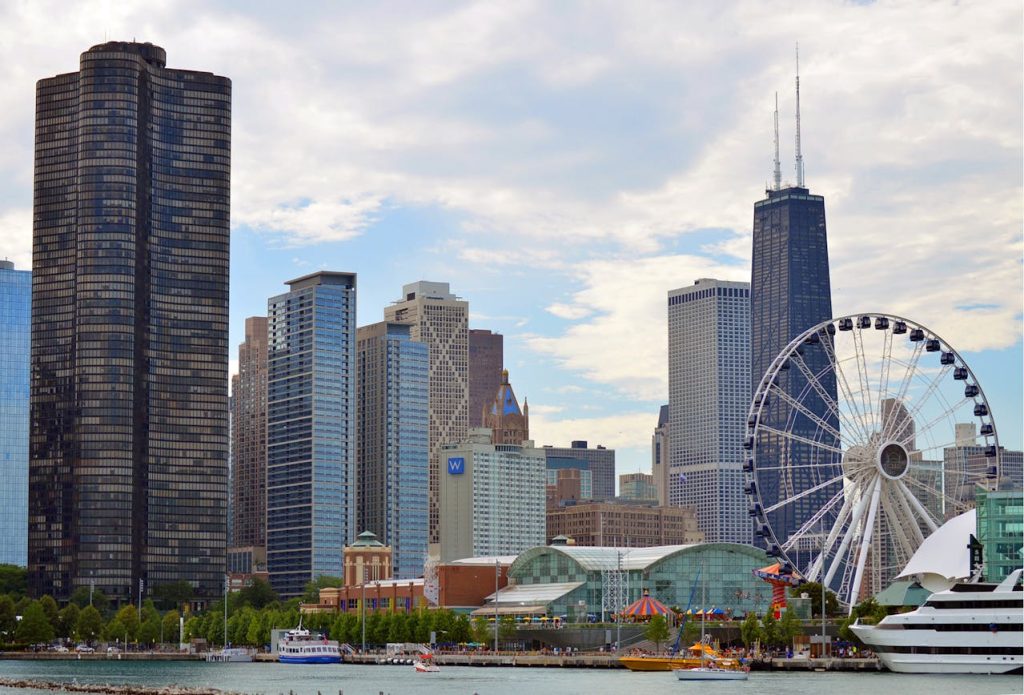
Chicago in January makes no effort to soften winter, and that clarity defines the experience. Lake Michigan amplifies cold air, shaping daily movement and limiting time outdoors. Streets feel sharper and quieter, encouraging purposeful walks rather than wandering. Museums, libraries, and neighborhood cafes become central, offering warmth without spectacle. Public transit runs steadily, reinforcing routine over spontaneity. Snow and wind set clear boundaries, making rest and planning essential. Chicago’s winter reveals the city’s structure, resilience, and reliance on indoor culture. The trip feels honest because daily life adjusts visibly to conditions rather than masking them with seasonal illusion.
Minneapolis, Minnesota
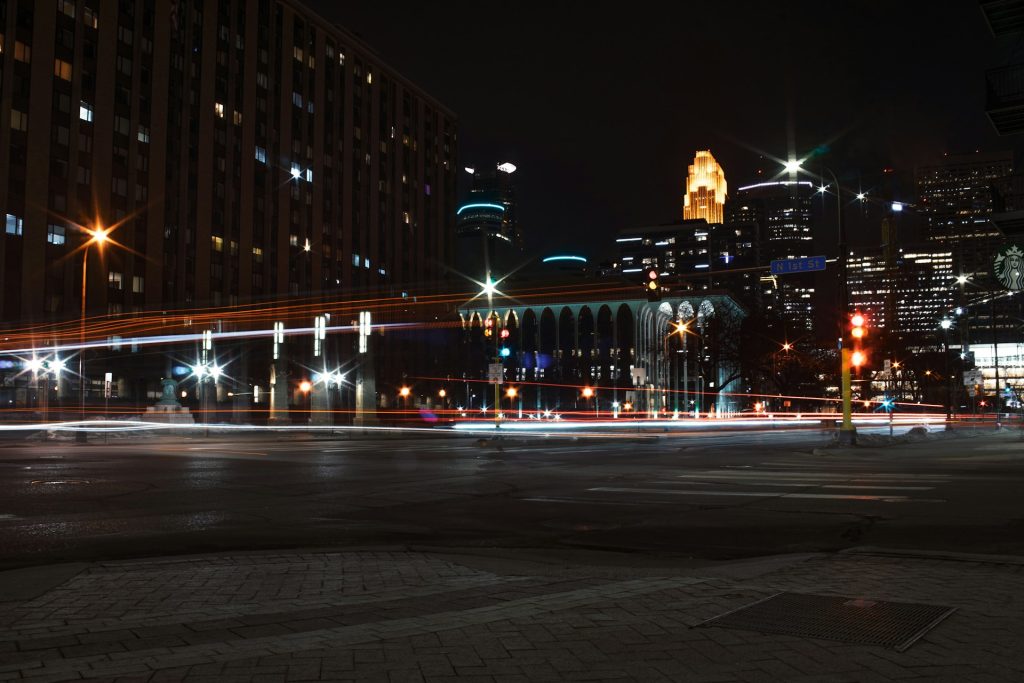
Minneapolis in January accepts winter fully, organizing life around snow, ice, and cold. Skyways connect buildings, shaping movement through practicality rather than scenery. Streets remain active but purposeful, with residents dressed for function. Outdoor time becomes intentional, often brief, and balanced by warm interior spaces. Cultural venues and coffee shops serve as anchors throughout the day. Daylight feels limited, influencing pacing and rest. Minneapolis does not disguise winter but adapts to it efficiently. The experience highlights how infrastructure and routine respond to climate, offering a trip grounded in realism, preparation, and seasonal clarity rather than comfort seeking.
Quebec City, Canada
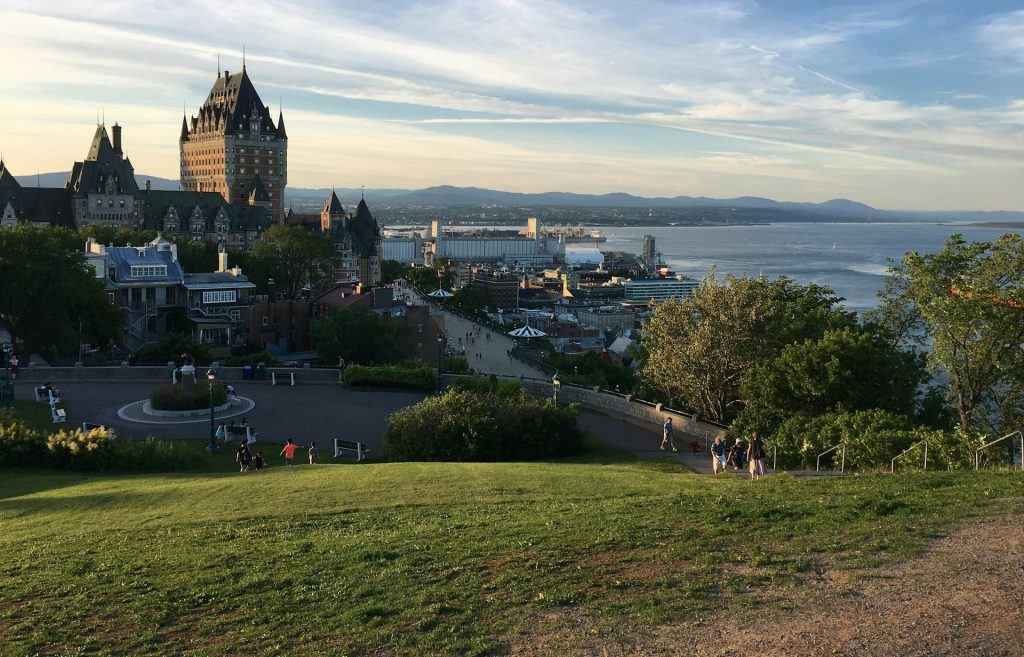
Quebec City in January presents winter openly through snow covered streets and sharp air, shaping routines expectations movement planning and daily awareness. Historic stone buildings hold cold, making interiors feel deliberately warm. Walking requires care and planning as ice shapes movement. Winter festivals exist, yet daily life remains practical and weather driven. Short days encourage early evenings and slower mornings. The city’s age and layout become more visible under snow. Quebec City does not minimize winter’s presence but integrates it into routine. The trip feels authentic because conditions shape experience directly, requiring adjustment, patience, and acceptance rather than offering softened versions of the season.
Reykjavik, Iceland
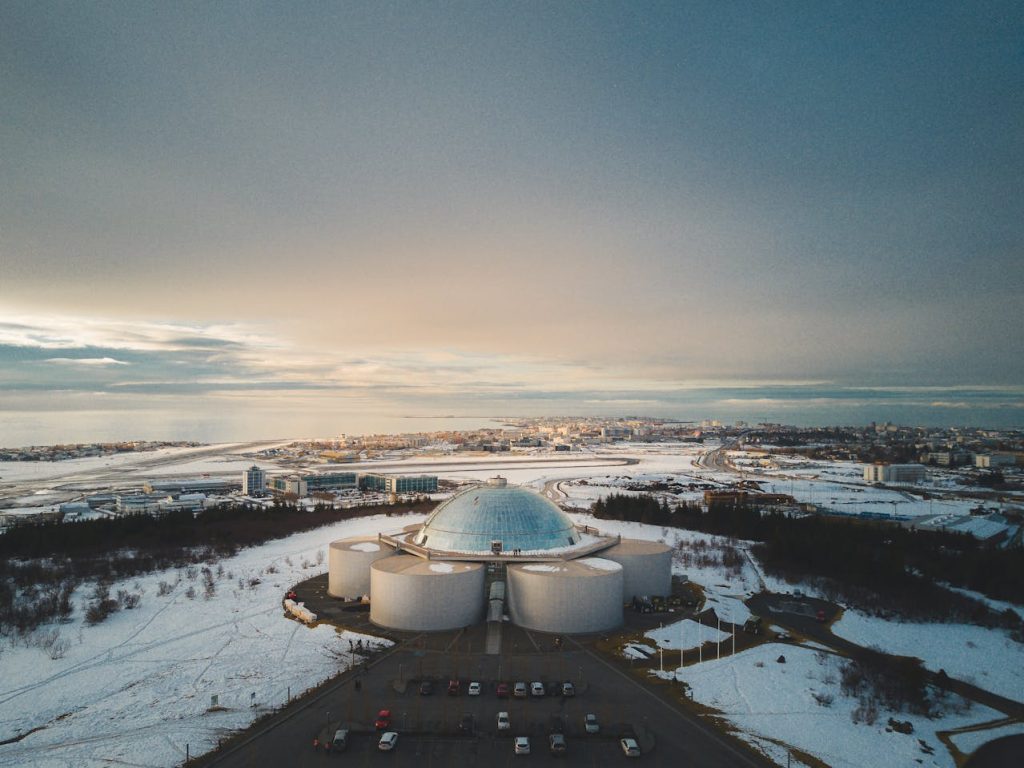
Reykjavik in January does not attempt to hide darkness or cold, allowing environmental reality to shape expectations and daily movement. Limited daylight defines daily schedules, and weather shifts quickly. Streets remain walkable but quiet, encouraging indoor focus. Geothermal pools provide warmth without denying winter’s intensity. Wind and snow influence travel plans, making flexibility essential. The city’s compact scale supports short outings and rest. Reykjavik’s winter highlights natural forces rather than overcoming them. The experience feels honest because time, movement, and energy respond to environmental limits, offering a trip shaped by adaptation and awareness instead of distraction or seasonal denial.
Buffalo, New York
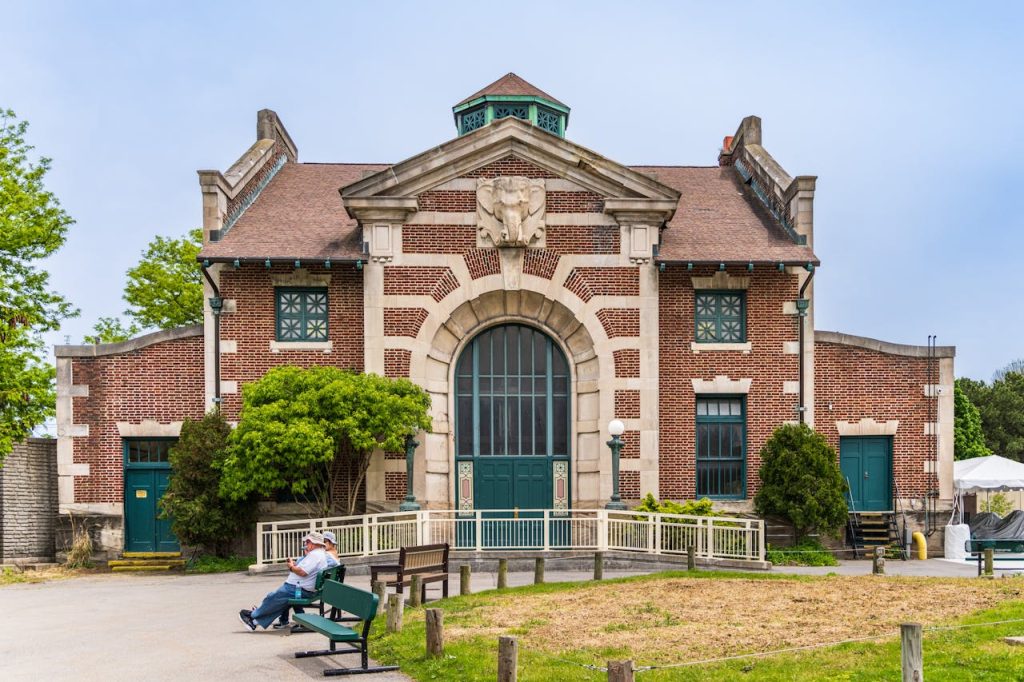
Buffalo in January reflects winter through lake effect snow and subdued movement, shaping daily expectations routines priorities preparedness and shared responsibility. Streets and neighborhoods adjust to accumulation and cold without ceremony. Daily routines center on reliability and preparation. Restaurants and local spaces feel essential rather than optional. Snow changes how people gather and move, emphasizing community coordination. Daylight feels brief, reinforcing early evenings. Buffalo does not attempt to reframe winter as novelty. The trip feels straightforward because conditions dictate rhythm openly. Experiencing Buffalo in January reveals how a city functions when winter leads decisions instead of being managed or minimized.
Fairbanks, Alaska
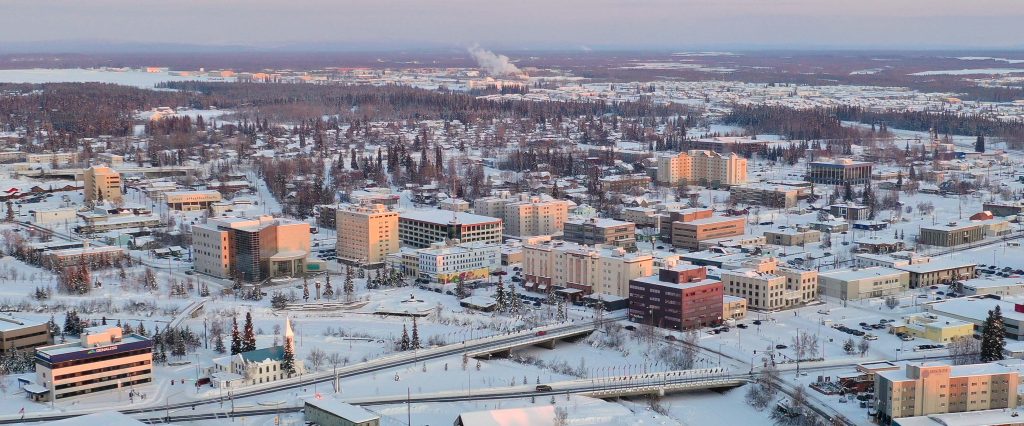
Fairbanks in January places winter at the center of experience, with temperatures shaping routines infrastructure behavior patience resilience planning daily. Extreme cold and limited daylight define every aspect of daily life. Movement happens carefully and intentionally. Indoor spaces become primary, and outdoor time requires preparation. Silence and stillness feel pronounced. Northern lights appear unpredictably, reinforcing patience. Fairbanks does not soften winter’s severity but operates within it. The trip feels honest because survival, routine, and awareness guide decisions. Winter is neither hidden nor celebrated excessively. It simply exists, shaping time, energy, and attention in ways that feel direct, and unmistakably real.
Duluth, Minnesota
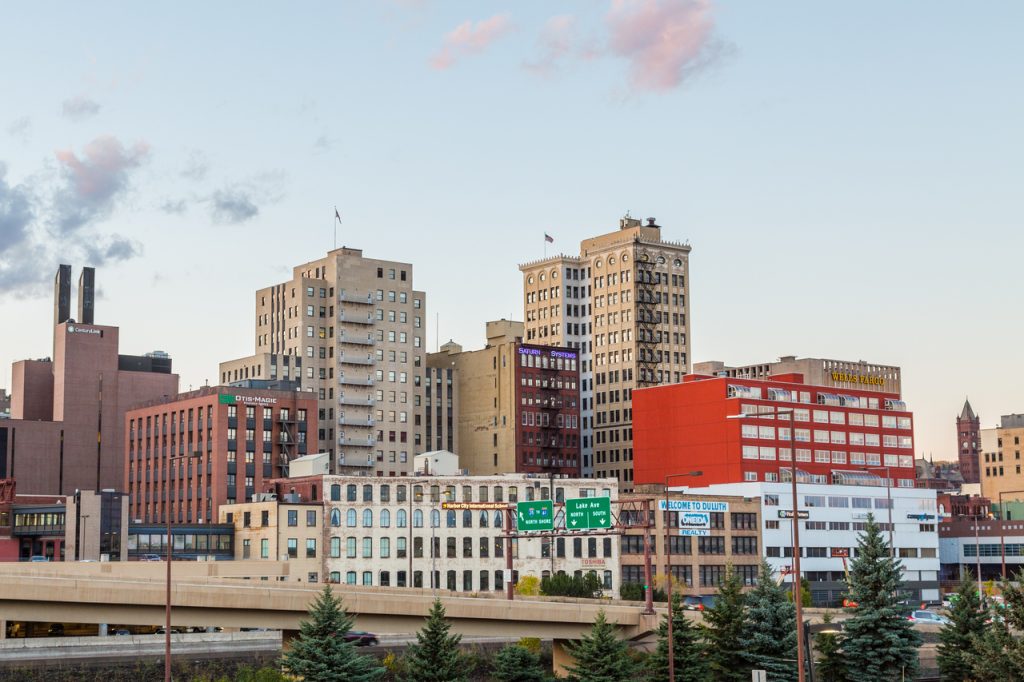
Duluth in January exposes winter along Lake Superior with wind, snow, and cold air, demanding awareness patience preparation and respect for changing conditions. The landscape feels stark and powerful. Outdoor time depends on conditions, often brief and deliberate. The lake influences weather visibly, shaping movement and mood. Indoor spaces provide refuge rather than entertainment. Streets feel quieter, and routines slow naturally. Duluth does not disguise winter’s force. The trip feels grounded because daily life responds clearly to environment. Experiencing the city in January highlights resilience and adaptation, offering clarity about seasonal limits rather than comfort driven illusions.
Tromso, Norway
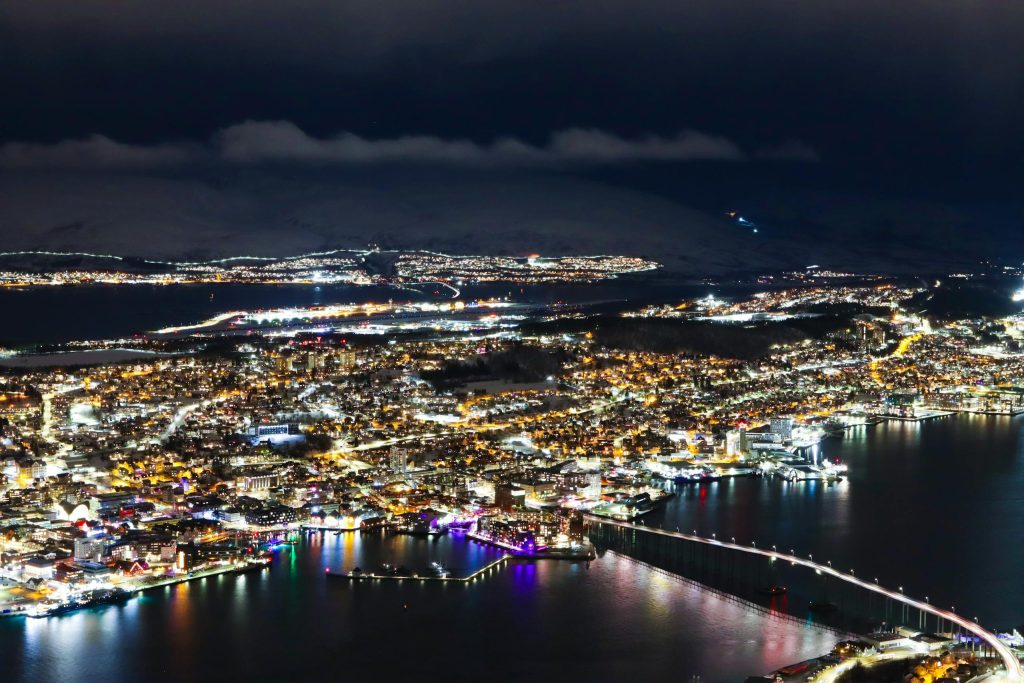
Tromso in January experiences polar night, where daylight barely appears, creating introspection communal reliance adjusted circadian rhythms and measured expectations. Daily life adjusts around darkness and cold. Artificial light, routine, and community structure guide movement. Outdoor activities require planning and awareness. The city does not hide winter’s constraints but lives within them. Short days and long nights shape rest and focus. Tromso’s winter experience feels honest because it does not promise ease. Instead, it reflects how people adapt to environmental limits. The trip becomes about presence and patience, offering realism rooted in geography rather than seasonal performance.
Anchorage, Alaska
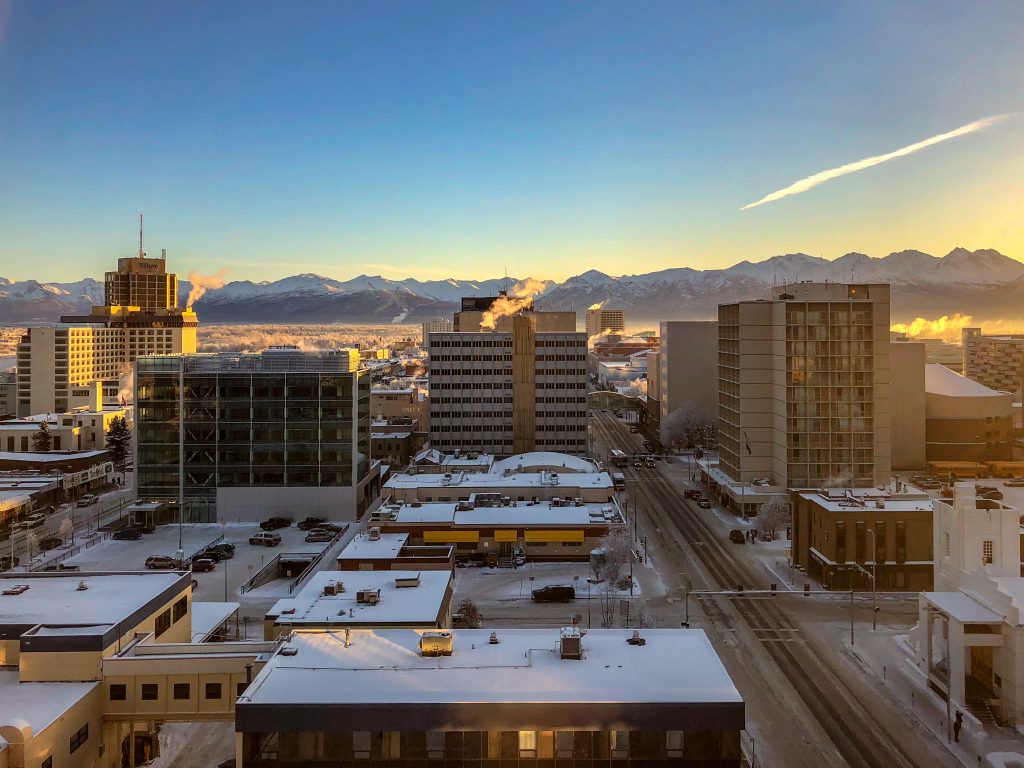
Anchorage in January operates under winter’s authority, through long nights careful preparation shared responsibility and community coordination. Snow, ice, and reduced daylight define routine. Roads remain functional but conditions shape timing and distance. Indoor spaces anchor daily life. Outdoor exposure happens with intention. Wildlife remains present but distant, reinforcing awareness. Anchorage does not soften winter through distraction. The experience feels realistic because planning and restraint guide decisions. January reveals how a city balances activity with caution. The trip highlights adaptation and respect for environment, offering an honest encounter with winter rather than an escape from it.
Harbin, China
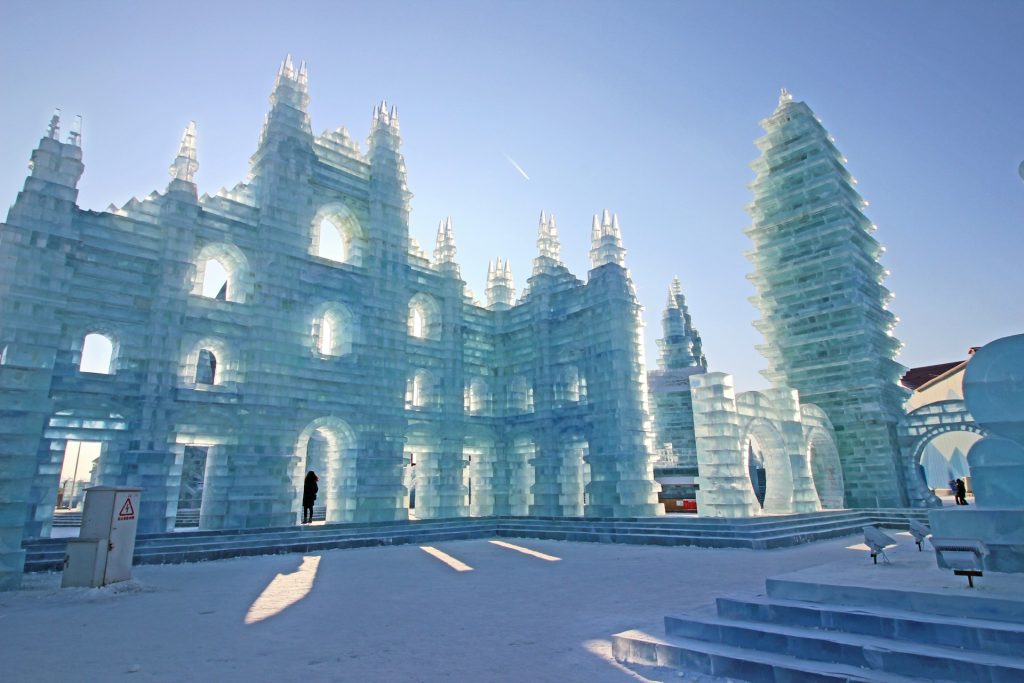
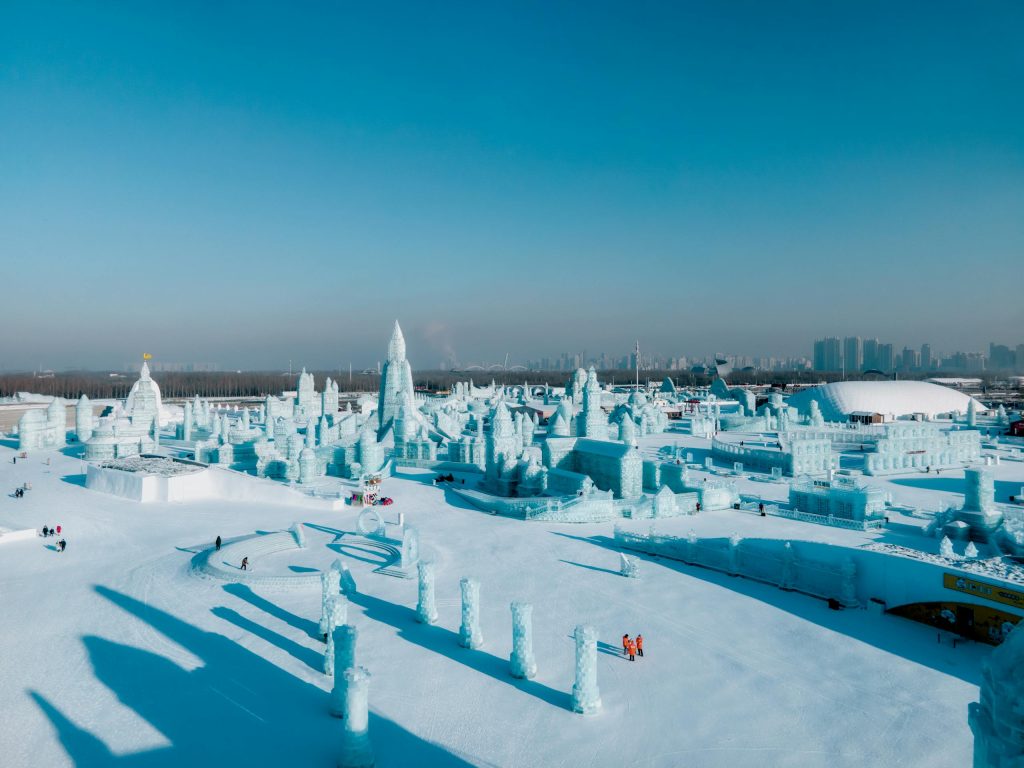
The Harbin in January openly embraces extreme cold. Temperatures drop sharply, shaping every movement and reinforcing resilience through daily routines and shared preparedness. Streets and public spaces reflect winter’s dominance. Ice and snow become structural elements rather than background. Outdoor exposure remains brief and purposeful. Indoor warmth feels essential. The Harbin does not hide winter’s intensity but exists within it. The trip feels clear because conditions set firm boundaries. Experiencing Harbin in January emphasizes acceptance and adaptation, offering a destination where winter defines daily life completely, leaving little room for illusion or seasonal compromises.