10 January Trips That Collapse Under Delays, Cancellations, and Enforcement Checks

January travel can feel like a bargain month, but it also comes with real operational hurdles that affect timing and comfort. Winter storms, icy roads, and heavy snow can disrupt flights, close mountain passes, and delay trains, sometimes with little notice. Seasonal schedules also shift after the holidays, and some tours, ferries, and attractions reduce service or pause altogether. Short daylight hours tighten itineraries, while cold temperatures change what feels enjoyable outdoors. Flexible bookings, buffer days, and a backup plan can prevent frustration. These ten trips stand out for how often January conditions reshape expectations and logistics, especially when airline rebookings stack up and roads reopen slower than predicted.
Chicago, Illinois
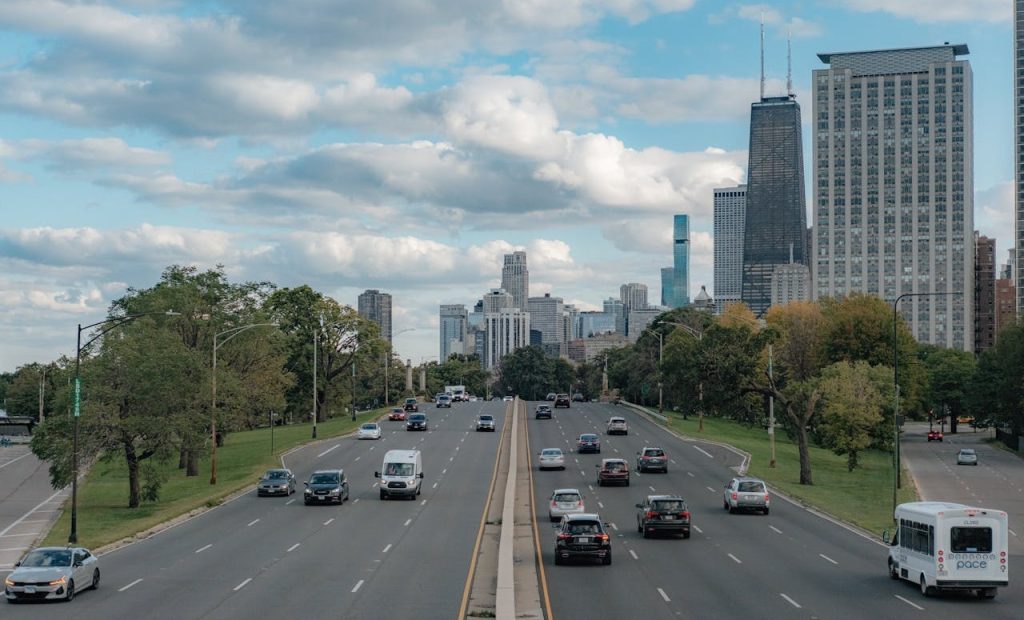
Chicago in January can deliver beautiful lakefront scenes, yet winter weather often interferes with travel and day-to-day movement. Snowstorms and lake-effect conditions can slow flights into O’Hare and Midway and create cascading airline delays. Icy sidewalks and wind chills can also affect walking plans, especially near the lake, where cold can feel intense. Transit generally runs, but service disruptions can follow severe weather, and rideshares may take longer during storms. Museums and indoor attractions help, though commuting between them can be slower. Building extra time for transportation and dressing for wind-driven cold keeps plans steadier, especially when lakefront gusts spike and snowplows slow neighborhood streets.
Denver, Colorado

Denver makes a convenient base for mountain towns, but January weather can complicate both flights and road trips. Snow and visibility issues can delay arrivals at Denver International Airport, and those delays can disrupt tight connections. Driving west toward ski areas often involves I-70, a route that can slow dramatically during storms, or traction-control restrictions. Mountain passes and tunnel approaches can see closures or long backups when weather turns harsh. Even in the city, sudden snow can change commute times. Planning with flexible arrival windows and allowing extra driving time helps keep January itineraries from feeling rushed or derailed, especially when chain requirements appear and weekend traffic swells toward ski resorts.
Seattle, Washington
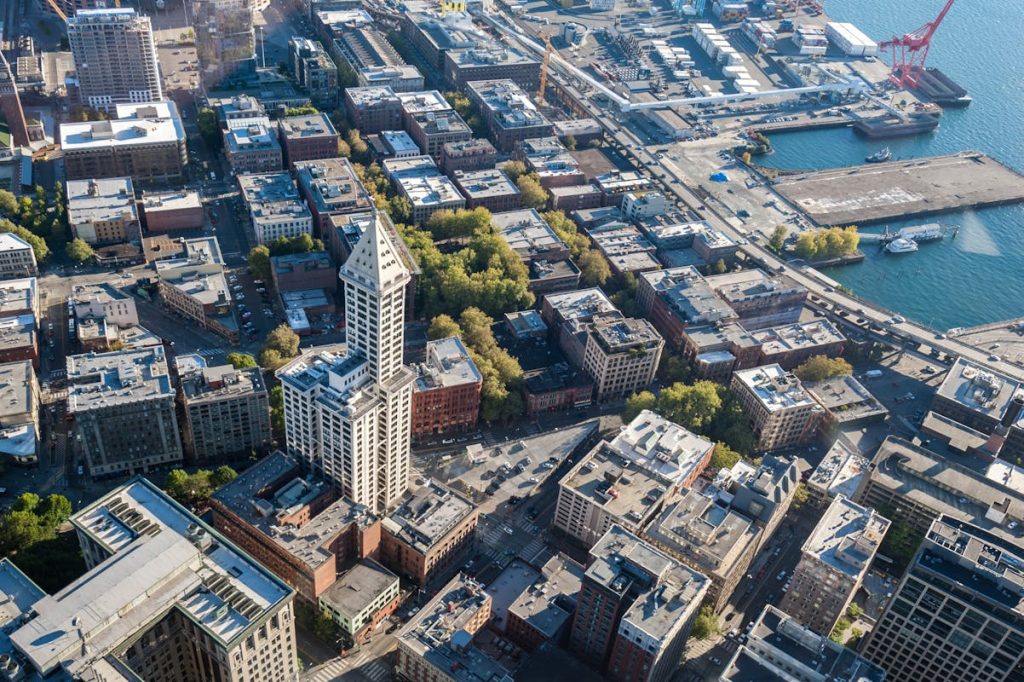
Seattle in January brings shorter days and frequent rain, and occasional snow or ice can have an outsized impact on transportation. The city’s hills can become slick quickly, which affects driving, buses, and rideshare pickup times during cold snaps. Flights can also face delays when regional weather disrupts airport operations across the Pacific Northwest. Ferries on Puget Sound often run reliably, yet wind and rough conditions can cause cancellations or modified schedules. Outdoor sightseeing still works, but wet weather can slow movement and change plans. A flexible schedule and realistic expectations help keep the trip comfortable, especially when evening temperatures drop and untreated streets stay slick longer.
New York City, New York
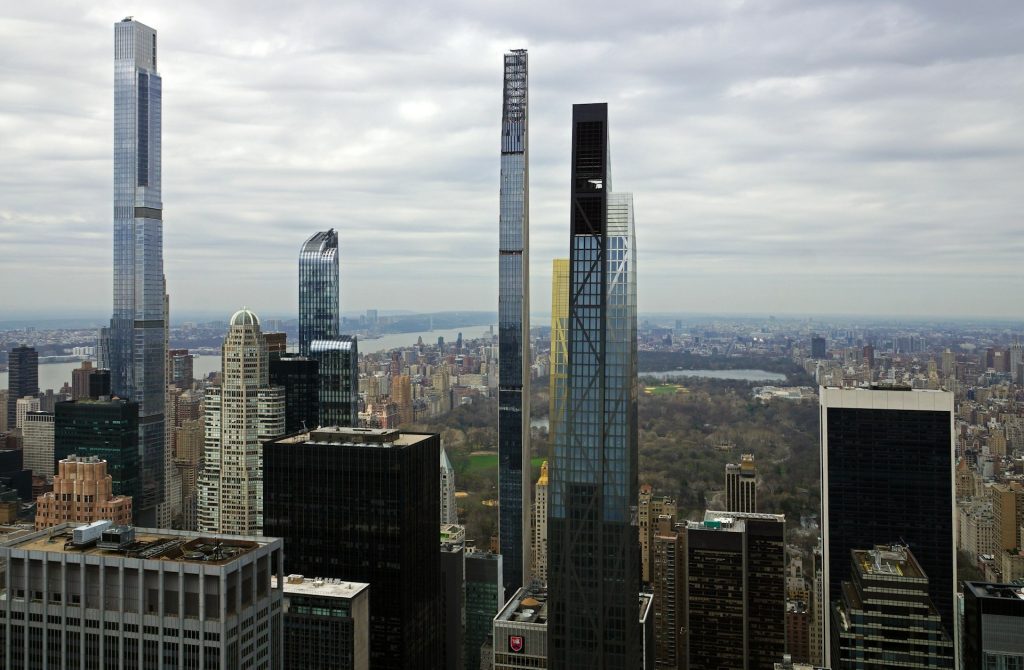
New York City stays active in January, but winter systems along the East Coast can disrupt travel and create sudden slowdowns. Snow, ice, or freezing rain can delay flights into area airports, and regional rail can face weather-related disruptions that ripple through arrival times. Within the city, subway service usually continues, yet severe weather can create delays and crowded platforms. Wind and cold also affect walking comfort, particularly on bridges and waterfront routes. Some seasonal attractions reduce hours after the holidays, and that can tighten planning. Extra buffer time for transit transfers helps keep museums, shows, and dining plans on track, especially when evening commutes surge and platforms crowd after weather advisories.
Boston, Massachusetts
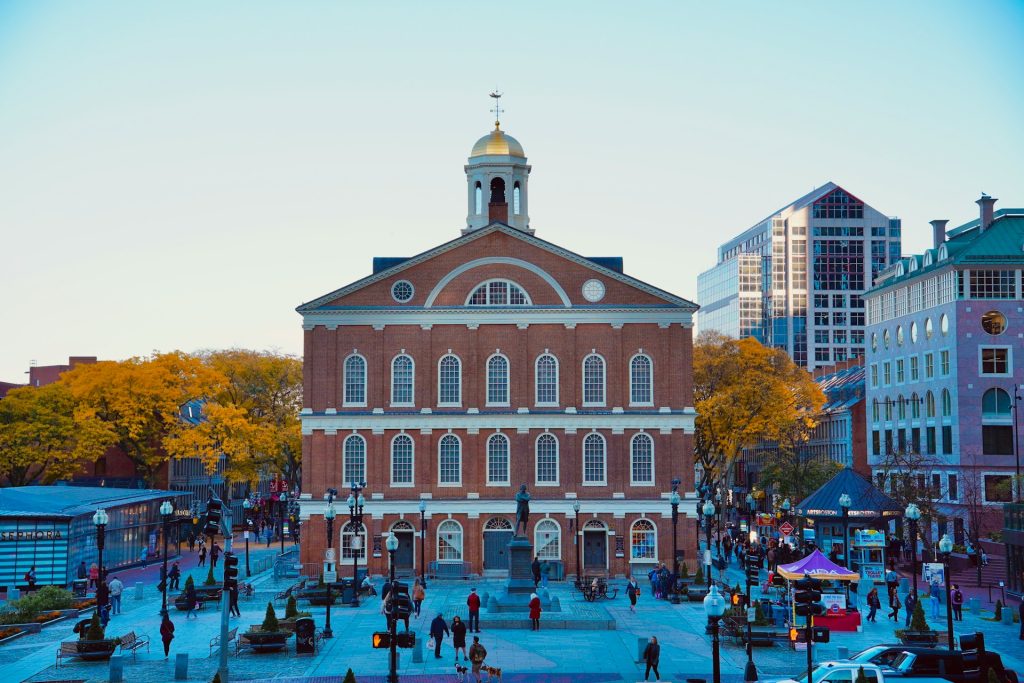
Boston in January often pairs historic scenery with harsh weather that can complicate arrivals and local transportation. Nor’easters and coastal storms can delay flights, disrupt rail service, and create treacherous driving conditions on regional roads. Snow accumulation can narrow sidewalks and affect walking routes, especially in older neighborhoods with tight streets. The MBTA usually operates, but severe storms can trigger delays, slow zones, or temporary changes. Short daylight hours also compress sightseeing windows, and that can make missed connections feel more costly. Planning indoor stops, leaving extra time for transit, and watching forecasts closely helps keep the trip manageable.
Yellowstone National Park, Wyoming
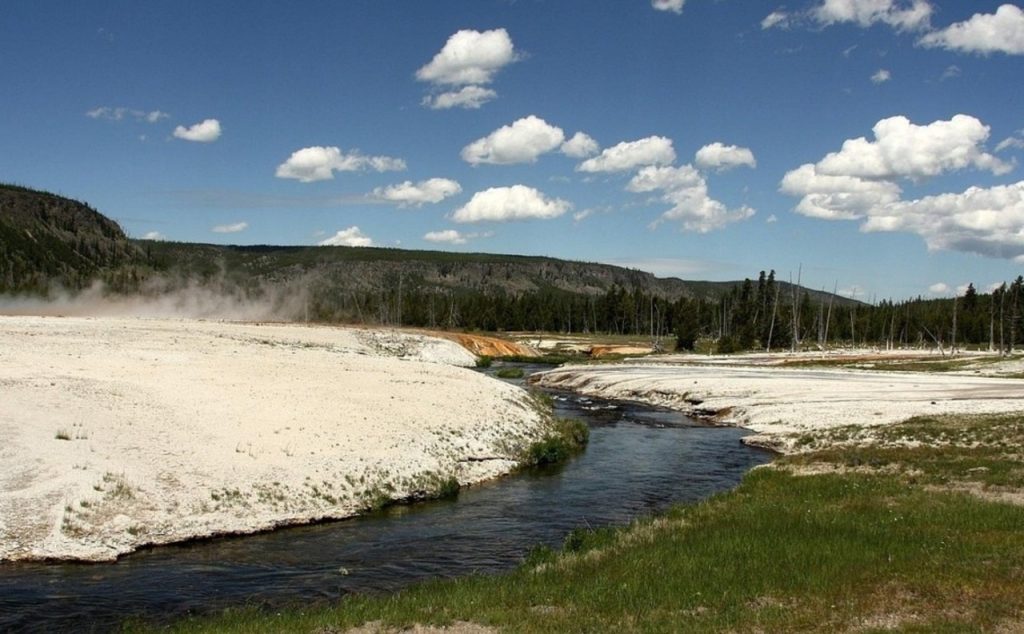
Yellowstone in January offers a true winter experience, but seasonal access rules can change expectations quickly. Many park roads close to regular vehicle travel in winter, and access to interior areas often relies on guided snowcoach tours or snowmobile routes. Heavy snowfall and extreme cold can also impact schedules, visibility, and comfort, sometimes limiting what can be reached on a given day. Nearby highways can close during storms, affecting arrival timing from regional airports and towns. Lodging and services operate on winter schedules, which can reduce options. Reservations, buffer days, and close attention to official conditions help keep plans realistic, especially when tour departures shift and limited lodging fills weeks ahead.
Lake Tahoe, California And Nevada

Lake Tahoe in January can be stunning, yet winter storms frequently affect travel across mountain roads and passes. Snow can trigger chain controls and long delays on key approaches, including routes over the Sierra Nevada, and closures can occur during severe conditions. Flights into nearby airports can also face disruptions when regional storms spread across Northern California and Nevada. Within the basin, roads can ice over at night, making early-morning drives slower. Ski traffic can add congestion during weekends, and parking can become challenging near resorts. Choosing flexible travel days and planning around storm forecasts helps reduce frustration, especially when chain checkpoints back up and visibility drops on ridge roads.
Minneapolis And St. Paul, Minnesota
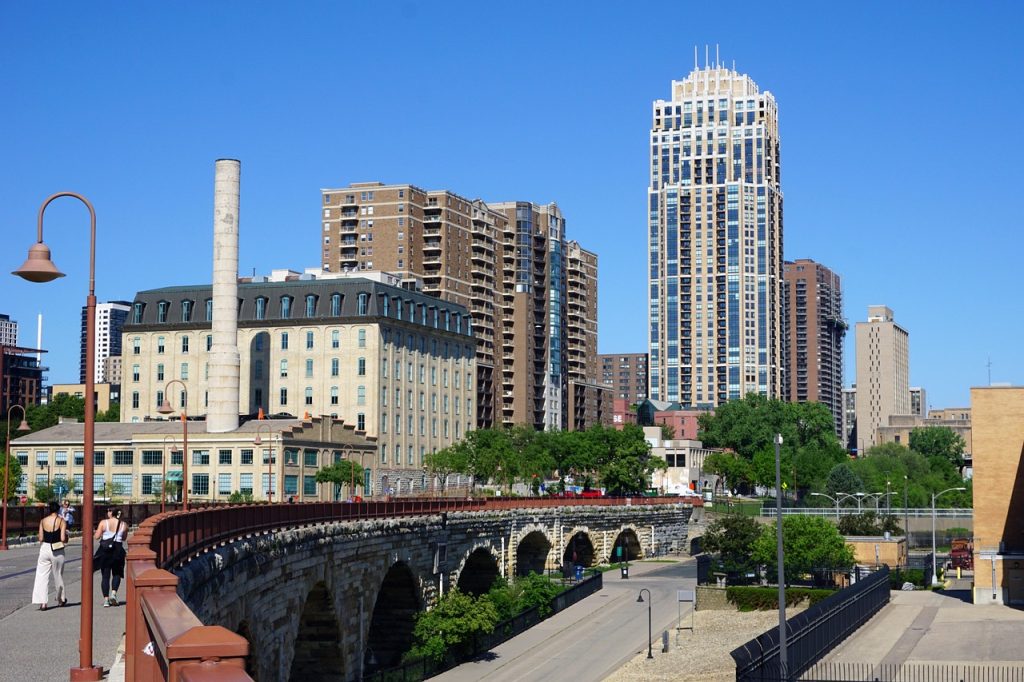
The Twin Cities in January can feel crisp and lively indoors, but extreme cold and snow can disrupt transportation and shorten outdoor plans. Blizzards and heavy snow can delay flights and make driving conditions hazardous, while subzero temperatures can create vehicle issues and slow commutes. Sidewalks can become icy, which affects walking between downtown destinations even with good boots. Public transit runs, yet severe storms can cause delays and crowded vehicles. Daylight is limited, and that compresses sightseeing time. Building extra travel buffers and prioritizing indoor attractions helps keep a January visit smoother and more predictable, especially when wind chills drop sharply and road salt cannot keep up.
Buffalo And Niagara Falls, New York
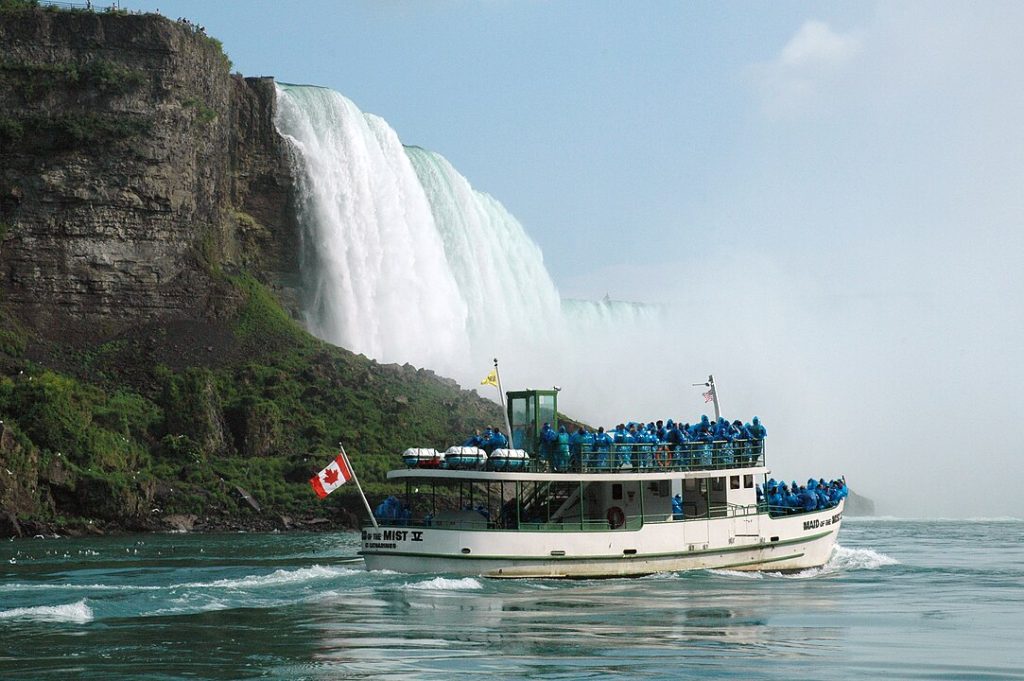
Buffalo and Niagara Falls in January can deliver dramatic winter views, yet lake-effect snow can cause major disruptions with little warning. Heavy bands of snow off Lake Erie can reduce visibility, close roads, and delay flights, sometimes creating sudden travel standstills. Driving to the falls can become slow and hazardous during active storms, and walkways may be icy near mist and spray that freeze quickly in cold air. Some tour services operate on reduced winter schedules, limiting options. Short daylight also tightens plans for viewing and photography. Monitoring weather closely and allowing extra time for travel keeps the trip safer and less stressful, especially when advisories change quickly and plows struggle during whiteouts.
Jackson Hole, Wyoming
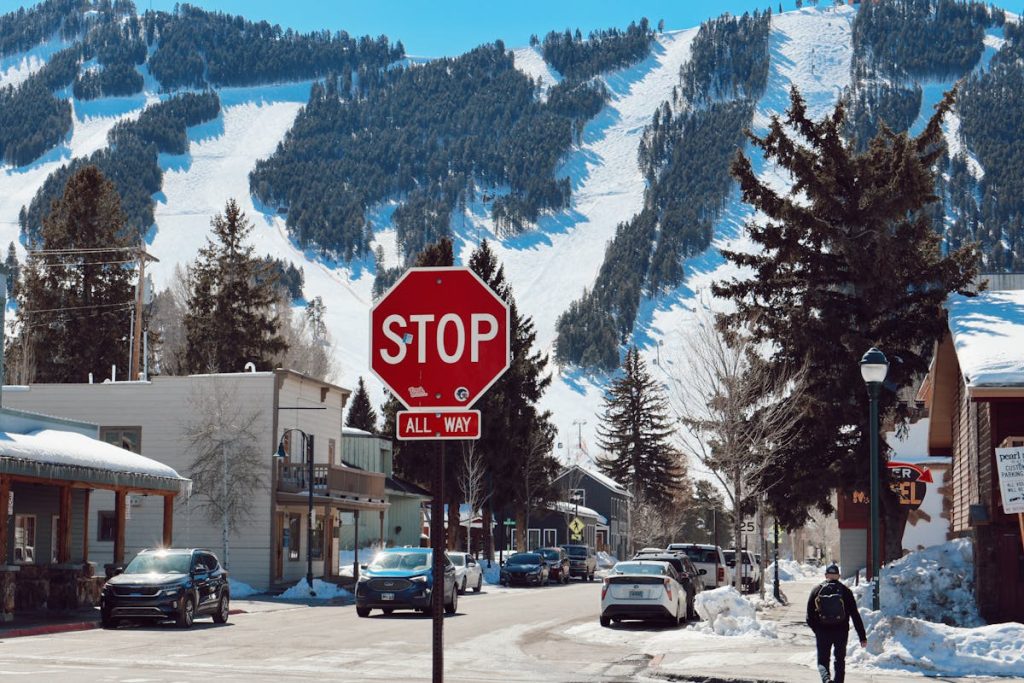
Jackson Hole in January often centers on winter recreation, but that same season brings transportation challenges that can disrupt plans. Snowstorms can affect flights into Jackson Hole Airport and create delays on mountain roads leading into the valley. Steep grades and slick surfaces can slow drives, and closures may occur during severe weather. Daylight is short, so a late arrival can erase outdoor time quickly. Resort traffic can also bottleneck local routes during peak weekends. Some non-ski services run limited winter hours, which reduces flexibility for backup activities. Adding buffer days and planning conservative travel windows helps keep the trip on track, especially when weekend storms coincide with holiday crowds and airport deicing.