10 January US Family Trips in the U.S. That Feel More Like Logistics Than Vacation
January family travel in the United States can feel less like a dreamy escape and more like a well-run operation. Schools return, daylight is shorter, and winter weather can reshape routes, packing lists, and daily timing. That does not make the trip worse, it simply changes the goal toward smooth routines, predictable meals, and activities that work even when energy levels vary. These ten trips lean into that reality with places that offer reliable infrastructure, indoor backups, and straightforward transportation. Think of them as family getaways built on planning, not spontaneity, where the best outcome is everyone staying comfortable and on schedule.
Orlando, Florida Theme Park Base

Orlando in January can feel like logistics because park days run on reservations, ride plans, and pacing. Cooler weather often helps, yet crowds can still appear around long weekends, so timing and transportation matter. Families often build the day around early entry, mid-afternoon breaks, and a clear meeting plan to avoid stress. Meals, snacks, and water become part of the schedule, not an afterthought. Evenings may end early, since tired kids and long lines can stack quickly. The upside is predictability, with hotels, shuttles, and familiar routines that help keep the trip running smoothly.
Washington, D.C. Museums And Metro
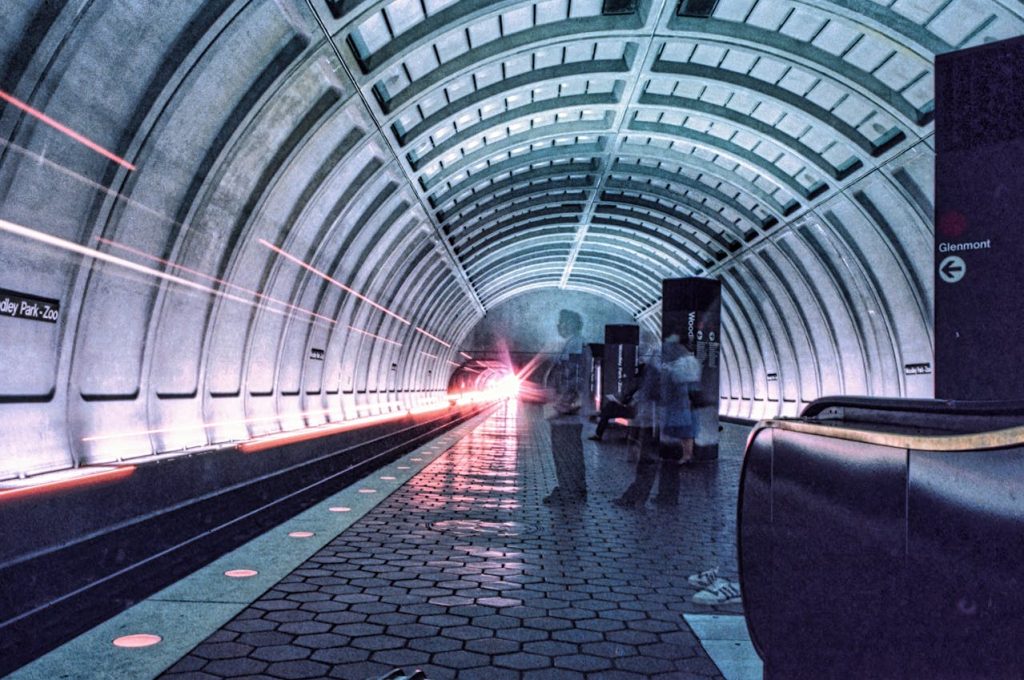
Washington, D.C. can feel like a logistics trip because museums and transit shape every day. The Smithsonian network provides easy indoor options for winter, yet timing matters for crowds, timed entries, and long walking routes across the National Mall. Families often rely on the Metro to reduce fatigue, then plan meals near stations to keep momentum. A simple strategy includes one major museum per day, plus a short monument loop when weather cooperates. Evenings can stay quiet in the hotel, which helps kids reset. The city works well when plans stay structured and flexible, since January weather can change quickly.
Chicago, Illinois Winter City Break

Chicago in January often becomes a logistics exercise because cold, wind, and snow influence everything from clothing to transit choices. Families tend to prioritize indoor anchors like the Museum of Science and Industry, the Shedd Aquarium, and the Field Museum, then add quick outdoor moments when conditions allow. Getting around can require a mix of trains, rideshares, and short walks, and timing matters to avoid long waits in the cold. Meals become a key planning tool, since warm breaks keep morale steady. The trip succeeds when expectations stay practical and the schedule builds in recovery time.
San Diego, California Easy Weather Routine

San Diego can still feel logistical in January because families often arrive seeking a calm routine rather than nonstop sightseeing. Mild weather helps, yet kids’ energy levels and school-year schedules make early nights and predictable meals more important than ambitious plans. The San Diego Zoo, Balboa Park museums, and the waterfront provide clear daytime anchors, while beaches work best for walks, not long swims. Transportation planning matters, since attractions spread out and traffic can shape the day. A structured approach often includes one main activity, a flexible lunch plan, and downtime back at the hotel, keeping the trip steady and manageable.
Anaheim, California Theme Park Scheduling

Anaheim in January often feels like logistics because theme park days depend on timing, reservations, and stamina. Cooler temperatures can help comfort, but families still manage lines, stroller plans, and meal windows to keep kids steady. Many itineraries rely on an early start, a midday rest break, and a return for evening entertainment, since long days can overwhelm younger travelers. Nearby hotels and walkable routes support smoother mornings, yet the trip still rewards careful planning around rides, snacks, and regrouping points. The experience can be fun, but it runs best when treated like a well-coordinated day plan rather than a free-form vacation.
New York City, New York Indoor-And-Transit Days
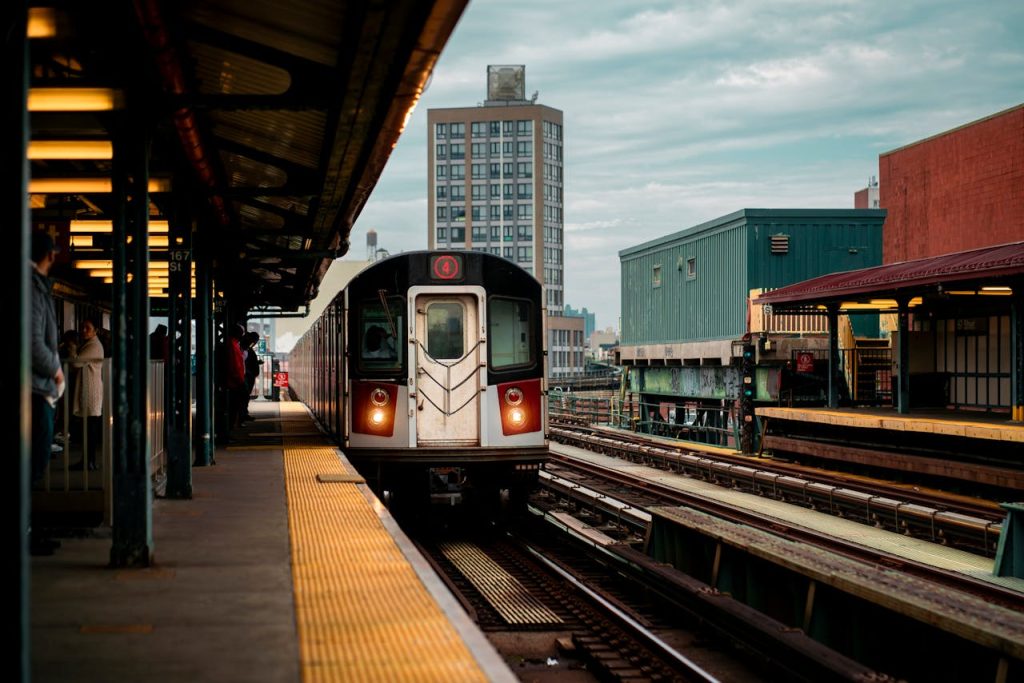
New York City in January can feel like logistics because cold weather pushes families toward indoor plans and careful routing. Subway navigation, walking distances, and timed tickets for attractions like museums or observation decks often shape each day. Many families build a neighborhood-based schedule, pairing one major attraction with nearby food stops to reduce travel fatigue. Afternoon breaks can matter, especially for younger kids who tire quickly in winter layers. Evenings often stay simple with early dinners and quick returns to the hotel. The city remains exciting, but the trip works best when transit, timing, and rest get equal attention.
Boston, Massachusetts History With Cold Weather Planning

Boston in January can feel like logistics because outdoor history sites meet winter conditions. Families may want the Freedom Trail, yet icy sidewalks and wind can shorten walking time, pushing the itinerary toward museums, the New England Aquarium, and warm indoor breaks. The MBTA can simplify movement, but delays and weather can still affect timing. A practical plan often limits outdoor stretches to short segments, then pairs them with hot meals and indoor exhibits. Early sunsets encourage earlier dinners and hotel downtime. Boston works when history is approached in small pieces and comfort remains a central part of the schedule.
Gatlinburg, Tennessee Smoky Mountains Base

Gatlinburg in January often runs on logistics because mountain weather can change quickly and road conditions can influence plans. Great Smoky Mountains National Park sits nearby, yet winter hikes require careful choices and shorter daylight windows. Families often balance outdoor time with indoor attractions, like aquariums, arcades, and simple restaurants that keep kids engaged when temperatures drop. Cabin stays can add comfort, but they also require grocery runs and meal planning, especially with early nights. The trip works when expectations stay flexible and routes remain conservative, since winter conditions can shift faster than a family schedule.
Lake Tahoe, California And Nevada Snow-Day Management
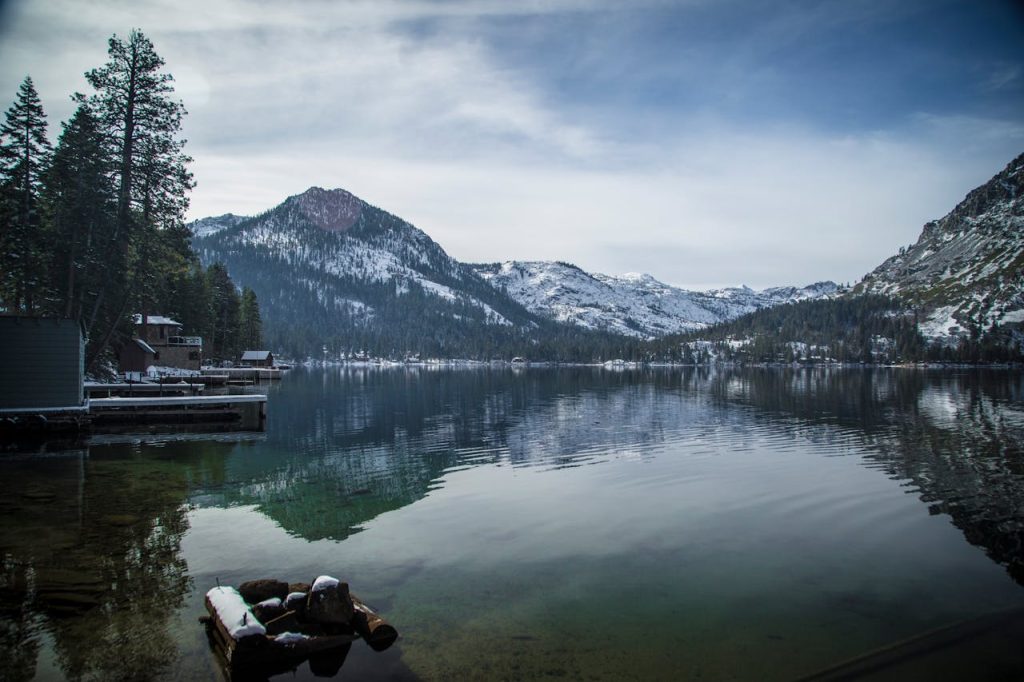
Lake Tahoe in January can feel like logistics because snow drives transportation, gear, and daily timing. Chain controls and road closures can happen during storms, so families often plan around weather windows and keep backup activities ready. Ski days require early starts, equipment organization, and warm breaks to avoid cold fatigue. Even non-ski plans, like snow play or scenic drives, depend on conditions and daylight. Lodging comfort matters, since long nights bring more indoor time, and groceries or dining reservations can become part of the plan. Tahoe works when the family treats winter like a system to manage, not a backdrop.
Phoenix, Arizona Desert Comfort With Driving

Phoenix in January can feel logistical because many family highlights involve driving between spread-out attractions. The desert weather is often pleasant, but planning still matters for timing, snacks, and avoiding long midday lines at popular spots. Families often mix outdoor time, like short hikes or zoo visits, with indoor stops such as museums or science centers to balance energy. Hotel downtime can be essential, since kids may still wake early after travel. The trip runs smoothly when days stay simple, with one major activity and an easy meal plan. Phoenix feels more like a practical base than a curated vacation, which can make it surprisingly restful.