10 Kayak Rentals on Rapids Ridden With Capsize Risks
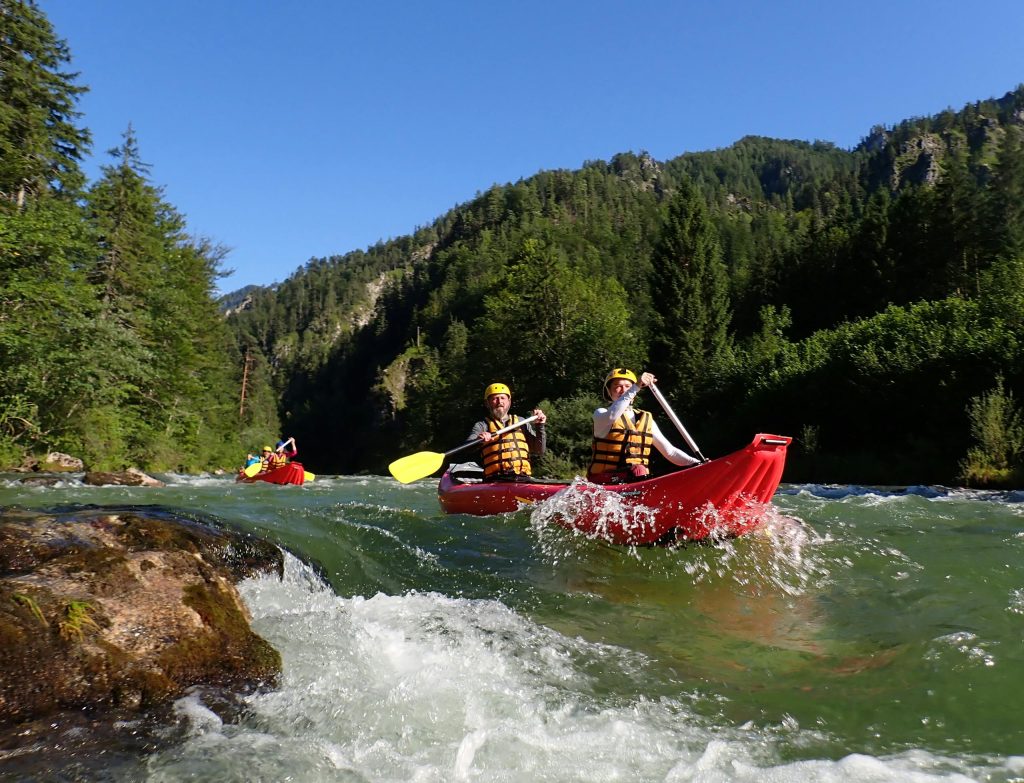
The surge in recreational paddling has led to a boom in kayak rentals and guided river trips across the globe. While commercial outfitters provide access to stunning waterways, swiftwater rescue technicians and river safety experts warn that the ease of renting equipment often masks the true danger of high-grade rapids. Hydrologists explain that river dynamics can change instantly based on dam releases and rainfall. This creates hydraulics and undercurrents capable of flipping even experienced paddlers in seconds.
Park rangers and search and rescue teams frequently respond to incidents where renters underestimate the technical difficulty of Class III and IV whitewater. These experts emphasize that a buoyant plastic hull offers little protection against the crushing force of water pinned against rocks or the disorientation of a violent capsize. From the glacial runoff of the Pacific Northwest to the high-volume gorges of Africa, professional guides identify these ten locations as areas where the probability of going upside down is dangerously high.
The Upper Ocoee River In Tennessee
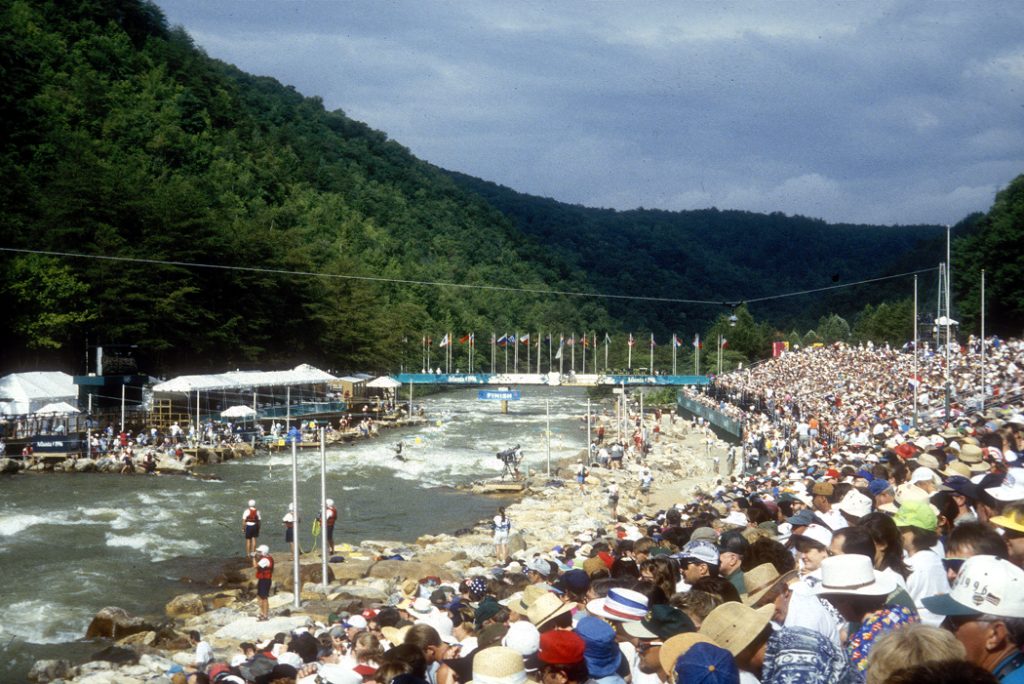
The Ocoee River serves as a premier destination for whitewater enthusiasts and gained international fame as the venue for the 1996 Olympic canoe and kayak events. River guides working the section describe the Upper Ocoee as a relentless gauntlet of Class III and IV rapids that demands precise maneuvering. The most notorious feature is the Olympic Course itself which includes the rapid known as Godzilla. Commercial outfitters operate heavy rafts here, but kayak renters often find themselves overwhelmed by the sheer power and speed of the channelized water.
Safety officials at the Ocoee Whitewater Center note that the river flow is controlled by the Tennessee Valley Authority. When the dams open for recreational releases, the water volume increases dramatically. This creates powerful waves and holes that easily topple kayaks. Novice paddlers frequently struggle with the technical lines required to navigate the narrow slots between boulders. The consecutive nature of the rapids means that a single capsize can result in a long and bruising swim through turbulent water before a rescue is possible.
The Gauley River In West Virginia
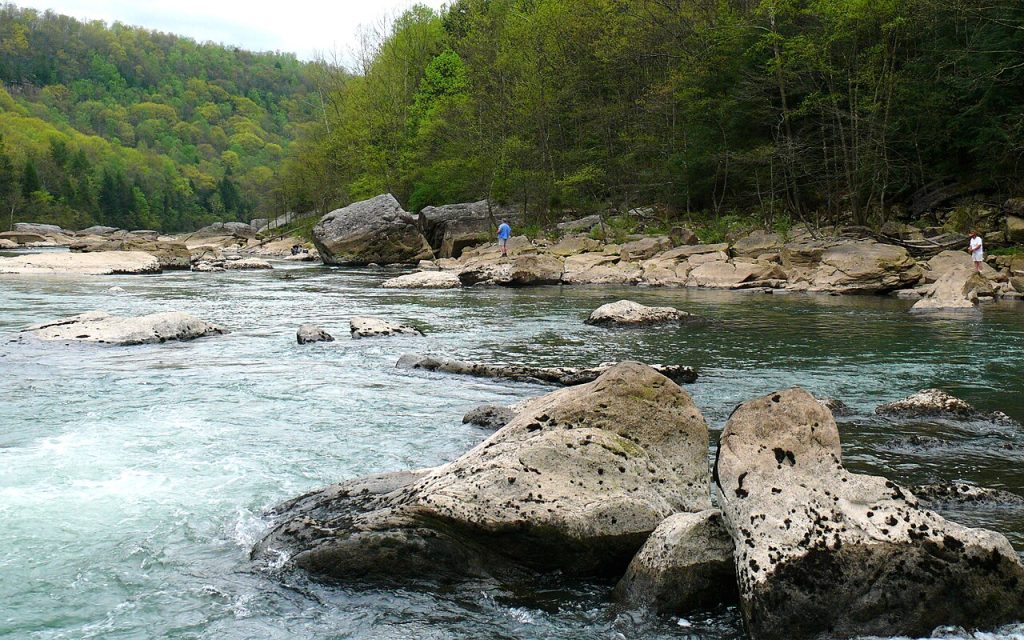
West Virginia state park officials and seasoned river veterans refer to the Gauley River during its fall release season as the Beast of the East. The Army Corps of Engineers releases massive amounts of water from the Summersville Dam, creating world-class rapids that attract thousands of thrill-seekers. However, the section known as the Upper Gauley contains five Class V rapids. Professional guides highlight Pillow Rock as a specific hazard where the current slams directly into a massive boulder before pillowing off it.
Kayakers who miss the precise line at Pillow Rock face an almost guaranteed flip. The hydraulic forces at the base of the rock are powerful enough to hold a boat underwater or recirculate a swimmer. Rescue squads patrol these sections heavily during the season because the risk of entrapment is real. While outfitters provide rental equipment for the season, they typically require proof of advanced skill. Despite this, the chaotic nature of the river means that even competent paddlers frequently end up viewing the canyon from an upside-down perspective.
The Kern River In California
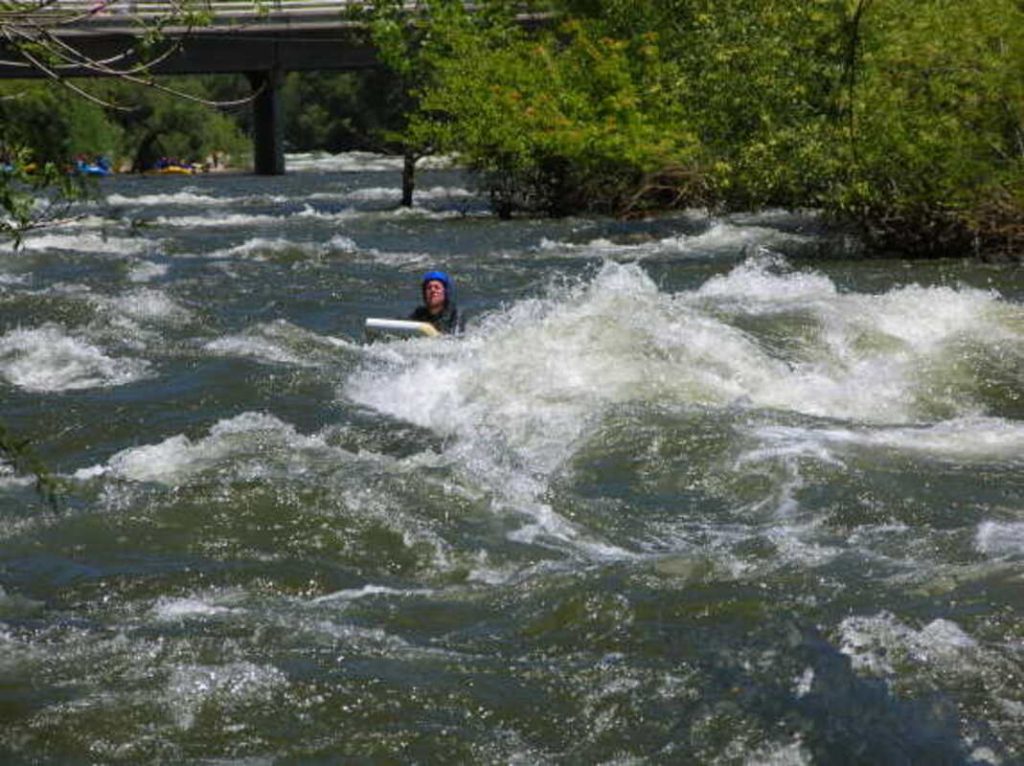
The Kern River in the Southern Sierra Nevada carries a grim reputation among public safety officers. Signs posted along the canyon mouth explicitly tally the number of lives lost to the currents since 1968. Search and rescue coordinators explain that the river is deceptive because calm pools often lead immediately into violent Class IV and V rapids without warning. The spring snowmelt transforms the Lower Kern into a heavy flow of icy water that creates massive standing waves and treacherous sieve rapids.
Local outfitters offer rentals and guided trips, but they operate under strict regulations due to the danger. The rapid known as Royal Flush serves as a prime example of the capsize risk. It features a long series of drops and holes that punish any error in boat angle. Biologists and rangers warn that the cold water temperature shocks the body upon immersion. This impairs the ability of a capsized paddler to swim to safety or self-rescue before being swept into the next set of hazards.
The Chattooga River Section IV In Georgia
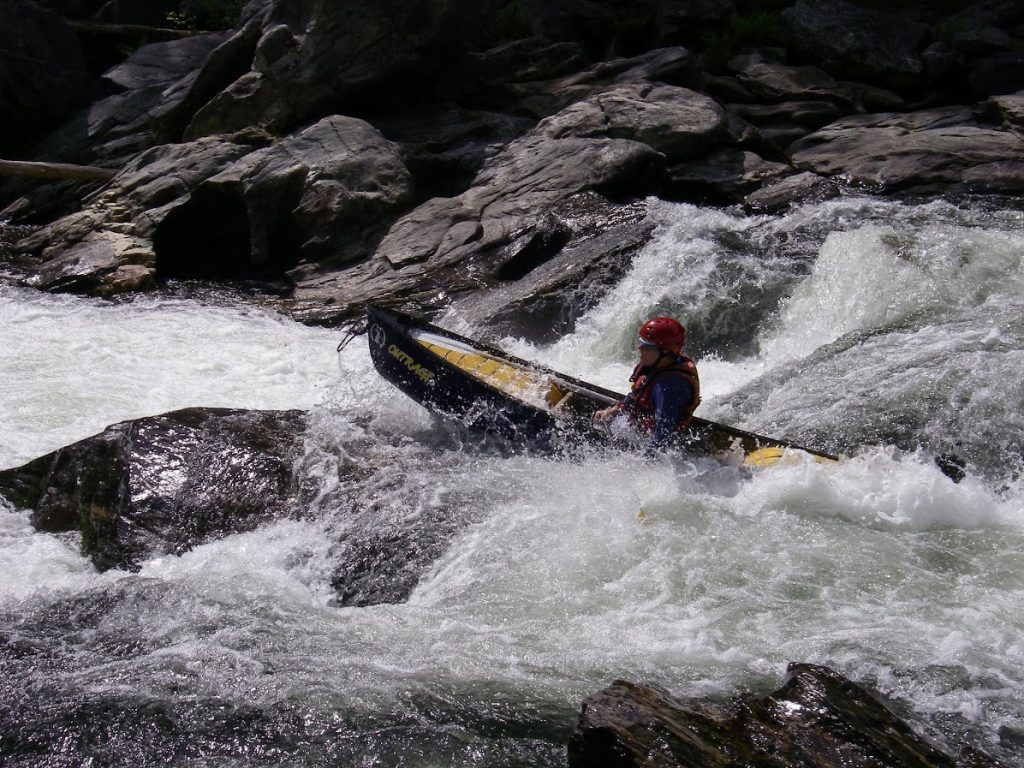
The Chattooga River forms the border between Georgia and South Carolina and famously served as the filming location for the movie Deliverance. Section IV is the most technical stretch and is managed strictly by the U.S. Forest Service to prevent overcrowding and accidents. Rangers warn that the gradient drops dramatically in this section, culminating in the famous Five Falls. This is a sequence of five Class IV and V rapids packed closely together within a quarter-mile gorge.
Hydrologists describe the Five Falls as a complex puzzle of undercut rocks and deep hydraulics. A capsize here is particularly dangerous because of the risk of getting pinned beneath rock ledges. Commercial guides consider this one of the most physically demanding commercial runs in the Southeast. Kayakers attempting this section must possess a solid roll and swiftwater rescue skills. The steep walls of the gorge make hiking out nearly impossible, meaning that once a paddler commits to the run, they must navigate the hazards successfully or face a dangerous extraction.
The White Salmon River In Washington
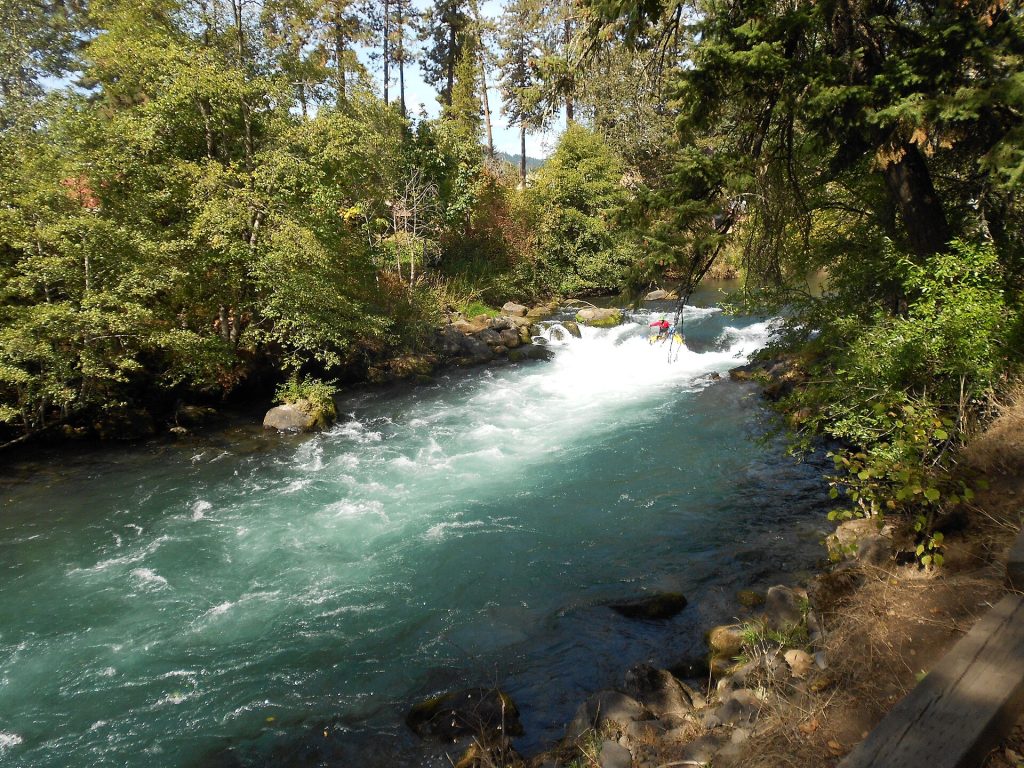
The White Salmon River is a glacial-fed waterway flowing from the base of Mount Adams towards the Columbia River. It is renowned among Pacific Northwest boaters for its continuous whitewater and the famous Husum Falls. This distinct waterfall drops approximately ten feet and is one of the highest commercially rafted waterfalls in the country. River guides advise that running Husum Falls in a hard-shell kayak or raft carries a significant probability of capsizing or being ejected due to the vertical impact.
Local safety experts point out that the water temperature remains frigid year-round due to the glacial source. A flip at the base of the falls plunges the paddler into highly aerated water that offers little resistance for swimming. While the plunge is a bucket-list item for many, the hydraulic at the bottom frequently recycles boats and swimmers. Outfitters typically allow participants to portage around the falls, citing the high potential for injury or extended swims in the dangerous current.
The Arkansas River Royal Gorge In Colorado
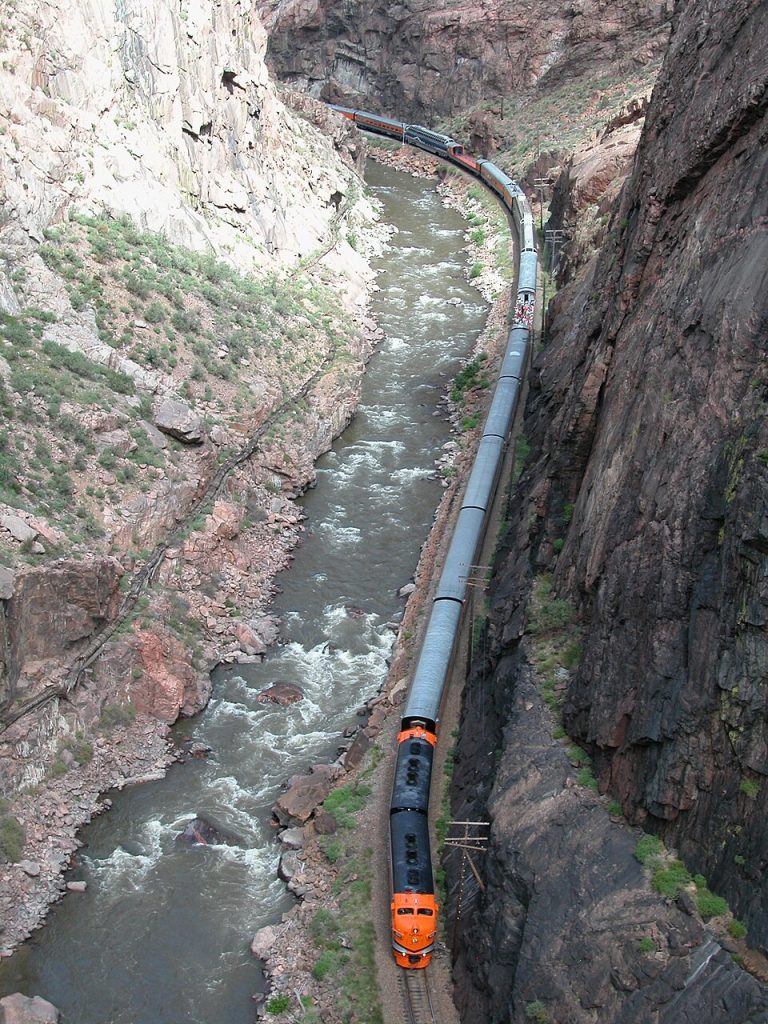
Colorado Parks and Wildlife managers oversee the Arkansas River, which boasts the title of the most commercially rafted river in the United States. The Royal Gorge section cuts through a canyon with walls rising over a thousand feet, creating a dramatic and committed environment. The rapids here, such as Sledgehammer and Sunshine Falls, are characterized by big drops and powerful waves. River runners note that the narrow channel constricts the water, intensifying the velocity and making stability difficult to maintain.
Professional guides emphasize that a capsize in the Royal Gorge is serious because the vertical walls eliminate exit points. Swimmers must be pulled back into a boat or navigate the rapids floating on their backs until a calm eddy appears. The sheer length of the rapids means that a flipped kayak can be swept downstream for a considerable distance. During high water years, the waves become large enough to flip full-sized commercial rafts, making the challenge for smaller kayaks immense.
The Kaituna River In New Zealand
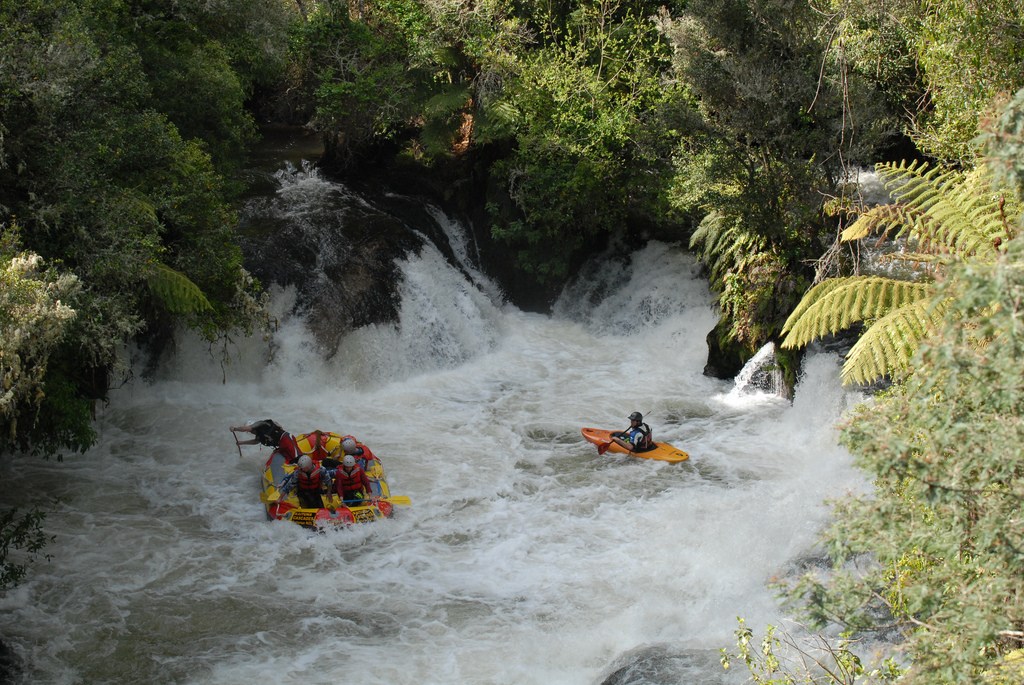
The Kaituna River near Rotorua attracts international attention for Tutea Falls, which stands as the highest commercially rafted waterfall in the world at seven meters. Adventure tourism operators acknowledge that the drop is a calculated risk where flipping is part of the expected experience for many. The International Rafting Federation grades the river highly for technical difficulty. The falls create a massive hydraulic at the bottom that frequently tips rafts and kayaks completely over.
Safety protocols on the Kaituna are rigorous because the river is narrow and lined with subtropical vegetation that can snag equipment. Guides instruct paddlers to assume a tuck position before going over the lip to prevent injury during the impact. The capsize rate is notoriously high, and rental agencies catering to guided kayak trips enforce strict competency checks. The rush of plunging into the white abyss draws thrill-seekers, but the chaotic churn at the base ensures that staying dry is rarely an option.
The Zambezi River Below Victoria Falls
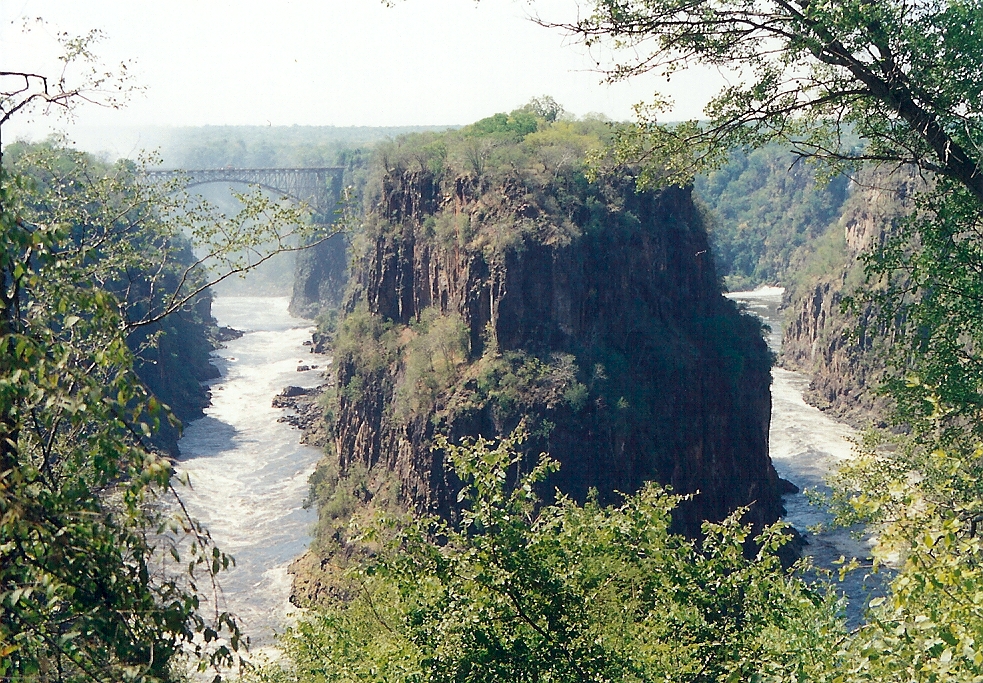
The stretch of the Zambezi River below Victoria Falls is widely regarded by river experts as having some of the most violent commercially run rapids on the planet. Flowing through the Batoka Gorge between Zimbabwe and Zambia, the river features massive volume rapids with names like Commercial Suicide and The Terminators. Hydrologists note that the sheer volume of water moving through the gorge creates whirlpools and boiling currents that can swallow a kayak whole.
Rafting guides working the Zambezi describe the experience as managing controlled chaos. The waves are so large that capsize is often unavoidable regardless of skill level. Crocodiles exist in the calmer sections, adding a layer of biological danger to the physical risk of the rapids. The remote location at the bottom of a deep basalt canyon means that rescue efforts are difficult. Paddlers who flip in these waters face long hold-downs and turbulent swims that test the limits of personal flotation devices.
The Penobscot River In Maine
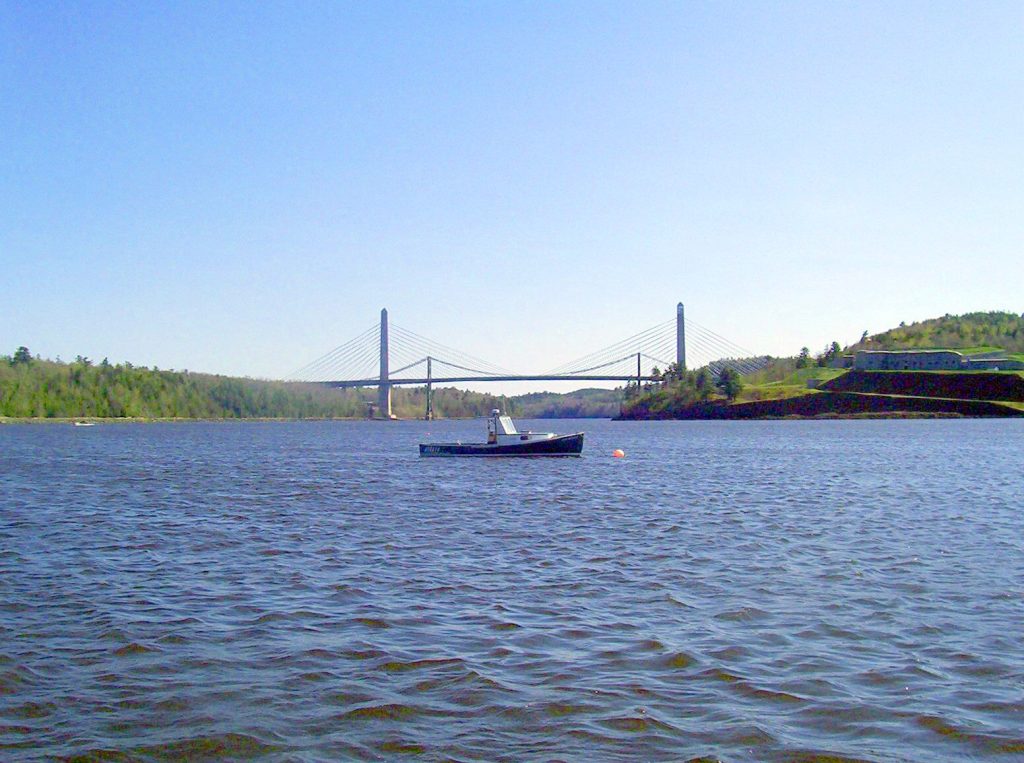
The West Branch of the Penobscot River in Maine offers some of the most challenging technical whitewater in New England. The section known as the Cribworks is a Class V rapid that drops significantly through a boulder-choked channel. Hydroelectric operators control the flow, and scheduled releases attract expert kayakers and commercial trips. Maine guides warn that the Cribworks is unforgiving, with features like the Exterminator Hole capable of trashing kayaks and holding swimmers underwater.
State safety regulations for the Penobscot are among the strictest in the country. They require specific equipment and guide ratios for commercial trips. The river bed is littered with sharp rocks and timber remnants from the logging era, increasing the hazard for capsized boaters. Rescue personnel stress that the remoteness of the Maine woods means medical evacuation is slow. Kayakers challenging these rapids must be precise, as a flip often results in equipment damage and a harrowing recovery process.
The Lochsa River In Idaho
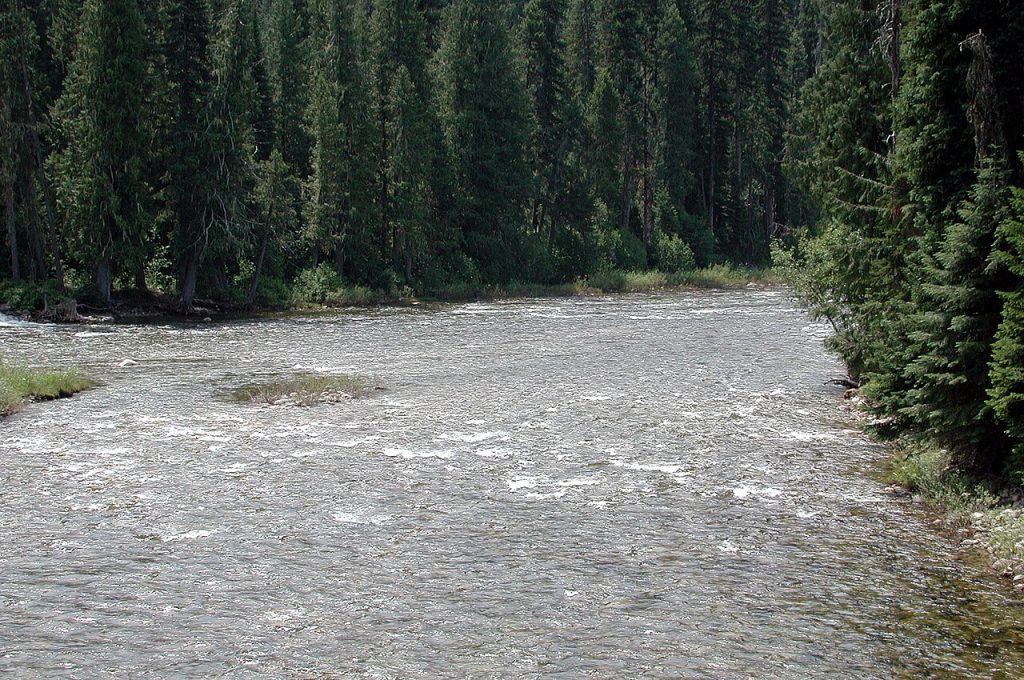
The Lochsa River owes its name to the Nez Perce word for rough water, and Forest Service rangers agree the title is accurate. The river runs free without dams, meaning its flow depends entirely on the spring snowmelt. During peak runoff in May and June, the Lochsa becomes a continuous train of Class IV rapids stretching for miles. River runners describe the Lochsa as having a relentless nature because it lacks the calm pools found on other rivers, giving a capsized paddler no time to recover.
Veteran guides warn that the cold water and continuous gradient lead to hypothermia and exhaustion quickly. Rapids with names like Grim Reaper and Termination highlight the severity of the consequences. A missed roll or a wet exit often means a swim of a mile or more through multiple heavy rapids. Rental outfitters in the region generally refuse to rent equipment for the Lochsa to anyone without proof of expert-level skills, citing the extreme likelihood of equipment loss and personal injury.