10 Laws That Differ City-to-City and Trap First-Time Visitors

City rules often hide in plain sight, posted on a pole or printed in tiny letters on a sticker near a door. Visitors arrive with good instincts from home, then learn that a nearby city treats the same behavior differently. The traps are rarely dramatic. They are small assumptions about sidewalks, parks, noise, and curb space. Local ordinances exist to manage crowds, safety, and neighborhood peace, which means enforcement tends to spike exactly where visitors spend time. A trip can stay smooth with one habit: pause, read, and assume the city has its own version of normal.
Open-Container Rules for Alcohol

Open-container rules can change at a city line, even inside the same metro, and the boundary is rarely obvious when a night is moving fast. One downtown may allow drinks inside a mapped entertainment district, while the next city treats the same cup on a sidewalk as a ticket, and enforcement clusters near transit stops and nightlife corners. Add stadium perimeters, waterfront promenades, parks with separate bans, and event-day restrictions on glass, and a simple walk becomes a lesson that location, container type, and time windows matter. Visitors get caught when a legal drink becomes illegal the moment the route crosses into a different jurisdiction.
Street Sweeping and Time-Window Parking

Parking can turn illegal without the car moving, because many cities tie curb access to sweeping schedules, rush-hour lanes, and permit hours that switch by day and neighborhood. A visitor reads one meter sign, pays, and walks away, missing the second placard that bans parking for street cleaning on certain weekdays, or the note that the curb becomes a no-stopping lane during late afternoon commutes. Add resident permits, temporary construction postings, and arena event restrictions, and the same block can cycle through multiple rules in a single day. Good-faith parking becomes a ticket because the rule was time-based, not obvious.
Jaywalking and Crosswalk Enforcement
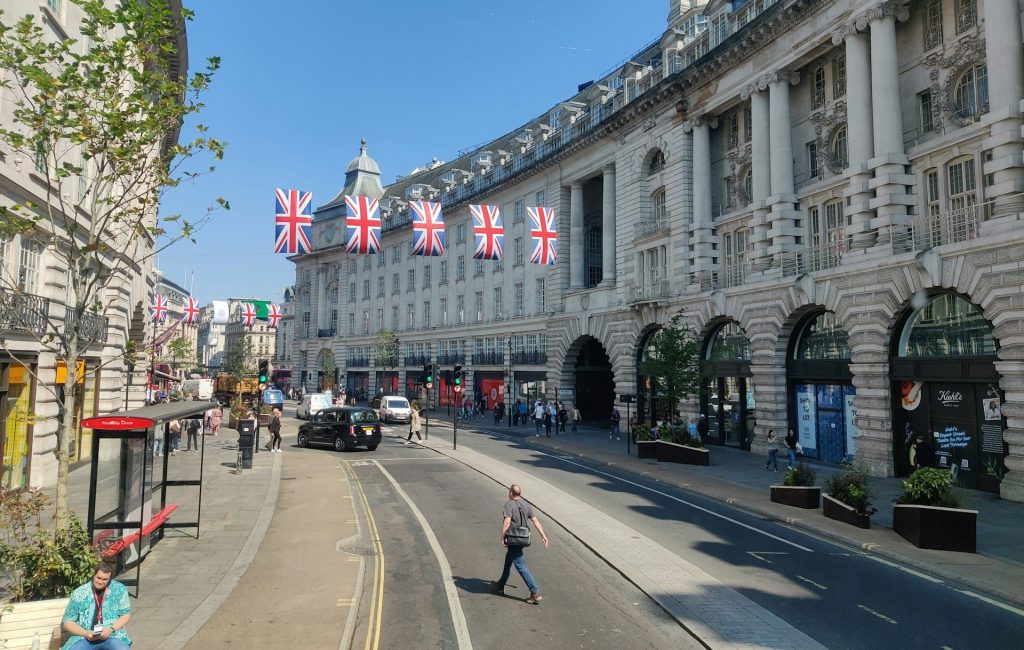
Crossing the street can be a non-issue in one city and a cited violation in another, depending on how jaywalking is defined and enforced. Some places ticket crossing outside a marked crosswalk or against a pedestrian signal, while others focus only on dangerous behavior, so visitors bring habits that do not match local expectations. Downtown tourist corridors, school zones, and areas with high crash histories often see stricter enforcement, and a casual mid-block dash that feels normal elsewhere can lead to an awkward stop and a fine. The surprise is that the same act reads as ordinary in one place and reckless in another.
Smoking and Vaping in Public Spaces

Smoking and vaping rules can shift sharply by city, especially near entrances, patios, parks, and transit stops where local ordinances add buffer zones. A visitor steps outside a bar, assumes the sidewalk is fine, and misses a posted distance rule, a no-smoking plaza, or a beach ordinance that treats vaping the same as cigarettes. In coastal towns and high-fire-risk areas, bans can expand to boardwalks, trails, and public piers, leaving only marked smoking areas. Enforcement often spikes during summer and festival seasons when crowds and patrols both grow. The trap is thinking outdoor air automatically means permission.
E-Scooter and E-Bike Riding Rules
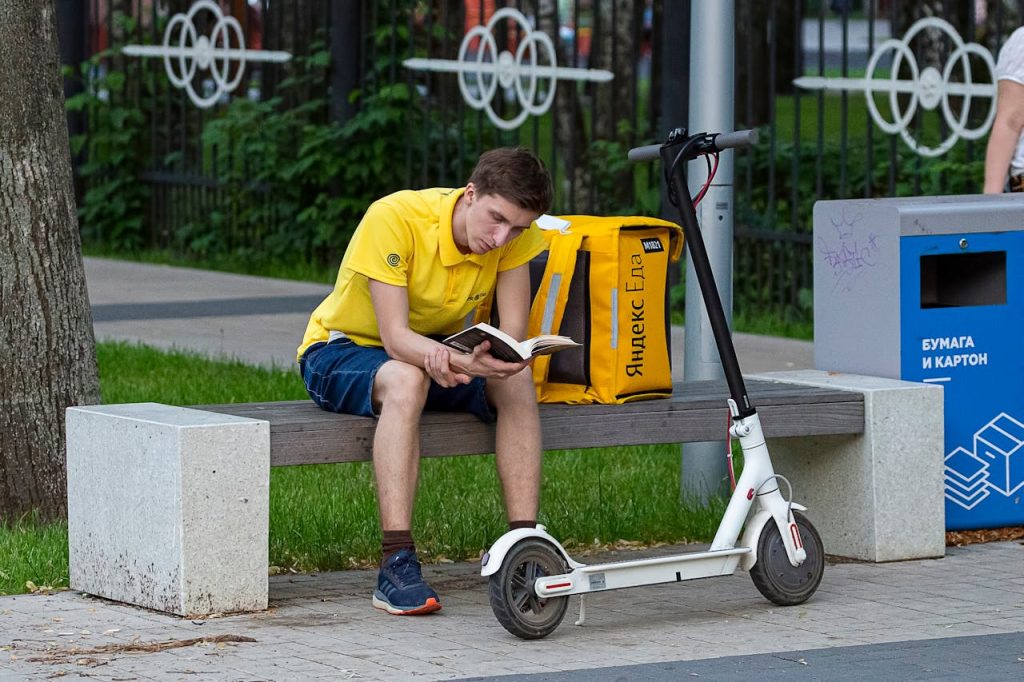
E-scooters and e-bikes look universal, but city rules decide where they may ride, where they may park, and what counts as unsafe use. One city bans sidewalk riding and requires bike lanes, another allows sidewalks at low speed, and a third restricts operation to specific districts or hours, so a visitor can break a rule within minutes of renting. Parking rules can be stricter than riding rules, with fines for blocking curb ramps, bus stops, or entrances, and impounds happen when devices pile up near landmarks. The trap is assuming app access equals permission everywhere the wheels can roll.
Short-Term Rental Occupancy and Noise Limits
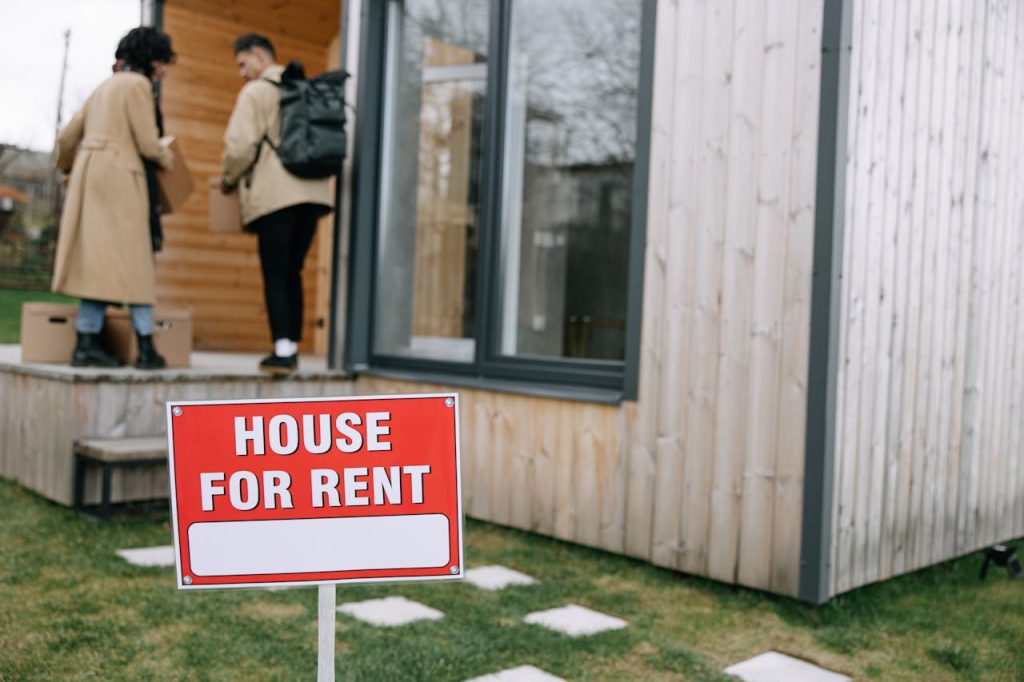
Short-term stays often come with city ordinances that never appear clearly at check-in. Some cities cap occupancy, require permits, or enforce quiet hours with real fines, and enforcement can happen through neighbor calls rather than patrols. Visitors get trapped when a small gathering, balcony conversation, or late-night music crosses a local noise standard that is written broadly and enforced quickly in dense neighborhoods. Some places also treat unregistered rentals as violations, which can trigger warnings, citations, or sudden changes to lodging plans. The shock is not the rule. It is the timing, arriving after bags are unpacked and the stay has begun.
Plastic Bags and Food Packaging Bans

Bag and packaging rules differ city to city, and the surprise usually lands at checkout with groceries already scanned. Some places ban thin plastic bags, others require a paid paper bag, and others allow plastic only if it meets thickness rules, while foam takeout containers may be restricted in one city and common in the next. Visitors think it is a store policy until a clerk explains it is a local ordinance that applies to pharmacies, markets, and corner shops. Forgetting a reusable bag becomes a small fee, awkward repacking, or juggling food in the wind. The trap is assuming consistency across nearby towns.
Busking and Street Performance Permits

Street performance feels like the definition of public space, yet many cities regulate busking with permits, location limits, and strict rules on amplification. A visitor may drop cash into a guitar case without realizing the performer is allowed only in designated zones, cannot block a doorway, or cannot use speakers above a certain level. Enforcement often follows complaints, which means the busiest tourist squares are also the places where the rules get applied fastest. A friendly set can be stopped, equipment can be moved, and a fine can appear without much warning. The trap is assuming art is automatically exempt from ordinance.
Feeding Pigeons, Ducks, and Wildlife

Feeding birds and wildlife is treated as harmless in some cities and explicitly banned in others, which catches visitors who see it as kindness. Local ordinances may prohibit feeding pigeons, ducks, or squirrels in parks and plazas because it changes behavior, increases waste, and leads to aggressive flocks that trigger complaints. Signage is often easy to miss until an officer points at it, and enforcement tends to appear in high-traffic tourist areas where the problem is constant. A handful of bread can earn a warning or citation, and the visitor is left surprised that the city treats feeding as a public nuisance issue, not a sweet moment.
Trash, Recycling, and Curb Placement Rules

Trash rules can be strict and highly specific, and visitors in rentals get trapped because disposal runs on schedules locals memorize. Some cities require recycling to be separated, cardboard to be broken down, and bins to be placed out only during a narrow pickup window, with fines for leaving bags on the curb early or using the wrong container. In dense neighborhoods, enforcement is tied to pests and sidewalk access, so a simple mistake like setting out trash the night before can trigger a citation tied to the address. The trap is treating cleanup like a personal habit instead of a city-regulated routine.