10 Low-Stakes January Drives Across Florida’s Forgotten Panhandle
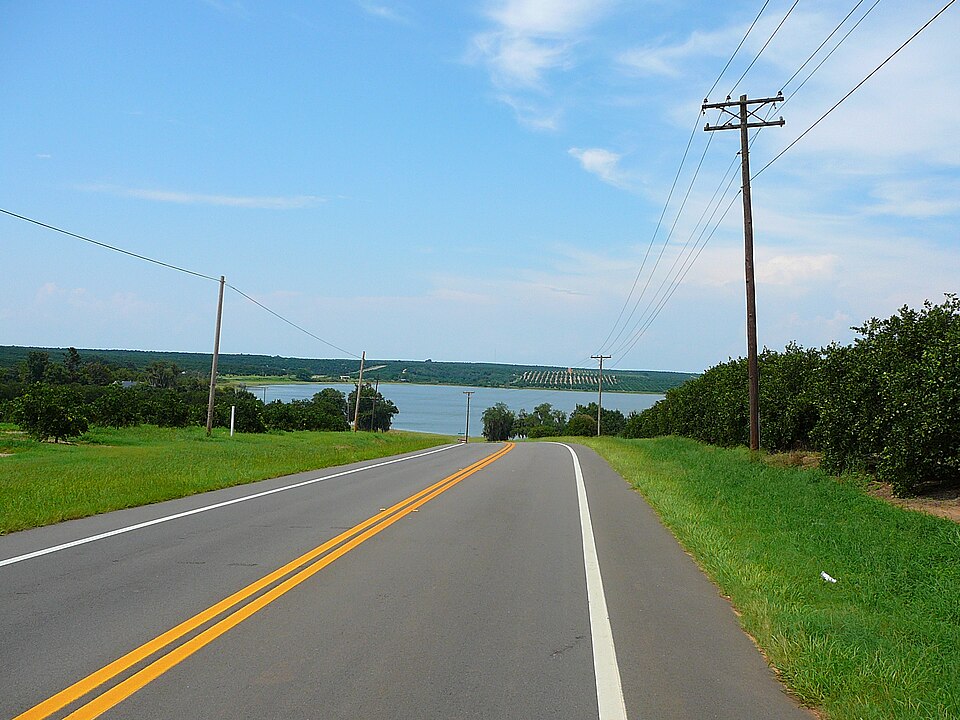
January on Florida’s quieter Panhandle feels like permission to slow down. The holiday rush has cleared, the beaches look wider, and the roads finally belong to locals again. These drives keep things easy: short mileage, simple turnarounds, and stops that can last 10 minutes or an hour, depending on the light. Cooler days make walking comfortable, and parking tends to be straightforward. Salt air gives way to pine, then back to marsh, with small towns in between for coffee and seafood. Most routes fit neatly between late morning and sunset, leaving room for an early dinner and a calm night. Afterward.
Fort Pickens Road From Pensacola Beach
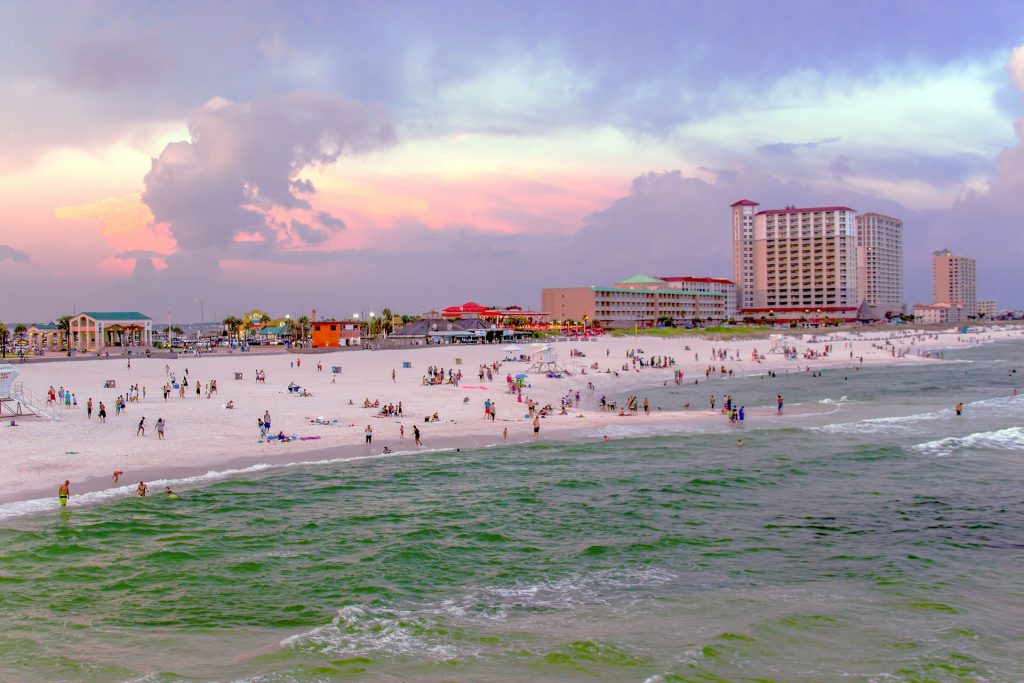
From Pensacola Beach, the drive toward Fort Pickens runs west along Santa Rosa Island, with Gulf water on one side and the calmer bay on the other. In January, the scenery feels clean and open: pale dunes, sea oats, and long horizons that invite easy pull-offs for photos or a short boardwalk walk. Fort Pickens adds a low-key history stop with brick corridors and coastal views, then the road simply carries the day back toward cafés and seafood without any need to hurry. Shorebirds often gather near the surf line, and sunset arrives early enough to make the return trip feel like part of the show.
Highway 4 Into Blackwater River Country
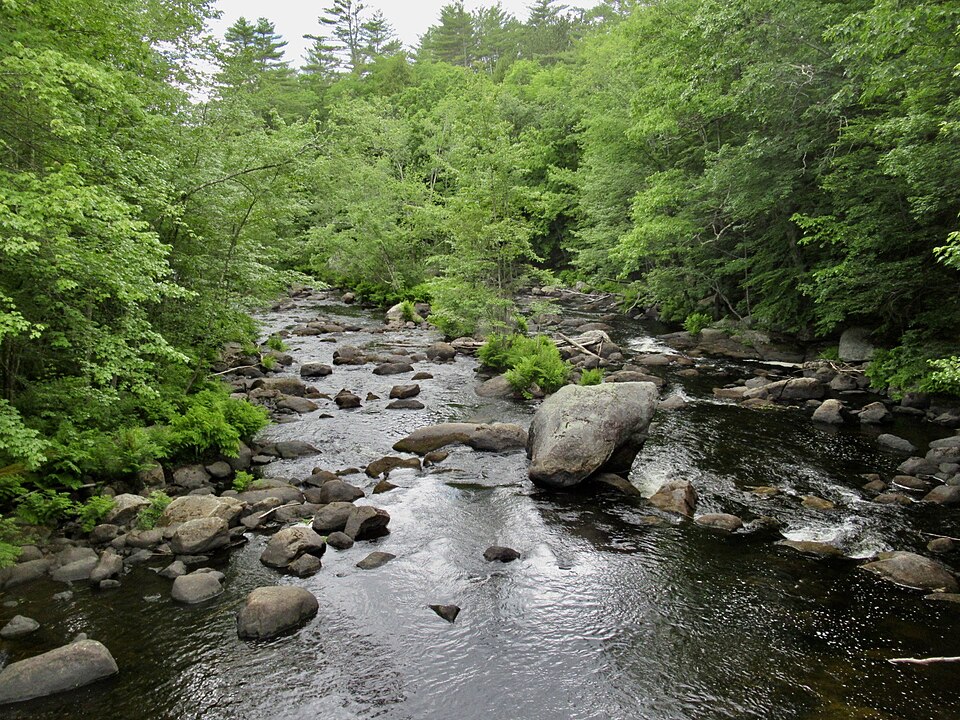
Highway 4 north of Milton is a quiet two-lane ribbon through longleaf pine, sandhills, and small pockets of blackwater creek scenery. January air keeps the view crisp and the day comfortable, so the drive itself becomes the reward. Quick stops are easy to find near forest access points, where a short loop walk, a picnic table, or a few minutes listening to wind in the pines can reset the mind. With so few stoplights and almost no pressure to keep moving, the route feels like an unhurried glide, then it is simple to turn back when the light starts to soften. Small roadside stores make fuel and coffee stops painless.
DeFuniak Springs To Ponce de Leon Springs
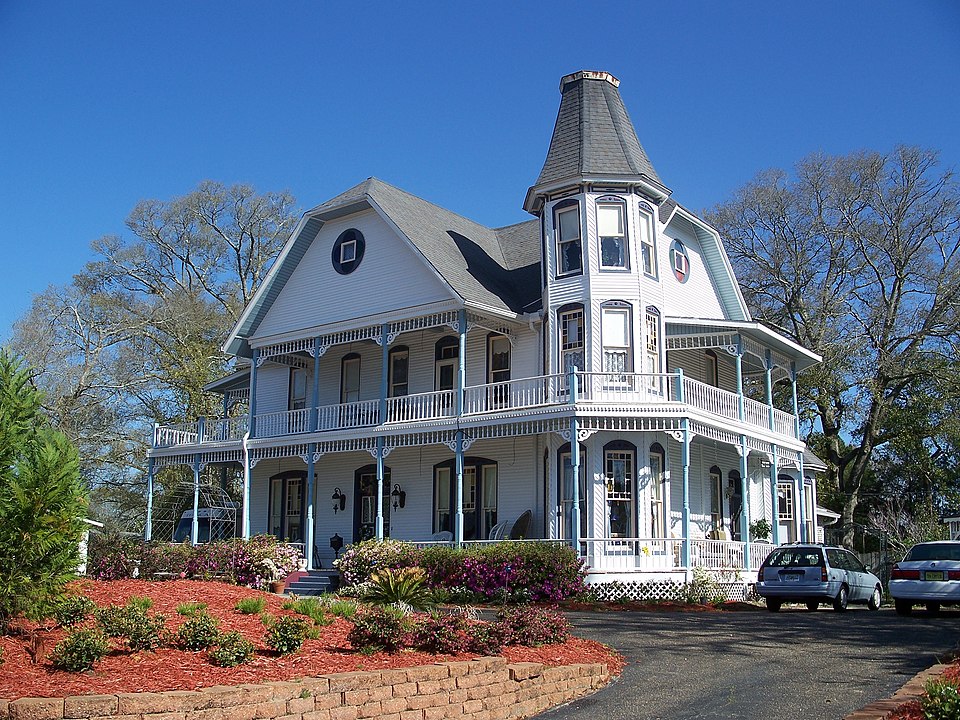
DeFuniak Springs makes an easy inland starting point, with a walkable center and a pace that slows even more after the holidays. The drive toward Ponce de Leon Springs trades storefronts for pasture and pine, ending at clear spring water that stays cool year-round and keeps the air feeling fresh. A boardwalk stroll, a short nature trail, and a picnic in the shade can fill the afternoon without effort. The return trip is part of the charm, rolling past quiet crossroads and winter fields, with enough daylight left for a warm meal back in town. If time allows, a quick lap around Lake DeFuniak adds a calm finish.
Marianna Caverns And Falling Waters Loop
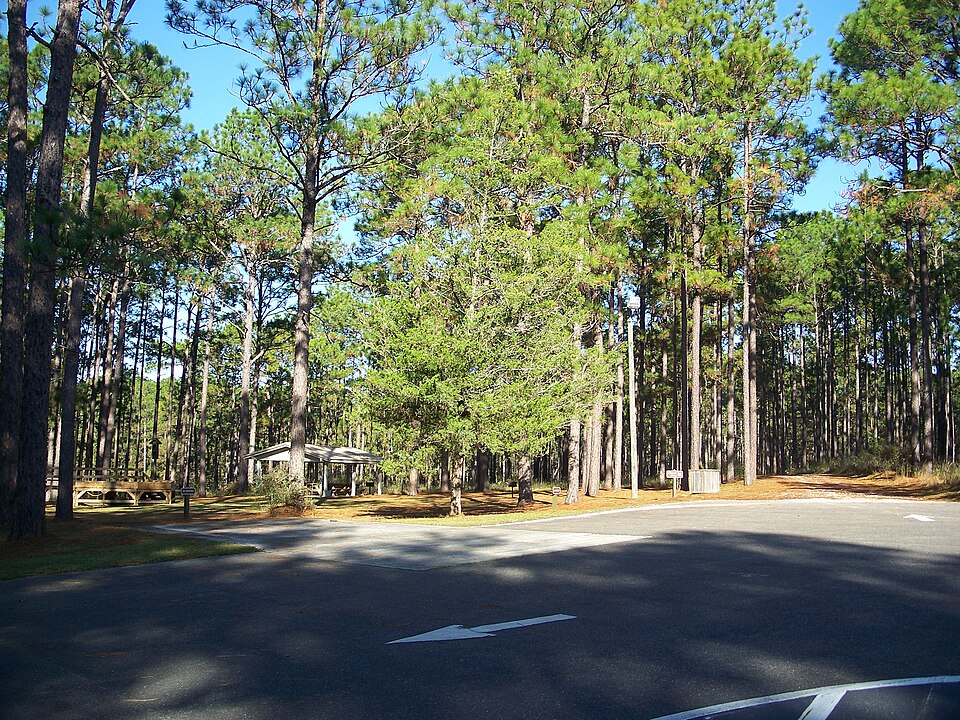
Marianna works well for a two-stop January loop because the highlights sit close together and the pacing stays forgiving. Florida Caverns State Park offers guided cave tours, where cool limestone rooms and slow-moving water create a natural break from the sun. A short drive away, Falling Waters State Park adds a simple woodland walk to the sinkhole and waterfall overlook, especially satisfying after a stretch of rain. The mix feels balanced: underground quiet, then pine-scented air, with time left for coffee, a late lunch, and an easy drive back before dark. Downtown Marianna is small, so even a brief stroll feels manageable.
Quincy To Torreya Bluffs On SR 12
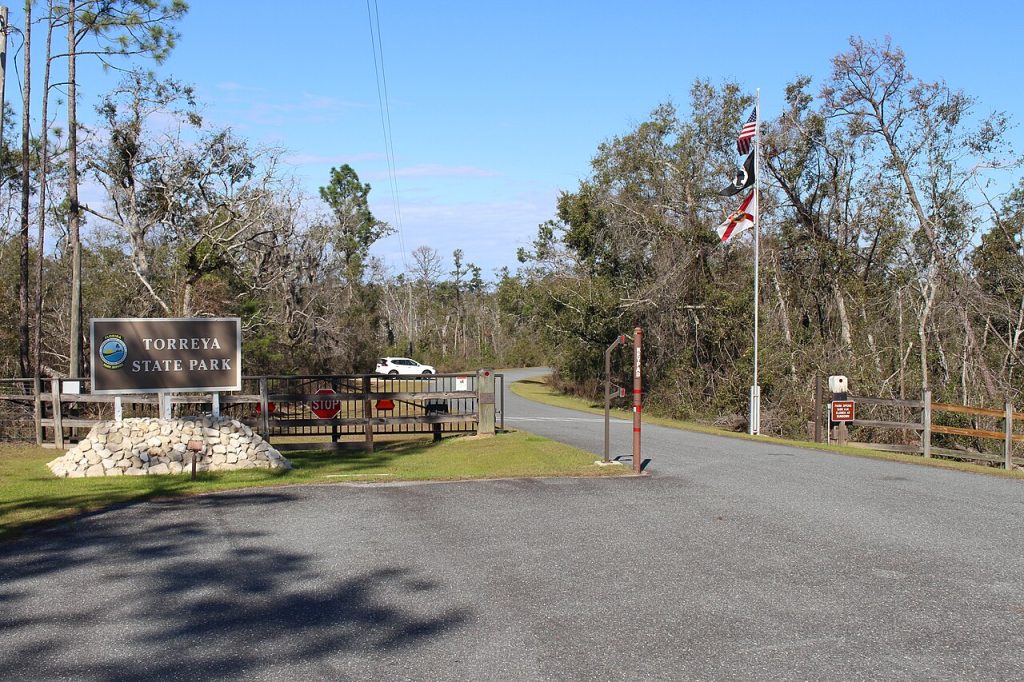
SR 12 from Quincy toward the Apalachicola River rolls through farm edges and hardwood patches that look cleaner in winter light. Torreya State Park sits above the river on high bluffs, and a short overlook walk delivers a big, quiet view without demanding a long hike. Quincy’s brick downtown makes a good coffee start, then the road stays calm enough that conversation can carry the day. A simple picnic fits well, and a shaded trail segment can follow if the mood is right, before the return drive in long shadows across open fields. The park’s steep ravines and rare plant life give the landscape character.
Eastpoint To St. George Island’s Quiet Sand
The bridge from Eastpoint to St. George Island feels especially peaceful in January, when Apalachicola Bay turns glassy and the traffic line finally loosens. At the island’s quieter end, dunes and boardwalks lead to wide sand where walking becomes the main plan, not an add-on. A bay-side photo stop on the way in, a long shoreline walk, and a warm drink back on the mainland can make the afternoon feel complete. The drive stays gentle from start to finish, and the early sunset provides a natural endpoint that keeps the day neatly contained. Pelicans skim low over the water, and working boats make the bay feel lived-in.
Port St. Joe To Cape San Blas And St. Joseph Peninsula
Port St. Joe sets an easy starting line for peninsula driving, with St. Joseph Bay often calm enough in January to look like polished glass. The road toward Cape San Blas and St. Joseph Peninsula State Park offers classic Panhandle scenery: dune grass, shell-strewn edges, and water views that keep changing as the coastline bends. Winter brings cleaner sightlines and fewer distractions, so a couple of short boardwalk walks and one long, quiet overlook can be more than enough. It is a route that rewards stopping whenever the light looks right, then turning back without feeling like anything was missed.
US 98 Coastal Trail From Apalachicola Toward Newport
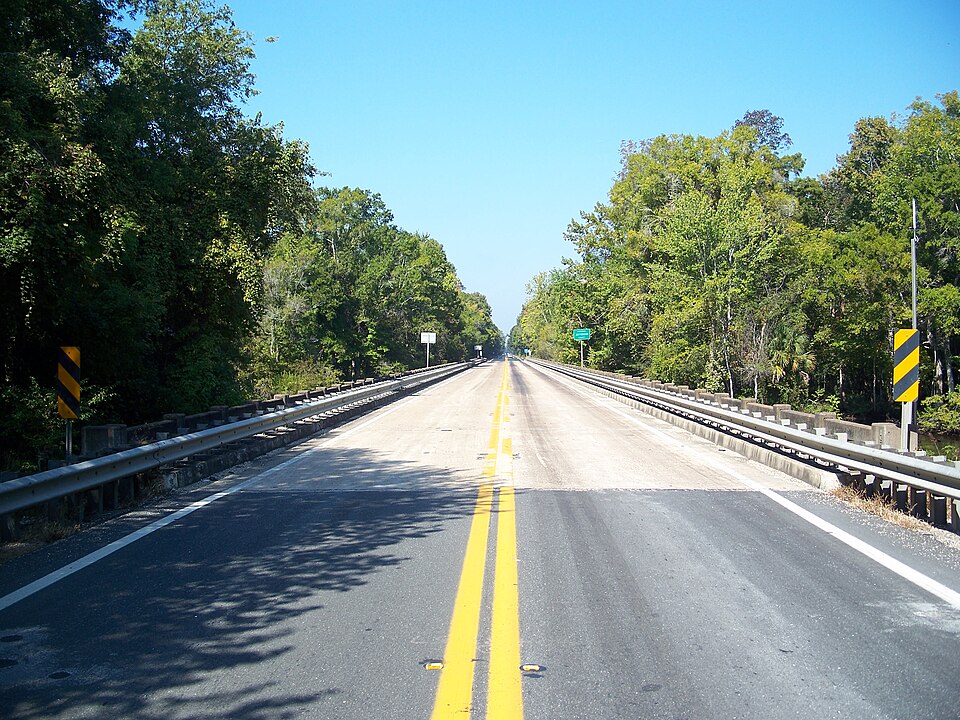
US 98 east of Apalachicola is Big Bend driving at its easiest, with marsh on one side and open sky on the other. Small towns arrive at relaxed intervals, and the pull-offs near bays and creeks make natural pauses for birdlife, working waterfront glimpses, and winter light on the water. The best approach is loose: stop where the view feels right, then keep rolling until the day suggests a turnaround. A quick detour toward St. Marks adds lighthouse and refuge scenery without turning the drive into a mission, and the spacing between stops keeps the mood calm. Seafood shacks and oyster spots make an easy lunch anchor when appetite shows up.
Forest Roads Through Apalachicola National Forest
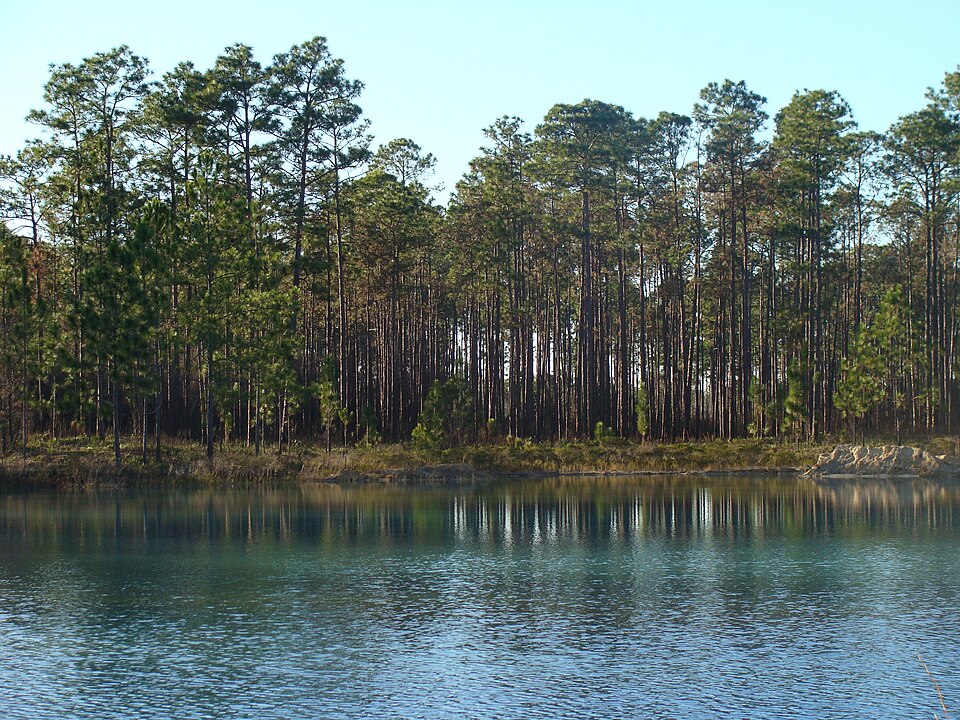
When coastal wind feels sharp, an inland loop through Apalachicola National Forest offers a steadier kind of calm. The route threads pine shade, flat winter light, and quiet two-lane stretches where the soundtrack is mostly tires and birds. Stop at a trailhead for a short walk, pause near a creek crossing, or simply keep moving and let the forest do the work. January makes the details clearer: bark textures, palmetto edges, and long views through open stands of trees. The drive is forgiving, with plenty of places to turn around, and it pairs well with an early return to the coast for dinner. too.
Tallahassee To Wakulla Springs And St. Marks
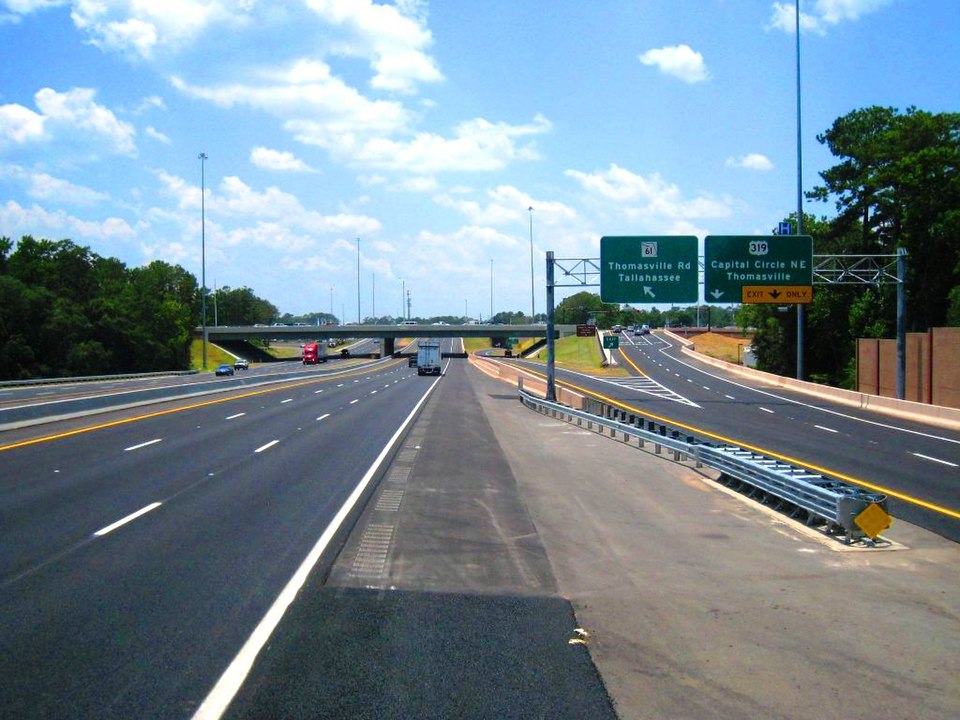
South of Tallahassee, the road into Wakulla County slides into marsh country, where winter light turns grasses silver and the air feels cleaner. Wakulla Springs brings clear water, shaded banks, and an old-Florida calm that suits a short stroll as much as a longer pause. Continue toward St. Marks for wide flats, easy pull-offs, and coastal views that feel spacious in January. The beauty of this drive is how flexible it is: an hour can be enough, or the afternoon can stretch with a slow lunch and a final stop to watch the sky dim over the water. Birdwatching is often rewarding here, even when the plan is simply to sit quietly.