10 “Luxury” Travel Brands That Have Quietly Cut Services in 2026
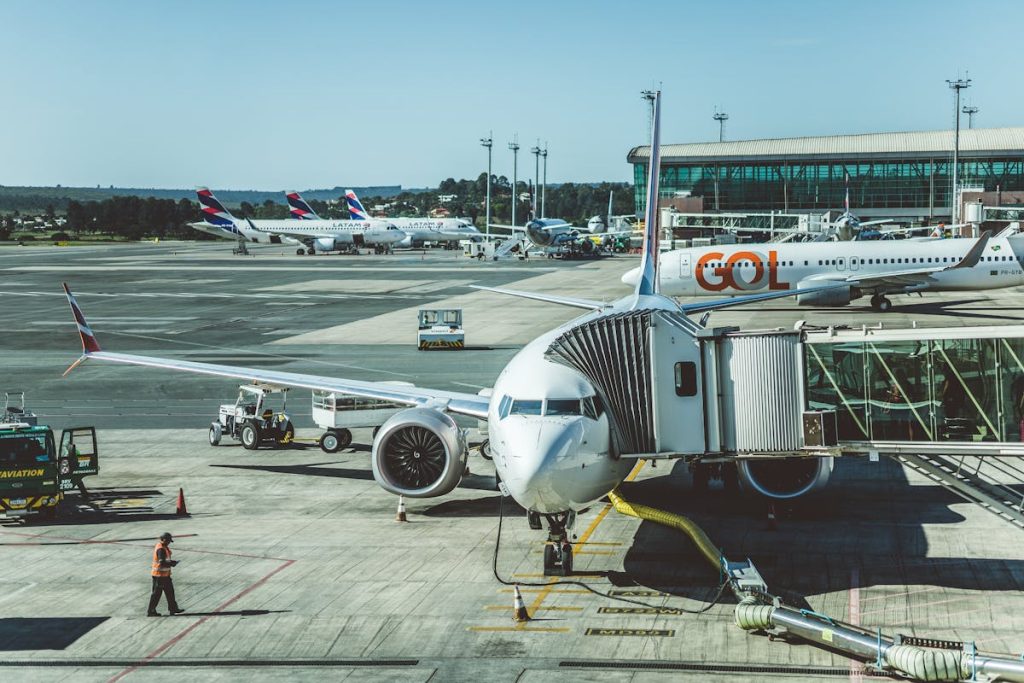
Luxury travel has long promised personalized service, abundant staffing, and seamless experiences that justify premium prices. In 2026, however, several well known brands adjusted operations quietly, trimming services while maintaining upscale branding. Rising labor costs, automation, and shifting consumer behavior reshaped offerings across airlines. Guests often notice fewer touchpoints rather than overt announcements. Understanding these changes helps travelers set realistic expectations. This guide examines ten luxury travel brands that reduced or altered services in 2026, focusing on documented adjustments rather than marketing claims. Each example reflects broader industry trends affecting high end travel experiences worldwide.
Emirates
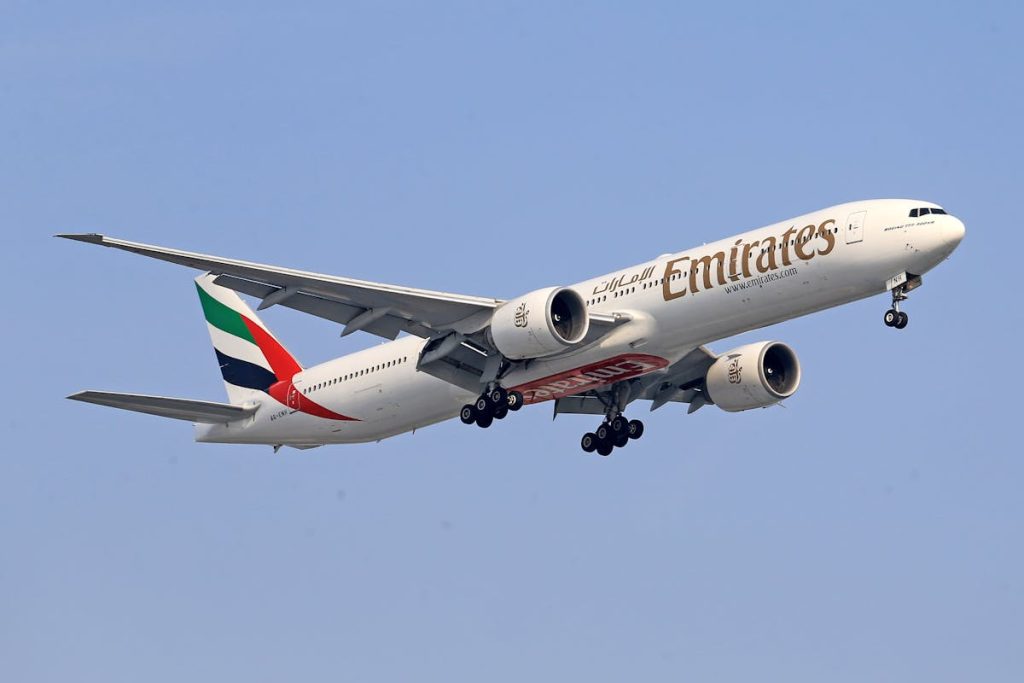
Emirates adjusted several onboard service elements in 2026 while retaining its premium image. Some long haul routes saw reduced cabin crew ratios, affecting response times. Printed menus were replaced with digital versions across most classes. Complimentary amenity kits rotated less frequently, with fewer seasonal variations. Lounge staffing at select international hubs was streamlined during off peak hours. While core offerings remain intact, travelers report fewer personalized interactions. The airline framed changes as efficiency upgrades, yet frequent flyers noticed subtle differences. Emirates continues marketing luxury, though the onboard experience now feels more standardized than in previous years.
Singapore Airlines
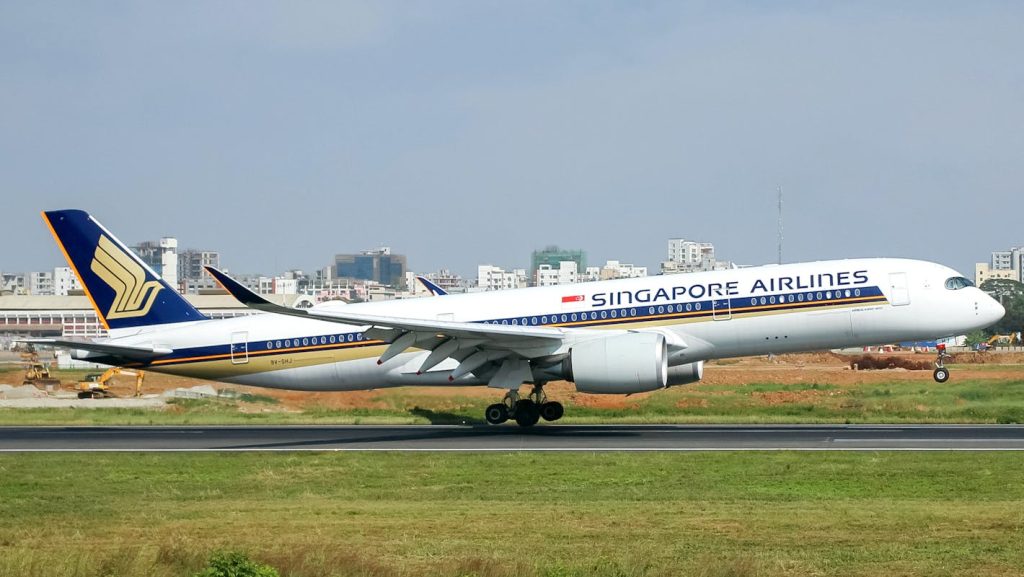
Singapore Airlines introduced service modifications in 2026 tied to operational efficiency. Certain routes experienced simplified meal presentations, especially outside flagship cabins. Turn down services in premium cabins became available only upon request rather than automatically. Lounge food selections rotated less frequently at regional airports. Digital customer service channels replaced some in person interactions. The airline cited consistency and sustainability. While service quality remains high, loyal passengers noticed fewer spontaneous gestures once considered standard. Singapore Airlines still ranks highly, though its approach now emphasizes precision over the layered hospitality that defined its earlier reputation.
Ritz-Carlton
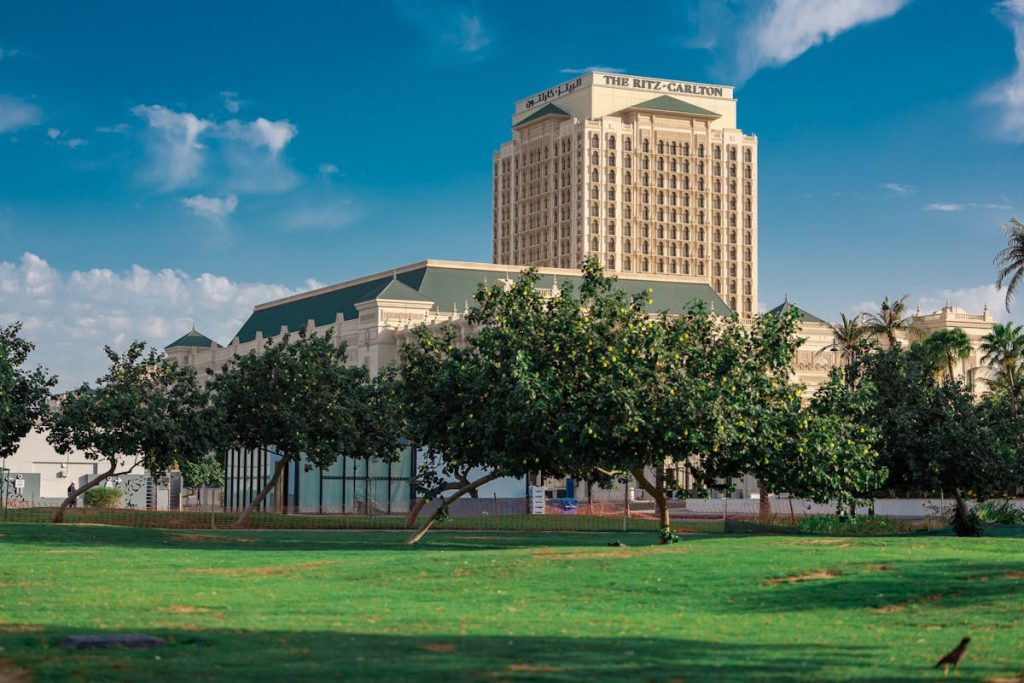
Regent Seven Seas Cruises adjusted onboard staffing ratios in 2026, particularly in dining venues. Select specialty restaurants reduced operating nights. Included shore excursion options became more limited in certain ports, with premium alternatives offered at extra cost. Printed daily programs transitioned fully to digital formats. The line emphasized modernization and sustainability. Passengers still receive inclusive fares, but repeat cruisers observed fewer choices and longer wait times. Regent maintains its luxury positioning, yet onboard experiences feel more curated and structured compared to earlier years when abundance defined its reputation across multiple sailings and destinations worldwide.
Four Seasons
Four Seasons maintained its luxury positioning in 2026 while quietly altering service structures. Several resorts reduced staffed front desk hours overnight, directing guests to digital assistance. In room dining menus were streamlined, with fewer round the clock options. Complimentary extras, such as welcome amenities, varied more by property tier. Management framed adjustments as personalization enhancements. Guests, however, noted increased reliance on apps and fewer face to face interactions. While properties remain meticulously maintained, the shift reflects a move toward controlled service delivery rather than expansive, always available hospitality traditionally linked to the Four Seasons name.
Regent Seven Seas Cruises
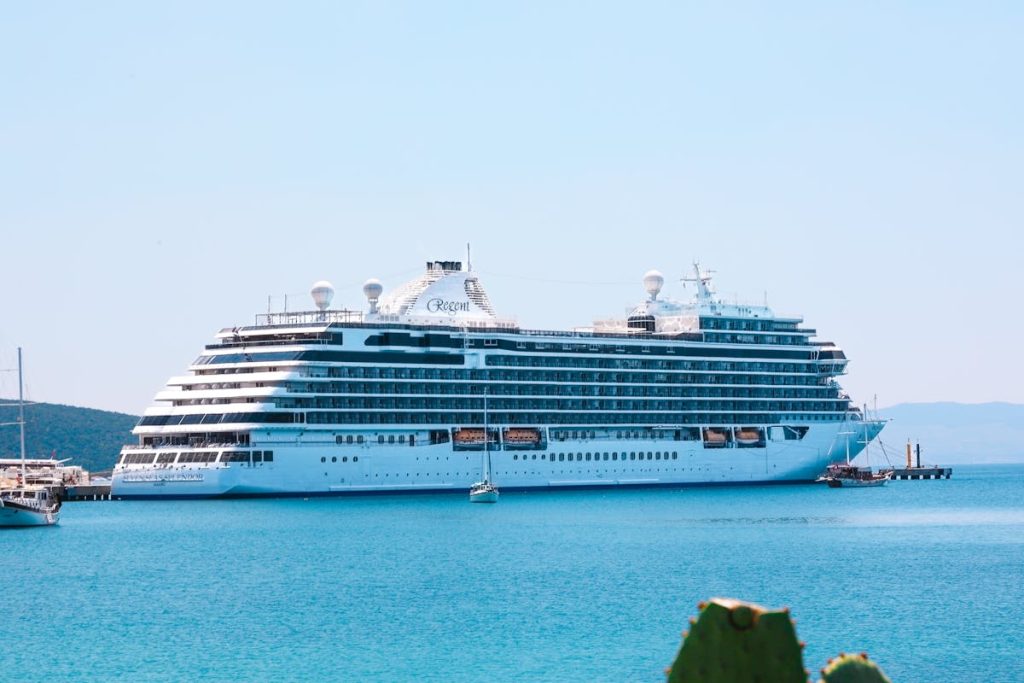
Regent Seven Seas Cruises adjusted onboard staffing ratios in 2026, particularly in dining venues. Select specialty restaurants reduced operating nights. Included shore excursion options became more limited in certain ports, with premium alternatives offered at extra cost. Printed daily programs transitioned fully to digital formats. The line emphasized modernization and sustainability. Passengers still receive inclusive fares, but repeat cruisers observed fewer choices and longer wait times. Regent maintains its luxury positioning, yet onboard experiences feel more curated and structured compared to earlier years when abundance defined its reputation across multiple sailings and destinations worldwide.
Belmond
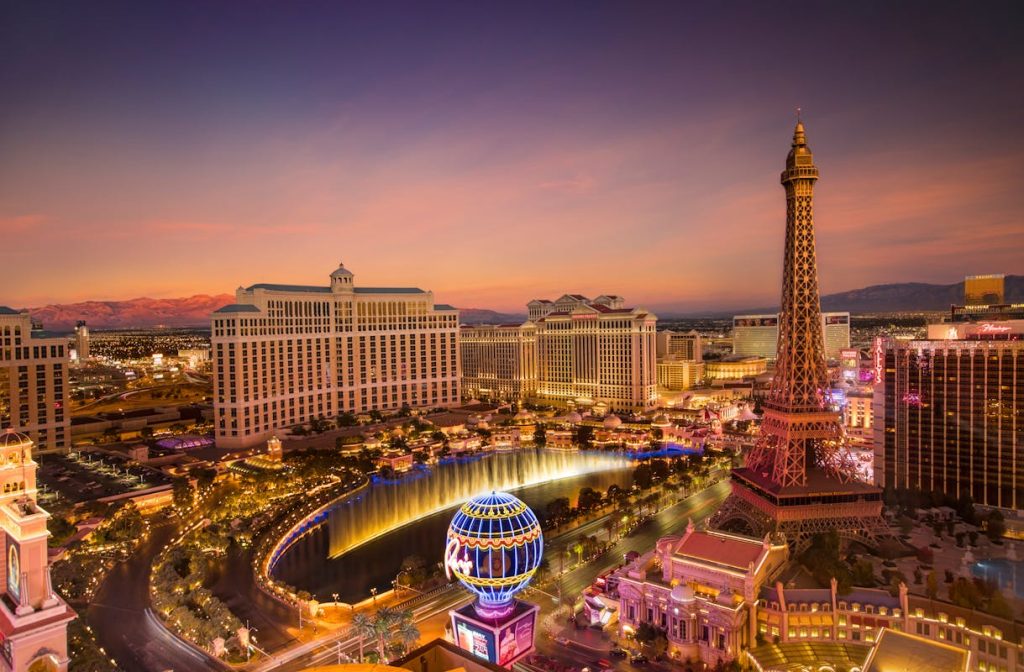
Belmond, known for luxury trains and hotels, refined service offerings in 2026 to manage operational costs. Certain properties reduced porter services and consolidated guest assistance roles. Onboard train experiences shortened formal dining sequences, favoring streamlined service. Complimentary experiences, such as guided walks or tastings, became reservation based with limited availability. Belmond cited exclusivity and experience curation. Guests reported fewer spontaneous interactions and less flexibility. While settings remain exceptional, service now follows tighter schedules. The brand continues promoting immersive luxury, though delivery feels more controlled than in previous decades.
Qatar Airways
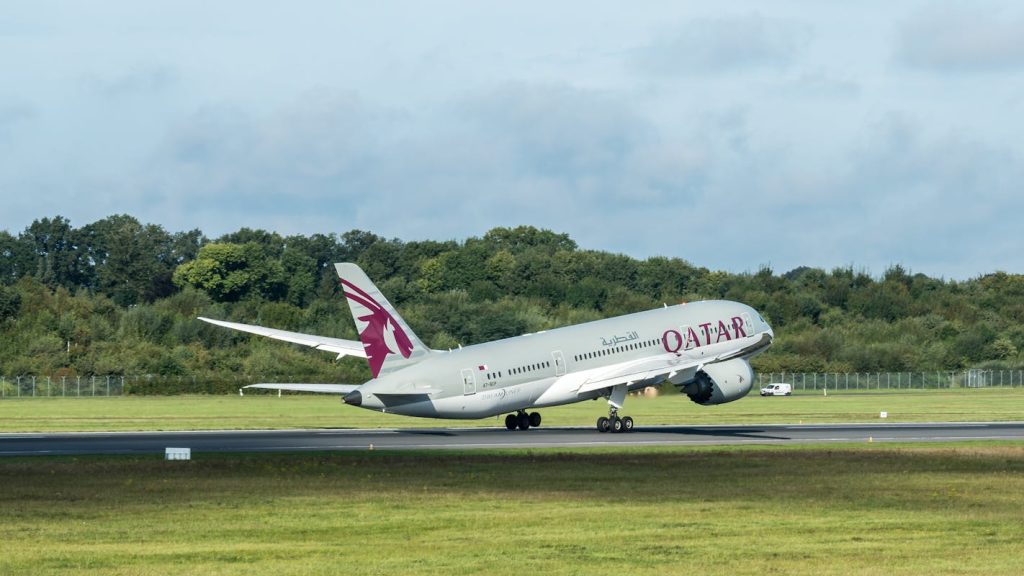
Qatar Airways implemented subtle service changes across its network in 2026. Some routes experienced reduced cabin staffing during non peak seasons. Lounge access policies tightened for select fare classes. Onboard beverage selections standardized across regions, limiting niche offerings. The airline focused on operational consistency. While premium cabins still offer comfort, frequent flyers noticed fewer personalized touches. Digital communication replaced some inflight announcements. Qatar Airways continues to market excellence, but the experience increasingly emphasizes efficiency and uniformity rather than the highly individualized service that once distinguished the airline globally.
Aman Resorts
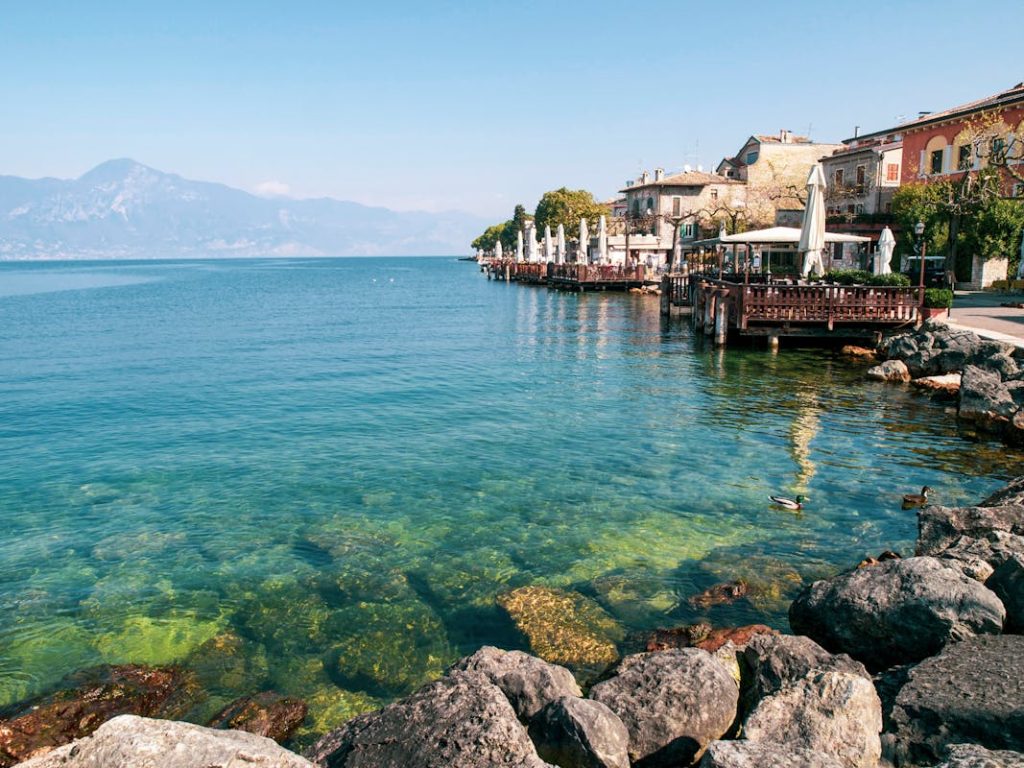
Aman Resorts refined guest services in 2026, emphasizing privacy and minimalism while reducing visible staffing. Certain properties limited daily housekeeping unless requested. Guided activities shifted to scheduled group formats rather than spontaneous arrangements. Dining experiences offered fewer menu variations. Aman framed changes as alignment with its philosophy. Guests seeking ultra personalized service sometimes noticed delays. While serenity remains central, the operational model now prioritizes discretion and structure. Aman’s luxury still resonates through setting and design, though service intensity appears intentionally restrained compared to earlier eras of highly attentive staffing.
Crystal Cruises
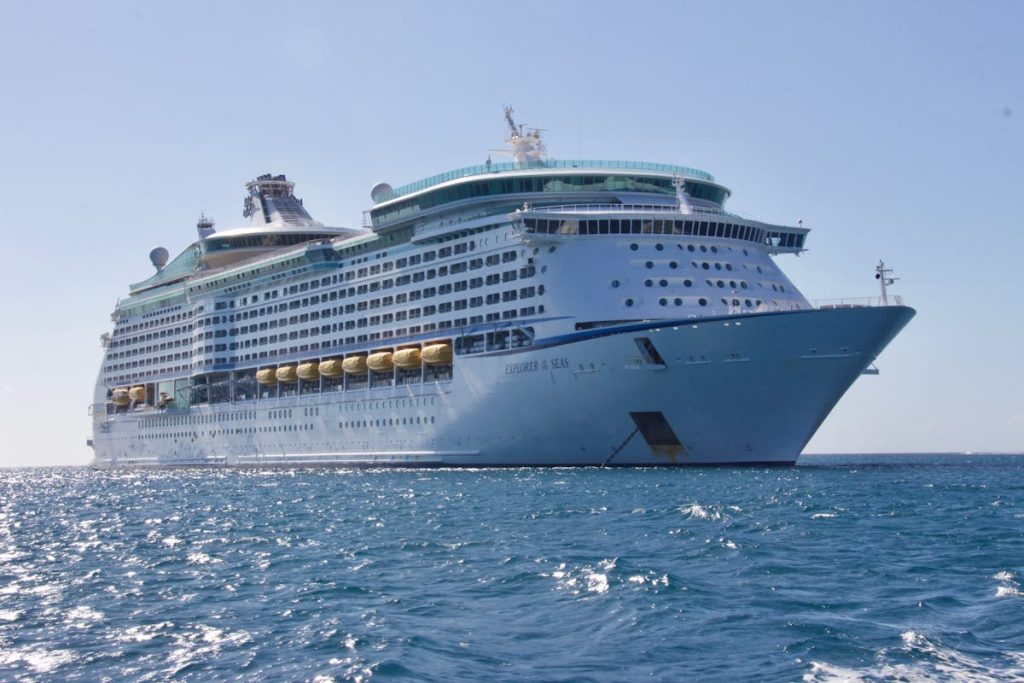
Crystal Cruises restructured onboard services in 2026 following operational changes. Dining options reduced in number, with rotating venue schedules. Butler services became limited to top suite categories. Entertainment programming consolidated, offering fewer nightly options. The line emphasized quality over quantity. Passengers reported a quieter atmosphere but fewer choices. Digital platforms replaced printed materials. Crystal continues positioning itself as refined, yet longtime guests recognized a leaner experience. The cruise line reflects a broader trend toward streamlined luxury, where exclusivity is maintained through design and branding rather than expansive service layers.
St. Regis Hotels
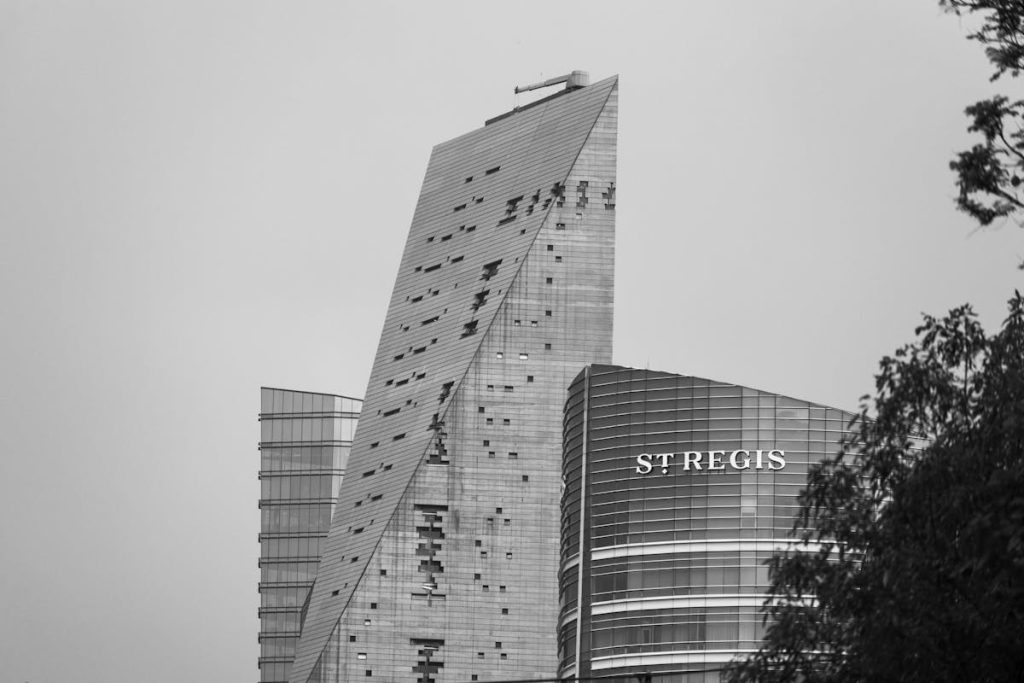
St. Regis hotels adjusted service delivery in 2026 while preserving signature elements like butler service. In practice, butler availability narrowed to specific hours at many locations. Complimentary unpacking and pressing became request based. Public area staffing reduced during off peak times. The brand cited modernization and guest preference data. Travelers noticed fewer spontaneous interactions. St. Regis still conveys elegance through design and ritual, but service now depends more on guest engagement. The shift mirrors industry wide changes where luxury increasingly blends tradition with efficiency driven operational models across global portfolios and evolving traveler expectations worldwide.