10 Midwest Hideouts Like Galena, IL, That Feel Honest Without Peak Crowds
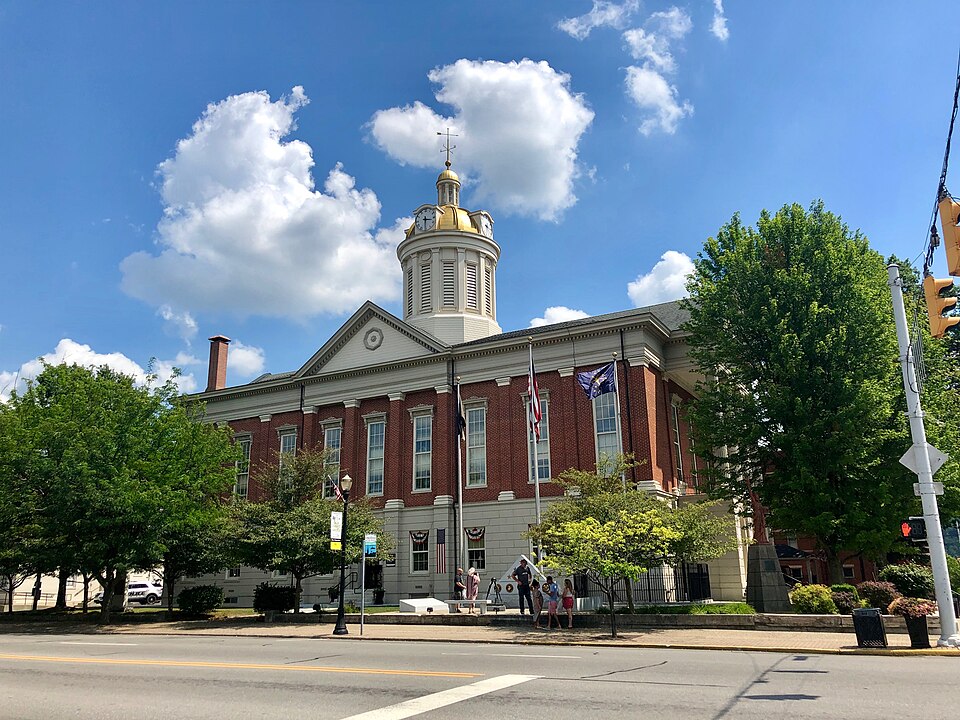
Some Midwest towns stay appealing because they do not perform. Main streets still work for locals, river air cools the corners, and an afternoon can be built from walk and a slow meal. Galena set the mood, but similar hideouts sit nearby, where brick, limestone, and bluff views show up without bottlenecks. These places reward steady pacing, not checkmarks. In fall, low sun warms storefronts; in spring, water runs high and the air smells clean. Weekdays feel roomy, with parking, short waits, and time to linger over coffee. The point stays simple: fewer stops, more room for noticing, and conversations.
Mineral Point, Wisconsin
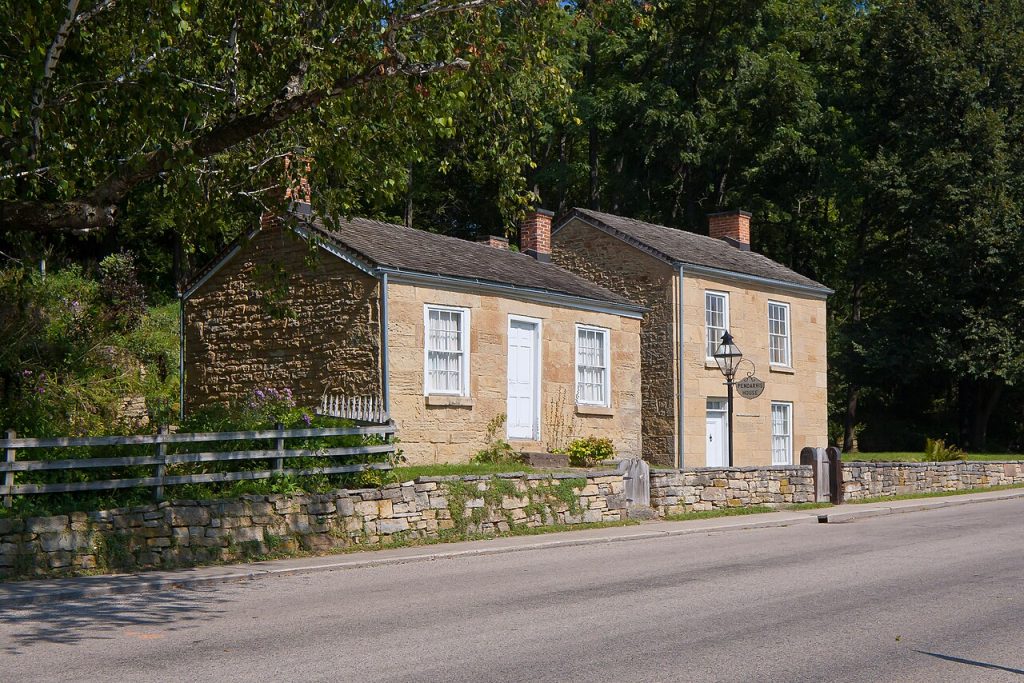
Mineral Point has Galena-like bones, but it stays quieter and more personal. At Pendarvis, preserved stone and timber cabins tied to Cornish miners make history feel close, with thick walls, hearths, and everyday objects instead of grand spectacle. Nearby, the Shake Rag Alley arts center keeps creativity practical, with workshops and studios that welcome browsing without hurry. After that, Driftless backroads deliver ridge views fast. In Oct., limestone catches low sun, and a Cornish-style pasty or simple soup at a café table can hold the afternoon until shop lights come on, with no pressure to keep moving.
Decorah, Iowa
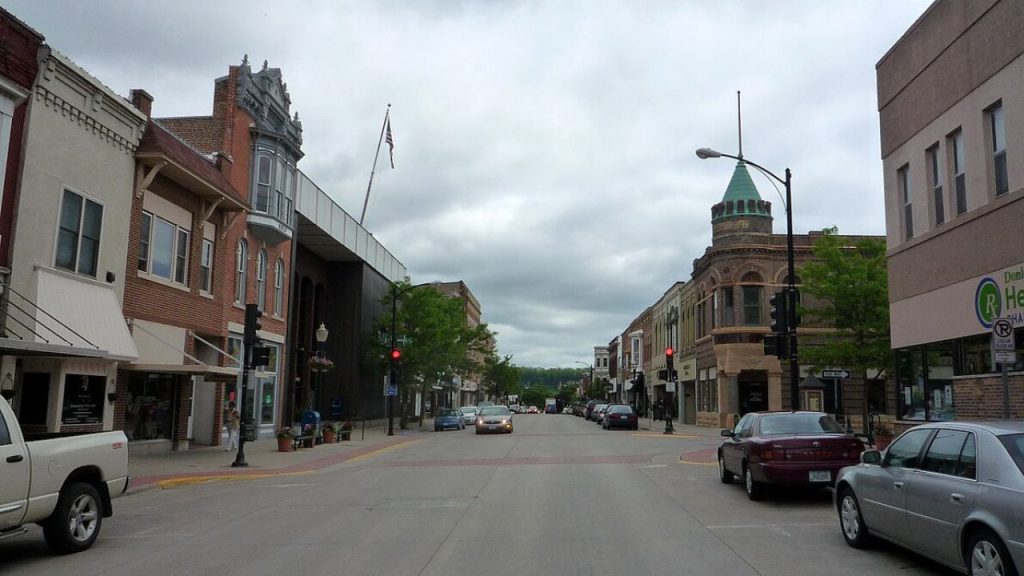
Decorah feels like a real town first and a getaway second, which keeps the charm honest. Vesterheim, the Norwegian-American Museum and Folk Art School, anchors downtown with immigration stories, carving traditions, and textiles that reward a calm, unhurried visit. Just beyond the storefronts, limestone hills and the Upper Iowa River valley make short walks feel scenic without effort, including stretches of the Trout Run Trail. Coffee, one museum hour, and a quick overlook can fill the day, then the evening settles into quiet streets and steady porch light. In Sept., first color shows along the bluffs, and the town feels tucked in.
Le Claire, Iowa
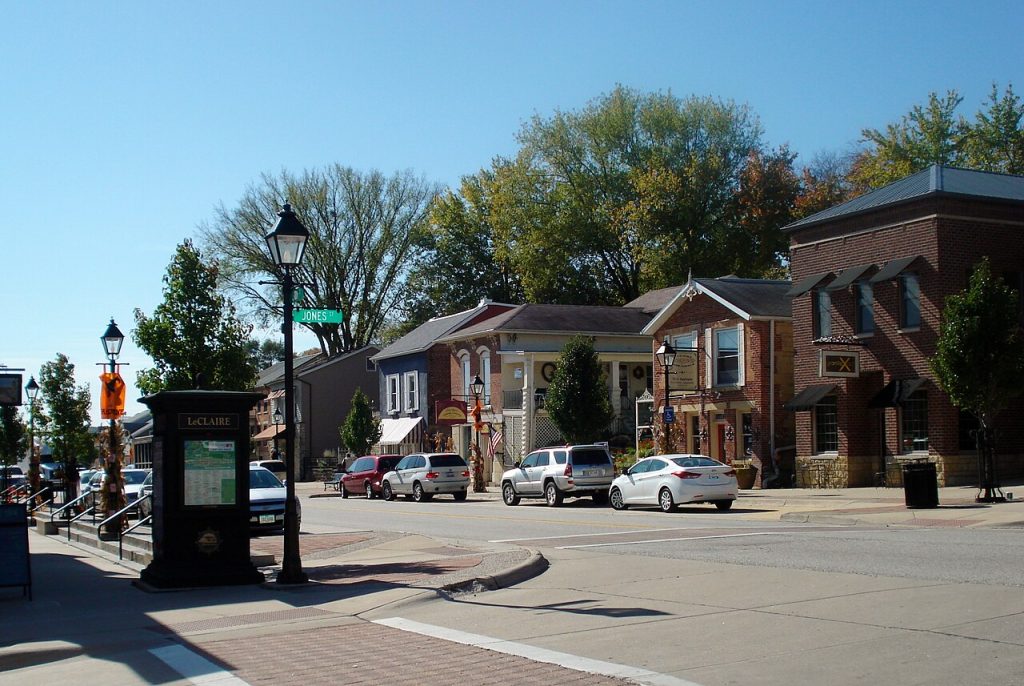
Le Claire sits tight to the Mississippi, and the river sets the tone even on a weekday. The Buffalo Bill Museum keeps the town’s stories compact, linking William F. Cody to river life and local history without turning the visit into an all-day commitment. A few blocks away, Antique Archaeology offers a low-pressure browse connected to the show “American Pickers,” which fits the town’s easy pace. The Great River Road scenery is outside town, so a short drive to a pull-off can reset the mind fast. After that, the riverfront finishes the day: benches, boats, and a slow meal long enough to watch the current change color as light fades.
Lanesboro, Minnesota
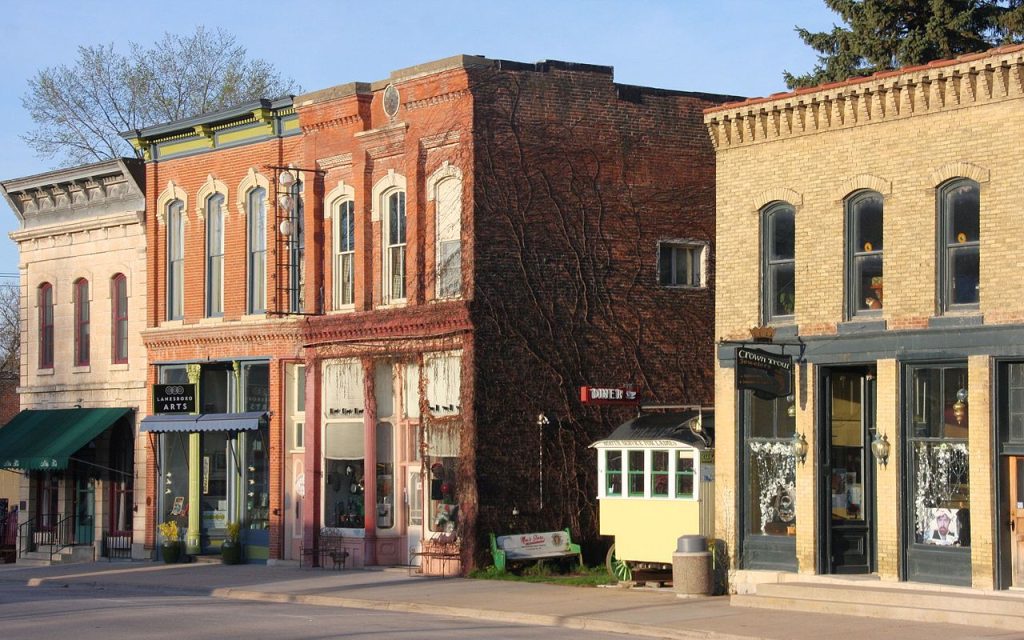
Lanesboro is built for gentle days in Minnesota Bluff Country, where scenery arrives quickly and the main street rarely feels rushed. The Root River State Trail runs 42 miles along the river on an old rail grade, making an easy walk or bike ride feel rewarding without steep climbs. Downtown stays tidy and close-knit, with cafés, small shops, and calm corners for a long sit. For evening, Commonweal Theatre offers professional productions in an intimate setting, so pastry, trail time, and a quiet dinner can carry the trip from morning to night without stacking extra stops. In Oct., bluff trees turn bright, and the river slows the world down.
Red Wing, Minnesota
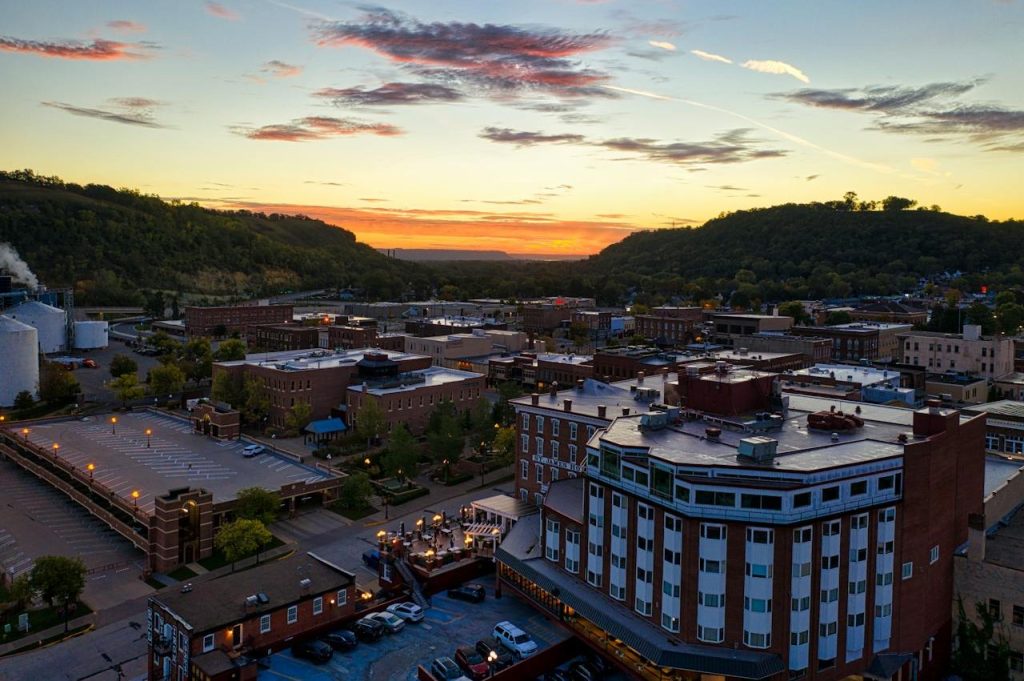
Red Wing balances working-town reality with bluff-country beauty, which keeps the charm grounded. He Mni Can, also called Barn Bluff, rises right beside downtown as a culturally significant landmark, and the climb is direct enough to fit into an easy afternoon. From the overlooks, the Mississippi and Lake Pepin open wide, then the return drops back into brick blocks, coffee counters, and storefront windows that invite slow wandering. Pottery history is part of the town’s identity, and it shows up in small displays and local craft rather than staged fanfare. One hike, one warm drink, and river light at dusk can be plenty.
Northfield, Minnesota
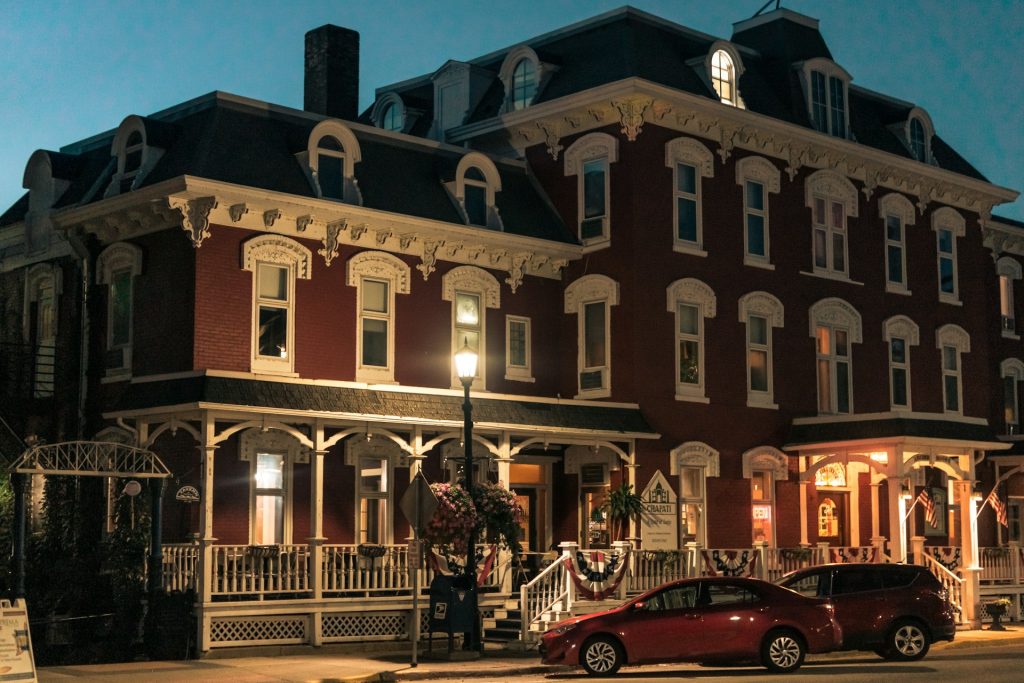
Northfield feels composed without feeling staged, anchored by the Cannon River and a compact downtown made for walking. Bridge Square keeps everything close, with benches, shade, and steady water sound that makes lingering feel natural. Bookstores, cafés, and small shops cluster within a few blocks, so an afternoon can be built from one riverwalk loop, one thoughtful browse, and one long lunch. Carleton and St. Olaf add a quiet cultural hum through music and campus events, but the town rarely feels hectic. The 1876 bank raid story lingers yet it never overwhelms the present. When light softens on the bridge and brick, the day ends on its own.
Madison, Indiana
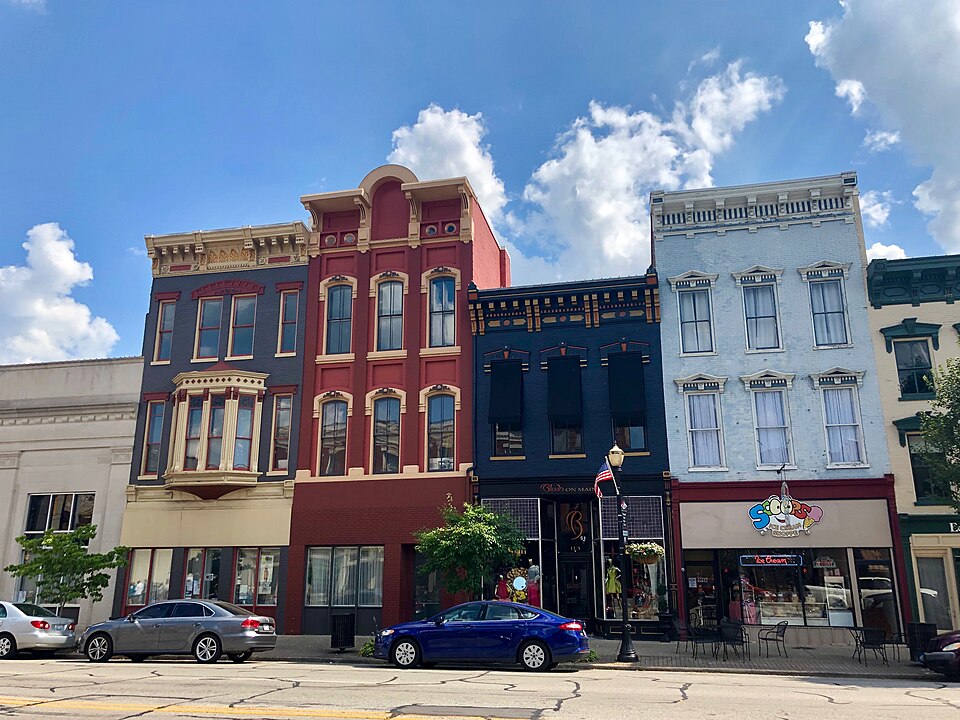
Madison sits above the Ohio River with a historic core that feels lived-in, not posed. The Madison Historic District became a National Historic Landmark District in 2006 and spans 133 blocks, yet the best streets cluster near Main Street, so exploring stays simple. Greek Revival lines, Federal brickwork, iron fences, and old storefront signs unfold as a long, satisfying walk, not a set of must-sees. Clifty Falls State Park is nearby for a short trail and waterfall sound, then downtown cafés and porches pull the pace back down. Weekdays can feel especially calm. One river overlook at sunset usually finishes the day.
New Harmony, Indiana
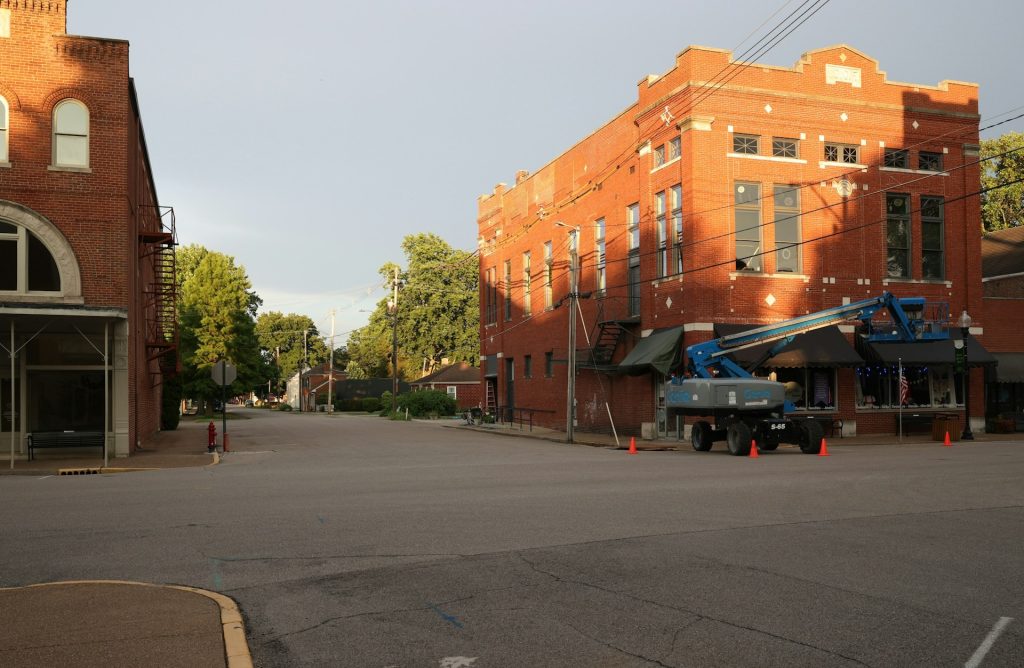
New Harmony feels like a quiet idea made physical, set along the Wabash River with brick paths, gardens, and long pauses built in. It was founded by the Harmony Society in 1814, then bought by Robert Owen in 1825 for a utopian experiment, which leaves the streets thoughtful without turning them heavy. The reconstructed Harmonist Labyrinth offers a calm walk that fits into any afternoon, and nearby small museums and galleries add just enough texture. A slow loop, a modest exhibit, and a relaxed meal can feel complete, especially when evening light turns the town nearly silent and the river air cools down.
Hermann, Missouri
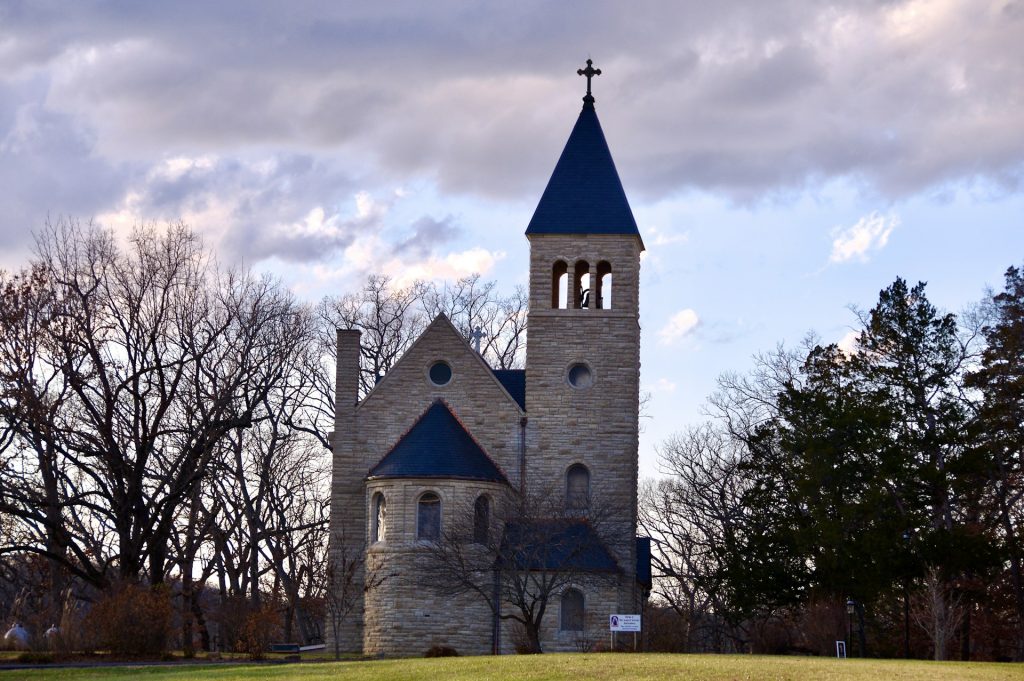
Hermann brings Missouri River Valley calm with a clear sense of place, and it stays pleasant even when plans stay loose. The Hermann American Viticultural Area was established on Aug. 18, 1983, tying local tasting rooms to a specific landscape instead of trend chasing. Downtown is compact, with brick storefronts, bakeries, and porches that reward lingering, and the surrounding hills hint at vineyards beyond town. One cellar stop, one slow walk to the river, and one long dinner can be enough, especially midweek when the streets feel conversational and unhurried. In fall, the valley light turns honeyed.
Stockholm, Wisconsin
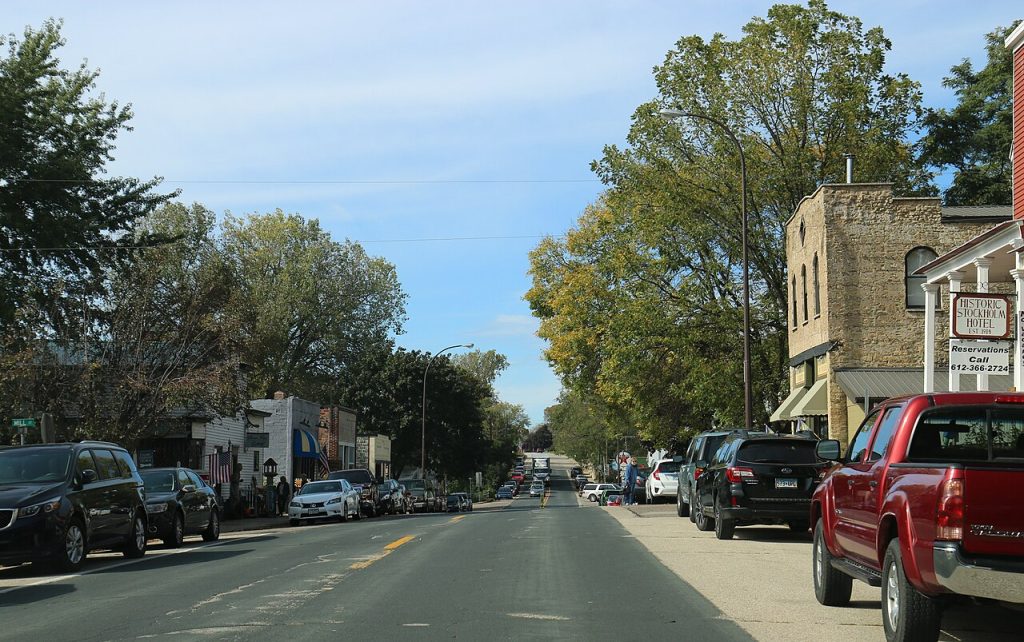
Stockholm is tiny and quietly confident on the Great River Road above Lake Pepin, where shoreline and bluffs set an instant slow mood. The village was founded in 1854 by Swedish immigrants from Karlskoga, and the population was 78 at the 2020 census, which explains why browsing feels personal. Small galleries and shops fill a few blocks, then the best plan is simple: a pie stop, a short bluffside drive, and a long lakeside pause while wind ruffles the water. Because it is so small, even a busy Saturday clears quickly, and the quiet returns before dinner. The lake light does the rest, turning silver at midday and copper near dusk.