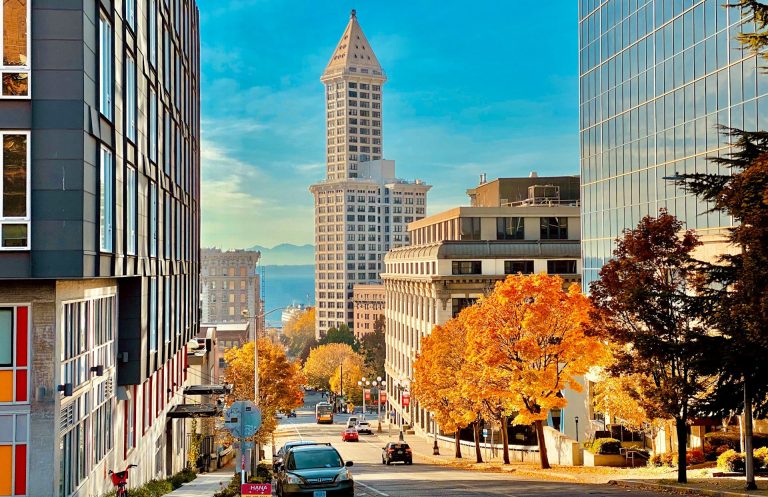
10 Most Disappointing Tourist Attractions Travelers Say Felt Unsafe or Overcrowded
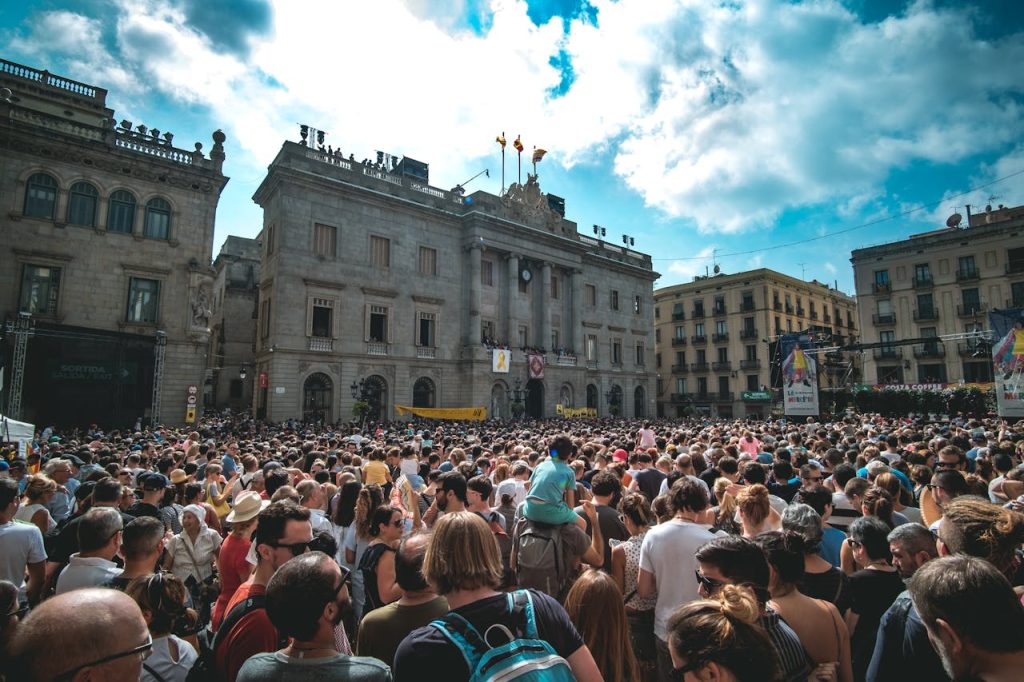
Some landmarks arrive with built-in expectations, then the real test becomes crowd pressure. When queues stretch, phones rise, and noise never dips, even a beautiful place can feel thin. Hassles stack up, and attention shifts from wonder to logistics.
Travelers still go for the icon status and the photo moment. But peak hours can add an uneasy edge, with tight walkways, constant jostling, and little space to absorb details. The setting can feel like a checkpoint, not a scene.
The disappointment is often situational. A different time slot, a nearby viewpoint, or a quieter season can reveal why the place became famous in the first place.
Times Square, New York City
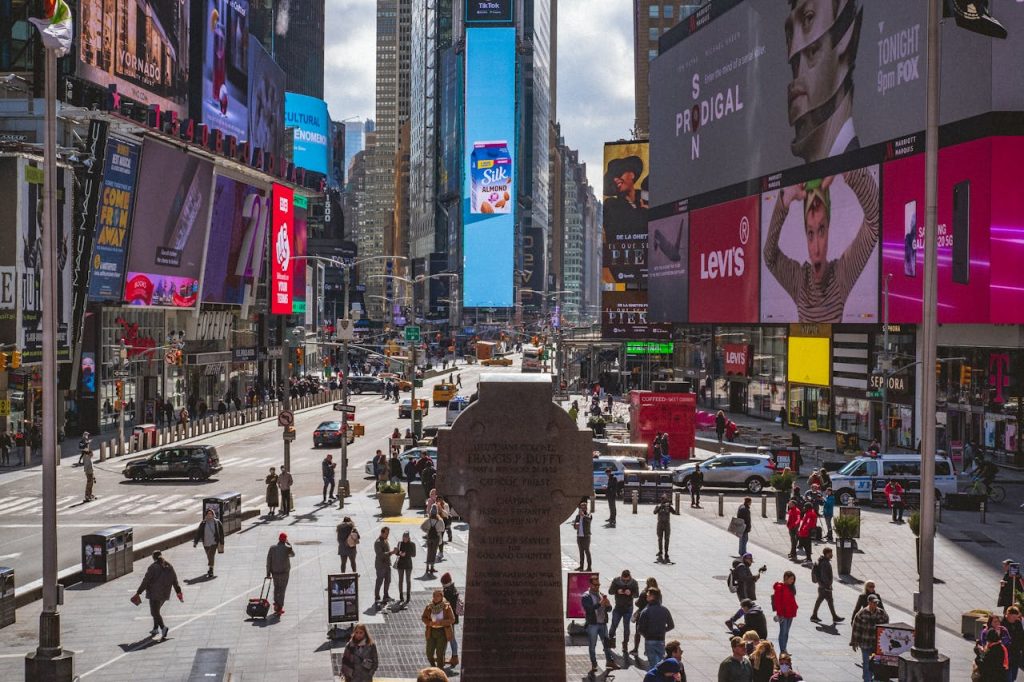
Times Square sells neon energy, but the street-level experience can feel like a slow squeeze. Screens flash, music blares, and foot traffic stops without warning as people pivot for photos.
Evenings and holiday periods tighten the sidewalks into narrow lanes, and crossings can become stop-and-go. Solicitors, costumed characters, and tour groups add friction, so visitors stay alert and keep moving.
The big surprise is how fast the novelty fades, especially when plans run late. Many leave thinking the city is better a block or two away, where the pace loosens and the same skyline still glows without the constant press.
Trevi Fountain, Rome
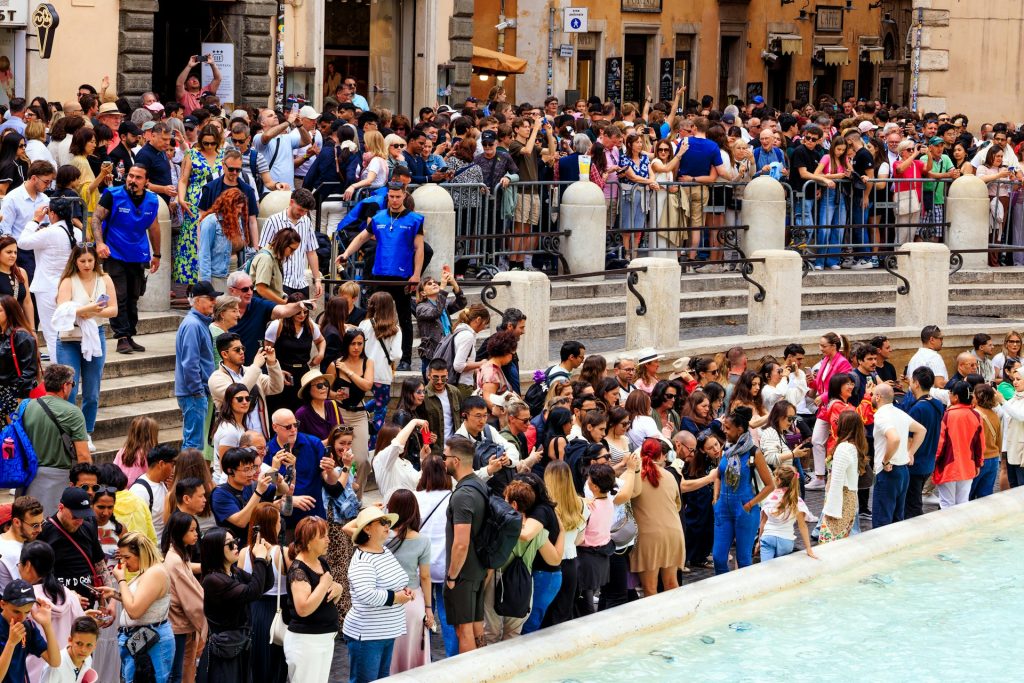
The Trevi Fountain is striking, but its small plaza concentrates everyone into one tight pocket. The closer the crowd presses, the harder it is to notice the carving, the water, and the sound.
Late afternoons and summer nights are the toughest, with tour groups stacking and phones held overhead. People edge toward the rim for the coin-toss ritual, and the mood can turn impatient in seconds. With so many distractions, pockets and bags deserve extra attention.
Travelers who leave disappointed often return near dawn. With fewer bodies and less noise, the fountain reads like a masterpiece again, not a backdrop.
The Louvre Mona Lisa Room, Paris
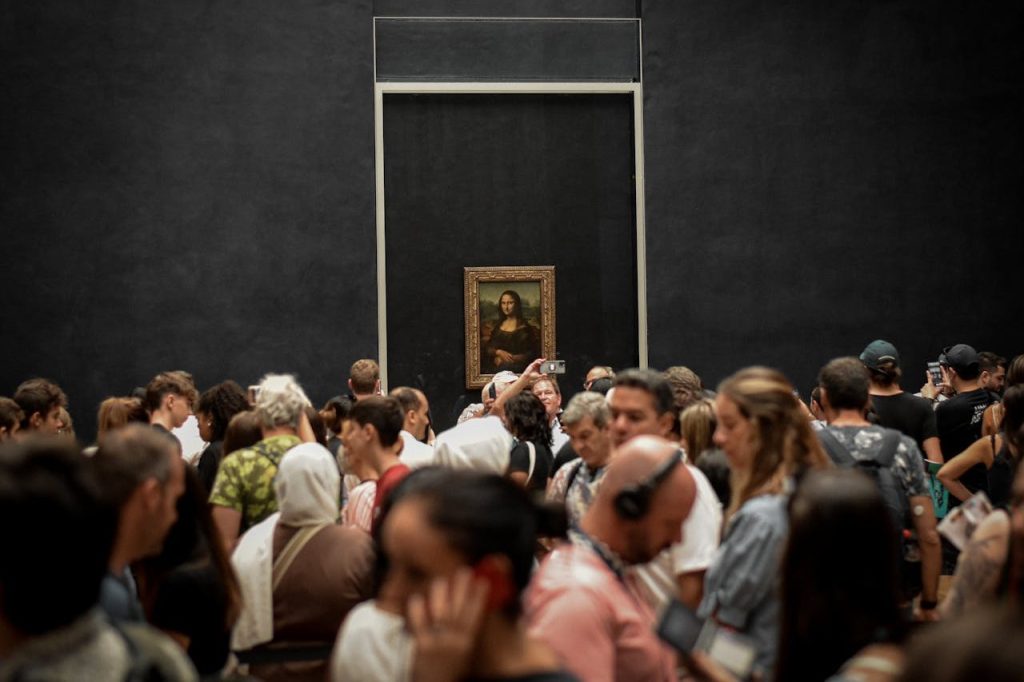
The Mona Lisa room at the Louvre can feel less like a gallery and more like a funnel. The painting is smaller than many expect, while the crowd is immediate and tightly packed.
Barriers keep the flow moving, so viewing happens from several rows back behind a forest of raised phones. Heat and noise build quickly, and the exit can clog when groups pause for one more shot. That compression can make some visitors feel tense, not inspired.
Visitors often leave surprised that quieter wings hold the real joy. In calmer rooms, art can be studied, not simply captured as proof, and the museum feels generous again.
Eiffel Tower Summit Queue, Paris
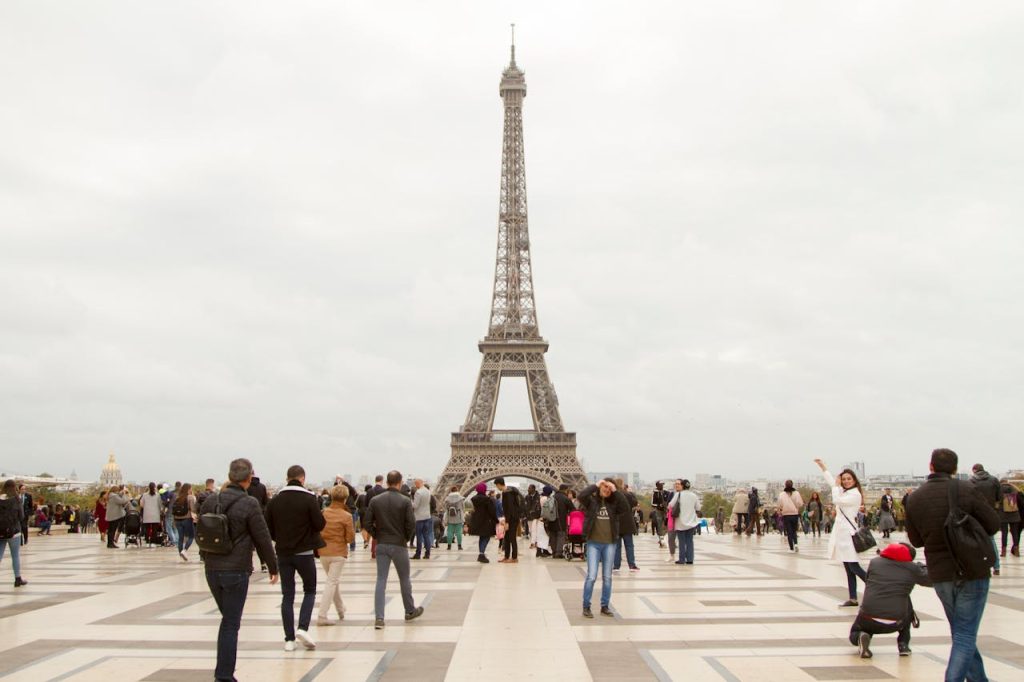
The Eiffel Tower delivers the icon, but the visit can be defined by lines. Security checks, timed entries, and elevator batches often turn excitement into waiting. Even well-planned days can lose momentum in the queue.
On busy days, platforms fill fast and corridors narrow, so movement becomes slow and careful. Families, school groups, and tours arrive in clusters, and space disappears near the railings. Wind and weather can also shift access, adding uncertainty to the crowd pressure.
Many travelers say the most pleasant view is from a distance, when the tower anchors the skyline and the moment feels calm instead of compressed.
Santorini Oia Sunset Viewpoints, Greece
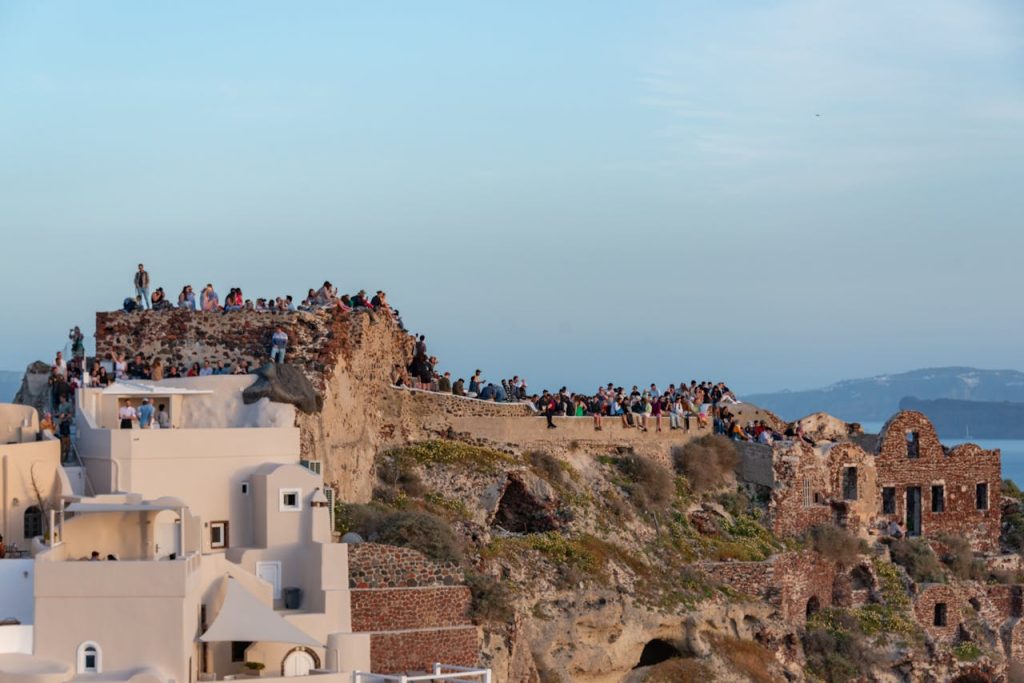
Oia’s sunset is famous enough to pull nearly everyone toward the same ledges and stairways. The village is small, the lanes are narrow, and the buildup can feel like a moving line.
Crowding starts well before golden hour, especially on cruise-ship days. Uneven steps and tight corners make the crush feel stressful, and the mood can shift when sightlines get blocked. After dark, the slow drift back through bottlenecks can feel like another round of waiting.
Travelers often enjoy Santorini more by changing the angle, not the island. Quieter terraces, earlier light, or nearby villages keep the sky glowing without the squeeze.
Shibuya Crossing, Tokyo
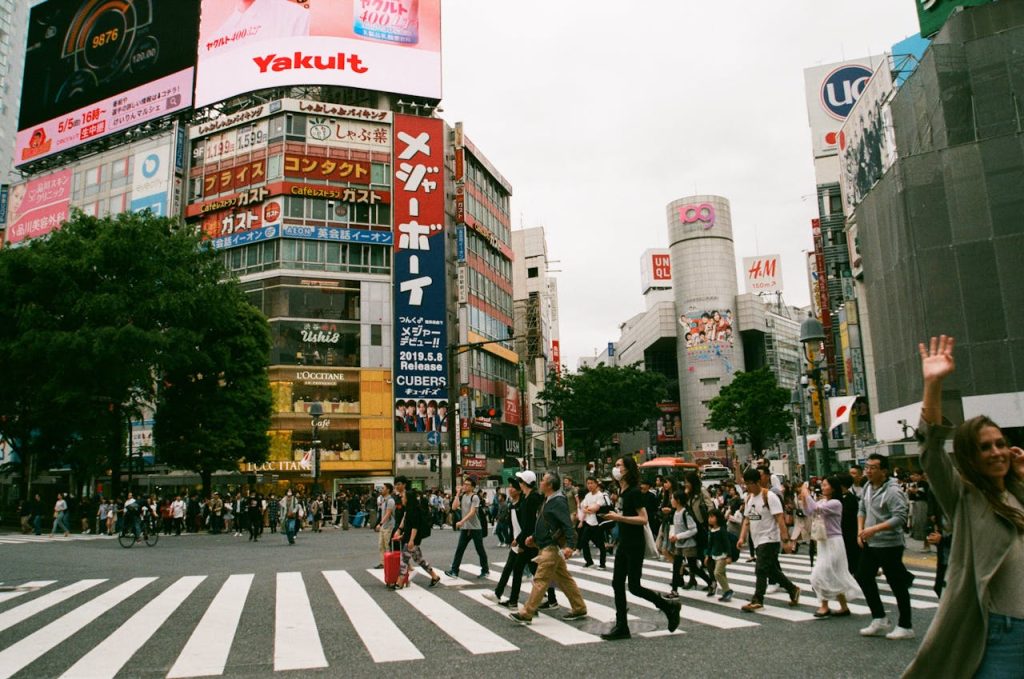
Shibuya Crossing is thrilling because it is busy, which also limits how long it stays fun. The noise, signage, and movement hit all at once, and the best moment is often measured in minutes.
Rush hours pack the sidewalks and station exits, and camera stops can create sudden knots in the flow. Umbrellas and quick turns add friction, so visitors tend to keep phones close and follow the crowd’s pace. Groups also get separated easily, which adds a low hum of stress.
Many travelers prefer watching from above, where the pattern reads clearly. From that distance, the energy feels cinematic rather than overwhelming.
Las Ramblas, Barcelona
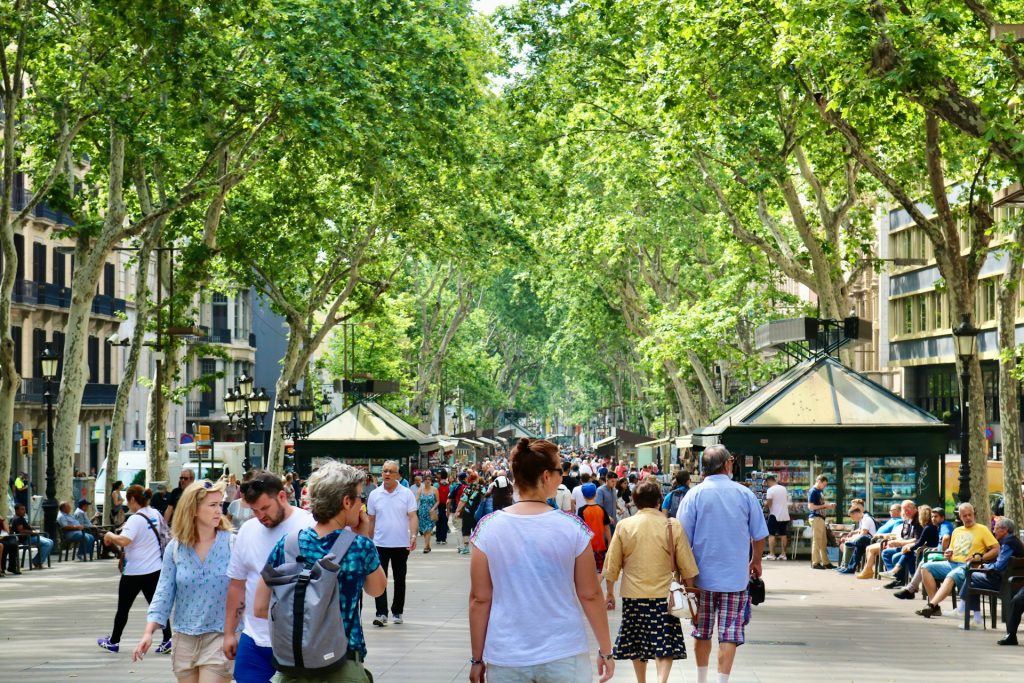
Las Ramblas has a classic reputation, but it can feel like a crowded corridor with constant interruptions. Foot traffic is heavy, performers draw tight circles, and souvenir stands narrow the walk.
Pickpocketing warnings are common, and that background caution can flatten the mood. Near the market and major intersections, distractions are everywhere, and travelers often keep a firmer grip on bags. When the street is packed, small bumps and sudden stops add up.
Many visitors find Barcelona’s charm a few steps off the main drag. Side streets, shaded plazas, and quieter tapas bars offer the same city flavor with more ease.
Pike Place Market Main Lanes, Seattle
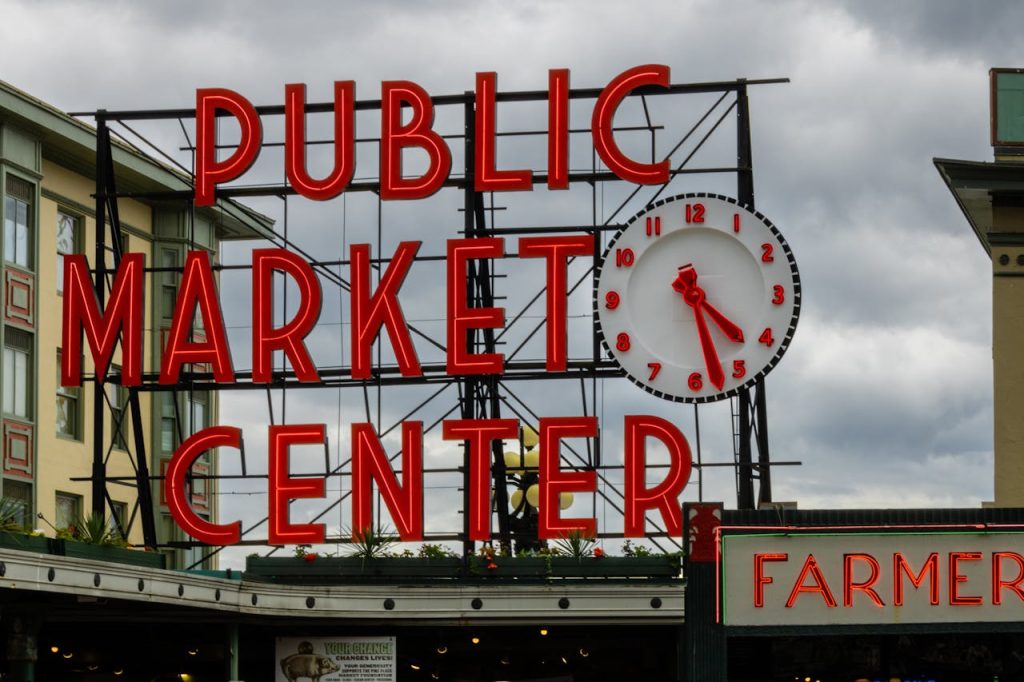
Pike Place Market is full of color and great food, but the main lanes can clog until browsing feels impossible. Popular counters form lines that spill into walkways, and photo stops tighten the flow. Noise echoes off the covered stalls and adds to the rush.
Midday weekends bring the sharpest squeeze, with tour groups gathering for fish toss moments and shoppers threading through. In that density, people get separated, and the market’s charm can be replaced by pure navigation.
Travelers who feel disappointed often do better downstairs. Lower levels offer quieter shops, open corners, and time to actually taste, talk, and look.
Niagara Falls Viewing Railings
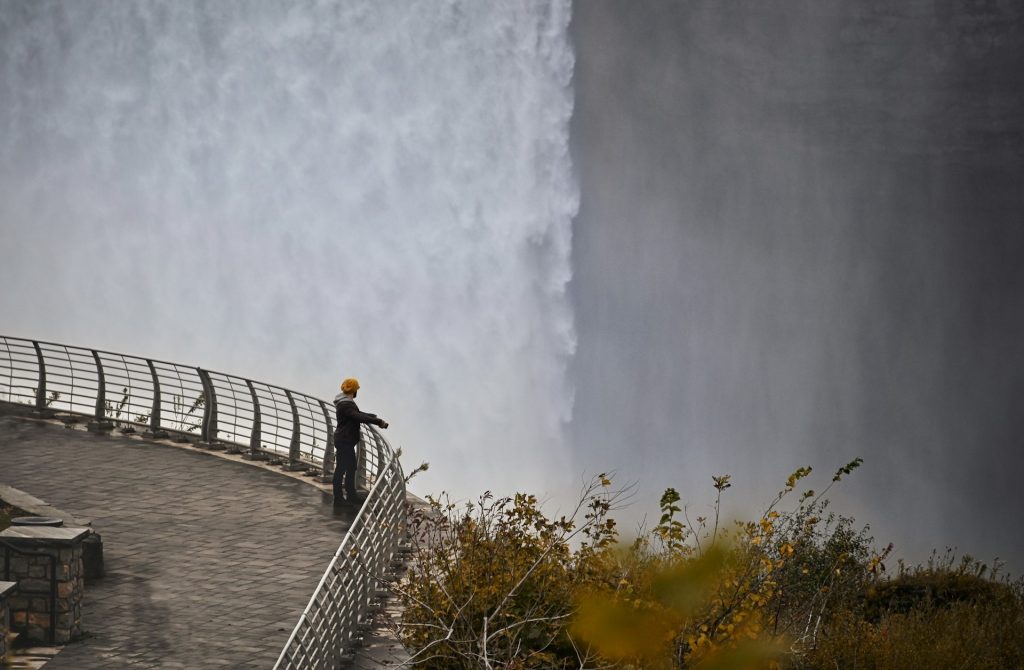
Niagara Falls is impressive in any season, yet the busiest railings can feel cramped. Tour buses arrive in waves, and the best angles disappear quickly as people hold spots for photos. The constant spray and crowd noise can add to the strain.
In peak summer hours, mist and wet pavement add tension to the squeeze. Visitors lean forward, step back, and thread past each other in narrow pockets of space, which can feel uneasy for anyone who prefers room.
Many travelers keep the main viewpoint brief, then head to quieter trails and side overlooks. With breathing room, the roar and scale land more clearly, and the moment feels steadier.
Hollywood Walk of Fame, Los Angeles
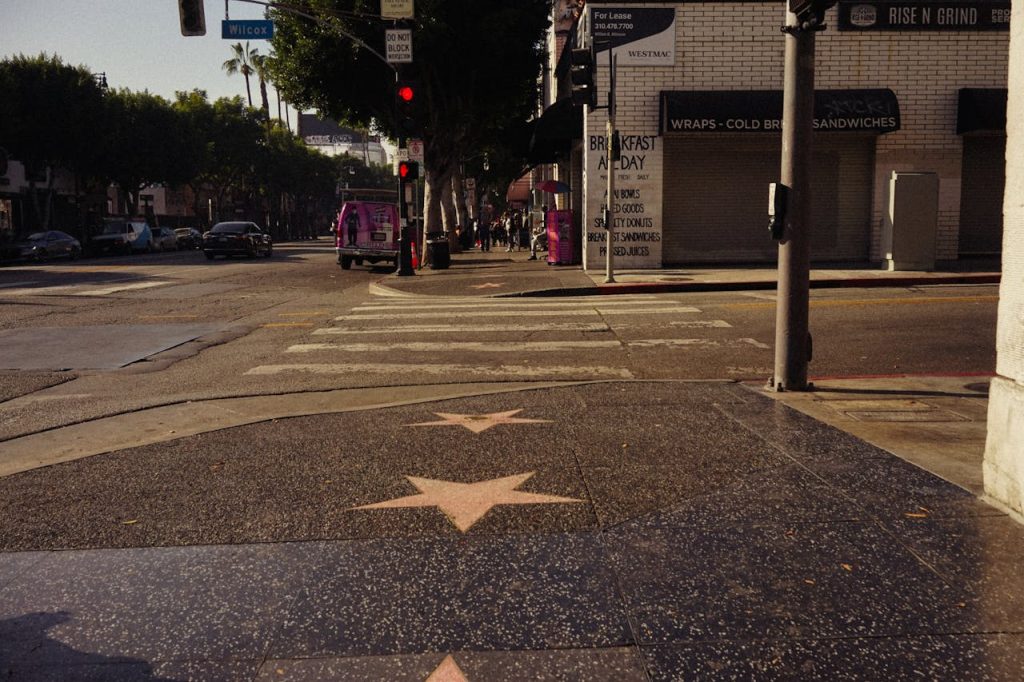
The Hollywood Walk of Fame carries a glossy idea, but the sidewalk can feel hectic and worn. Crowds cluster around famous names, while traffic noise and street performers compete for attention.
Weekends and event nights raise the pressure, and interactions can feel pushy when space is tight. Costumed characters and promoters may ask for tips or photos, and the constant approach can wear visitors down. Many stay aware of phones and bags, which dulls the fun.
Travelers often reset the day by pivoting to studio tours or museums. In curated spaces, film history feels closer, calmer, and easier to enjoy.