10 “Normal” RV Habits That Are Actually Illegal in State Parks

Across state park campgrounds, a lot of RV behavior comes from habits learned on private land or at casual roadside parks. Those moves feel ordinary until a ranger stops by, citation pad ready, and explains that some conveniences cross clear legal lines. Rules about tanks, noise, trees, pets, and drones exist to protect water, wildlife, and neighboring campers as much as scenery. Understanding where “everyone does it” collides with written regulations helps RV travelers keep their routines, protect the places they love, and avoid fines that sour an otherwise good trip.
Dumping Greywater On The Ground
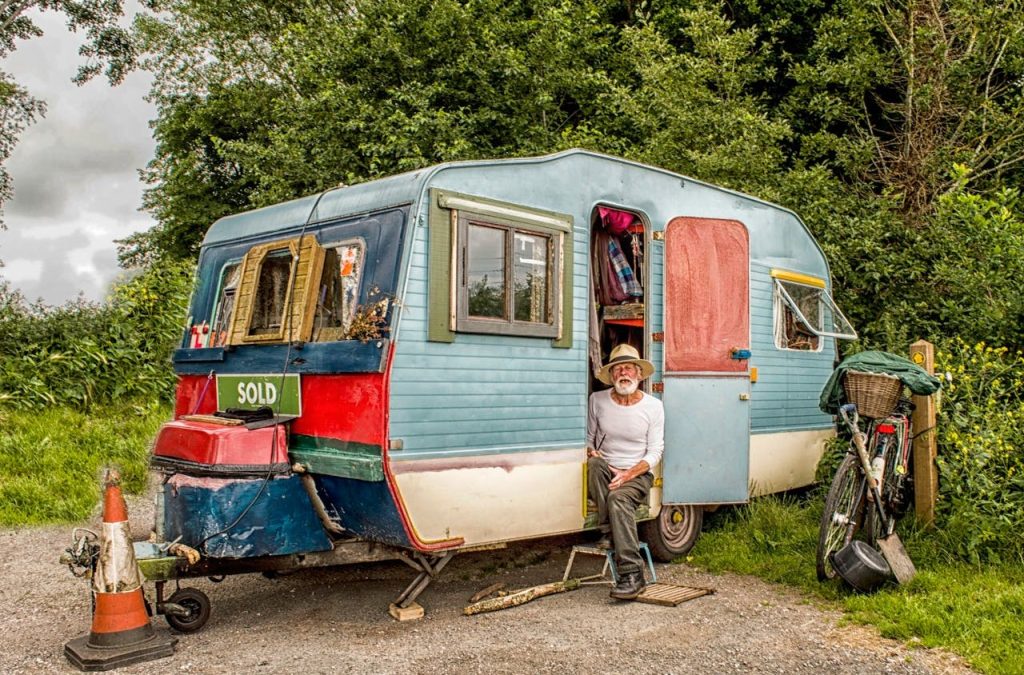
Many RV owners still treat dishwater and shower runoff as harmless, so a hose appears at the back of the rig and a quiet trickle spreads into the soil. In most state parks that habit is illegal, because greywater is not just clean soap bubbles. It carries food particles, grease, shampoo, and sometimes disinfectants that can attract animals, foul nearby sites, and seep into streams or shallow wells. Rangers read a damp patch and a trail of rice the way health inspectors read a dirty sink. The lawful alternative is simple, even if it takes more effort. Keep valves closed, run every sink and shower into the tank, then use the park dump station or another approved facility on the way out.
Emptying Black Tanks Outside Dump Stations
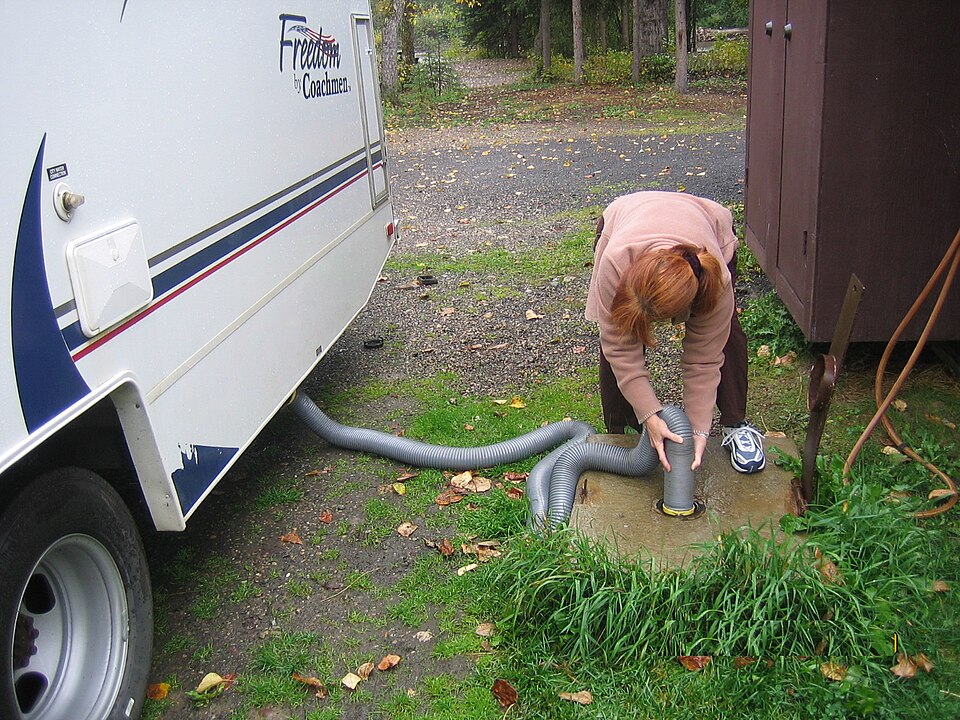
A few travelers still assume that if a spot feels remote, a quick black tank dump behind some trees will disappear without consequence. In most state parks that act is not only frowned on but clearly illegal, because human waste carries pathogens that can contaminate soil, ground water, and any shallow streams that pass near a campground. Staff and volunteers then face the unpleasant job of cleaning up after what amounts to an open sewer. Modern systems make better choices possible. Planning routes around dump stations, using portable totes when sites lack hookups, and never opening a black valve without a sealed connection keeps everyone healthier and protects access for RVers in the long run.
Running Generators Outside Quiet Hours
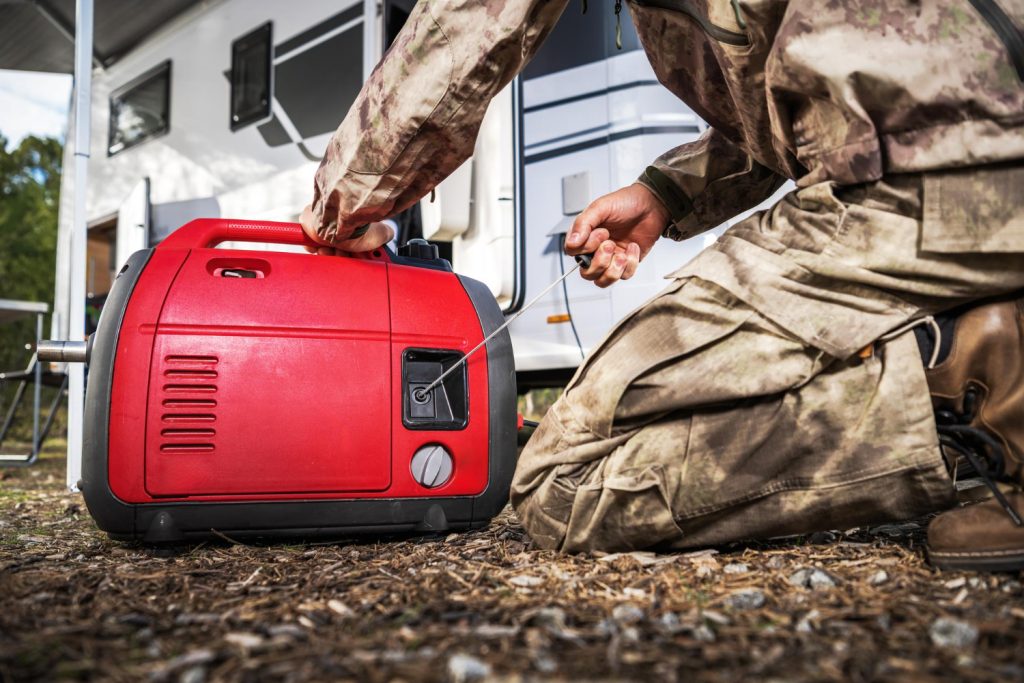
Generators feel like freedom: air conditioning on a humid night, coffee at dawn, batteries topped off without a plug in sight. Inside an RV that noise fades into the background; outside, in a still campground, the sound cuts straight through tents and neighboring rigs. That is why many state parks set specific generator hours or ban them entirely in certain loops, and violating those posted windows can be treated as a noise offense. Rangers usually respond to complaints from other campers, not abstract rules. Solar panels, larger battery banks, and a little planning around the posted generator windows keep lights on and tempers calm. Respecting quiet hours also protects wildlife that depends on nighttime soundscapes.
Idling The Engine To Charge Or Cool
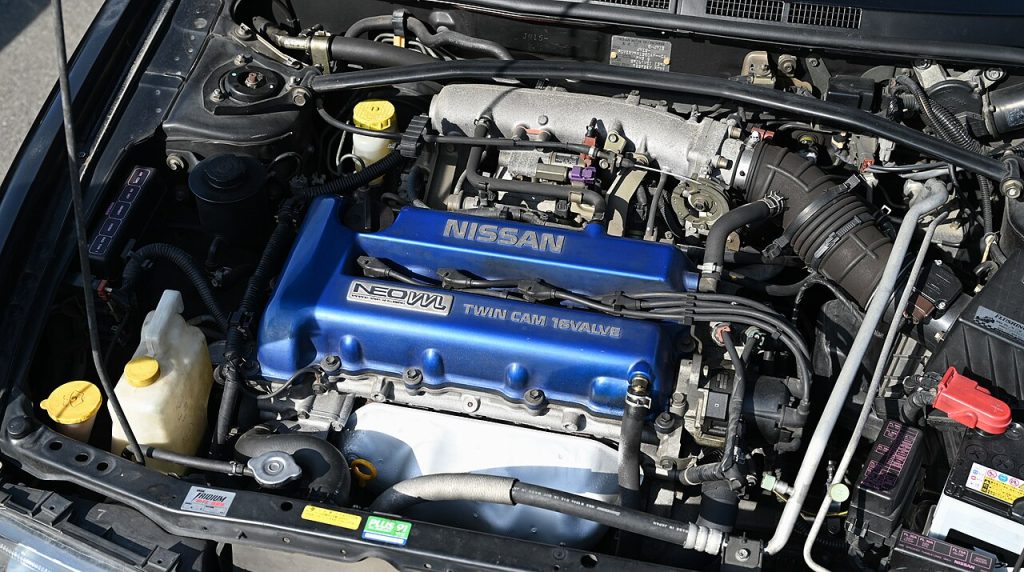
Letting a motorhome or tow vehicle idle for half an hour to cool the cabin or juice batteries feels efficient, especially in hot or cold weather. In practice, long idling clouds neighboring sites with fumes, raises noise levels, and in many states brushes up against anti idling laws that apply even inside park boundaries. Some rangers treat extended idling as a mechanical necessity at first, then as a violation if it becomes a pattern. Shore power, generator windows, and thoughtful use of shade do the same job more cleanly. Short, purposeful runs for safety are rarely questioned, but using an engine as a giant air conditioner all evening risks fines and frayed relations with everyone downwind.
Parking Off Pads Or On Vegetation
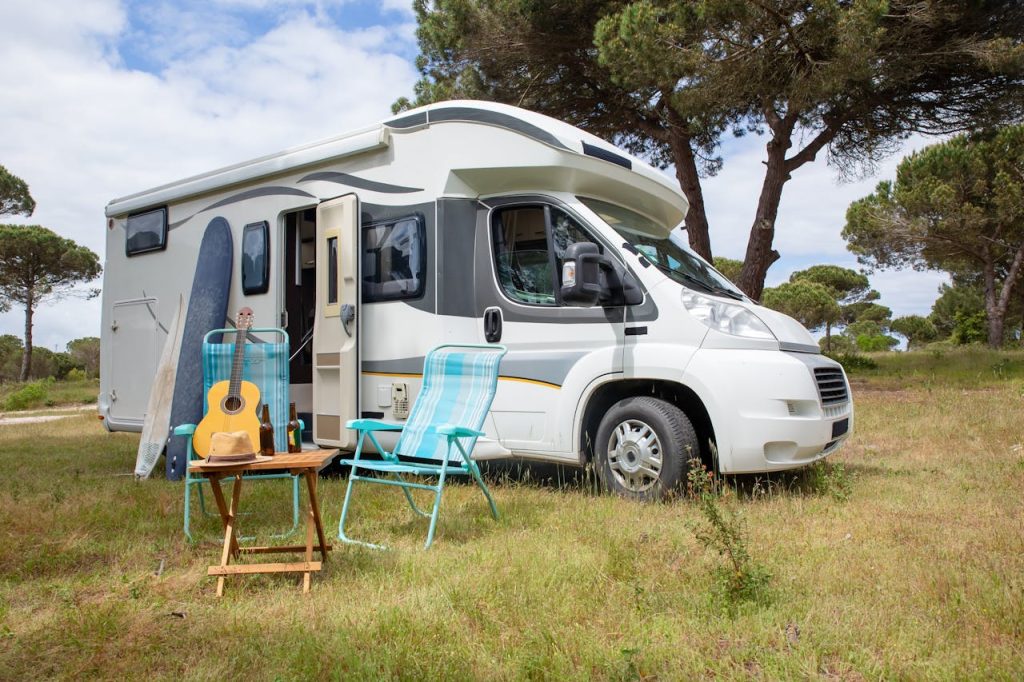
When a campsite feels a bit tight, it is tempting to angle a rig so that a tire lands on the grass, or to nudge a toad or trailer just beyond the pad line. Many state park rules explicitly forbid parking on vegetation, soft soil, or unmarked shoulders because repeated weight compacts roots, turns grass into bare dust, and widens roads that were never designed for it. What looks like clever positioning for one weekend becomes erosion and muddy ruts for the next set of campers. Staying entirely on gravel or pavement, using only the space assigned, and asking about overflow or day parking if things feel cramped keeps landscapes intact and visits drama free.
Creating Improvised Fire Rings Or Using Prohibited Wood
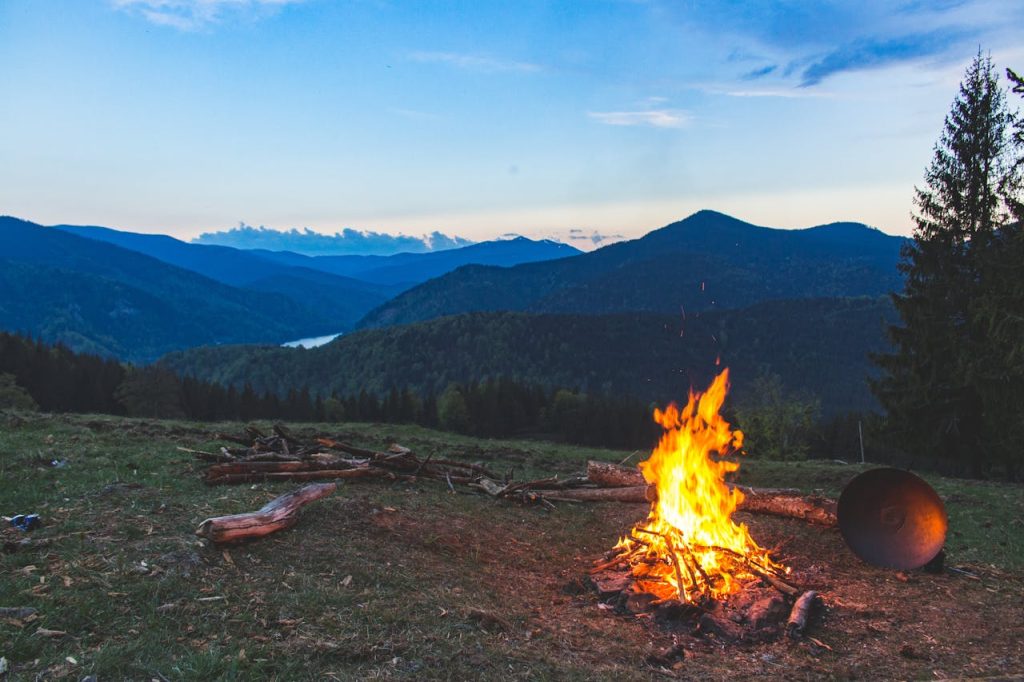
Campfires sit at the heart of camping culture, so some RV travelers assume that any bare spot or ring of rocks can become a personal fire pit. In state parks that move can be illegal, because managers often restrict fires to steel rings or specific pads to control sparks, ash, and damage to roots. Cutting live branches, stripping dead limbs, or hauling in outside firewood may also break rules designed to stop invasive insects and tree diseases from hitching a ride. Buying local, certified bundles in the park, burning only in provided rings, and skipping the urge to “improve” a site protects forests and avoids citations that arrive just when the coals are glowing.
Washing Dishes Or Bodies In Lakes And Streams
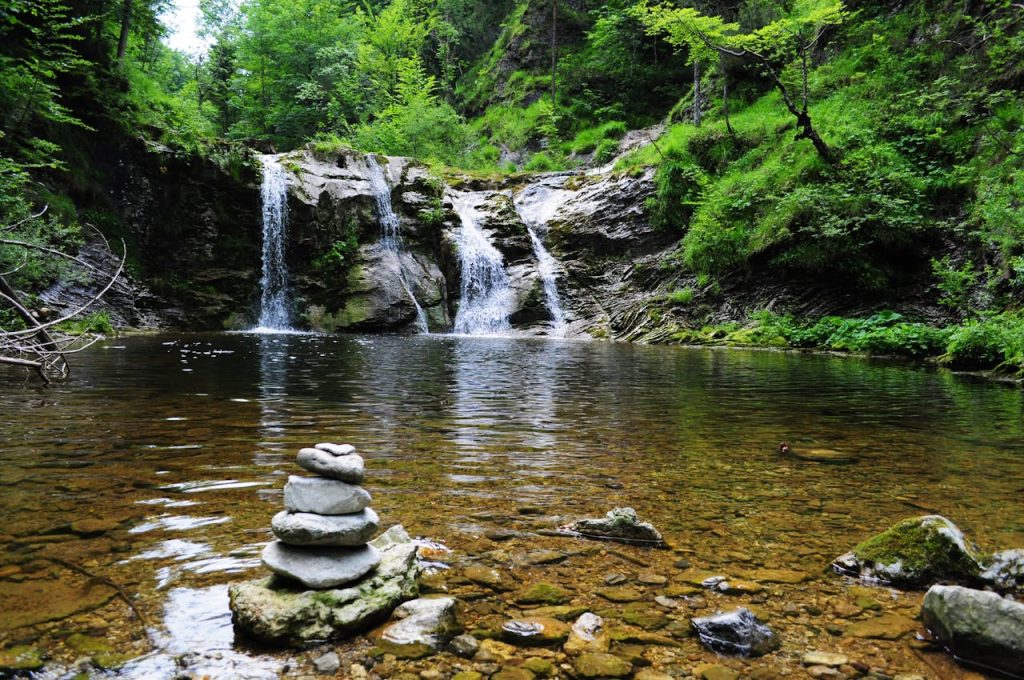
Rinsing a frying pan in the lake or lathering up in a shallow stream looks like an old fashioned camping move, but it collides with regulations in many park systems. Even biodegradable soaps add chemicals and nutrients that stress fish, insects, and the delicate life that clings to rocks and shorelines. Food bits from dishes invite raccoons and bears to treat shorelines as buffets. Rules usually require washing at a site, then carrying greywater at least a couple hundred feet from any natural water before scattering it widely on soil. A small basin, a tiny amount of soap, and a quick walk away from the banks meet both hygiene needs and legal expectations.
Leaving Food Out Or Feeding Wildlife

Leaving a bag of chips on the picnic table or tossing bread to a bold squirrel feels harmless in the moment, especially in busy campgrounds where animals seem used to people. In reality, many state parks treat intentional feeding and negligent food storage as ticket worthy offenses, because they quickly create food conditioned animals that scratch cars, raid coolers, and in the case of larger species, become dangerous. Once that happens, wildlife managers often have to relocate or euthanize animals that simply followed the easiest calories. Locking food inside vehicles, using provided lockers where they exist, and treating every crumb as meaningful respects both the law and the animals that make these places feel alive.
Flying Drones Over Campsites And Trails
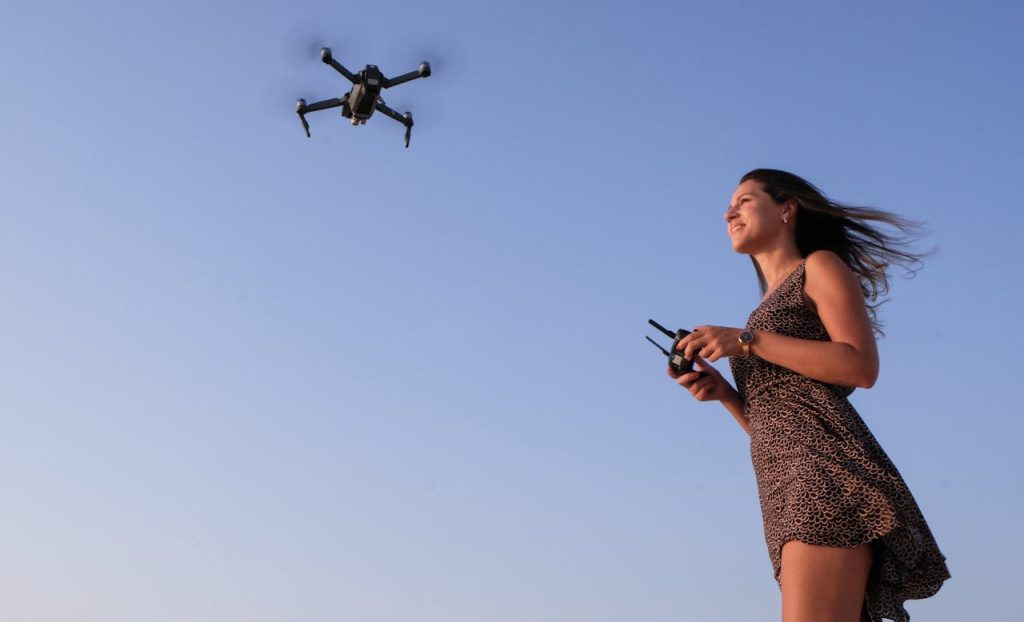
Small drones make it easy to capture sweeping shots of a lake or canyon, so it is no surprise that many RV owners pack one alongside chairs and grills. Yet a growing number of state parks either tightly restrict or completely ban recreational drone flights because the buzzing devices disturb nesting birds, startle wildlife, and invade the privacy of people trying to relax. Rangers may view unpermitted flights as violations of park rules or broader aviation regulations, with fines that arrive faster than the perfect sunset shot. Checking each park’s drone policy, seeking written permits when they exist, or leaving aerial gear at home keeps both skies and neighborly relationships clear.
Camping Outside Designated Areas Or Overstaying Limits
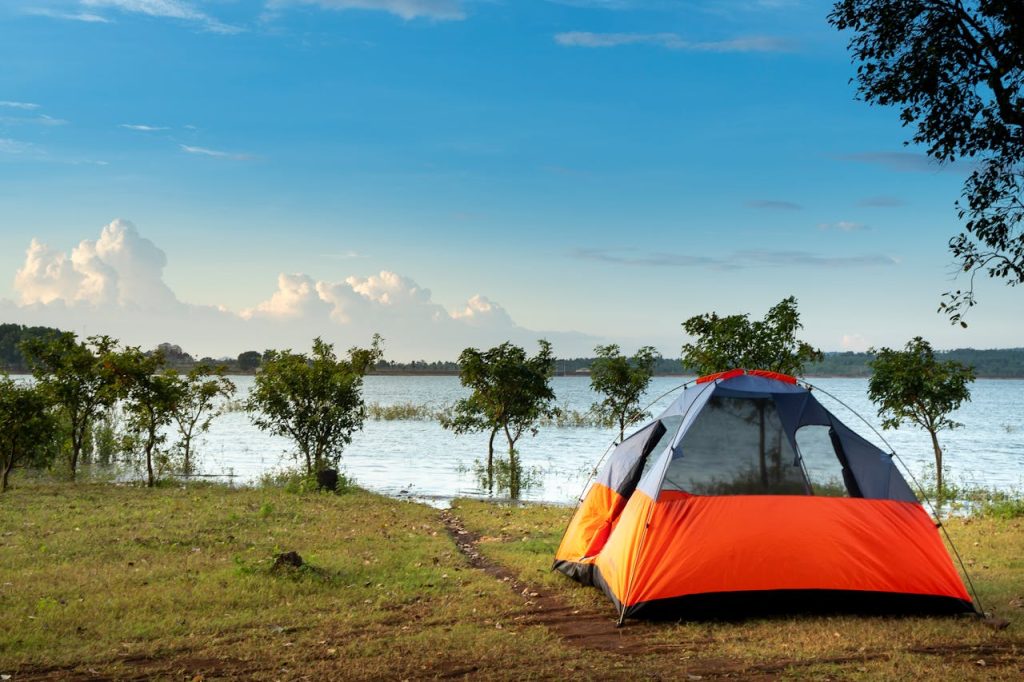
When a park feels quiet, it can be tempting to nudge an RV into an unmarked corner, stay an extra night without extending a reservation, or shuffle between nearby sites to appear within the rules. Most state parks treat those maneuvers as violations, because stay limits and designated pads protect vegetation, give rangers a clear safety headcount, and keep access fair for everyone. Long unsanctioned occupancy can strain septic systems, water supplies, and staff time. Planning ahead, respecting posted maximum stays, and shifting to a long term park when an area becomes a seasonal home keeps state parks available for short visits and fresh arrivals all year.