10 Places Where Back-to-School Travel Changes Local Life
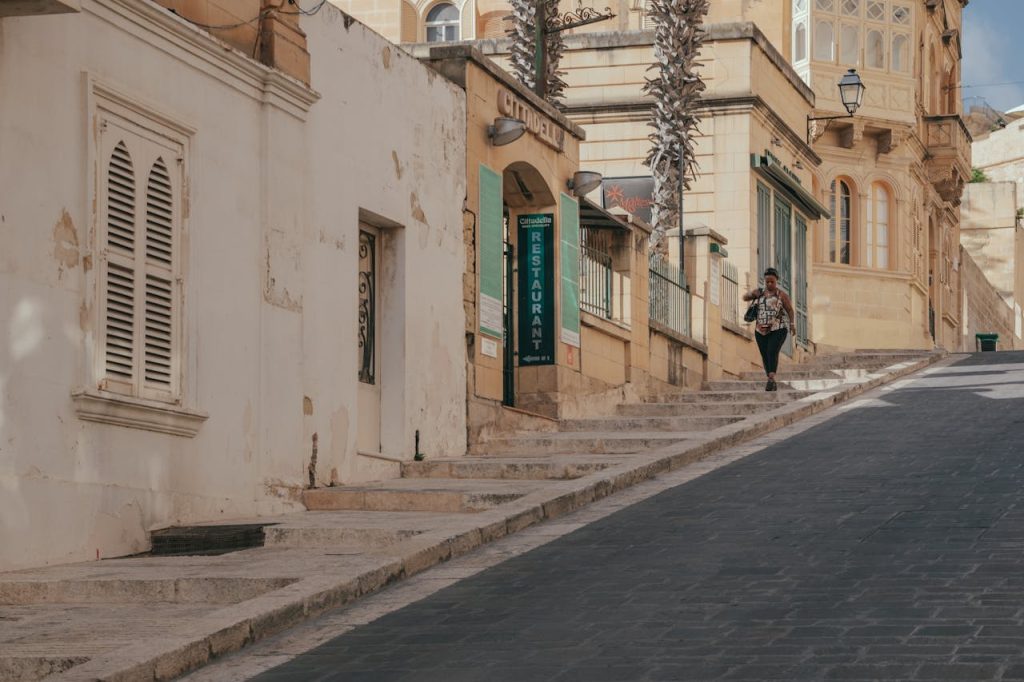
Back to school travel marks a quiet but noticeable shift in many destinations as seasonal rhythms reset. Families return home, long vacations end, and daily routines resume, subtly reshaping local life. Streets feel calmer, transportation becomes more predictable, and neighborhoods regain familiar patterns. Cultural spaces adjust schedules, businesses refocus on residents. This period often reveals places in a more authentic state, defined less by tourism and more by everyday activity. These destinations show how back to school travel changes local life, influencing pace, access, and atmosphere in meaningful, observable ways. Local priorities return, reshaping daily habits, social interactions, and the overall rhythm of communities.
Paris, France

Paris changes tone as back to school season begins, bringing residents back from August holidays. Neighborhoods regain routine, and cafés fill with locals rather than visitors. Museums feel calmer, and public transportation becomes easier to navigate. Cultural institutions launch fall programs, reshaping daily schedules. Markets return to regular hours, and streets feel more purposeful. The city shifts from vacation mode to working rhythm, altering how spaces are used. Back to school travel reveals Paris as a lived in city, where daily life, education, and culture quietly take precedence over peak tourist movement. Streets feel more intentional, reflecting school schedules, workdays, and renewed neighborhood familiarity.
Rome, Italy
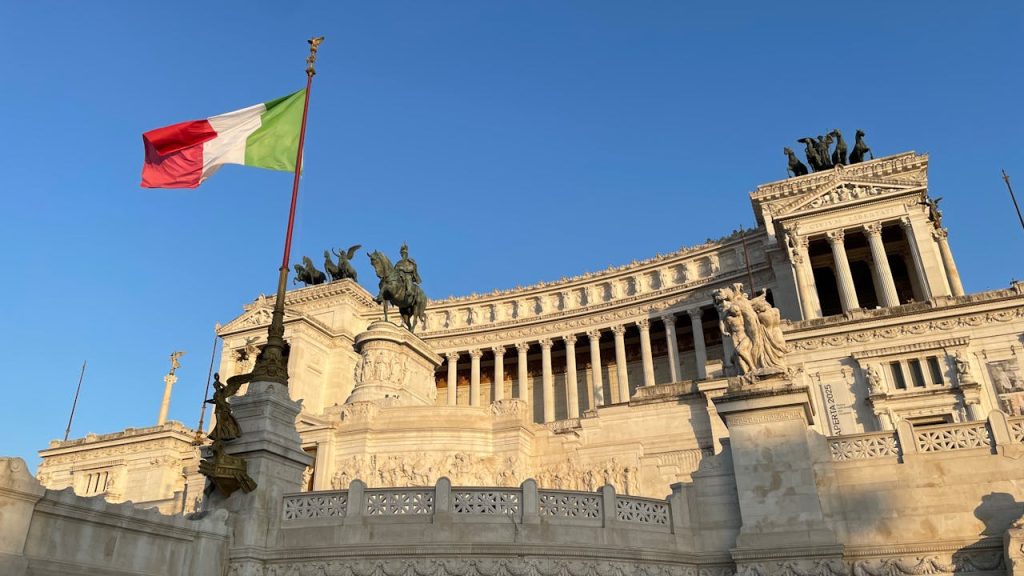
Rome experiences a clear transition as schools reopen and summer visitors depart. Neighborhoods regain resident focused routines, and local businesses adjust hours accordingly. Streets feel less congested, and public transportation runs more smoothly. Cultural sites remain active but without constant crowd pressure. Daily life becomes more structured, shaped by work and school schedules. Restaurants shift toward regular clientele. Back to school travel highlights Rome’s everyday rhythm, revealing how education calendars influence movement, accessibility, and neighborhood energy across historic districts once summer travel patterns fade. The city feels steadier, shaped by residents rather than seasonal visitor demand.
New York City
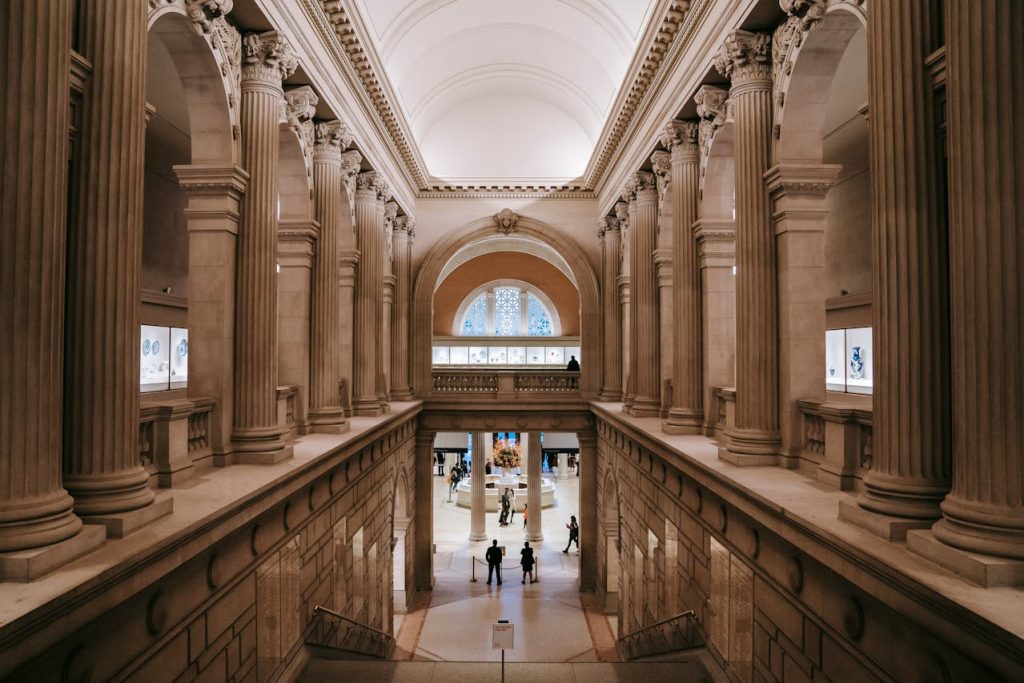
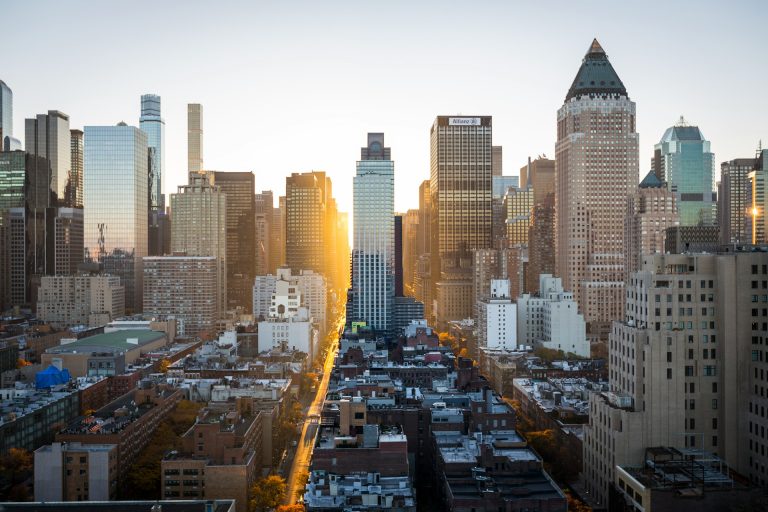
The New York City shifts noticeably once schools resume and summer travel ends. Parks lose seasonal crowds, and public transit reflects commuter routines again. Cultural institutions align with academic calendars, launching fall exhibitions and performances. Neighborhoods feel more balanced, with residents reclaiming shared spaces. Traffic patterns stabilize, and daily schedules feel more predictable. Back to school travel exposes the city’s working rhythm, where education, employment, and cultural life intersect. Visitors encounter a version of New York shaped less by tourism and more by local movement and routine. Daily life becomes clearer, structured, and easier to navigate citywide.
London, England
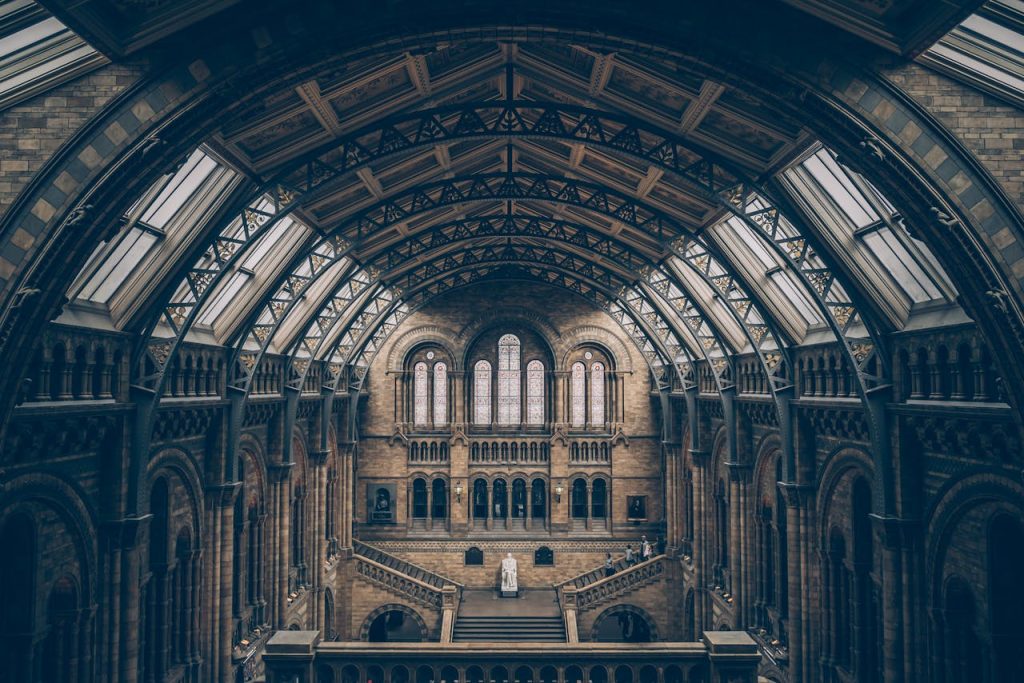
The London settles into a steadier pace as back to school season begins. Tourist corridors remain active, but residential areas regain calm. Public transportation becomes more reliable, reflecting commuter schedules. The museums and cultural venues introduce fall programming tied to the academic year. Parks and streets feel oriented toward daily use rather than leisure crowds. Businesses adjust hours, and local routines dominate. Back to school travel reveals how London’s rhythm aligns with education cycles, subtly changing how the city functions, moves, and balances visitors alongside everyday urban life. The city feels orderly, practical, and shaped by routine rather than seasonal influxes.
Barcelona, Spain
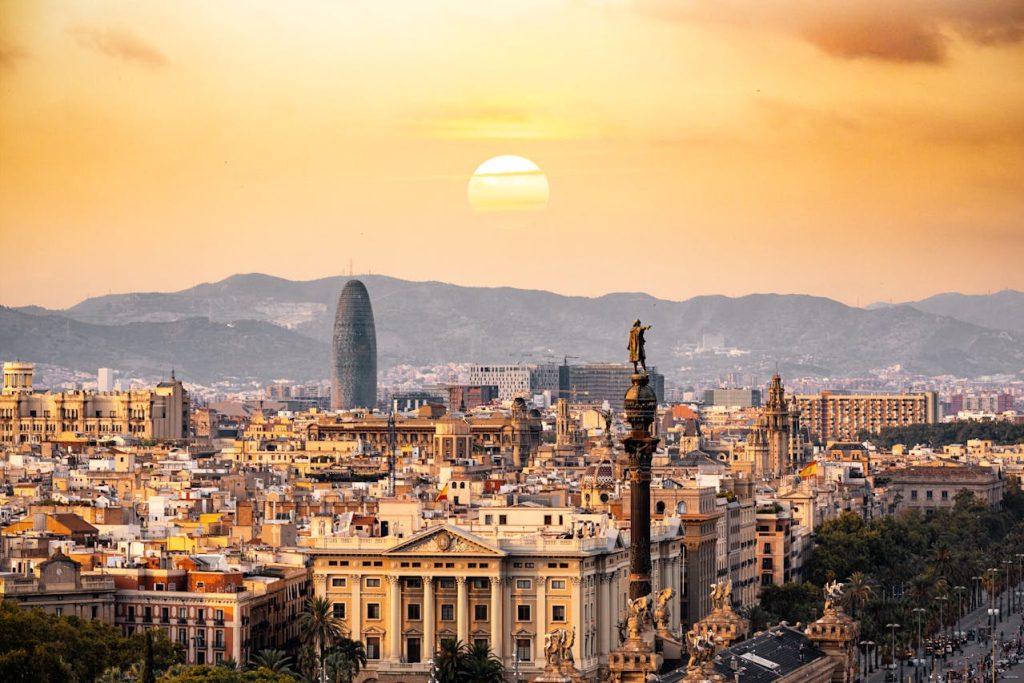
The Barcelona in Spain feels different once summer holidays end and schools reopen. Many beach activity slows, and neighborhoods return to local patterns. Streets feel easier to navigate, and public transportation reflects resident routines. Cultural institutions resume regular schedules, and markets refocus on daily shoppers. Restaurants shift away from tourist peaks. Back to school travel shows how education calendars reshape Barcelona’s pace, reducing congestion and restoring balance between visitors and locals. The city feels grounded again, defined by workdays, school hours, and familiar neighborhood rhythms. Everyday life regains prominence across streets, shops, and public spaces.
Amsterdam, Netherlands
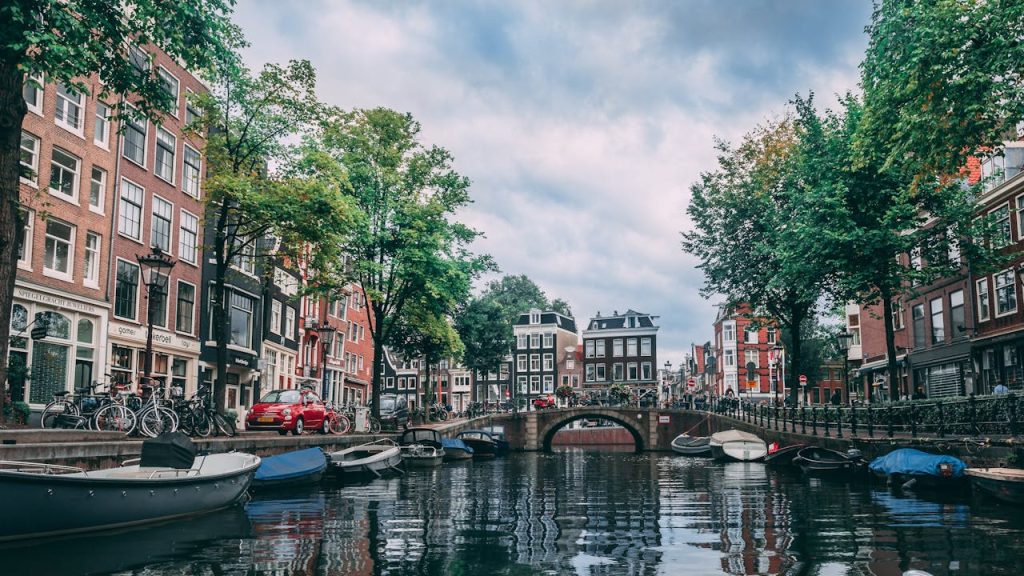
The Amsterdam of Netherlands changes as back to school season restores everyday life. Bike traffic shifts toward residents, and tourist density decreases. Museums and cultural spaces adjust programming to align with fall schedules. Neighborhood cafés feel more local, and public transportation becomes more predictable. Streets regain routine movement patterns tied to work and education. Back to school travel reveals Amsterdam’s functional rhythm, where tourism recedes slightly and daily life takes focus. The city feels organized, accessible, and shaped by local habits rather than seasonal visitor surges. Movement feels purposeful, reflecting education driven schedules and resident priorities.
Kyoto, Japan
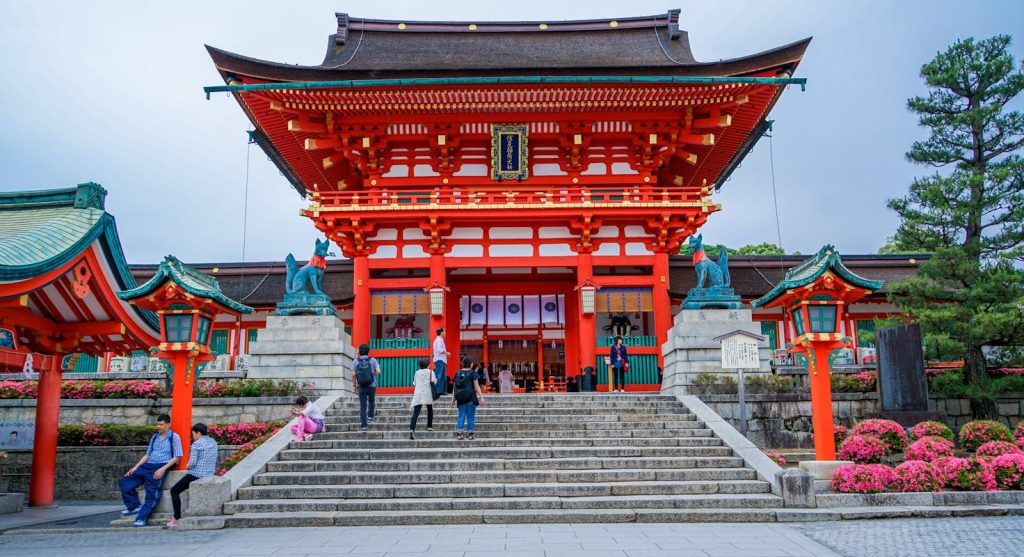
Kyoto becomes calmer as summer travel fades and schools resume. Tour groups thin, and public transportation feels less crowded. Neighborhoods return to daily rhythms shaped by education and work schedules. Cultural sites remain open but quieter, allowing routine use. Shops and cafés adjust hours to local patterns. Back to school travel highlights how Kyoto’s pace aligns with academic life, shifting focus away from peak tourism. The city feels more reflective, defined by everyday movement rather than seasonal congestion. Local routines become visible, shaping how spaces are used daily. Morning streets feel quieter, classrooms reopen, buses run on time, and neighborhoods regain familiar patterns.
Vancouver, Canada

Vancouver experiences a noticeable reset when schools reopen and summer travel slows. Parks and waterfronts feel less crowded, and neighborhoods regain regular patterns. Public transportation stabilizes around commuter schedules. Cultural venues resume fall programming tied to academic calendars. Restaurants and cafés reflect local routines rather than tourist demand. Back to school travel shows how education cycles influence Vancouver’s daily life, creating a calmer, more functional city atmosphere shaped by residents rather than seasonal visitors. The city feels balanced, practical, and aligned with everyday community needs. Morning commutes feel smoother, school traffic returns, and neighborhood services operate consistently again.
Berlin, Germany
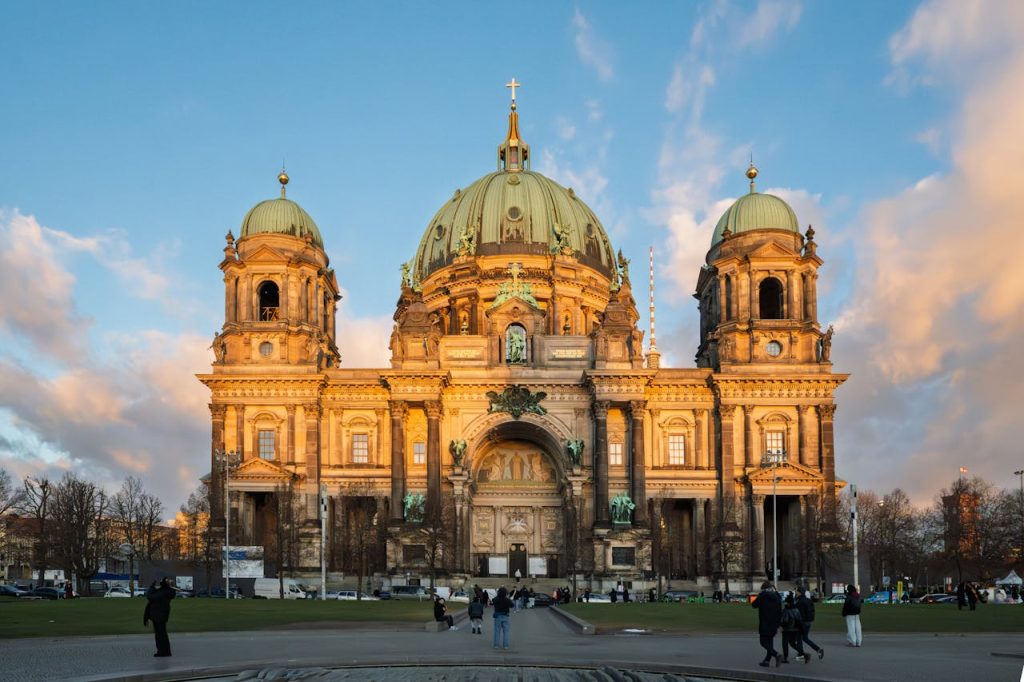
Berlin shifts back into structured routine as schools reopen and summer visitors depart. Neighborhoods feel more local, and public transportation aligns with commuter schedules. Cultural institutions launch fall seasons connected to academic life. Streets feel less transient, shaped by residents’ daily movement. Businesses adjust hours to reflect regular demand. Back to school travel reveals Berlin’s working rhythm, where education, culture, and urban life intersect. The city feels grounded, functional, and defined by everyday routines rather than peak seasonal tourism. Daily life becomes more predictable, reinforcing Berlin’s resident centered character. Offices refill, and neighborhoods regain familiar weekday structure.
Melbourne, Australia
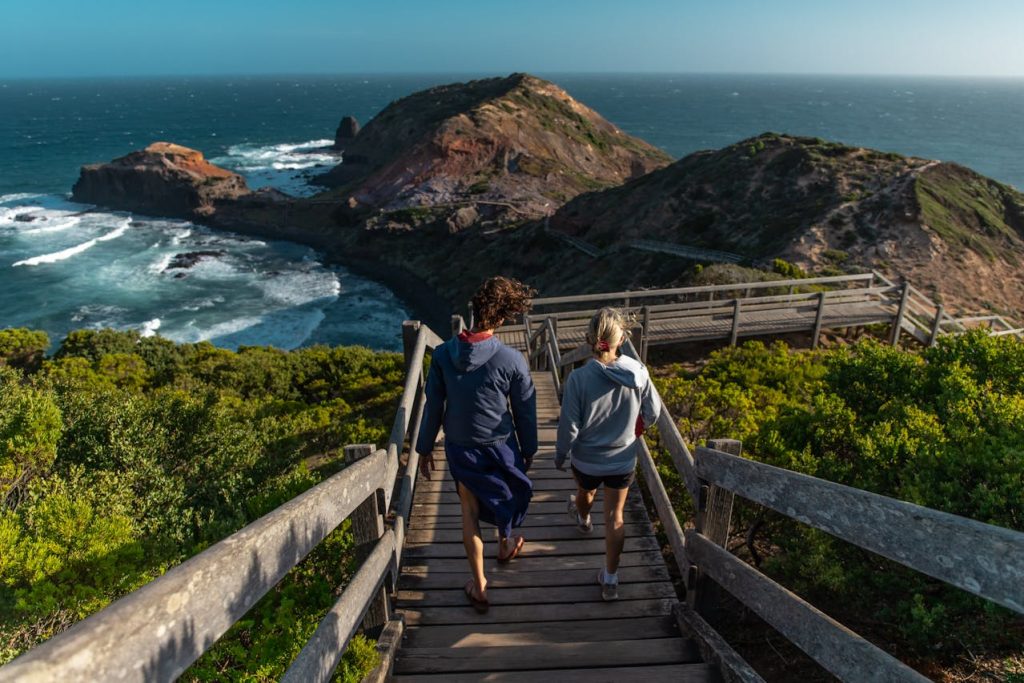
Melbourne experiences a subtle but clear shift as back to school season begins. Families return to routines, and neighborhoods feel more settled. Public spaces reflect daily use rather than holiday activity. Cultural venues align schedules with academic calendars, shaping attendance patterns. Cafés and shops adjust to local rhythms. Back to school travel highlights how education influences Melbourne’s pace, restoring balance between visitors and residents. The city feels focused, organized, and shaped by everyday life rather than extended seasonal travel. Daily habits regain prominence across neighborhoods, schools, and workplaces. Morning traffic steadies, classrooms reopen, and weekday rhythms reassert themselves.