10 Places Where Christmas Lights Shape Travel Plans
In December, some trips get planned around daylight. Others get planned around the moment the lights switch on. In these places, displays are not a quick photo stop. They pull dinner later, steer hotel choices, and turn ordinary streets into evening routes worth repeating. Smart planning becomes simple: keep daytime flexible, save energy for night walks, and build in warm breaks so the glow stays enjoyable. Where the lighting culture is strong, the best mood often arrives after dark, and travel naturally follows that rhythm.
New York City, New York
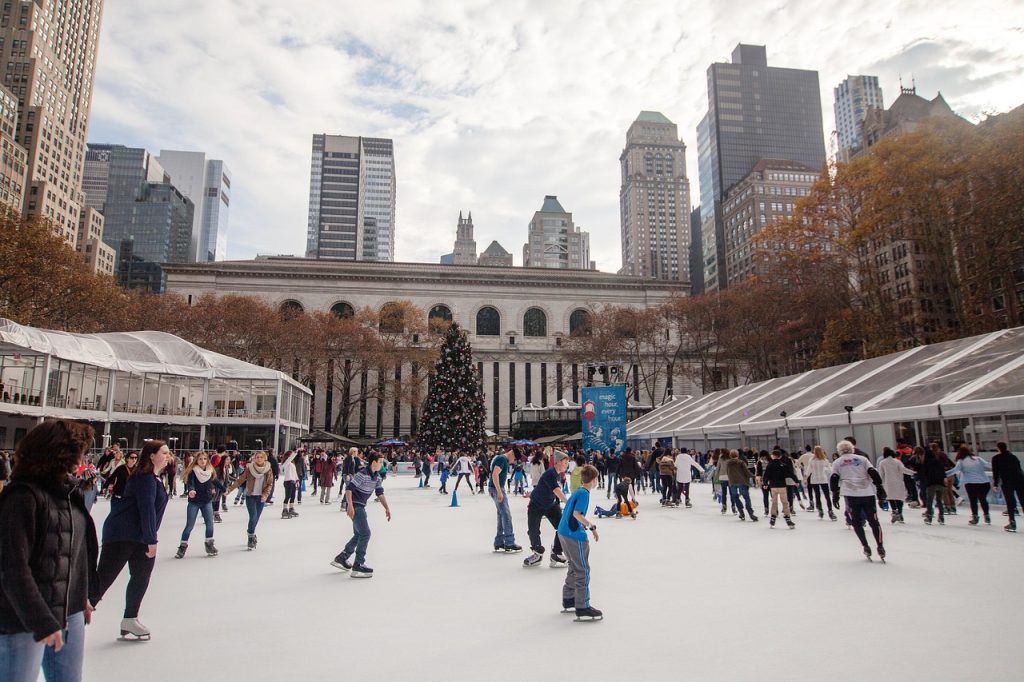
New York’s December plans often orbit around evening light walks, from Fifth Avenue windows to Rockefeller Center and the glow around Bryant Park. Even a short trip ends up scheduled around darkness, because the streets feel most alive once offices empty and storefronts switch into holiday mode. Hotels and dinners get chosen to keep the loop walkable, with subway hops used to stitch together neighborhoods without burning time in traffic. A late side trip to Dyker Heights can finish the night in a residential setting where decorations become the main attraction, while daytime stays reserved for museums, coffee stops, and warm lunches that protect energy for outdoor hours.
London, England
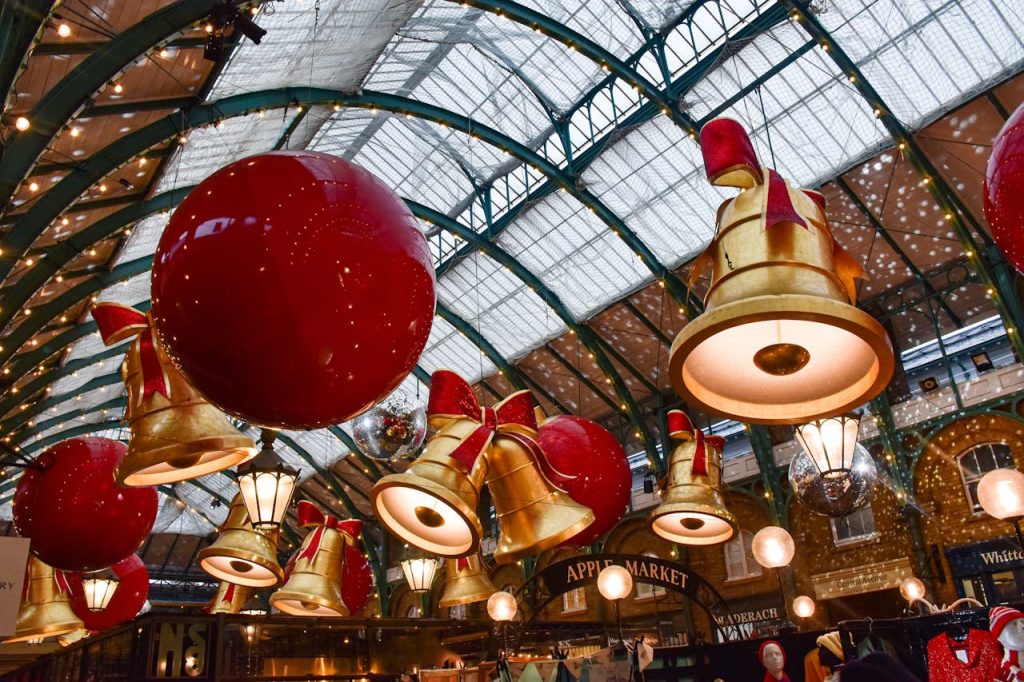
London’s holiday lights shape the evening map, pulling plans toward Regent Street, Covent Garden, and the West End, where streets feel built for a slow, glowing circuit. Daytime sightseeing gets handled earlier, then the city saves its best mood for after 5 p.m., when shop windows, indoor arcades, and markets brighten the walk between theaters and dinner. A typical night plan stacks a few Tube stops, a warm pub break, and a final stroll through Soho or along the Thames, because the lights are not background here, they are the route. Even on rainy nights, covered passages and stations keep the loop easy to keep.
Paris, France
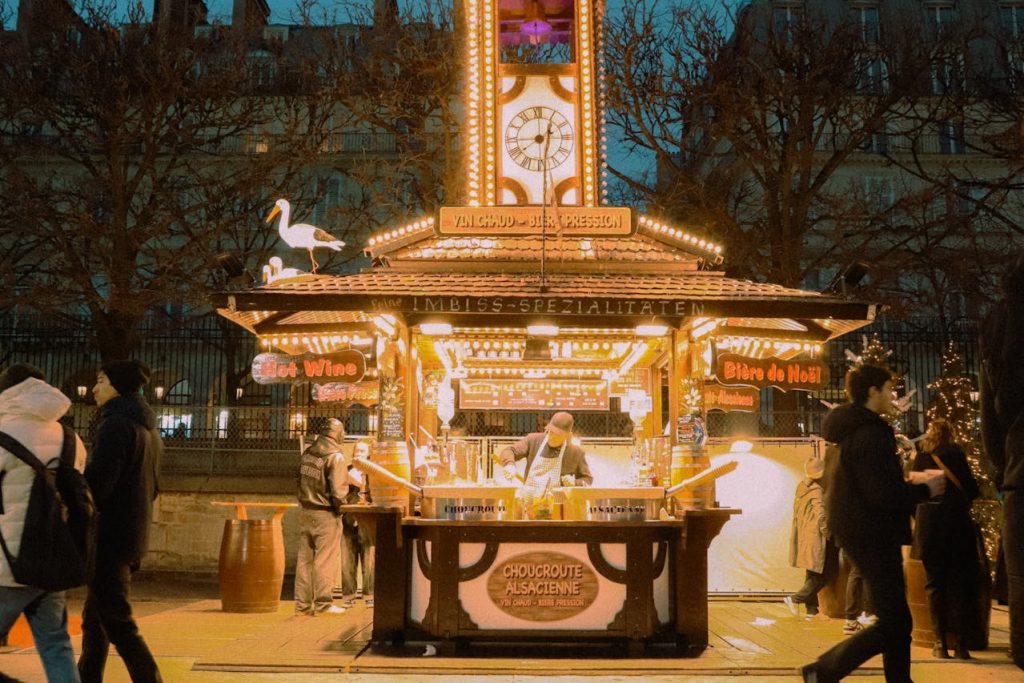
Paris treats December lighting like part of its nightly theater, with boulevards and department store windows drawing crowds that move slowly and happily. The schedule often flips, with museums and long café hours in daylight, then bridges and wide avenues after dark, when reflections on the Seine do half the work. Dinner naturally shifts toward neighborhoods that invite a post-meal stroll, and a simple plan, métro to a lit street, dessert, and a quiet loop past window displays, can feel complete without chasing monuments. Hotel choice matters because the best nights depend on being able to walk, pause, and keep going without a long commute.
Tokyo, Japan
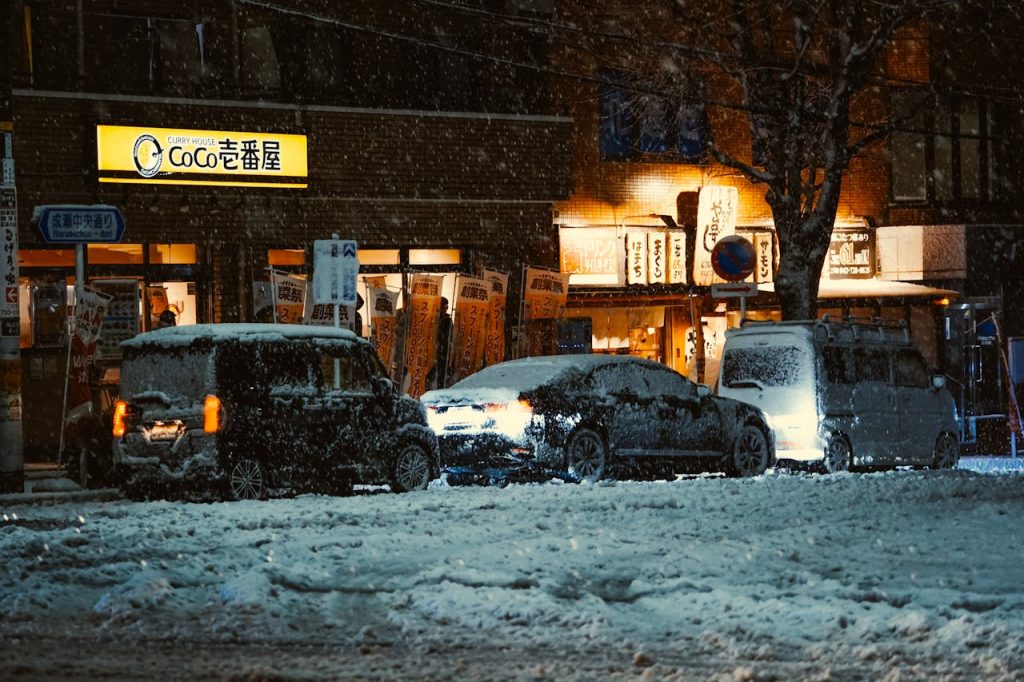
Tokyo’s winter illuminations make evenings the headline, so itineraries often place temples, museums, and markets in daylight and save key districts for night circuits. Marunouchi, Roppongi, and Omotesando turn sidewalks into light galleries with tidy viewing lanes and pop-up zones, then nearby cafés and food halls absorb the crowd and reset the pace. Because trains run late and transfers are clear, several displays can be linked without long gaps, which is why many travelers prioritize a hotel near a convenient rail line over proximity to one landmark. The best nights end with ramen or sweets, then a calm ride back while the lights keep the city feeling awake.
Seoul, South Korea
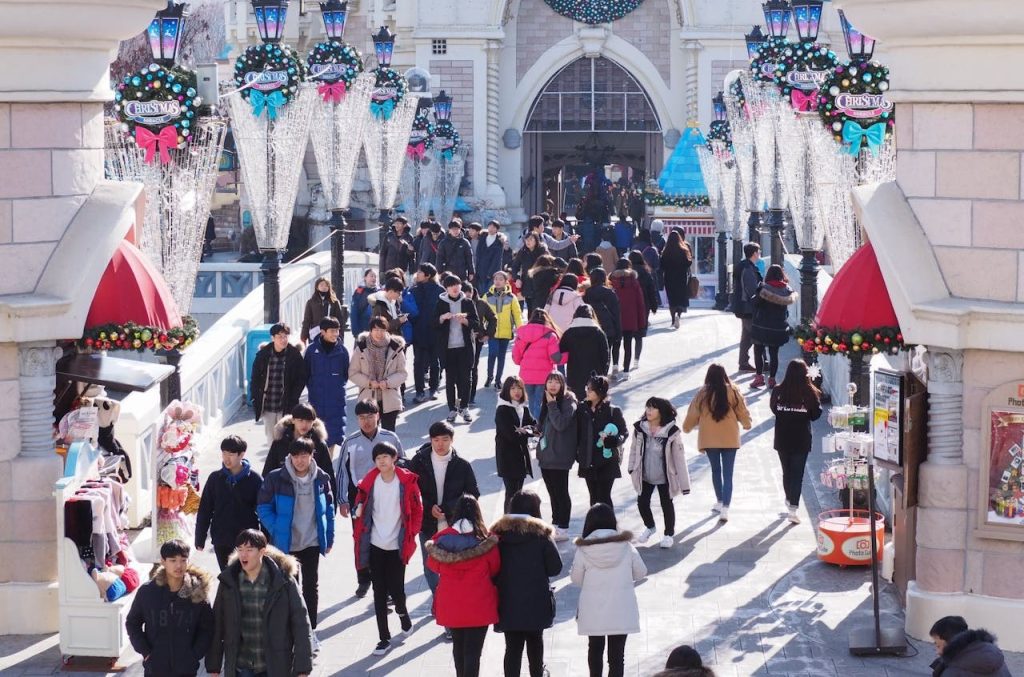
Seoul concentrates much of its holiday lighting in shopping districts and plazas, which quietly sets the nightly agenda for anyone short on time. Myeongdong, Gangnam, and major department stores lean into towering trees, window scenes, and photo spots, and street snacks make it easy to keep walking as temperatures drop. Days stay practical with palaces, markets, and museums, then the plan pivots after dark to a light loop that ends with late dessert and an easy subway ride. Weeknights often feel smoother and more local than weekends, when families and couples turn the displays into a shared evening outing and lines at cafés stretch a little longer.
Vienna, Austria
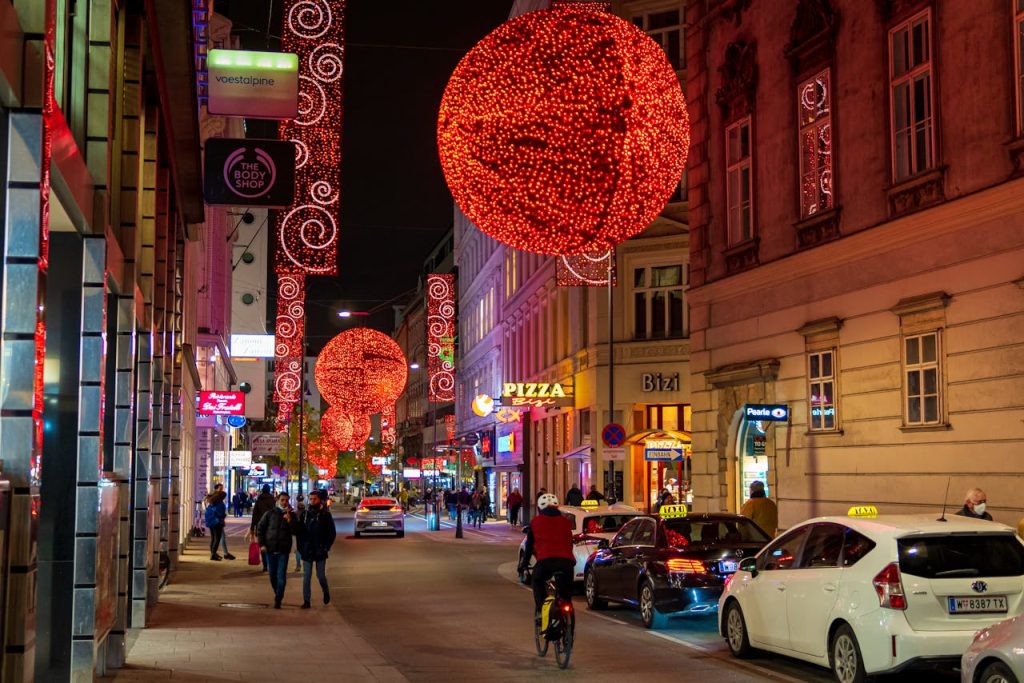
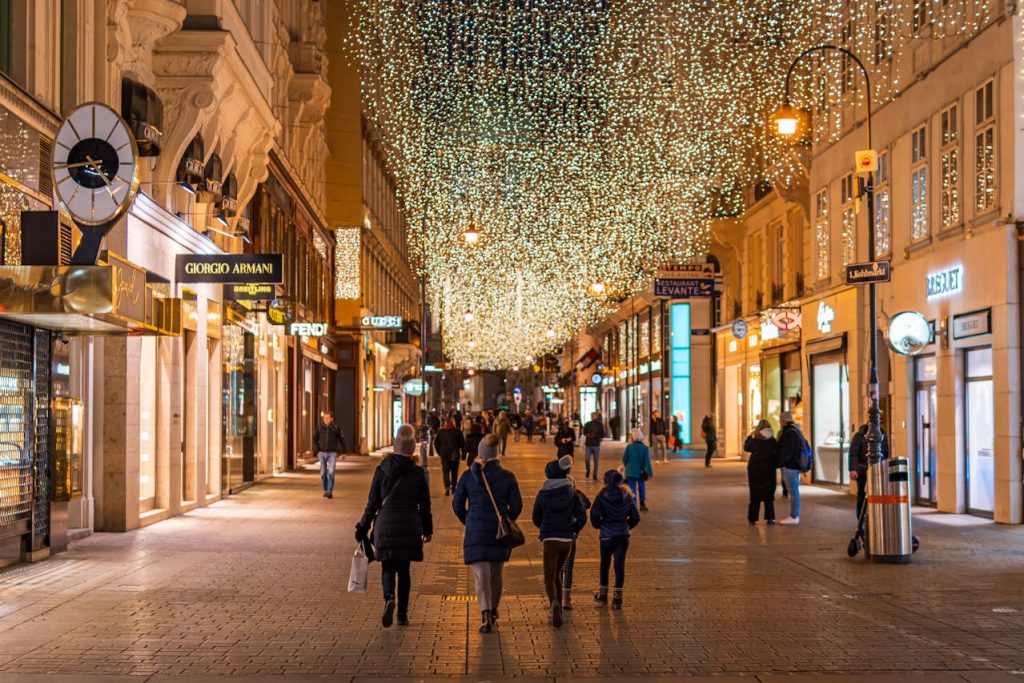
Vienna’s lights and Christmas markets work as one experience, so trips often become evening circuits between squares rather than a checklist of single sights. Rathausplatz, Stephansplatz, and smaller neighborhood markets glow with a classic style that suits slow browsing, warm drinks, and unhurried conversation, with stalls that favor ornaments, sweets, and small gifts. Daytime can be reserved for museums and coffeehouses, then the city takes over after 5 p.m., when lit façades, choirs, and stall-lined lanes make even a short walk feel complete. Many visitors plan multiple nights of markets because each one has a different feel, and the lighting makes the walk between them part of the reward.
Copenhagen, Denmark
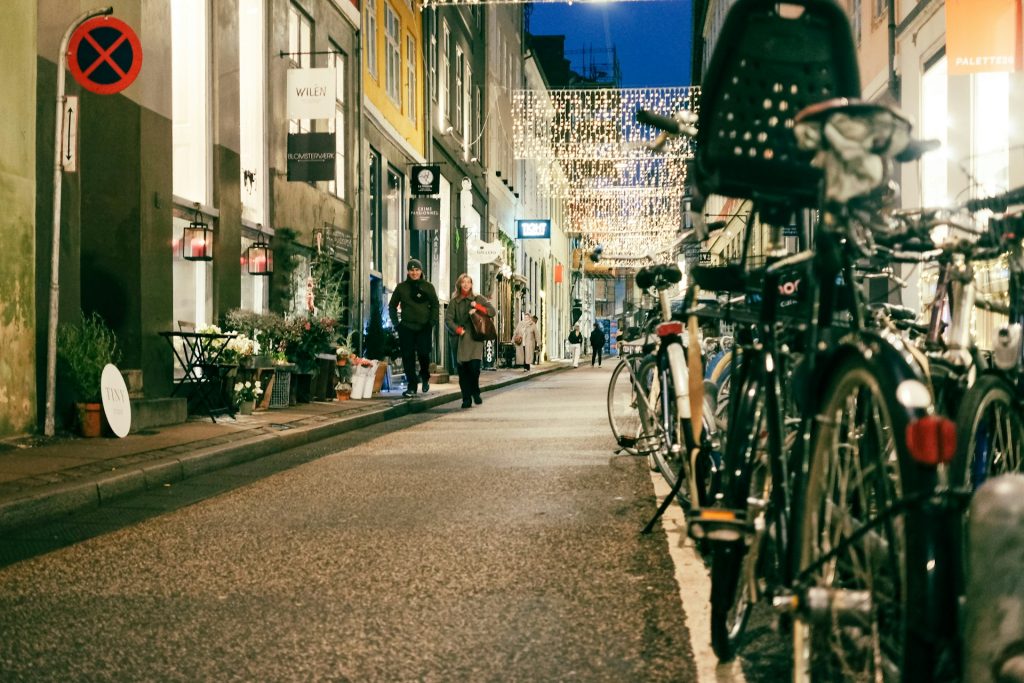
Copenhagen’s winter lighting pulls attention toward early evenings, when darkness arrives fast and the city leans into cozy. Tivoli Gardens can anchor the night, but the broader city adds warm-toned streets, candlelit windows, and canal reflections that make neighborhood walks feel planned, especially around Nyhavn and central squares. Travelers often stack museums and design shops for midday, then treat Indre By and Nørrebro as the reward, ending with a pastry and a quiet café table before heading back. The key is pacing: short outdoor loops, warm breaks, then another loop, because the lighting is at its best when the streets feel calm and lived-in, not rushed.
Quebec City, Quebec
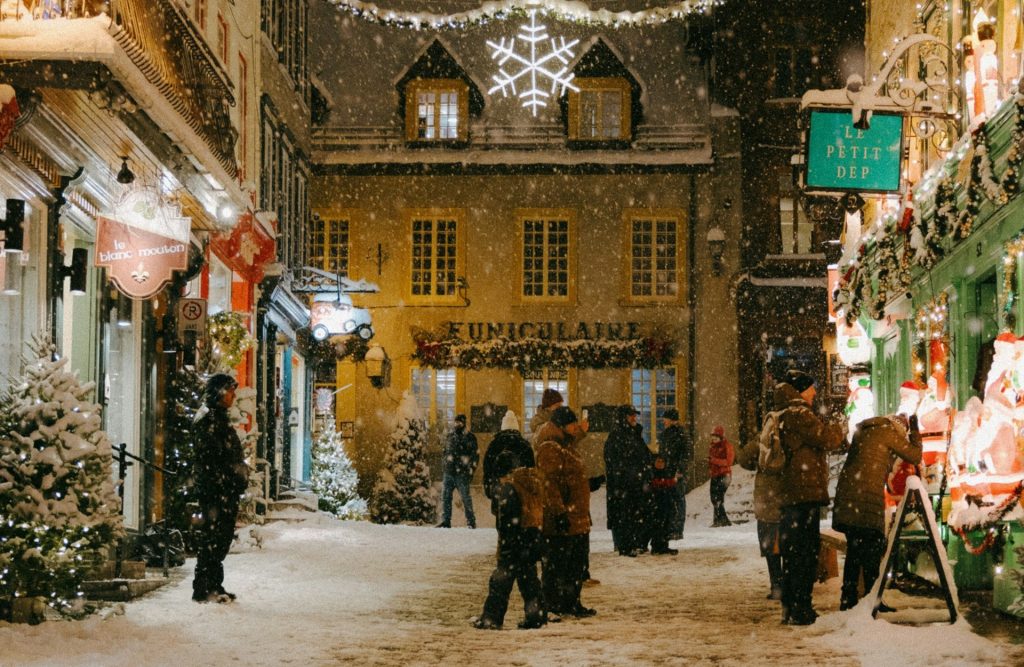
Quebec City’s stone streets and narrow lanes amplify holiday lighting, and that atmosphere can dictate where to stay and how to pace the day. The best nights are often simple: a loop through Old Québec, a pause at a viewpoint, and a warm drink that turns cold air into part of the charm, with shop windows and evergreen garlands doing the rest. Daytime sightseeing stays compact because the payoff arrives after dark, when roofs, lanes, and cafés glow together and the city looks like a living postcard. Even small detours feel worth taking, because the lighting flatters photos without effort and the streets feel safe, walkable, and quietly busy.
Medellín, Colombia
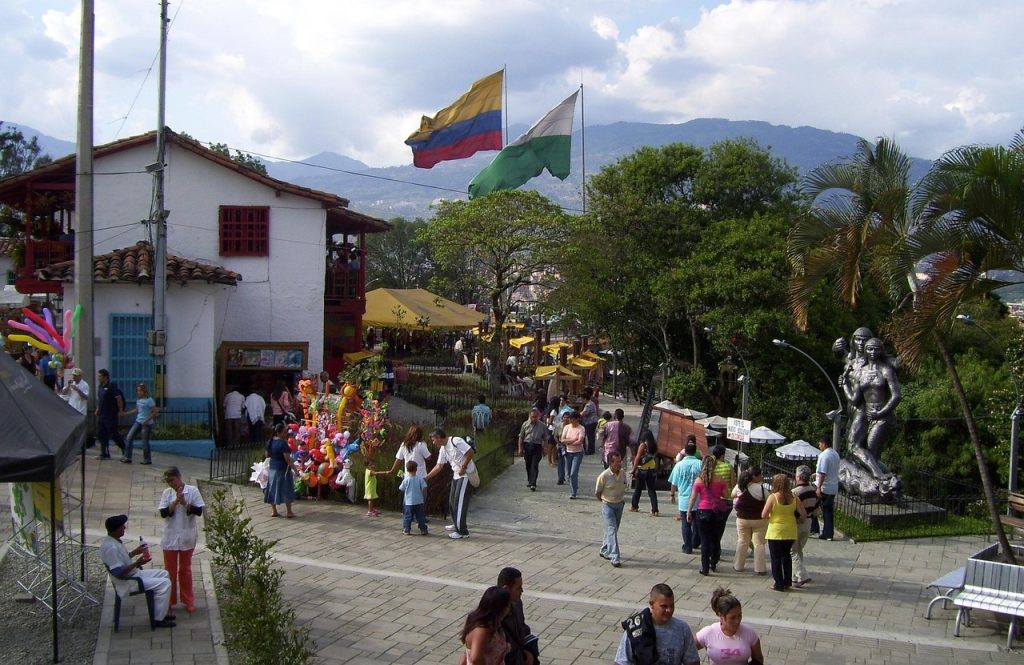
Medellín’s Alumbrados turn December into a city-scale light show, shaping itineraries around evening walks along the river corridor and nearby parks. Timing matters, because the experience changes once the installations switch on and families fill the promenades, so dinner is often booked early and close by, with transit planned to avoid long waits later. Daytime stays flexible with museums, cable car views, and coffee breaks, then the night becomes the headline, with neighborhoods chosen for easy access and a simple return route. The displays feel communal rather than exclusive, and that shared energy is what makes travelers plan multiple evenings around the lights.
Sydney, Australia
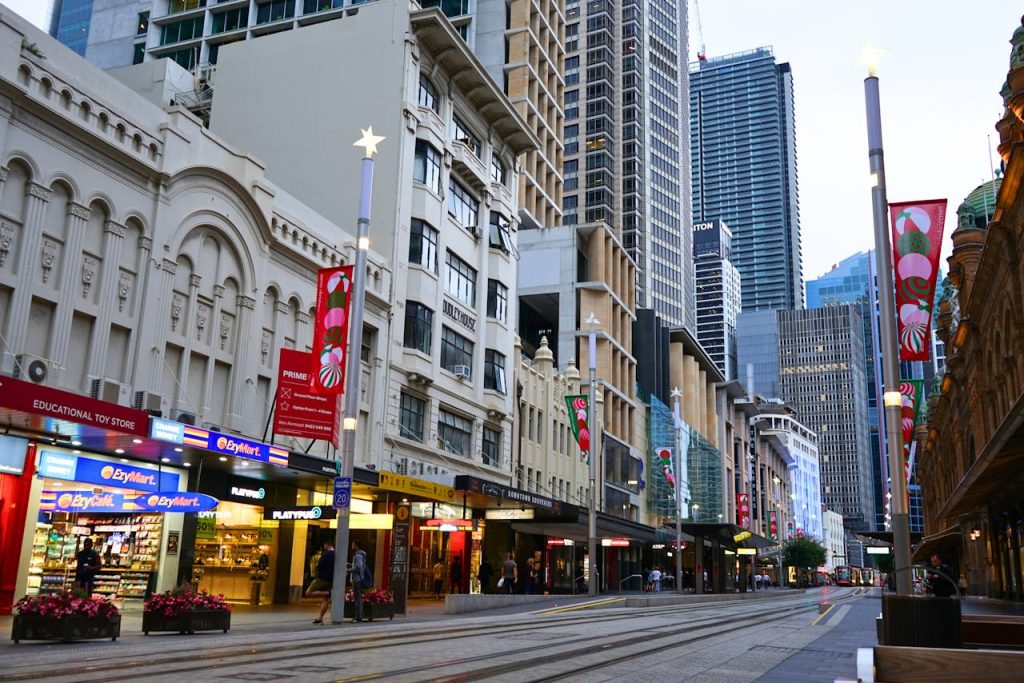
Sydney celebrates Christmas in summer, but lights still steer travel plans toward evening harbor walks and city-center displays. Projections and waterfront lighting influence where dinner happens, which ferry gets taken, and whether a night ends at Circular Quay, Darling Harbour, or a neighborhood strip with busy patios and late gelato stops. Because daylight runs long, sightseeing can stretch late and roll directly into a light walk after sunset, keeping the day smooth instead of split into rigid blocks. The best plans pair an easy daytime schedule with an evening loop that stays near transit, so the glow feels relaxed, not like a last-minute scramble to reach a single viewpoint.