10 Places Where Cold Weather Improves the Atmosphere
Cold weather can sharpen a destination’s mood in a way warm seasons rarely match. Streets grow quieter, air turns crisp, and warm light in windows feels earned instead of decorative. In the right places, winter brings clearer views, richer food, and rituals built for community, from sauna sessions to market stalls and candlelit squares. The best cold-season atmospheres are not about enduring low temperatures. They are about how a city or landscape responds: slower pace, softer sound, and a sense of belonging that arrives with the first breath of cold.
Reykjavik, Iceland
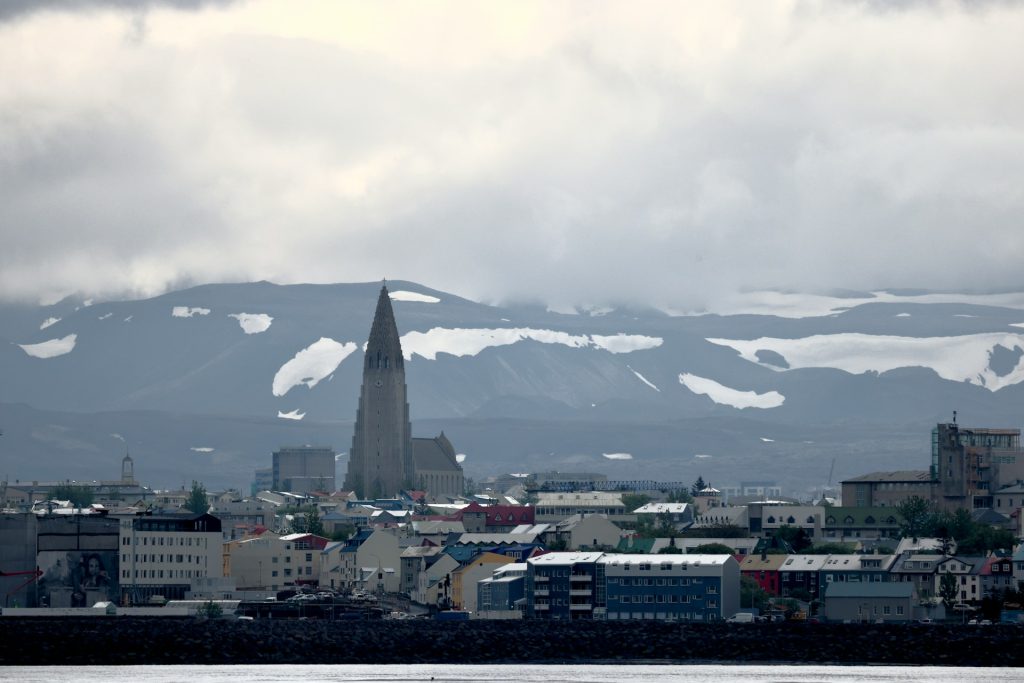
Reykjavik feels warmer when the air is colder, because winter nudges life indoors and makes every pool, bakery, and bar glow with purpose. People move between geothermal baths, wool-lined cafés, and low-lit music spots, then step outside to a sky that turns violet early, with sea air cutting clean across the harbor and Harpa’s glass catching the last light. The city’s small scale suits long walks past colorful roofs, bookshops, and quiet waterfront paths, where streetlights soften the dark, Hallgrímskirkja stands like a beacon, and clear nights can invite a northern-lights chase followed by lamb soup.
Québec City, Canada
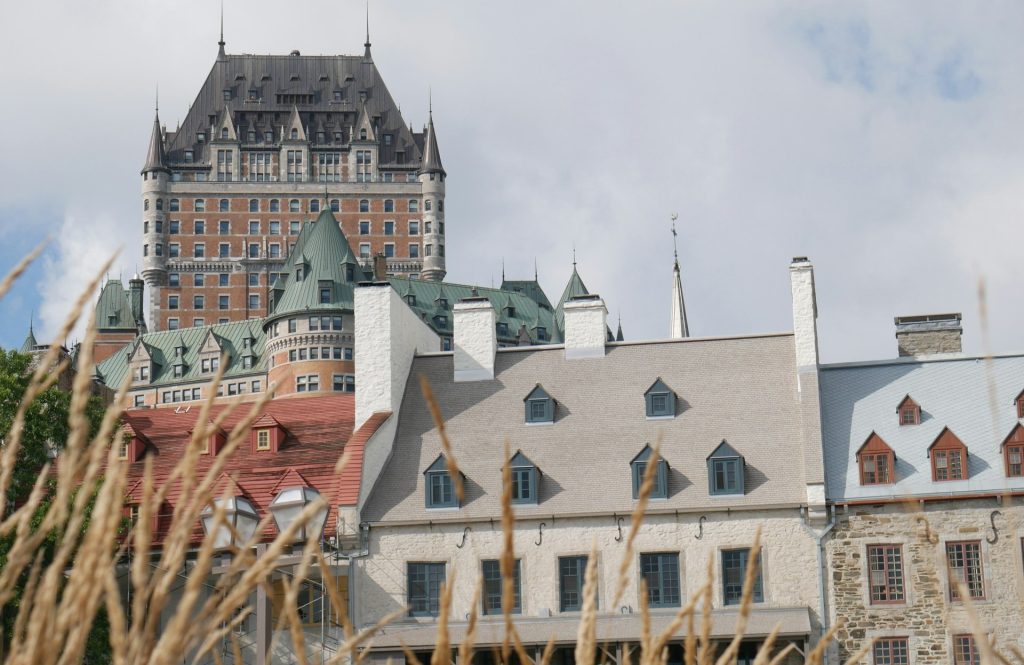
Québec City gains drama in the cold, when stone streets shine under packed snow and the old ramparts feel made for lantern light, slow steps, and quiet conversation. Winter terraces, maple treats, and hot drinks turn plazas into living rooms, and the skyline looks sharper against a pale sky as stairways, gates, and alleys settle after dusk, with river air making everything feel crisp. Nearby, the seasonal Hôtel de Glace turns winter into art, with sculpted corridors, themed suites, and an ice bar that makes the chill part of the story, while carnival season energy keeps the mood playful.
Vienna, Austria
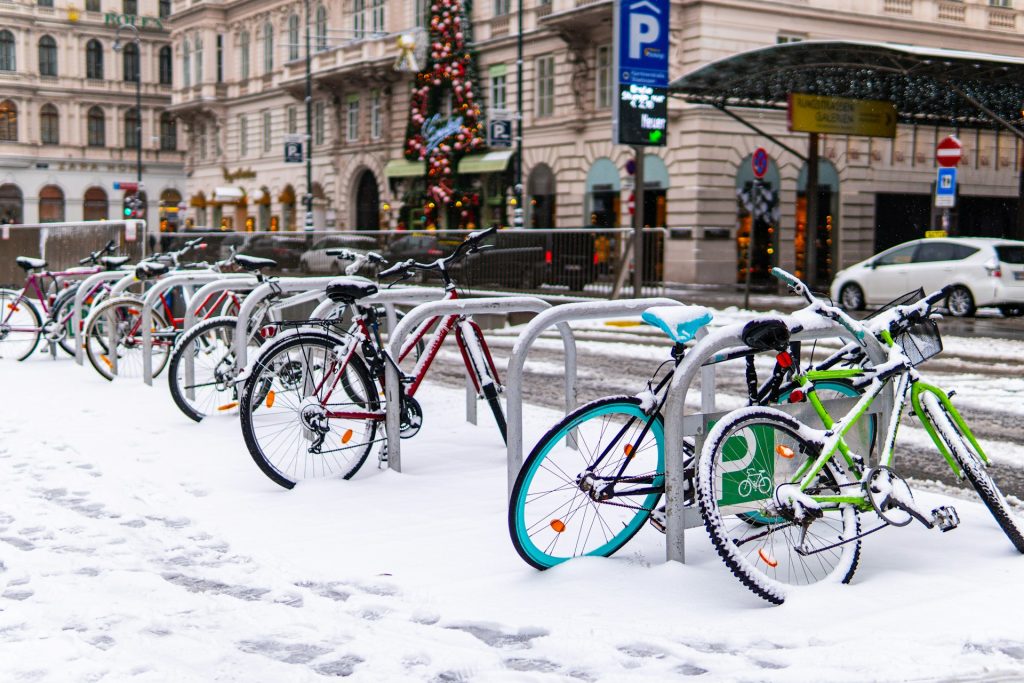
Vienna in winter is built for slow elegance, with coffeehouses as refuges and streets that feel calmer once the air turns sharp and the pace drops a notch. The cold makes façades, tram lines, and museum entrances read clearly, and the rhythm becomes concerts, pastries, and long gallery afternoons that end with soup, cake, and a final espresso at a marble table. Christmas markets add scent and sound, from roasted nuts to choirs, with mulled punch steaming in cups, and locals linger under lights and evergreens because the mood is cozy, measured, and quietly festive without trying too hard.
Prague, Czechia
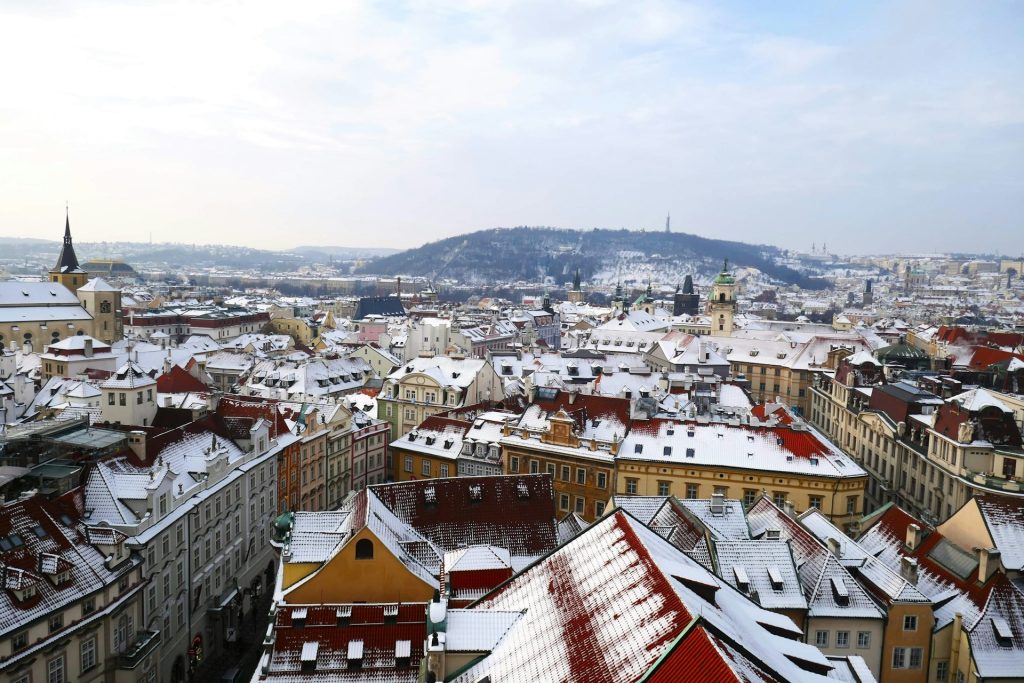
Prague’s beauty can feel crowded in warm months, but cold weather restores scale and quiet, especially at dawn when Charles Bridge and old squares belong to commuters and shopkeepers. Fog along the Vltava, early sunsets, and the soft scrape of boots on cobbles give the city a hushed, lived-in feel, with warm light pooling in doorways, tram stops, and taverns. A tram ride, goulash, and a pastry stop knit the day together, and the towers and spires look more dramatic when the sky is pale and the river moves slowly, making each bell seem to carry farther across rooftops after dark.
Tallinn, Estonia
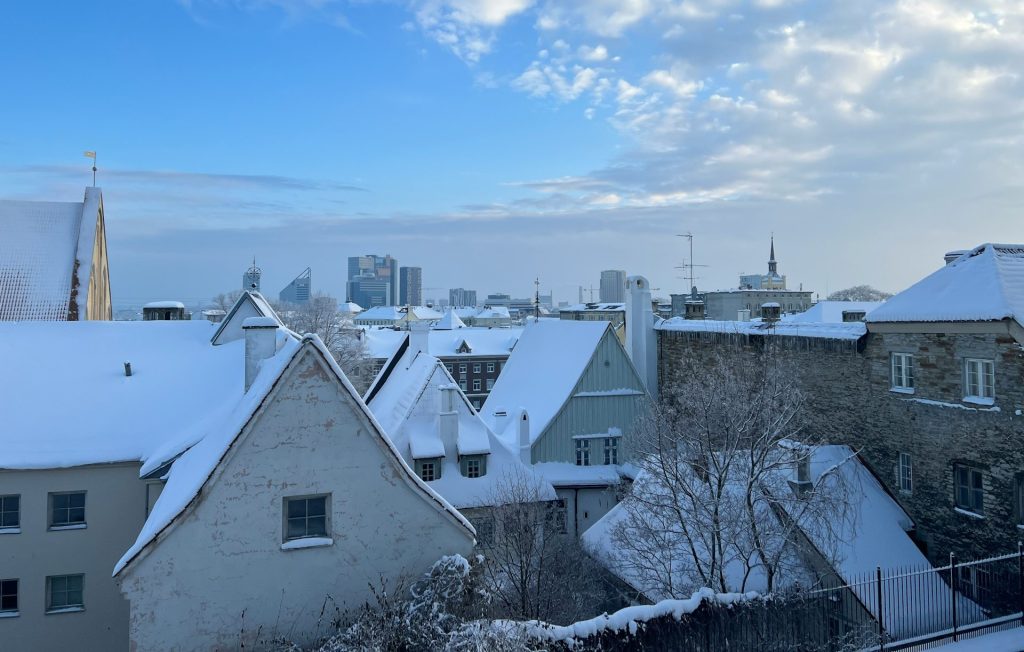
Tallinn’s medieval core feels more believable in winter, when snow softens the stone, steep lanes slow everyone down, and shop windows glow like small hearths after 4 p.m. The cold makes cafés and candlelit restaurants feel intimate, while walls and towers become silhouettes against clear Baltic light that seems to polish every edge and rooftop. Seasonal markets and knitwear stalls add practical warmth, and sauna culture turns evenings into a ritual, so a short walk from Toompea to the harbor can feel like moving between centuries in one hour, with sea wind sharpening the senses and hot pastries tasting better.
Kyoto, Japan
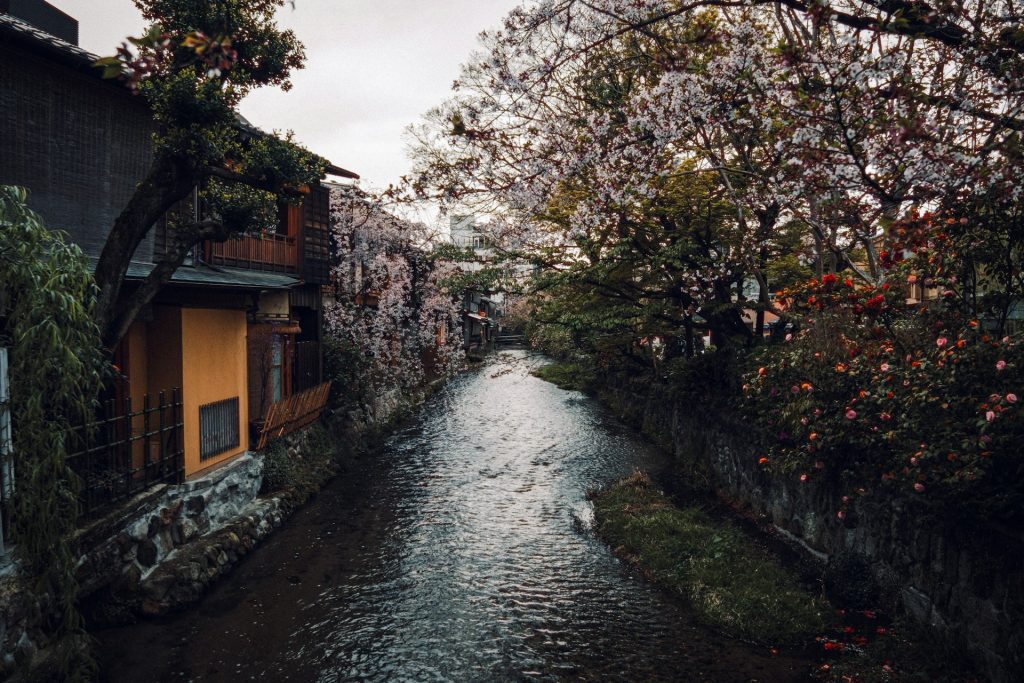
Kyoto’s winter atmosphere comes from restraint: crisp air, fewer crowds, and temples that feel quieter once tour groups thin and mornings begin with soft sweeping sounds. Gardens look cleaner under bare branches, and small rituals stand out, like incense drifting through a wooden gate, steam rising from a noodle shop, or a slow tea service that sets a calm tempo. The cold makes hot bowls and nearby onsen escapes feel earned, while evening lanterns along narrow alleys read as steady light rather than decoration. In the blue hour before dinner, older streets feel private, contemplative, and gently alive.
Banff, Alberta
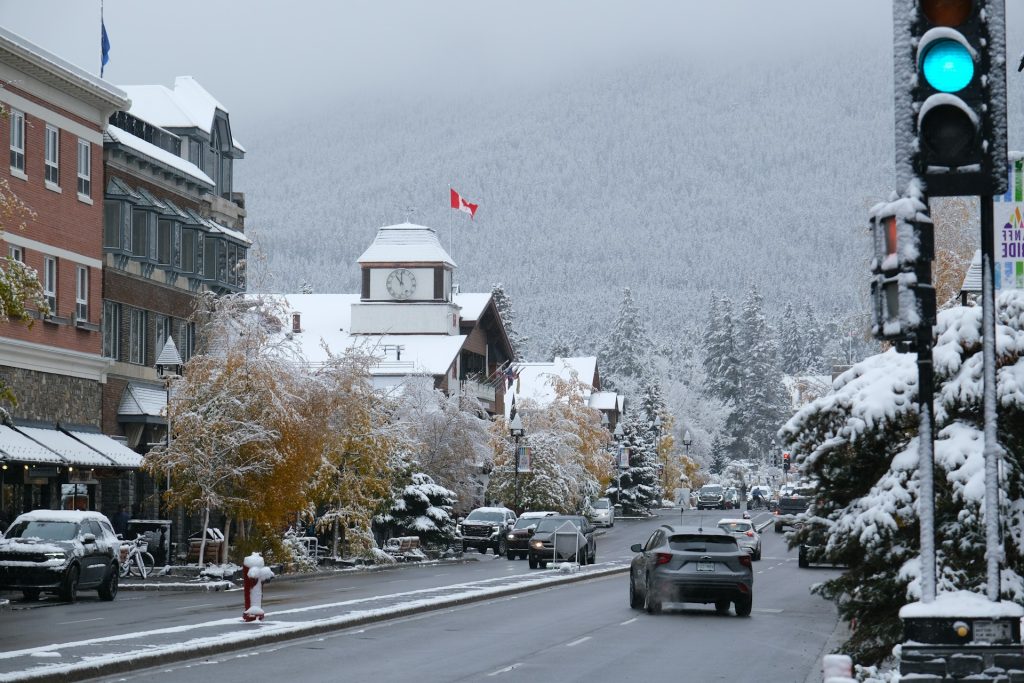
Banff becomes its clearest self in the cold, when peaks sharpen, lakes freeze into glassy plates, and the town feels like a real basecamp rather than a crowded postcard. Short daylight pushes days toward a clean loop: a quiet trail, a skate, or a gondola view, then a return to firelight, stew, and dry gloves laid out to warm while snow falls outside and pines hold the hush. Even the air has a snap that makes breathing feel like a reset, and the silence after fresh snowfall can carry farther than any soundtrack, with hot springs offering a warm pause against icy ridgelines.
New York City, New York
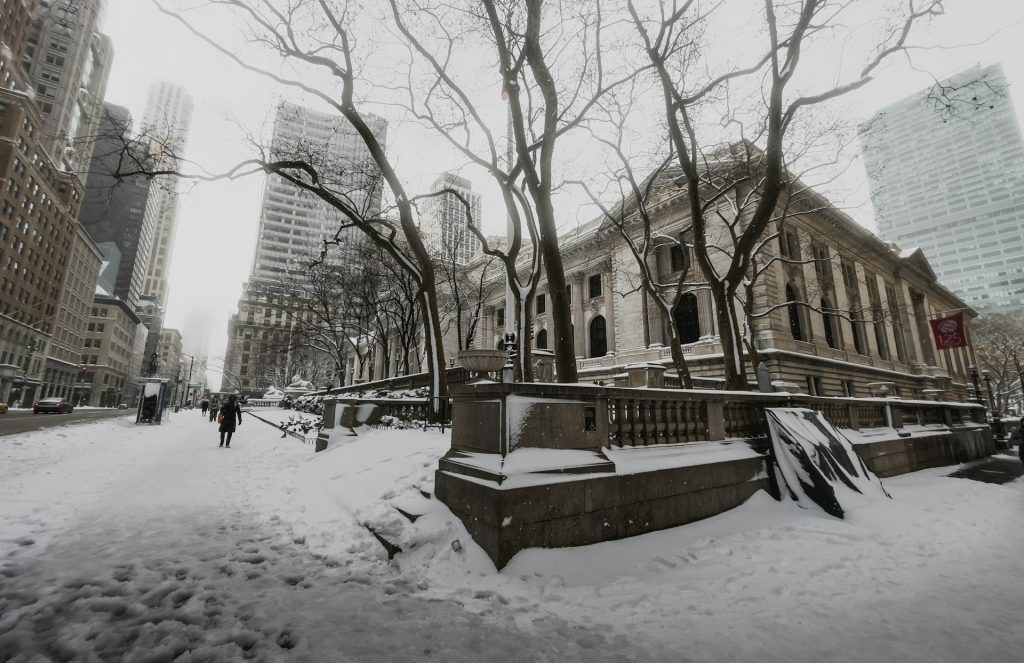
New York in winter trades gloss for character, and that shift can make the city feel more human and less performative, especially outside the holiday rush. Sidewalk steam, early darkness, and the smell of roasted nuts turn ordinary blocks into scenes, while museums, jazz rooms, and old diners feel like shelter instead of a checklist. After a dusting, Central Park grows quieter and more generous, and brownstone streets look cinematic under soft light. Locals move with focused pace, making the city’s energy feel directed, not frantic, with warm subways, corner bodegas, and late-night slices acting like small anchors.
Rovaniemi, Finland

Rovaniemi’s cold is part of its identity, and winter turns the landscape into a clean stage for light, silence, and practical routines that locals take seriously. Days revolve around saunas, snow trails, and reindeer culture, with cabins glowing against long blue twilight and the Arctic Circle marked for a small ceremonial pause. Clear nights can bring aurora watching, but the best moments often happen between activities, when breath hangs in the air, boots squeak on snow, and the forest feels close and still. Warm drinks taste sharper, conversation slows down, and the town’s winter rhythm feels steady rather than showy.
Harbin, China
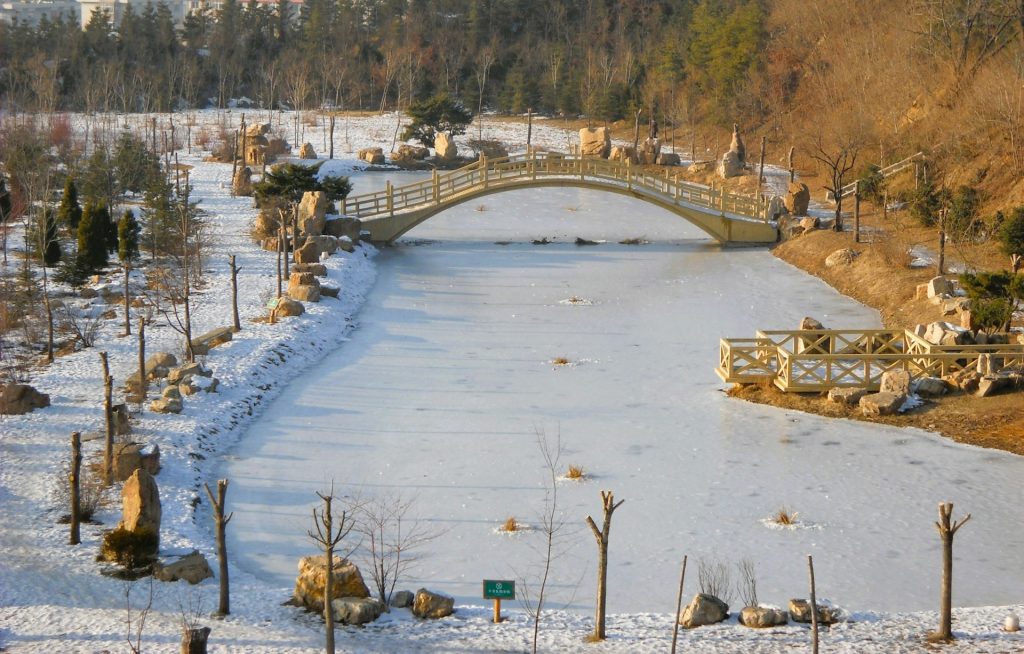
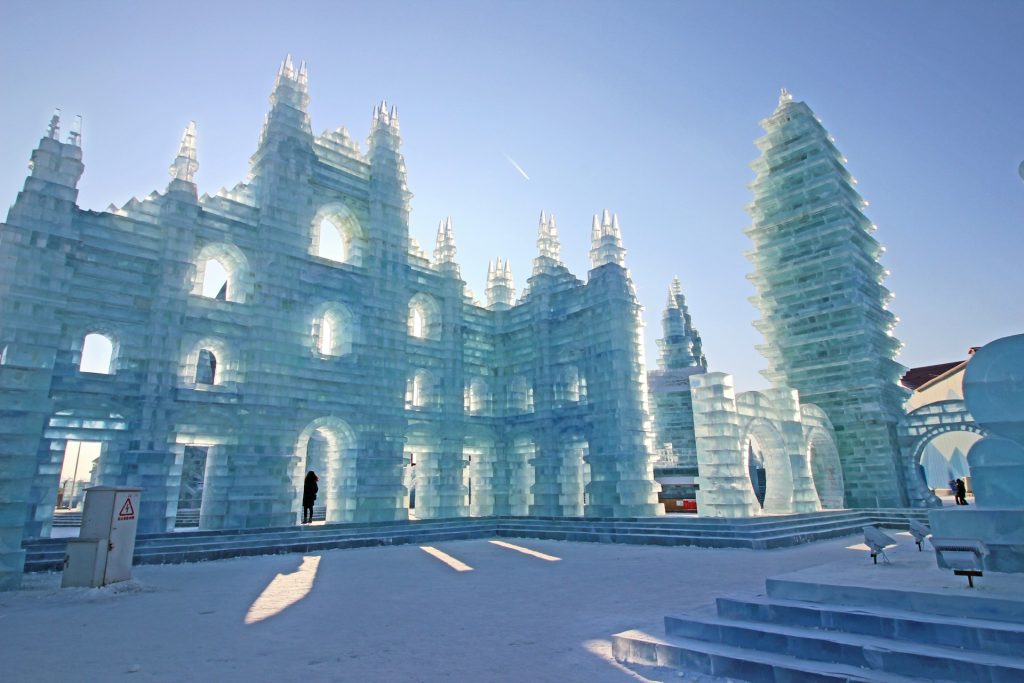
Harbin leans into winter with confidence, transforming deep cold into a citywide display of illuminated ice architecture and shared wonder. The Harbin Ice and Snow Festival fills parks with towering sculptures that glow from within, and crowds arrive bundled because the cold is the admission price and the point, not a side effect. Street food and hot tea keep the mood grounded, so the experience feels like a northern city showing off craft, not a novelty. Late at night, light reflects off snow like glass, families linger for photos, and the crisp air sharpens every outline, making the whole city feel temporarily rebuilt.