10 Places Where Drones Are Getting Tourists in Serious Trouble
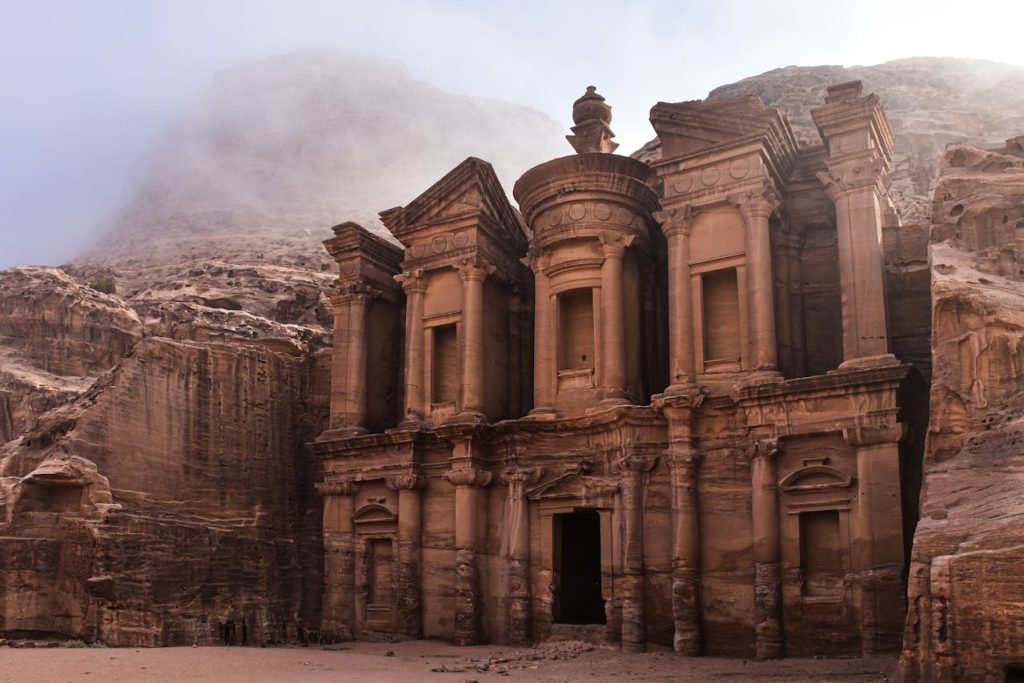
A drone can make a familiar landmark feel new, but travel rarely comes with open airspace. Many destinations treat small uncrewed aircraft like regulated vehicles, with rules shaped by crowds, wildlife, security perimeters, and busy airports. Trouble often starts in the gaps: a boundary line that is hard to see, a permit threshold that sounds minor, or a no-fly zone that begins right where the best view opens up. For visitors, the real skill is not piloting. It is planning.
U.S. National Parks (Grand Canyon, Yosemite, Zion)
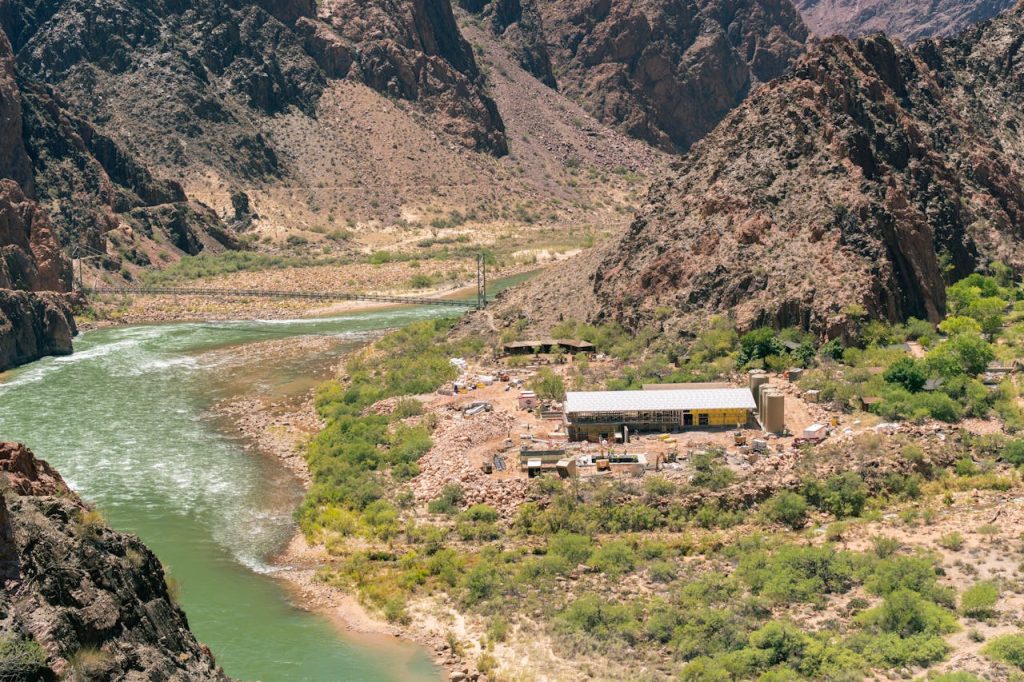
In many U.S. national parks, the scenic overlook temptation collides with a clear land rule: launching, landing, or operating uncrewed aircraft is broadly prohibited. A drone that is fine in a nearby town can become off-limits right after the entrance booth, even if it never passes over people. Rangers point to noise, wildlife stress, and the shared experience as the reason. Some visitors try lifting off from a roadside pullout they assume sits outside the park, but boundaries are not always obvious. The result is often a grounded day, a stern warning, and paperwork that steals time better spent walking.
Washington, D.C.
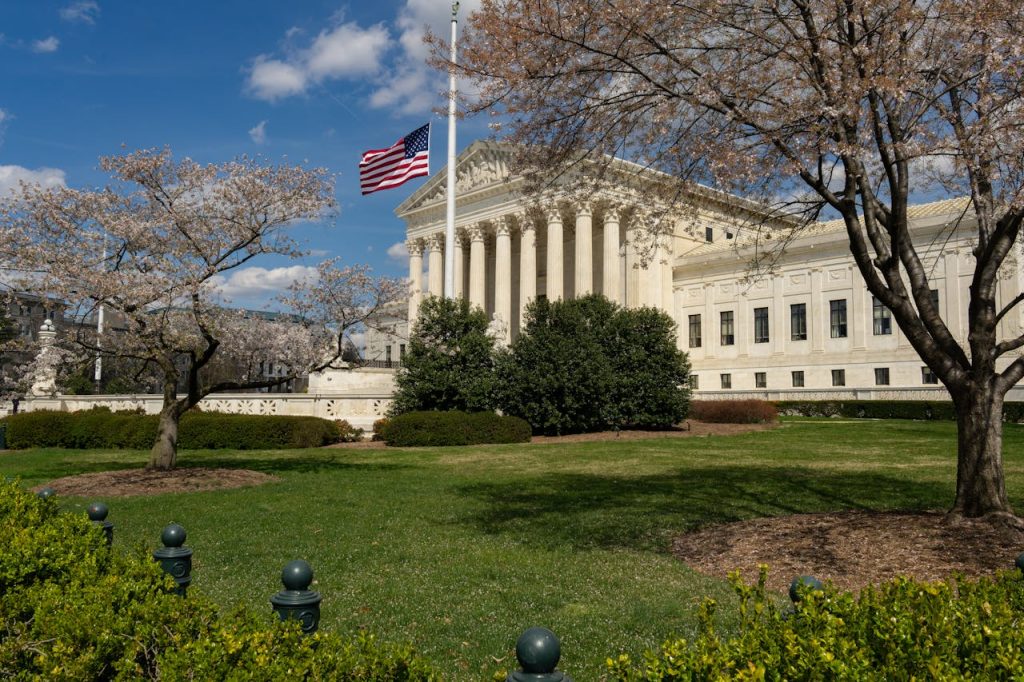
Washington’s monuments look made for aerial shots, which is exactly why the airspace becomes a trap. The region sits under layered restrictions, and the boundary is easy to cross without realizing it when a traveler is moving between viewpoints. A quick takeoff near the Mall, the Potomac, or a rooftop terrace can trigger attention fast, even if the flight lasts seconds. Signs can be missed when plans run late and crowds are thick. What begins as a casual hobby moment can turn into questioning, reports, and the risk of penalties or equipment loss, because the city’s security posture is built for caution, not second chances.
Central Paris (Eiffel Tower, Louvre Area)
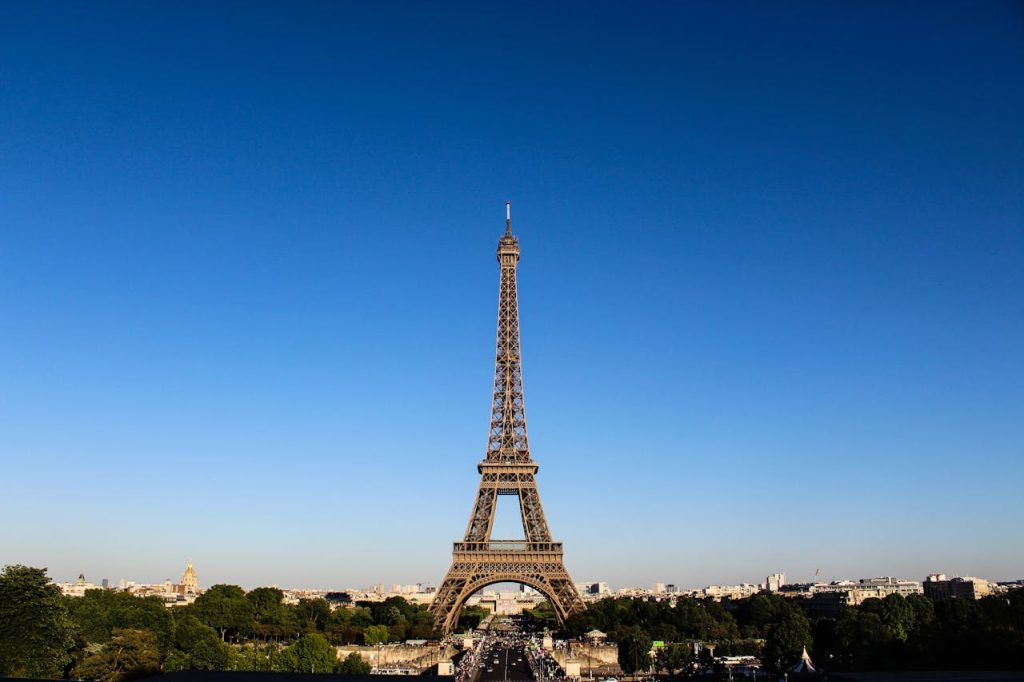
Paris is dense, famous, and tightly controlled from the sky. Visitors may assume an empty bridge or a quiet early morning creates a safe window, but restrictions are tied to security, crowds, and the complex airspace of a capital city. Even a short hover can draw reports from residents, and enforcement can follow quickly in central districts where visibility is high. The mistake is treating the city like a postcard backdrop instead of a regulated zone. Paris still rewards photography, but it rewards ground angles, long lenses, and patience, not propellers.
Taj Mahal, Agra
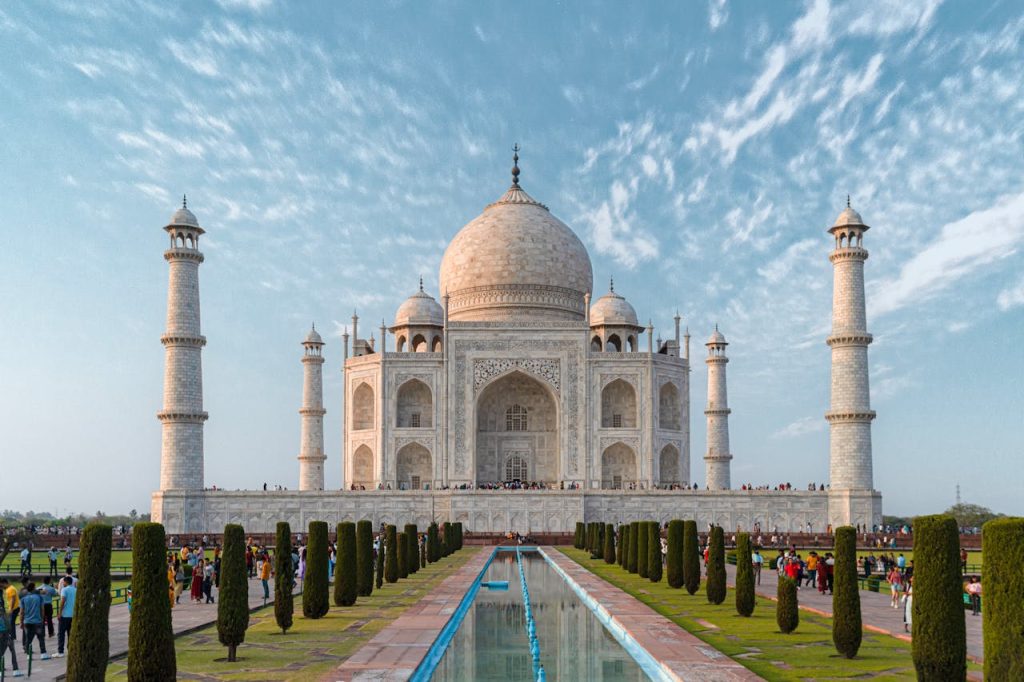
At the Taj Mahal, drone use is treated as a hard boundary, not a gray area. Visitors who pack a drone for one perfect marble-and-gardens sweep can end up in longer screening, asked to store gear, or sent back to a hotel, which quietly consumes the best light of the day. With timed entry and tight tour schedules, that detour matters. Some travelers also underestimate how wide the restriction feels on the ground, because the monument’s security footprint extends beyond the main platform and into approach spaces. The safest move is leaving the drone out of the plan entirely.
Machu Picchu Historic Sanctuary
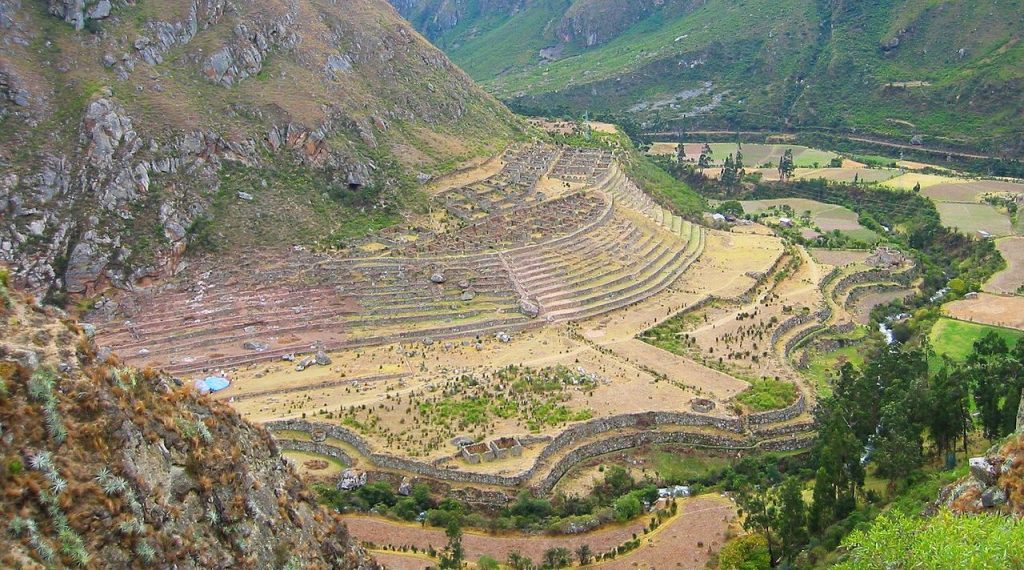
Machu Picchu’s drama comes from the ridge line and the silence, and the rules protect both. Drones are treated as a prohibited item in the sanctuary, and that includes small models that look harmless in a backpack. Many travelers learn the restriction late, after the early bus climb, when staff points to posted rules and explains that violations can end a visit on the spot. Beyond crowd safety, the concern is conservation and the calm that makes the ruins feel alive. The best images usually come from patience on the terraces and a steady hand, not a buzzing flight that disrupts everyone.
Dubai (Green-Zone Flying Only)
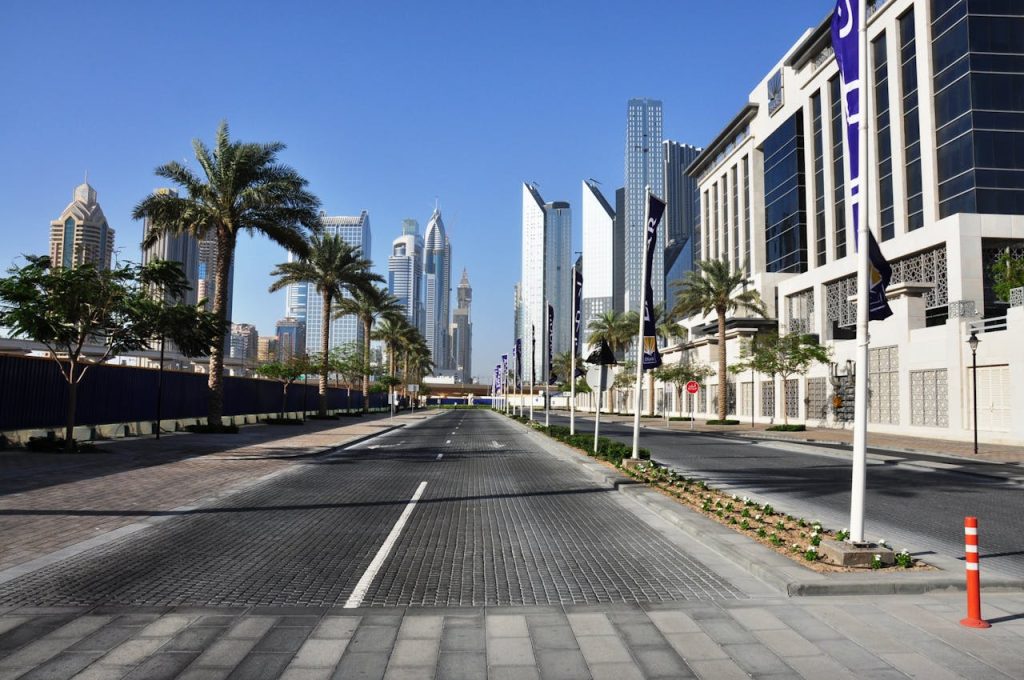
Dubai can feel like a drone playground, but the city’s message is map-first and specific. Recreational flying is generally limited to designated zones, and a skyline lift from a hotel balcony, a beach promenade, or a desert pull-off can turn complicated if the spot sits outside approved areas. Tourists often misread an open stretch of sand as permission, yet the city blends towers, highways, and sensitive infrastructure in tight proximity. A few hundred meters can be the difference between a clean clip and a confiscated drone paired with fines and formal reports. The wise move is checking the official zones before the day begins.
Singapore (Permits Triggered by Location and Height)
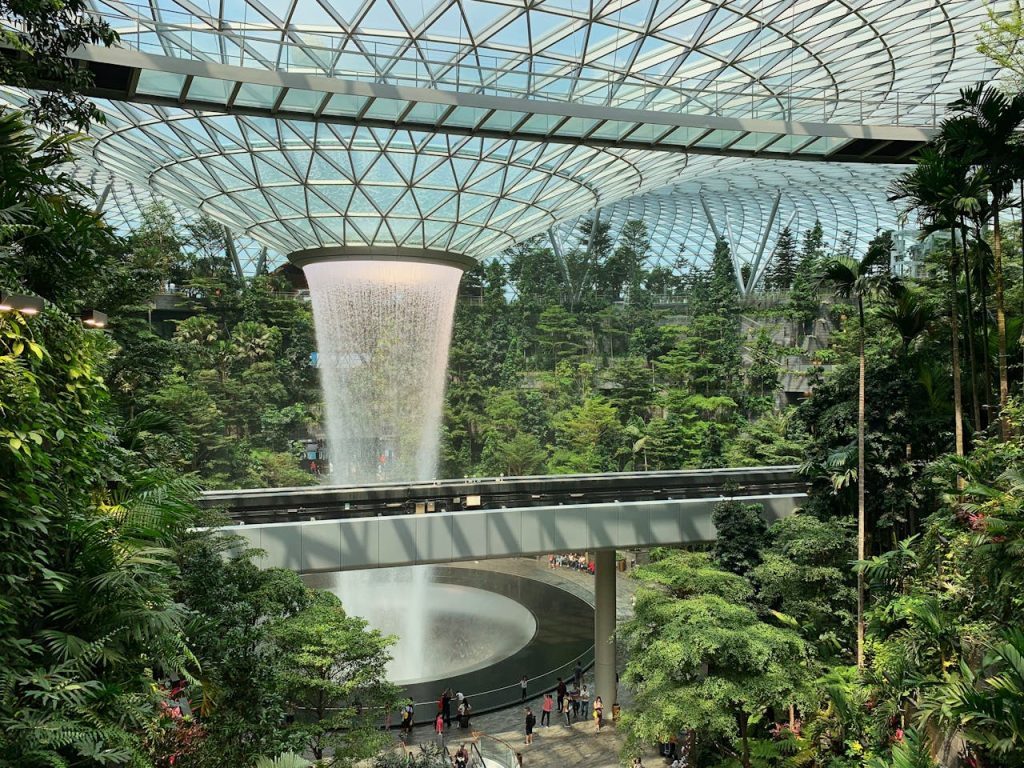
Singapore’s drone rules surprise visitors because they are technical and the city is compact. Requirements can change based on weight, altitude, and distance from airports or protected sites, which means a traveler can follow common-sense habits and still break a rule by choosing the wrong park. Dense air traffic and tight corridors explain the strictness, and checks tend to be calm but thorough when issues arise. The trap is assuming a short flight is automatically low-risk. In a place where boundaries sit close together, even a gentle climb can cross into a restricted pocket and turn a relaxing afternoon into an official conversation.
Egypt (Cairo, Luxor Gateways)
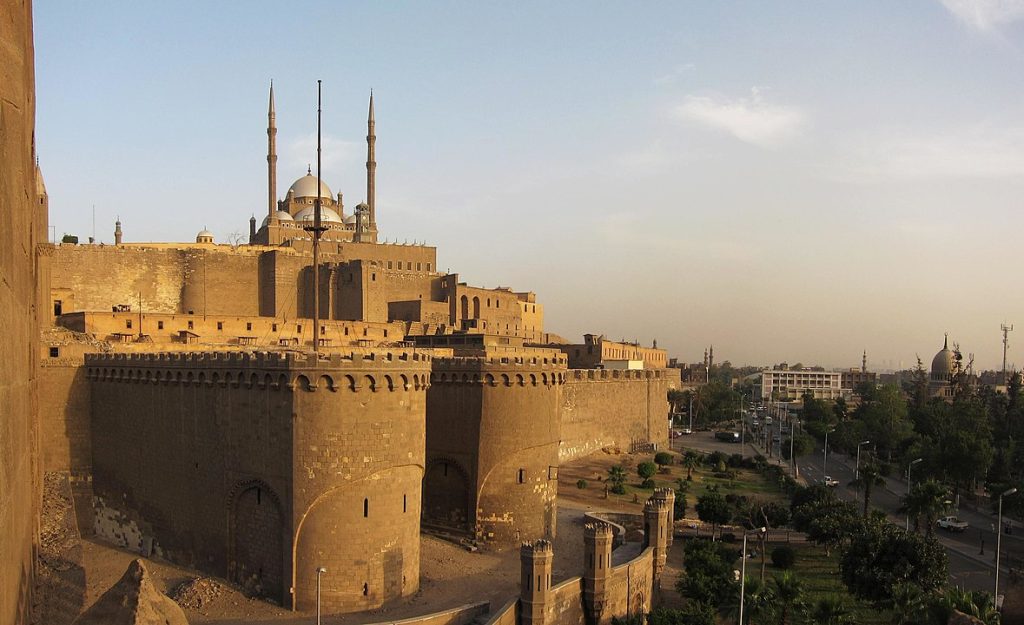
Egypt is where drone plans can unravel before the first photo. Travelers sometimes face intense scrutiny at arrival because drones may be confiscated, and once the device is on an officer’s radar, the day can shift toward questions, delays, and storage requirements. The stress is amplified by early temple openings, long transfers, and tightly scheduled tours that do not wait for baggage-room paperwork. Even visitors who plan to keep the drone in a bag can lose it, and the uncertainty becomes its own burden. Many decide the safest strategy is leaving the drone at home and using ground shots and licensed services instead.
Galápagos Islands
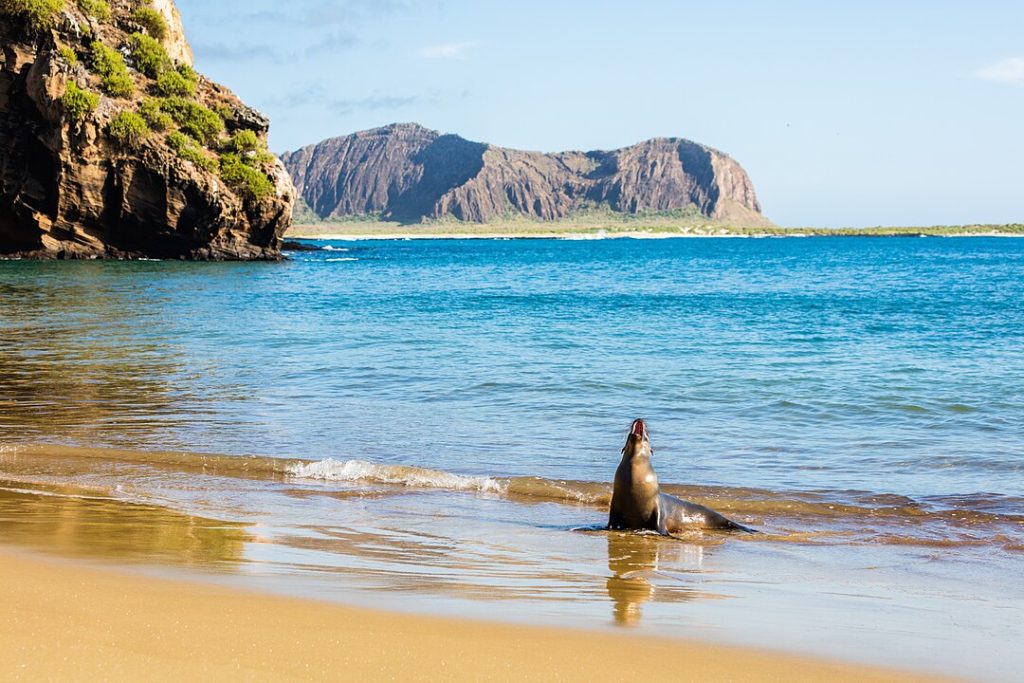
In the Galápagos, wildlife protection sets the tone, and drones are treated as a disturbance rather than a camera accessory. A buzzing aircraft can change animal behavior quickly and disrupt the quiet that makes the islands feel intimate. Rules tend to be strict because the ecosystem is fragile and the visitor experience relies on calm observation at close range. Travelers sometimes assume a tiny drone will be overlooked, but guides and officials watch closely, and a launch can bring swift intervention. The strongest photos here often come from stillness, good light, and respectful distance, not from altitude.
Petra (Day Site and Petra by Night)
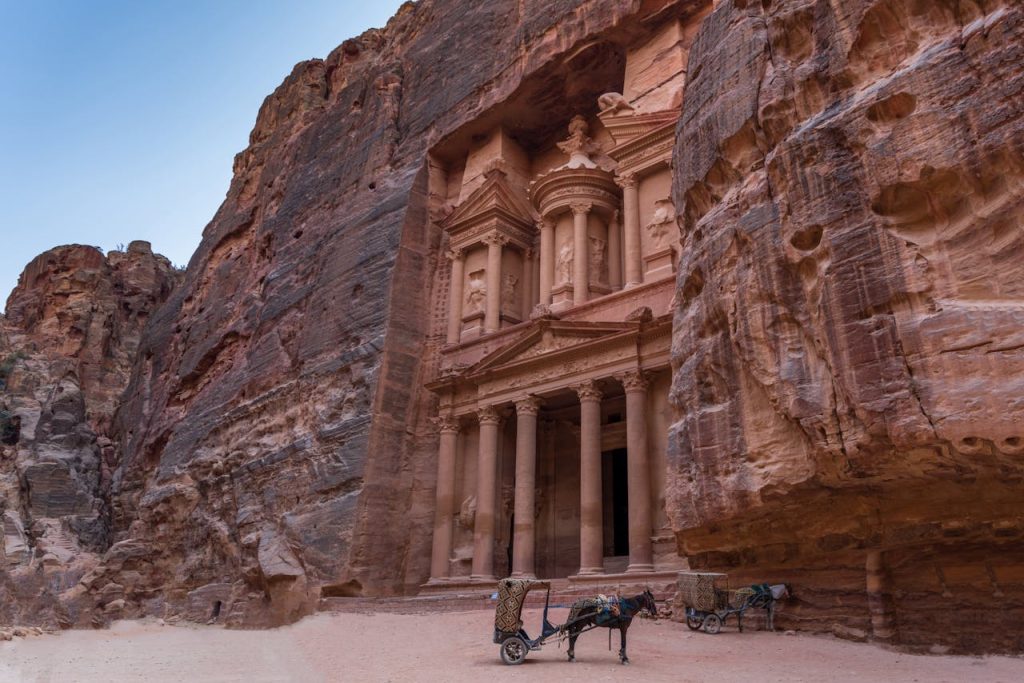
Petra’s sandstone corridors invite wide shots, but drone use is heavily restricted and often requires formal permission. The landscape feels open, which tricks visitors into thinking the sky is unclaimed, yet the site is managed tightly to protect heritage, safety, and the atmosphere of moving through the Siq without buzzing overhead. During night events, enforcement can be especially firm because the environment is controlled and crowd movement is slower. A drone flight can end the evening quickly, along with the chance to see the Treasury by candlelight. Petra still photographs beautifully from the ground, if patience leads the plan.