10 Places Where Tourists Overpay Without Realizing It
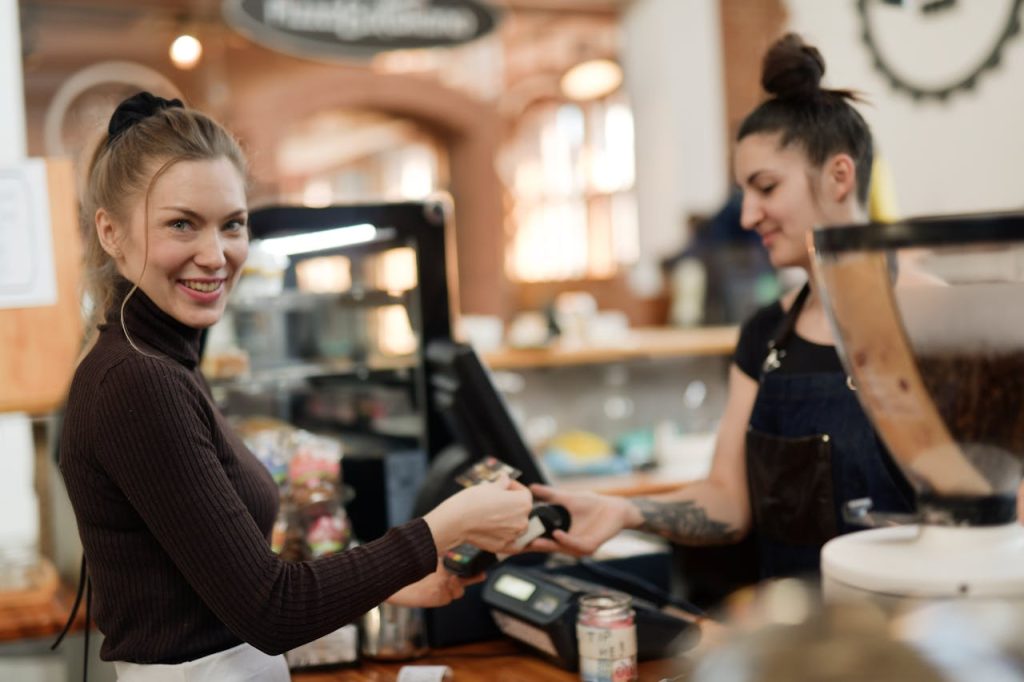
Travel spending rarely feels dramatic in the moment. It hides in small choices: the first taxi at the airport, the meal ordered nearest the landmark, the ticket bought from the easiest window. Many visitors do not mind paying more for convenience, but they often do not notice how fast small premiums stack into a real jump. In the most visited places, prices are shaped by crowds, commissions, and the assumption of short stays. The result is a trip that costs more than expected, even when nothing extravagant was planned, and the receipts look normal one by one. By checkout, the extra cost feels baked in and travelers cannot name where it began.
Airport Taxi Stands In Major Capitals
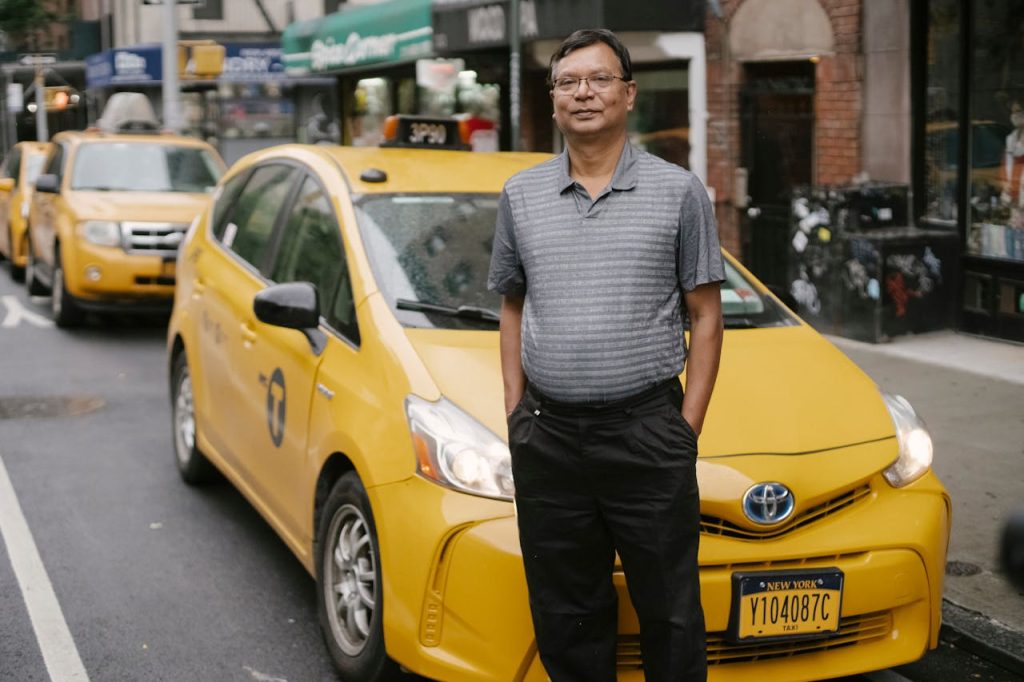
Airport taxi lines feel official and reassuring, which is why the price shock often lands only when the receipt prints. Flat rates may hide extras for luggage, tolls, late hours, or premium vehicle classes, and metered rides can climb fast in traffic on long airport roads. Some airports also have curbside helpers who steer riders toward partners who pay commissions, and the difference is hard to spot when bags are piling up and everyone is tired. Tourists overpay quietly because the ride ends at the hotel door, so it feels like the unavoidable cost of arrival, not a choice made in a rushed moment. A quick comparison to the airport train or a licensed app usually reveals the gap.
Old Town Restaurants With Photo Menus
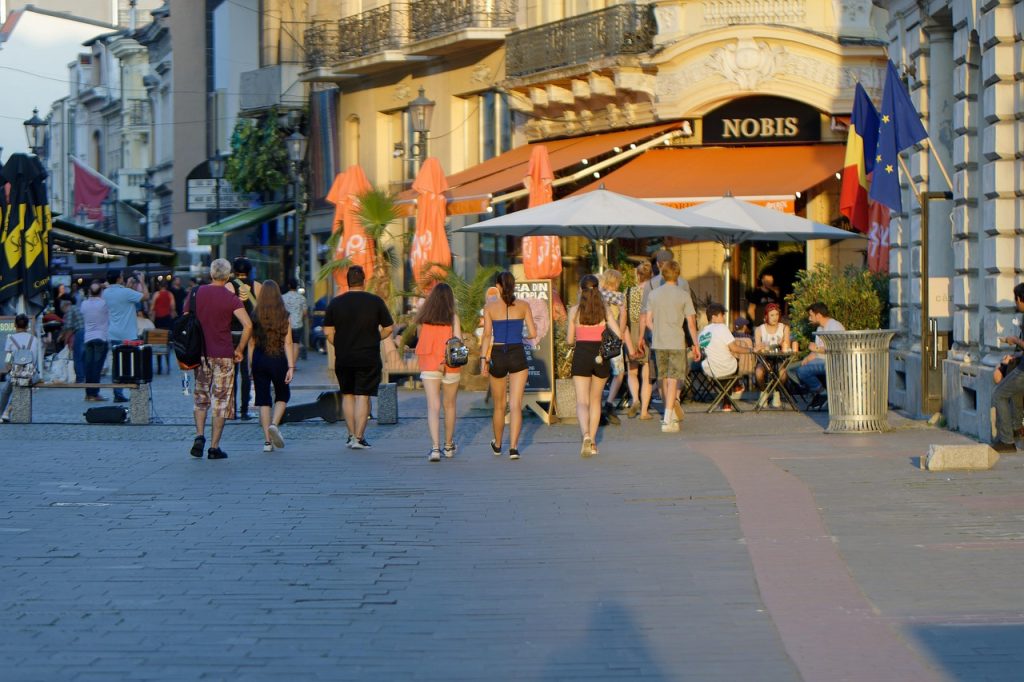
In historic centers, restaurants with big photo menus and multilingual greeters often price for foot traffic, not repeat locals. The menu can look normal, then extras appear: a bread charge, bottled water priced like a cocktail, and service added automatically before the main dish arrives. Portions may be smaller, and the view becomes the product, so the food is treated as secondary. Visitors overpay because sitting down feels like relief after walking, and the terrace looks like part of the sightseeing. One block away, pricing often drops and quality rises, but tourists rarely wander that far once hunger hits. The overpay is subtle because each line item seems small until the total stacks.
Hotel Mini Bars And In-Room Snacks
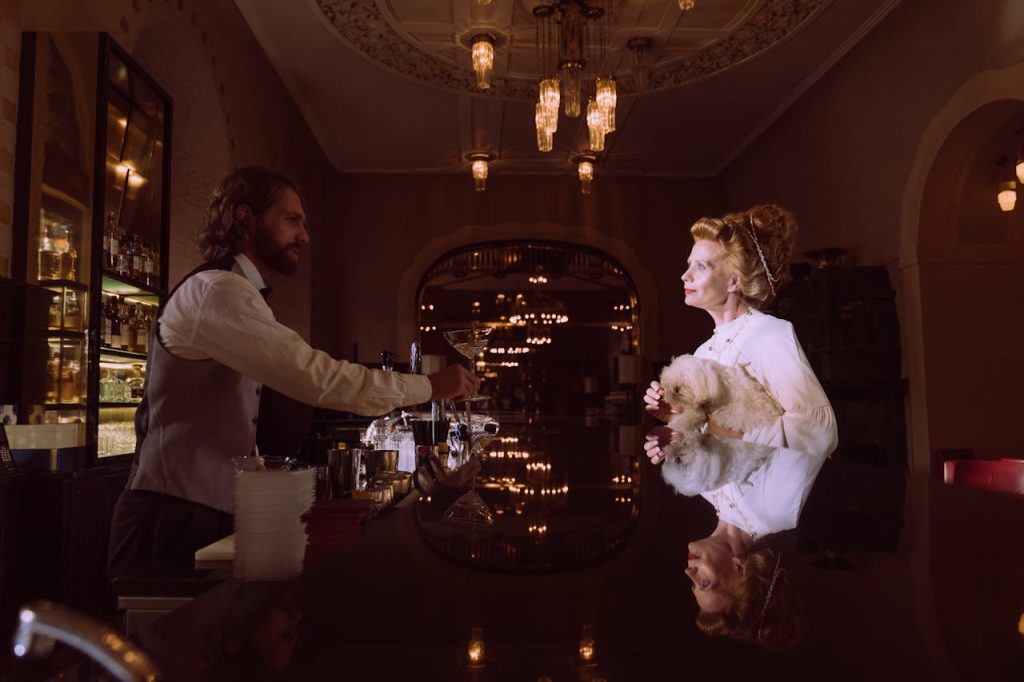
Mini bars are built to feel harmless: one drink after a long day, a small snack before bed, no effort required. The pricing, though, is pure convenience plus restocking labor, so a simple soda can cost more than a casual meal outside. Many properties stock tiny bottles and single-serve items that look modest but ring up at full premium, and some rooms use sensors, so lifting an item can trigger an automatic charge that takes time to reverse. Tourists overpay because the purchase is private and immediate, and it is easy to forget the total until checkout. A convenience store around the corner, even in busy areas, usually changes the math completely.
Currency Exchange Kiosks In Tourist Zones
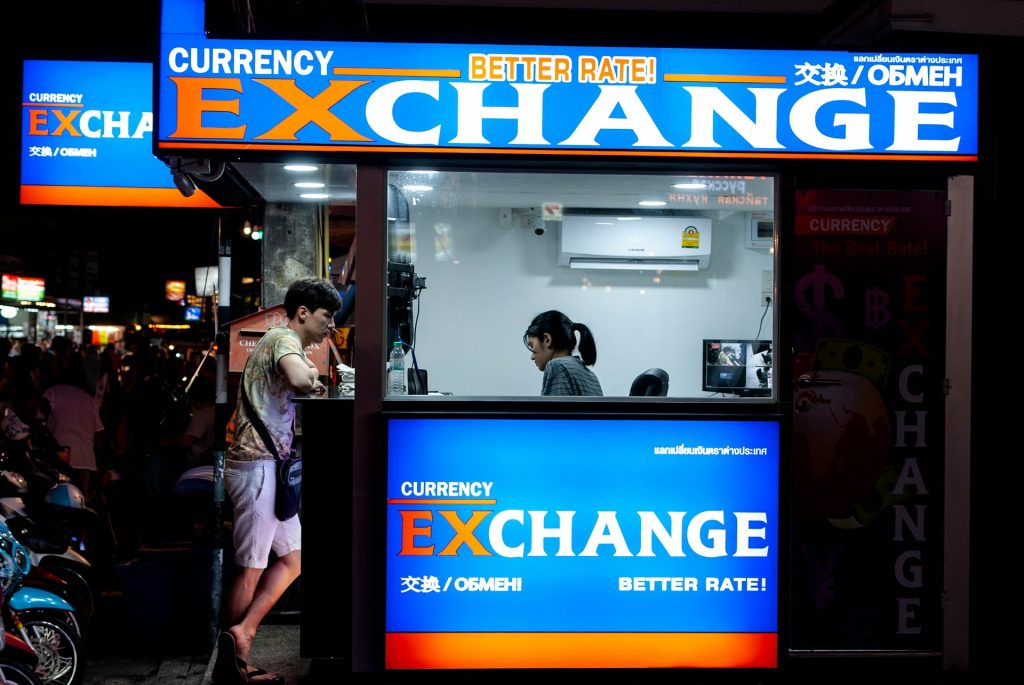
Exchange kiosks near monuments, malls, and transit hubs make money on the spread, and the best rate on the sign can hide fees in small print. Some quote a strong number only above a high minimum, then apply a commission once the cash is counted. Others offer one rate for one bill size and a worse one for another, revealed only at the counter. Visitors overpay because they need cash fast, feel unsure about ATMs, and assume a kiosk is more official. In many cities, bank ATMs and card payments come out better, especially when dynamic currency conversion is declined and the transaction stays in the local currency. The loss is invisible because it is paid in fractions, not one dramatic fee.
Attraction Tickets Bought From Street Sellers
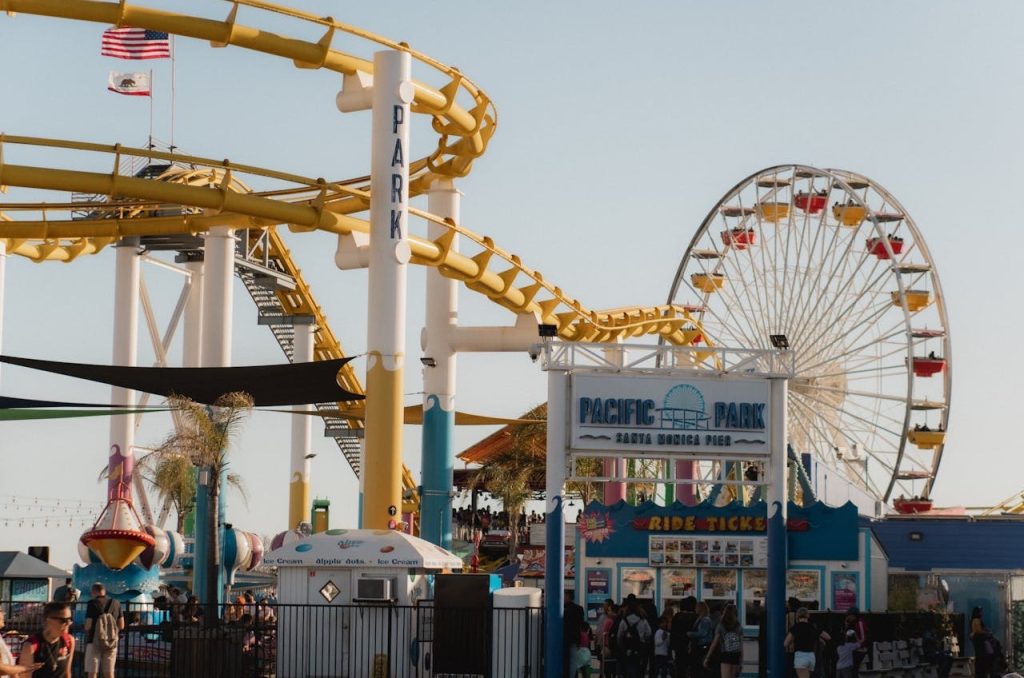
Near famous sights, ticket sellers position themselves as the easy path, using skip-the-line language that sounds like access. The ticket can be real but priced higher due to commissions, bundled extras, or a guided component that is not clearly explained. In some cases, it works only for a tight time slot, so the convenience disappears when plans shift. Tourists overpay because the queue looks intimidating and the seller sounds confident, while official pricing sits on a sign no one wants to study in heat or rain. A quick look at the venue’s posted price at the entrance often shows the difference, and online official tickets usually make the comparison clearer.
Ride-Share Pickups At Concerts And Stadiums
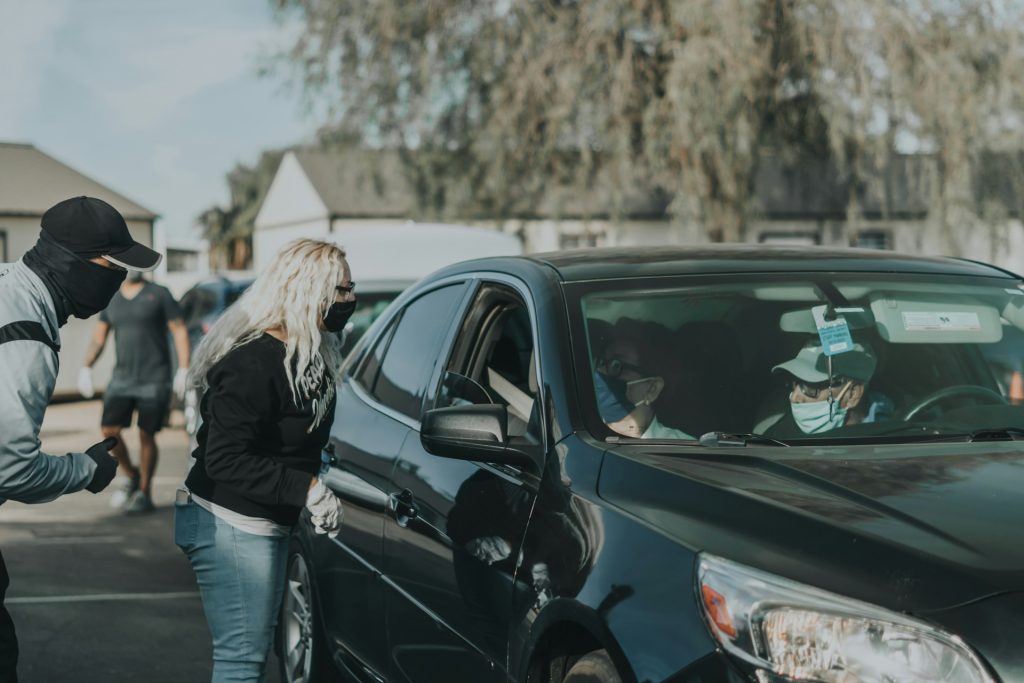
After a concert or a game, ride costs can jump in ways that feel sudden and unavoidable. Surge pricing, event road closures, and long pickup queues combine to stretch the fare, and drivers may cancel until a higher amount appears. Tourists overpay because the moment feels urgent: it is late, crowds are moving, and the map looks chaotic. Small details add more cost, like a pickup pin that forces a long loop or traffic that turns minutes into money. A short walk to a calmer block can cut the price sharply, and public transit can be quicker than gridlocked streets. Even waiting 10 minutes often lets the spike cool down.
Resort Fees And Urban Destination Fees
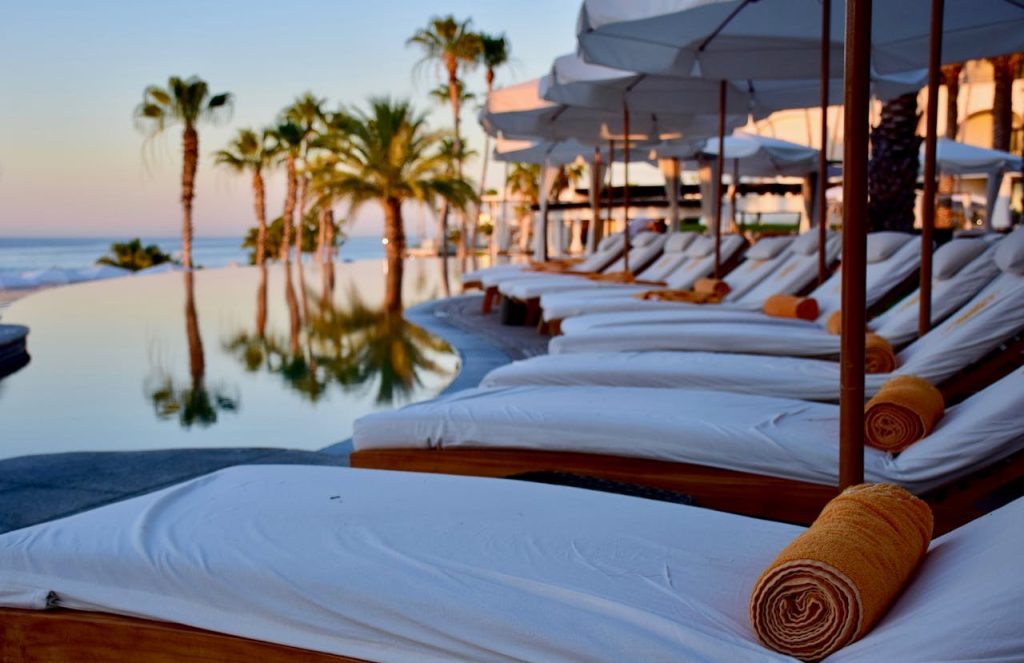
Hotels can advertise a tempting nightly rate, then add a resort fee or destination fee that changes the real price. The fee might cover pool towels, bottled water, gym access, or basic Wi-Fi, items guests assumed were included anyway, plus it is often mandatory. Tourists overpay without realizing it because comparisons are made using the headline rate, and the add-on shows up late in the booking flow or at checkout. In some cities, the fee also carries tax, which compounds the jump, and it may be charged per room, masking the scale until the final bill. The cleanest comparison is total cost per night, including fees, before committing to a property.
Beach Clubs With Minimum Spend Rules
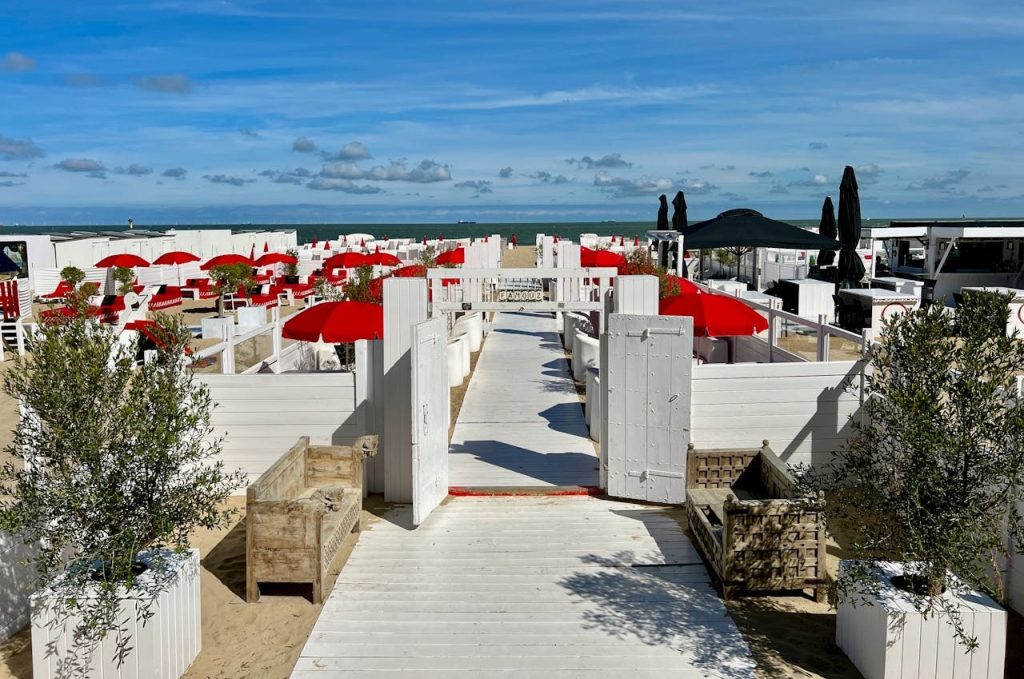
Beach clubs can look like a simple chair rental, then turn into a minimum spend rule that quietly controls the day. A reserved bed may include a credit, but menu prices are set to absorb it quickly, and service charges can be added on top. Tourists overpay because the setting feels like a treat and the pricing is not always stated clearly before seating, especially when staff rushes the decision. Add-ons stack fast: bottled water, extra towels, and a second round that arrives with another surprise fee. Locals often know which clubs charge fairly and which ones inflate prices for views, so visitors who follow the glossy entrances tend to pay the most.
Souvenir Markets Near Icons
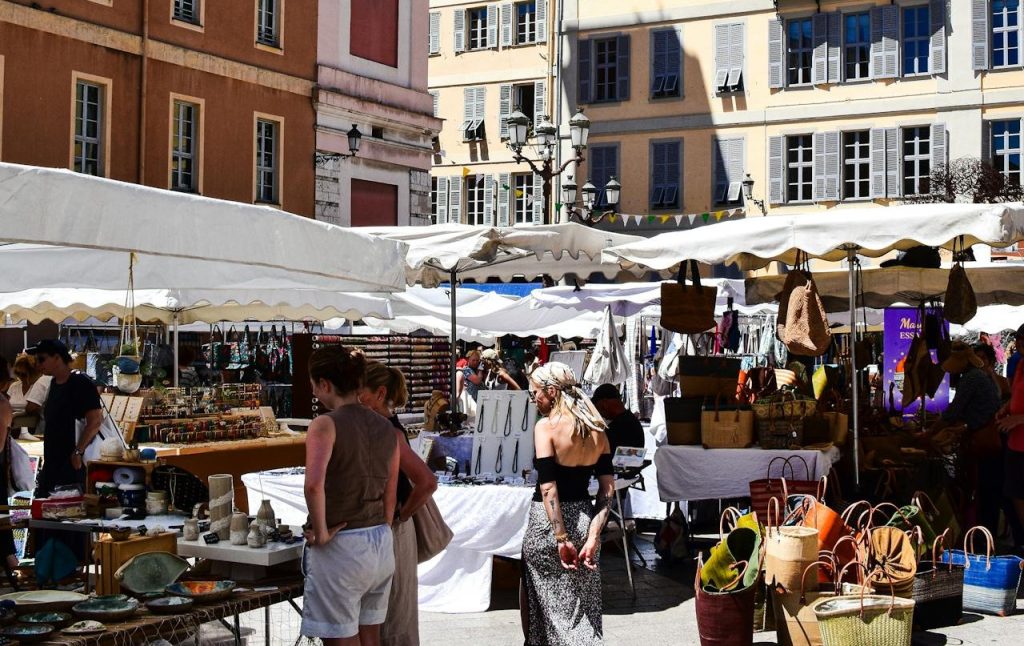
Souvenir stalls clustered around major monuments tend to price for impulse and proximity. The same magnet, scarf, or keychain can be marked up several times because the buyer is excited, short on time, and unlikely to compare prices. In some places, bargaining is expected, so the first price is not meant to be the final one, but many visitors accept it to avoid awkwardness. Tourists overpay without realizing it because each purchase feels small, yet repeated buys add up across a week. Quality can also be lower near icons, where volume matters more than craft. A few streets away, shops often offer better materials, calmer browsing, and clearer pricing.
Car Rental Counters With Add-On Insurance Pitches
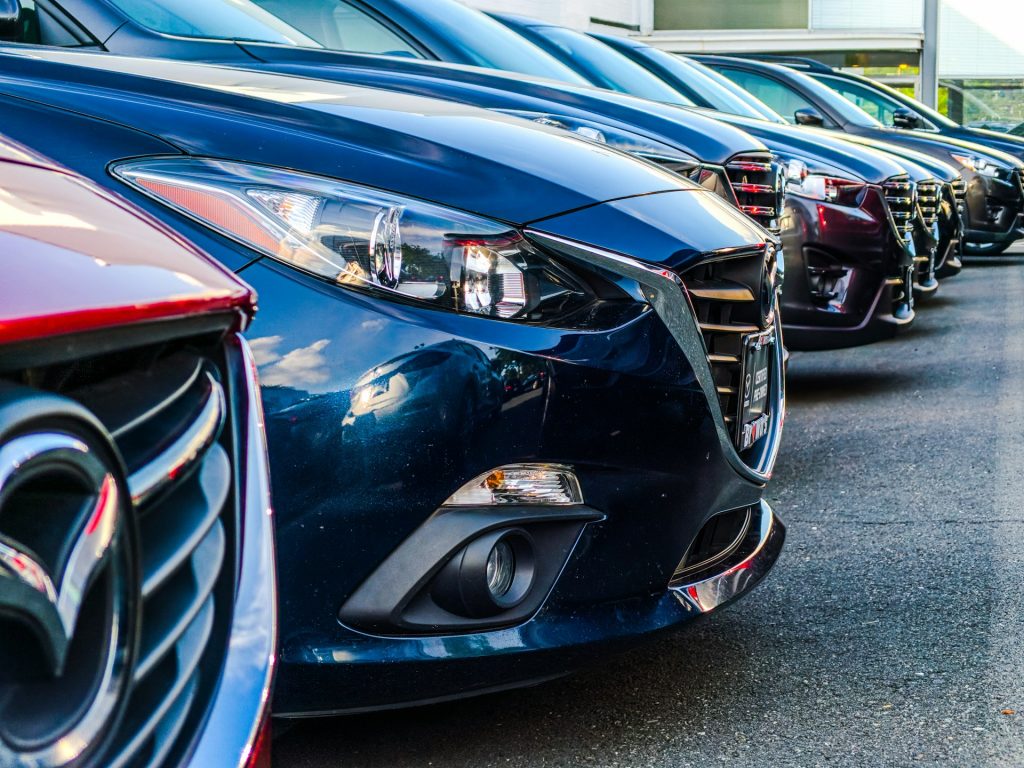
Rental counters are a classic place for quiet overpaying. The base rate looks reasonable, then add-ons appear in fast language: extra insurance, roadside coverage, GPS, toll programs, and fuel packages, each framed as necessary and urgent. Travelers, tired from flights, may agree to avoid risk or delays, and the final bill jumps far above the booking price, even before airport surcharges. Overpaying is common when credit card coverage is not understood, when personal auto coverage is unclear, or when a fuel plan is chosen just in case. The most expensive choice is often the one made while rushing, because time pressure makes every add-on sound sensible.