10 Places Where Travel Is Less Free Than Before
Travel industry analysts and geopolitical experts report that the era of frictionless global mobility has entered a restrictive new phase characterized by digital walls and fiscal barriers. While the mid-twentieth century saw a progressive opening of borders, the current trend is defined by the rapid implementation of entry fees, pre-travel authorizations, and strict behavioral codes. Border policy consultants emphasize that these measures are rarely temporary. Instead, they represent a permanent structural shift in how nations manage the flow of people to protect infrastructure and national security.
Immigration lawyers and tourism boards note that the definition of free travel has narrowed significantly. Travelers who previously relied on the power of a strong passport to cross borders spontaneously now face mandatory waiting periods and bureaucratic hurdles. This tightening of access effectively ends the days of impulsive international trips for many demographics. Understanding the specific nature of these new constraints is essential for modern travelers who must now navigate a complex web of permissions before even leaving their homes.
Venice In Italy
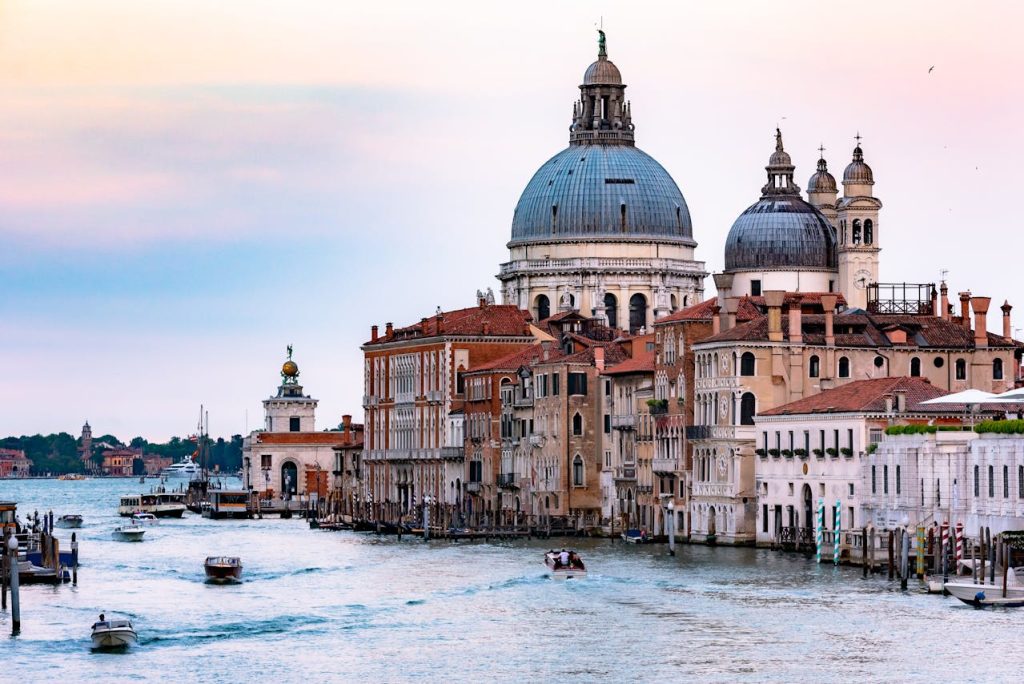
Municipal authorities and urban preservationists have fundamentally altered the freedom of movement in Venice with the introduction of a daily access fee for day-trippers. This regulation marks the first time a major world city has charged an admission price for basic entry. City planners explain that the system utilizes smart cameras and random checks to enforce payment, turning the historic center into a managed zone where access is a purchased privilege rather than a public right.
Heritage conservationists argue that this restriction is vital to save the city from the physical degradation caused by mass tourism. The policy specifically targets short-term visitors who contribute little to the local economy while clogging the narrow streets. Travelers wishing to enter the city on peak dates must now register in advance and carry digital proof of payment or exemption. Failure to adhere to this bureaucratic layer results in significant fines and denial of entry to the lagoon city.
The Schengen Zone In Europe
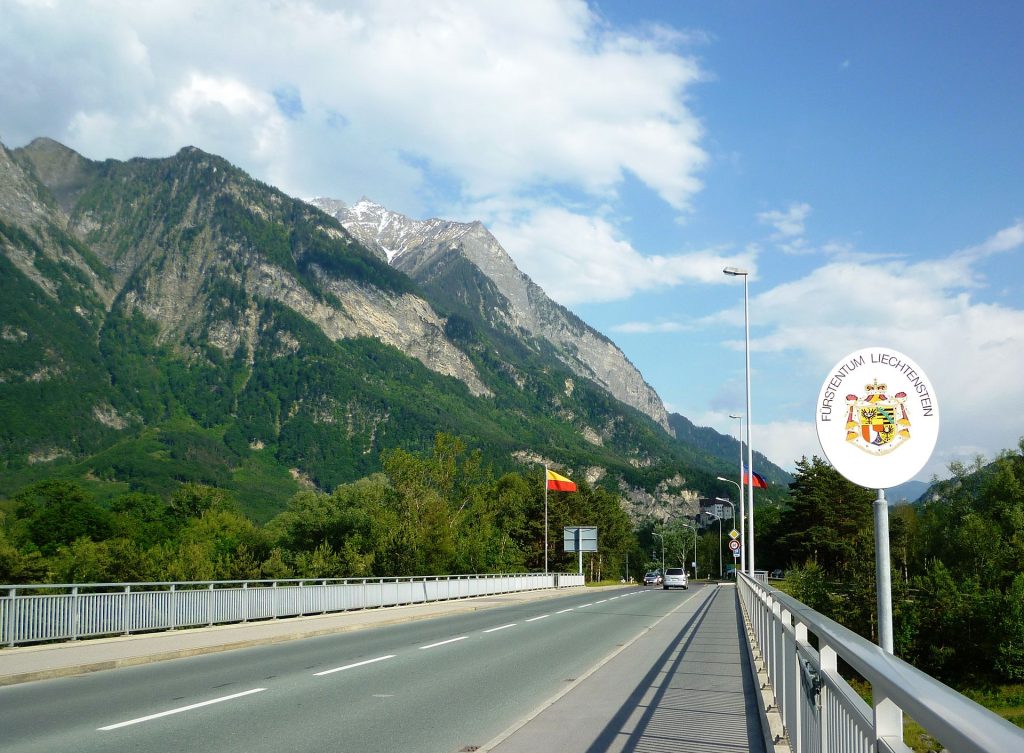
European Union security officials and border control experts are finalizing the rollout of the European Travel Information and Authorisation System. This digital firewall removes the freedom of visa-exempt travelers from countries like the United States and Canada to simply arrive at a European airport with just a passport. Intelligence analysts note that the system requires a pre-departure background check and a processing fee effectively ending the era of purely paper-based entry for millions of visitors.
Migration policy researchers emphasize that while this is not a full visa, it functions as a mandatory permission slip that can be denied based on criminal history or security flags. The implementation works in tandem with the new Entry-Exit System which replaces manual stamping with biometric data collection. This technological tightening ensures that every movement across the external borders of the bloc is tracked and authorized before the traveler boards their flight.
Kyoto In Japan
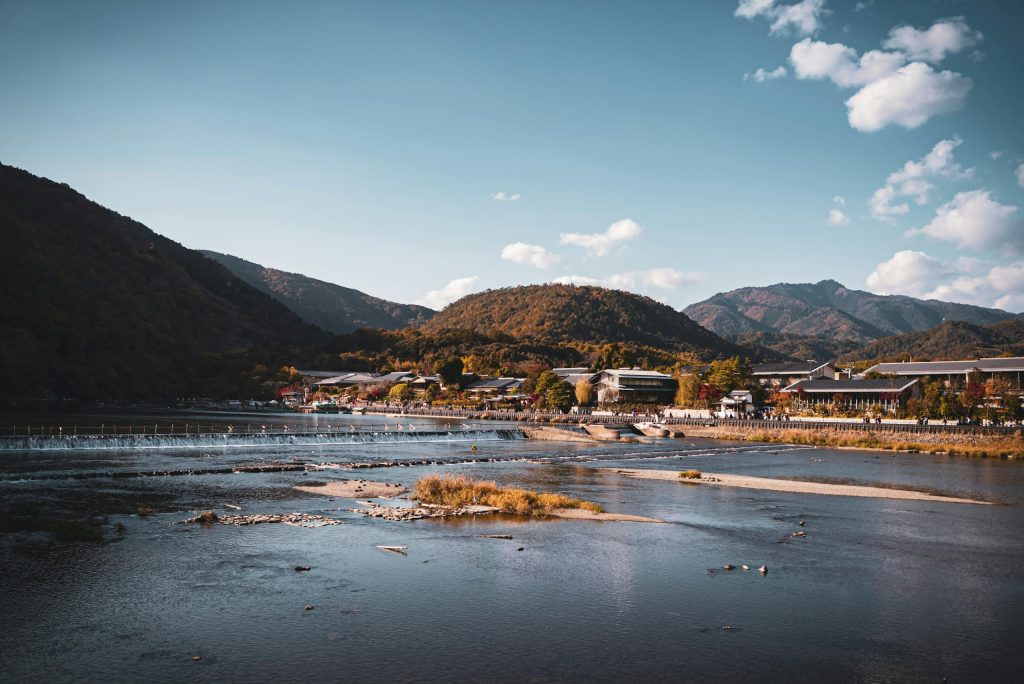
Local council members and cultural preservationists in Kyoto have enacted strict bans on tourist entry into the private alleys of the Gion district. Residents pushed for these measures after years of harassment by visitors behaving like paparazzi toward the geisha and maiko. Legal experts note that the new ordinance imposes fines for trespassing on private roads that were previously open to the public which effectively shrinks the explorable map of the city for tourists.
Neighborhood associations have installed signage and barriers to physically enforce these new limits. The freedom to wander aimlessly through the atmospheric streets has been curtailed to protect the privacy and dignity of the local community. Travel industry observers highlight this as a prime example of how bad tourist behavior directly leads to the loss of access privileges for everyone forcing visitors to stick to crowded main thoroughfares.
Mount Fuji In Japan
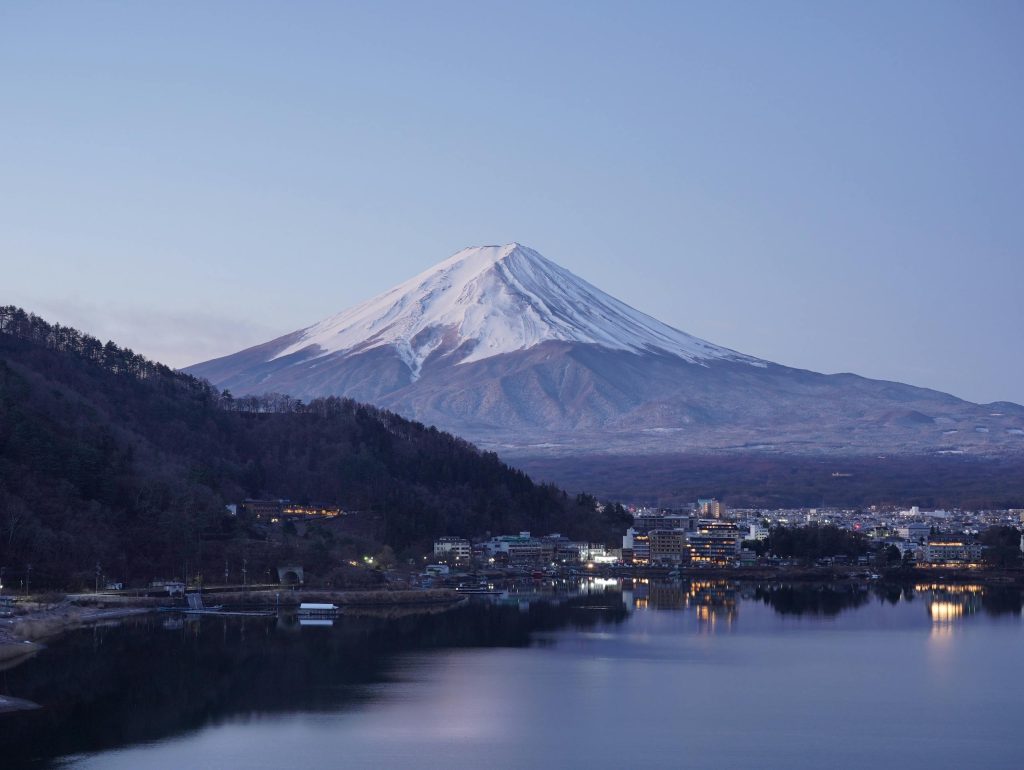
Environmental conservation officials and safety inspectors have installed a physical gate and implemented a daily cap on climbers for the popular Yoshida Trail. This measure ends the long tradition of unrestricted access to the sacred mountain. Park rangers explain that the cap is necessary to prevent the dangerous overcrowding and “bullet climbing” that threatened both climber safety and the ecological health of the alpine environment.
Mountain guides emphasize that the new system requires hikers to book a slot online and pay a mandatory fee before arrival. Those who arrive without a reservation after the daily limit is reached are turned away at the trailhead. The installation of the gate physically regulating the flow of people demonstrates a shift from open nature to managed attraction where spontaneity is replaced by rigid capacity controls.
Amsterdam In The Netherlands
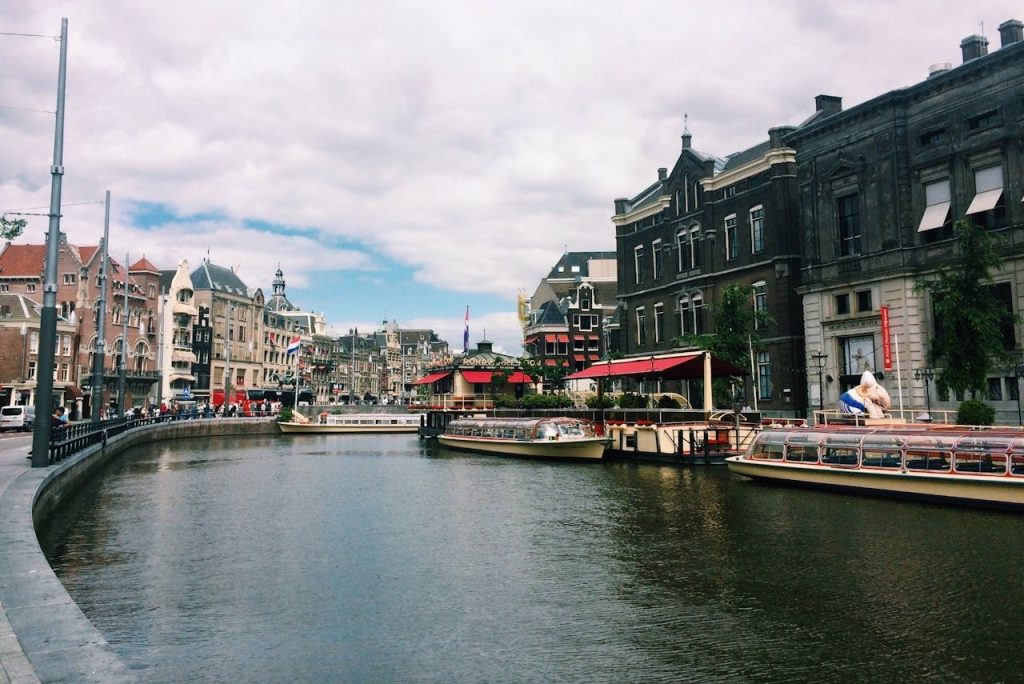
City planners and sustainable tourism directors have aggressively pursued a “demarketing” strategy that actively discourages certain types of visitors. The municipal government has capped the number of tourist overnight stays permitted annually and banned the construction of new hotels in the city center. Urban sociologists observe that these supply-side restrictions artificially limit the volume of tourism to maintain the livability of the city for residents.
Port authority officials have also moved to close the central cruise terminal to reduce the influx of day-trippers. By physically removing the docking infrastructure the city controls the means of arrival. Policy experts note that these measures represent a deliberate contraction of the tourism sector prioritizing the local housing market and social cohesion over the freedom of unlimited visitor growth.
Bali In Indonesia
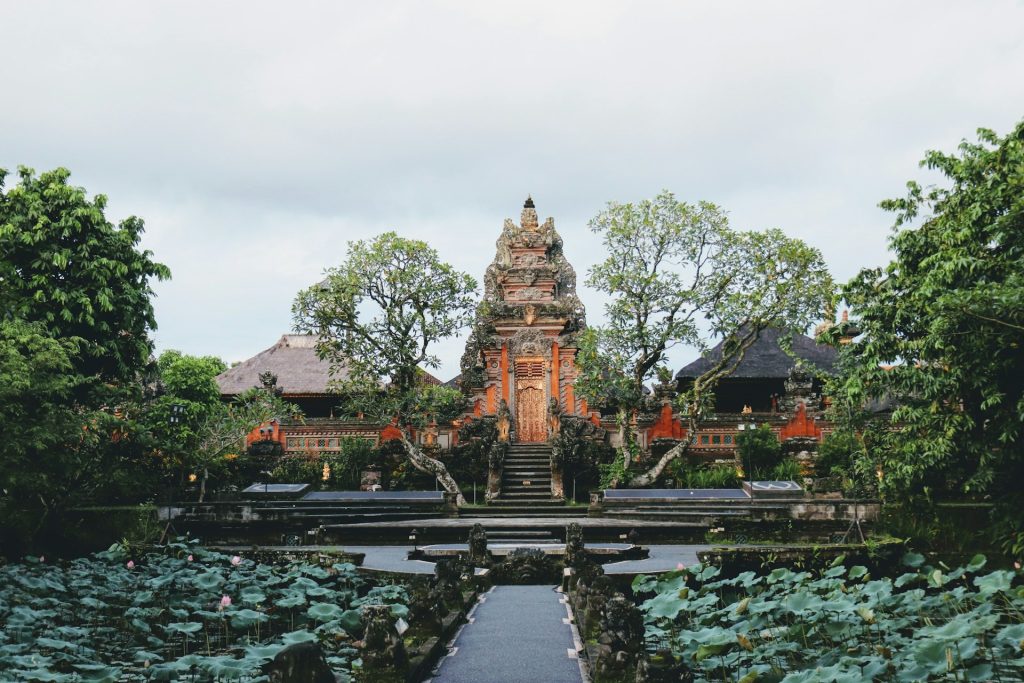
Provincial government officials in Bali have introduced a mandatory tourist levy for all international arrivals to fund cultural preservation and environmental management. This fee adds a fiscal barrier to entry that did not exist previously. Tourism board representatives state that the revenue is essential to counter the negative impacts of mass tourism and to maintain the spiritual sanctity of the island’s temples and natural sites.
Immigration authorities have simultaneously formed a specialized task force to deport visitors who violate local customs or laws. Legal analysts report a sharp increase in the number of deportations for minor infractions such as improper dress or disrespecting religious ceremonies. The travel environment has shifted from a permissive backpacker haven to a strictly regulated destination where behavioral compliance is monitored and enforced with the threat of expulsion.
The United Kingdom
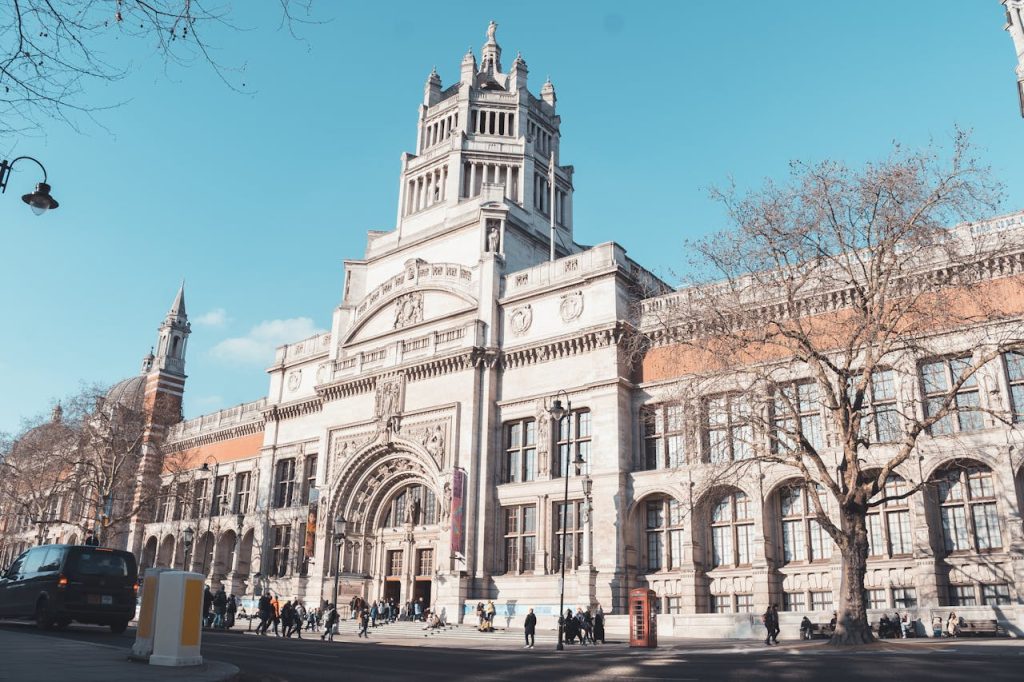
Home Office officials and border force agents are in the process of applying the Electronic Travel Authorisation requirement to all visitors who do not need a visa. This policy change impacts millions of travelers from the Gulf states, Europe, and the Americas who previously enjoyed friction-less entry. Security consultants explain that the ETA allows the government to screen visitors and block threats before they reach the UK border.
Travel logistics experts warn that this digital authorization must be obtained days before travel. The requirement extends to passengers who are merely transiting through British airports which complicates flight itineraries. This additional layer of bureaucracy signifies a tightening of the border where the default assumption of entry is replaced by a verified pre-authorization process.
Machu Picchu In Peru
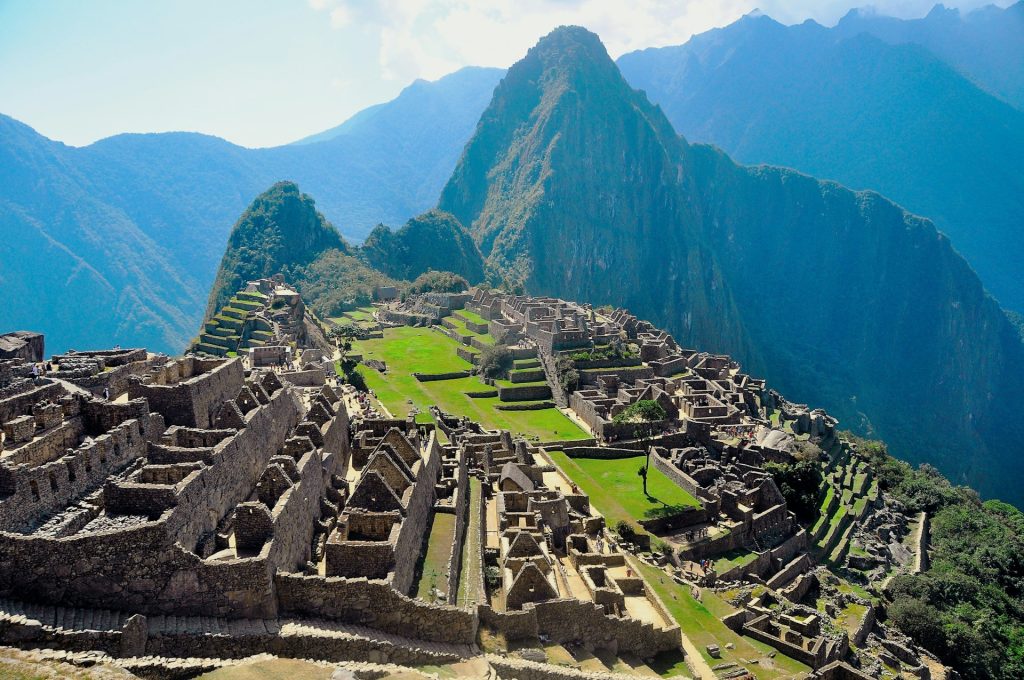
Ministry of Culture archaeologists and site managers have implemented a rigid circuit system that dictates the exact path a visitor must take through the Incan citadel. Unlike in the past when visitors could roam freely and revisit favorite spots, the new rules prohibit backtracking entirely. Heritage experts explain that this one-way flow is the only way to manage the physical load on the ancient pathways and prevent congestion.
Ticket agents note that visitors must choose a specific circuit and entry time at the point of purchase. Deviating from the chosen path is strictly forbidden and monitored by guards throughout the complex. The experience of visiting the ruins has transitioned from an open exploration to a tightly choreographed procession where freedom of movement is sacrificed for the preservation of the World Heritage site.
New Zealand

Government economists and tourism ministry officials nearly tripled the International Visitor Conservation and Tourism Levy to control the impact of visitors on the country’s infrastructure. This significant cost increase is designed to ensure that tourists contribute directly to the maintenance of the public lands they utilize. Financial analysts observe that the hike positions the country as a premium destination while discouraging budget-conscious travelers.
Conservation advocates support the move as a way to fund the protection of biodiversity and sensitive ecosystems. The increased levy works in conjunction with high visa fees to create a financial filter for entry. Industry experts suggest that this pricing strategy effectively limits the freedom of travel for those with lower disposable incomes aligning with a broader goal of high-value sustainable tourism.
Bhutan

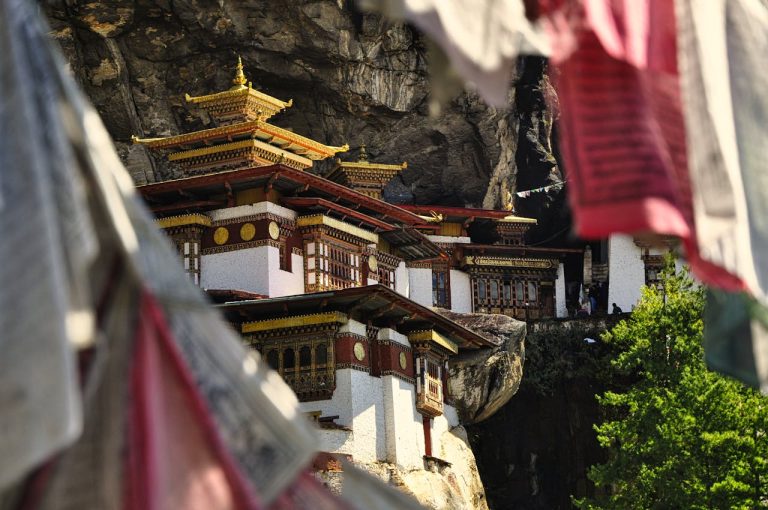
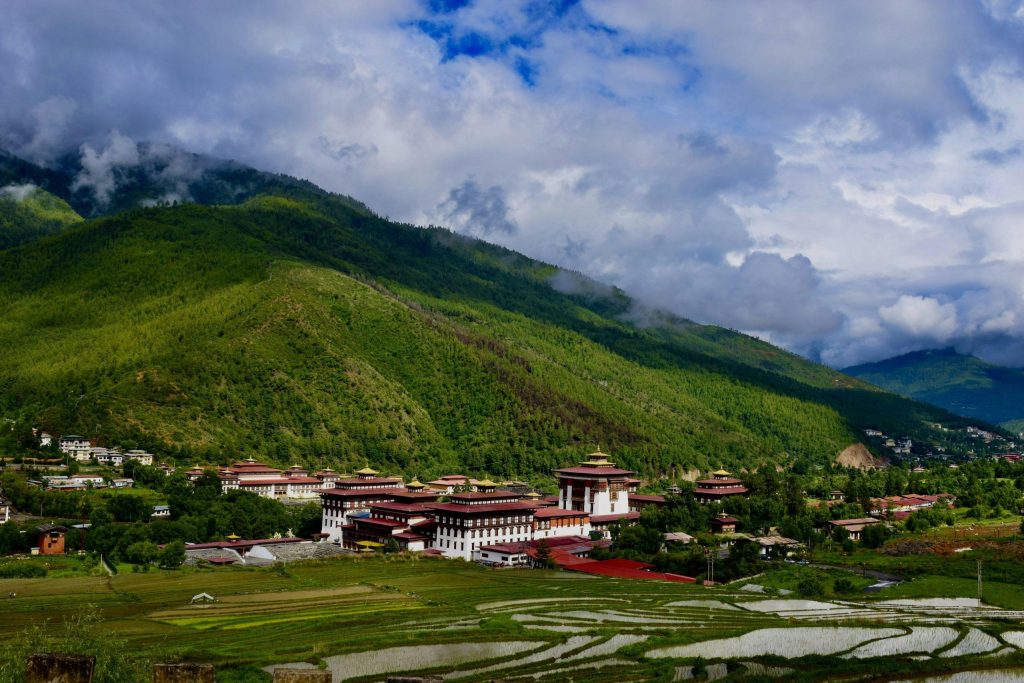
Tourism Council of Bhutan administrators maintain the highest daily visitor fees in the world to enforce a policy of “high value, low volume” tourism. The Sustainable Development Fee is charged for every night a tourist spends in the country serving as a massive financial gatekeeper. Economic development experts explain that this policy is intentionally designed to limit the number of arrivals and prevent the cultural dilution seen in neighboring Himalayan regions.
Travel logistics coordinators note that independent travel is heavily restricted with most visitors required to utilize authorized guides and drivers. The freedom to explore the country solo is virtually non-existent for most visa categories. This highly managed environment ensures that tourism remains a controllable resource that benefits the national treasury without overwhelming the small kingdom’s social fabric.