10 Places You’ll Visit Once and Never Think About Again
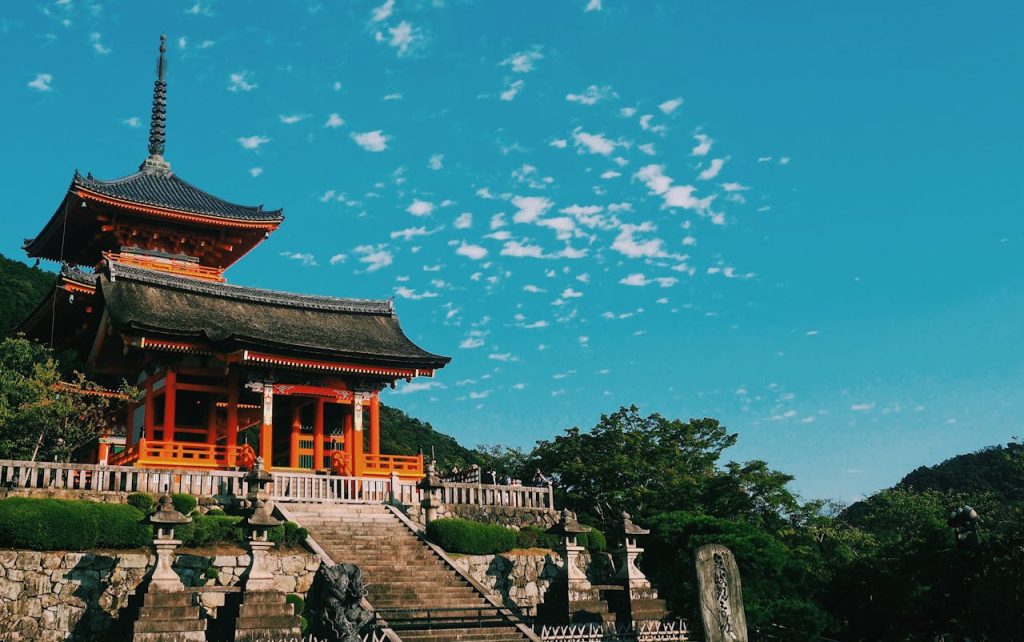
Travel does not always need packed itineraries, constant movement, or high expectations to feel rewarding. Some destinations naturally encourage slower pacing, simple routines, and space to breathe without demanding constant engagement. These places tend to balance accessibility with calm, offering gentle scenery, manageable crowds, and rhythms that feel unhurried. Travelers often describe them as restorative rather than impressive. Understanding what creates a low-pressure atmosphere helps explain why certain locations feel easier to enjoy. This article explores ten destinations known for relaxed environments, minimal urgency, and experiences that unfold comfortably, allowing visitors to engage on their own terms without feeling rushed.
Copenhagen, Denmark
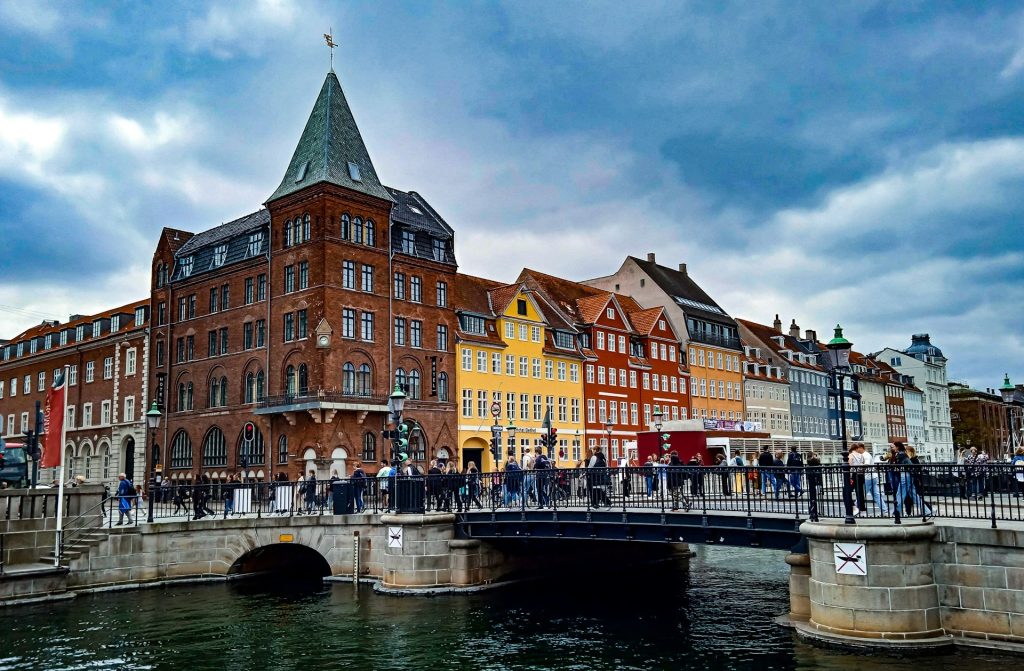
Copenhagen offers a calm urban experience shaped by thoughtful design and everyday balance. The city prioritizes walkability, cycling infrastructure, and public spaces that encourage lingering rather than rushing. Cafes emphasize conversation, not turnover. Parks, waterfronts, and residential streets blend seamlessly, reducing sensory overload. Cultural attractions remain accessible without overwhelming crowds compared to larger European capitals. Locals value routine, punctuality, and moderation, creating a predictable atmosphere that feels grounding. Even popular areas maintain order and quiet respect. This steady rhythm allows visitors to explore museums, neighborhoods, and food culture without pressure to see everything at once.
Kyoto, Japan
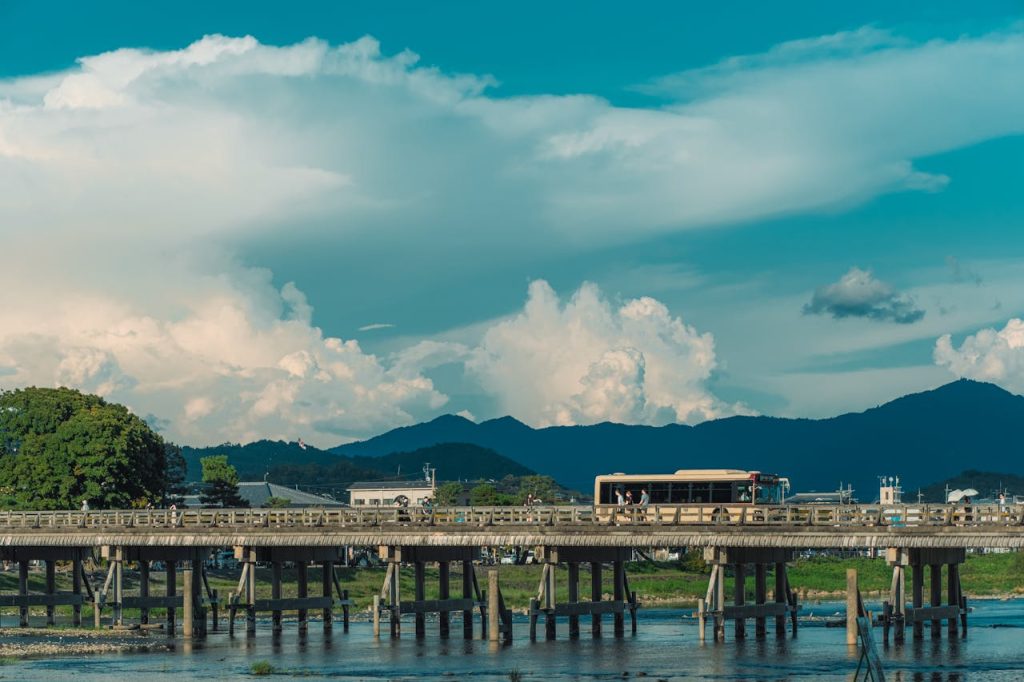
Travelling to Kyoto feels low-pressure due to its emphasis on ritual, quiet observation, and seasonal flow. Many experiences center on gardens, temples, and traditional neighborhoods where silence and patience are expected. Public transportation operates reliably, reducing navigation stress. While tourism exists, much of the city still functions at a measured pace shaped by long standing customs. Early mornings and evenings feel especially calm. Visitors often find that slowing down aligns naturally with the environment. The absence of aggressive sales culture and the presence of clear social norms create a sense of structure that supports ease rather than urgency throughout daily exploration.
Ljubljana, Slovenia
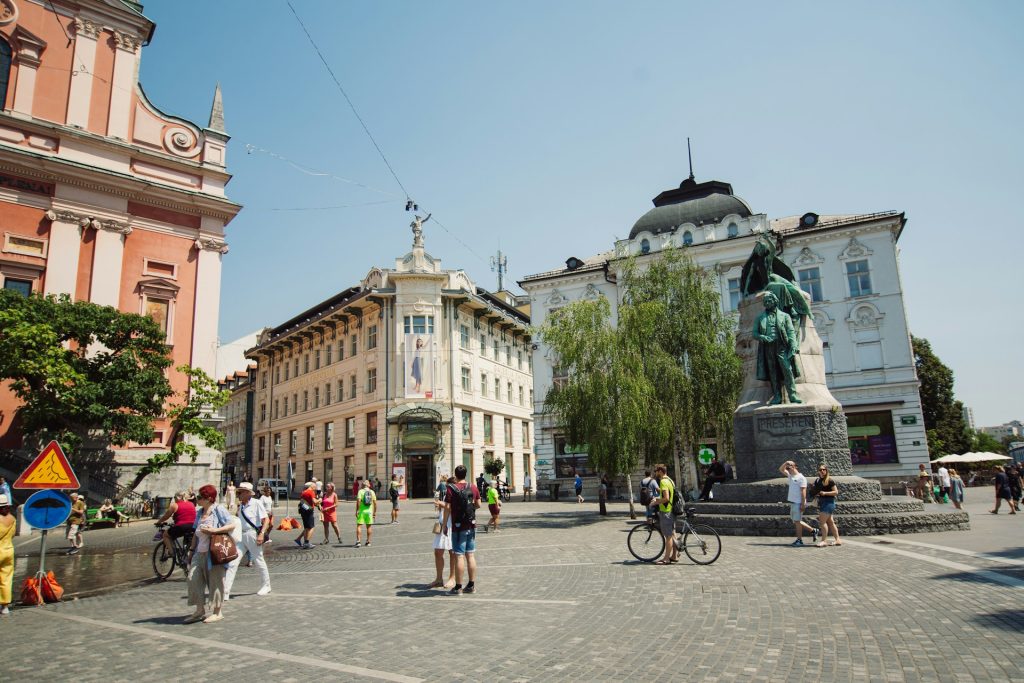
Ljubljana offers the charm of a capital city without the intensity often associated with one. Its compact layout allows easy exploration on foot, and the car-free city center encourages relaxed movement. The Ljubljanica River anchors daily life, with cafes and paths designed for lingering. Green spaces appear throughout the city, reinforcing a connection to nature. Cultural attractions remain approachable rather than crowded. The local pace reflects balance between work and leisure. Visitors often notice how quickly orientation becomes intuitive. This simplicity reduces decision fatigue and supports an unpressured travel experience. The atmosphere invites slow discovery and effortless daily enjoyment.
Reykjavik, Iceland
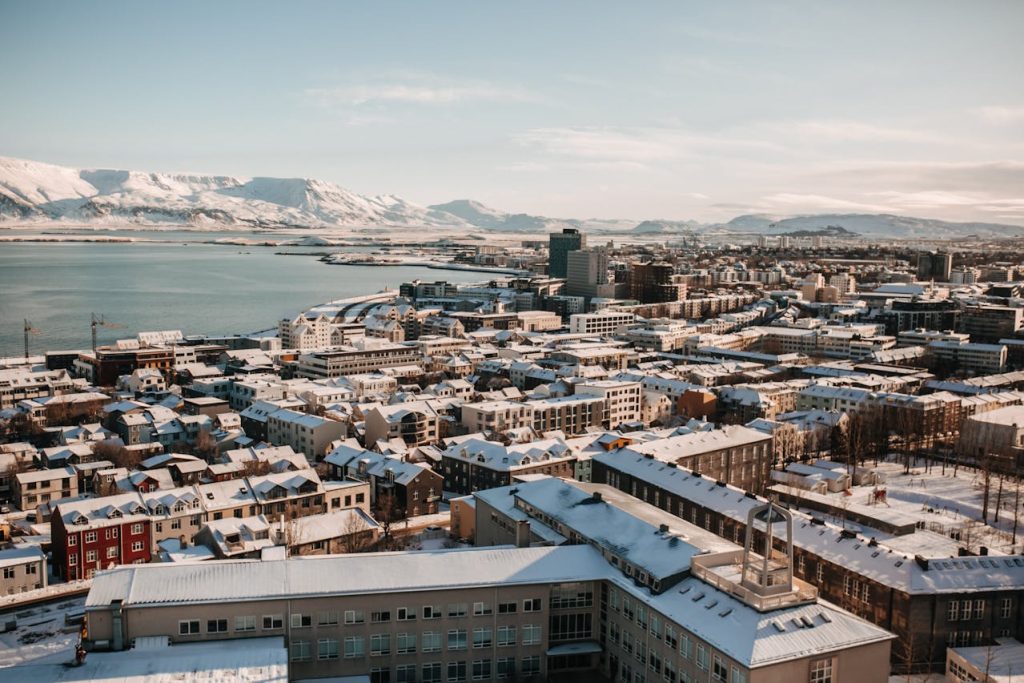
Reykjavik combines small-city familiarity with expansive natural surroundings, creating a uniquely calm atmosphere. The city’s scale makes navigation simple, while local culture values personal space and understatement. Cafes, pools, and coastal paths support unstructured time rather than scheduled activity. Even tourism related services tend to operate without urgency. Outside the city, landscapes encourage quiet observation rather than constant stimulation. Weather naturally slows plans, reinforcing flexibility. This environment rewards patience instead of productivity. Visitors often find that expectations adjust quickly, allowing enjoyment of simple routines, and scenery without feeling the need to optimize every moment.
Ubud, Bali
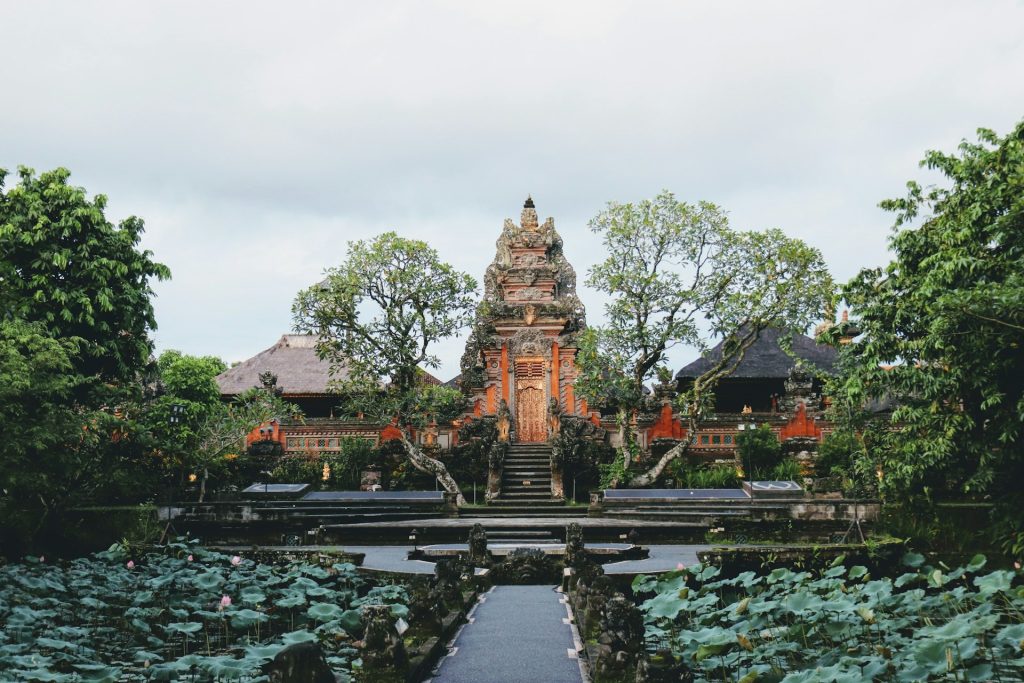
Ubud feels low-pressure because daily life centers on balance, spirituality, and natural rhythms. The surrounding rice terraces, and rivers create a calming physical environment. Many activities focus on wellness, art, or reflection rather than speed. Streets remain busy but not frantic, and schedules feel flexible. Cultural practices emphasize ceremony and routine over urgency. Visitors often find that time stretches differently here, encouraging slower mornings and restful evenings. The atmosphere supports disengagement from constant planning. This gentle pace allows exploration to happen organically, guided by mood rather than obligation or tight itineraries. This environment fosters reflection, and deeper connection with surroundings.
Hobart, Tasmania
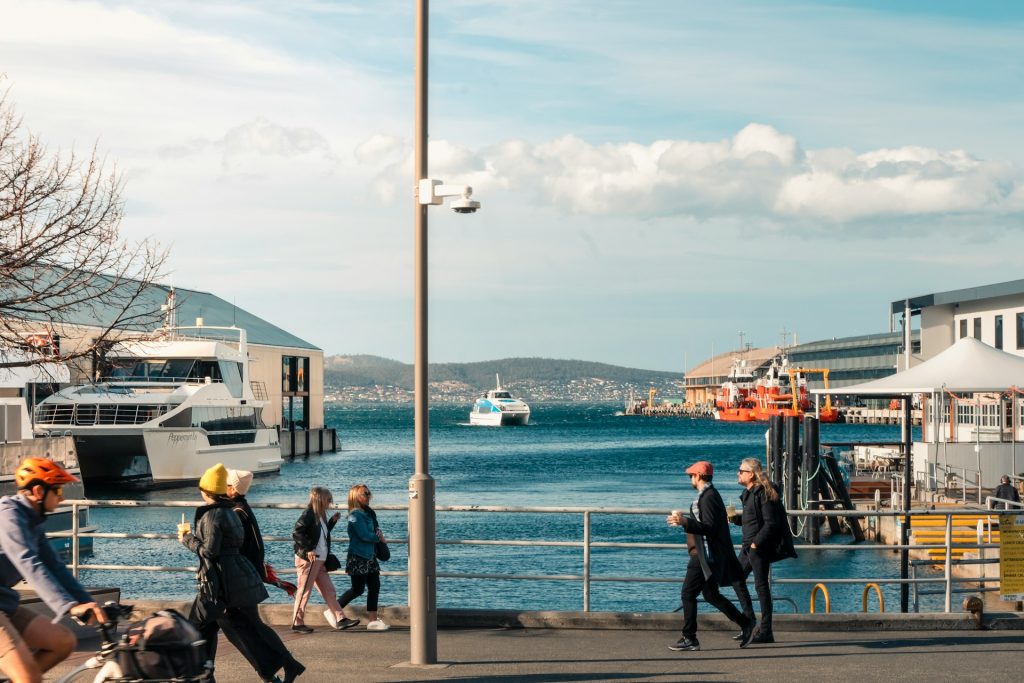
Hobart offers a relaxed blend of nature, history, and small-city ease. Its waterfront setting, compact size, and surrounding landscapes reduce travel complexity. Markets, museums, and neighborhoods feel accessible without crowd pressure. The city operates at a slower tempo shaped by geography and local culture. Outdoor experiences like coastal walks or nearby national parks encourage unhurried exploration. Even popular events maintain a manageable scale. Visitors often note how quickly daily stress fades. Hobart’s rhythm favors quality over quantity, allowing time to appreciate food, scenery, and conversation without the sense of constantly moving on. This gentle pace supports reflection, comfort, and restorative travel experiences.
Santa Fe, New Mexico
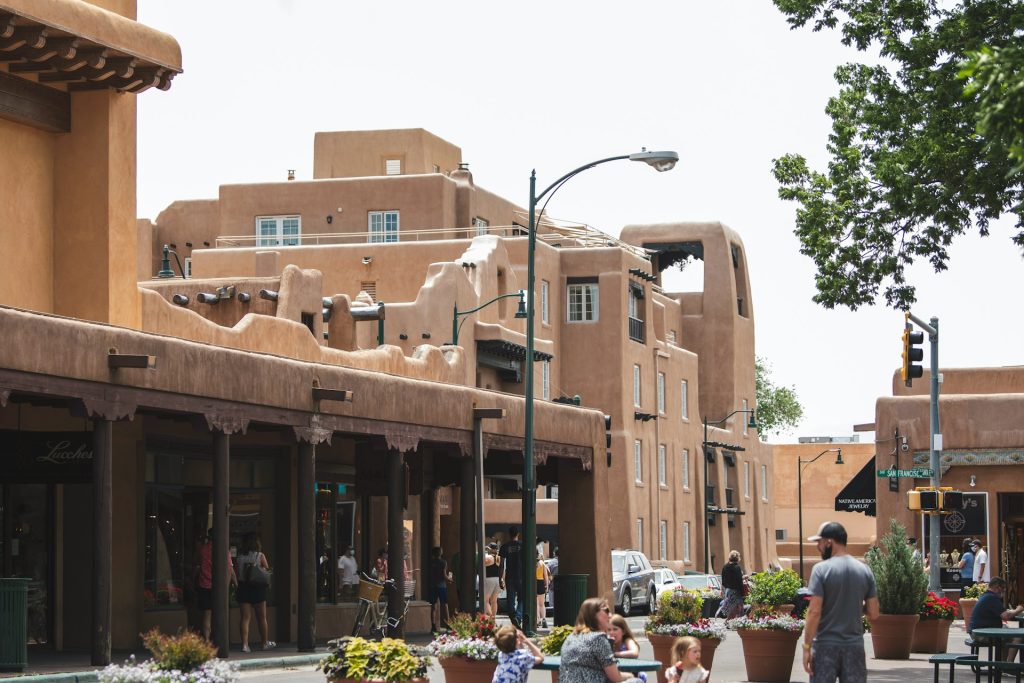
Santa Fe feels low-pressure due to its blend of open space, art culture, and desert calm. The city’s adobe architecture and wide skies create visual softness. Galleries, museums, and historic sites encourage wandering rather than rushing. Elevation and climate naturally slow movement, reinforcing a gentler pace. Local culture values creativity and reflection, which shapes daily interactions. Traffic remains manageable, and neighborhoods feel distinct yet connected. Visitors often experience reduced urgency simply by adapting to the environment. Santa Fe supports presence over productivity, making it easy to engage without feeling overextended. This atmosphere encourages balance, mindfulness, and unhurried enjoyment each day.
Porto, Portugal
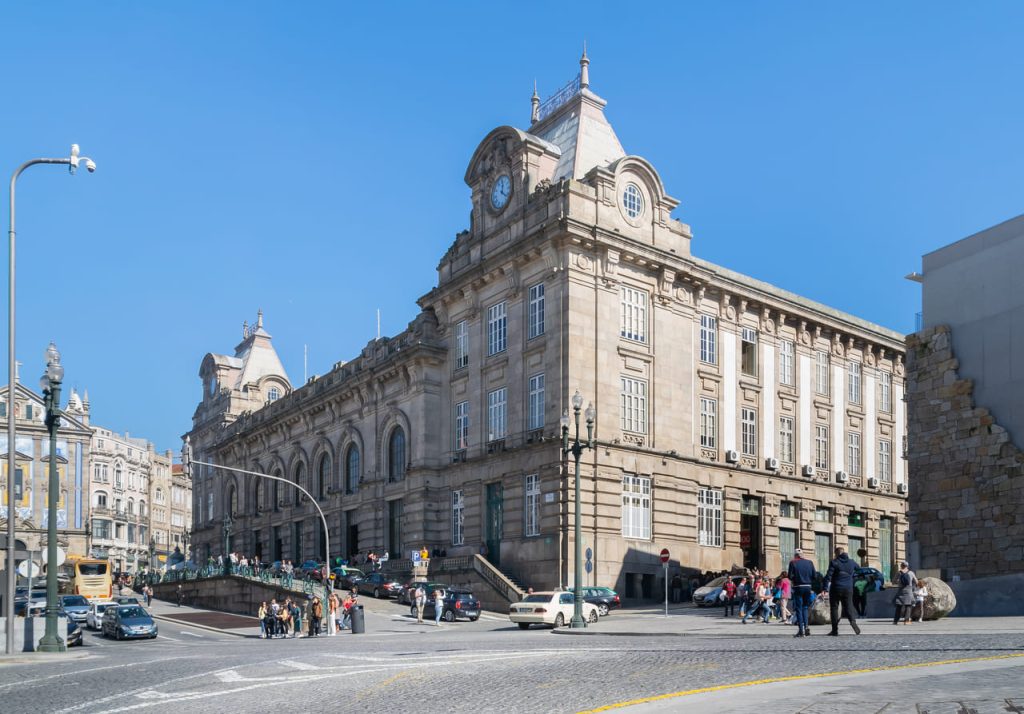
Porto balances history and daily life in a way that feels grounded and unforced. The city’s hills and riverfront naturally regulate pace, encouraging pauses and observation. Cafes and public spaces prioritize lingering conversation. While tourism exists, many neighborhoods retain local routines that anchor the atmosphere. Meals unfold, and schedules feel flexible. Public transportation simplifies movement without pressure. The city’s worn textures and steady rhythms reduce performance expectations. Visitors often find that exploration happens through repetition rather than checklists, creating familiarity and comfort over time without the stress of constant novelty. This rhythm encourages presence, and appreciation of everyday moments.
Luang Prabang, Laos
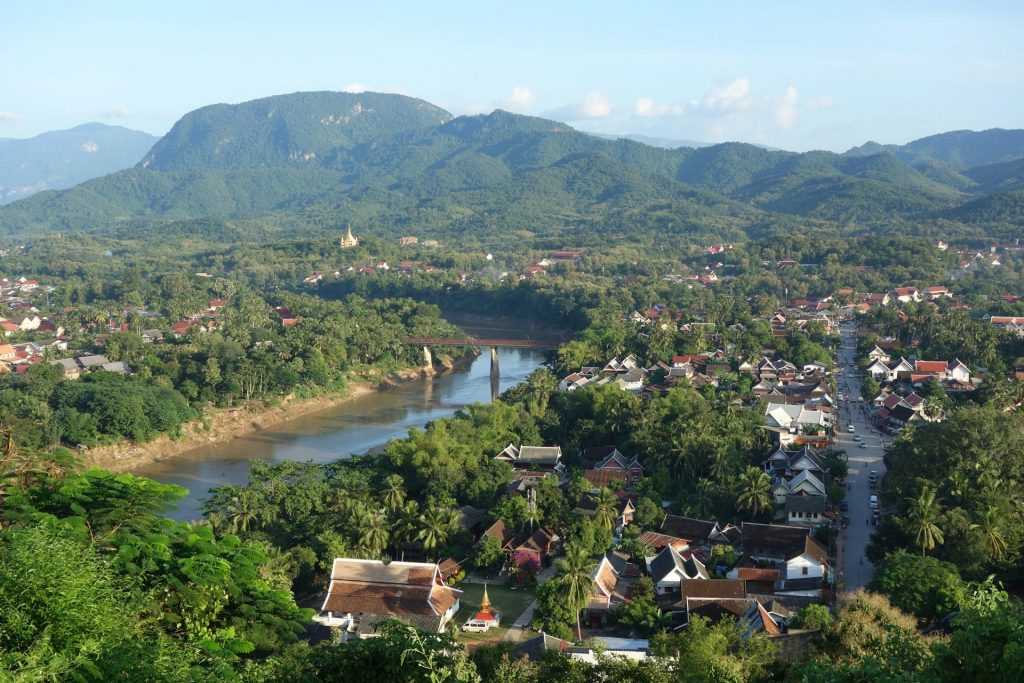
Travelling to Luang Prabang offers a deeply relaxed atmosphere shaped by tradition, geography, and scale. The town’s location between rivers and mountains creates natural boundaries that limit sprawl and preserve a human pace. Daily life follows predictable rhythms marked by morning markets, temple routines, and early evening quiet. Traffic remains minimal, and walking feels safe and intuitive throughout most neighborhoods. Cultural norms emphasize respect, patience, and calm interaction in public spaces. Tourism blends gently into local life rather than overwhelming it. Visitors often feel less pressure to plan extensively, as time seems to slow, allowing days to unfold naturally without urgency.
Prince Edward Island, Canada
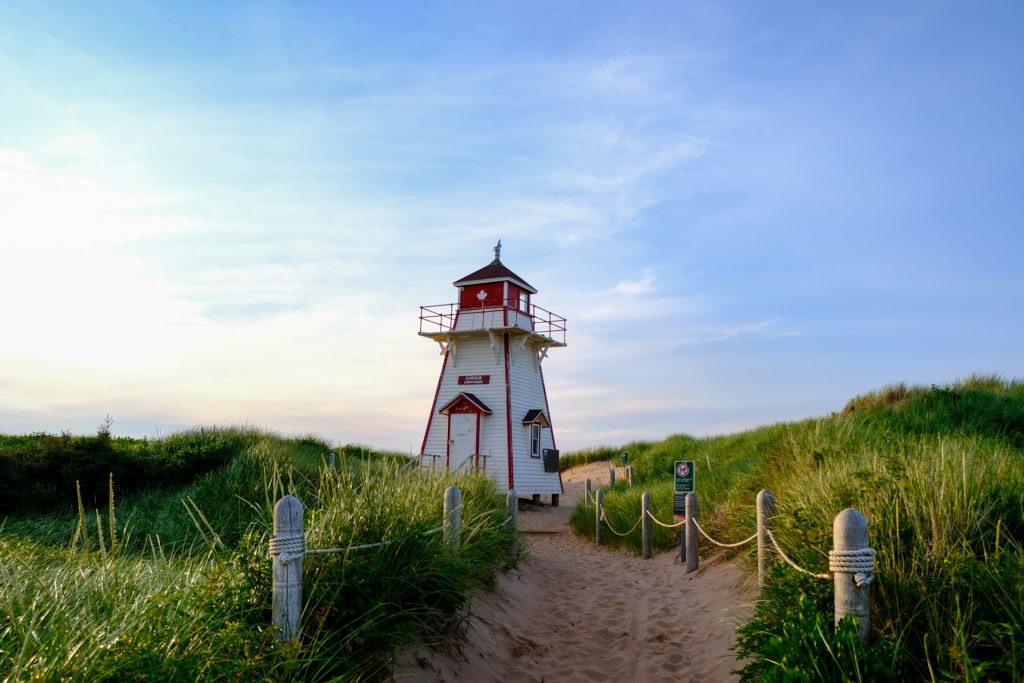
Prince Edward Island feels low-pressure due to its rural landscapes, coastal views, and close-knit communities. Distances remain short, reducing transit stress. Daily life centers on seasonal rhythms, agriculture, and weather rather than schedules. Beaches, small towns, and scenic drives invite unhurried exploration. Local interactions tend to be friendly but unintrusive. Tourism infrastructure exists without dominating the environment. The island’s pace naturally encourages early nights and slow mornings. Visitors often report feeling grounded quickly. Prince Edward Island supports simplicity, making it easy to relax into routines without feeling compelled to constantly seek activity.