10 Questions Travelers Are Asking Before Booking a Trip to the U.S. This Year
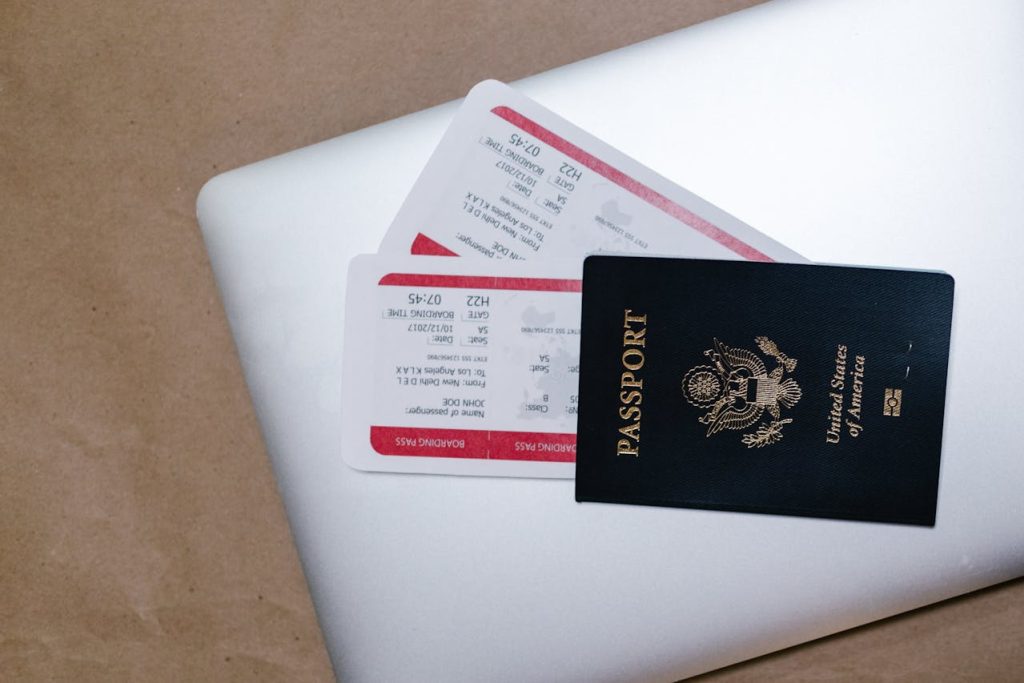
Booking a U.S. trip now begins with sharper questions than it did a few years ago. Travelers are still excited about cities, parks, and long-awaited reunions, but the first layer of planning has become more technical. Flights and hotels still matter, yet paperwork order and route choices now shape decisions before payment.
Entry rules, document timing, and airport process details can change outcomes before anyone reaches a gate. The smartest planners are not overthinking. They are asking better questions early, then booking with calm confidence, fewer surprises, and a plan that still feels joyful once wheels are up this year.
Do I Need ESTA, Or a Visitor Visa?
For many travelers, this is the first decision point. The Visa Waiver Program allows eligible nationals to enter for tourism or business for up to 90 days, but that pathway requires approved ESTA before boarding. If a stay may run longer, or the trip purpose falls outside waiver limits, a B visitor visa is usually the safer route.
ESTA validity also shapes planning. CBP guidance says authorization is generally valid for two years, or until the passport expires, whichever comes first. That means a traveler can have a valid travel idea but an invalid permission window, so checking status early prevents last-minute booking stress.
How Early Should Visa Paperwork Start?
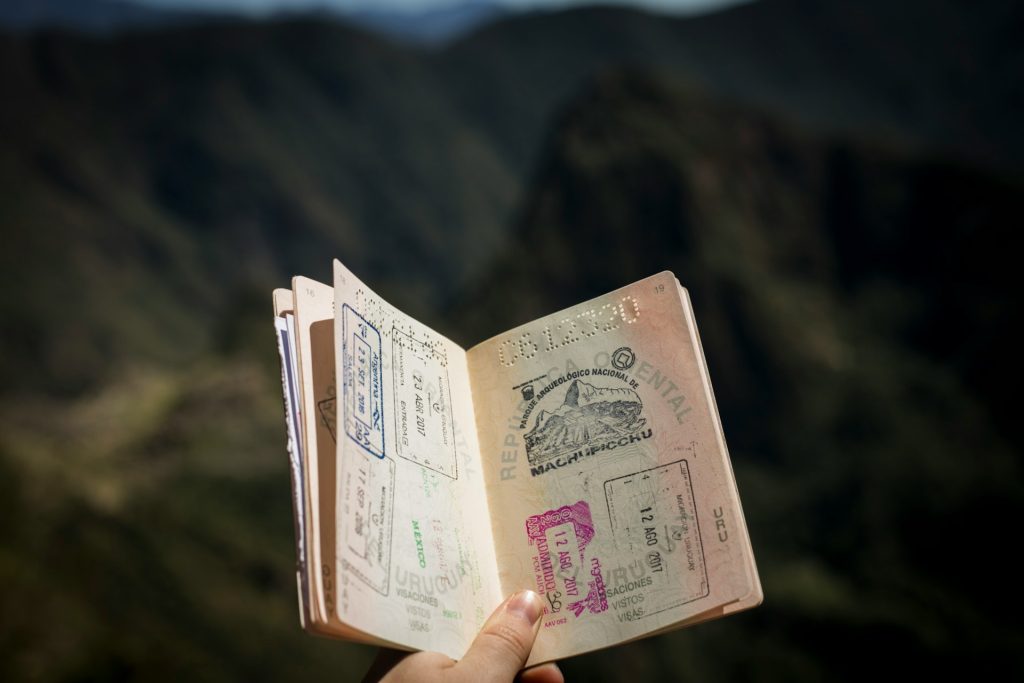
This question saves money more often than any fare trick. The State Department notes that interview wait times vary by embassy workload and staffing, and those estimates can shift from week to week. A trip date that looks easy on an airline calendar can become tight if appointment slots move.
Strong planning now starts with consular timing, then moves to tickets and rooms. Travelers who align bookings with current wait-time data usually face fewer changes and lower cancellation risk. Starting paperwork early is not caution for caution’s sake. It protects flexibility when schedules tighten. Early timing keeps choices open when plans shift.
Does My Passport Meet U.S. Validity Rules?
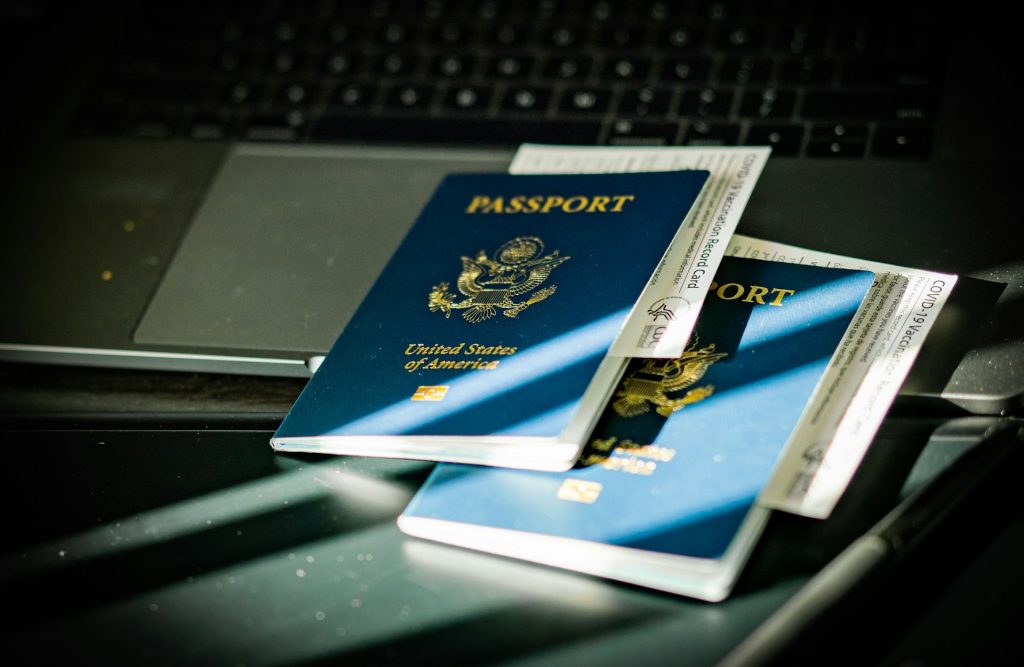
Passport validity still causes avoidable disruption. CBP says many visitors are expected to carry passports valid for six months beyond the intended period of stay, while some nationalities are exempt under the six-month club framework. The practical point is simple: the rule is country-specific, not one-size-fits-all.
Travelers now check validity rules before searching hotels because an otherwise valid passport can still fail a boarding or entry check if timing is short. A fast review of nationality rules, expiry date, and available pages takes minutes and protects the rest of the booking process. This check prevents booking errors.
If the Route Includes a U.S. Connection, Is a Transit Visa Needed?
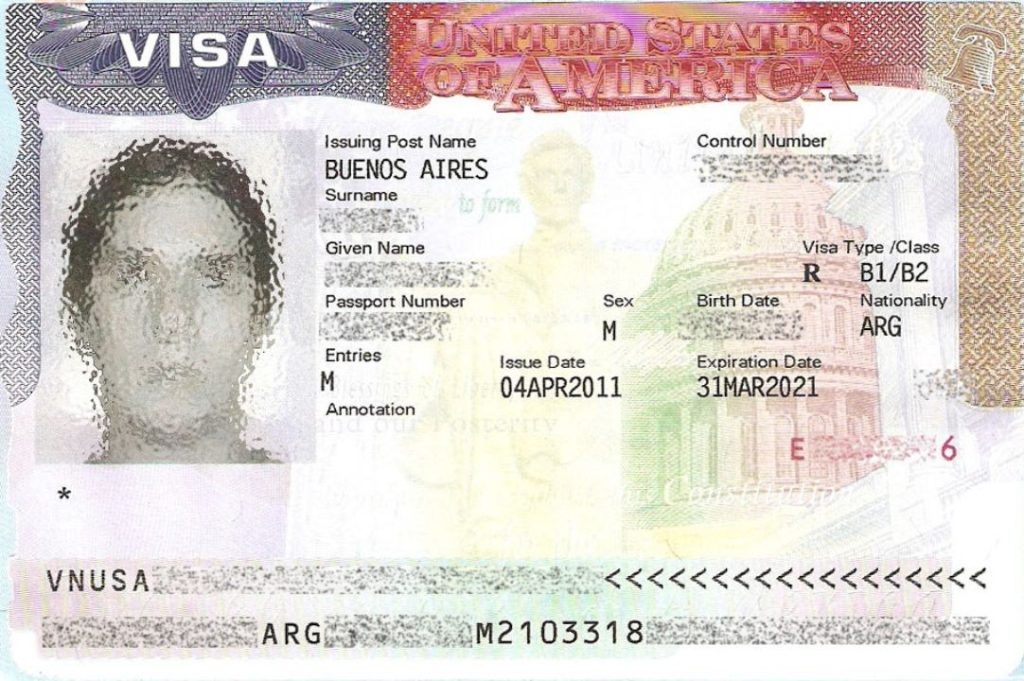
A surprising number of travelers ask this only after buying tickets. State Department guidance is clear that C transit visas cover immediate and continuous transit through the United States en route to another country, with limited exceptions. So a brief airport stop can still trigger a visa requirement.
This matters most on complex itineraries where a cheaper fare includes a U.S. layover. Travelers who confirm transit eligibility first avoid painful rebooking fees and missed departures. It is one of the easiest pre-booking checks, and it removes a major source of avoidable friction. It protects confidence on multi-border trips.
Does a Visa or ESTA Guarantee Admission at the Border?
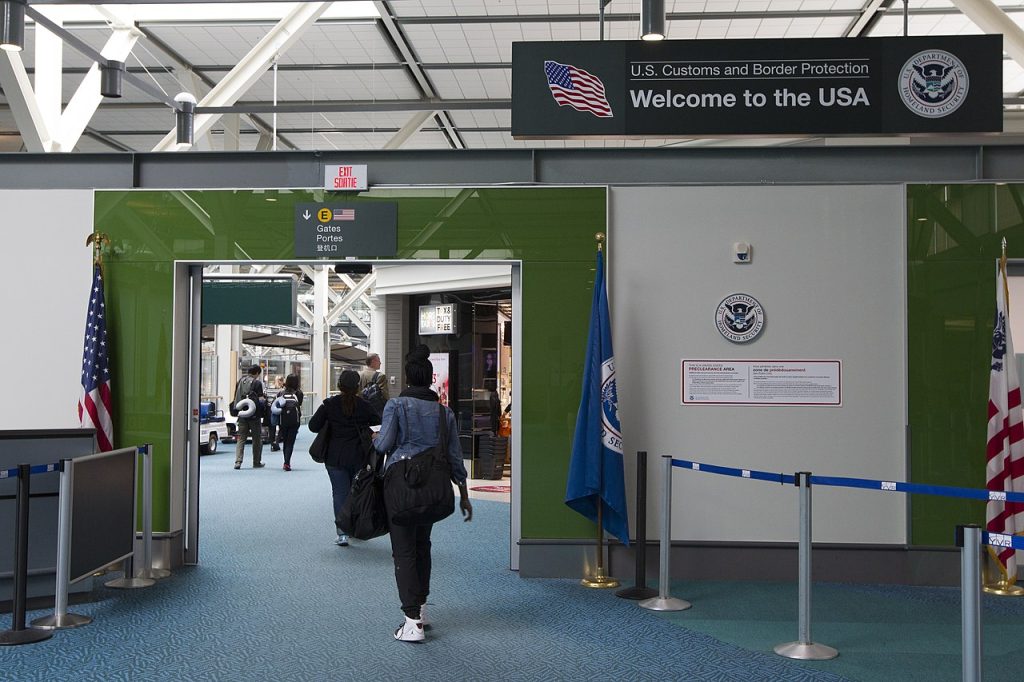
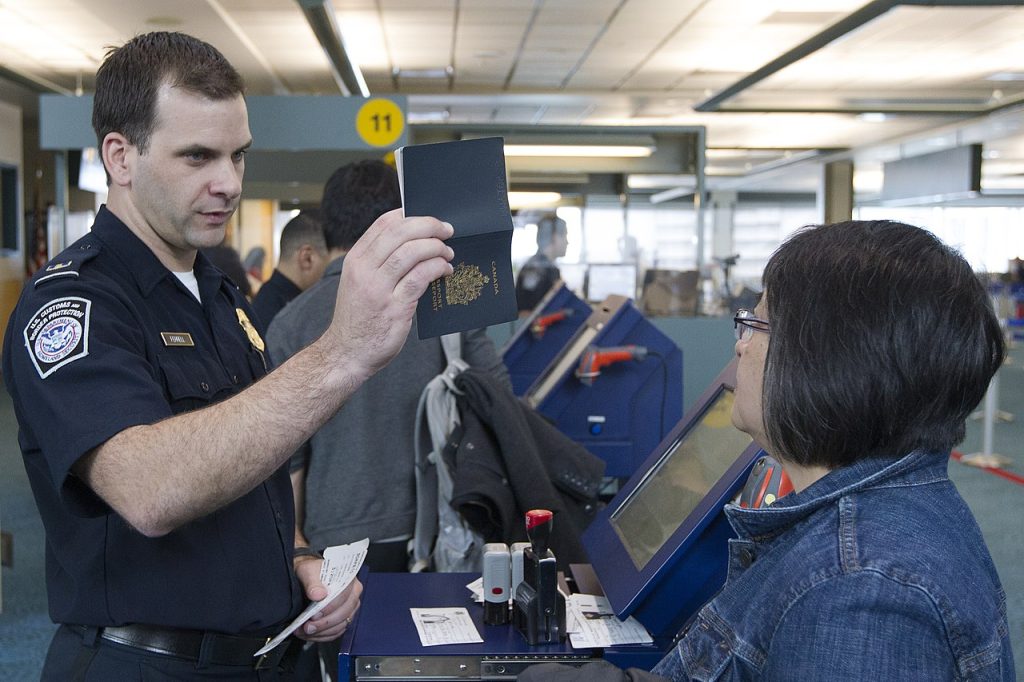
This is one of the most important expectation checks. State Department guidance states that a visa allows travel to a U.S. port of entry, but admission is decided by CBP officers during inspection. The same principle applies in practice to ESTA travel, where final entry still happens at the border.
That is why consistent documents matter so much. When itinerary purpose, stay details, and supporting records align, inspection is usually straightforward. Most problems begin when trip details conflict across bookings or statements. Clarity, not volume of paperwork, is what helps most. Calm, accurate answers usually do more than extra paperwork.
What ID Works for Domestic U.S. Flights After Arrival?
Many travelers worry about domestic connections because REAL ID enforcement began on May 7, 2025. TSA says noncompliant state licenses are no longer accepted at checkpoints, but passports remain valid travel ID. For international visitors, that usually means a passport is still the most dependable document.
Confusion often comes from mixed itineraries that combine international arrival and domestic hops on one booking. Checking TSA ID rules before departure removes day-of-travel uncertainty and protects short connection times. It is a small step that can prevent expensive same-day changes. It helps with tight transfers today.
Can Border Officers Check Phones and Other Devices?
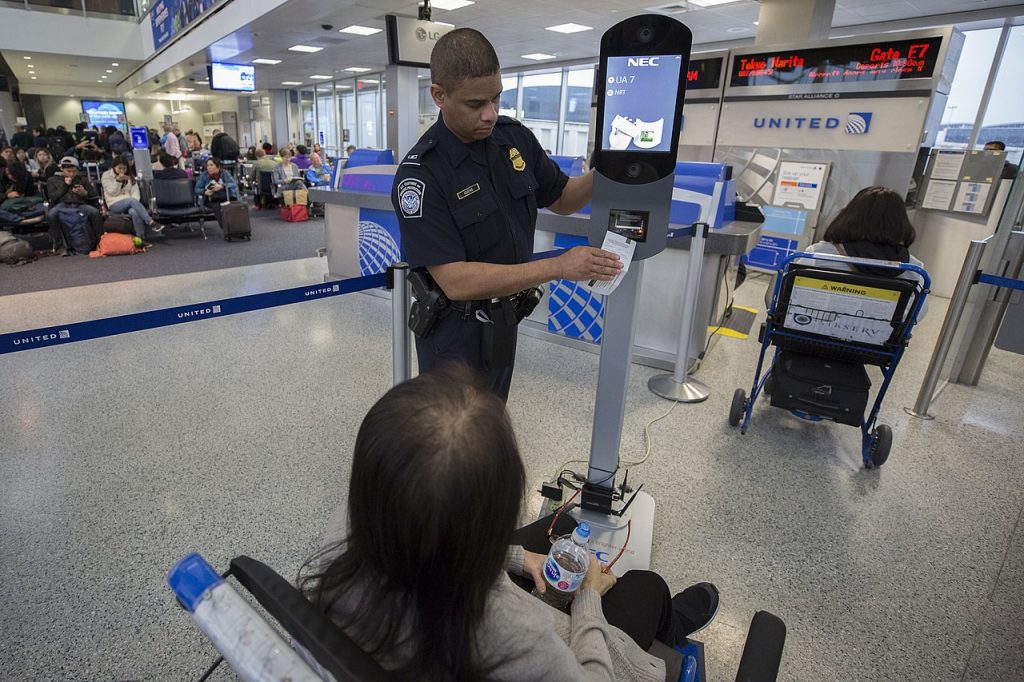
Travelers ask this more frequently now, and the official answer is yes in specific circumstances. CBP policy allows device searches at ports of entry, while noting the share is small relative to total crossings. For FY 2025, CBP reports 55,318 device searches out of more than 419 million processed travelers.
The takeaway is practical, not dramatic. Most travelers are never asked for a device review, but organized records and clear trip details still help reduce stress at inspection. Good preparation is mostly about consistency across reservations, purpose of travel, and basic documentation. Calm prep supports smoother arrivals.
What Food, Plants, or Gifts Must Be Declared?

This question matters more than many travelers expect. APHIS and CBP both state that travelers entering the United States must declare agricultural and wildlife products, including many foods, plants, and animal items. Whether an item is allowed depends on origin, product type, and inspection outcome.
Declaring first is the safe move, even for everyday gifts or snacks. Officers decide admissibility after review, and declaration itself is part of compliance. Travelers who keep labels and packaging, as agencies recommend, usually move through the process with fewer delays and less confusion. It makes arrival more predictable.
How Much Cash Can Be Carried, And What About Cannabis Products?

Money rules are straightforward once travelers know the threshold. FinCEN guidance requires reporting when currency or other monetary instruments exceed $10,000 in aggregate across the border. The rule applies whether entering or leaving the United States, and reporting is done through FinCEN Form 105.
Cannabis creates a separate legal mismatch that still surprises visitors. CBP states that marijuana remains illegal under U.S. federal law at the border, even where state laws permit medical or recreational use. Travelers who separate state-level assumptions from federal border law avoid major mistakes. This distinction guides better planning.
How Should Weather and Disruption Risk Affect Booking Dates?

Timing now includes climate and operations, not just price. NOAA defines the Atlantic hurricane season as June 1 through Nov. 30, which can influence flight reliability across parts of the U.S. and Caribbean network. Travelers booking within that window often build extra connection time and flexible cancellation terms.
DOT guidance adds another practical layer: airlines are not generally required to compensate for domestic delays or cancellations, except in limited cases such as specific overbooking rules. That is why many planners now prioritize refundable options and realistic layovers over the absolute lowest fare. It protects budgets.