10 Reasons Some Popular U.S. Destinations Don’t Feel the Same for Women Travelers Anymore

Popular U.S. destinations still deliver beauty, culture, and strong memories, but the day-to-day travel experience has shifted for many women. The postcard is familiar, yet the practical texture now asks for tighter planning, clearer boundaries, and smarter timing from arrival to bedtime.
This change is not about fear or retreat. It is about friction that accumulates in small ways: crowd density, booking complexity, cost volatility, and digital noise. Women are still traveling boldly, but many now build trips with more strategy so joy survives the logistics and the day still ends with a sense of ease, agency, and emotional breathing room.
Crowds Are Denser Than The Memory

Travel volume is running hot across the country, and pressure concentrates in the same famous districts season after season. The National Park Service logged a record 331.9 million recreation visits in 2024, while TSA has also posted record single-day screening numbers above 3 million during major holiday waves.
For women, bigger demand often means thinner margins for comfort. Crowded transit nodes, longer pickup waits, and packed attraction windows can turn a simple afternoon into a timing exercise. The place may be unchanged on paper, but the pace now rewards precise sequencing over loose spontaneity and casual assumptions.
Timed Entry Turns Flexibility Into Precision

Many high-interest sites now rely on timed-entry or reservation systems to prevent gridlock, including seasonal controls at places like Arches. These tools can improve traffic flow, yet they also make a trip less forgiving when flights shift, weather changes, or one delay pushes a schedule off by an hour.
Women often plan around daylight, safer transfer windows, and predictable returns to lodging. When a single slot is missed, the ripple can be bigger than it looks. What used to feel like an easy day out now behaves more like a chain of locked appointments that leaves less room to improvise and still recover calmly on time.
Clearer Prices Still Don’t Mean Cheaper Trips

Price transparency rules have improved, especially after the FTC rule targeting hidden fees in short-term lodging and live-event tickets took effect in May 2025. That change made checkout math cleaner and reduced some of the surprise costs that used to appear at the final payment screen for travelers.
Even with clearer pricing, total trip cost is still harder to contain than it was a few years ago. Federal inflation data showed lodging-away-from-home prices jumped sharply in Dec. 2025 alone. For many women, that means building larger buffers so one spike in room or ride cost does not destabilize the whole itinerary or mood.
Privacy Checks Now Start Before Booking

Lodging trust now starts before booking, not at check-in. Airbnb’s global ban on indoor security cameras, effective Apr. 30, 2024, addressed a major privacy concern and set a clearer baseline for host behavior. It also signaled how central privacy standards have become in modern trip planning across major U.S. markets.
Women comparing stays now read listings with a sharper lens: entry setup, exterior camera disclosure, neighborhood lighting, and response quality when questions are asked. The destination can still feel warm and welcoming, but confidence is increasingly built through details rather than assumptions and guesswork.
Scam Noise Raises The Mental Cost Of Planning
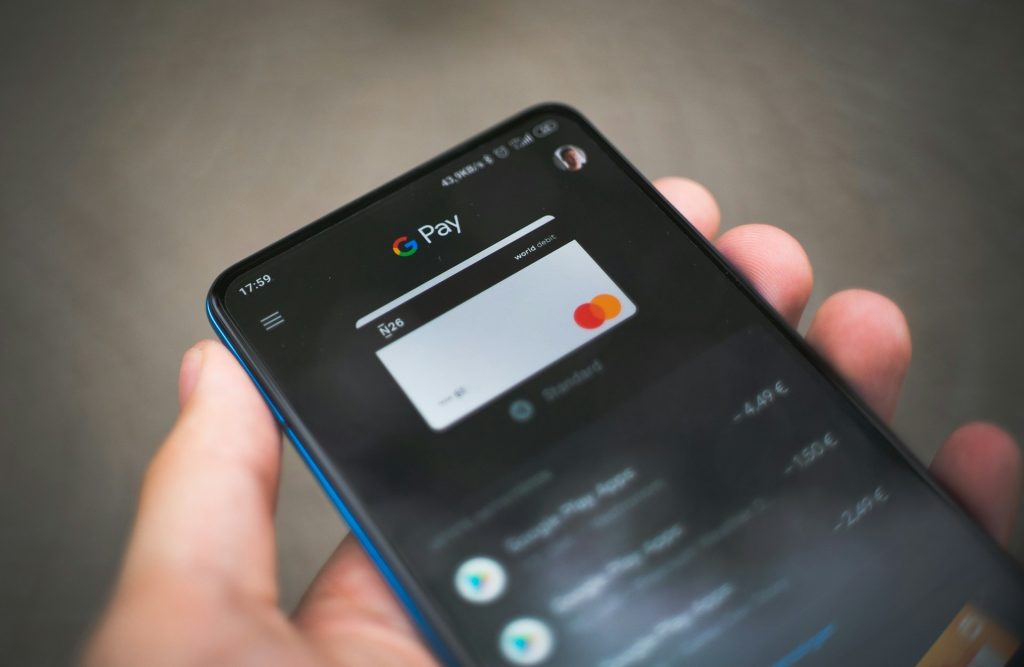
Fraud pressure has become part of travel planning itself, not just a side risk. The FTC reported more than $12.5 billion in fraud losses in 2024, a sharp year-over-year jump, with online-origin scams driving a large share of the damage. That background changes how travelers process urgency, links, and messages.
For women managing multi-stop itineraries, verification now sits beside packing and routing as a task. Confirmation pages get checked twice, callback numbers get validated, and payment requests get scrutinized before action. These habits protect money, but they also add invisible mental load to the booking cycle and transfer day.
Heat Windows Reshape How Days Are Built

Heat is no longer a seasonal footnote in many U.S. itineraries. National Weather Service guidance repeatedly frames extreme heat as one of the country’s leading weather-related killers, which makes midday exposure a planning issue, not just a comfort issue, especially in high-density urban tourism corridors.
Women increasingly structure days around cooler movement windows, shaded routes, and earlier returns after long walks. The joy of exploration remains, but the tempo shifts: longer indoor breaks, tighter hydration routines, and less appetite for standing in direct sun at peak hours. Smart pacing is now part of safety culture.
Viral Exposure Erases The Old Quiet Corners

Social media has widened discovery, but it has also compressed demand into smaller windows. A once-quiet trailhead, mural block, or overlook can move from local secret to full queue in a single season when viral clips push concentrated traffic into places not designed for sustained volume or heavy turnover.
For women, this unpredictability changes trip mechanics in subtle ways. Parking plans need backups, arrival times move earlier, and exit timing matters more after dusk. The charm is still there, yet the buffer between relaxed wandering and logistical strain is thinner than many past memories suggest, especially on weekends.
Nighttime Logistics Demand More Structure

Even in cities known for hospitality, nighttime logistics now require more intent than they once did. Event exits, rideshare pickup zones, and entertainment corridors can bottleneck quickly, creating decision fatigue at the exact moment travelers are already tired from a full day on foot and long museum hours.
Women often respond with simple structure: shared location threads, preselected meetup points, and a fixed return window that avoids late peak surges. None of this removes spontaneity. It protects it. The evening still feels fun, but it is anchored by choices that reduce confusion when streets get crowded and noisy near closing time.
Shoulder Season Is Not Quiet By Default
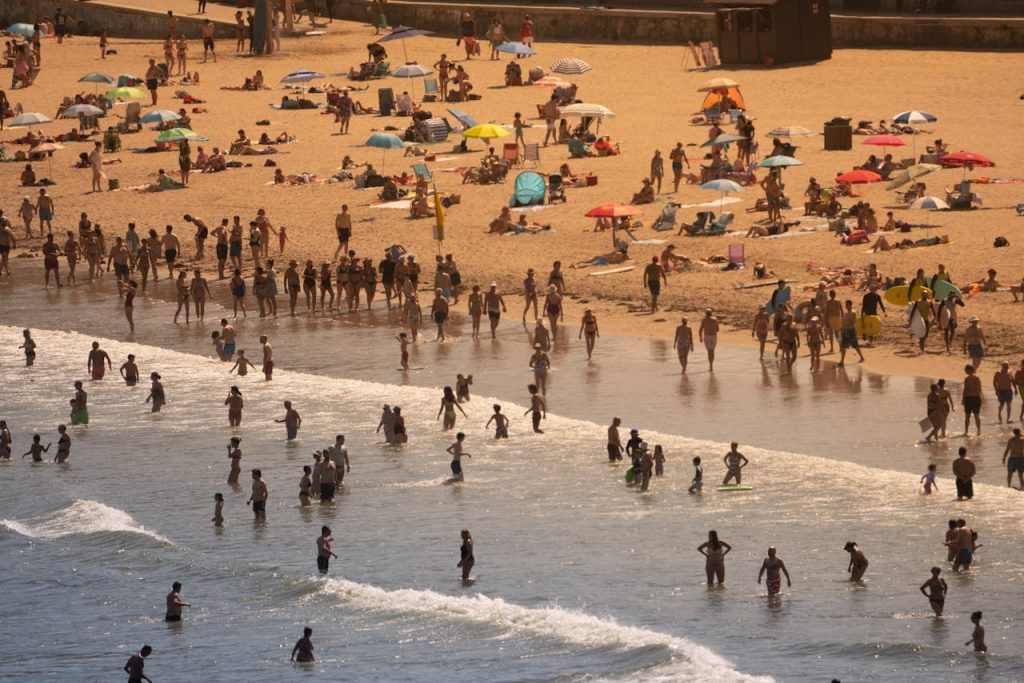
Shoulder season used to promise reliable breathing room, but that pattern is less stable in marquee destinations. Strong baseline demand, flexible work travel, and constant digital promotion keep many places busy beyond traditional peak months, so quieter weeks can disappear without warning after one viral weekend.
Women planning for calmer pacing now treat off-peak assumptions as hypotheses, not guarantees. They check local calendars, transportation advisories, and event schedules before locking plans. The landscape is familiar, but the new skill is dynamic timing: knowing when to shift by a day or two to preserve ease and sleep quality.
The Mental Load Is Cumulative, Not Dramatic

The biggest change is cumulative rather than dramatic. One crowded transfer, one delayed check-in, one unexpected fee, one misleading message, and one overbooked evening rarely breaks a trip by itself. Together, they can erode the emotional margin that once made travel feel effortless and socially light.
Women are not stepping back from the road. They are traveling with sharper systems and clearer boundaries, protecting wonder while managing modern friction. That evolution is practical, not pessimistic. It reflects experience, self-trust, and a commitment to keep discovery joyful even when logistics demand more care every single day.